
Chinese peony (Paeonia lactiflora, )
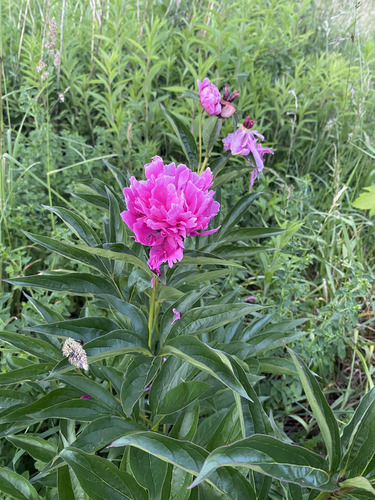
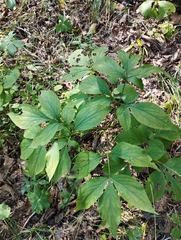

Chinese peony (Paeonia lactiflora Pall.) is an herbaceous perennial in the Paeoniaceae family, native to northeastern Asia. Unlike tree peonies, it dies to the ground each winter and regrows from its crown in spring. Its large, fragrant flowers, often visited by ants while in bud, have made it the parent of most herbaceous garden peonies.
Read moreChinese peony and Common garden peony
Allow a few hours of direct sun per day, preferably morning or evening.
Full sun to light partial shade


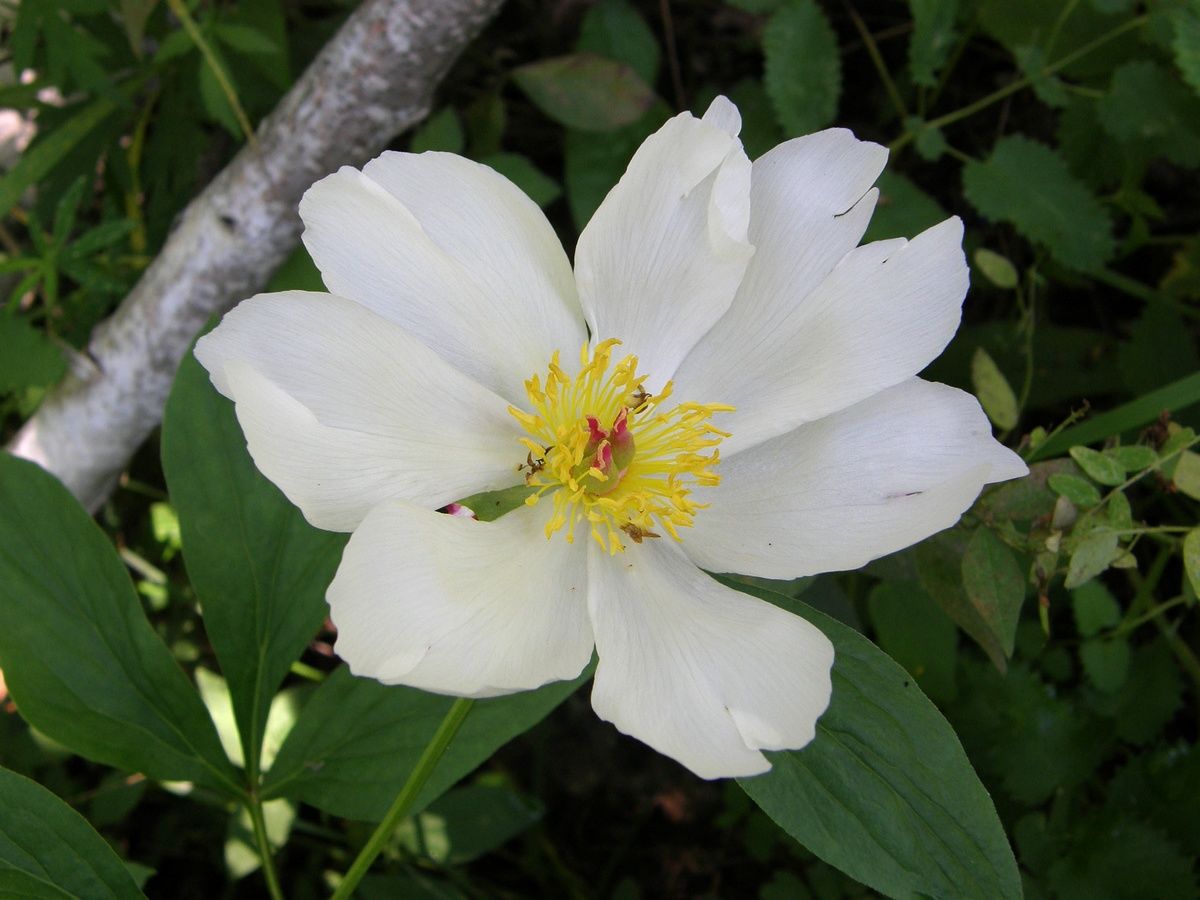
© photo
Radosław Puchałka · cc0
Tatyana Petrenko · cc-by
Wikimedia Commons · CC BY-SA or Public Domain
Taken May 6, 2022 by Dave Flack (cc-by-sa)
Taken Jun 4, 2022 by VINCENZO DeMARCO (cc-by-sa)
Taken May 31, 2022 by Syl Syl (cc-by-sa)
Taken May 4, 2020 by Nicolato Marilena (cc-by-sa)
© copyright of the Board of Trustees of the Royal Botanic Gardens, Kew.




Global distribution
POWO/Kew accepts Paeonia lactiflora Pall. as a species native from southeastern Siberia to northern and eastern China. Horticultural sources also include Mongolia and Korea and note that most herbaceous garden peonies descend from this species.
- Native5
- Northern and eastern China
- Southeastern Siberia
- Mongolia
- Korea
- Russian Far East
Hexagons: regions where the plant occurs. Green dots: native range.1
Identity
Chinese peony (Paeonia lactiflora Pall., 1776) is an herbaceous perennial in the Paeoniaceae family and genus Paeonia. POWO/Kew accepts this name, published by Peter Simon Pallas, and places its native range from southeastern Siberia to northern and eastern China. 1
The epithet lactiflora refers to the milky-white flowers of the wild species. Also known as common garden peony, Chinese peony is grown in flower beds and for cut flowers; its wholly herbaceous life cycle distinguishes it from tree peonies. 2 4
Much of its horticultural importance comes from its descendants: most herbaceous garden peonies, sold under countless cultivar names, derive from this species. The botanical name Paeonia lactiflora provides a consistent reference amid the many nursery labels. 3 4
Recognition
An upright clump of herbaceous stems reaches 60–100 cm (24–39 in) tall and dies back completely in winter. This loss of all aboveground stems immediately separates it from a tree peony, whose woody framework remains visible year-round. 3 2
Alternate, compound leaves divide into narrow leaflets, dark green and glossy above and paler beneath. The sharply divided foliage remains attractive after flowering and helps identify the plant through summer. 3 5
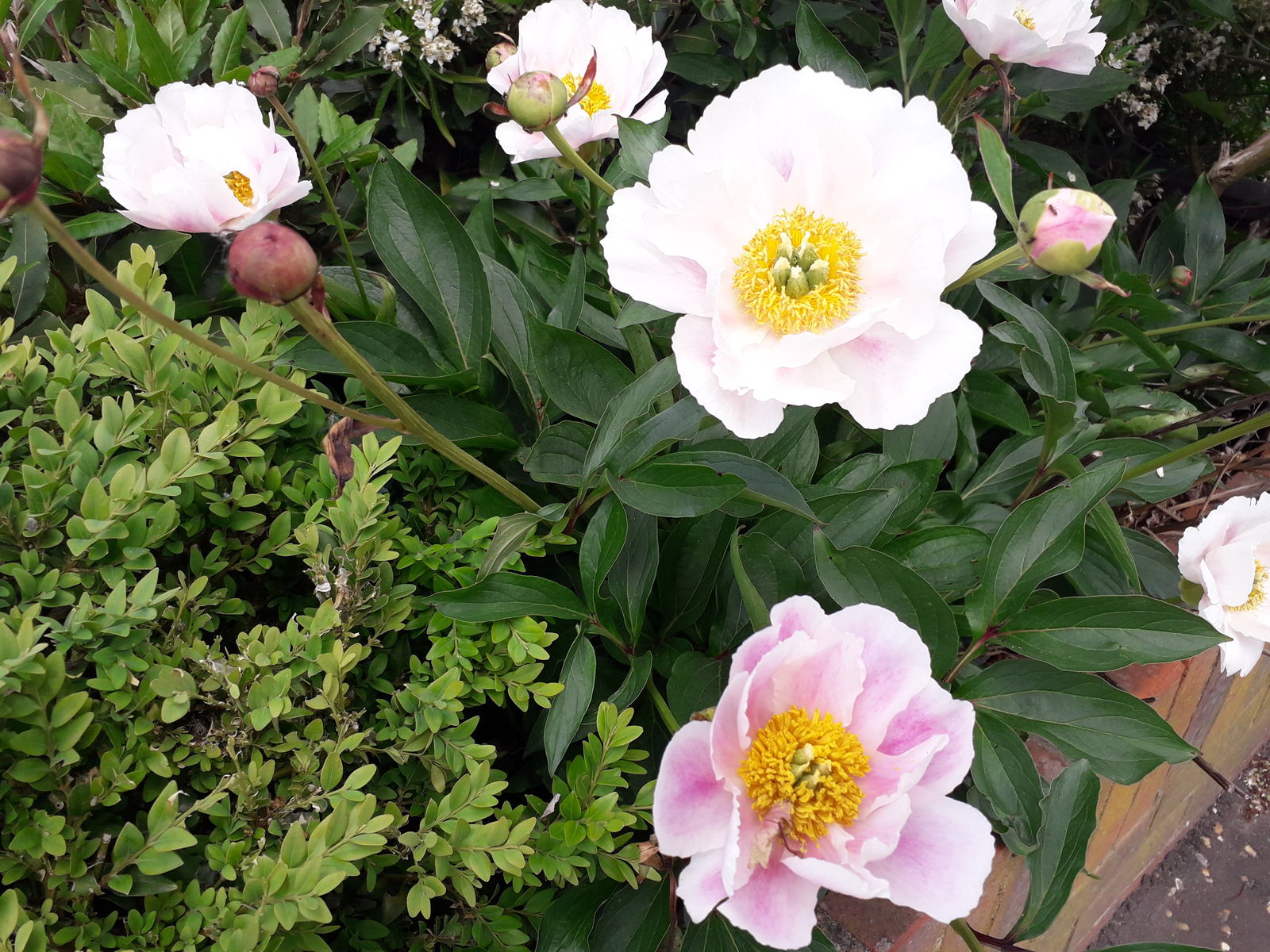
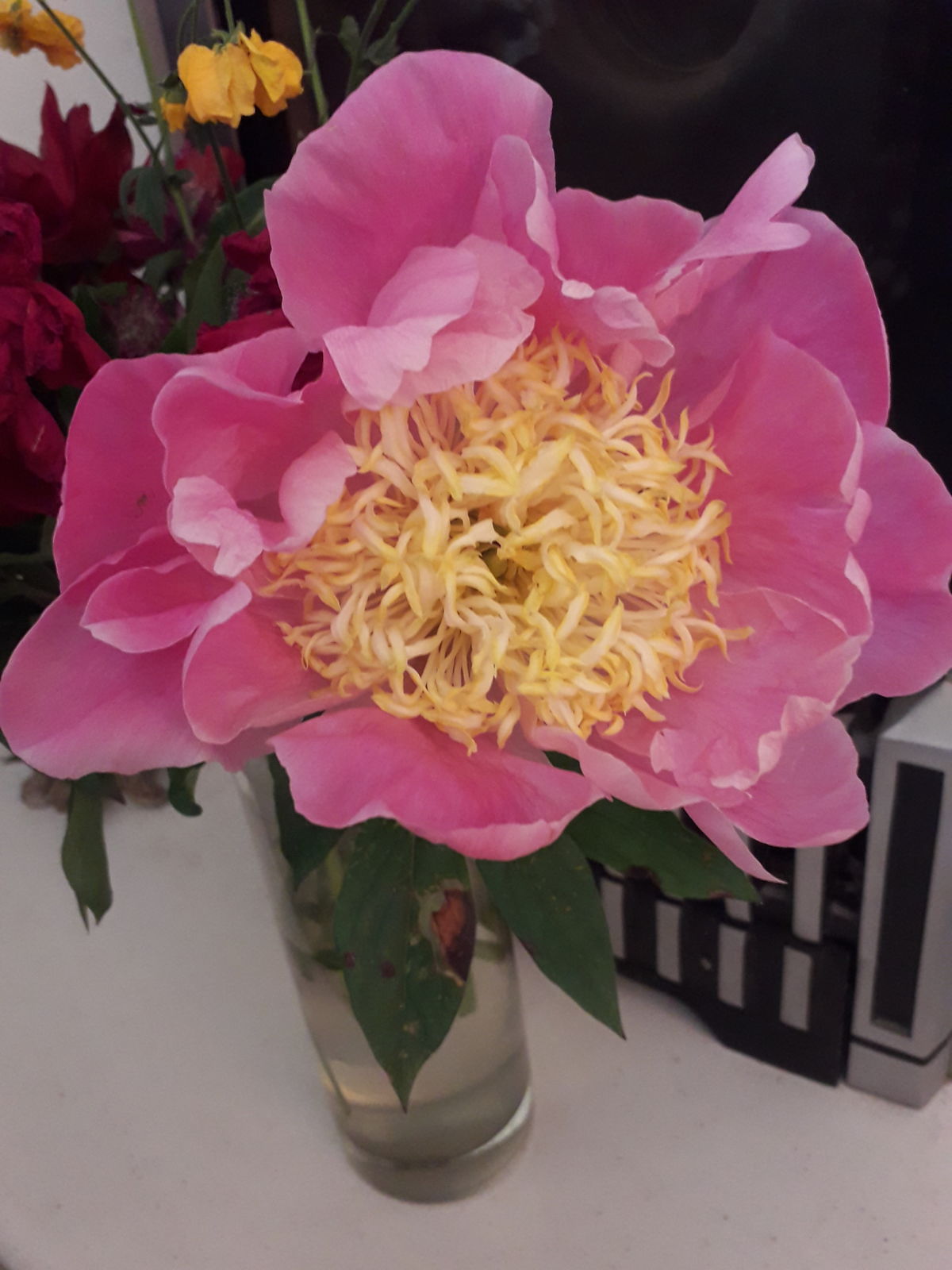
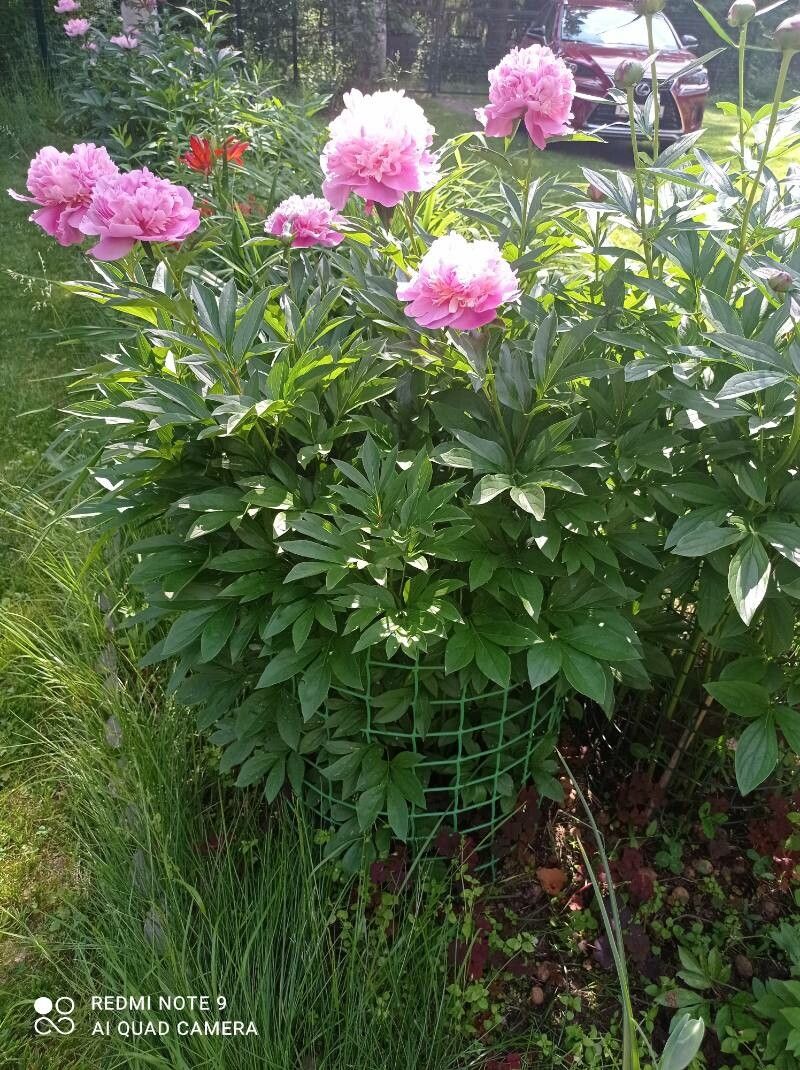
Large, terminal, fragrant flowers are the main attraction. They may be single, semi-double or densely double, in white, pink or red, depending on the cultivar. Flowering runs from late spring into early summer. Ants commonly visit the buds to collect sweet nectar, but they are not needed to open the flowers. 4 3
Useful taxonomy
For botanical identification, use Paeonia lactiflora Pall., published in 1776. POWO recognizes it as an accepted species in Paeoniaceae, order Saxifragales, native from southeastern Siberia to northern and eastern China. 1
Older synonyms include Paeonia albiflora Pall., still encountered in horticultural literature, along with several locally described forms. The name Paeonia lactiflora, without a hybrid sign, distinguishes this species from tree peonies written with a hybrid ×. 1 6
A garden label reading herbaceous peony most often refers to the lactiflora group or its hybrids. Names such as 'Sarah Bernhardt' and 'Festiva Maxima' identify selected cultivars, rather than separate species or botanical varieties. 2 6
Habitat and range
Southeastern Siberia through northern and eastern China forms the native range recognized by POWO/Kew, within a temperate biome. Chinese peony grows in grassland, on grassy slopes and at scrub edges, in deep, well-drained soil. 1
Horticultural accounts often also include Mongolia, Korea and the Russian Far East, consistent with a broadly distributed northeastern Asian species. This range also helps explain its strong cold hardiness. 3 4
The French record describes Chinese peony as cultivated, rather than invasive; that statement concerns France. For garden cultivation, give it a permanent, bright position with deep, well-drained soil. Established crowns dislike being moved repeatedly. 2 5
Life cycle and reproduction
Winter dormancy defines this herbaceous perennial: stems dry out and disappear, then the crown sends up new shoots in spring. Full flowering takes patience, often 3–4 years after planting or division while the crown builds up. 3 2
Single and semi-double flowers provide pollen and nectar for visiting bees. Highly double forms are more sterile and offer fewer resources. After flowering, follicles contain large, viable black seeds, but raising plants from seed is slow and does not reproduce a cultivar faithfully. 4 5
For garden propagation, divide the crown in fall, keeping 3–5 eyes on each piece and replanting shallowly. The crucial detail is the depth of the eyes, just 2–5 cm (0.8–2 in) below the surface. A deeply buried crown can produce vigorous foliage while failing to flower. 2 3
Uses and risks
Fragrant cut flowers and lasting garden display are the chief uses. Chinese peony suits sunny perennial beds, borders and cottage gardens, and its cut flowers are valued in bouquets. Once established, a crown can flower for decades in the same place. 2 4
Chinese peony is not a garden food crop. Roots of some peonies have traditional medicinal uses, but these do not establish a safe public preparation, dose or treatment here. The advice remains to avoid eating the plant. 5 3
Animal safety calls for caution. The ASPCA lists “Peony” as toxic to dogs, cats and horses, identifying paeonol and signs such as vomiting, diarrhea and depression after ingestion. Effects are generally moderate, but animals should be kept from eating it. 7
Varieties, look-alikes and related plants
Choose cultivars by color, flower form and fragrance: single, semi-double, double or Japanese form, in white, pink or red. 'Sarah Bernhardt' is a classic, strongly scented double pink for cutting; 'Festiva Maxima' is white with red flecks; 'Duchesse de Nemours' is fragrant creamy white; 'Bowl of Beauty' illustrates the Japanese form with a central cluster of stamens. 2
Other peonies commonly confused with this species include:
- Paeonia officinalis, common peony, another herbaceous species that often flowers earlier;
- Paeonia × suffruticosa, tree peony, which retains woody stems in winter;
- Itoh hybrids, crosses between herbaceous and tree peonies, with an intermediate habit.
Completely herbaceous growth, stems that vanish in winter and ant-visited buds are the most useful clues when identifying a plant sold as a herbaceous peony as Paeonia lactiflora or one of its hybrids. 3 1
Main sources
Frequently asked questions
Is Chinese peony really herbaceous?
Yes. Unlike a tree peony, it does not form woody stems. Its stems dry out and disappear in winter, then the plant regrows from its crown in spring.
Should I cut back Chinese peony in fall?
Yes. Cut the dead stems down to ground level in late fall or winter. This tidies the clump and helps limit diseases such as Botrytis peony wilt.
Why are ants covering my peony buds?
The buds exude sweet nectar that attracts ants. They do not harm the plant and are not needed to open the flowers; no treatment is necessary.
Why is my Chinese peony not flowering?
The most common cause is planting too deeply. The eyes should be only 2–5 cm (0.8–2 in) below the surface. Shade, recent division and a young plant can also delay flowering.
Is Chinese peony toxic to animals?
Treat it cautiously. The ASPCA lists peonies as toxic to dogs, cats and horses, identifying paeonol and digestive signs after ingestion. Keep animals from eating the plant.
How does Chinese peony differ from a tree peony?
Chinese peony is herbaceous and dies to the ground each winter, while a tree peony keeps woody stems. Itoh hybrids combine characteristics of both types.
Similar plants

If you are unsure about a plant’s toxicity, ask a botanist or veterinarian for advice.