
Common lilac (Syringa vulgaris, )

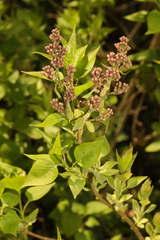
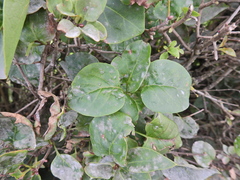
Common lilac (Syringa vulgaris L.) is a deciduous shrub in the Oleaceae family, native to the Balkans and a familiar feature of temperate gardens. Its opposite, heart-shaped to oval leaves accompany strongly fragrant spring panicles, which may be purple, mauve, pink or white in cultivated forms.
Read moreCommon lilac, Lilac and French lilac


© photo
(c) Игорь Поспелов, some rights reserved (CC BY-NC), uploaded by Игорь Поспелов · cc-by-nc
Stephen James McWilliam · cc0
Susan Marley · cc-by
Taken May 14, 2021 by Laura Folgheraiter (cc-by-sa)
Taken May 4, 2021 by Easger Aukema (cc-by-sa)
Taken May 24, 2021 by nimye (cc-by-sa)
Taken May 17, 2021 by nbx (cc-by-sa)
Taken Apr 16, 2022 by Gaël Covain (cc-by-sa)
© copyright of the Board of Trustees of the Royal Botanic Gardens, Kew.


Global distribution
Native to the Balkans, then widely planted, introduced or naturalized in many temperate regions.
- Native5
- Introduced1
- Albania
- Bulgaria
- Greece
- Romania
- Serbia
- Temperate North America
Hexagons: regions where the plant occurs. Green dots: native range.1
Botanical identity
Common lilac (Syringa vulgaris L.) is a deciduous shrub in the Oleaceae family. Plants of the World Online treats it as an accepted name and places its main native range in the Balkans, before its introduction and cultivation in other temperate regions. 1
The familiar names Lilac and French lilac generally refer to this species or its garden cultivars. Common names still need care: unrelated plants, including Lagerstroemia indica, known in French as “lilas des Indes,” and plants called “Persian lilac” in horticulture, can carry similar names.
How to recognize it
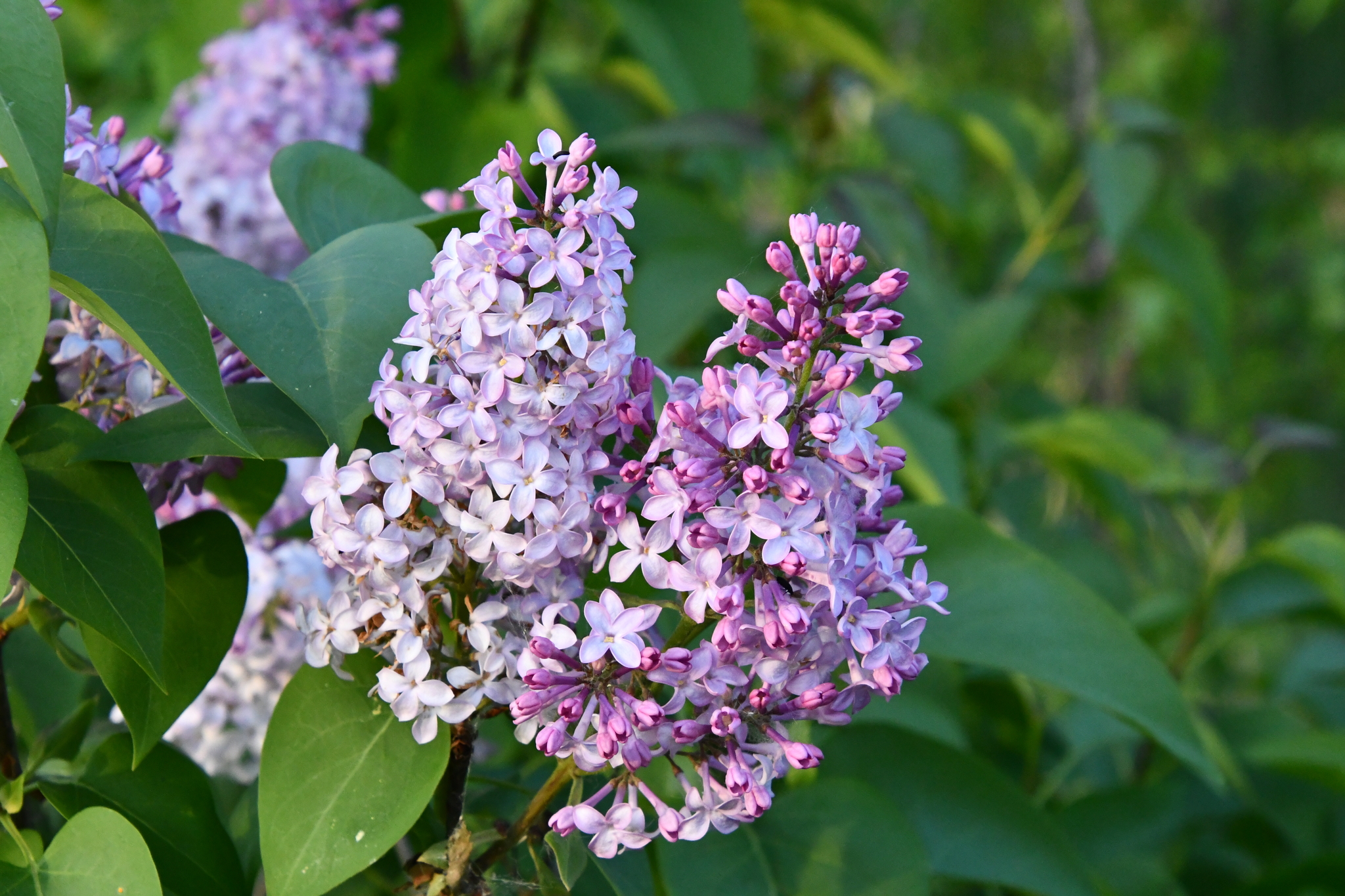
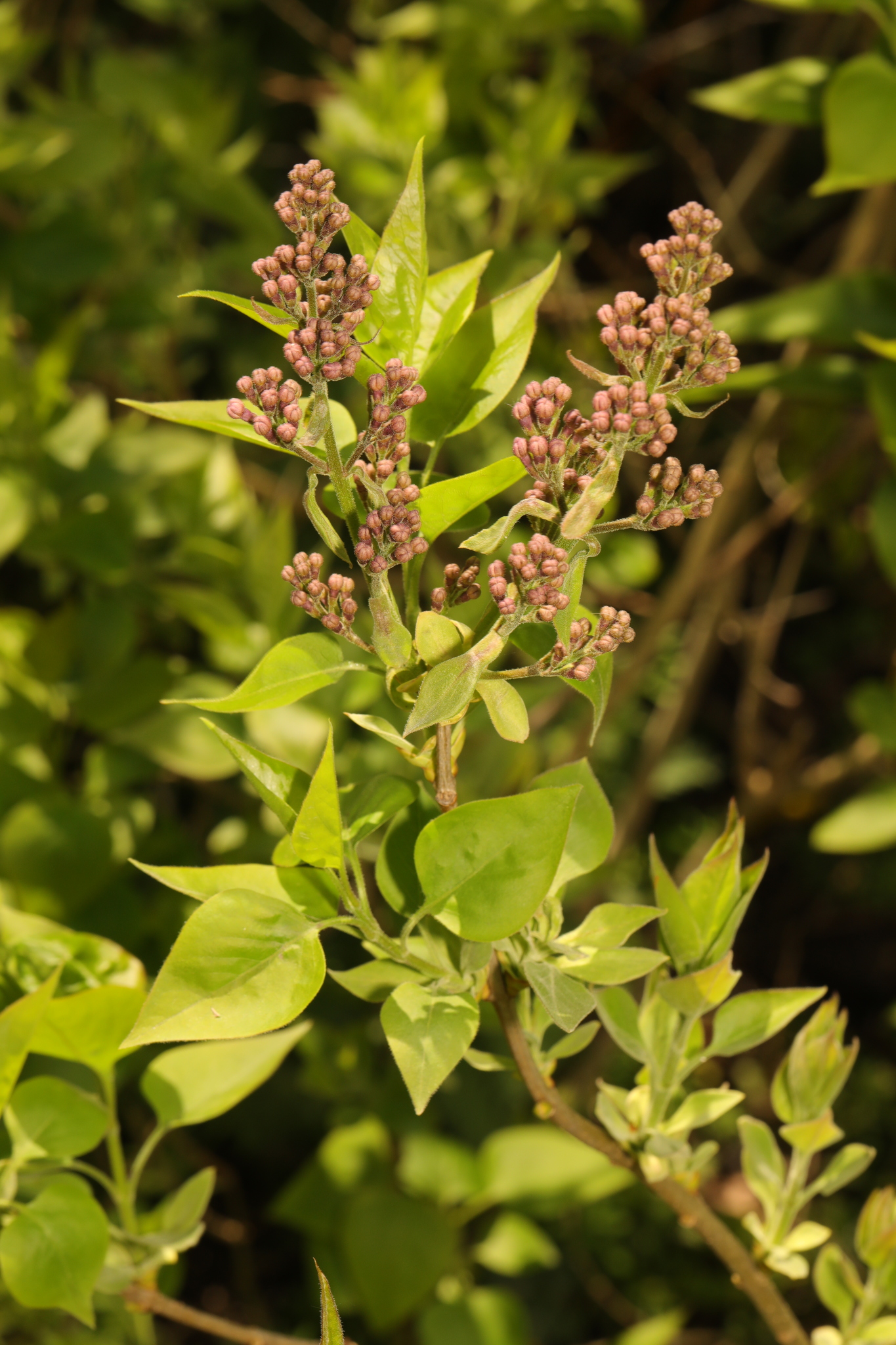
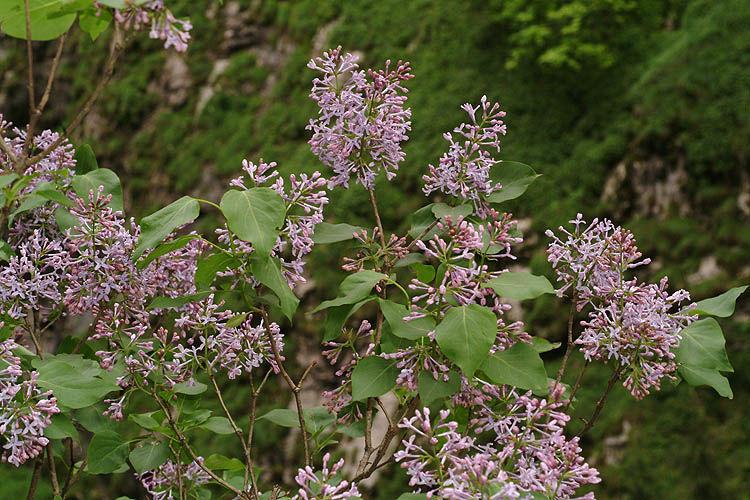
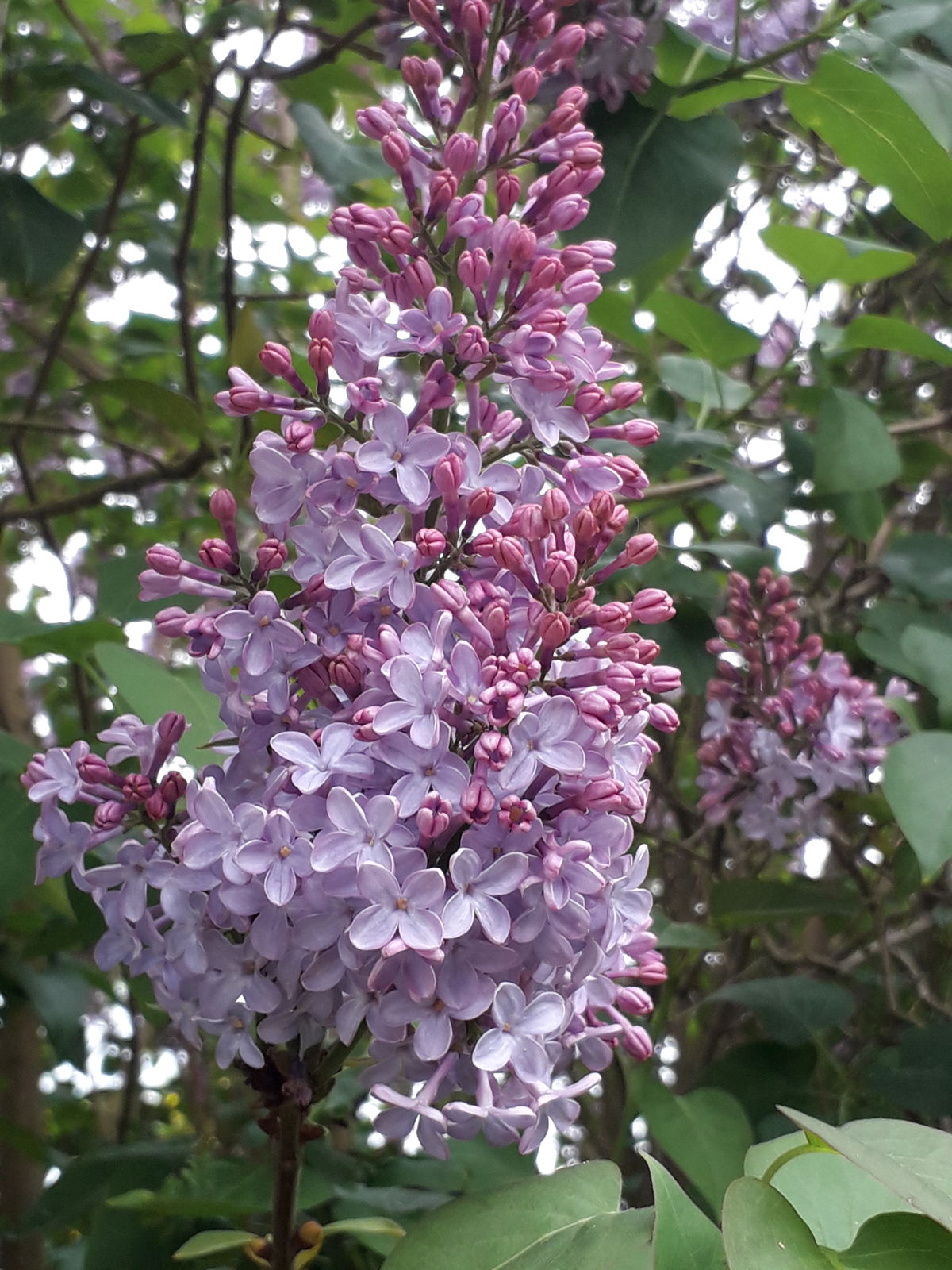
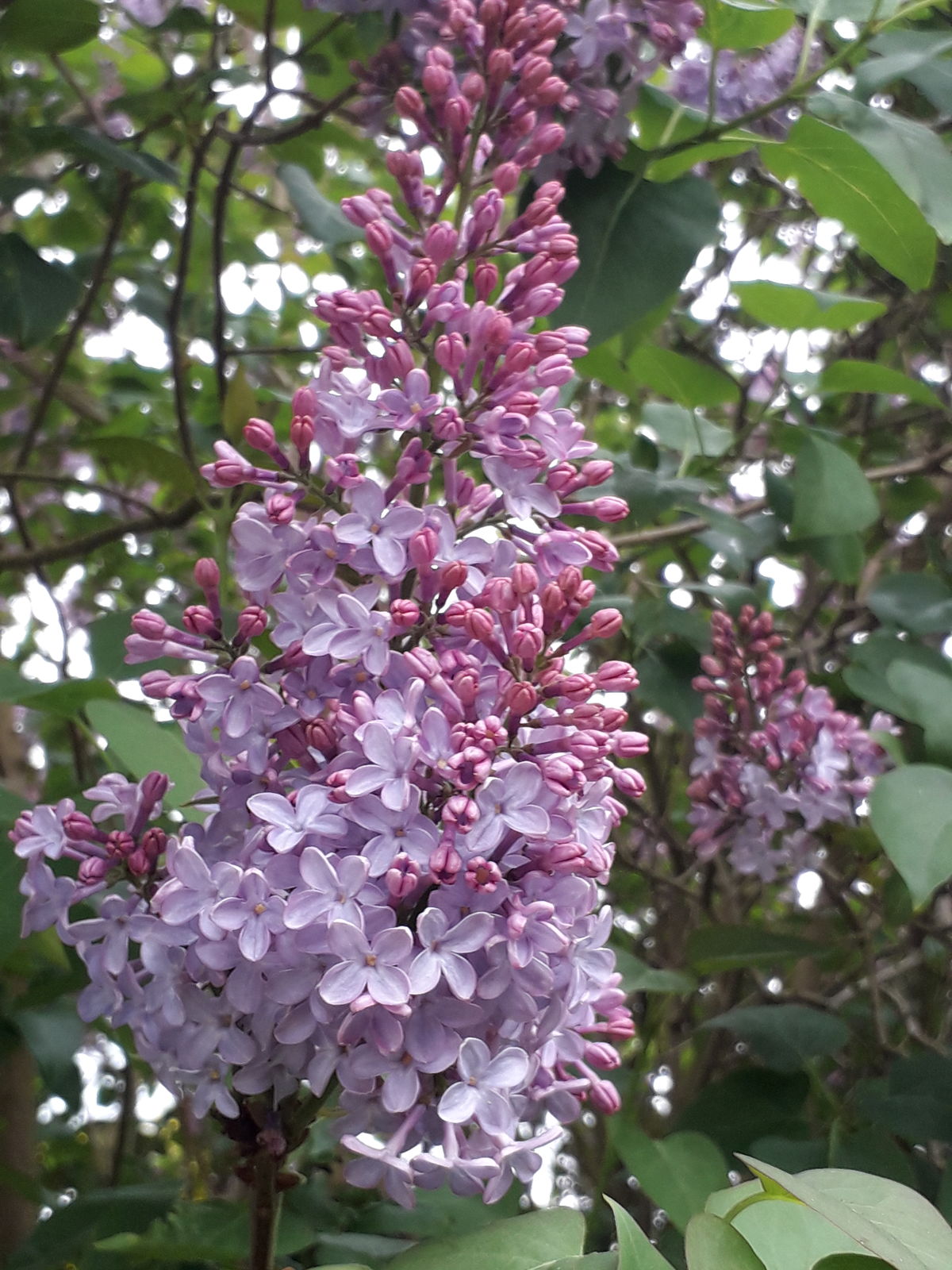
A mature Common lilac forms a large deciduous shrub or small tree, often producing suckers as it ages. Its opposite, simple leaves are oval to heart-shaped, and large, fragrant terminal panicles open in spring. Each tubular flower has four lobes; cultivated forms range from purple to white. 3 5
Soil, climate and pruning determine its eventual size. North American horticultural references commonly describe shrubs several meters tall, with a comparable spread if their suckers are left unchecked. 4
Native range and garden presence
Southeastern Europe, particularly the Balkans, is the native home of this widely planted, fragrant-flowered shrub. 1 In France, the references used here do not support an invasive classification. Common lilac can sucker within a hedge or around an old stump, but that alone does not establish invasive behavior.
Its preferred garden conditions are straightforward: full sun, deep, well-drained soil that is neutral to calcareous, and enough room for the clump to age without being cut back every year. 2 4
Cultivation and care
Flower buds develop on wood formed the previous year. Prune just after flowering, removing spent panicles, a few old branches and unwanted suckers, rather than cutting in late summer or winter. This timing protects the wood needed for the following display. 2 4
Sparse flowering often reflects too little sun, too much nitrogen, late pruning or a shrub that is still young. In heavy soil, drainage matters more than frequent watering. Established plants cope better with dry spells, while young plants need deep watering during their first few growing seasons. 3
Cultivars and uses
Historic cultivars account for much of the variety offered by nurseries: double whites, dark purples, bluish mauves, bicolored flowers and more compact selections. Names such as 'Madame Lemoine', 'Charles Joly', 'Ludwig Spaeth', 'Sensation' and 'President Lincoln' denote horticultural selections, rather than separate species. 2 3
A loose hedge, the back of a border or a specimen beside a path all allow the spring fragrance to be enjoyed. Panicles can be cut for a vase, although stripping off the entire display makes it harder to maintain a balanced shape.
Toxicity, edibility and look-alikes
The cited references indicate little or no toxicity for Common lilac itself, with the usual caution around animals. That does not make the shrub a food plant: the ASPCA's general directory notes that eating plant material can cause digestive upset even when a plant is not considered toxic. 7
Lilac flowers sometimes appear on edible-flower lists, but they should be correctly identified, untreated and consumed only in small quantities. 6 The key safety distinction concerns Melia azedarach, called “Pride of India” in English and sometimes associated with lilac names: it is not Syringa vulgaris, and the ASPCA classifies it as toxic. 8
Seasonal checks
Observe Common lilac across several seasons. Fragrant spring panicles help confirm its identity; in summer, opposite oval to heart-shaped leaves still distinguish it from Lagerstroemia or trees loosely called lilac. In winter, suckering growth and old gray-brown branches reveal a slowly widening clump. 3 5
Dense flowering depends on respecting the shrub's growth cycle when pruning. Removing faded panicles promptly limits energy spent on seeds, but severe annual cutting removes next year's flowering wood. On an old plant, gradually remove a few aged branches at the base rather than cutting the entire shrub into a low ball. 2 4
Site selection matters more than complicated maintenance. Deep shade reduces flowering, compact wet soil encourages decline, and excess nitrogen favors foliage over panicles. Full sun, air around the branches and space for suckers make the plant easier to assess and maintain while supporting a better floral display. 4
Common problems
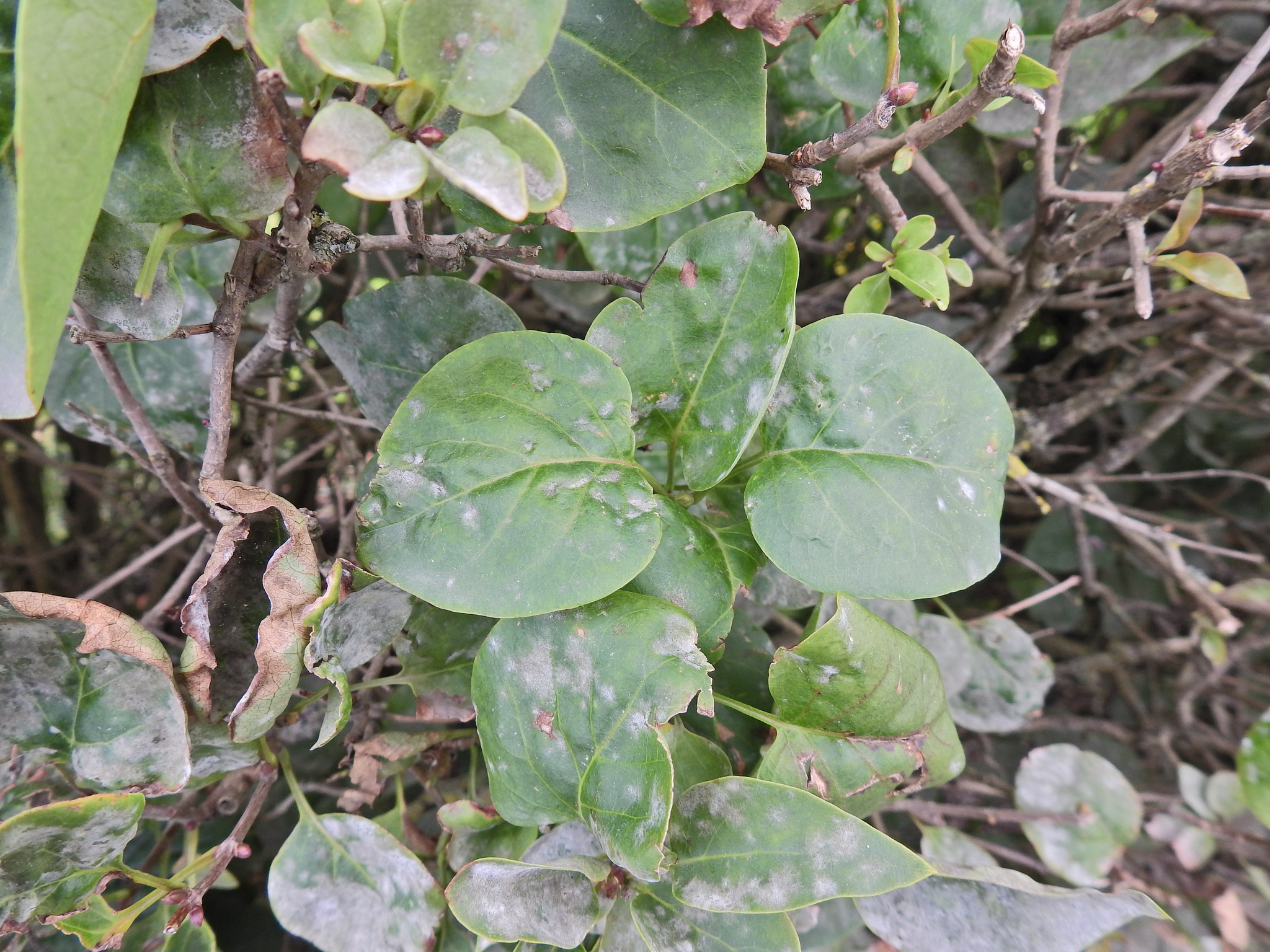
Late-season powdery mildew is common, particularly on crowded, shaded or stressed shrubs. Leaf spots, scale insects and borers may also occur. A sunny site, thinning after flowering and soil that does not remain waterlogged already help limit many problems. 4 3
Main sources
- Plants of the World Online / Kew, Syringa vulgaris L.
- Royal Horticultural Society, Syringa vulgaris
- NC State Extension Gardener Plant Toolbox, Syringa vulgaris
- Missouri Botanical Garden Plant Finder, Syringa vulgaris
- USA National Phenology Network, Syringa vulgaris
- Colorado State University Extension, Edible Flowers
- ASPCA, Toxic and Non-Toxic Plants list
- ASPCA, Pride of India / Melia azedarach
Frequently asked questions
Why is my Common lilac not flowering?
The most common causes are shade, pruning after summer, immaturity or excess nitrogen. Common lilac flowers on wood formed the previous year.
Can Syringa vulgaris grow in a container?
It can grow in a large, well-drained container for a few years, especially a compact cultivar, but the species performs better in the ground.
Is Common lilac invasive in France?
The references used here assign no invasive status in France to Syringa vulgaris. It can produce suckers locally in gardens, mainly a matter of horticultural management.
Are lilac flowers edible?
Some horticultural sources list the flowers as edible, but only when correctly identified, untreated and eaten in small quantities. Do not eat other parts or plants with confusingly similar names.
Similar plants
If you are unsure about a plant’s toxicity, ask a botanist or veterinarian for advice.