
Boston ivy (Parthenocissus tricuspidata, )
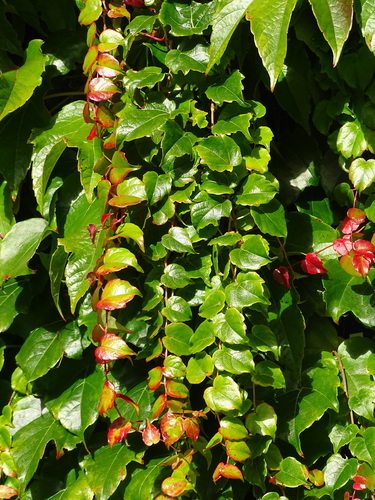
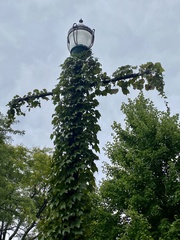
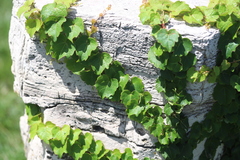
Boston ivy (Parthenocissus tricuspidata) is a deciduous vine in the Vitaceae, native to China, Korea, Taiwan and Japan. It climbs unaided with adhesive pads and turns scarlet in fall, making it one of the most widely used vines for covering walls.
Read moreBoston ivy, Japanese creeper, Japanese ivy, Grape ivy and Woodbine
Place in full sun, with intense direct light all day long.
Full sun for the best fall color; tolerates full shade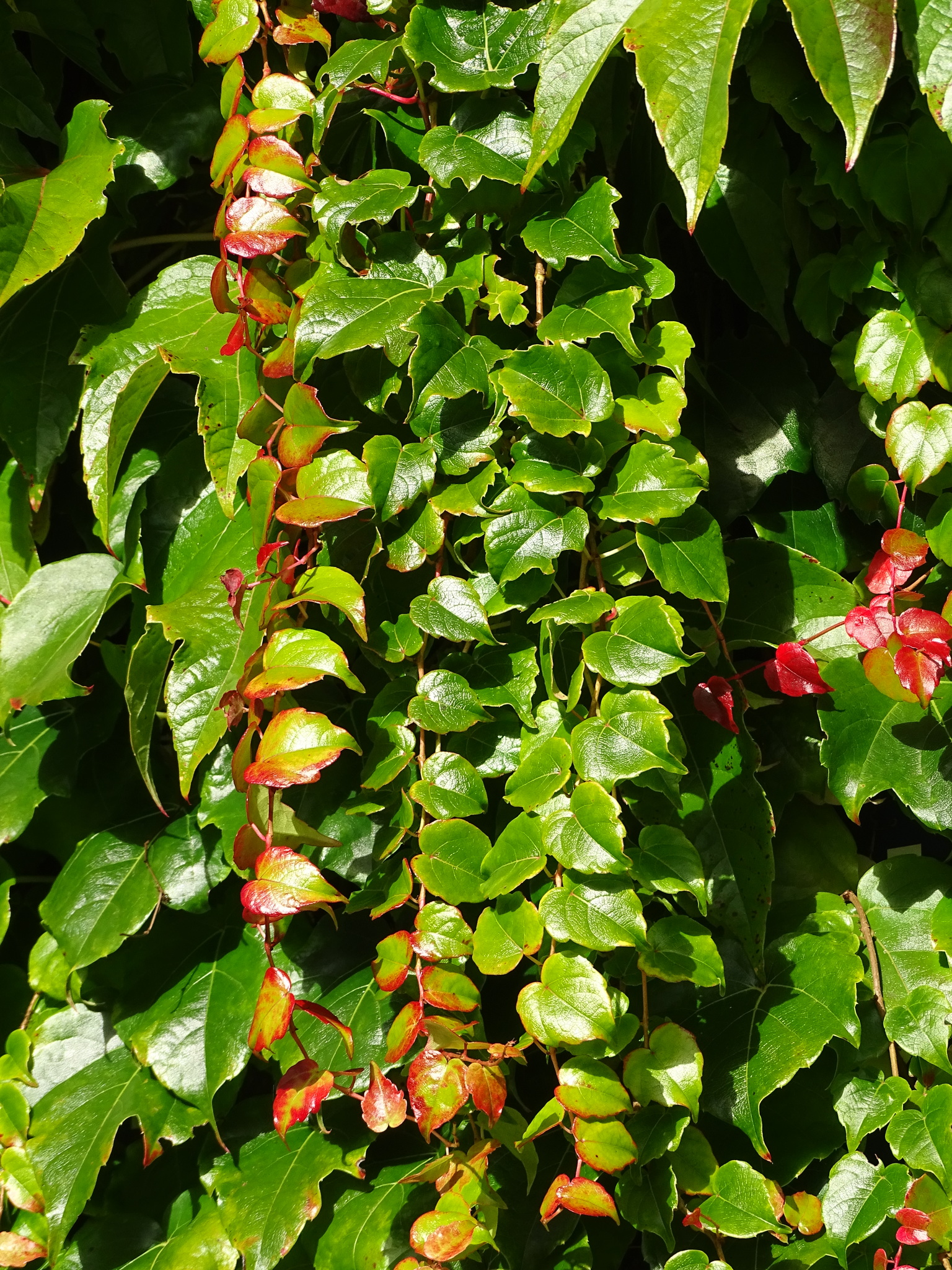
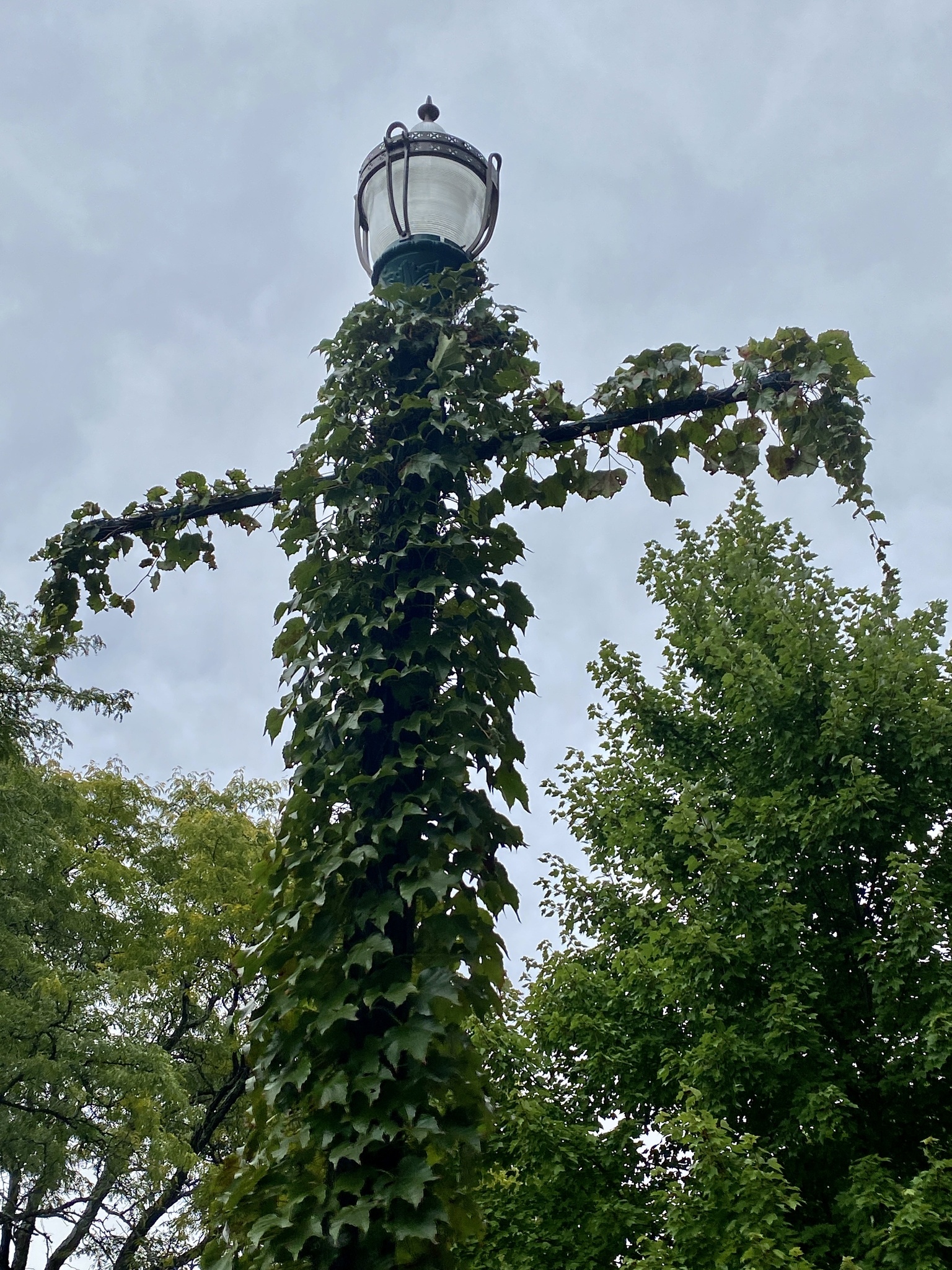
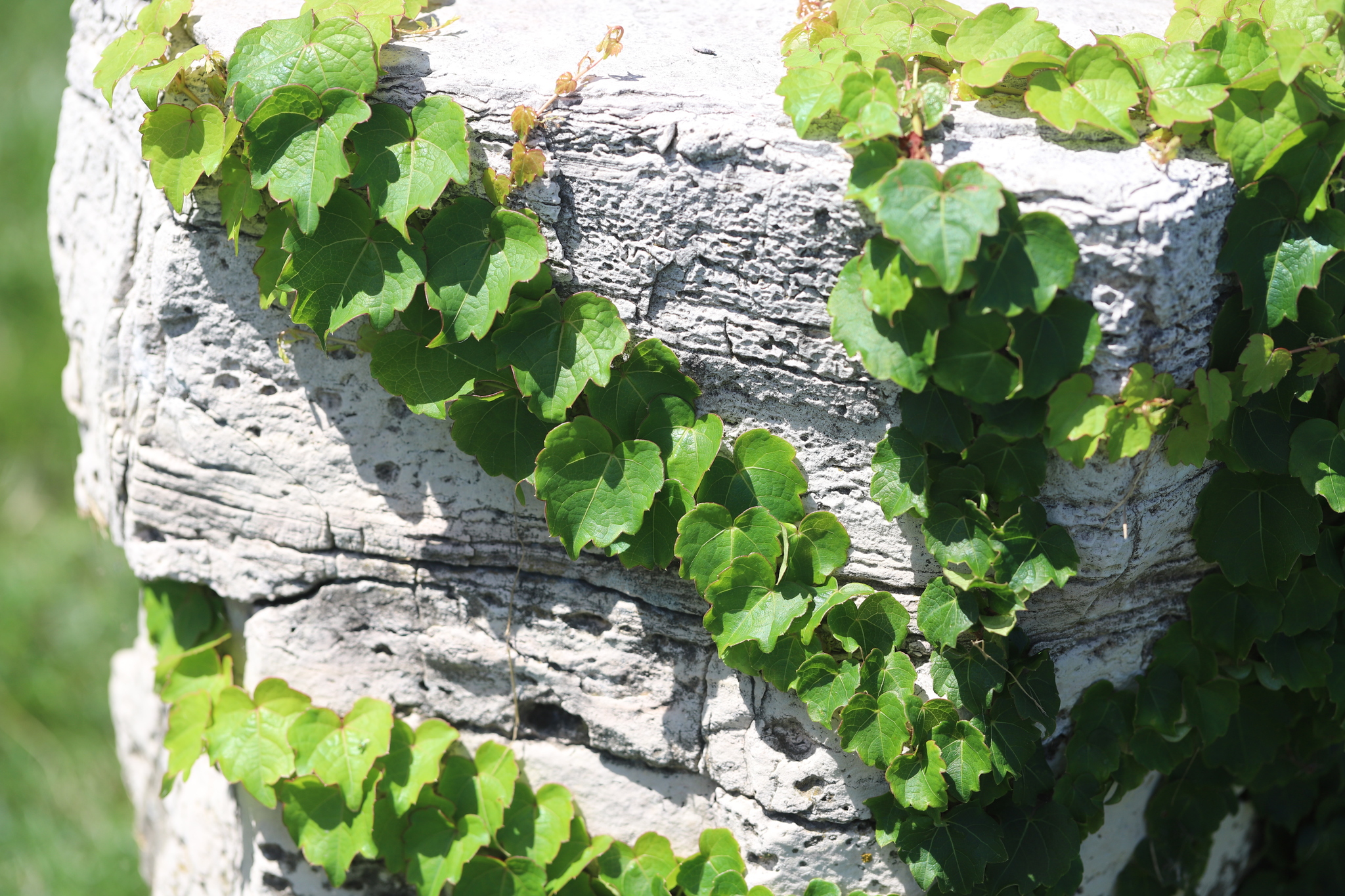


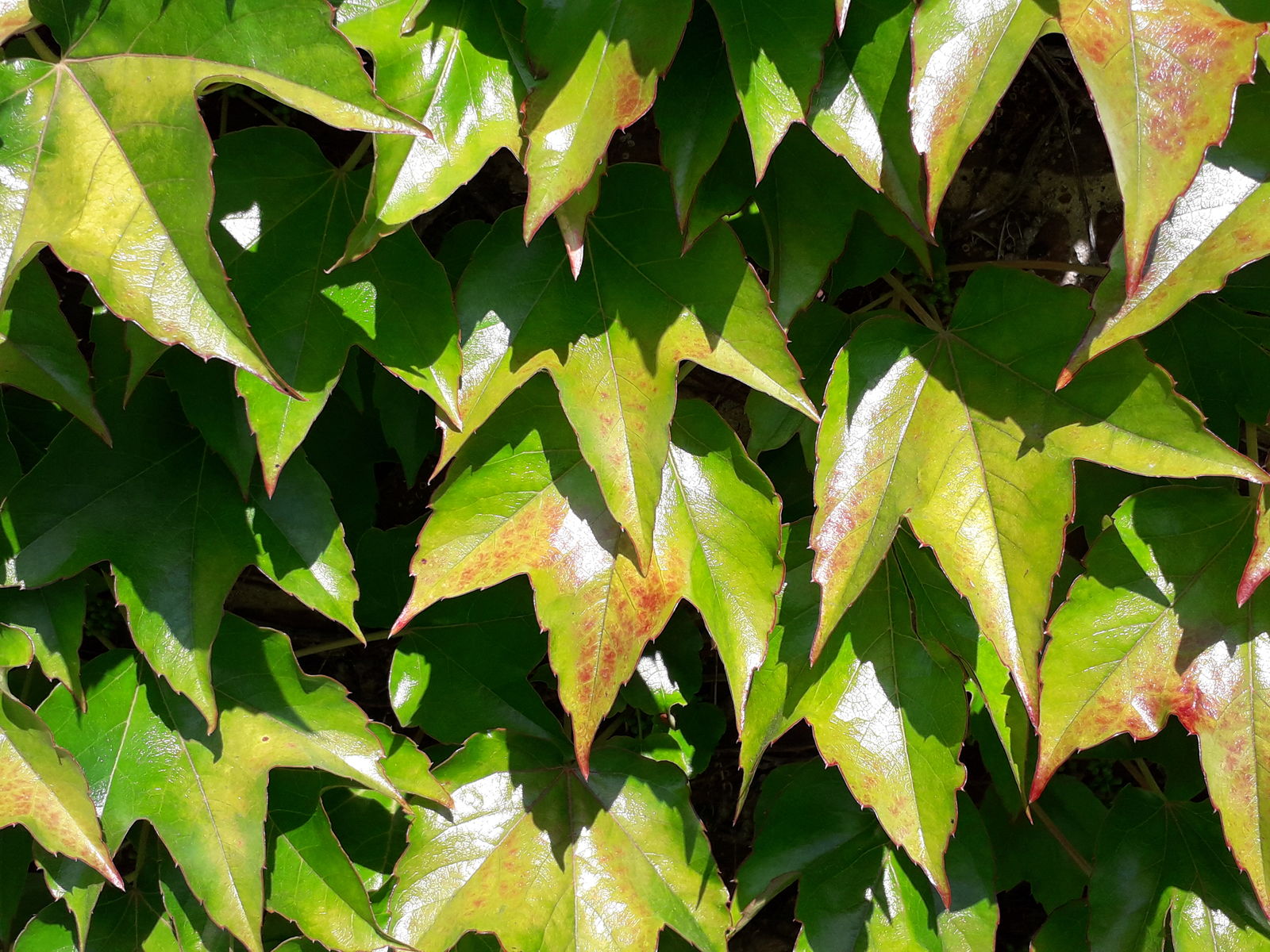
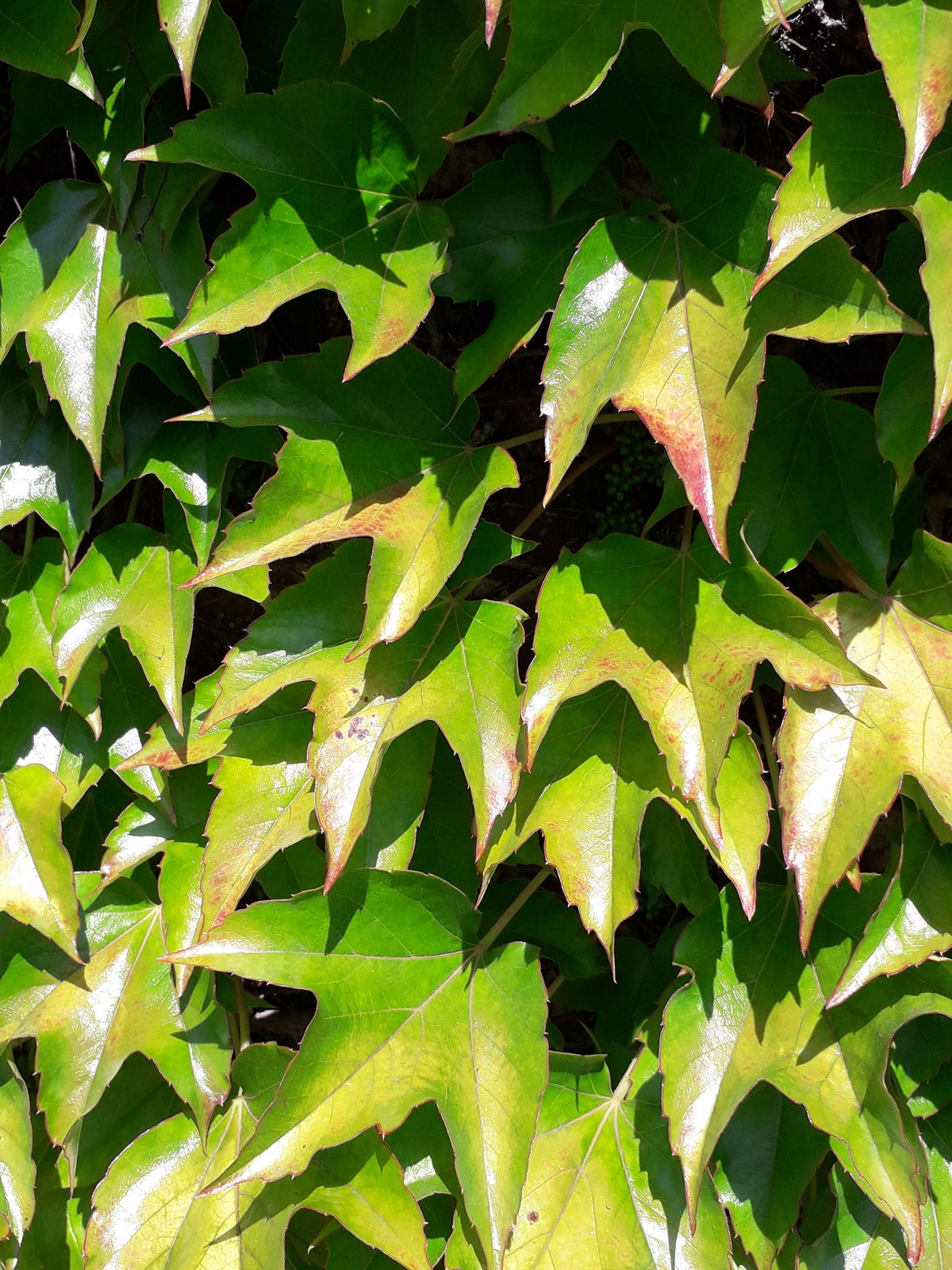
© photo
(c) maplerice, some rights reserved (CC BY-NC), uploaded by maplerice · cc-by-nc
Sandy Wolkenberg · cc-by
Steven Bodzin · cc-by
Taken Nov 3, 2016 by Yoan MARTIN (cc-by-sa)
Taken May 19, 2022 by Fabrice Rubio (cc-by-sa)
Taken Oct 16, 2016 by Tela Botanica − Stephane BLANPAIN (cc-by-sa)
Taken Sep 14, 2021 by Jacques Zuber (cc-by-sa)
© copyright of the Board of Trustees of the Royal Botanic Gardens, Kew.




Global distribution
Parthenocissus tricuspidata is native to central and northern China, Korea, Taiwan and Japan. Widely grown as an ornamental elsewhere, it has naturalized locally in several temperate regions, including the northeastern United States and mainland France. It is not listed as a regulated invasive alien species in France.
- Native5
- Introduced3
- China
- South Korea
- Taiwan
- Japan
- Vietnam
- Northeastern United States
- Mainland France
- New Zealand
Hexagons: regions where the plant occurs. Green dots: native range.1
Identity
Boston ivy (Parthenocissus tricuspidata (Siebold & Zucc.) Planch., 1887), also known as Japanese creeper or Japanese ivy, is a deciduous vine in the Vitaceae, the family of cultivated grapes. Its genus name combines Greek parthenos (virgin) and kissos (ivy), yet it has no close botanical connection to true ivy (Hedera helix), which belongs to the Araliaceae. 1 2
Boston's name reflects North American horticultural use rather than the plant's origin. The vine covered brick facades in Boston, notably on Harvard's campus, despite being native to East Asia. The epithet tricuspidata means “three-pointed” and describes the usual adult leaf shape. Depending on cultivar, hardiness reaches about −15 to −20 °C (5 to −4 °F). Once its pads attach, the vine covers a wall in 5–10 years, without staking or training. 3 2
Recognition
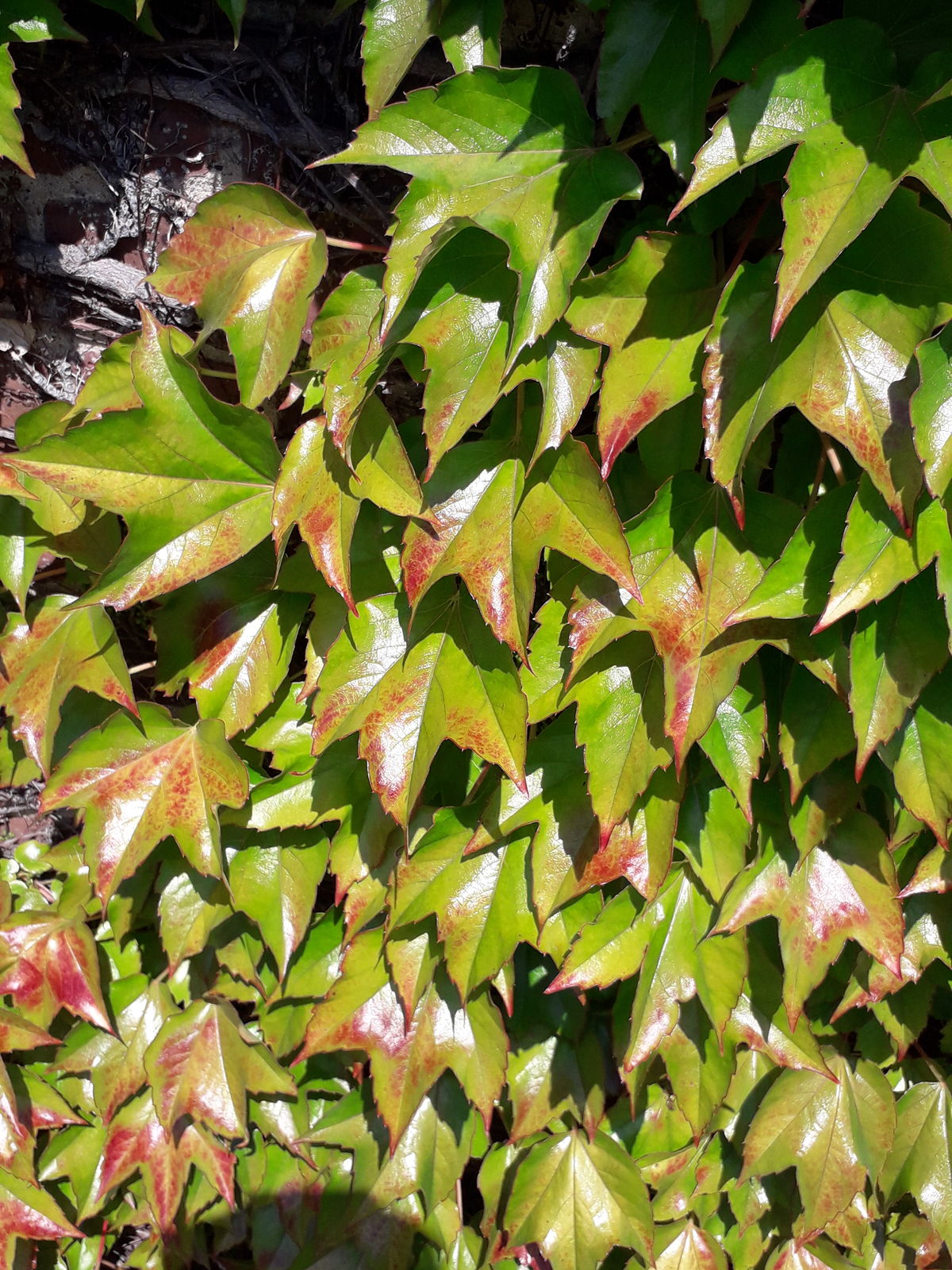
A glossy, dark green, simple leaf with three pointed lobes is the usual identifying feature. Young shoots may instead bear unlobed or five-lobed leaves. The underside is duller, with a little hair along the veins. 3 2
Branched tendrils end in small adhesive pads that let the vine climb without a stake. Contact with a surface triggers release of mucilage, which hardens into a firm bond. A single pad can support several thousand times its own weight, explaining why an established vine is difficult to pull free. 3 4
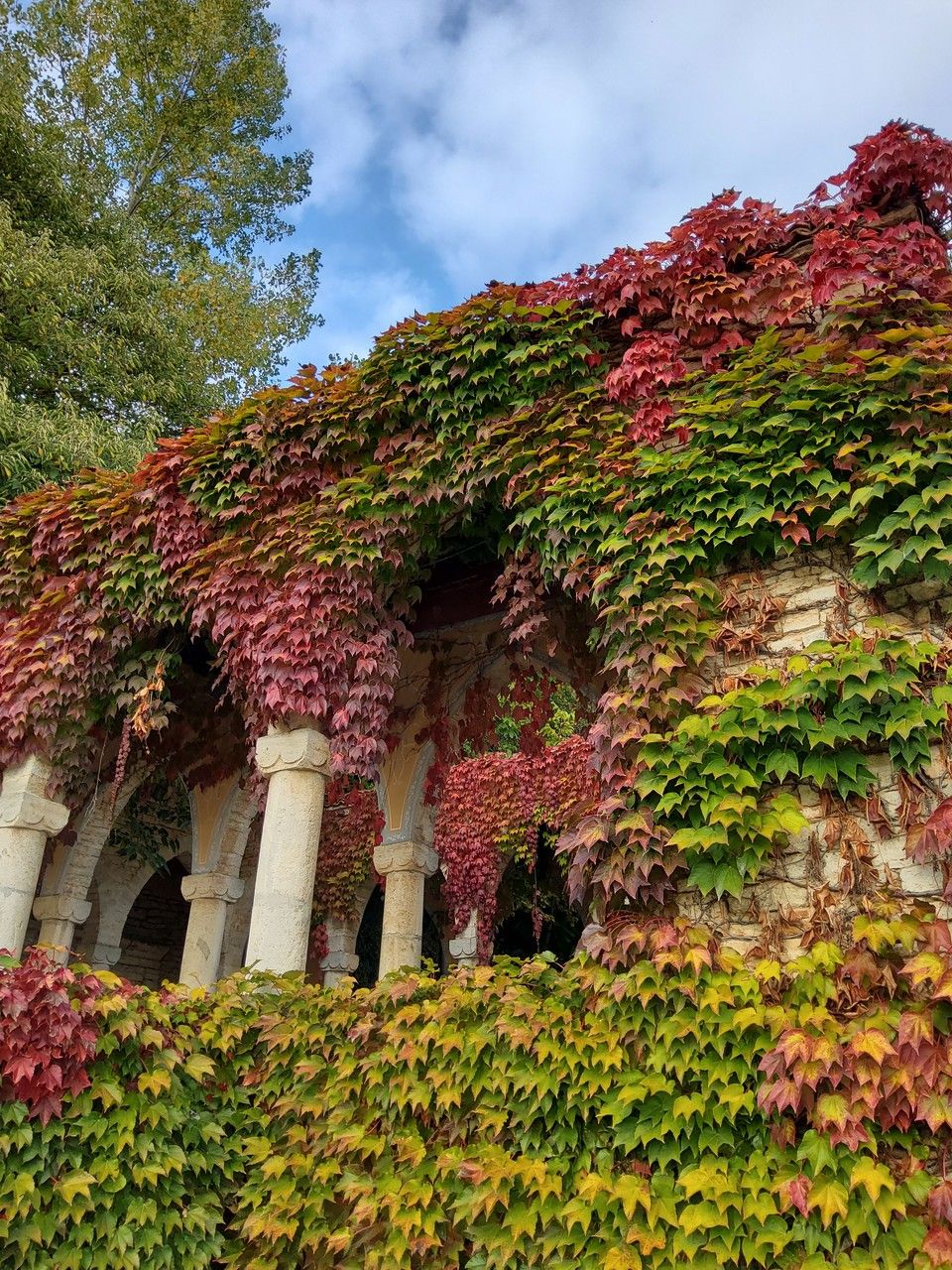
Scarlet, sometimes purple, fall foliage provides a quick seasonal clue before the leaves drop. Leaf structure remains the stronger distinction: three lobes in this species versus five leaflets in Virginia creeper. Small cymes of inconspicuous greenish flowers appear opposite the leaves in June and July in the Northern Hemisphere. Fruits are waxy blue-black berries 5–10 mm (0.2–0.4 in) across, often hidden beneath the foliage. 4 2
Useful taxonomy
The original description used Ampelopsis tricuspidata Siebold & Zucc., 1845. French botanist Jules Émile Planchon transferred it to the new genus Parthenocissus in 1887. This basionym remains the key homotypic synonym for finding older records. 1 9
Other synonyms useful when checking an old nursery label include:
- Psedera tricuspidata (Siebold & Zucc.) Rehder (synonym)
- Quinaria tricuspidata (Siebold & Zucc.) Koehne (synonym)
- Vitis tricuspidata (Siebold & Zucc.) T.Moore & Mast. (synonym)
- Parthenocissus veitchii (Laurentius) Graebn. (synonym)
Nurseries still commonly use Veitchii, historically the name of a small-leaved form introduced by British horticulturist Veitch and now included in the synonymy of P. tricuspidata. Within the grape family, the subfamily Vitoideae includes both Parthenocissus and cultivated grape, Vitis vinifera. 1 8
Habitat and range
Temperate East Asia contains the native range: central and northern China, Korea, Taiwan and Japan. Boston ivy grows in floodplain scrub, riverside forest edges and moist mountain mixed forests. Its USDA 4–8 hardiness range covers cool to cold winters, helping explain its naturalization far beyond its original home. 1 8
Ornamental planting outside East Asia has led to local naturalization in several temperate regions, including the northeastern United States. Mainland France has a long history of cultivation and local naturalization, although the vine is absent from French regulatory lists of invasive alien species. Annual pruning contains escapes from gardens in that context. 7 6
Life cycle and reproduction
Flowering falls in June and July in the Northern Hemisphere. The greenish flowers in small cymes produce nectar that attracts bees and other pollinators despite their inconspicuous appearance. 4 2
Ripening in fall, berries often persist into winter. Initially hidden by leaves, they become exposed on bare stems and provide food for birds, which disperse most of the seeds. 4 3
Cultivated plants are propagated mainly by semi-ripe stem cuttings in summer or hardwood cuttings in fall. Seed propagation is also possible after several weeks of cold stratification. Growth becomes rapid once the vine is rooted and attached, with peak development from May to July in the Northern Hemisphere; several square meters of wall can be covered in one season. 5
Uses and risks
Wall, pergola and trellis coverage is the main ornamental use. Dense foliage limits summer heating of exposed facades, and the vine climbs without staking. Boston ivy tolerates soils from clay to sand and a pH of 5.5–8, with good drought tolerance once established. 4 3
Wooden and shingled walls pose a practical problem: adhesive pads work under boards, damage paint and are difficult to remove without harm. Regular pruning also keeps growth away from gutters, shutters and wiring. 3 2
Japanese beetles make holes in foliage during summer on affected plantings. Regular hand collection reduces damage without routine blanket treatment. Sap and berries are mildly irritating through skin contact or ingestion. The fruit is unsuitable for people, although birds eat it without difficulty during winter. 2
Varieties, look-alikes and related plants
Nursery selections include small-leaved 'Veitchii', historically the source of many plants sold in Europe, and 'Veitchii Robusta', a more vigorous form hardy to about −15 °C (5 °F). Purple-leaved selections such as 'Atropurpurea' open red, become purple in summer and return to red in fall. 6 5
Virginia creeper (Parthenocissus quinquefolia) is the most frequent source of confusion. Its leaves contain five separate leaflets, compared with three joined lobes on a single blade in P. tricuspidata. That distinction works even without flowers or fruit. True ivy, Hedera helix, differs more clearly in its evergreen, opposite foliage, its attachment by clinging roots instead of pads, and its different botanical family. 7
Main sources
- Plants of the World Online / Kew, Parthenocissus tricuspidata (Siebold & Zucc.) Planch.
- Royal Horticultural Society, Parthenocissus tricuspidata (wd)
- NC State Extension Gardener Plant Toolbox, Parthenocissus tricuspidata
- Missouri Botanical Garden Plant Finder, Parthenocissus tricuspidata
- Plants For A Future, Parthenocissus tricuspidata
- Tela Botanica / eFlore, Parthenocissus tricuspidata
- Integrated Taxonomic Information System, Parthenocissus tricuspidata
- USDA ARS GRIN Global, Parthenocissus tricuspidata taxonomy record
- International Plant Names Index, Ampelopsis tricuspidata Siebold & Zucc. (basionym)
Frequently asked questions
Is Boston ivy a true ivy?
No. It belongs to the grape family, Vitaceae, rather than the Araliaceae of common ivy (Hedera helix). Its deciduous, alternate foliage also distinguishes it from the evergreen, opposite foliage of ivy.
How can I tell Boston ivy from Virginia creeper?
The leaf is the most reliable clue. Boston ivy has a simple leaf with three joined lobes on one blade. Parthenocissus quinquefolia has leaves divided into five separate leaflets.
Can Boston ivy grow against any wall?
No. Its adhesive pads work under wood and shingles, damage paint and are difficult to remove without harm. Sound stone, brick or concrete surfaces are better suited to it.
Are Boston ivy berries edible?
Not for people. Sap and berries are mildly irritating through skin contact or ingestion, although birds eat the berries without difficulty in winter.
Does Boston ivy need a stake or trellis?
No support is needed on a wall. The vine climbs unaided using adhesive pads that attach directly to solid surfaces.
Is Boston ivy invasive?
It has naturalized outside its native range, including the northeastern United States and parts of Europe. It is not listed as a regulated invasive alien species in France. Annual pruning is still useful to contain it.
Which exposure gives the best fall color?
Full sun. In full shade the vine still grows, but its foliage stays mostly green and fall color is much less pronounced.
Similar plants
If you are unsure about a plant’s toxicity, ask a botanist or veterinarian for advice.