
Desert plantain (Plantago ovata, )
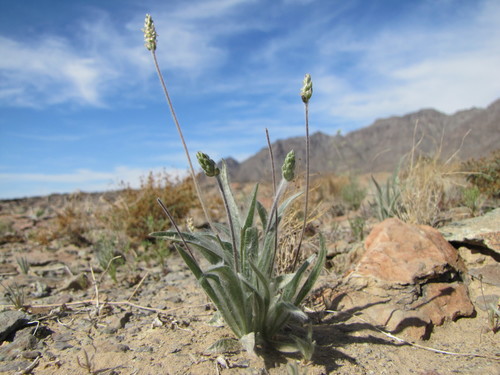
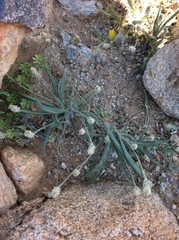
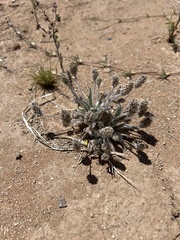
Desert plantain (Plantago ovata) is an annual herb in the Plantaginaceae family, native to dry regions around the Mediterranean and southwestern Asia east to India. Its tiny boat-shaped seeds supply the husks sold as psyllium, a soluble fiber that swells in water. Large-scale cultivation now centers on India and Pakistan.
Read moreDesert plantain, Ispaghul, Isabgol, Blond plantain, Blond psyllium and Desert Indianwheat



© photo
(c) Neil O. Frakes, some rights reserved (CC BY-NC), uploaded by Neil O. Frakes · cc-by-nc
lotusmorning · cc0
Ian McFaul · cc-by
Taken Sep 14, 2022 by M. Hedayat (cc-by-sa)
Taken Apr 18, 2020 by Robert Peck (cc-by-sa)
Taken Apr 15, 2005 by Photoflora - Benoit BOCK (©)
© copyright of the Board of Trustees of the Royal Botanic Gardens, Kew.


Global distribution
Plantago ovata is native around the Mediterranean, in North Africa and across southwestern Asia to India and Somalia. Populations also occur from the southwestern United States to northern Mexico, although their native rather than introduced status remains debated. India and Pakistan dominate commercial cultivation and world psyllium production.
- Native5
- Spain
- North Africa
- Southwestern Asia
- Somalia
- Southwestern United States
Hexagons: regions where the plant occurs. Green dots: native range.1
Identity
Desert plantain (Plantago ovata Forssk., 1775), also called ispaghul or blond psyllium, is an annual herb in the Plantaginaceae family. Swedish naturalist Pehr Forsskål collected it during the Danish expedition to Arabia of 1761–1763. Its description appeared after his death in the Flora Aegyptiaco-Arabica, published by Carsten Niebuhr in 1775. 1 5
Persian asp, meaning horse, and ghol, meaning ear, explain the name ispaghul. It describes the elongated, curved seed, likened to a horse's ear or a small boat. Once dried and ground, the seed coat supplies the psyllium sold in pharmacies and herbal stores as soluble fiber. 2
Recognition
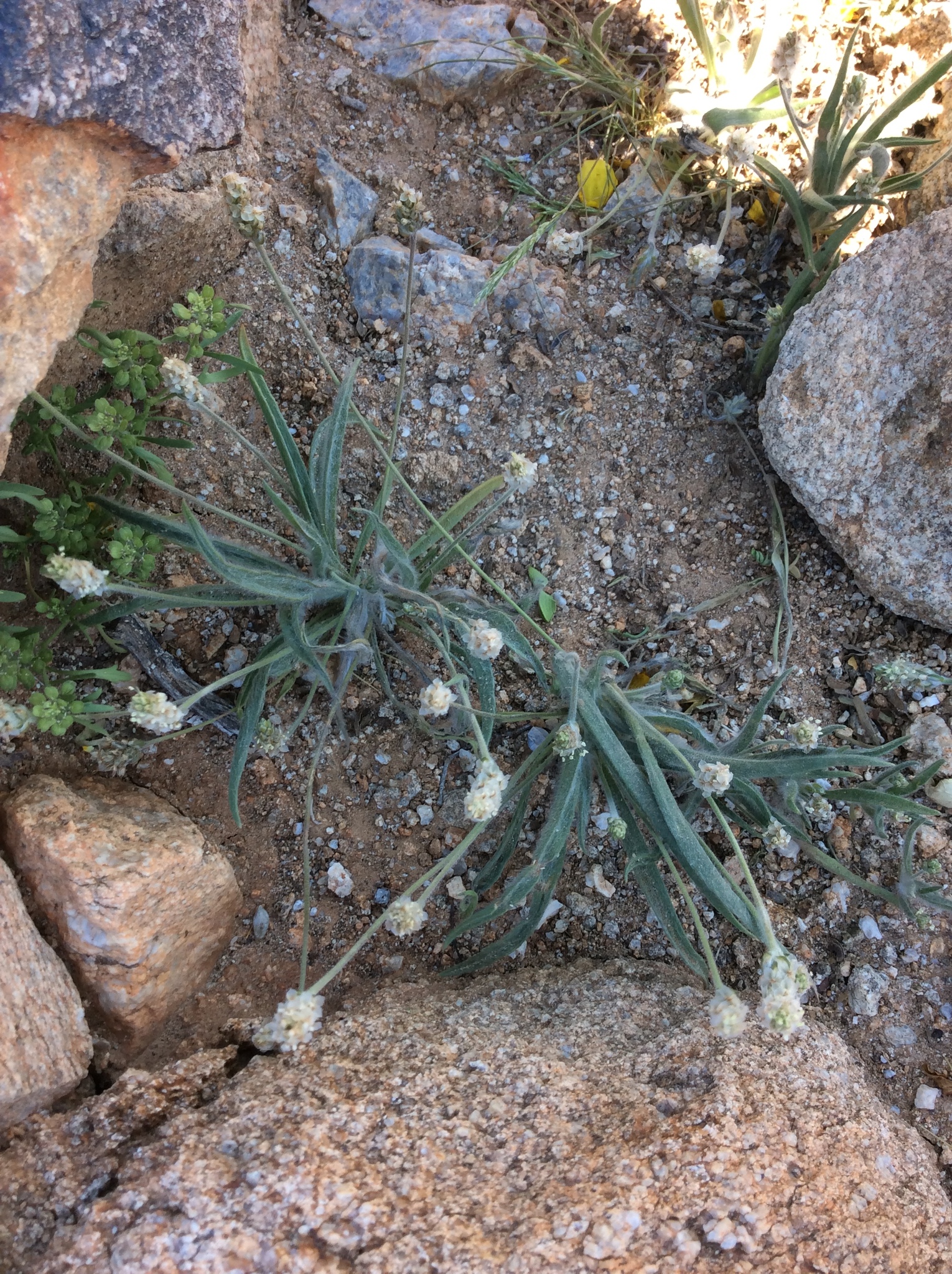
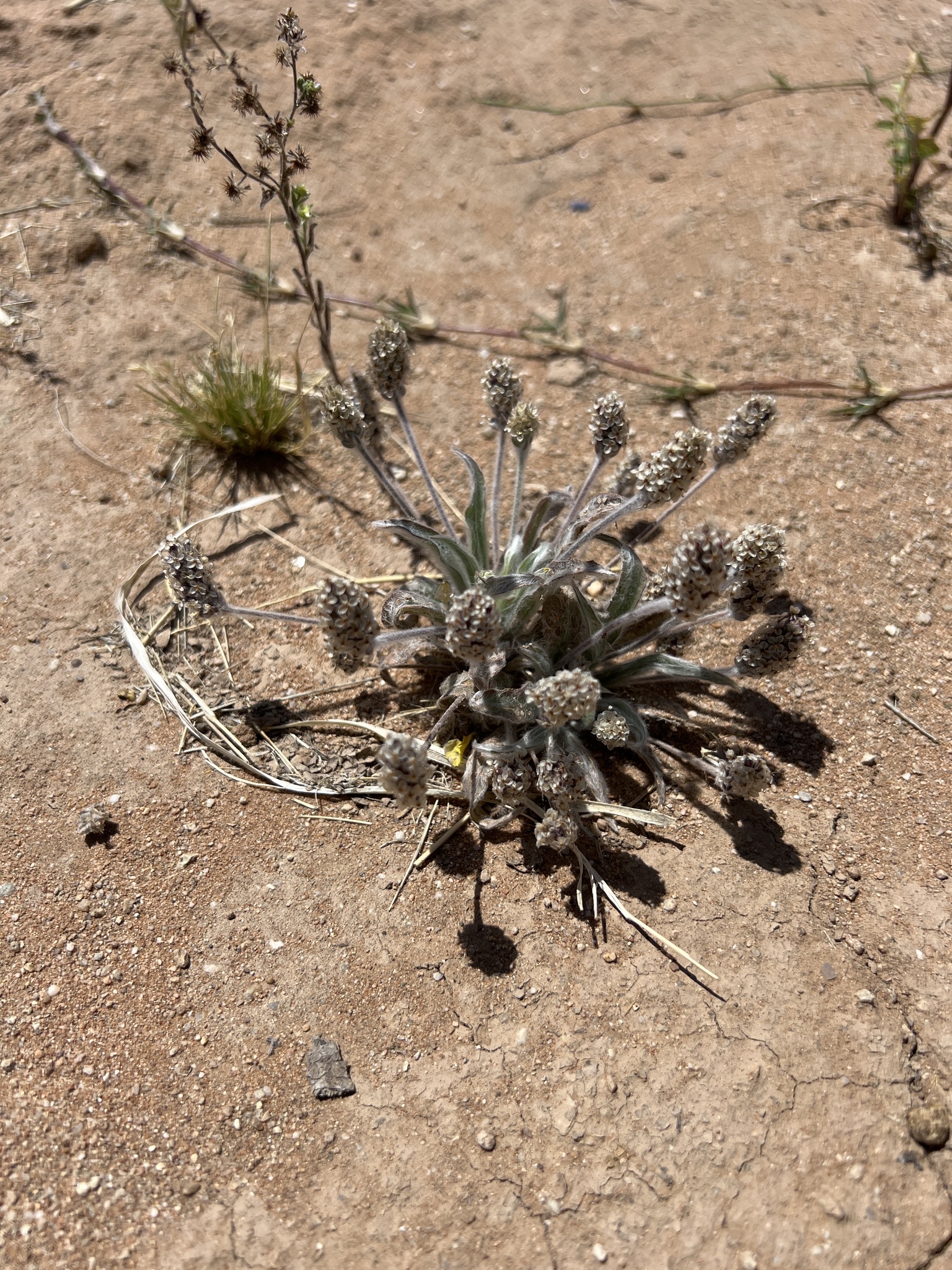
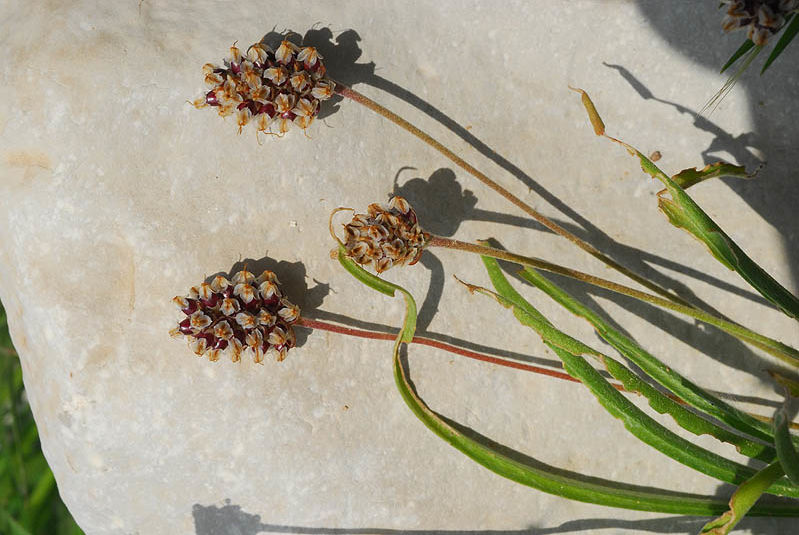
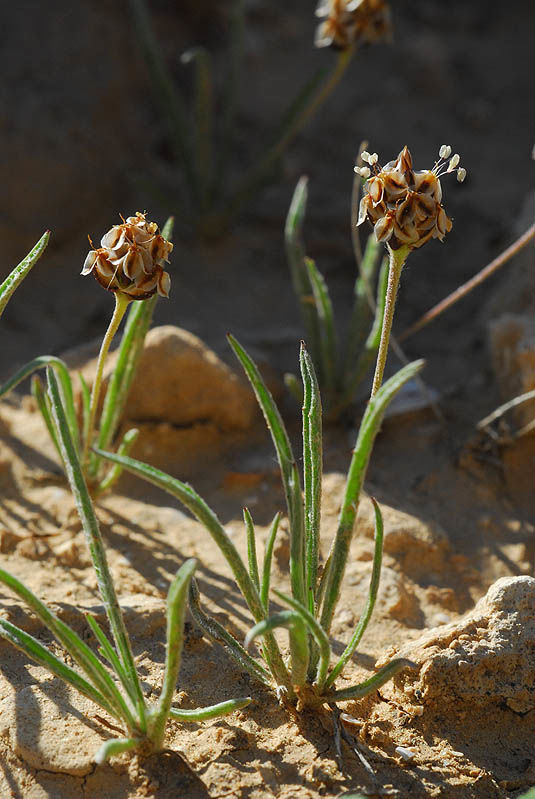
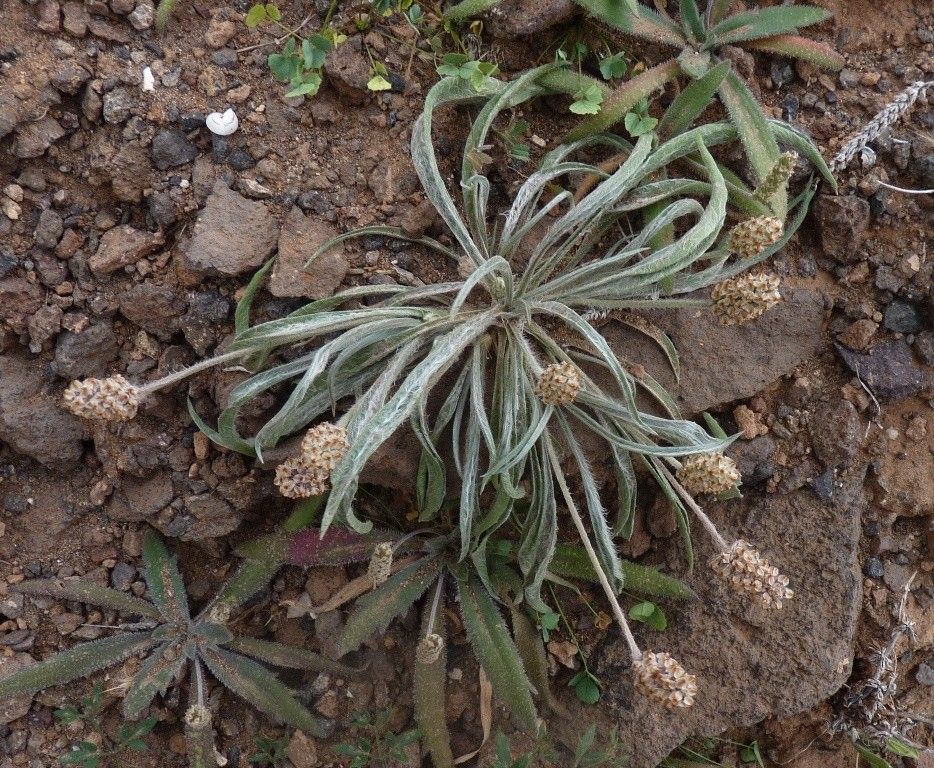
A hairy, narrow-leaved basal rosette marks Plantago ovata. Its linear to threadlike blades show three parallel veins. One or more upright, silky-haired flower stalks rise 15–45 cm (6–18 in), with their final height influenced by soil and irrigation. The leaves stay concentrated at ground level rather than forming a leafy branching stem. 3 2
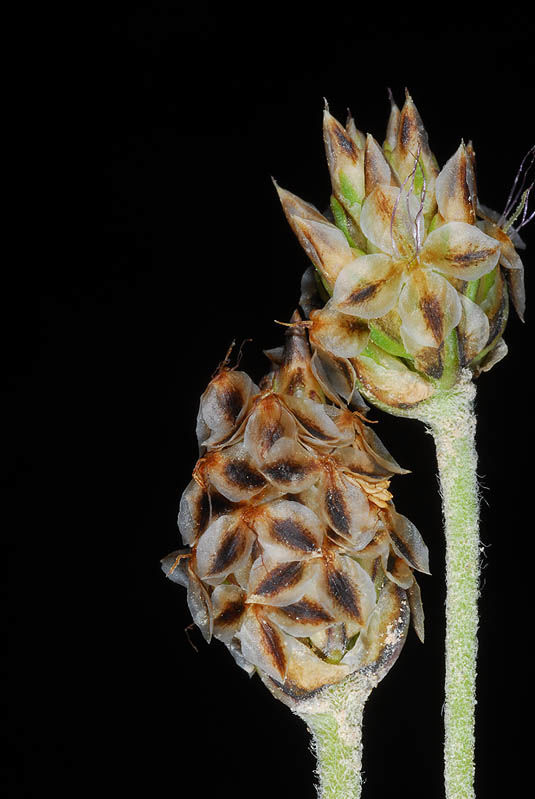
The dense, egg-shaped flower spike starts at less than 2 cm (0.8 in) long and lengthens to about 5 cm (2 in) after flowering. It holds numerous small white flowers. Wind, rather than insects, transfers their pollen, so the compact spike does not depend on showy flowers to attract pollinators. 3
Two glossy pinkish-brown seeds develop in each capsule. Oval and boat-shaped, they measure 1.8–3.3 mm (0.07–0.13 in). Within minutes of immersion in water, a translucent mucilage coats the seed and doubles its volume. This swelling provides a useful check alongside the visible features of the plant. 2
Useful taxonomy
For desert plantain, POWO accepts Plantago ovata Forssk., published in 1775. Several separately described forms have since been included within this species. The following names can therefore occur in older botanical accounts without indicating a different modern species: 1 4
- Plantago fastigiata E.Morris, a North American form reassigned to P. ovata;
- Plantago insularis Eastw., another North American form now included in the species;
- Plantago decumbens Forssk., a direct synonym from the 1775 protologue.
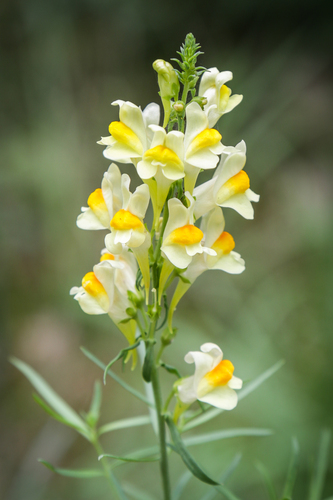
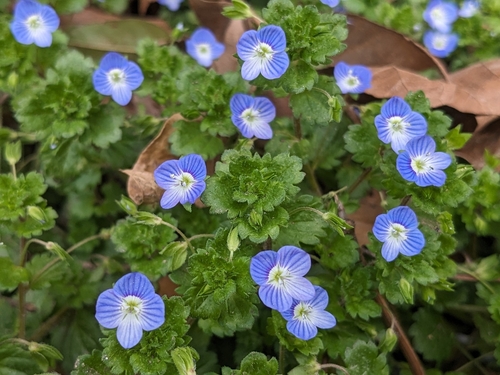
Foxgloves and speedwells, represented by Digitalis and Veronica, share the Plantaginaceae family with Plantago. The relationship is not obvious from growth form. Desert plantain's low rosette contrasts sharply with the upright flowering stems of foxgloves, despite their placement within the same botanical family. 4
Habitat and range
Southeastern Spain, North Africa and southwestern Asia east to India and Somalia form the native range described for desert plantain. POWO also records populations from the southwestern United States to northern Mexico. Whether those North American populations are native or introduced remains debated; the available scientific evidence does not firmly settle that distinction. 1
Sonoran Desert populations flower mainly from winter through spring, sometimes flowering again in fall if monsoon moisture is sufficient. On desert plains and mesas, Plantago ovata reaches elevations of about 900 m (2,950 ft). It occupies sandy or gravelly soils with good drainage, rather than permanently damp ground. 3
Commercial cultivation is concentrated in India and Pakistan, which supply most of the world's psyllium. Semiarid agricultural districts, especially Gujarat and Rajasthan, are major production areas. The species is grown there for medicinal use and fiber production, distinct from the wild desert populations described elsewhere in its range. 8
Life cycle and reproduction
One growing season contains desert plantain's entire life cycle. Seeds sown near the surface germinate within a few days in warmed soil. Deep burial makes emergence more difficult because light is insufficient, so sowing depth matters even before the young rosette appears. 2
After six to eight weeks of vegetative growth, flowering begins. Capsules then ripen over several more weeks. In commercial fields, approximately 90–120 days separate sowing from harvest, depending on climate. These durations describe the crop's development rather than a fixed planting calendar for every region. 8
Harvesters cut mature spikes, dry them and thresh them to release the seeds. Milling and winnowing then separate the husk from the inner seed. The mucilage-rich outer coat, rather than the whole seed, is psyllium in the strict sense used for this fiber product. 2
Uses and risks
Roughly 70% soluble fiber and 30% insoluble fiber make up the husk, largely as arabinoxylans. On contact with water, its mucilage swells into a gel that increases stool bulk. This physical action underlies centuries of use as a bulk-forming herbal laxative. 8
Clinical analyses associate regular psyllium intake with lower LDL cholesterol. An equivalent effect on HDL cholesterol has not been demonstrated, so the finding should not be generalized to every cholesterol measure. 7
Handling the powder brings a different risk from eating the plant. Workers who repeatedly inhale psyllium dust, including bakers using gluten-free mixes and pharmacy staff, may develop an IgE-mediated respiratory allergy. Reported effects include rhinitis, conjunctivitis and occupational asthma. 6
Psyllium taken by mouth must always be swallowed with a large glass of water. Dry or poorly hydrated mucilage can swell in the esophagus and interfere with swallowing. In people who already have narrowing of the digestive tract, it can even cause an obstruction. 8
Varieties, look-alikes and related plants
High seed yield drives the selection of Indian agricultural varieties. Niharika, released in 1998 by CIMAP in Lucknow for the northern Indian plains, joins GI-2 and HI-5, developed through agricultural programs in Gujarat and Haryana. These varieties differ chiefly in seed yield rather than in obvious appearance. 8
Black psyllium comes from Plantago afra and Plantago indica, often called fleawort. Their smaller, darker seeds develop on branching plants with leafy stems. Desert plantain instead retains a basal rosette and bare flower stalks, a useful distinction when comparing living plants rather than packaged seeds. 4
Products labeled simply “psyllium” in Europe and North America almost always contain Plantago ovata. Checking the full scientific name remains the reliable way to distinguish blond psyllium from black psyllium, since the commercial word by itself does not specify the species.
Main sources
- Plants of the World Online / Kew, Plantago ovata Forssk.
- Plants For A Future, Plantago ovata
- Southwest Desert Flora, Plantago ovata - Desert Indianwheat
- ITIS, Plantago ovata Forssk. - Taxonomic Serial No. 504438
- Forsskål, Flora Aegyptiaco-Arabica, 1775 (protologue)
- PubMed, IgE-mediated occupational allergy to psyllium in a baker (2021)
- PubMed, psyllium fibre and LDL-cholesterol meta-analysis
- European Medicines Agency, assessment report on Plantago ovata seed and husk
Frequently asked questions
Is desert plantain toxic?
The plant is not toxic in ordinary food use. The documented risk concerns repeated inhalation of husk powder, which can cause respiratory allergy in people exposed at work.
What is the difference between blond and black psyllium?
Blond psyllium comes from Plantago ovata, which has a basal rosette and pale seeds. Black psyllium comes from Plantago afra and Plantago indica, branching plants with leafy stems and smaller, darker seeds.
Why do Plantago ovata seeds swell in water?
The seed coat contains mucilage rich in arabinoxylans, soluble fibers that absorb water and form a gel. This explains its use as a bulk-forming laxative and food stabilizer.
Where does the name ispaghul come from?
The word comes from Persian asp, horse, and ghol, ear, referring to the elongated, curved seed. It later passed through Hindi and Urdu as isabgol.
Where is desert plantain grown today?
The species is native around the Mediterranean and across southwestern Asia to India. Commercial cultivation now centers on India and Pakistan, which supply most of the world’s psyllium.
Does psyllium lower cholesterol?
Several clinical analyses associate regular psyllium consumption with reduced LDL cholesterol, without an equivalent demonstrated effect on HDL cholesterol.
How can I recognize desert plantain in the wild?
Look for a basal rosette of narrow, hairy leaves and unbranched, leafless flower stalks topped by dense, egg-shaped spikes of small white flowers.
Similar plants
If you are unsure about a plant’s toxicity, ask a botanist or veterinarian for advice.