
Eastern cottonwood (Populus deltoides, )


Eastern cottonwood (Populus deltoides) is a large deciduous tree in the Salicaceae family, native to North American plains and river valleys. Triangular leaves, exceptionally fast growth and cottony seeds on female trees distinguish this riverside pioneer.
Read moreEastern cottonwood and Necklace poplar


© photo
Jared Shorma · cc-by
Kyle Copas · cc0
(c) JanetandPhil, some rights reserved (CC BY-NC-ND) · cc-by-nc-nd
© copyright of the Board of Trustees of the Royal Botanic Gardens, Kew.


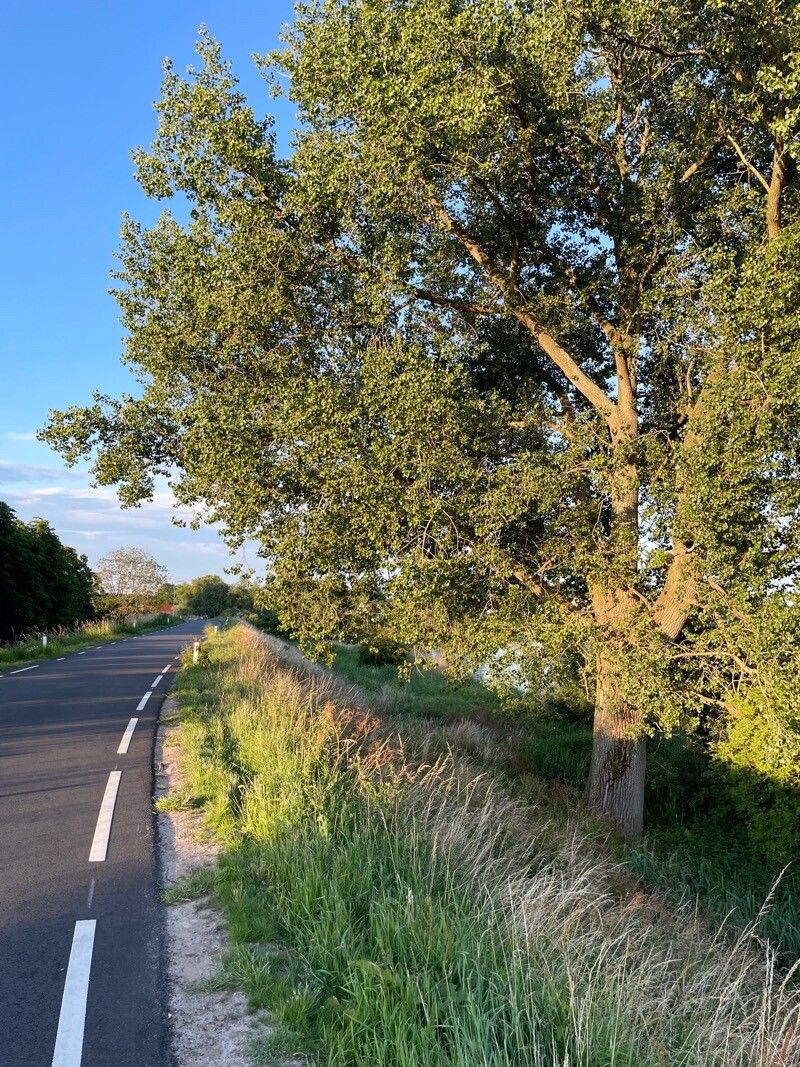


Global distribution
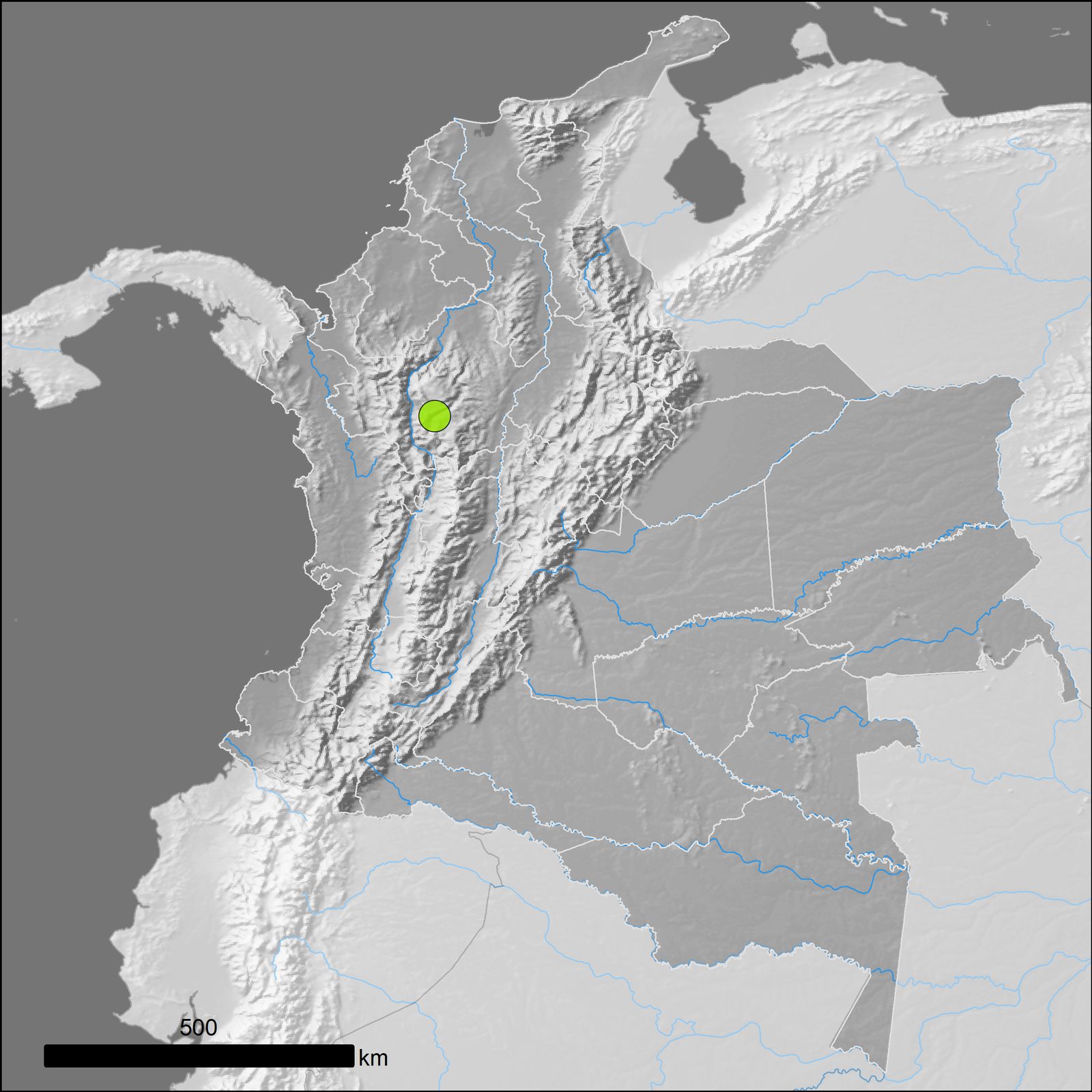
Populus deltoides is native from eastern and central Canada through much of the eastern, central and southwestern United States to northeastern Mexico. Three subspecies occupy this east–west range. It has been widely introduced beyond its native range as a parent of forestry poplar hybrids.
- Native3
- Canada
- United States
- Mexico
Hexagons: regions where the plant occurs. Green dots: native range.1
Identity
Eastern cottonwood (Populus deltoides W.Bartram ex Marshall, 1785) is a large deciduous North American tree of plains and river valleys, in the Salicaceae family. Its French Canadian names include peuplier deltoïde and liard, reflecting its longstanding regional familiarity. 1 8
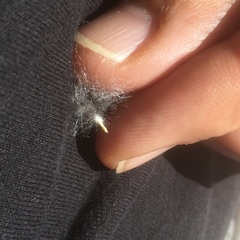
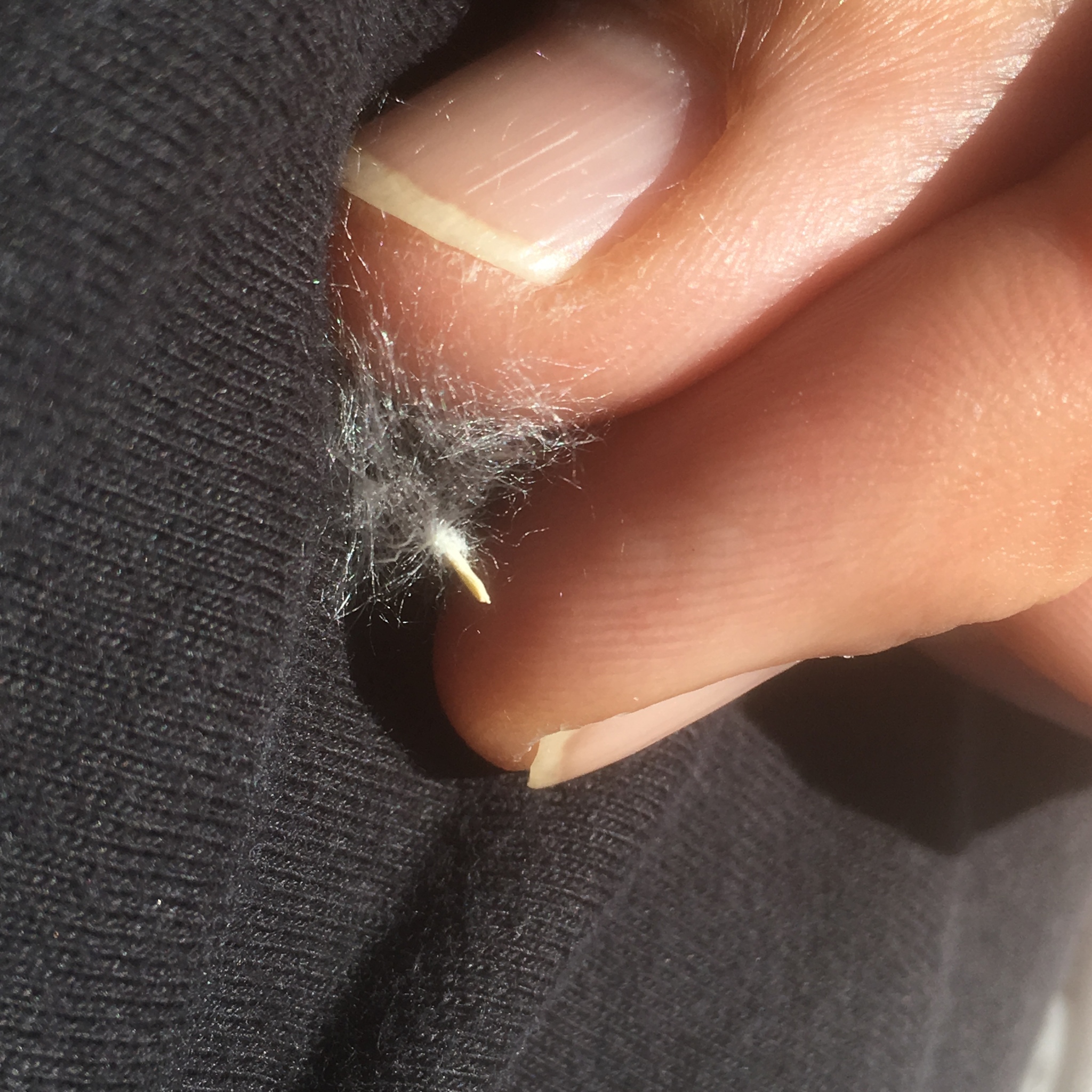
Triangular leaves explain the epithet deltoides: their outline resembles the Greek letter delta (Δ), particularly on an adult tree. The English name points instead to the long white, cottonlike hairs surrounding each seed, released in masses by female trees during spring and summer. Necklace poplar is another established name. 5
Three subspecies divide the range from east to west: deltoides in eastern North America, monilifera on the central Great Plains, and wislizeni from the southwestern United States into northeastern Mexico. Each recognized subspecies is associated with a distinct variation in foliage and habit. 1
Recognition
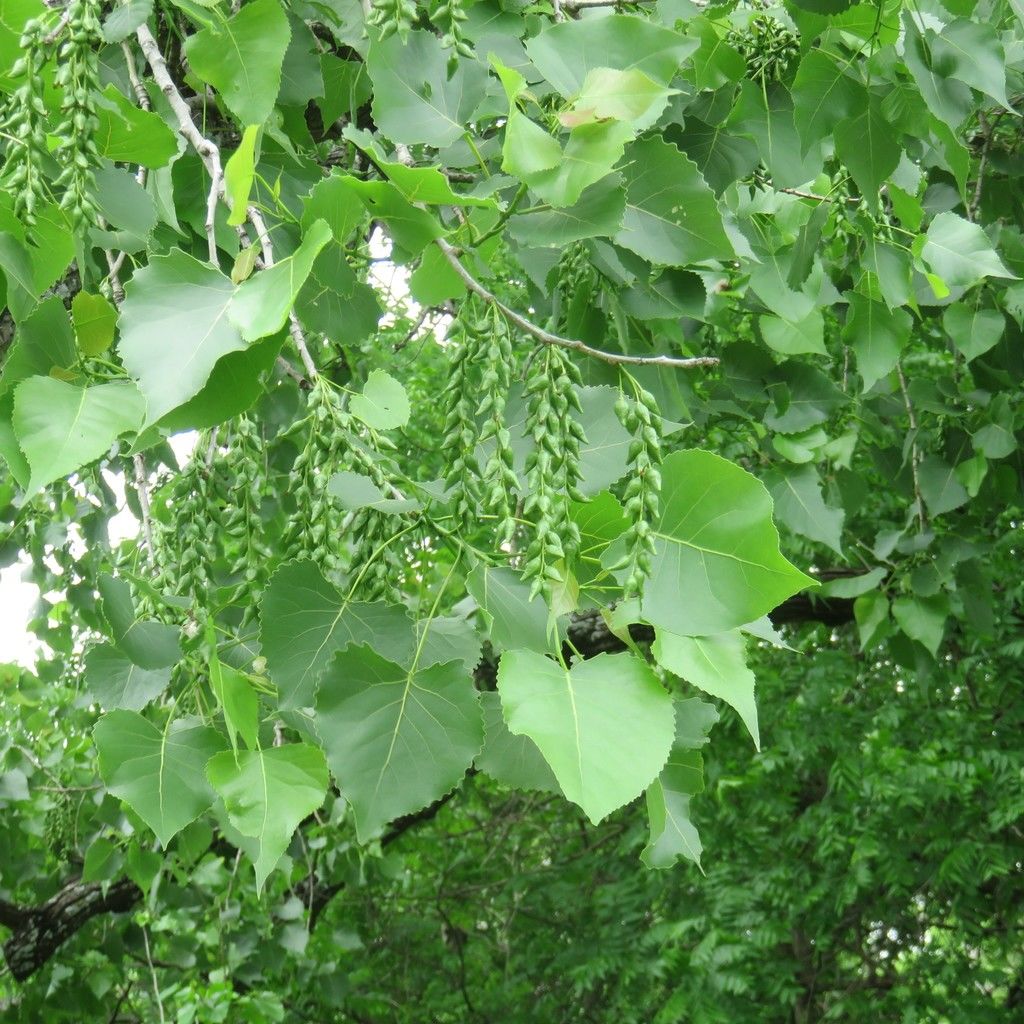
Triangular blades with a flat base distinguish Eastern cottonwood leaves, which measure 4–10 cm (1.5–4 in) long. Coarse teeth edge the blade, while the laterally flattened leaf stalk makes the foliage tremble in the slightest breeze. Dark green summer leaves turn distinctly yellow in fall. 6
A typical tree reaches 20–30 m (65–100 ft) tall, with a trunk exceeding 2 m (6.5 ft) in diameter in old specimens; exceptional trees have approached 40 m (130 ft). Smooth, silvery gray bark on young trees becomes dark gray and deeply fissured with age. 4 2
The species is dioecious, like other poplars: reddish male catkins and greenish female catkins grow on separate trees. Female flowers develop into capsules, so the two types of reproductive organ never occur on the same tree. 3
For a quick comparison, examine the leaf outline: Eastern cottonwood has trembling triangular leaves, whereas Black poplar (Populus nigra) has narrower, more diamond-shaped foliage.
Useful taxonomy
William Bartram first described the species, which Humphry Marshall published as Populus deltoides W.Bartram ex Marshall in 1785. This remains the accepted name despite numerous synonyms arising from regional differences in foliage and growth habit. 1 9
The three accepted botanical subspecies are:
- Populus deltoides subsp. deltoides, the eastern subspecies
- Populus deltoides subsp. monilifera (Aiton) Eckenw., the Great Plains subspecies
- Populus deltoides subsp. wislizeni (S.Watson) Eckenw., the southwestern subspecies
The accepted scientific name, Populus deltoides, provides a consistent reference. Horticultural selections such as Siouxland are grafted cultivars of this species, rather than separate botanical subspecies or varieties. 1
Habitat and range
Eastern and central Canada mark the northern part of a native range extending through much of the eastern, central and southwestern United States to northeastern Mexico. Riverbanks, floodable alluvial plains and sandbars freshly deposited by floods provide its characteristic habitat. 8 4
Germination requires bare, moist soil in full light. Seeds establish chiefly on fresh flood deposits before competing plants occupy the site. This dependence on natural river processes helps explain local declines where watercourses have become heavily regulated. 4 3
The International Union for Conservation of Nature assessed Populus deltoides as Least Concern in 2018, reflecting its extensive native range and broadly stable populations. 7
Life cycle and reproduction
Early spring flowering precedes leaf emergence. Wind carries pollen from reddish male catkins to greenish female catkins on separate trees. A single adult female can subsequently release as many as 40 million seeds in one season. 5 6
Tiny seeds surrounded by cottony hairs remain viable for only a few days. They must germinate promptly on bare, damp ground or die. Once rooted, seedlings grow remarkably fast, reaching 3–5 m (10–16 ft) per year on the best alluvial riverbanks, among the fastest tree growth rates in North America. 5
Trees usually live 70–100 years, sometimes 200–400 years in favorable conditions; well-documented specimens have survived more than three centuries before being felled. In cultivation, winter hardwood cuttings reproduce a chosen cultivar faithfully. Seed propagation guarantees neither the sex of the offspring nor preservation of a horticultural selection. 5 6
Uses and risks
Soft, lightweight cottonwood timber is used chiefly for plywood and paper pulp. Too soft for structural work, it also becomes internal furniture components rather than visible or load-bearing parts. The inner bark contains salicin, an aspirin-related compound used in traditional medicine; it has also fed livestock during difficult winters on the plains. 6 5
No notable toxicity is reported for cats, dogs or humans. Its status remains uncertain for horses, without a specific published assessment. The main hazards are structural: brittle wood can shed large branches without warning, while wide-ranging roots can lift sidewalks or crack pipes several meters from the trunk. 3
Urban planting is therefore rarely advisable within 15–20 m (50–65 ft) of buildings or pipes, despite the tree's role in stabilizing riverbanks and providing habitat for several birds of prey. 3
Varieties, look-alikes and related plants
Siouxland is a male selection producing no cottony seeds, used in street planting despite its brittle wood. Noreaster was selected instead for rapid forestry pulp production. Both grafted selections belong to the same species. 2
In Europe, confusion often involves Canadian poplar (Populus x canadensis), the Euro-American hybrid that arose in France around 1700 from a cross between Populus deltoides and Populus nigra. This taller, narrower hybrid dominates modern European poplar plantations. Black poplar has more diamond-shaped leaves and lacks the same abundance of cottony seeds.
Leaf shape and setting often help resolve identification: triangular leaves and immediate proximity to running water strongly suggest true Eastern cottonwood. Cotton released by female trees in summer supplies an additional clue when present.
Main sources
- Plants of the World Online / Kew, Populus deltoides W.Bartram ex Marshall
- Royal Horticultural Society, Populus deltoides
- Missouri Botanical Garden, Populus deltoides
- US Forest Service, Fire Effects Information System, Populus deltoides
- Encyclopaedia Britannica, eastern cottonwood
- Plants For A Future, Populus deltoides
- IUCN Red List of Threatened Species, Populus deltoides assessment
- USDA PLANTS Database, Populus deltoides plant profile (PODE3)
- Tela Botanica, Populus deltoides W.Bartram ex Marshall
Frequently asked questions
Is Eastern cottonwood toxic to cats and dogs?
No notable toxicity is reported for cats, dogs or humans. Its status for horses remains uncertain because no specific published assessment is available.
Why do Eastern cottonwood seeds look like cotton?
Each tiny seed is surrounded by long, silky white hairs that help the wind carry it. Only female trees produce these cottony seeds, in spring and summer.
Can I plant Eastern cottonwood near my house?
This is not recommended. Its extensive, aggressive roots can lift sidewalks or damage pipes, while its soft wood breaks readily in storms.
How does it differ from Canadian poplar (Populus x canadensis)?
Populus x canadensis is a hybrid between Populus deltoides and Populus nigra that originated in France around 1700. This hybrid, rather than Eastern cottonwood itself, dominates modern European poplar plantations.
How can I tell a male Eastern cottonwood from a female?
Flowering provides confirmation. Male catkins are reddish and compact; greenish female catkins later elongate into capsules that release cottony seeds.
Is Eastern cottonwood invasive in France?
The species itself is not classified as invasive in France. It is chiefly represented there as a parent of the widely planted Euro-American forestry hybrid.
What does deltoides mean?
The Latin epithet describes the triangular leaf blade, shaped like the Greek letter delta (Δ), a simple and consistent identification feature of adult leaves.
Similar plants
If you are unsure about a plant’s toxicity, ask a botanist or veterinarian for advice.