
Tormentil (Potentilla erecta, )
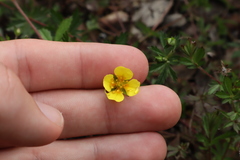
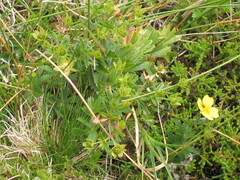
Tormentil (Potentilla erecta) is a low, creeping perennial in the Rosaceae family, native to European heaths, bogs and acidic grasslands. Its small yellow flowers have four petals, an unusual trait among cinquefoils. Tannin-rich roots gave this plant of poor soils a long history of use in dyeing and traditional medicine.
Read moreTormentil, Erect cinquefoil, Common tormentil and Septfoil
Allow a few hours of direct sun per day, preferably morning or evening.
Full sun preferred; tolerates edge shade with fewer flowers.
© photo
(c) Alexander Baransky, some rights reserved (CC BY-NC), uploaded by Alexander Baransky · cc-by-nc
Vicente Lopes · CC BY-NC
zebedeugalinha · cc-by
(c) zebedeugalinha, some rights reserved (CC BY) · cc-by
(c) Maxim Shashkov, some rights reserved (CC BY) · cc-by
Global distribution
Potentilla erecta is widespread in Europe, with occurrences in Morocco and the Azores, and a range extending into western Asia, western Siberia and Turkey. It has also been introduced to eastern North America.
- Native5
- Introduced1
- Europe
- Morocco
- Turkey
- Russia (western Siberia)
- Metropolitan France
- Eastern North America
Hexagons: regions where the plant occurs. Green dots: native range.1
Identity
Tormentil (Potentilla erecta (L.) Raeusch., 1797) is a low herbaceous perennial of European heaths and acidic soils, in the Rosaceae family. Its yellow flowers provide an immediate clue: they have four petals, while most cinquefoils have five. POWO and IPNI record the accepted combination from 1797, based on Tormentilla erecta L., published by Linnaeus in 1753. 1 2
The name tormentil derives from Latin tormentum, meaning pain or colic, recalling the historical use of its root for painful digestive complaints. German Blutwurz, meaning bloodroot, refers to the red color of the cut root. Erect cinquefoil, common tormentil and septfoil are other English names; French regional names include potentille dressée and herbe au diable. 5 4
Recognition
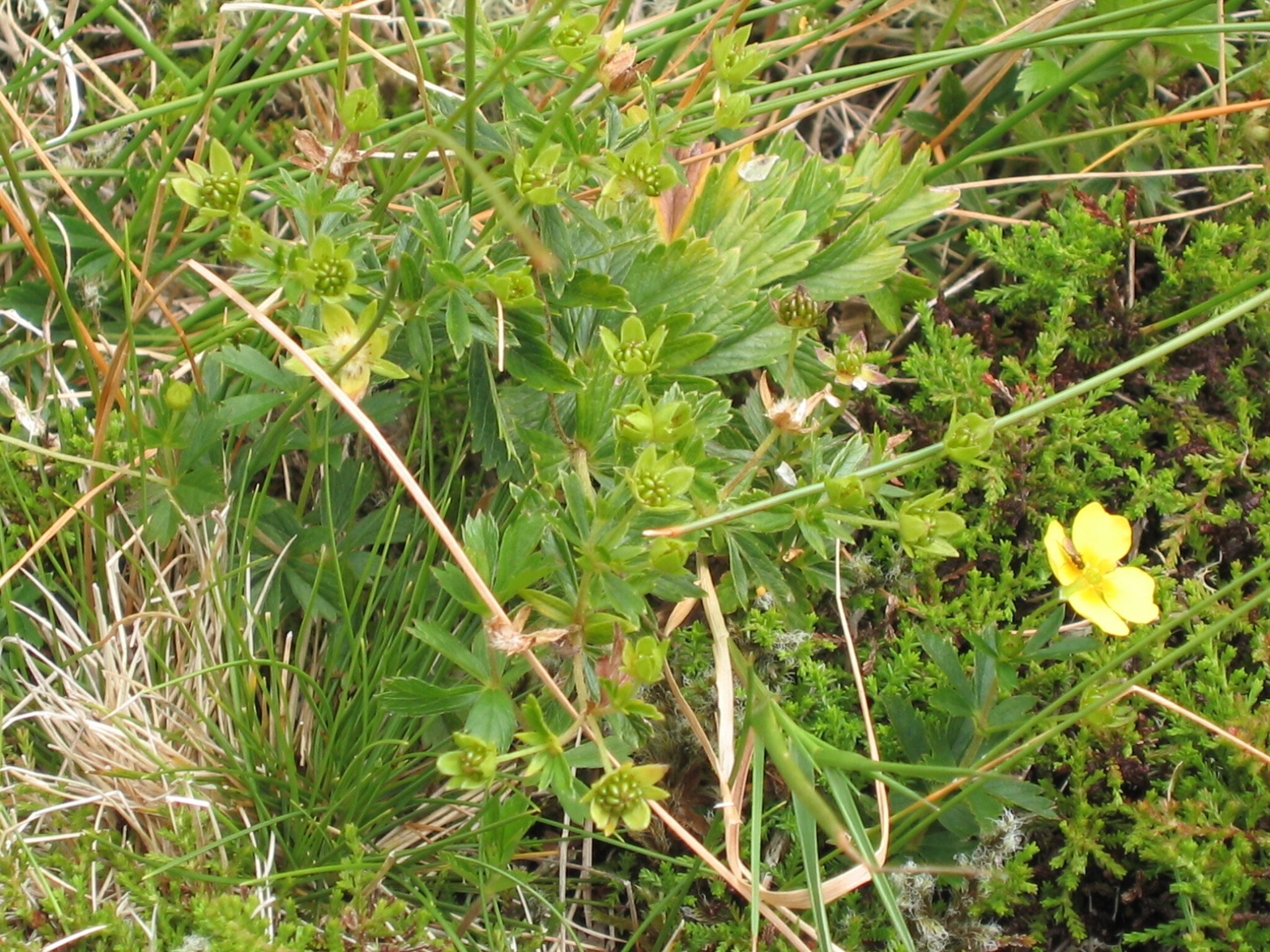
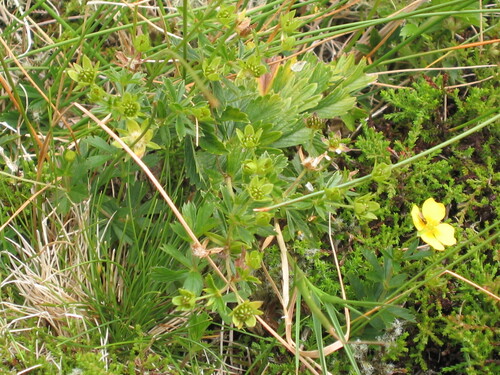
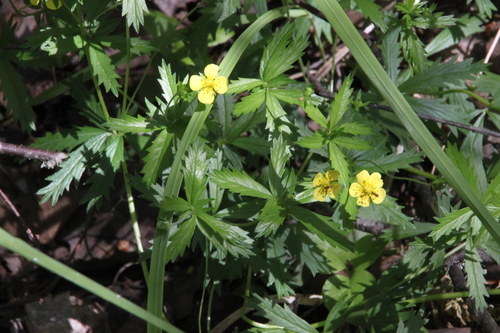
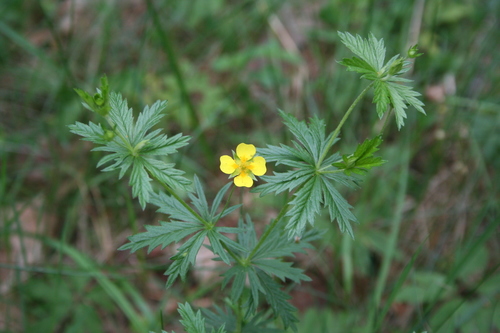
Slender stems give tormentil a height of 5–30 cm (2–12 in), lying along the ground at the base before rising toward the flowers. Leaves have three toothed leaflets, but large stipules can make them look five-leafleted from a distance, misleading an inexperienced observer. 3 4
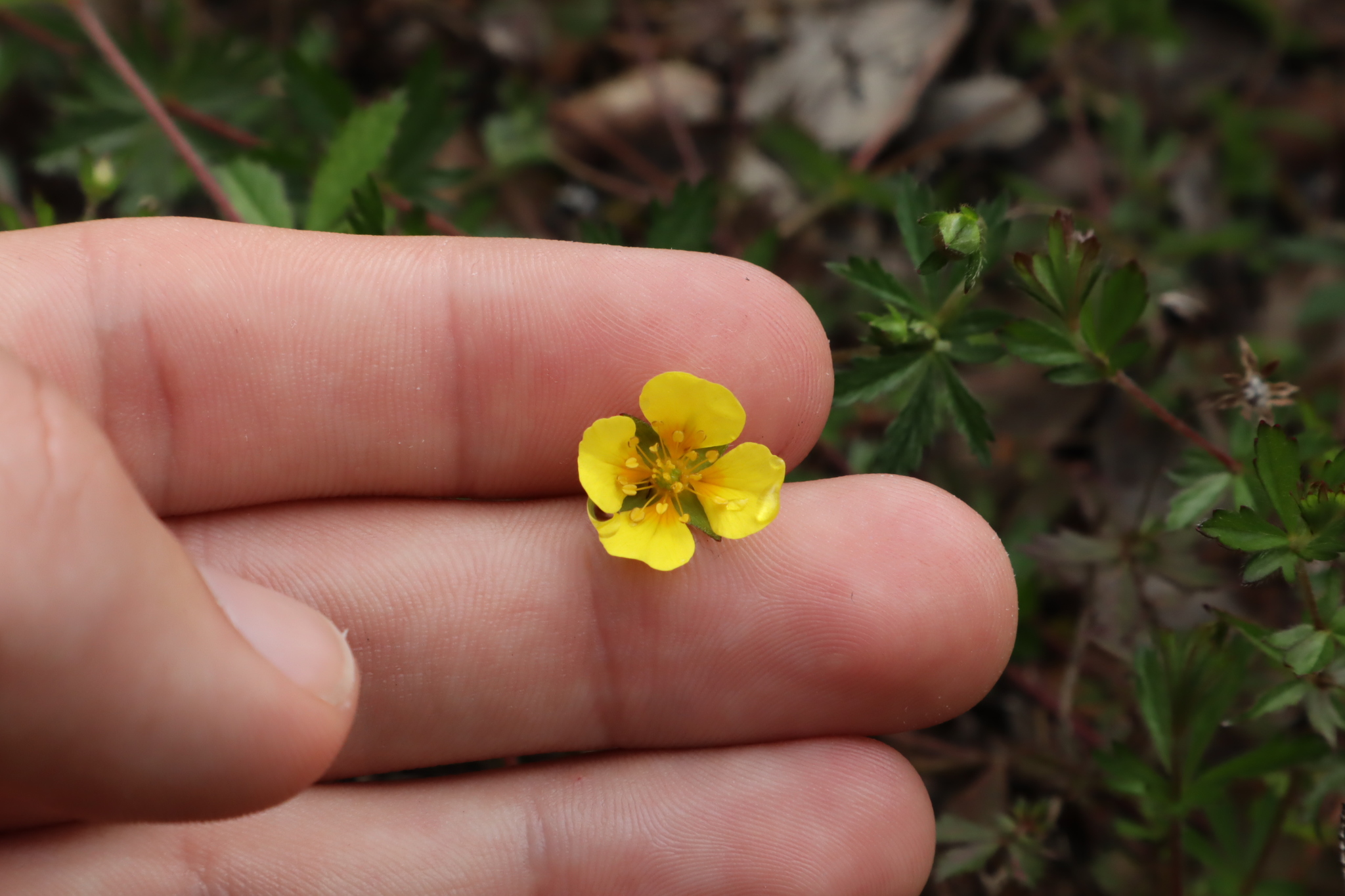
Petal count provides a firmer clue than height or stem habit: the flowers are bright yellow, 7–15 mm (0.3–0.6 in) across, with four notched petals. This is unusual in Potentilla, where most species have five. Counting them often resolves identification without a lens or key. Flowering runs from May or June to September or October, depending on elevation and exposure. 4 5
Useful taxonomy
Older lists may use Tormentilla erecta L. instead of the accepted Potentilla erecta. Named varieties include Potentilla erecta var. strictissima (Zimmeter) Beck and var. latiloba (Ser.) Kotov. These reflect regional differences in habit or leaf shape without changing the species identity. 1 8
Hybridization is common in Potentilla, including tormentil. Potentilla × suecica, a cross with P. anglica, and Potentilla × mixta, a cross with P. reptans, have intermediate features and are sometimes sterile. These hybrids complicate field identification more often than variation within tormentil itself. 2 8
Habitat and range
Europe forms the core of tormentil’s range, with occurrences in Morocco and the Azores and an extension into western Asia, western Siberia and Turkey. It has also been introduced to eastern North America. 6 7
Poor, acidic soils support this species in heaths, bogs, fens, nutrient-poor mountain turf, open woodland and dunes. It often shares the poor, drained soil niche of heather (Calluna vulgaris). Alkaline soil suits it poorly, while excess nutrients favor competing perennials and reduce flowering. Hardy in USDA zones 4–8, it withstands temperatures down to −30 °C (−22 °F) without protection, reflecting its heathland and upland origins. 4 3
Life cycle and reproduction
A thick rhizome, reddish when cut, supports new growth each spring. Flowering lasts several months and is self-fertile, although bees, flies, beetles, butterflies and moths still visit and increase seed production through pollination. 3 4
Garden propagation uses spring or fall sowing in a cold frame, followed by transplanting after the first winter, or spring division of established clumps. Division produces a flowering plant sooner than seed. 3
Uses and risks
Tormentil roots contain high levels of tannins, up to about 20%, exceeding oak bark. They formerly supplied leather-tanning material and a red dye known as tormentil red, before imported tannins became widespread. 4 3
Traditional preparations used the tissue-tightening action of tannins for diarrhea, dysentery and inflammation of the mouth or throat, as decoctions or mouthwashes. The root also flavors Bavarian Blutwurz and some Ukrainian horilkas. 3 4
Available sources report no notable toxicity to people or pets; aqueous rhizome extracts show low toxicity in rats and mice. More than one gram of concentrated extract can cause digestive upset. Use is discouraged during pregnancy or with inflammatory bowel disease. 4 3
Varieties, look-alikes and related plants
Established ornamental cultivars for flower beds are absent from Potentilla erecta. Named forms are botanical varieties or natural hybrids, including Potentilla × suecica and Potentilla × mixta. 8
Creeping cinquefoil, Potentilla reptans, is a frequent look-alike. It has five petals and long stems rooting at every node, giving it a much more spreading habit. Yellow-flowered Potentilla anglica hybridizes with tormentil, making petal counts and stem inspection particularly useful. 2 4
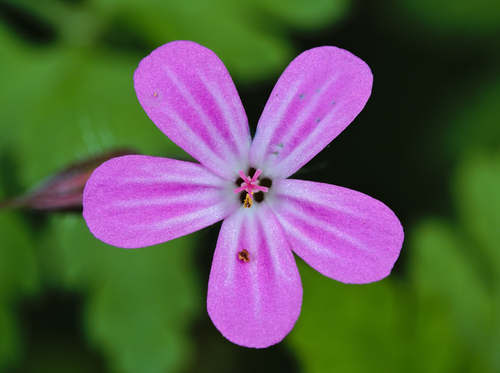
Woodland strawberry and herb robert sometimes share the same woodland or edge habitat. Once their flowers are examined, the resemblance ends: neither combines tormentil’s petals with its three-leafleted leaves and large stipules. 5
Main sources
- Plants of the World Online / Kew, Potentilla erecta (L.) Raeusch.
- International Plant Names Index, Potentilla erecta (L.) Raeusch.
- Plants For A Future, Potentilla erecta - Tormentil
- English Wikipedia, Potentilla erecta
- French Wikipedia, Tormentil
- USDA PLANTS Database, Potentilla erecta (POER81)
- ITIS, Potentilla erecta (L.) Raeuschel
- GBIF Backbone Taxonomy, Potentilla erecta (L.) Raeusch.
Frequently asked questions
Is tormentil poisonous?
No notable toxicity is reported for people or pets. Its tannin-rich root should not be used in concentrated preparations without advice, particularly during pregnancy.
Why does tormentil have only four petals?
This is a distinctive trait within Potentilla, where most species have five petals. It helps identify tormentil in the field without a magnifying glass or a complicated key.
Where does tormentil grow wild?
It grows on poor, acidic soils in heaths, bogs, nutrient-poor grasslands, mountain turf and dunes, across Europe, North Africa and western Asia to western Siberia and Turkey.
What was tormentil root used for?
It supplied tannins for leather tanning and red dye, and served as a traditional astringent for diarrhea, sore throats and mouth ulcers.
How can I tell tormentil from creeping cinquefoil?
Potentilla reptans has five petals and long creeping stems that root at the nodes. Tormentil has four petals and shorter stems that root little or not at all.
Is tormentil easy to grow?
Yes, in poor, acidic, moist soil it needs little care. In rich or alkaline soil it flowers poorly and faces stronger competition from other perennials.
Similar plants
If you are unsure about a plant’s toxicity, ask a botanist or veterinarian for advice.