
Primrose (Primula, )
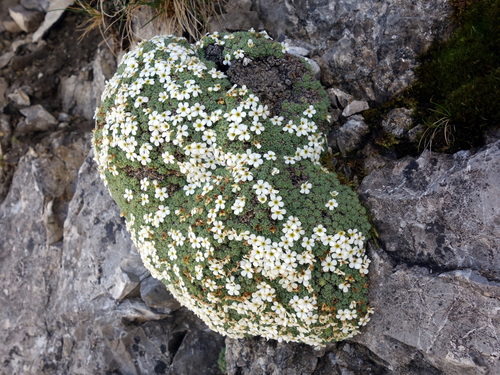


Primrose (Primula) is a diverse genus in Primulaceae, often recognized by leaf rosettes and cool-season flowers. Its mainly temperate and mountain species include wild alpine, meadow and woodland plants, alongside many horticultural forms. A genus name covers this diversity without identifying every primrose as the same species.
Read morePrimrose, Primroses, Cowslip, Auricula and Oxlip


© photo
Wolfgang Jauch · cc-by
Siddarth Machado · cc-by
iNaturalist User · cc-by-nc
© copyright of the Board of Trustees of the Royal Botanic Gardens, Kew.


Identity
Primrose (Primula L., 1753) belongs to a large accepted genus in Primulaceae, formally published by Linnaeus. POWO recognizes several hundred accepted species, distributed mainly in temperate and mountain regions. This broad botanical grouping includes plants with quite different appearances and growing requirements, even when they share a familiar spring-flower name. 1 3
The common word primrose can refer broadly to members of the genus or more narrowly to a particular spring flower. Primula veris, Primula vulgaris and horticultural primroses are therefore not interchangeable names. Identifying the species, when it is known, provides more information than the broad common name alone. 2 6
NC State describes Primula as a group of cool-season plants often grown in containers, borders and beds. No single familiar primrose represents the whole genus. A small flowering pot is one expression of a much wider group that also includes wild meadow, woodland and alpine plants. 4
Recognition
Basal rosettes of simple leaves characterize many primroses. Depending on the species, the blades may be oval, obovate or spoon-shaped. Flowers rise on bare stalks and can be arranged in umbels, racemes or whorls, or sometimes appear singly. The flower arrangement is therefore useful alongside the shape of the leaves. 4
Garden forms span white, yellow, pink, red, blue and purple, sometimes with a contrasting center. NC State also notes that flowers may be fragrant or unscented, upright or slightly nodding. Color alone gives a poor guide to identity because horticultural selection has produced such a broad palette. 4
Small supermarket pots reveal only part of the genus. Some primroses inhabit alpine sites, others cool meadows, open woodland or stream margins. That ecological range explains why a general description must leave room for different species rather than giving every primrose the same habitat or cultivation requirements. 1 7
Taxonomy and related species
POWO lists numerous Primula species, with WFO providing complementary nomenclatural information. Familiar members include common primrose, cowslip, auricula and drumstick primrose. These names distinguish different plants; they should not be used as synonyms merely because the plants belong to the same genus or flower in the same season. 1 2
Primula veris identifies a particular species, whereas Primula covers a broader group of spring flowers, partial-shade plants and cool-season container subjects. When the species is unknown, the genus is a useful level of identification, but it conveys less about the individual plant.
Horticultural forms add color without necessarily making identification more precise. A container cultivar may be sold simply as a primrose with no clear species name. In that situation, identifying it to genus is prudent. If the label supplies a species name, retain that more specific information.
Contrasting habitats are another reason to retain species-level distinctions. A cowslip such as Primula veris in calcareous meadowland differs from an alpine auricula or a hybrid primrose in a nursery pot. The genus brings these plants together botanically, while their individual names preserve the ecological differences that matter when growing or recognizing them. 1 2 8
Cultivation
Cool, moist but well-drained soil rich in humus suits many primroses. NC State recommends partial shade, light shade or filtered sunlight, together with moisture and organic matter. Moisture should remain available around the roots without leaving the root ball in stagnant water; drainage and regular watering work together. 4
The root ball is the vulnerable point in a pot. A flowering primrose dehydrates quickly when the medium dries completely, but can also rot if left in a saucer full of water. Water regularly and allow the excess to drain away rather than leaving the container standing in it.
In the garden, primroses suit open woodland margins, the base of spring bulbs or cool meadows. Some can self-seed after flowering when conditions remain favorable. Alpine species often require sharper drainage, another reason to match growing conditions to the particular plant rather than to its common name alone.
Balcony displays often treat primroses as seasonal annuals, although many Primula are perennials. Climate, growing medium and summer heat largely explain the difference. A flowering pot forced into a warm indoor room can decline rapidly, while a clump outdoors in suitable cool, moist soil may return for several years. 4 7
Hardiness and persistence depend strongly on the species and growing conditions. There is no single reliable lifespan for every primrose: a seasonal display and a long-lived garden clump may both belong to the same genus, while responding very differently to heat, moisture and exposure.
Toxicity and irritation
Toxicity varies among primrose species and among individuals exposed to them. The ASPCA lists Primula vulgaris as toxic to dogs, cats and horses, with mild vomiting possible. This species-specific information supports caution when a potted primrose has not been identified precisely, rather than assuming that every plant sold under the name has an identical profile. 5
Contact dermatitis is another risk noted by NC State for Primula. Prolonged handling of leaves or flowers may irritate sensitive skin. Gloves are a practical precaution when dividing clumps or carrying out repeated planting, especially for people who already know that contact with these plants causes a reaction. 4
Primroses are cool-season ornamental plants, and should not automatically be treated as food plants. Prevent animals from eating them and supervise young children around pots. These simple precautions allow the flowers to be enjoyed while acknowledging the irritation and ingestion risks associated with some members of the genus.
Enjoy primroses as spring ornamentals, handle them carefully and prevent ingestion. Species identification still matters: Primula vulgaris retains its own identity and documented animal-toxicity warning, while Primula refers to the broader group. Recognizing that distinction keeps the advice proportionate without presenting ordinary spring pots as harmless to every animal. 5 1
Using botanical names
Primula is useful when describing the genus as a whole, for example a mixed selection of spring flowers, cool balcony arrangements or plants for partial shade. In those broad groupings, the shared genus provides a meaningful botanical connection without suggesting that every plant is the same species.
Use precise names whenever identification allows: Primula veris, Primula vulgaris or another named species conveys more than Primula alone. The genus remains useful for an unidentified primrose or a mixed grouping, but it cannot replace the information contained in a species name. This distinction preserves the diversity of the plants themselves. 1 8
Main sources
Species in this genus
If you are unsure about a plant’s toxicity, ask a botanist or veterinarian for advice.