
Common primrose (Primula vulgaris, )
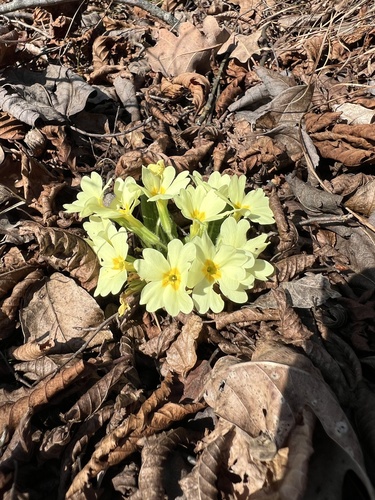
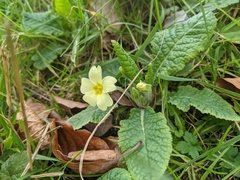
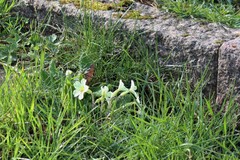
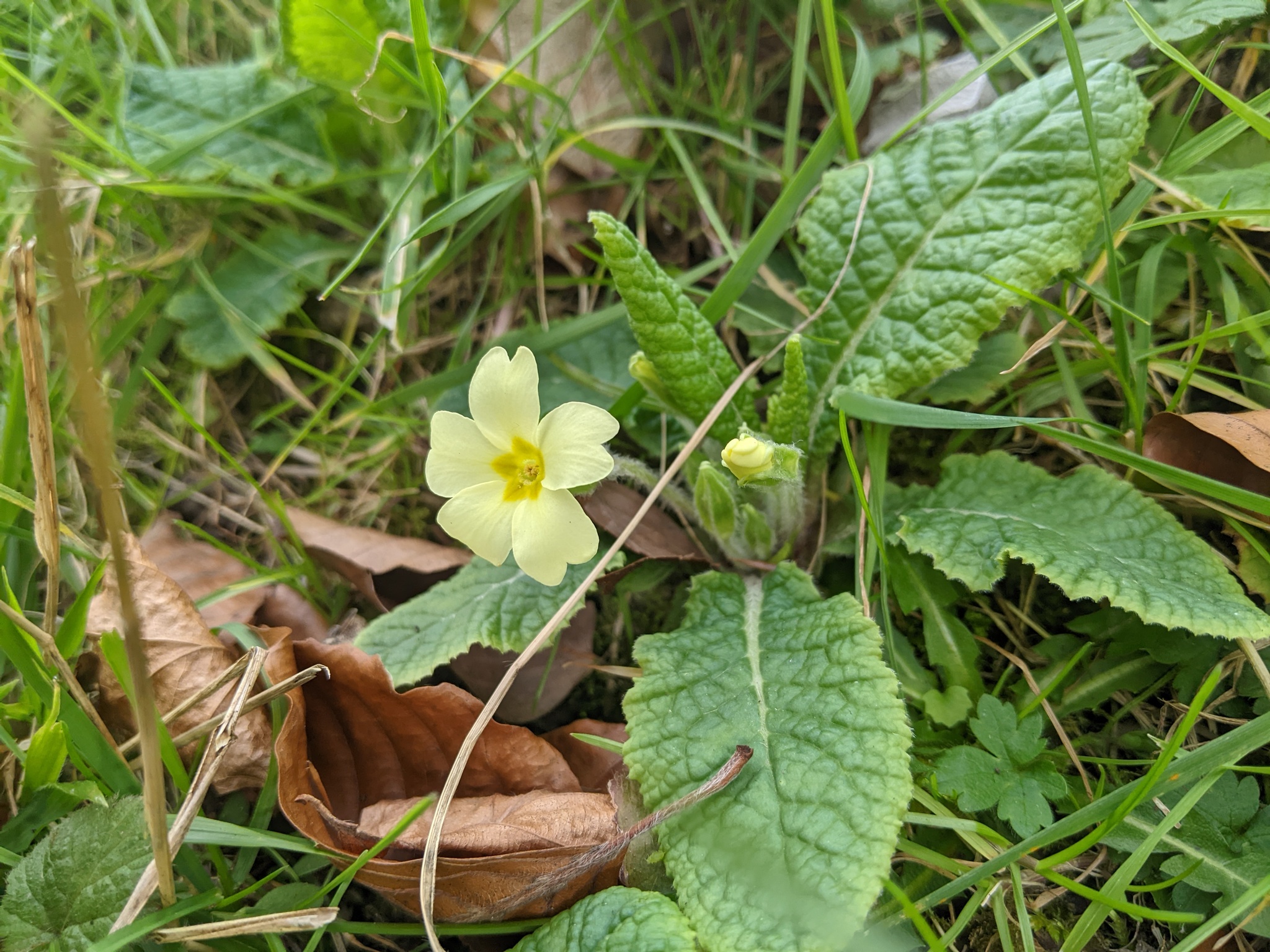
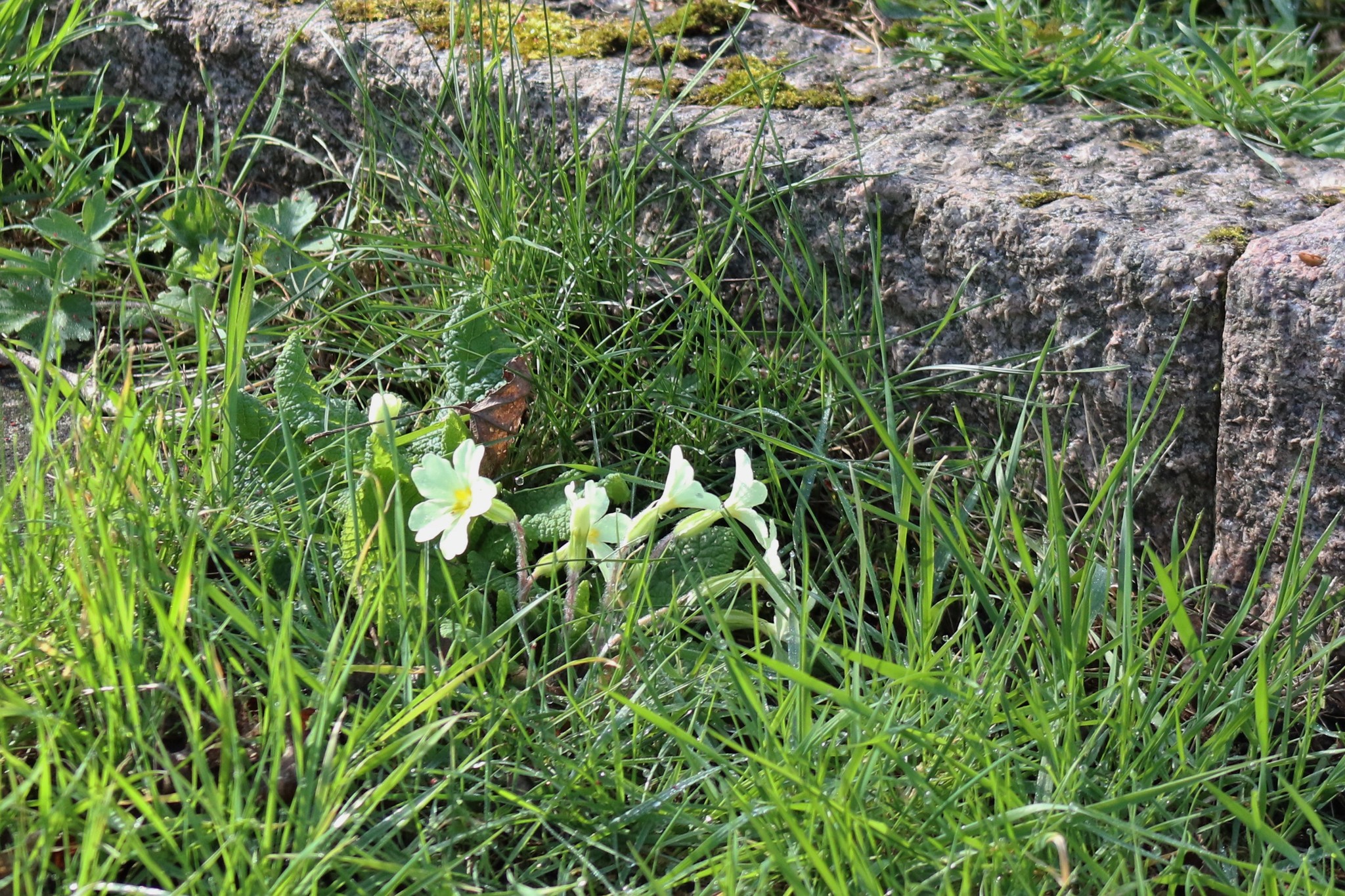
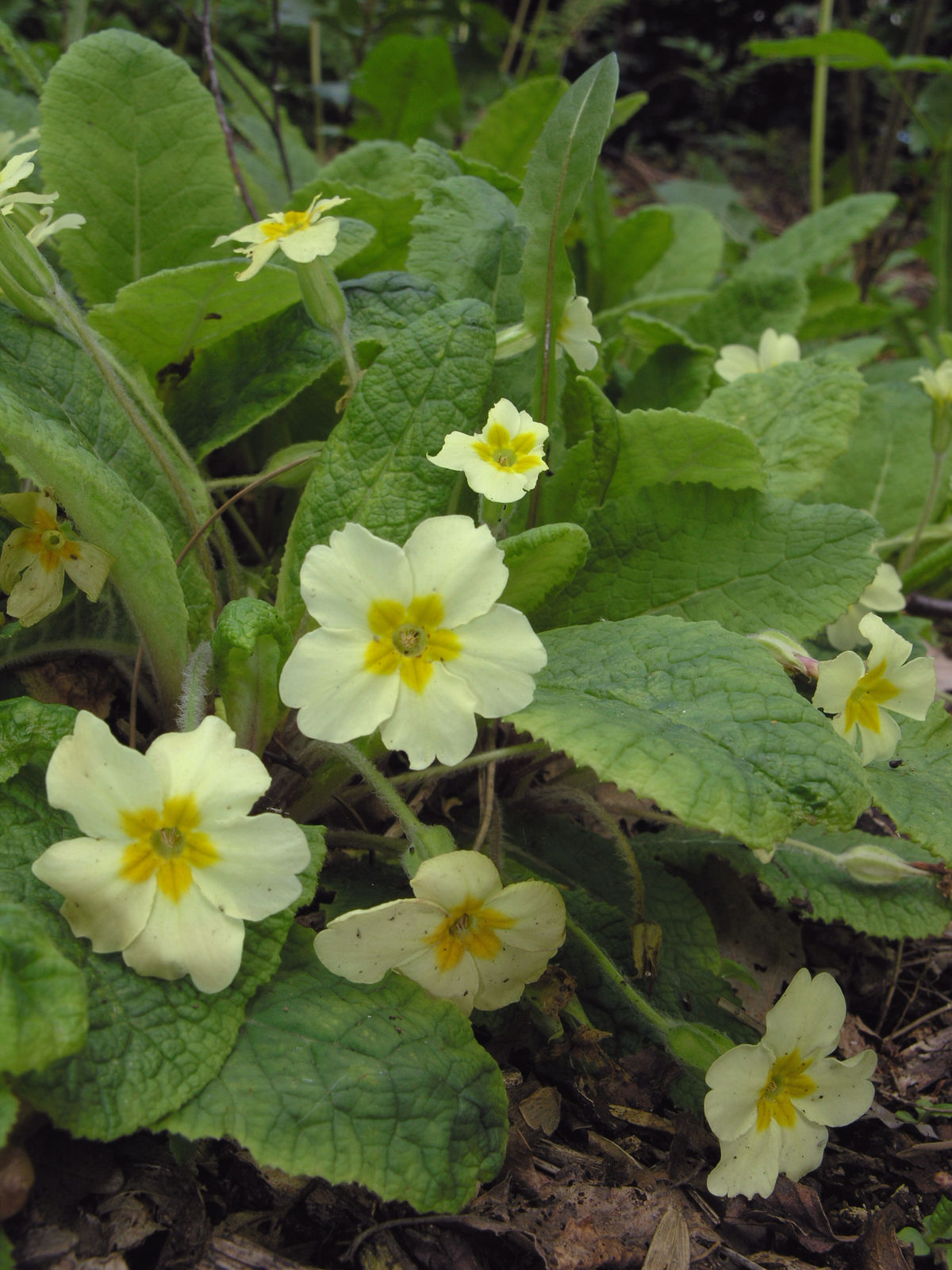
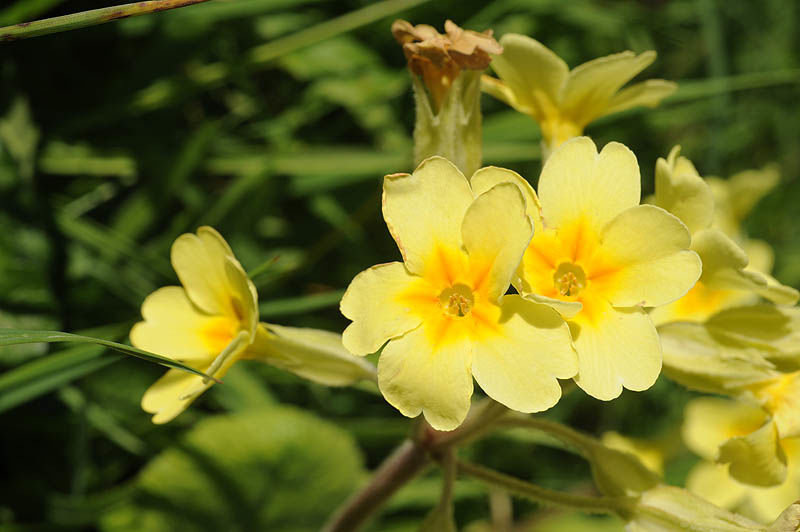
Common primrose (Primula vulgaris) is a rosette-forming herbaceous perennial in the Primulaceae family, native to Europe, North Africa and the western Caucasus. Its pale yellow flowers appear in early spring, sometimes in late winter, each on a long individual stalk arising directly from the leaf rosette.
Read moreCommon primrose, Primrose and English primrose
Place in indirect light or in a shaded room.
Bright partial shade or filtered light beneath deciduous trees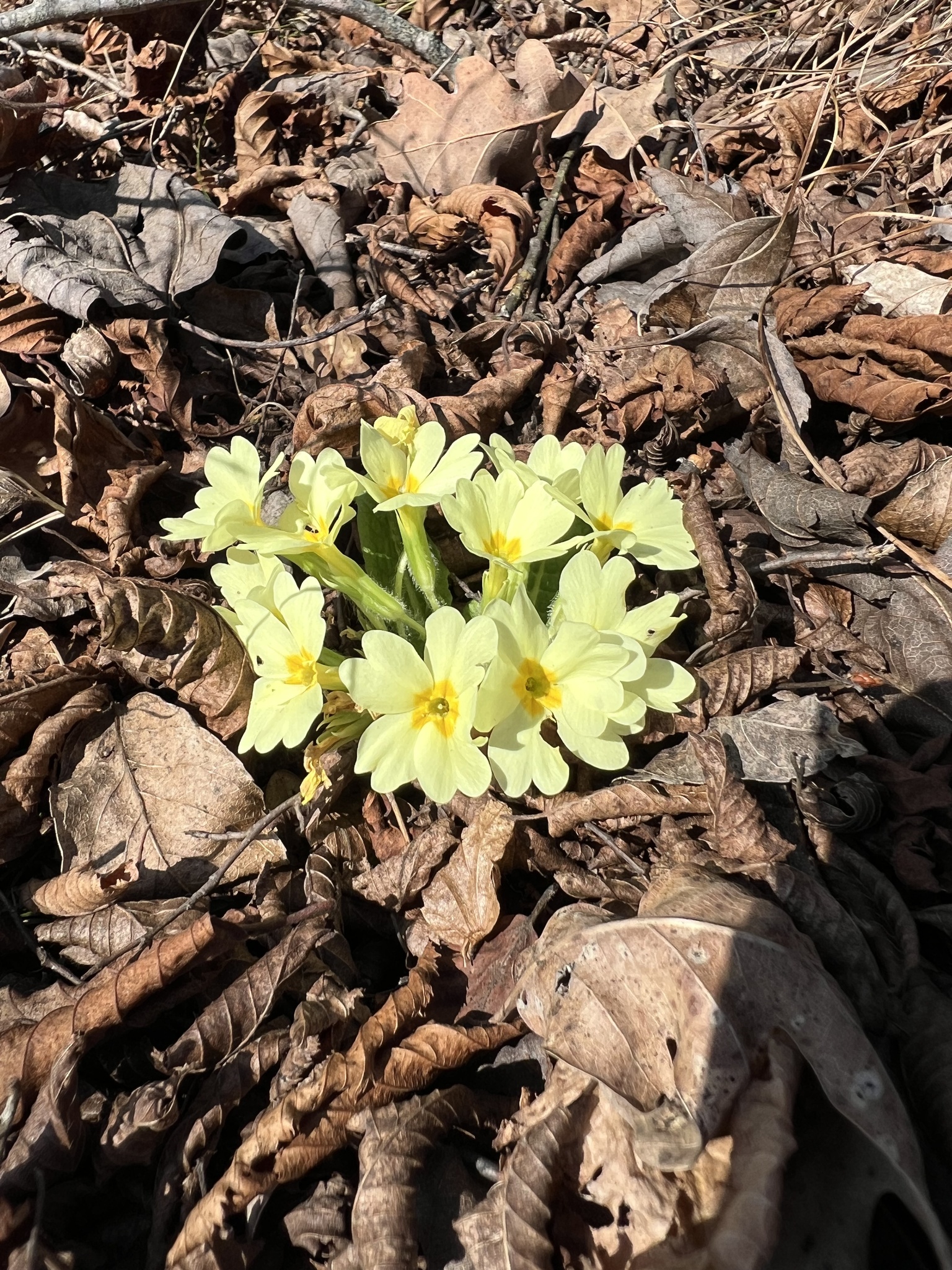


© photo
Mirko Ubović · cc0
Victor Heng · cc0
Charlie Farrell · cc0
Taken Mar 2, 2022 by Gianni Del Bufalo (cc-by-sa)
Taken Apr 6, 2015 by Tela Botanica − Romain LM (cc-by-sa)
Taken Mar 19, 2020 by Cortay Armand (cc-by-sa)
Taken Mar 5, 2021 by Andrea Ajax (cc-by-sa)
Taken Mar 17, 2022 by Jim Knopf (cc-by-sa)
© copyright of the Board of Trustees of the Royal Botanic Gardens, Kew.




Global distribution
Primula vulgaris is native from Europe to the western Caucasus and Lebanon, with isolated populations in Morocco and Algeria and an endemic subspecies in the Balearic Islands. It is widely grown ornamentally beyond this range, without a documented invasive status.
- Native7
- France
- United Kingdom
- Spain
- Italy
- Turkey
- Lebanon
- Morocco
Hexagons: regions where the plant occurs. Green dots: native range.1
Identity
Common primrose (Primula vulgaris Huds., 1762), also known as English primrose, is a rosette-forming herbaceous perennial in the genus Primula, family Primulaceae. Its epithet vulgaris means “widespread” rather than “ordinary”: it remains one of Europe's most widely planted wild primroses on banks and beneath trees. 1 2
The French name comes from medieval Latin prima vera, “first spring,” reflecting its early flowering. 10 The descriptive term stemless identifies a visible feature: each pale yellow flower grows on its own slender stalk directly from the leaf rosette, without an apparent shared flowering stem. 8
Recognition
Wrinkled, oval to obovate leaves form a low rosette, dull green above and downy beneath, usually 8–20 cm (3–8 in) long. The entire rosette rarely exceeds 20 cm (8 in) in height and may spread 15–30 cm (6–12 in) across. 2 4
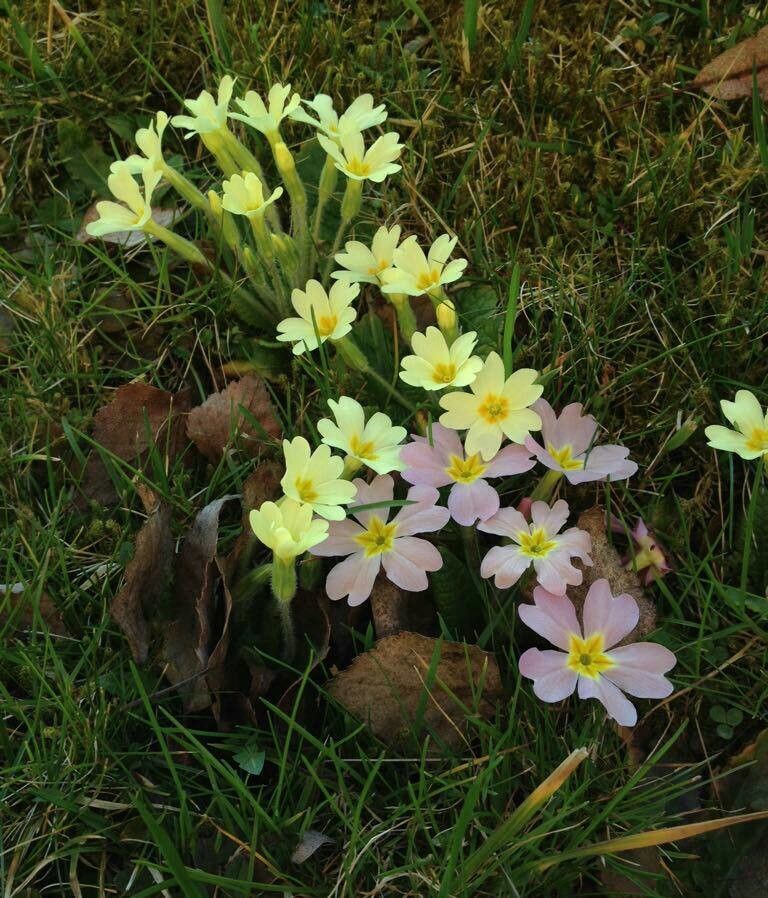
Each flower sits on a hairy stalk 5–15 cm (2–6 in) tall. Its flat, pale yellow corolla has five heart-notched lobes and an orange throat. Cowslip (Primula veris) and oxlip (Primula elatior) carry an umbel of flowers atop one shared stalk; common primrose bears its flowers individually from the rosette, a useful distinction in the field. 2 5
A less immediately visible feature provides another botanical distinction. The plant is heterostylous: two flower forms occur within a population, one with a long style and short stamens, the other with a short style and long stamens. A single flower never combines both forms. 2
Useful taxonomy
Published in 1762, Primula vulgaris Huds. is the name accepted by POWO/WCVP. Several subspecies occur in horticulture, and their nomenclature can be confusing:
- Primula vulgaris subsp. sibthorpii (Hoffmanns.) W.W.Sm. & Forrest, with pink to purple flowers, from the Balkans to the Caucasus;
- Primula vulgaris subsp. rubra (Sm.) Arcang., the accepted name under which the preceding name is now treated as a synonym;
- Primula vulgaris subsp. balearica (Willk.) W.W.Sm. & Forrest, endemic to Mallorca;
- Primula vulgaris subsp. atlantica (Maire & Wilczek) Greuter & Burdet, from Morocco and Algeria;
- Primula acaulis (L.) Hill, an older name still used in some nursery catalogs.
The accepted species name remains the dependable reference. Horticultural mixtures sold as polyanthus derive from crossing with Primula veris: they are not the typical species and should not replace it on a botanical label. 1 3
Habitat and distribution
Europe, the western Caucasus and Lebanon form its main native range, with isolated populations in Morocco and Algeria and an endemic subspecies in the Balearic Islands. In France, the plant occurs across much of the country, from open woodland to hedgerow banks. 1 9
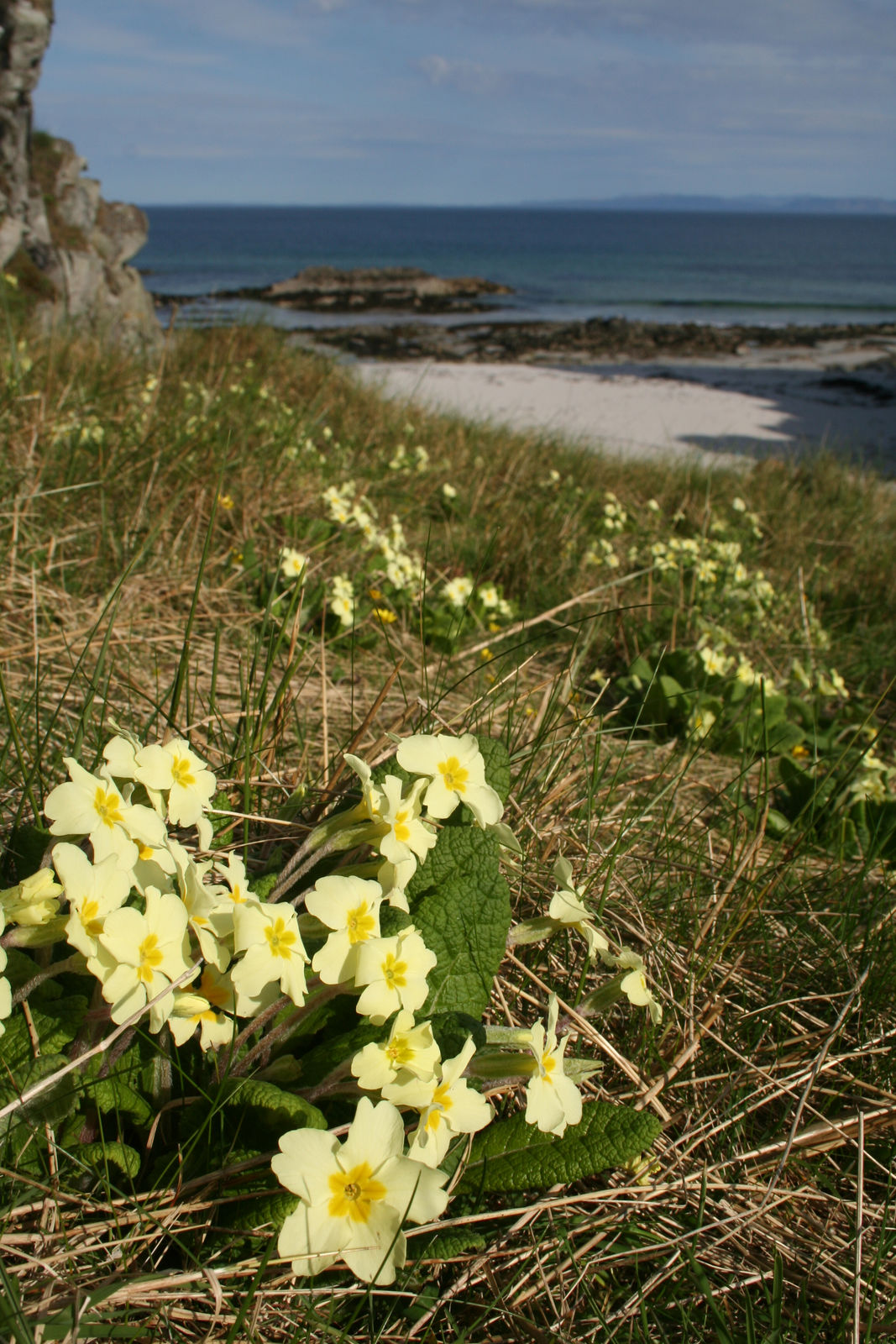
Open woodland, banks, hedgerows, moist meadows and occasionally coastal cliffs provide suitable habitat where humus-rich soil stays moist for much of the year. Hardy in the ground, the species tolerates −15 °C (5 °F) and is grown across USDA zones 4–8. 5 6
In the United Kingdom, its presence indicates long-established woodland and hedgerows. Colonizing newly planted hedges or woods can take decades because its seeds do not travel far from the parent clump. 5
Life cycle and reproduction
Flowers open from February through April in the source's Northern Hemisphere setting, depending on climate, sometimes beginning in late winter in mild areas. An established clump produces dozens of successive blooms through the season, each remaining open for about 10 days. 2 4
Heterostyly, studied by Charles Darwin from the 1860s as a mechanism limiting self-fertilization, encourages cross-pollination between the two forms by long-tongued bees and bee flies. After pollination, each capsule releases several dozen tiny seeds. Germination is irregular over several weeks and depends on light. 5
In cultivation, dividing clumps after flowering every 2–3 years is the most reliable propagation method. Without division, clumps weaken and flower less each year. Seed propagation also works but requires patience because emergence extends over several weeks. 2 6
Uses and risks
Shaded banks, woodland gardens and moist borders are its main ornamental settings. Early flowers feed bees and bee flies emerging from winter dormancy from February onward, when few other nectar sources are available. 5 2
Flowers and young leaves are edible in small amounts and traditionally flavored salads and flower wines in Great Britain. Nevertheless, the whole plant contains saponins and primin, an irritating compound concentrated in glandular leaf hairs. Repeated handling may cause contact dermatitis in sensitive people. 5 7
ASPCA classifies Primula vulgaris as toxic to cats, dogs and horses. Ingestion causes vomiting and excessive salivation; neurological signs are uncommon. 7
Varieties, lookalikes and related plants
Double-flowered 'Alba Plena' and the modern, very full Belarina series both derive directly from Primula vulgaris, differing clearly from the wild single-flowered plant. Mixtures sold as polyanthus, however, are hybrids with Primula veris and represent a different botanical entity. 2
Two related species regularly cause confusion. Primula veris, cowslip, bears smaller, golden yellow tubular flowers in a nodding umbel on one stalk, unlike the solitary, flat 2–3 cm (about 1 in) corolla of common primrose. Primula elatior, oxlip, also groups its pale yellow flowers in an umbel, but holds it upright. On common primrose, each flower remains solitary on its own stalk, allowing identification without a hand lens or herbarium specimen. 2 4
Main sources
- Plants of the World Online / Kew, Primula vulgaris Huds.
- Royal Horticultural Society, Primula vulgaris (primrose)
- Royal Horticultural Society, Primula vulgaris subsp. sibthorpii
- Missouri Botanical Garden Plant Finder, Primula vulgaris
- Plants For A Future, Primula vulgaris
- NC State Extension Gardener Plant Toolbox, Primula vulgaris
- ASPCA, Primrose toxicity entry
- Tela Botanica, Flore de Coste: Primula vulgaris Huds., description
- INPN / MNHN, Primula vulgaris Huds., 1762
- Académie française, Dictionnaire, 9e édition: primevère
Frequently asked questions
Is common primrose toxic to cats and dogs?
Yes. ASPCA lists Primula vulgaris as toxic to cats, dogs and horses. Ingestion most often causes mild digestive upset, including vomiting and excessive salivation.
How does common primrose differ from cowslip (Primula veris)?
Each pale yellow Primula vulgaris flower has its own stalk arising from the rosette. Primula veris has golden yellow tubular flowers grouped in a nodding umbel at the top of a shared stalk.
Why do some primroses have pink or purple flowers?
The subspecies sibthorpii, from the Balkans and Caucasus, naturally has pink to purple flowers. Horticultural polyanthus mixtures, derived from crossing with Primula veris, add colors that do not belong to the typical wild species.
What is heterostyly in primroses?
It is the presence within one population of two flower forms with reversed style and stamen lengths. Studied by Charles Darwin from the 1860s, it promotes cross-pollination between the forms.
Can common primrose flowers be eaten?
Flowers and young leaves are edible in small quantities and traditionally flavored salads and flower wines in Great Britain. The whole plant remains toxic to pets and repeated handling may irritate skin.
Why has my primrose stopped flowering after a few years?
An undivided clump gradually loses vigor. Division every 2–3 years after flowering restores growth and encourages abundant blooms.
Where does the French name primevère come from?
It comes from the medieval Latin prima vera, meaning first spring, referring to flowering among the earliest plants of the year.
Similar plants
If you are unsure about a plant’s toxicity, ask a botanist or veterinarian for advice.