
Sweet violet (Viola odorata, )
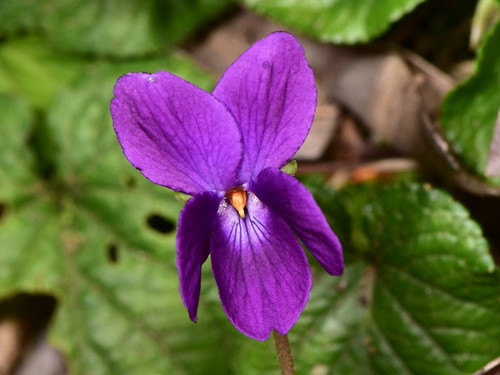
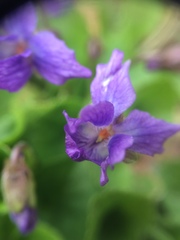
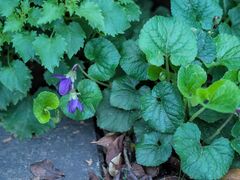
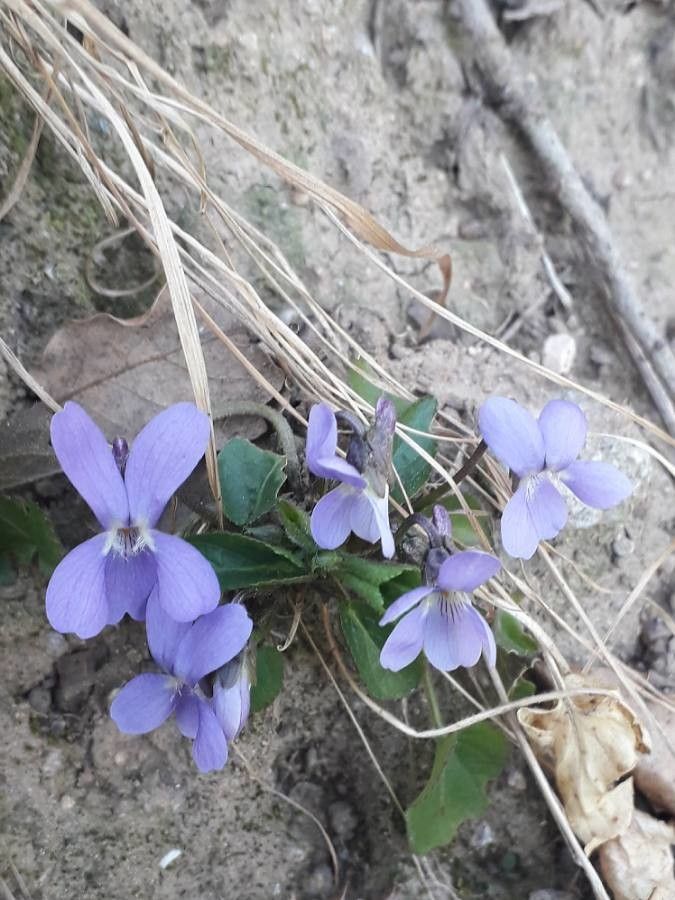
Sweet violet (Viola odorata) is a creeping perennial in the Violaceae family, native to Europe, northern Africa, and western Asia. It forms a low carpet of heart-shaped leaves with fragrant purple or white flowers from late winter; this woodland and border plant has edible flowers and foliage.
Read moreSweet violet, English violet, Wood violet, Common violet and Florist’s violet

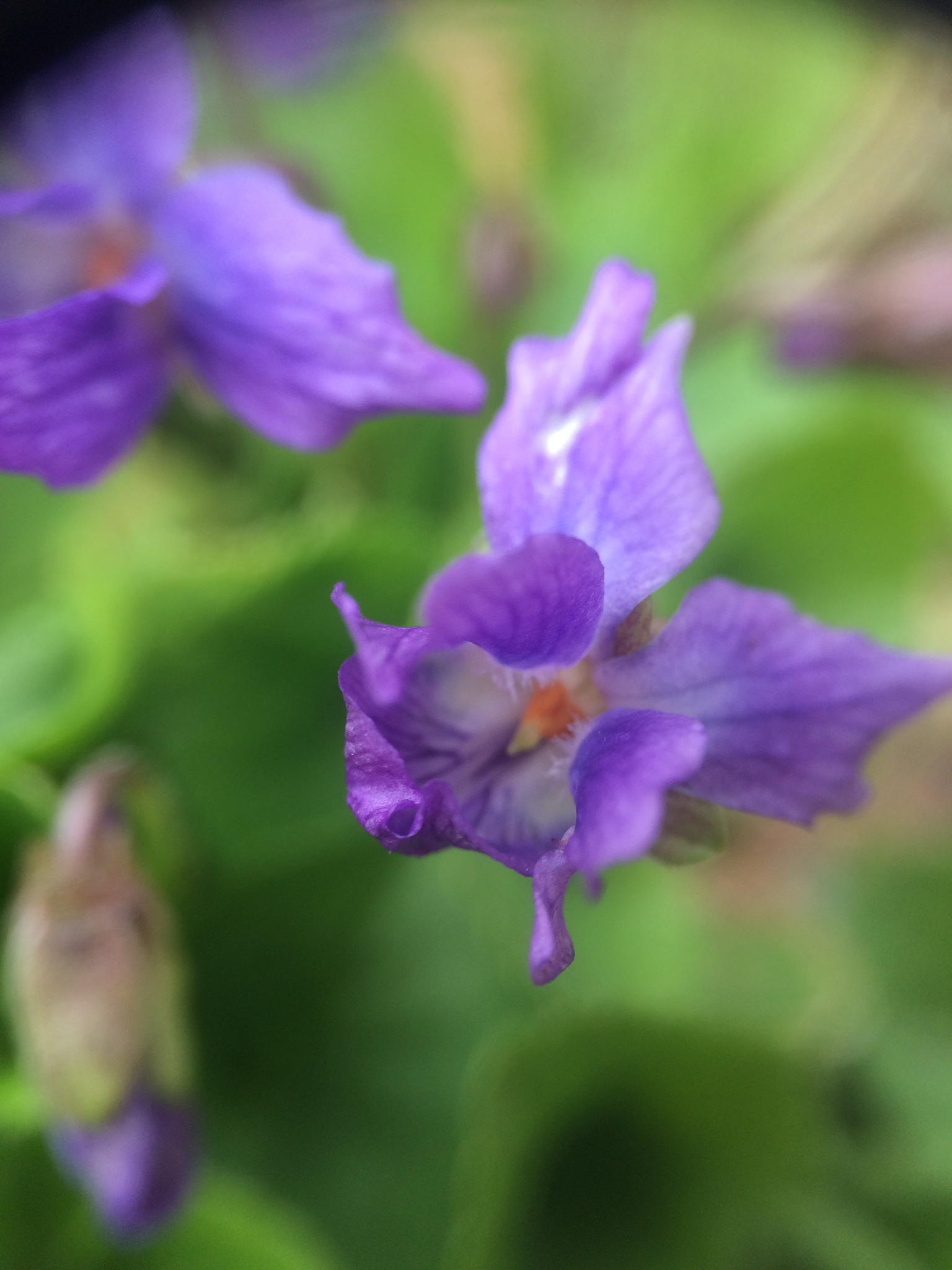
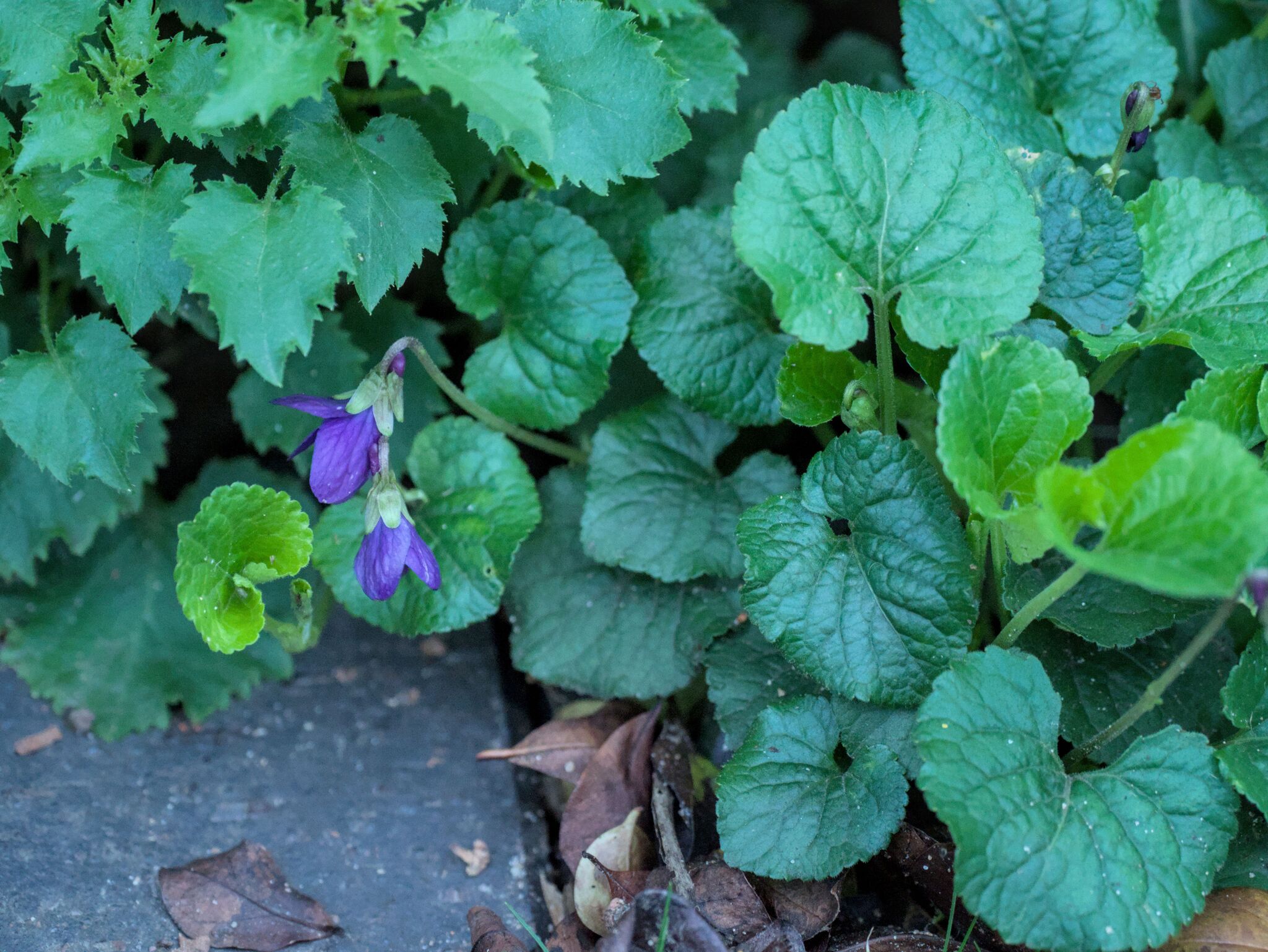


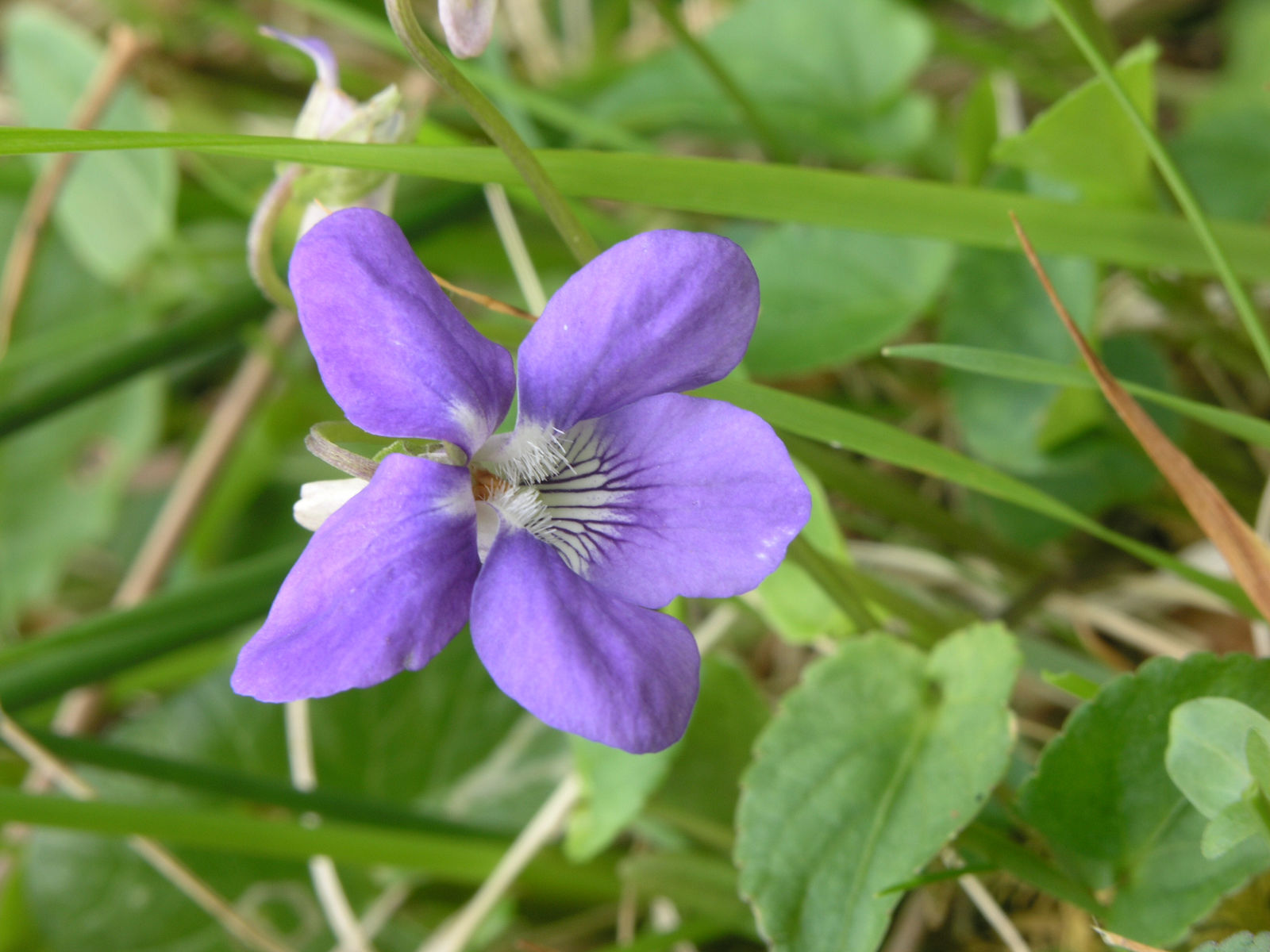
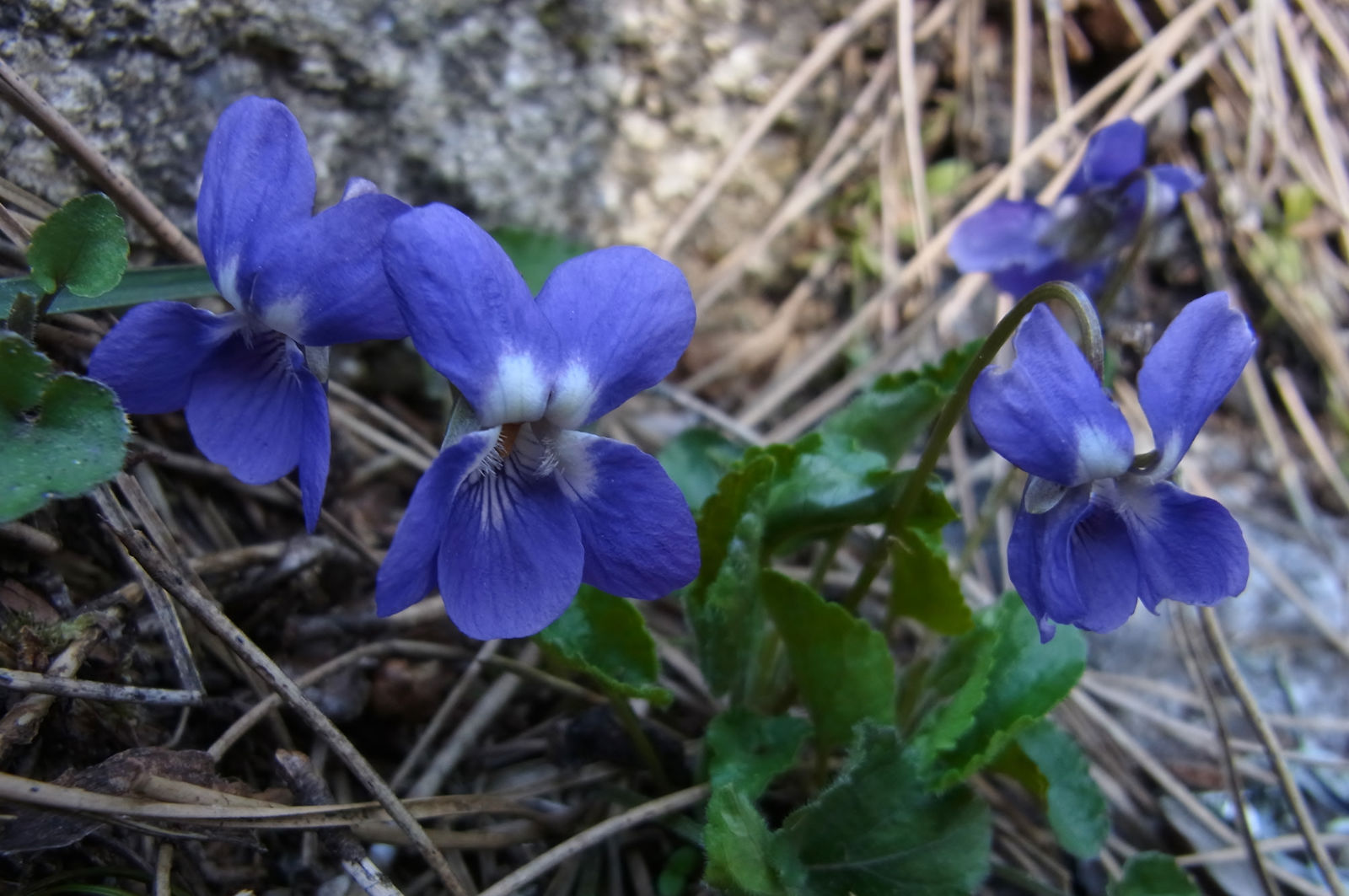
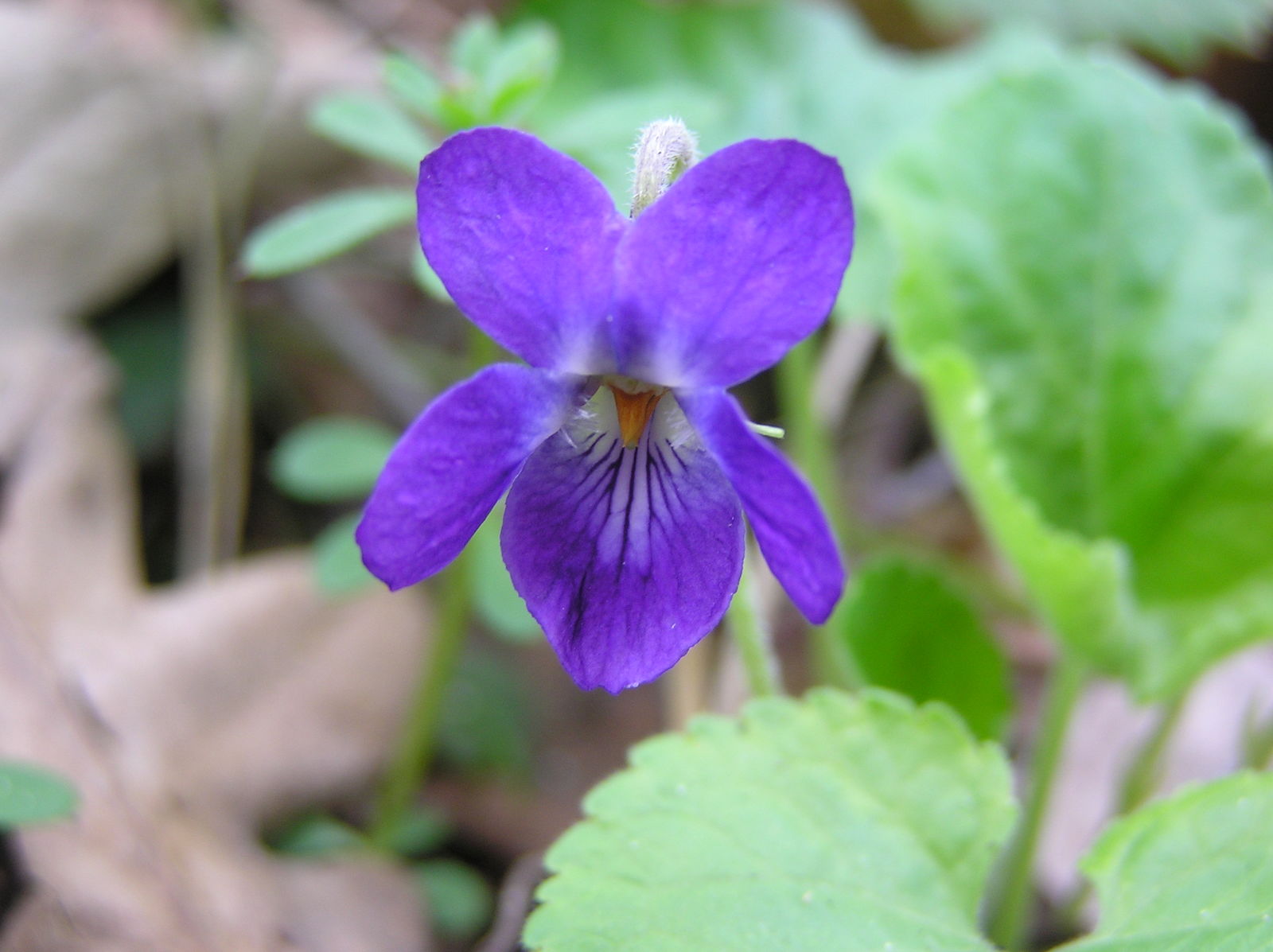
© photo
(c) Paolo Mazzei, some rights reserved (CC BY-NC), uploaded by Paolo Mazzei · cc-by-nc
Étienne Lacroix-Carignan · cc0
Daniel Cahen · cc-by
Taken Mar 15, 2015 by Tela Botanica − Liliane Roubaudi (cc-by-sa)
Taken Feb 19, 2022 by Beate Liebold (cc-by-sa)
Taken Mar 21, 2021 by Giode Tonpino (cc-by-sa)
Taken Feb 6, 2022 by Manuëlle (cc-by-sa)
© copyright of the Board of Trustees of the Royal Botanic Gardens, Kew.




Global distribution
The native range of Viola odorata covers Europe, northwestern Africa, and western Asia as far as Iran. Long cultivated for its fragrance and spread by self-sowing, it has become naturalized beyond this range, including North America and Australia. These introduced regions remain distinct from its native range.
- Native6
- Introduced2
- Metropolitan France
- United Kingdom
- Spain
- Italy
- Iran
- Morocco
- United States
- Australia
Hexagons: regions where the plant occurs. Green dots: native range.1
Identity
Sweet violet (Viola odorata L., 1753), also known as English violet, wood violet, common violet, or florist’s violet, is a creeping perennial in the genus Viola, family Violaceae. The epithet odorata refers to the flowers’ sweet fragrance, which immediately separates this species from many scentless wild violets. ↗ ↗
A scented ground cover for shade, this species makes a low carpet of heart-shaped leaves. Purple or white flowers with a distinctive scent rise above it from late winter onward. It is easy to grow and very cold hardy, with edible leaves and flowers. ↗ ↗
Recognition
Creeping runners, or stolons, support a low rosette 5–15 cm (2–6 in) tall. They root wherever they touch the soil, gradually extending the colony. The rounded, heart-shaped leaves have long stalks and stay grouped close to the ground. ↗ ↗
Scent is the most reliable floral clue: solitary, dark violet or white flowers have five petals and a spur, and release a clear sweet fragrance. Smell, as much as flower shape, distinguishes sweet violet from visually similar but scentless dog violets. ↗ ↗ ↗
The fragrant blooms appear early, from late winter into early spring, sometimes followed by a small autumn flush. In summer, inconspicuous closed flowers, called cleistogamous flowers, enable reproduction without ever opening. ↗ ↗
Useful taxonomy
The name Viola odorata L. dates to Carl Linnaeus’s description in 1753. Many European members of this large genus look alike, and older names and infraspecific ranks still appear in botanical literature. Important names encountered include:
- Viola odorata var. alba (Besser) Dumort., name at varietal rank
- Viola odorata subsp. suavis (M.Bieb.) Nyman, name at subspecies rank
- Viola odorata subsp. collina (Besser) Bonnier, name at subspecies rank
- Viola odorata var. jaubertiana (Marès & Vigin.) Knoche, name at varietal rank
- Viola × subodorata Borbás ex Murr, historical botanical name
Keep Viola odorata as the accepted botanical reference: cultivar names such as Reine des Violettes and Parme de Toulouse identify garden selections, rather than separate species or botanical varieties. ↗ ↗
Habitat and range
Across Europe, northwestern Africa, and western Asia as far as Iran lies the native range of sweet violet. Its wild habitats include cool woodland edges and understory, banks, hedge bases, and shaded meadows with rich, humus-filled soil. ↗ ↗
Like many woodland plants, it takes advantage of late-winter light before trees leaf out, then manages with light summer shade. Its preference for moist soil and gentle shade also explains where it grows best in a garden. ↗ ↗
Centuries of cultivation for fragrance, combined with self-sowing, have allowed sweet violet to naturalize outside its native range, notably in North America and Australia. These introduced areas should be distinguished from the native Eurasian and North African range. ↗ ↗
Life cycle and reproduction
Partial dormancy marks the life of this herbaceous perennial. Leaves may persist in mild climates, but growth slows noticeably in summer. Fragrant flowers appear in late winter and spring, from the second year after sowing, and return annually on an established clump. ↗ ↗
Two types of flower sustain reproduction. In spring, open, fragrant flowers attract pollinating insects; in summer, closed, self-fertilizing cleistogamous flowers produce most of the seed. Each seed carries a fleshy appendage attractive to ants, which disperse it around the parent plant. ↗ ↗
For propagation, divide clumps in autumn or just after flowering, separating rooted rosettes at the ends of the runners. Autumn sowing also succeeds, with winter cold helping break seed dormancy. Cuttings of leafy runners provide a third straightforward route, useful for multiplying a fragrant cultivar quickly without waiting for the next flowering season. ↗ ↗
Uses and risks
Fragrance gives Viola odorata both ornamental and aromatic uses. It serves as a scented ground cover in borders and woodland gardens, and as a plant for confectionery and perfumery. Toulouse violets, associated with the Parma violet group, made the French city famous for crystallized flowers and syrups. ↗ ↗
Sweet violet is nontoxic, unlike many ornamental plants. The ASPCA lists violets (Viola) as nontoxic to cats, dogs, and horses. Both the flowers and the leaves are edible, with a long history of use in syrups, infusions, and dessert decoration. ↗ ↗
Growing problems mainly involve pests and conditions: slugs eat young leaves in spring, while summer drought wilts the foliage and encourages some powdery mildew. Keep the soil moist and mulched, water at soil level in dry weather, and thin congested clumps to improve airflow. ↗ ↗
Varieties, look-alikes and related plants
Garden selections differ without being separate species. Reine des Violettes and Reine Charlotte are fragrant cultivars with large flowers; Alba denotes the white form, Coeur d’Alsace a pink selection, and Parme de Toulouse belongs to the double-flowered Parma violet group. Before buying, check the cultivar name, rosette vigor, and especially the presence of fragrance. ↗ ↗
Plants most easily mistaken for sweet violet include:
- Viola riviniana, common dog violet, scentless with a pale spur, the closest look-alike ;
- Viola reichenbachiana, early dog violet, also scentless and flowering in woodland ;
- Viola hirta, hairy violet, without runners and with very little fragrance.
The combination of sweetly scented flowers, heart-shaped leaves, and creeping runners provides the most dependable way to confirm that a plant found or sold as sweet violet is Viola odorata. ↗ ↗
Main sources
- Plants of the World Online / Kew, Viola odorata L.
- Royal Horticultural Society, Viola odorata (Vt) — sweet violet
- Missouri Botanical Garden, Viola odorata
- Encyclopaedia Britannica, sweet violet (Viola odorata)
- Plants For A Future, Viola odorata
- NC State Extension, Viola odorata
- Tela Botanica eFlore BDTFX, Viola odorata L. — nomenclatural record NN 72389
- USDA PLANTS Database, Viola odorata L.
Frequently asked questions
Is sweet violet toxic?
No. The ASPCA does not list Viola odorata as toxic to cats, dogs, or horses. Its flowers and leaves are edible and have long been used in confectionery and infusions.
Can you eat violet flowers?
Yes. Viola odorata flowers are edible and fragrant. They are crystallized, made into syrup, or used to decorate desserts; the Toulouse violet is a familiar example.
How can I tell sweet violet from other violets?
Fragrance is the decisive clue. Viola odorata has a sweet scent, while dog violets such as Viola riviniana are scentless and have a paler spur.
Why does my violet flower so little in summer?
This is normal. The fragrant flowers appear from late winter through spring. In summer, the plant makes closed, cleistogamous flowers that fertilize themselves without opening and are barely noticeable.
Does sweet violet spread aggressively?
It spreads by runners and self-sowing and can form a broad carpet, but is easy to contain. In France, it is not classified as an invasive plant.
Where should I plant sweet violet?
Partial shade to light shade suits it best, with moist, rich soil. It thrives beneath hedges and lightly shaded trees and dislikes scorching midsummer sun.
How do I propagate sweet violet?
Divide clumps in autumn or after flowering; rooted runners separate easily, making this the simplest method. Autumn sowing also works, with cold helping germination.
Similar plants
If you are unsure about a plant’s toxicity, ask a botanist or veterinarian for advice.