
Cherry-plum (Prunus cerasifera, )
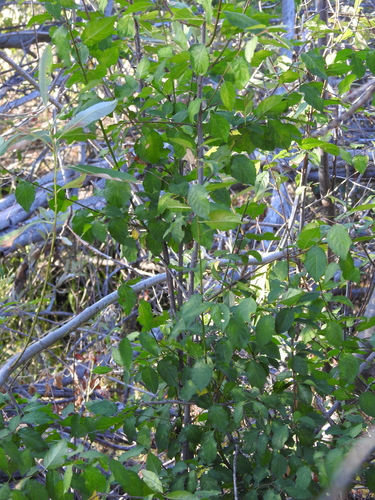
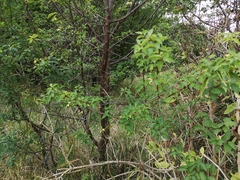
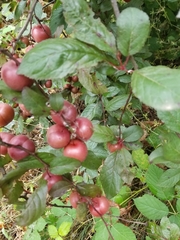
Cherry-plum (Prunus cerasifera Ehrh.), also called myrobalan plum, is a deciduous tree in the Rosaceae, native from southeastern Europe to Central Asia and the western Himalayas. It is among the first trees to flower in spring, often from mid-February in Europe. It is grown in countryside hedges and as rootstock for other cultivated plums.
Read moreCherry-plum, Cherry plum, Myrobalan plum and Myrobalan
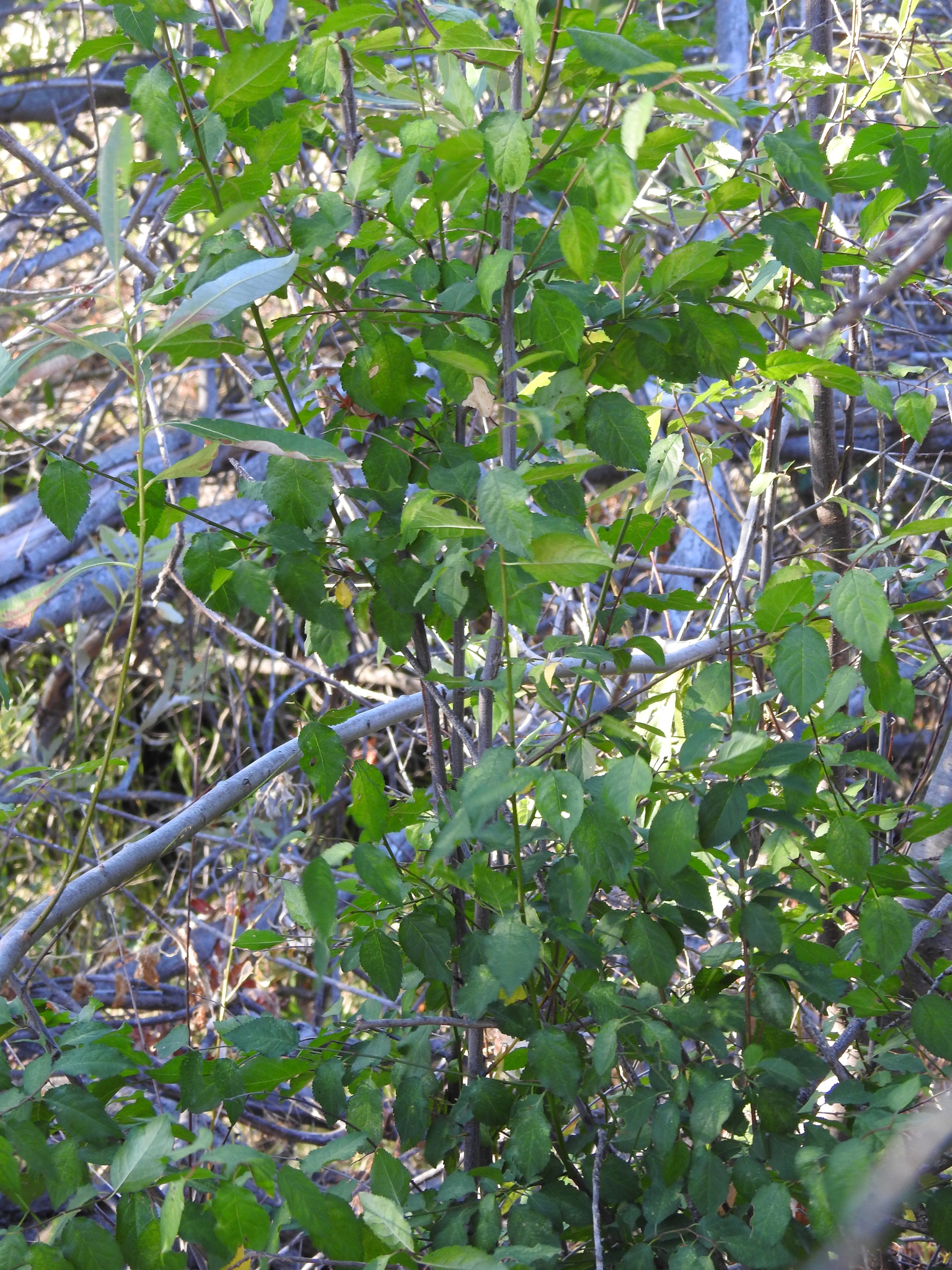
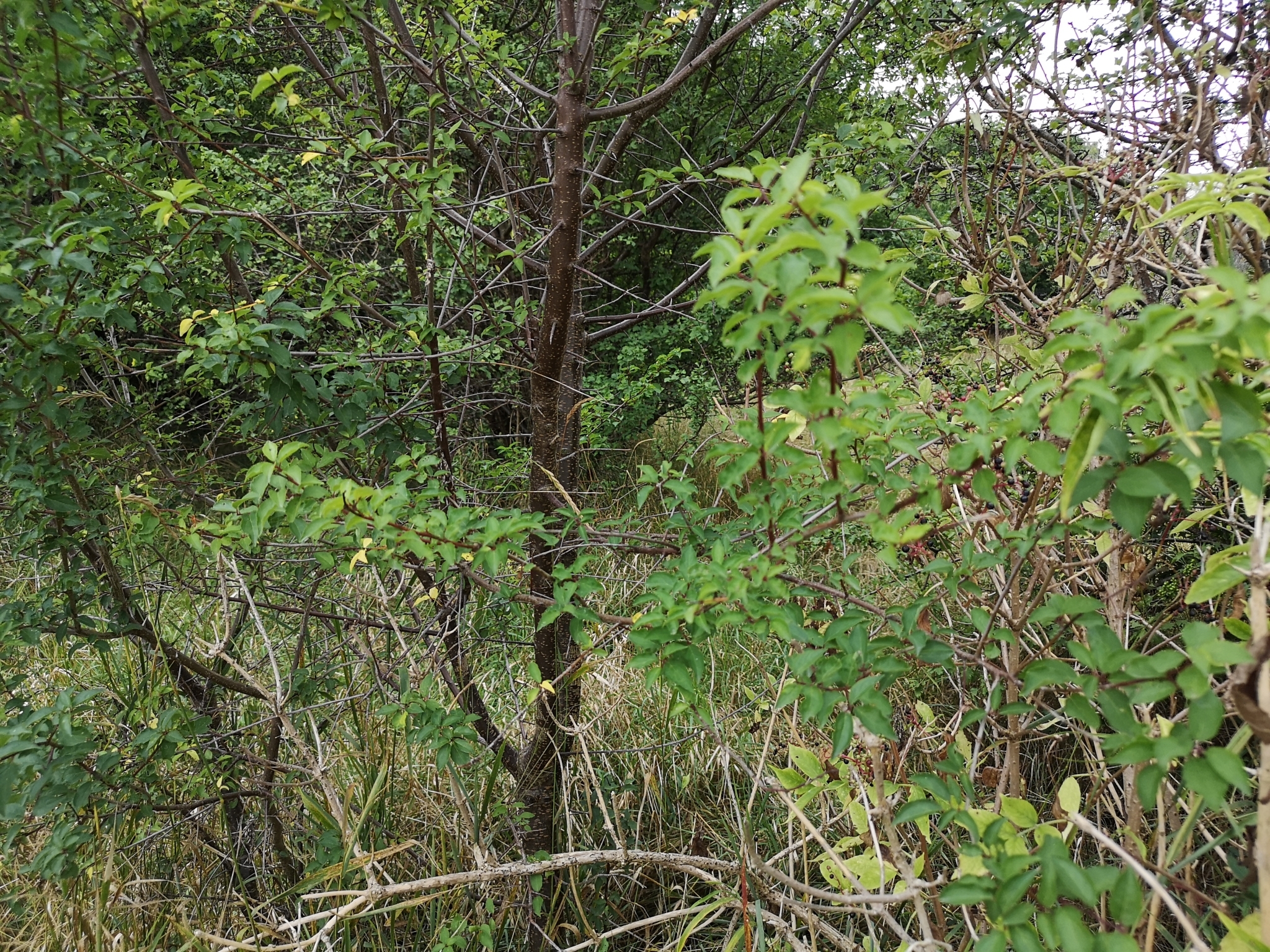
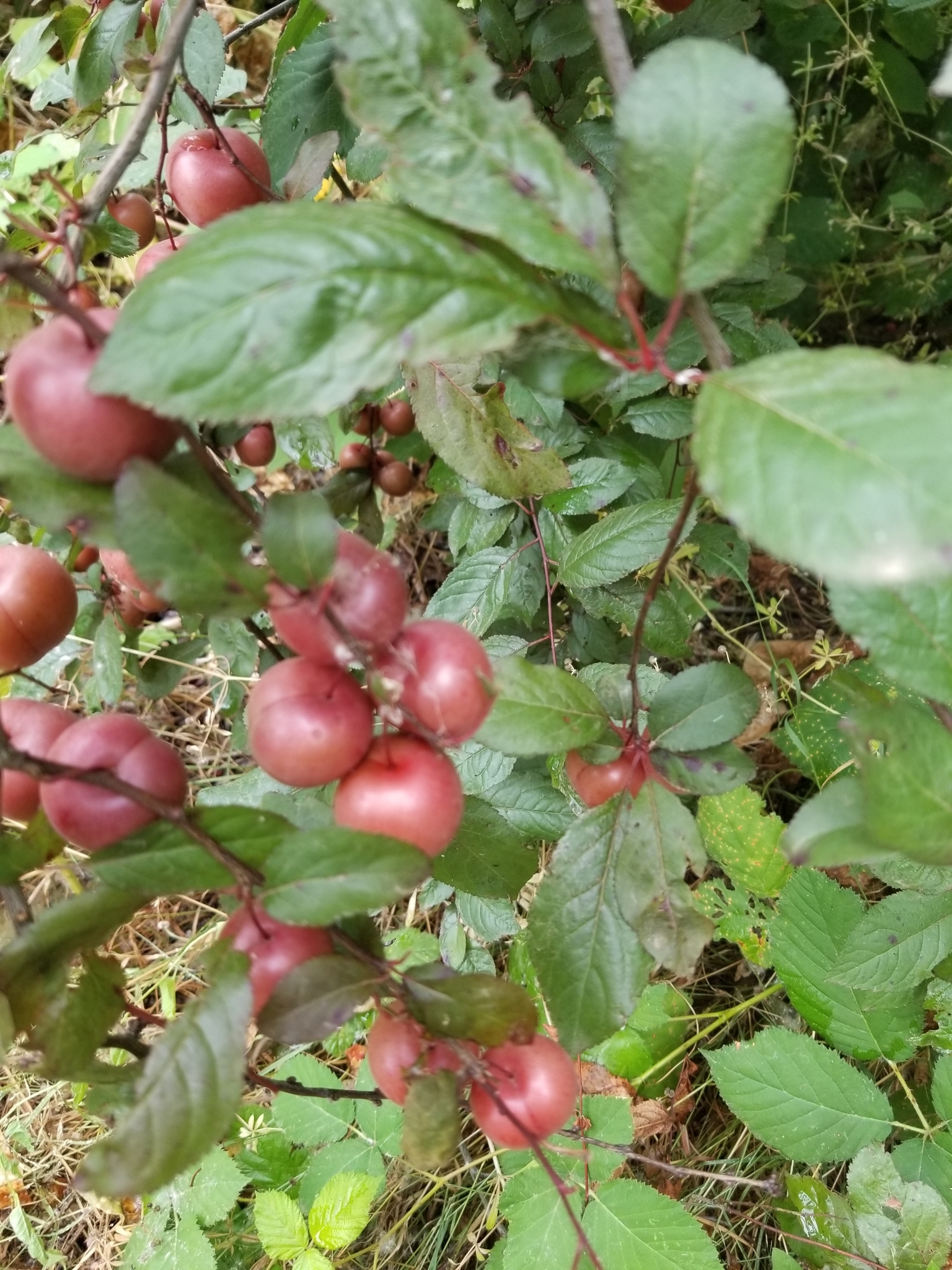


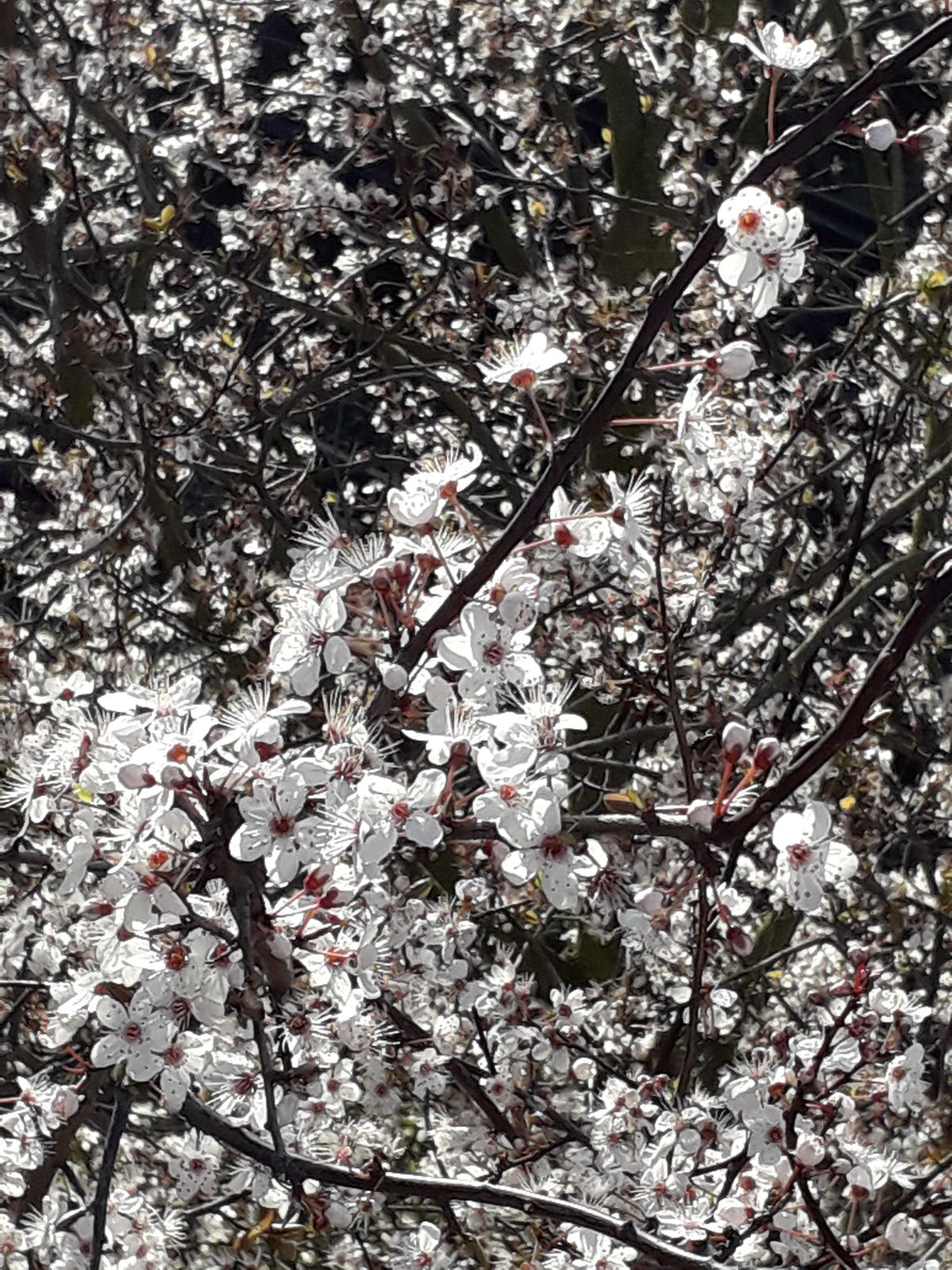
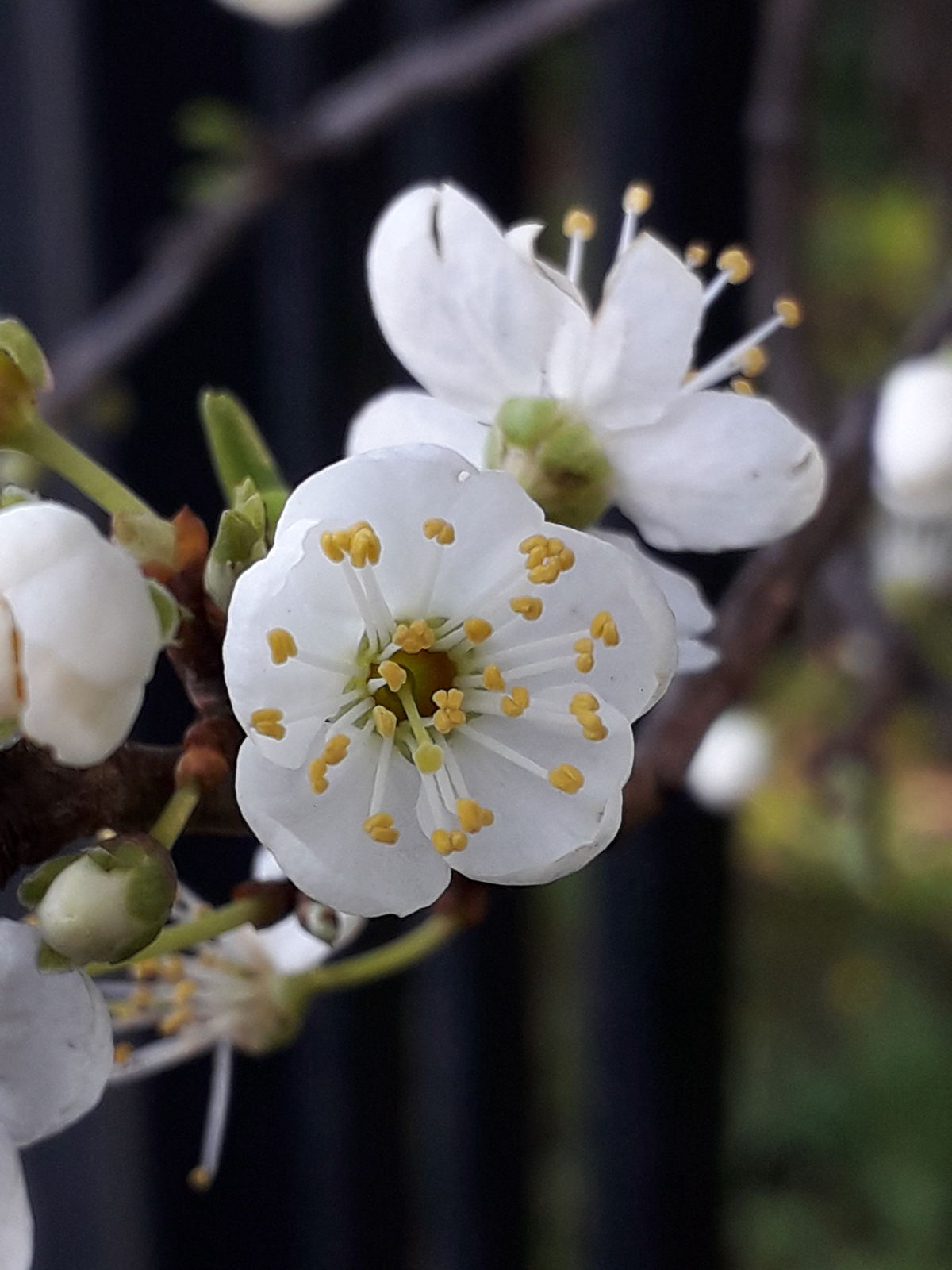
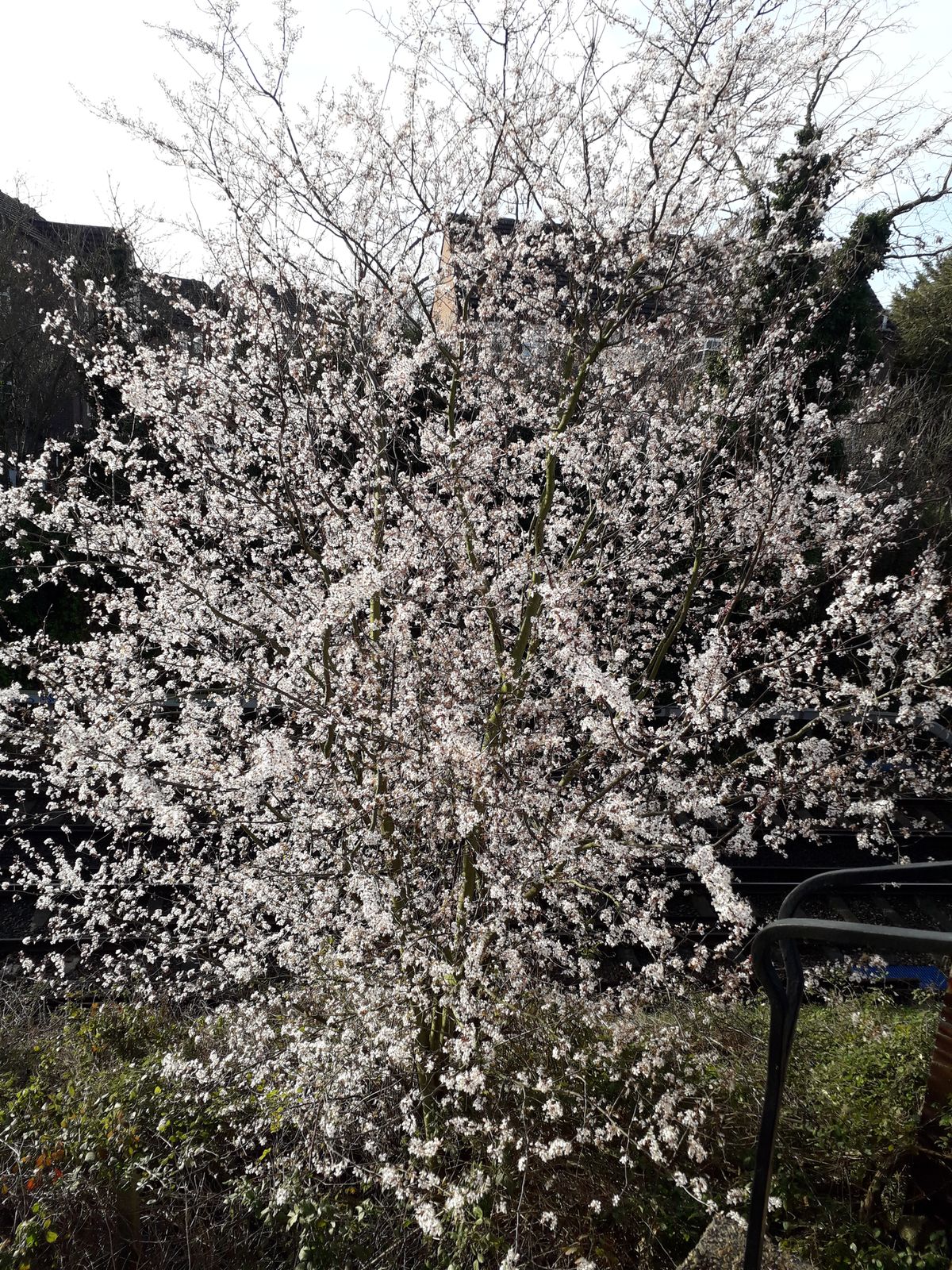
© photo
Yann Kemper · cc0
Jens-Christian Svenning · cc0
Rod · cc0
Taken Jul 3, 2022 by Tristan Jaton-Maria (cc-by-sa)
Taken Jan 2, 2017 by Yoan MARTIN (cc-by-sa)
Taken Sep 24, 2014 by Tela Botanica − Sergio Barrios (cc-by-sa)
Taken Jul 22, 2022 by Oğuzhan (cc-by-sa)
© copyright of the Board of Trustees of the Royal Botanic Gardens, Kew.


Global distribution
POWO/WCVP places the native range of cherry-plum from southeastern Europe to Central Asia and the western Himalayas. Beyond this range, it is widely planted in western Europe and has naturalized locally, including in North America and southeastern Australia. No invasive status is published for France.
- Native3
- Introduced3
- Invasive1
- Balkans and southeastern Europe
- Caucasus and Central Asia
- Western Himalayas
- France
- United Kingdom
- United States
- Southeastern Australia
Hexagons: regions where the plant occurs. Green dots: native range.1
Identity
Cherry-plum (Prunus cerasifera Ehrh., 1785), also called myrobalan plum or myrobalan, is a deciduous tree in the genus Prunus, family Rosaceae. POWO accepts the name published by Ehrhart in 1785 and places its native range from southeastern Europe to Central Asia and the western Himalayas. Hardy to −20 °C (−4 °F), USDA zones 5–8, it usually grows 4–10 m (13–33 ft) tall, depending on pruning and rootstock. 1
The name myrobalan comes from ancient Greek muron (perfume) and balanos (acorn). It first referred to dried fruits sold in pharmacies, before becoming a common French name for this species. Cherry plum describes the small round drupe, whose shape resembles a cherry more than a typical plum. 8
Recognition
Among Europe's earliest spring-flowering trees, cherry-plum often starts blooming in mid-February, before the leaves open, according to RHS. White or pale pink flowers have five petals and measure about 2 cm (0.8 in) across. They appear singly or in small clusters on the previous year's wood. 2 8
Wild trees reach 8–12 m (26–39 ft) and often remain bushy, sometimes thorny. Cultivated specimens and hedge trees are usually more compact, at 4–10 m (13–33 ft), with almost smooth branches in purple-leaved cultivars. Simple, oval, finely toothed leaves have down along the veins beneath; many cultivars replace wild green foliage with purple or red. 4 8
A round drupe 2–3 cm (0.8–1.2 in) across has smooth skin, ripening from yellow to red between July and September in the Northern Hemisphere. Crops are seldom heavy in cool-temperate climates, so the tree is chiefly planted for flowers and foliage rather than fruit. 2 4
Useful taxonomy
The taxonomic position of Prunus cerasifera remains debated. Trees and Shrubs Online describes it as known only in cultivation and suggests descent from Prunus divaricata, considered by some authors the truly wild form. The two names overlap extensively in older floras. 8
Frequently encountered botanical synonyms include Prunus divaricata Ledeb., Prunus myrobalana (L.) Desf. and Prunus domestica subsp. cerasifera (Ehrh.) Arcang.. The last sometimes places the species within the cultivated plum. 1
The cultivar name 'Pissardii' needs care because it appears both as the old botanical synonym Prunus pissardii Carrière and as a trade label still used for purple-leaved forms. The consistent botanical reference is Prunus cerasifera. 1 8
Habitat and range
For cherry-plum, POWO records a temperate native range extending from southeastern Europe to Central Asia and the western Himalayas. This broad geographical placement should be distinguished from the more extensive range created by planting and naturalization. 1
Outside its native range, cherry-plum is widely planted and has naturalized in several regions. PFAF describes it as common in British hedges, though rarely spontaneously naturalized. NC State Extension records naturalized populations in the northeastern and western United States, originating from seedlings escaped from gardens. 5 6
In southeastern Australia, purple-leaved forms introduced in the late nineteenth century escaped from gardens and planted streets. The species is now considered a moderately invasive weed near urban areas, with naturalized populations recorded in New South Wales as early as 1935. 9
Life cycle, flowering and fruit
Early flowering starts the annual cycle, often before the leaves open, leaving blossom vulnerable to late-winter frost. Pollination depends on insects active from late February in the European seasonal context. The tree provides an early food resource for pollinators before most other hedgerow trees flower. 2
After fruit set, the drupe takes several months to ripen, changing from yellow-green in early summer to red or dark purple between July and September in the Northern Hemisphere, depending on cultivar. The hard pit often clings to the flesh in horticultural forms, unlike domestic plums selected for a free stone. 4
Seed propagation produces a tree resembling the wild form rather than a faithful copy of a named cultivar. Purple-leaved forms and plants intended as rootstock are therefore propagated by cuttings or grafting, methods that preserve the original cultivar's characteristics. 6
Uses and toxicity
Ornamental and countryside planting are its main uses: clipped or informal hedges, small-garden specimens and rootstock for other cultivated plums. NC State describes fast growth but brittle wood, which limits the tree's lifespan on windy, exposed sites. 6 4
Ripe fruit flesh is edible, with a sweet but often mealy taste according to PFAF. Seeds inside the pit release hydrogen cyanide if crushed or chewed. This is a feature shared across Prunus, rather than a peculiarity of cherry-plum alone. 5
ASPCA lists plum as toxic to dogs, cats and horses. Cyanogenic glycosides occur in stems, leaves and seeds, with greater risk as foliage wilts. Clinical signs include brick-red mucous membranes and dilated pupils, sometimes progressing to respiratory distress. Seek veterinary advice promptly after this exposure, without waiting for every symptom to appear. 7
Varieties, look-alikes and related plants
'Pissardii' was brought from Persia in 1880 by the gardener Pissard, who served the shah, before spreading through French parks. It is the ancestor of most purple-leaved ornamental plums still sold. 'Nigra', with darker foliage and pink flowers, received the RHS Award of Garden Merit in 1928. 'Thundercloud' and 'Newport', with red to purple foliage, also feature in North American catalogs. 8 3
The most common look-alikes include these related trees:
- Blackthorn (Prunus spinosa) is bushier and thornier, with much smaller, astringent fruit;
- Cultivated plum (Prunus domestica) has larger fruit and a pit that is often free of the flesh rather than clinging;
- Purple-leaved ornamental cherries generally flower later in the season than cherry-plum.
To distinguish these trees at a glance, look for cherry-plum's early flowers before the leaves, borne singly or in small groups rather than dense clusters. This combination of flowering time and flower arrangement is the most reliable quick guide.
Main sources
- Plants of the World Online / Kew, Prunus cerasifera Ehrh.
- Royal Horticultural Society, Prunus cerasifera - cherry plum
- Royal Horticultural Society, Prunus cerasifera 'Nigra' - black cherry plum
- Missouri Botanical Garden Plant Finder, Prunus cerasifera
- Plants For A Future, Prunus cerasifera
- NC State Extension Gardener Plant Toolbox, Prunus cerasifera
- ASPCA, Plum toxicity entry
- Trees and Shrubs Online, Prunus cerasifera
- Plants of South East New South Wales / Lucidcentral, Prunus cerasifera
Frequently asked questions
Can you eat cherry-plum fruit?
The ripe flesh is edible and sweet, though PFAF describes it as sometimes mealy. This food use applies only to the fruit flesh, not the pit or other plant parts.
Is cherry-plum toxic to dogs and cats?
Yes, the plant as a whole is toxic. ASPCA lists plum as toxic to dogs, cats and horses because of cyanogenic glycosides in pits, leaves and stems, especially as foliage wilts.
Why do some cherry-plums have purple leaves?
Purple foliage comes from cultivars such as Pissardii and Nigra, arising through mutation or selection from the green-leaved wild species. They are chosen for ornament rather than fruit production.
Is cherry-plum invasive?
No invasive status is published for France, where it is mainly naturalized in hedges. In southeastern Australia, garden escapes are regarded as moderately invasive weeds near urban areas.
How can I distinguish cherry-plum from blackthorn?
Blackthorn, Prunus spinosa, is bushier and very thorny, with small astringent fruit. Cherry-plum flowers earlier, bears larger fruit and its cultivars are rarely thorny.
Is cherry-plum used as rootstock?
Yes. The species and related forms are used as rootstocks for other cultivated plums, particularly to control vigor and help establishment in young orchards.
Where does the name myrobalan come from?
It comes from ancient Greek muron, perfume, and balanos, acorn. The word once described dried fruits used in pharmacy before becoming a common French name for this species.
Similar plants
If you are unsure about a plant’s toxicity, ask a botanist or veterinarian for advice.