
Persian buttercup (Ranunculus asiaticus, )
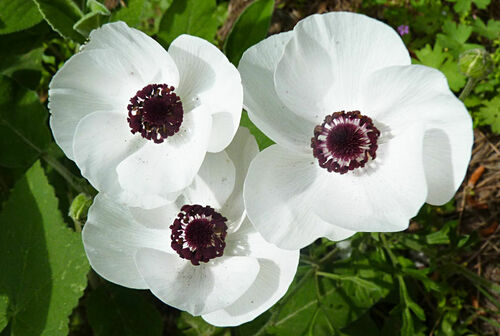

Persian buttercup (Ranunculus asiaticus) is a tuberous perennial in the Ranunculaceae family, native to the eastern Mediterranean region and southwestern Asia. It forms a low clump from clawlike roots, topped with tightly packed double flowers resembling small roses or peonies. Widely grown in beds and for cutting, it contains an irritant in its fresh sap.
Read morePersian buttercup, Florist’s ranunculus, Asian buttercup, Ranunculus and Garden ranunculus
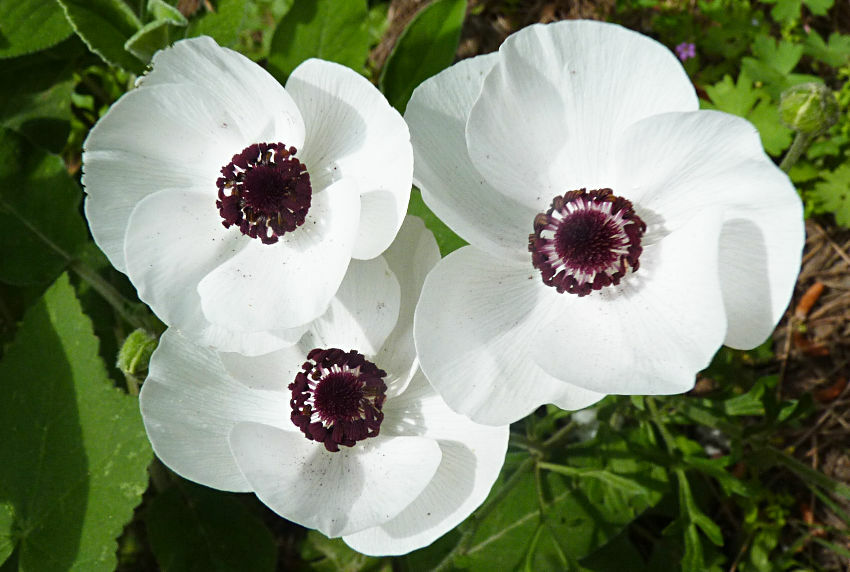
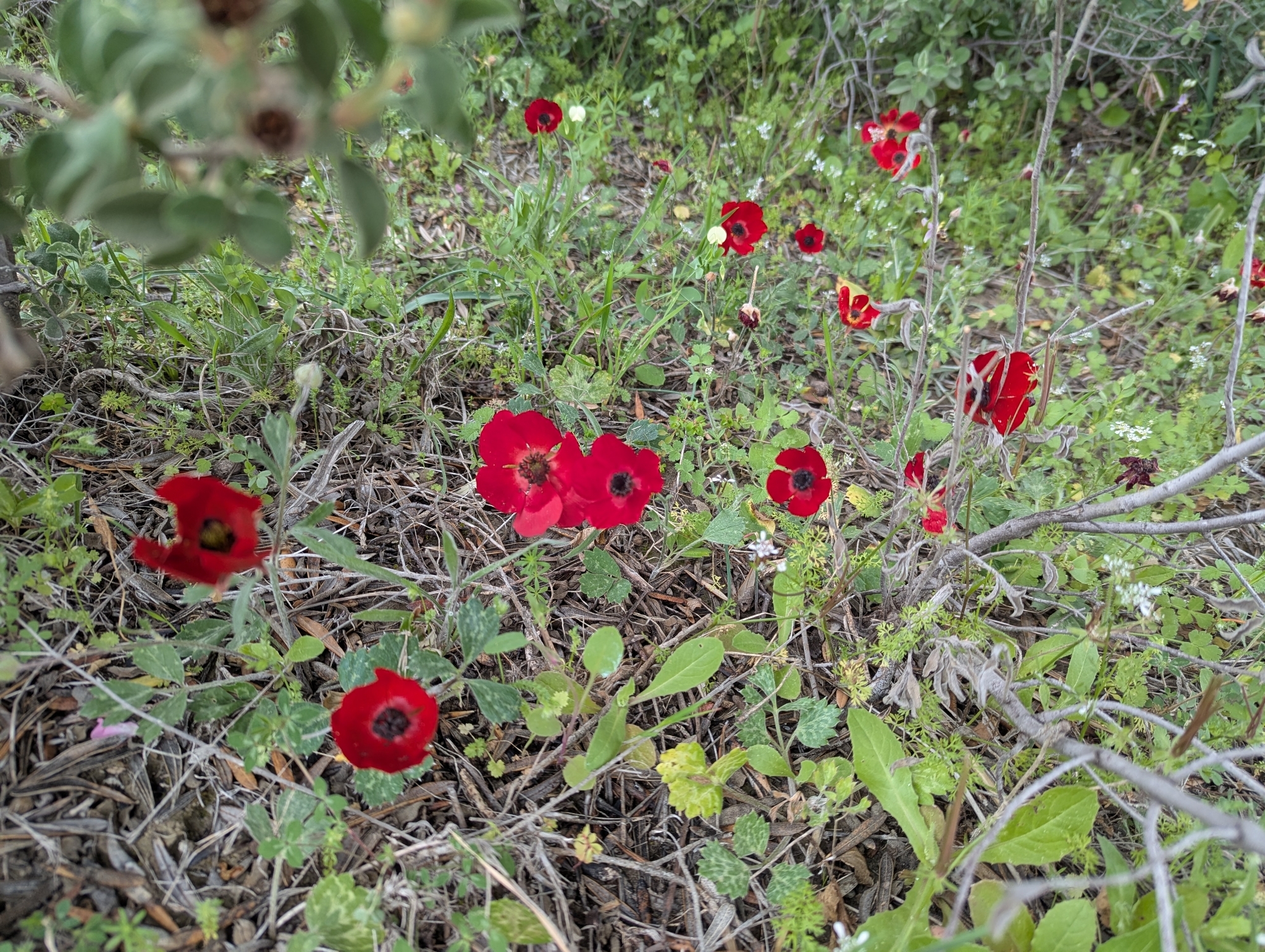
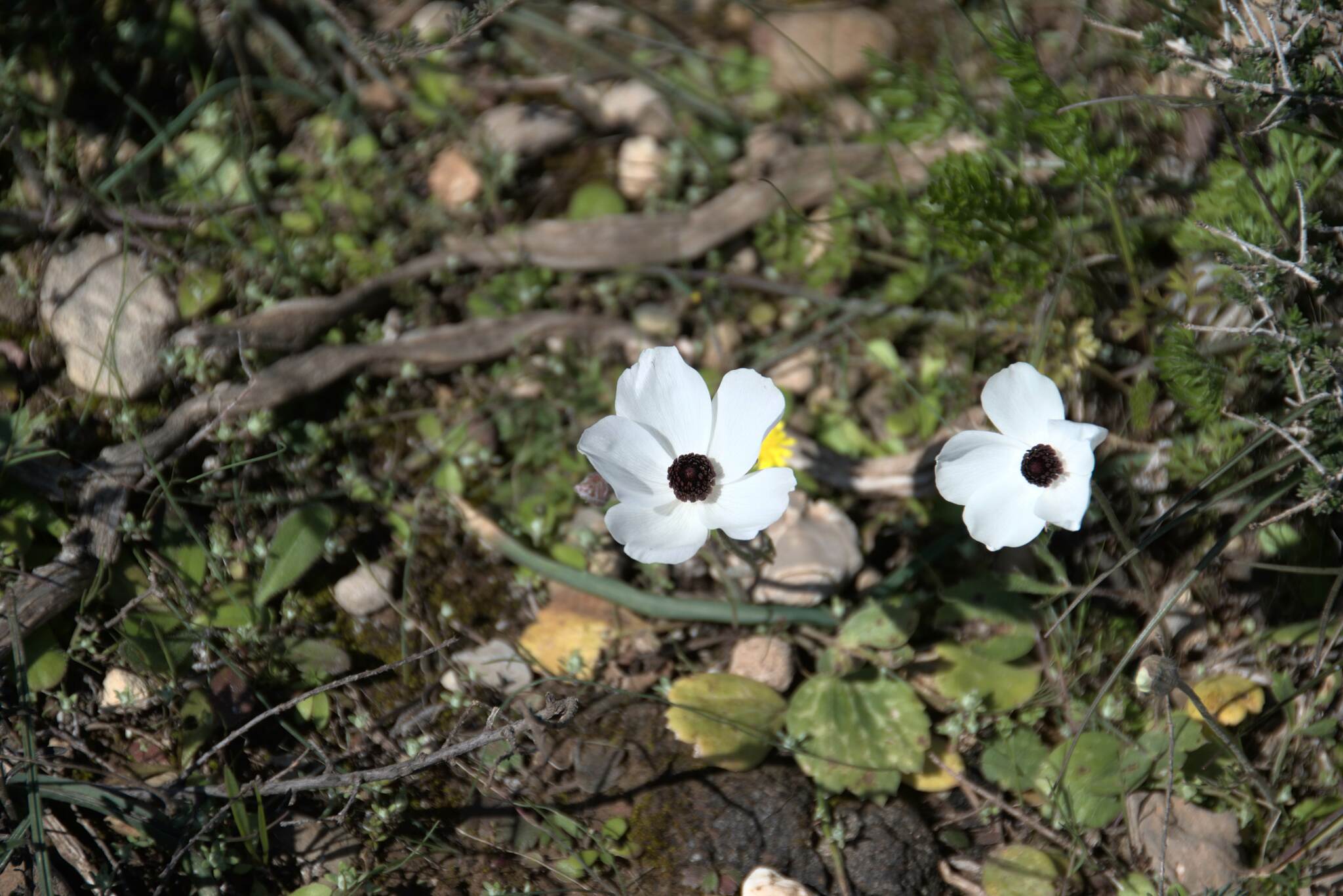


© photo
(c) lougarou, some rights reserved (CC BY-NC), uploaded by lougarou · cc-by-nc
Elias · cc0
Felicia Seichter · cc0
Taken Mar 4, 2020 by Sanchez Maria (cc-by-sa)
Taken May 13, 2021 by Annemarie Ahrens-Stehle (cc-by-sa)
Taken Feb 22, 2022 by Jim Knopf (cc-by-sa)
Taken May 16, 2021 by Annemarie Ahrens-Stehle (cc-by-sa)
Taken Mar 29, 2022 by Jacques Zuber (cc-by-sa)
© copyright of the Board of Trustees of the Royal Botanic Gardens, Kew.




Global distribution
Ranunculus asiaticus is native to the eastern Mediterranean region, from the Aegean islands to western and southwestern Iran, as well as North Africa and southern Europe. Widely grown for ornament and cut flowers, it occurs in cultivation far beyond that range; cultivated areas should be distinguished from its native distribution.
- Native5
- Greece (Aegean islands)
- Turkey
- Israel
- Iran (west)
- North Africa
Hexagons: regions where the plant occurs. Green dots: native range.1
Identity
Persian buttercup (Ranunculus asiaticus L., 1753), also known as garden ranunculus, is a tuberous perennial in the genus Ranunculus and family Ranunculaceae. The genus name comes from the Latin rana, meaning frog, a reference to the wet places where many members of the group grow. 1 4
Gardeners and florists value it chiefly as a cut flower. Its double flowers, with many closely packed petals, resemble small roses or peonies in a wide range of colors. It is also grown in spring beds and containers, starting from clawlike roots, although its cold hardiness is limited. 2 3
Recognition
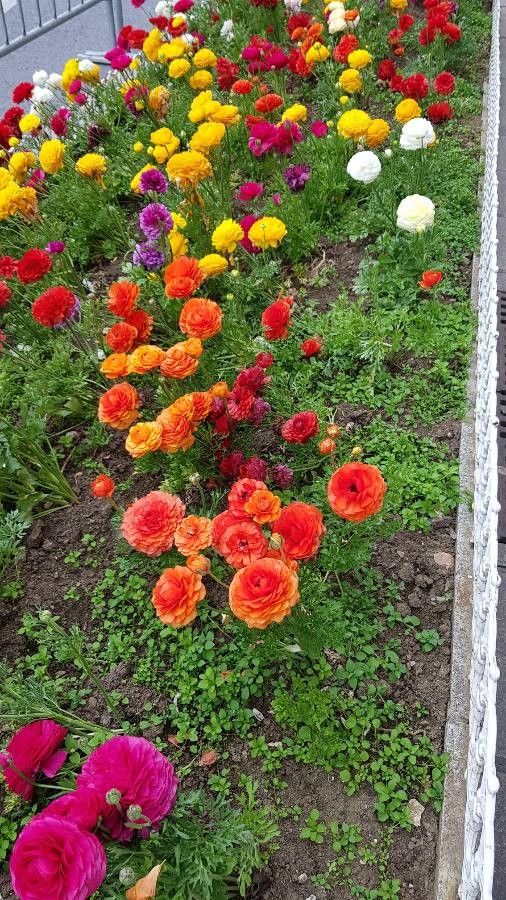
A low rosette of softly green, deeply divided leaves produces flowering stems 30–60 cm (1–2 ft) tall. The upright stems of Persian buttercup branch only slightly, each carrying one or a few flowers above the foliage. 3 2
Flower structure provides the clearest clue: a densely double head with several dozen packed petals, about 5 cm (2 in) across. Forms closer to the wild type sometimes have a dark center with purplish-black anthers. The compact, rounded flower shape and broad color palette are distinctive. 3 4
Below ground, the clawlike tuberous root resembles a small, dried bird's foot. Its fingers point downward when planted. Flowering in late spring is followed by yellowing leaves and a dormant period during the dry summer, so foliage loss then belongs to its normal seasonal cycle. 2 5
Useful taxonomy
Carl Linnaeus described Persian buttercup as Ranunculus asiaticus L. in 1753. The large genus Ranunculus has accumulated many older names and homonyms; names associated with this species include the following historical botanical combinations:
- Ranunculus asiaticus var. sanguineus (Mill.) DC. (historical variety name)
- Ranunculus asiaticus var. vulgaris DC.
- Ranunculus asiaticus subsp. tenuilobus (DC.) Vierh.
- Ranunculus asiaticus var. grandiflorus Bég. & A.Vacc.
- Ranunculus asiaticus var. bicolor Pamp.
The accepted scientific name Ranunculus asiaticus remains the reliable reference. Horticultural series such as Bloomingdale and Tecolote identify commercial selections, rather than separate species or distinct botanical varieties, and should be understood at that level. 1 7
Habitat and range
Eastern Mediterranean landscapes form the core of Persian buttercup's native range, extending from the Aegean islands to western and southwestern Iran, with North Africa and southern Europe also represented. It grows in open grassland and scrub on ground that is moist in winter and spring but dries out in summer. 1 3
Like many Mediterranean geophytes, it concentrates growth and flowering in the cool season, then rests below ground during summer heat. This adaptation explains its cultivation needs: sun, well-drained soil and limited watering during dormancy, rather than uniformly wet conditions throughout the year. 2 3
Cultivation for ornament and cut flowers has taken Persian buttercup far beyond its native range, including temperate Europe and protected growing environments. These cultivated areas should be distinguished from the eastern Mediterranean and southwestern Asian range where the species originated. 4 7
Life cycle and reproduction
Summer dormancy defines the annual rhythm of this tuberous perennial. The clawlike roots produce leaves and flowers in the cool season; foliage then dries and the underground parts rest during summer. Flowering starts about three months after planting, toward late spring under the conditions described. 3 2
Wild flowers are single, with five petals, while cultivated forms have been selected for double blooms. These double forms produce few viable seeds and seldom self-seed. When fruits do develop, they consist of small, dry achenes gathered together in a head. 4 5
Garden propagation chiefly uses division when growth resumes in autumn, separating tuberous fingers with a piece of crown attached. Raising plants from seed is possible but slow, and does not reliably reproduce double flowers or cultivar colors; it is more useful for the wild species or breeding. Healthy roots, rehydrated and planted fingers downward in well-drained soil, resume growth in two to three weeks. 2 5
Uses and risks
Spring bouquets are the principal use of Persian buttercup, whose lasting double flowers are sold in bunches. It also provides ornament in beds and containers. Cut at the colored-bud stage, flowers gradually open in a vase over one to two weeks, extending the display beyond the initial tight bud. 2 3
Like other Ranunculaceae, the plant contains protoanemonin, an irritating compound released when fresh tissues are crushed or cut. Sap contact can cause redness and itching on sensitive skin. Ingestion can irritate the mouth and cause excessive salivation, vomiting and diarrhea. 4 2
ASPCA lists buttercups (Ranunculus spp.) as toxic to cats, dogs and horses, with digestive symptoms and mouth ulcers among the reported signs. Keep growing plants and bouquets away from animals and young children, and wear gloves when handling freshly cut stems. 8 6
Varieties, look-alikes and related plants
Commercial flower series represent selections within the crop rather than separate species. Bloomingdale and Tecolote include large double-flowered forms; Aviv and Cloni strains are selected for cut-flower production under cover, while Picotee types have a contrasting petal edge. Before buying, check that roots are firm and foliage is fresh. 2
Plants most often confused with Persian buttercup include:
- Anemone coronaria, poppy anemone, with similar underground roots but single flowers;
- Paeonia lactiflora, Chinese peony, whose large double blooms can resemble ranunculus flowers;
- other garden Ranunculus and wild buttercups with single yellow flowers.
Tightly packed double flowers, a rosette of divided leaves and clawlike tuberous roots form the most useful combination of clues for confirming Ranunculus asiaticus. Checking the whole plant is more reliable than using a florist's flower shape alone. 3 1
Main sources
- Plants of the World Online / Kew, Ranunculus asiaticus L.
- Royal Horticultural Society, Ranunculus asiaticus - Persian buttercup
- Missouri Botanical Garden, Ranunculus asiaticus
- Encyclopaedia Britannica, Ranunculaceae (buttercup family)
- Plants For A Future, Ranunculus asiaticus
- NC State Extension, Ranunculus asiaticus
- Tela Botanica, Ranunculus asiaticus L. (bdtfx reference)
- ASPCA, Buttercup (Ranunculus spp.) toxicity entry
Frequently asked questions
Is Persian buttercup toxic?
Yes, it requires care. Like other Ranunculaceae, Ranunculus asiaticus contains protoanemonin, an irritant released in fresh sap. ASPCA lists buttercups as toxic to cats, dogs and horses; the sap may also irritate skin during handling.
How do you plant Persian buttercup tubers?
Plant the clawlike roots with their fingers pointing downward, about 4–5 cm (1.5–2 in) deep, in well-drained soil and sun. Plant in autumn in mild climates, or in late winter in colder areas.
Why are my Persian buttercup tubers rotting?
Rot almost always results from excess water, especially around dormant tubers or those planted too deeply in heavy soil. Well-drained soil and measured watering without waterlogging offer the best prevention.
Is Persian buttercup a perennial?
It is a tuberous perennial with limited cold hardiness. In mild climates the tubers survive from one year to the next; elsewhere it is often grown as an annual or the tubers are lifted and stored dry over summer.
How long do Persian buttercup flowers last in a vase?
Cut at the colored-bud stage, Ranunculus asiaticus is a lasting cut flower that gradually opens in a vase over one to two weeks, explaining its popularity with florists.
How does Persian buttercup differ from poppy anemone?
Both belong to Ranunculaceae, have tuberous roots and need similar growing conditions. Poppy anemone (Anemone coronaria) has single flowers with dark centers, whereas cultivated Persian buttercup has double flowers with many tightly packed petals.
When does Persian buttercup flower?
Flowering occurs in late spring and early summer, about three months after planting the tuberous roots. The plant then becomes dormant during the dry summer.
Similar plants

If you are unsure about a plant’s toxicity, ask a botanist or veterinarian for advice.