
Blackcurrant (Ribes nigrum, )
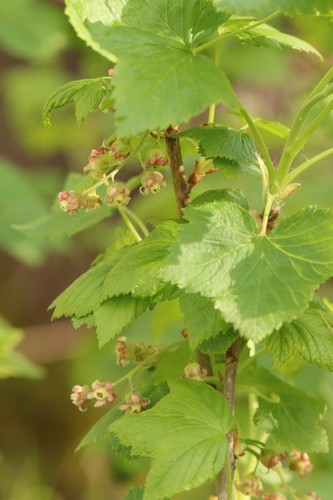
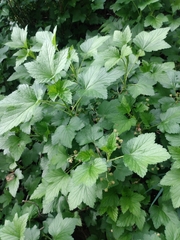
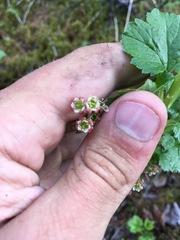
Blackcurrant (Ribes nigrum) is a deciduous fruit shrub in the Grossulariaceae family, native to temperate Europe and northern Asia. Grown for its edible black berries, rich in vitamin C, it is easily recognized by the strong aroma released when a leaf is crushed.
Read moreBlackcurrant, Black currant, European black currant and Cassis


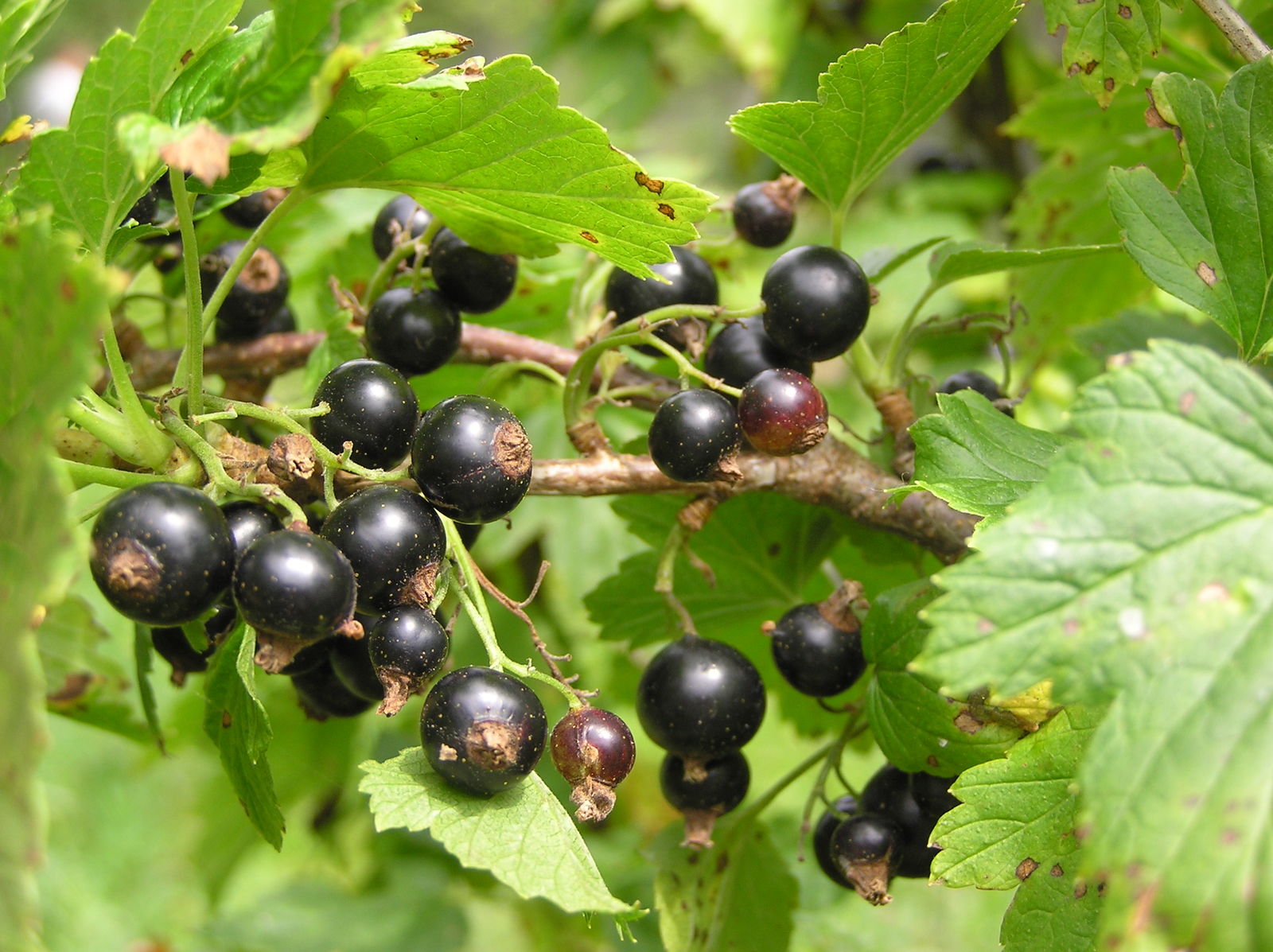
© photo
(c) Nina Filippova, some rights reserved (CC BY), uploaded by Nina Filippova · cc-by
Tyler Hacking · cc-by
iNaturalist User · cc-by
Taken Jan 1, 1900 by EOL − Encyclopedia of Life (cc-by-nc-sa)
Taken Aug 13, 2013 by Tela Botanica − Liliane Roubaudi (cc-by-sa)
Taken Jun 27, 2020 by Giode Tonpino (cc-by-sa)
Taken Sep 4, 2020 by shevlovesfreefood (cc-by-sa)
© copyright of the Board of Trustees of the Royal Botanic Gardens, Kew.




Global distribution
Ribes nigrum is native to temperate central and northern Europe and northern Asia, from France to Siberia and Central Asia. Widely grown for its berries, it sometimes escapes from gardens; its cultivated range extends far beyond its native range.
- Native7
- Introduced1
- Metropolitan France
- Germany
- Poland
- Russia
- United Kingdom
- Finland
- Kazakhstan
- United States
Hexagons: regions where the plant occurs. Green dots: native range.1
Identity
Blackcurrant (Ribes nigrum L., 1753), also called black currant, European black currant or cassis, is a deciduous fruit shrub in the Grossulariaceae family and the genus Ribes. Its edible black berries are among the temperate fruits best known for their high vitamin C content. 1 4
An upright cluster of stems forms a garden bush 1–2 m (3–7 ft) tall. Its strongly aromatic leaves release a characteristic musky smell when crushed. The names blackcurrant and black currant distinguish this fruit from other orchard Ribes, such as red currant and gooseberry. 2 3
Recognition
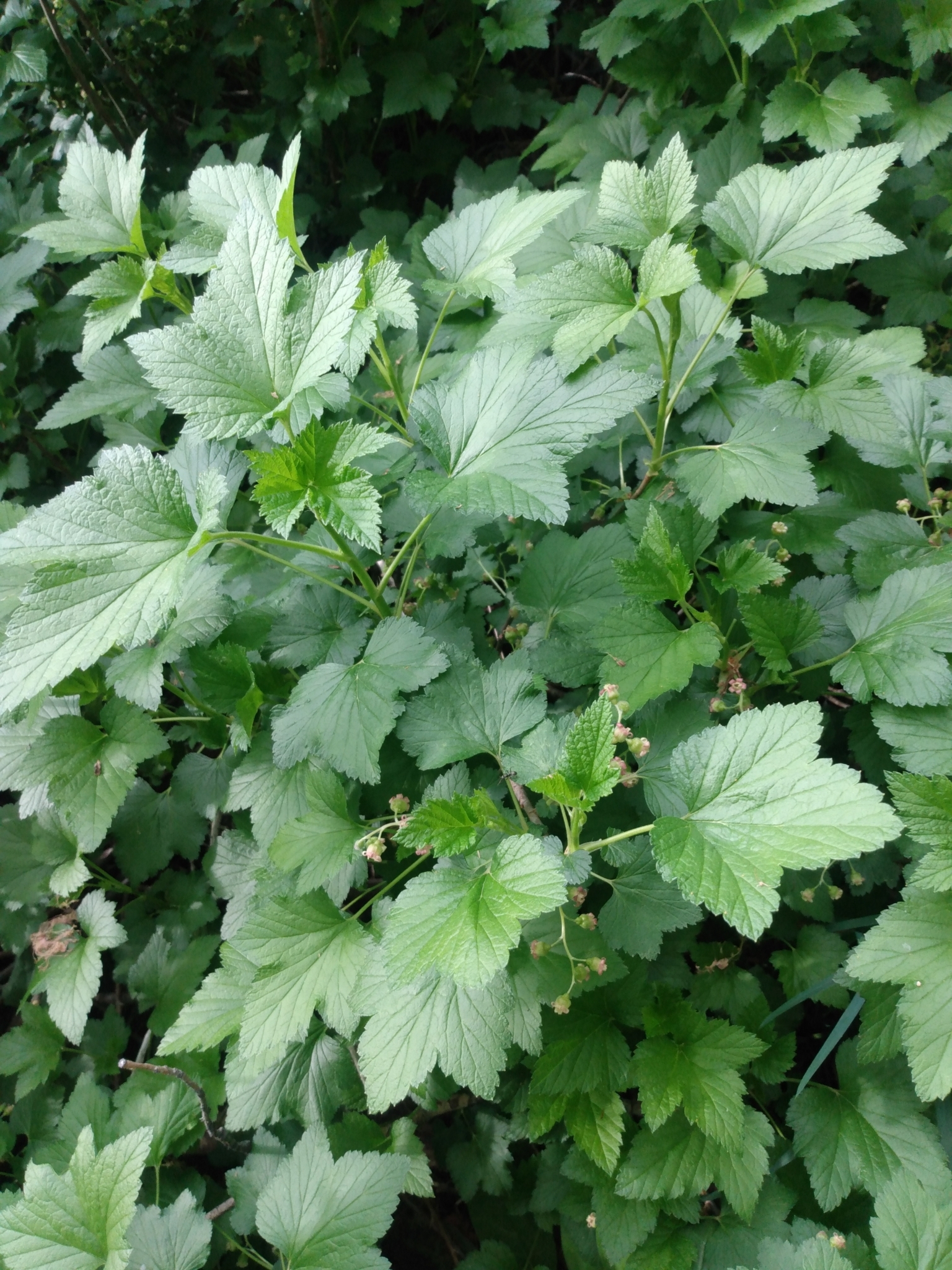
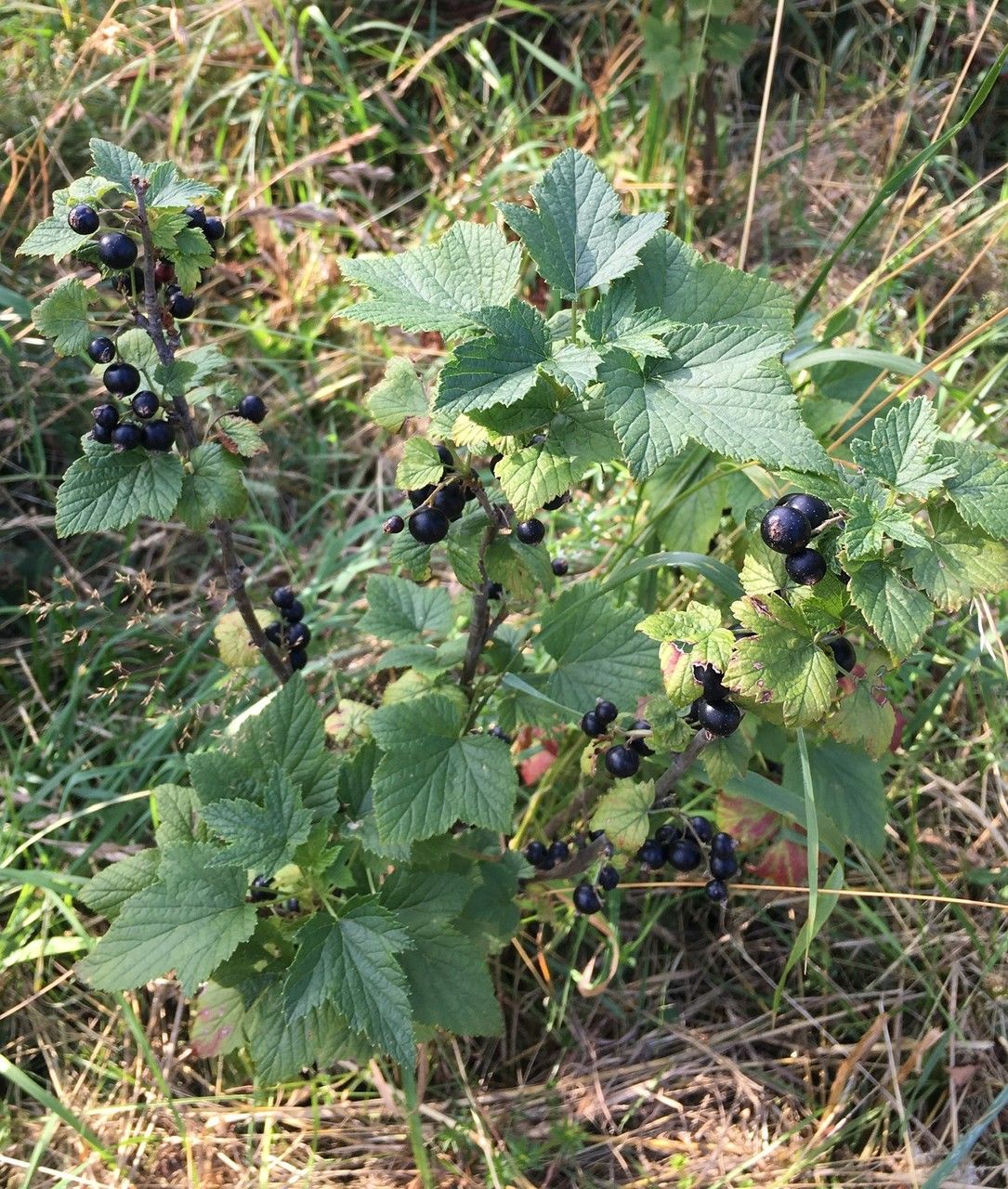
Look beneath the alternate, palmately lobed leaves of Ribes nigrum: their undersides carry small yellowish resin glands that release the familiar blackcurrant aroma when crushed. Each medium-green leaf has three to five toothed lobes. The thornless bush has multiple branches arising from the base. 3 5
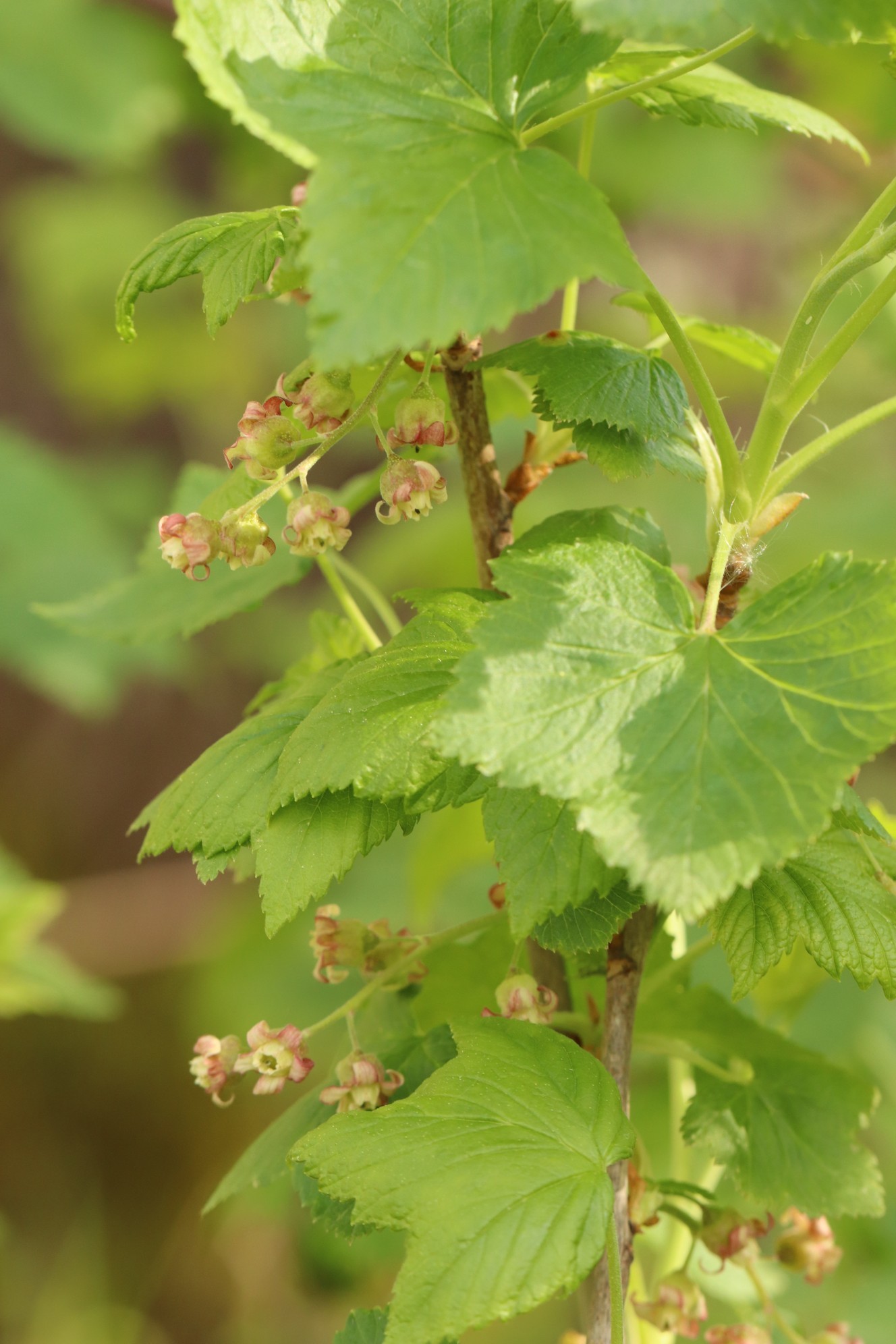
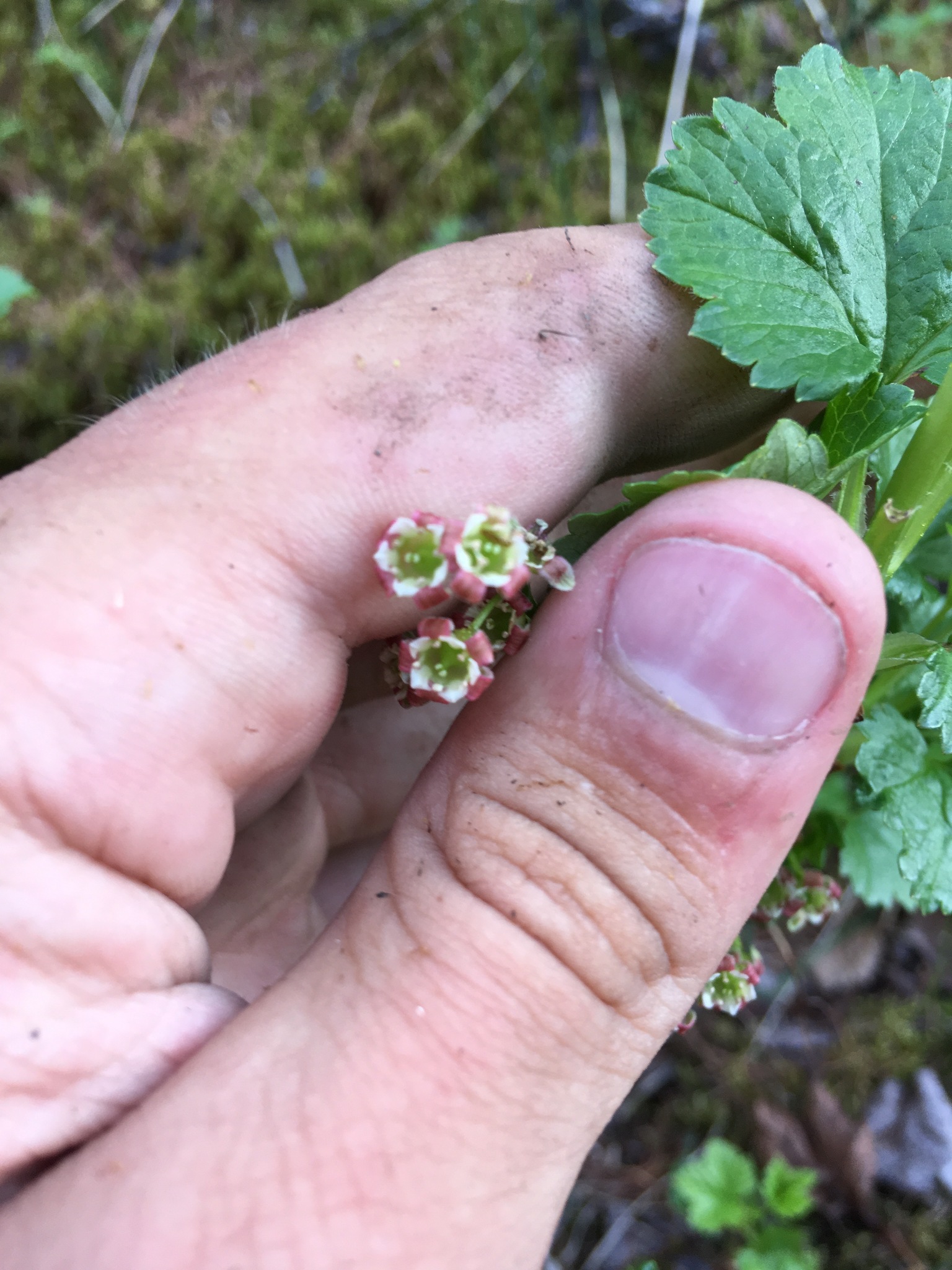
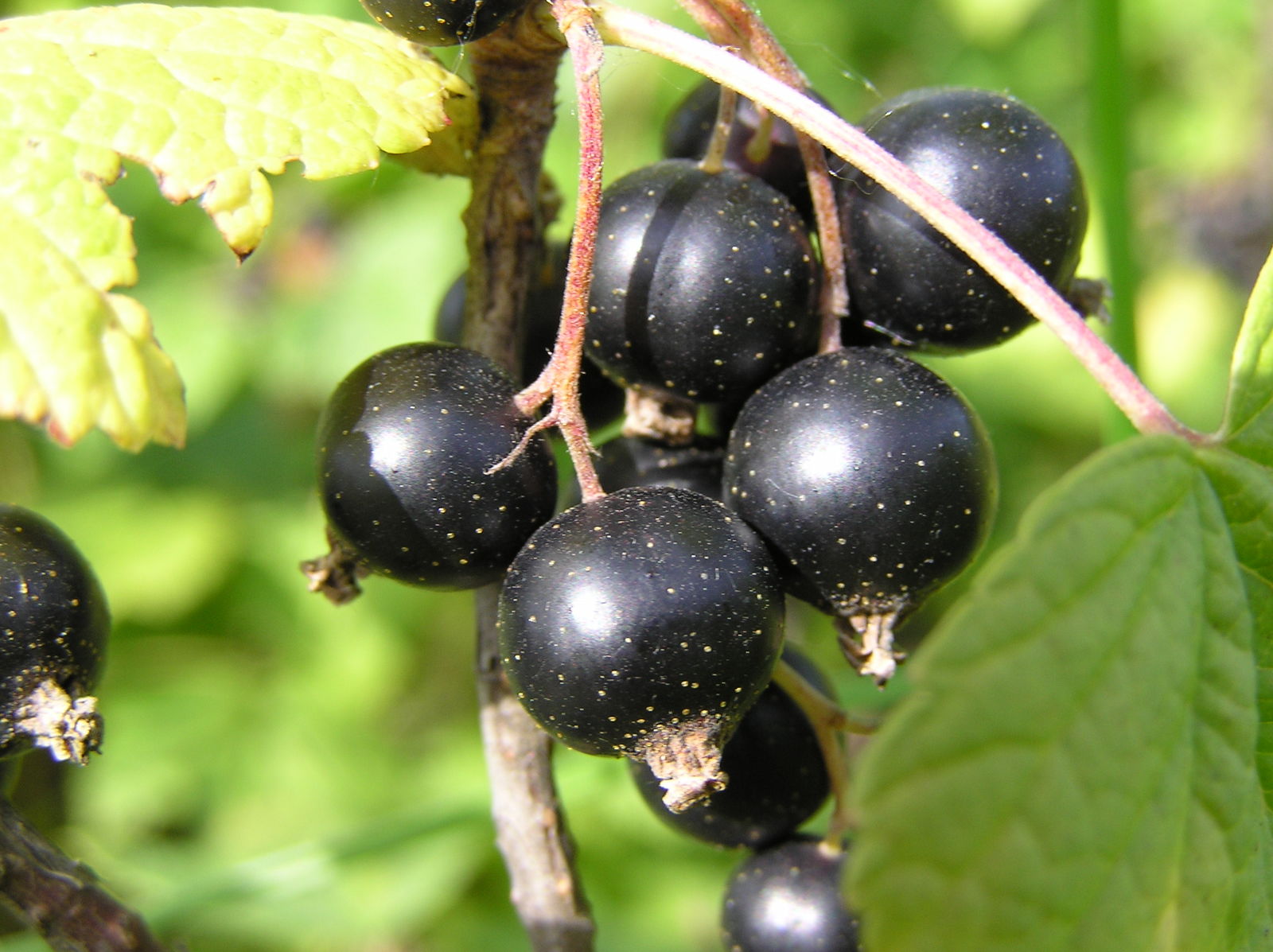
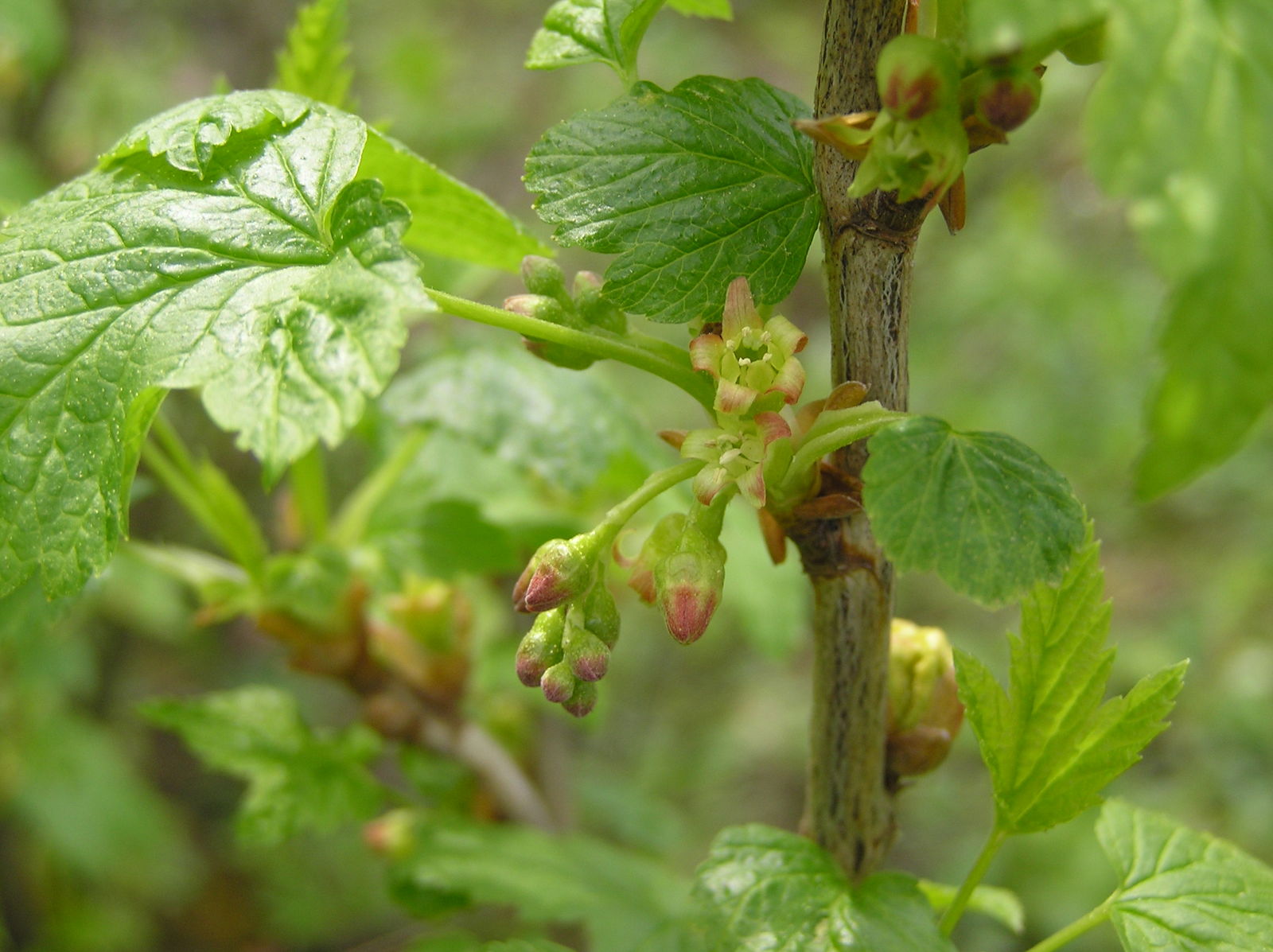
Early spring brings small greenish flowers flushed with red, arranged in hanging clusters. Though inconspicuous, they attract bees. In summer they develop into clusters of glossy black berries, each crowned with the dried remains of the flower. 4 2
Tart flavor and a powerful berry fragrance, together with the smell of the leaves, clearly distinguish blackcurrants from other soft fruits. This aromatic signature is the species’ most reliable feature and remains consistent across cultivated varieties. 5 3
Useful taxonomy
Linnaeus described this species in 1753 as Ribes nigrum L. The genus Ribes, which includes currants and gooseberries, is now placed in the Grossulariaceae family. Several infraspecific and horticultural names have been used; the main synonyms include:
- Ribes nigrum var. europaeum Jancz., a historical synonym
- Ribes nigrum var. pauciflorum (Turcz. ex Ledeb.) Jancz.
- Ribes nigrum f. xanthocarpum (Späth) Rehder
- Ribes nigrum f. chlorocarpum (Späth) Rehder
- Ribes nigrum var. polyandrum Gray
Accepted scientific usage centers on Ribes nigrum. Names such as Noir de Bourgogne and Ben Lomond designate horticultural selections rather than distinct botanical species, making the accepted species name the stable reference. 1 6
Habitat and range
Temperate central and northern Europe and northern Asia form blackcurrant’s native range. Wild plants grow in cool woods, riverside woodland and moist fertile soils. The range extends from western Europe to Siberia and Central Asia. 1 8
Moist soil rich in organic matter suits wild blackcurrants, often in partial shade beneath other trees or along damp woodland edges. These preferences help explain its hardiness and tolerance of partial shade in cultivation. 3 5
Fruit growing has taken blackcurrant cultivation well beyond its original range, into orchards and gardens across the temperate Northern Hemisphere, with occasional local escapes. These cultivated and introduced areas remain distinct from its native Eurasian range. 7 4
Life cycle and reproduction
Early spring is the flowering season: bees and other insects pollinate the hanging clusters of small greenish flowers flushed with red. Growing several nearby varieties improves cross-pollination and fruit set. 2 4
Summer brings fertilized flowers to fruit as clusters of black berries, ripening around midsummer (July in the Northern Hemisphere’s temperate climates). Picked fully ripe, they can be eaten fresh or processed. Their seeds allow propagation by sowing, chiefly for breeding. 3 5
Hardwood cuttings are the usual means of propagation in cultivation. Sections of mature stem about 20 cm (8 in) long are planted outdoors in fall and root over winter, producing young plants the following spring. Dividing an old bush is another option. Full production comes three to four years after planting, on a bush regularly renewed by winter pruning. 2 6
Uses and risks
Culinary uses dominate: blackcurrants are eaten raw or cooked and made into jams, jellies, syrups and juice. In Burgundy they are used for crème de cassis, the liqueur in kir. Their tart flavor and vitamin C content, among the highest in fruits cultivated in temperate climates, make them particularly valued. 4 5
No recognized toxicity is associated with blackcurrant: its edible berries pose no known risk to common domestic animals. Plant health is the main concern. The shrub is an alternate host of white pine blister rust (Cronartium ribicola), a fungus that completes its life cycle on five-needle pines. For this reason, Ribes cultivation was historically restricted or prohibited in some pine-growing regions, especially in North America. 7 3
Varieties, look-alikes and related plants
Fruit cultivars are selections within the species. Noir de Bourgogne is a fragrant French variety prized for liqueur; Ben Lomond and Titania are vigorous and disease-tolerant; Ben Sarek stays compact and suits containers. Check vigor, flowering time and powdery mildew resistance before buying.
Other garden Ribes account for the commonest identification mistakes:
- Ribes rubrum, red currant, with translucent red or white berries;
- Ribes uva-crispa, gooseberry, with thorns and larger berries;
- Ribes sanguineum, flowering currant, grown for ornament rather than fruit.
Resin glands in the aromatic foliage, glossy black berries and the characteristic musky smell provide the most reliable combination for identifying blackcurrant, Ribes nigrum. 3 1
Main sources
- Plants of the World Online / Kew, Ribes nigrum L.
- Royal Horticultural Society, blackcurrants - grow your own
- Missouri Botanical Garden, Ribes nigrum
- Encyclopaedia Britannica, black currant
- Plants For A Future, Ribes nigrum
- USDA GRIN Taxonomy, Ribes nigrum L.
- USDA PLANTS Database, Ribes nigrum L.
- Tela Botanica, Ribes nigrum L.
Frequently asked questions
Are blackcurrants poisonous?
No. Blackcurrant berries are edible and commonly eaten raw or cooked. No notable toxicity is recognized for the species, and the fruit is valued for its high vitamin C content.
Why does my blackcurrant produce so few berries?
Poor crops often result from insufficient sun, soil that is too dry during flowering, or incomplete pollination. Keeping soil moist and growing several nearby varieties improves fruit set.
When and how should I prune blackcurrants?
Prune in winter when it is not freezing. Remove wood more than three years old and weak branches to encourage young shoots, which carry the most generous fruit clusters.
How hardy is blackcurrant?
It is a very hardy temperate shrub that can withstand frost around −25 °C (−13 °F). Late frosts on its early flowers can sometimes reduce the crop.
Where should I plant blackcurrants?
Full sun gives the best crops, but the shrub tolerates partial shade, reflecting its natural habitat in cool woodland. Moist fertile soil matters as much as sunlight.
Which plants can be confused with blackcurrant?
Other garden Ribes are the main look-alikes, particularly red currant and gooseberry. Aromatic foliage and glossy black berries remain the best identification features.
Can I grow blackcurrant in a pot?
Yes. Choose a compact variety such as Ben Sarek and a large container filled with rich, moisture-retentive growing medium. Planting in the ground is still preferable for vigor and yield.
Similar plants
If you are unsure about a plant’s toxicity, ask a botanist or veterinarian for advice.