
Multiflora rose (Rosa multiflora, )
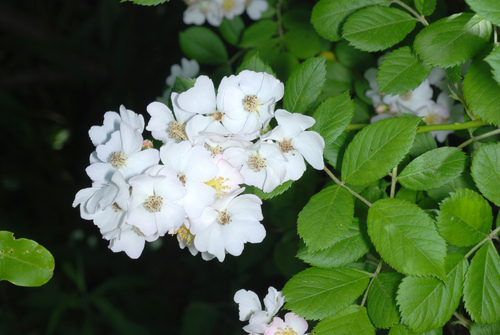
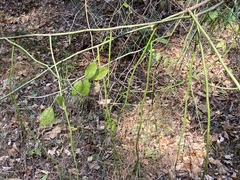
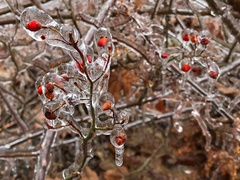
Multiflora rose (Rosa multiflora Thunb., 1784) is a wild climbing rose in the Rosaceae family, native to China, Korea, Taiwan and Japan. Large corymbs of small white to pale pink flowers are followed by small red to purple hips. Widely introduced outside Asia as a rootstock, windbreak and wildlife cover, it has naturalized on several continents and forms persistent thickets in eastern North America.
Read moreMultiflora rose, Baby rose and Rambler rose

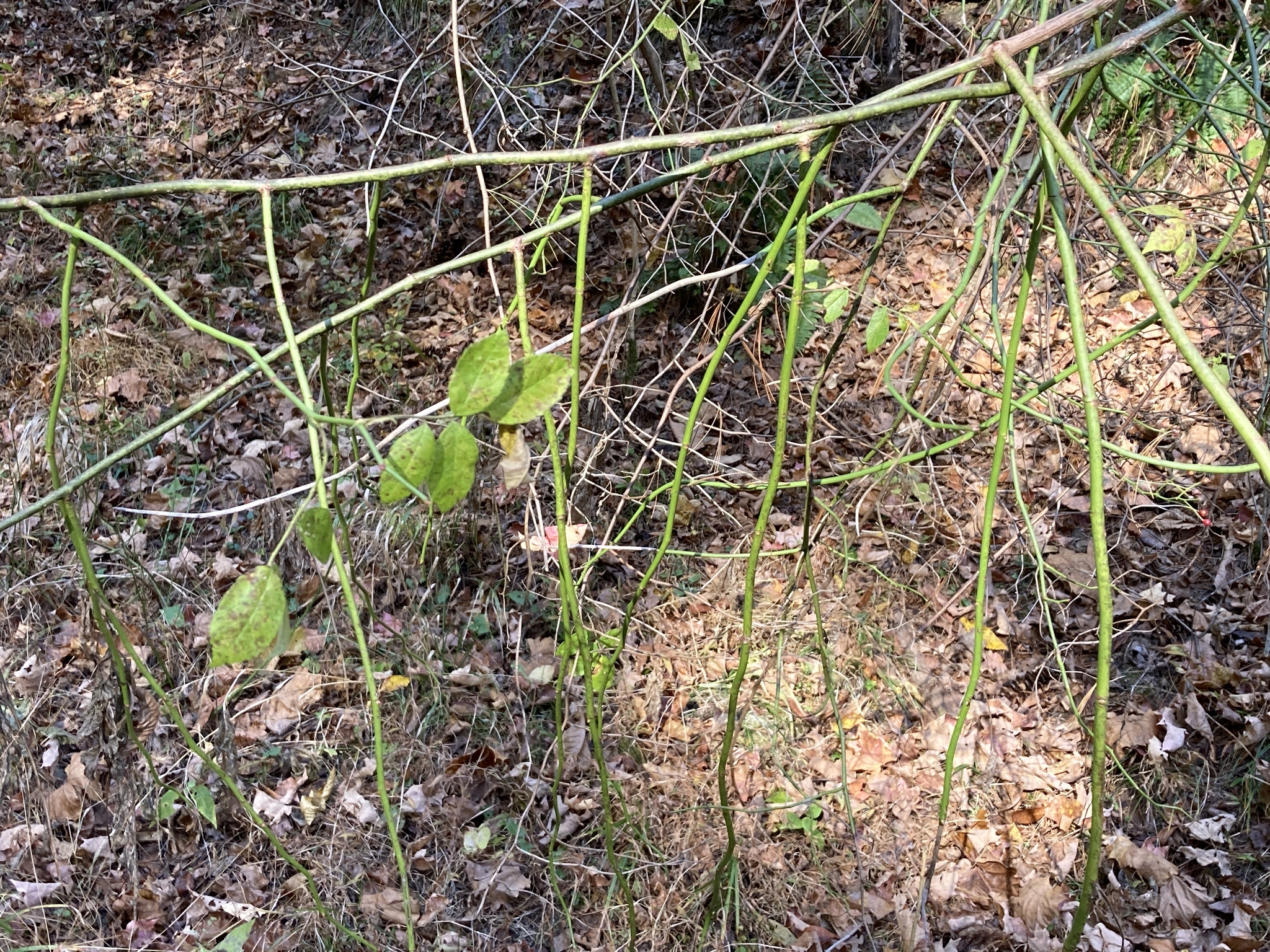



© photo
(c) Douglas Goldman, some rights reserved (CC BY-SA), uploaded by Douglas Goldman · cc-by-sa
William J. Deml · cc-by
iNaturalist User · cc-by
Taken May 21, 2022 by Tristan Jaton-Maria (cc-by-sa)
Taken Jun 3, 2014 by Tela Botanica − Florian Falatin (cc-by-sa)
Taken Mar 24, 2021 by Pierre-Laurent . (cc-by-sa)
© copyright of the Board of Trustees of the Royal Botanic Gardens, Kew.


Global distribution
Rosa multiflora is native to central and eastern China, Korea, Taiwan and Japan, growing in open woodland and beside streams. Introduced outside Asia as a rootstock, windbreak and wildlife cover, it has naturalized on several continents and forms troublesome thickets in eastern North America. It has no general invasive alien listing in France.
- Native4
- Introduced4
- Invasive1
- China
- Korea
- Taiwan
- Japan
- Canada
- United Kingdom
- South Africa
- New Zealand
- United States (East)
Hexagons: regions where the plant occurs. Green dots: native range.1
Identity
Multiflora rose (Rosa multiflora Thunb., 1784) is an accepted species in POWO, published by botanist Carl Peter Thunberg and placed in Rosa, family Rosaceae. The Japanese name noibara refers to the wild rose native to the Japanese archipelago. 1 2
Rather than a typical bedding rose, Rosa multiflora is a very vigorous wild shrub whose long, arching canes climb over surrounding vegetation. Grown in the West mainly as a rootstock and parent of modern rose groups, it takes its epithet multiflora from a conspicuous field feature: clusters often carrying more than a dozen small flowers at once. It is also known as baby rose or rambler rose. 3 6
Recognition
A deciduous climbing or scrambling shrub, Rosa multiflora develops stout canes commonly reaching 2 to 5 m (6.5 to 16 ft) when free-standing and up to 8 m (26 ft) with support. Stems carry recurved prickles, sometimes absent on younger shoots. 3 4
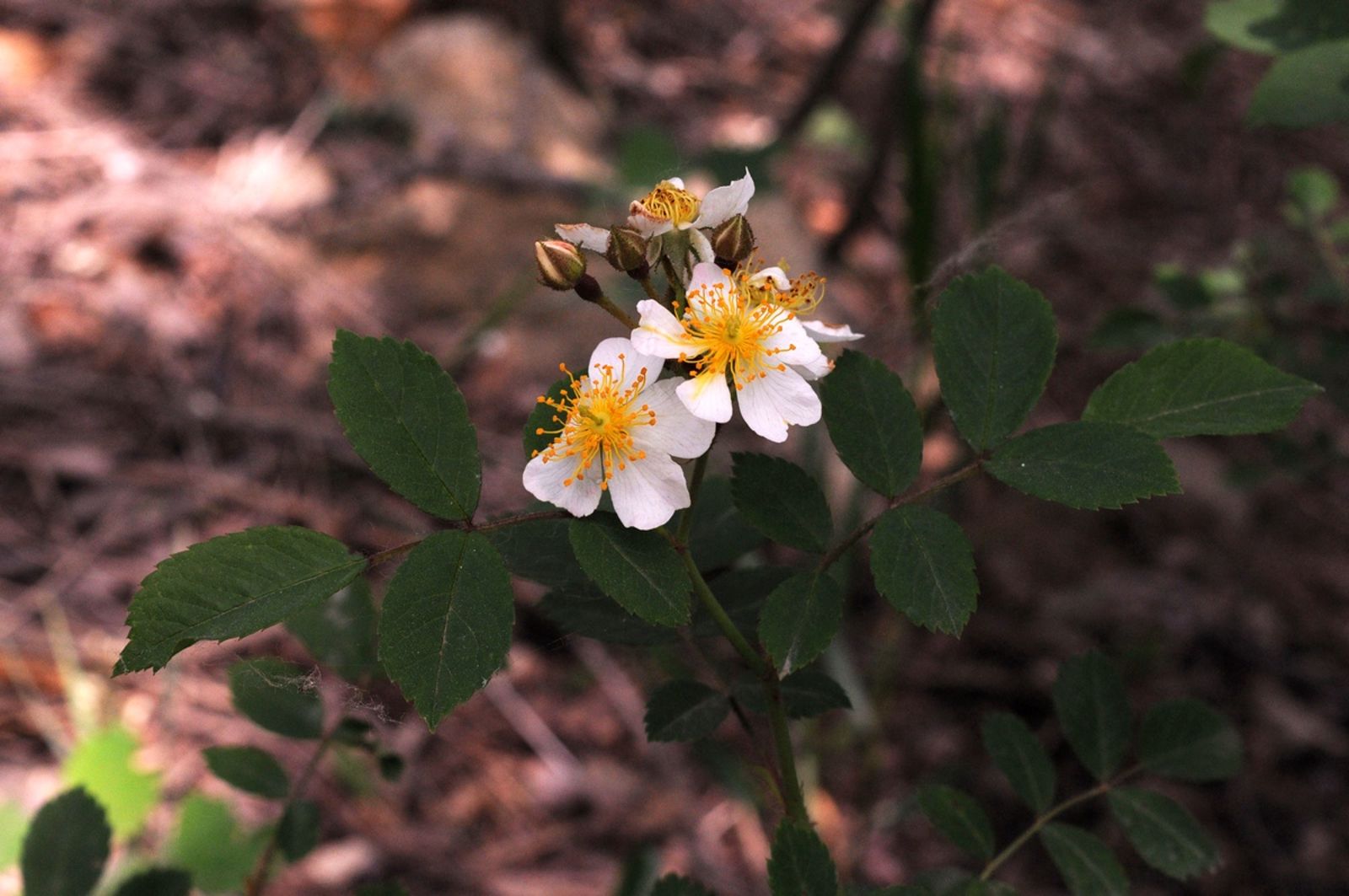
Compound leaves usually contain 7 to 9 leaflets. Fringed stipules at their bases provide a reliable distinction from other climbing roses with similar foliage. White to pale pink flowers measure 1.5 to 4 cm (0.6 to 1.6 in) across and form large pyramidal corymbs, often with several dozen flowers. Native North American wild roses generally carry one or a few flowers per branch instead. 3 4
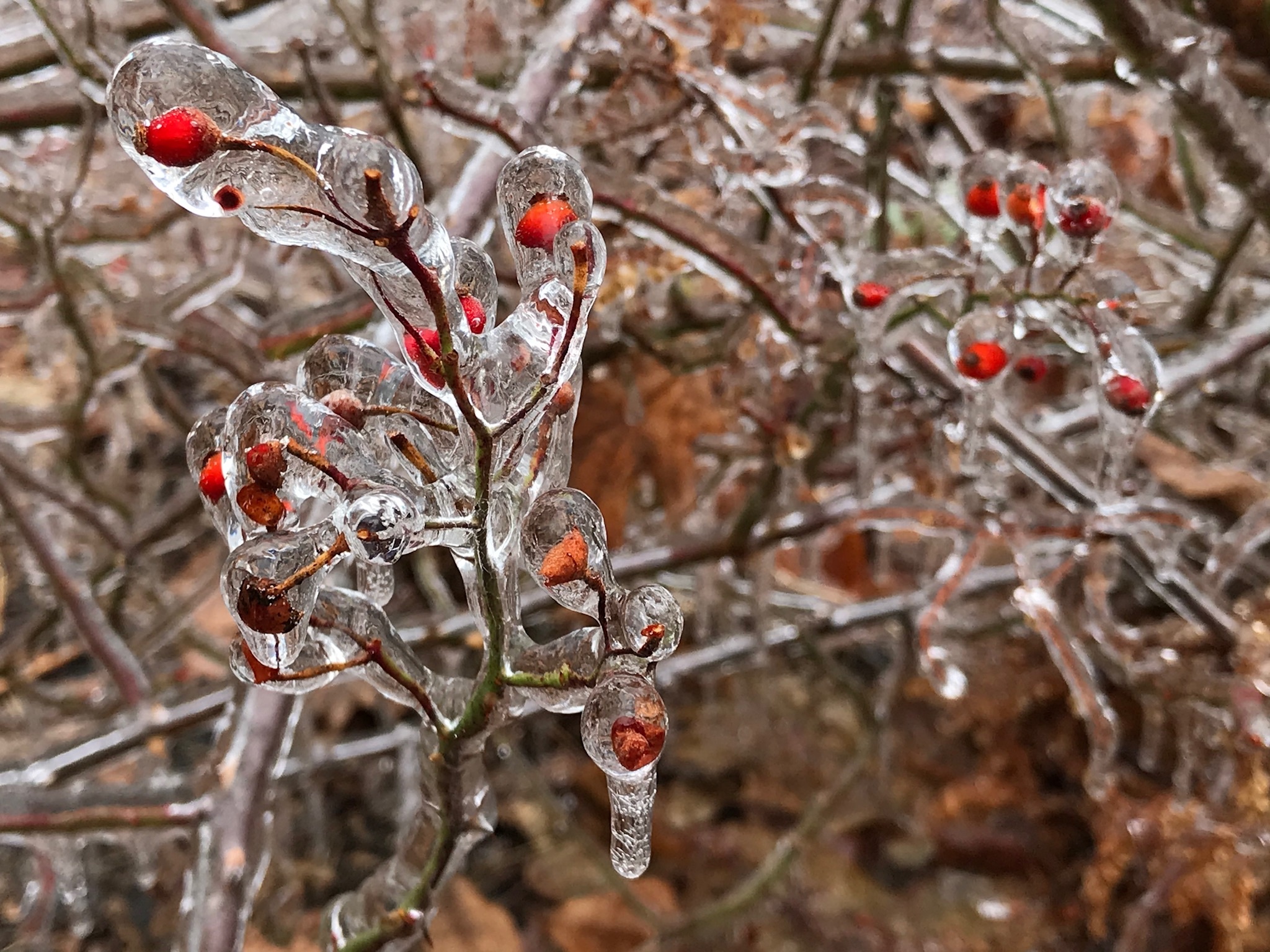
Following the early-summer flowers, small red to purple hips about 6 to 8 mm (0.24 to 0.31 in) across often persist into winter, remaining visible long after the leaves have fallen. 4 3
Taxonomy and varieties
In POWO's treatment, Rosa multiflora Thunb. is accepted, while Rosa polyantha Siebold & Zucc. is among the frequently cited synonyms for the typical variety. IPNI and USDA GRIN retain the nomenclatural record associated with the 1784 publication. 1 2 7
Historical catalogs and breeding programs frequently feature two horticultural forms: variety cathayensis, with white flowers edged in pink reaching 4 cm (1.6 in) across, and 'Platyphylla', sold as Seven Sisters Rose, whose double flowers change from carmine to ivory over several days. Neither form is a separate botanical species. 7 3
Rose breeding also owes much to this species. Crosses with Rosa chinensis made from 1875 onward by horticulturist Jean-Baptiste Guillot gave rise to Polyantha roses, which subsequently contributed to many modern bush roses. 3
Habitat and range
Across the Far East, its native range runs from Arunachal Pradesh through numerous Chinese provinces and Taiwan to Korea and Japan. POWO describes it as a scrambling shrub or small tree of temperate climates. In Japan, where it is called noibara, it remains the most widespread wild rose, growing in open woodland and along streams from sea level to middle mountain elevations. 1 7
North American introductions around the start of the 20th century used it as a rootstock and windbreak, and later as wildlife cover. It subsequently naturalized widely. Penn State Extension and Missouri Botanical Garden identify it as a plant of concern or noxious weed in several eastern U.S. states, where it forms dense thickets beside pastures and woodland edges. 8 4
The invasiveness documented by these institutions chiefly concerns North America. The Atlas of Florida Plants records Rosa multiflora as a non-native species monitored by local invasive plant networks. In France it remains mainly a cultivated rootstock, without a general invasive alien listing. 10
Life cycle and reproduction
Early summer brings flowers on canes established for at least one season. June and July are the Northern Hemisphere reference months. The large corymbs attract many pollinating insects before the hips form. 3 4
Bird-dispersed seed is the main driver of spread beyond gardens. Birds eat hips and carry seeds over long distances to woodland edges and pastures. Germination is slow: Plants For A Future indicates that nearly two years of cold stratification may be needed before seedlings emerge. 5 8
Vegetative spread reinforces established thickets. Long, arching canes root on touching the ground, producing natural layers without seed. Controlled horticultural propagation mainly uses semi-ripe stem cuttings taken in summer. 5 4
Uses, rootstocks and precautions
As a horticultural plant, Rosa multiflora serves chiefly as a rootstock. Tolerance of acidic, poor soils and vigorous root growth make it a base for many grafted garden roses, notably the 'Inermis' and 'Japonica' selections with reduced prickles. 3
ASPCA classifies roses in the genus Rosa as non-toxic to cats, dogs and horses. The main household risk is mechanical: recurved prickles scratch skin and snag clothes, while internal hip hairs can irritate skin or mucous membranes during prolonged handling. 9
For land management in the United States, extension organizations recommend repeated mechanical control before fruiting. They also identify rose rosette disease, a virus transmitted by a microscopic mite, as a natural cause of decline in established populations. 8
Look-alikes and related species
Flower number is a particularly useful distinction from native North American wild roses. Rosa multiflora often carries several dozen flowers or fruits in each cluster, whereas those wild roses generally have only a handful per branch. 4 8
Fringed stipules at the base of each compound leaf also distinguish it from climbing roses with simple stipules, including Rosa canina. On a grafted garden rose, a shoot arising below the graft may be Rosa multiflora rootstock rather than the purchased cultivar, producing small single white flowers very unlike the intended variety. 3
Both cathayensis and 'Platyphylla' remain forms within the same species rather than separate species. The accepted scientific name, Rosa multiflora, remains the reliable reference. 7 1
Main sources
- Plants of the World Online / Kew, Rosa multiflora Thunb.
- International Plant Names Index, Rosa multiflora Thunb.
- Royal Horticultural Society, Rosa multiflora (Ra)
- Missouri Botanical Garden PlantFinder, Rosa multiflora
- Plants For A Future, Rosa multiflora
- USDA PLANTS Database, Rosa multiflora plant profile
- USDA GRIN Taxonomy, Rosa multiflora Thunb.
- Penn State Extension, Multiflora rose
- ASPCA, Rose toxicity entry
- Atlas of Florida Plants, Rosa multiflora
Frequently asked questions
Is Multiflora rose invasive in France?
No general invasive alien listing is recorded for France, where the species is mainly cultivated as a rootstock. Its documented invasiveness chiefly concerns the eastern United States and parts of Canada.
Why is Multiflora rose used as a rootstock?
It tolerates acidic and poor soils and has vigorous root growth. Inermis and Japonica selections, with reduced prickles, provide rootstocks for many grafted garden roses.
Is Multiflora rose toxic to cats or dogs?
ASPCA lists roses of the genus Rosa as non-toxic to cats, dogs and horses. The main hazards are mechanical: prickles and the internal hairs of rose hips.
How do I recognize Multiflora rose?
Look for large corymbs with several dozen small white to pink flowers, fringed stipules at the leaf bases and arching canes with recurved prickles.
Why does this species spread so fast outside its native range?
Birds eat the hips and disperse seeds over long distances. Arching canes also root where they touch the ground, adding vegetative spread.
How does it differ from dog rose, Rosa canina?
Rosa multiflora has much fuller clusters, with up to several dozen flowers, and fringed stipules. Rosa canina flowers mainly singly or in small groups.
Is there biological control for Multiflora rose?
In the United States, rose rosette disease, a virus transmitted by a microscopic mite, naturally reduces some established populations, but does not offer guaranteed control.
Similar plants
If you are unsure about a plant’s toxicity, ask a botanist or veterinarian for advice.