
Rose (Rosa hybrida)
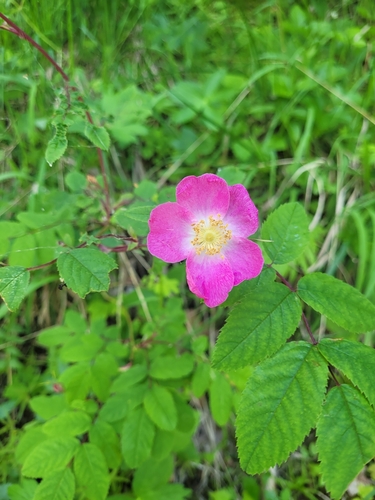


Rosa hybrida is the horticultural label used here for garden roses sold as Rosa hybrida or Rosa × hybrida. These are cultivars and hybrids of the genus Rosa rather than a single wild species, grown for flowers, fragrance, habit and sometimes rose hips.
Read moreRose, Garden rose and Hybrid rose


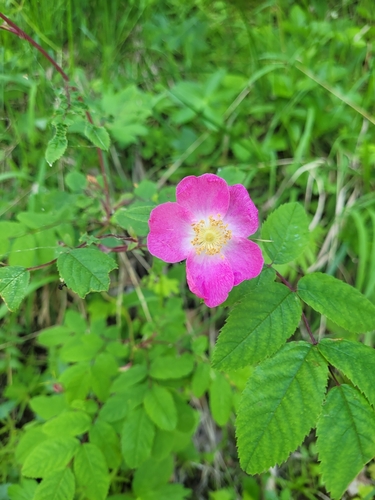
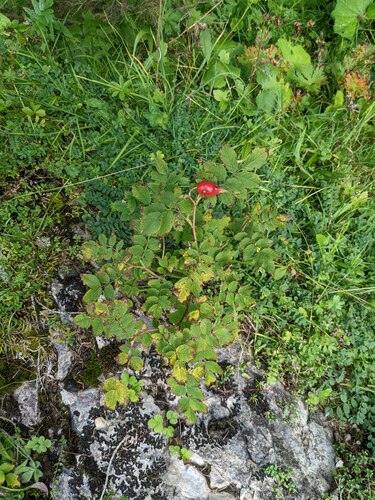
© photo
Bobo-X · cc-by
Wikimedia Commons · CC BY-SA or Public Domain
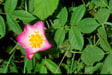
(c) Bobo-X, some rights reserved (CC BY) · cc-by
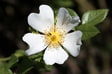
(c) Nick Kleinschmidt, some rights reserved (CC BY) · cc-by
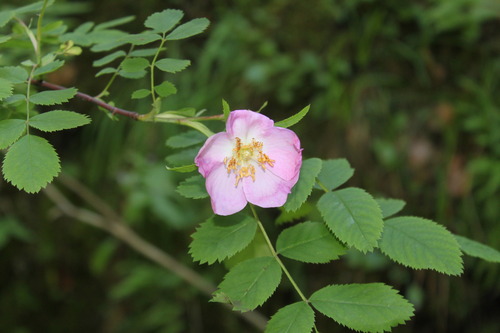
Global distribution
Rosa is native to temperate and subtropical parts of the Northern Hemisphere, but this horticultural rose group has no single wild range. In France it is treated as a cultivated garden plant without an invasive classification.
- Native1
- Temperate Northern Hemisphere
Hexagons: regions where the plant occurs. Green dots: native range.4
Identity
Rosa hybrida is the horticultural label used here for garden roses sold as Rosa hybrida or Rosa × hybrida. These plants belong to Rosa in the Rosaceae family, but do not represent one simple wild species. POWO accepts the genus Rosa, native to temperate and subtropical parts of the Northern Hemisphere; garden hybrids form a cultivated group within that broader context. 3 8
Taxonomic records do not establish Rosa hybrida as the accepted name of a universal garden rose species. POWO treats Rosa hybrida (Ser.) Posp. as a synonym of Rosa gallica, while GBIF displays several homonyms and links the consulted record to Rosa gallica. The label therefore needs its horticultural meaning explained whenever it is used for garden hybrids. 4 5
Rose, Garden rose and Hybrid rose are familiar names for these woody plants and their flowers. Sales labels can mix group, brand, cultivar and botanical name. Hybrid tea, floribunda, English rose, climber, miniature, groundcover and shrub rose are not automatically separate species. 7 8
Recognition
Woody shrubs and climbers make up the familiar garden rose forms. Usually deciduous, they have alternate leaves composed of toothed leaflets, and stems that often carry prickles. NC State distinguishes these from true botanical thorns: their size and density vary greatly among species, hybrids and cultivars. 8
Flower form provides an obvious but highly variable feature. Single flowers often follow a five-part pattern, while garden hybrids can be semi-double or densely double. Colors include white, cream, yellow, orange, pink, red, purple and combinations. RHS accounts note that true blue and true black are not natural garden rose colors. 7 8
The apparent fruit is the rose hip, often red or orange. Botanically, it encloses the true fruits, called achenes. Hips develop especially when not all faded flowers are removed, linking the reproductive cycle to a gardener's choice about deadheading. 8 6
Useful taxonomy
A nursery rose needs more than a generic scientific label for useful identification. Record the genus Rosa, any horticultural group, and the cultivar name, often in single quotation marks or associated with a brand. Rosa Peace ('Madame A. Meilland') is far more precise than “red rose” or a generic “Rosa hybrida” label. 7
Modern hybrids include hybrid teas and floribundas. Hybrid teas are often selected for large, well-shaped flowers borne singly or in small clusters. Floribundas tend to bear many flower clusters on more rounded shrubs. These are horticultural categories rather than a complete account of evolutionary relationships in Rosa. 7
Botanical references help avoid misleading shortcuts. “Rosa hybrida” can refer to historical names, synonyms or homonyms; “Rosa Species” in a toxicity list covers a broader group. Some familiar plants called roses, such as Christmas rose and desert rose, belong to entirely different genera. 5 10
Cultivation and placement
Sunny, airy sites with fertile, deep, well-drained soil that is slightly acidic to neutral suit roses best. RHS gives about four hours of direct sun per day as a minimum guide while noting that roses generally enjoy sun. Waterlogged ground, very windy sites and dense shade reduce vigor and increase foliage problems. 6 8
Root-zone watering keeps moisture off the foliage. RHS recommends watering at the base and reserving additional water for established roses in the ground for pronounced dry spells. Persistently wet leaves encourage black spot, rust, botrytis and other diseases, making watering method part of disease prevention. 6 9
Pruning varies by group, but common aims include removing dead wood, diseased or damaged stems and crossing branches, then opening the center to improve airflow. Annual pruning therefore supports disease prevention as well as appearance, particularly on susceptible cultivars. 6 9
Life cycle, flowering and propagation
Spring and summer bring the main flowering period in temperate conditions, with many repeat-flowering cultivars continuing into fall. Single roses can be valuable to insects, whereas densely double flowers are chiefly selected for ornament and cutting. Modern bush roses are often chosen for flowering duration, fragrance, color or disease resistance. 7 6
Removing faded flowers, or deadheading, often encourages another flush on repeat-flowering roses. To obtain hips instead, stop removing flowers on varieties capable of producing them. RHS also highlights the winter value of hips for birds such as thrushes and blackbirds. 6
Reliable cultivar propagation chiefly uses grafting or cuttings. NC State identifies grafting as an important method, while RHS describes softwood or hardwood cuttings according to season. Some cultivars carry plant breeders' rights, and a grafted rose does not necessarily behave like a cutting grown on its own roots. 8 6
Uses, toxicity and risks
Ornamental use dominates: beds, borders, hedges, cut flowers, deep containers, standard roses and vertical supports. Climbers and ramblers cover trellises; miniatures and some groundcover roses suit smaller spaces. Mature size should guide selection, since roses range from small container plants to large trained specimens. 6 8
ASPCA classifies Rose, Rosa Species as non-toxic to dogs, cats and horses. Other precautions still matter: prickles can injure, large quantities of plant material may upset digestion, and ornamental roses may have received treatments unsuitable for food plants. 10 11
Certain roses provide hips used in jellies, preserves and teas, according to horticultural sources. That does not make every garden rose suitable to eat. Food use requires reliable identification, an untreated plant, appropriate preparation and a dedicated culinary reference. 8
Invasive classifications need a narrow scope. No French invasive status is assigned here to the horticultural Rosa hybrida group. Invasion concerns apply to particular species in particular regions, such as Rosa multiflora or Rosa rugosa in some North American lists; they do not justify classifying all garden roses as invasive in France. 12
Cultivars and look-alikes
Familiar rose names usually identify cultivars or horticultural groups. 'Peace', 'Iceberg', 'New Dawn', 'The Fairy', 'Gertrude Jekyll', Knock Out and Flower Carpet denote selections, lineages or brands. They do not replace the botanical name, but are often more useful for judging pruning needs, vigor, repeat flowering and disease resistance. 7 8
Rootstock growth is a frequent source of confusion. A vigorous shoot emerging below the graft union may belong to the rootstock rather than the purchased cultivar. It can change the apparent flower color, habit, vigor and flowering pattern of the plant. Inspect the base as well as the flowers when diagnosing the change.
Common names also conceal unrelated plants. Christmas rose, hollyhock, rose of Sharon, desert rose and moss rose may belong to other genera with different toxicity and cultivation profiles. Check the scientific name, particularly around pets, children or any proposed food use. 10
Main sources
- Royal Horticultural Society, Rosa Peace ('Madame A. Meilland') (HT)
- Royal Horticultural Society, Rosa Papa Meilland ('Meisar') (HT)
- Plants of the World Online / Kew, Rosa L.
- Plants of the World Online / Kew, Rosa hybrida (Ser.) Posp.
- GBIF Backbone Taxonomy, Rosa hybrida (Ser.) Posp.
- Royal Horticultural Society, How to grow roses
- Royal Horticultural Society, Modern bush roses
- NC State Extension Gardener Plant Toolbox, Rosa
- Clemson Cooperative Extension HGIC, Rose Diseases
- ASPCA, Rose toxicity entry
- ASPCA plant list consulted, rose
- USDA APHIS petition file, Rosa X hybrida biology excerpts
Frequently asked questions
Is Rosa hybrida a true species?
Here the name is a horticultural label for hybrid garden roses. POWO and GBIF show that Rosa hybrida and Rosa × hybrida can be ambiguous names or synonyms, depending on the authority.
Are Rosa hybrida roses poisonous to cats and dogs?
ASPCA lists Rose, Rosa Species, as non-toxic to dogs, cats and horses. Remaining concerns include prickles, large quantities of plant material and plant treatment products.
Why is my rose growing mostly leaves?
Common causes are insufficient sun, unsuitable pruning, excess nitrogen or a rootstock sucker. Knowing the horticultural group helps determine how to prune.
Should I remove every faded rose flower?
Deadheading often encourages new flowers on repeat-flowering roses. If you want decorative hips or fruit for birds, stop earlier on suitable varieties.
Can you eat rose hips?
Some horticultural sources describe rose-hip preserves, jellies and teas. Eating roses that have been treated, are poorly identified or were bought for ornamental use is not recommended.
Where should I plant Rosa hybrida?
Choose a sunny, airy position with rich, well-drained soil. Dense shade, standing water and very windy sites increase problems.
Similar plants

If you are unsure about a plant’s toxicity, ask a botanist or veterinarian for advice.