
Dog-rose (Rosa canina, )
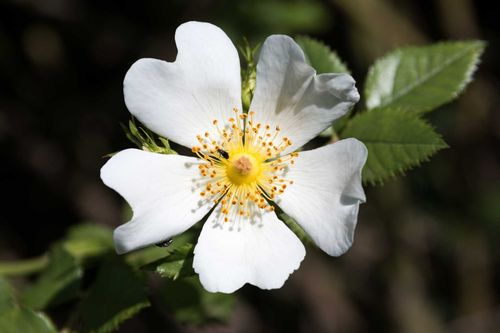
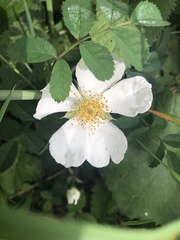
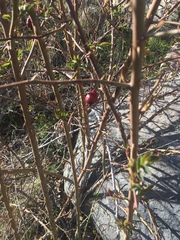
Dog-rose (Rosa canina L.), also called dog rose or common briar, is a deciduous wild rose in the Rosaceae family, native to Europe, northwestern Africa and parts of Asia. Its arching stems carry hooked prickles and simple white to pale pink flowers in early summer, followed by red to orange hips that support birds in country hedges.
Read moreDog-rose, Dog rose and Common briar
Allow a few hours of direct sun per day, preferably morning or evening.
Full sun to light partial shade
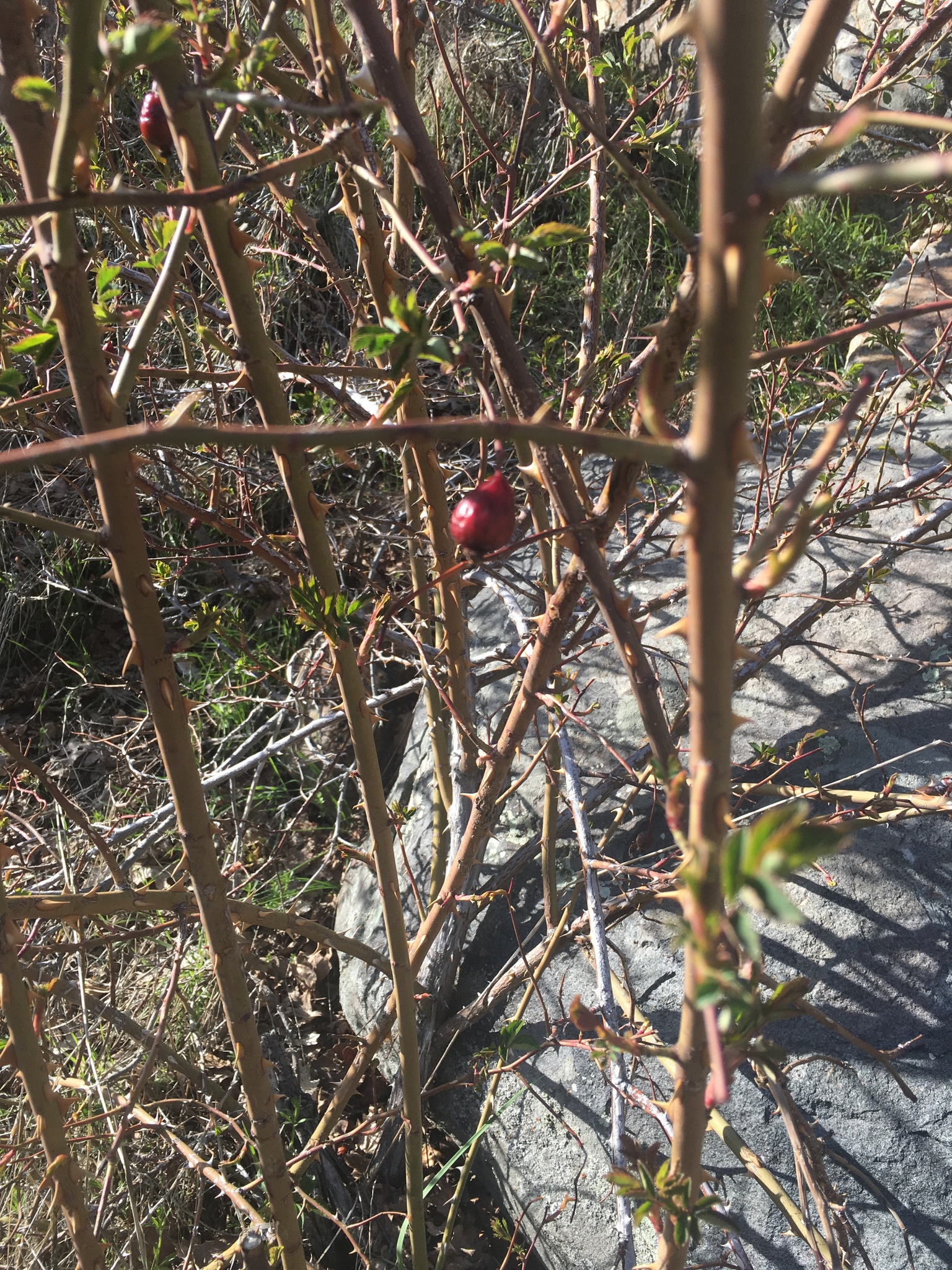


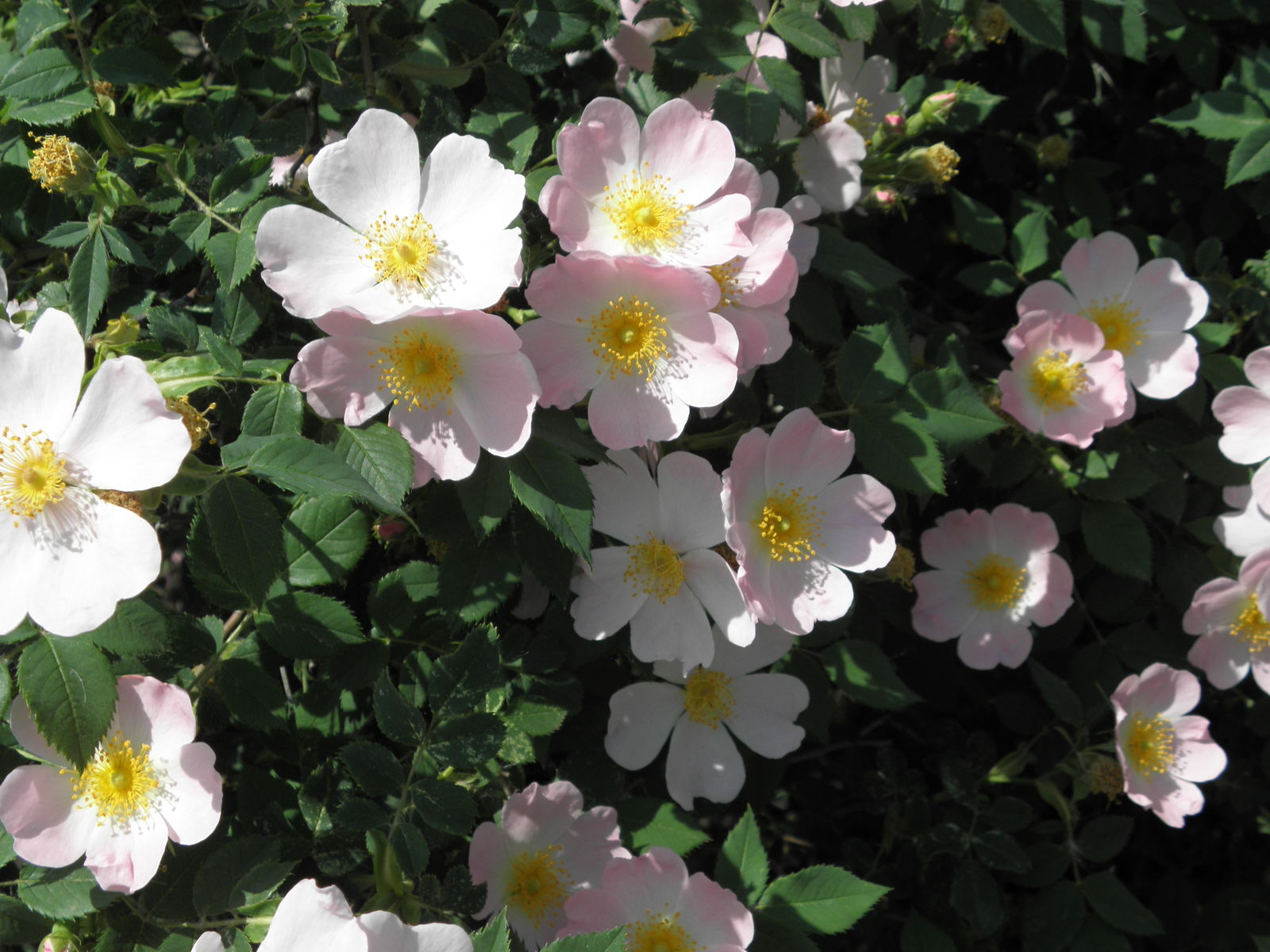


© photo
(c) Mathieu Massaviol, some rights reserved (CC BY-NC-ND), uploaded by Mathieu Massaviol · cc-by-nc-nd
Felix Seebauer · cc-by
Ace · cc-by
Taken May 15, 2021 by Zori 🌿🐝🌳 K (cc-by-sa)
Taken Nov 4, 2020 by Dieter Wagner (cc-by-sa)
Taken May 15, 2022 by Ernst Fürst (cc-by-sa)
Taken Jul 11, 2021 by Alain Bigou (cc-by-sa)
Taken Dec 11, 2021 by Dabronzo Carlo (cc-by-sa)
© copyright of the Board of Trustees of the Royal Botanic Gardens, Kew.


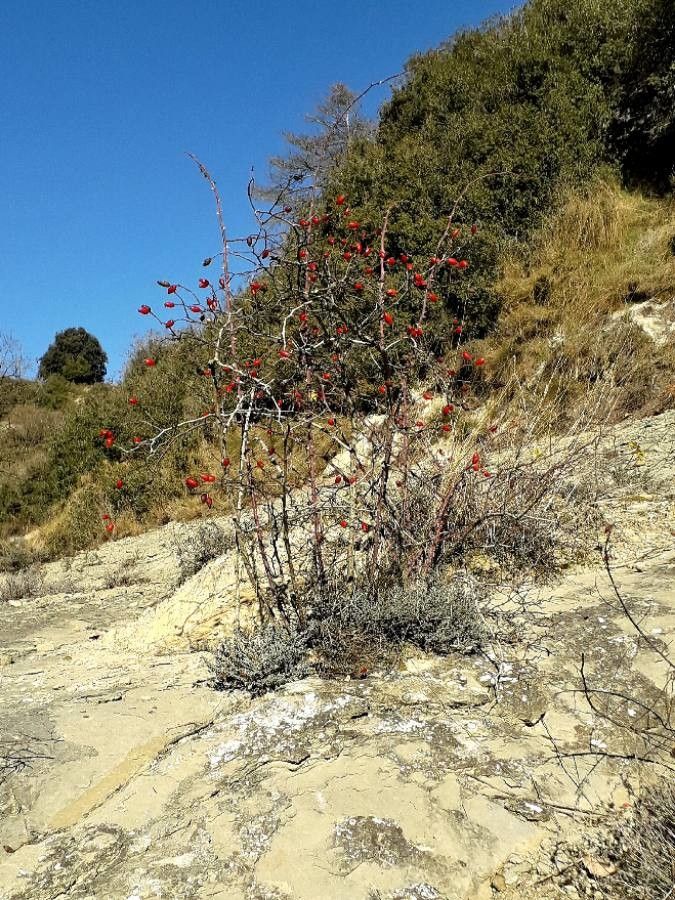


Global distribution
POWO gives Rosa canina a native range from Madeira and northwestern Africa through Europe and Central Asia to Pakistan, including France and Corsica. It is not treated as an invasive alien in mainland France, though it is introduced or locally problematic in some countries beyond its native range.
- Native8
- Introduced3
- Invasive1
- France
- Corsica
- Great Britain
- Belgium
- Spain
- Italy
- Northwestern Africa
- Western Asia
- United States
- Canada
- Australia
- New Zealand
Hexagons: regions where the plant occurs. Green dots: native range.1
Identity
Dog-rose (Rosa canina L., 1753) is an accepted wild rose species published by Linnaeus in 1753. It belongs to the genus Rosa, family Rosaceae and order Rosales. English names include Dog rose and Common briar; Tela Botanica uses the standardized French name rosier des chiens. 1 2 3
Wild, variable and associated with temperate hedges and woodland edges, this species differs from a garden hybrid rose. Tela Botanica and POWO record it as native to mainland France and Corsica. It is therefore not treated as an invasive alien in mainland France, although introduced populations occur in several countries outside its native range. 1 3
The epithet canina does not mean this plant is intended for dogs. Woodland Trust recounts the old belief that its root could treat dog bites; that tradition is no medical recommendation. For gardeners, the name chiefly identifies a prickly, deciduous wild hedgerow rose with simple flowers and hips. 5
Recognition
An arching, deciduous shrub, Rosa canina often reaches 1-3 m (3-10 ft) and can grow taller when supported by other shrubs. Its strong stems turn from green to brown and carry curved or hooked prickles with broad bases. This structure lets it scramble through a hedge rather than climb independently like a true vine. 3 5
Alternate, compound leaves usually have 5-7 leaflets that are green, deciduous, oval to elliptical and toothed. Tela Botanica emphasizes variation within the group: leaves may be hairless or more downy, with simple or compound teeth. Leaves alone cannot always separate closely related wild roses. 3
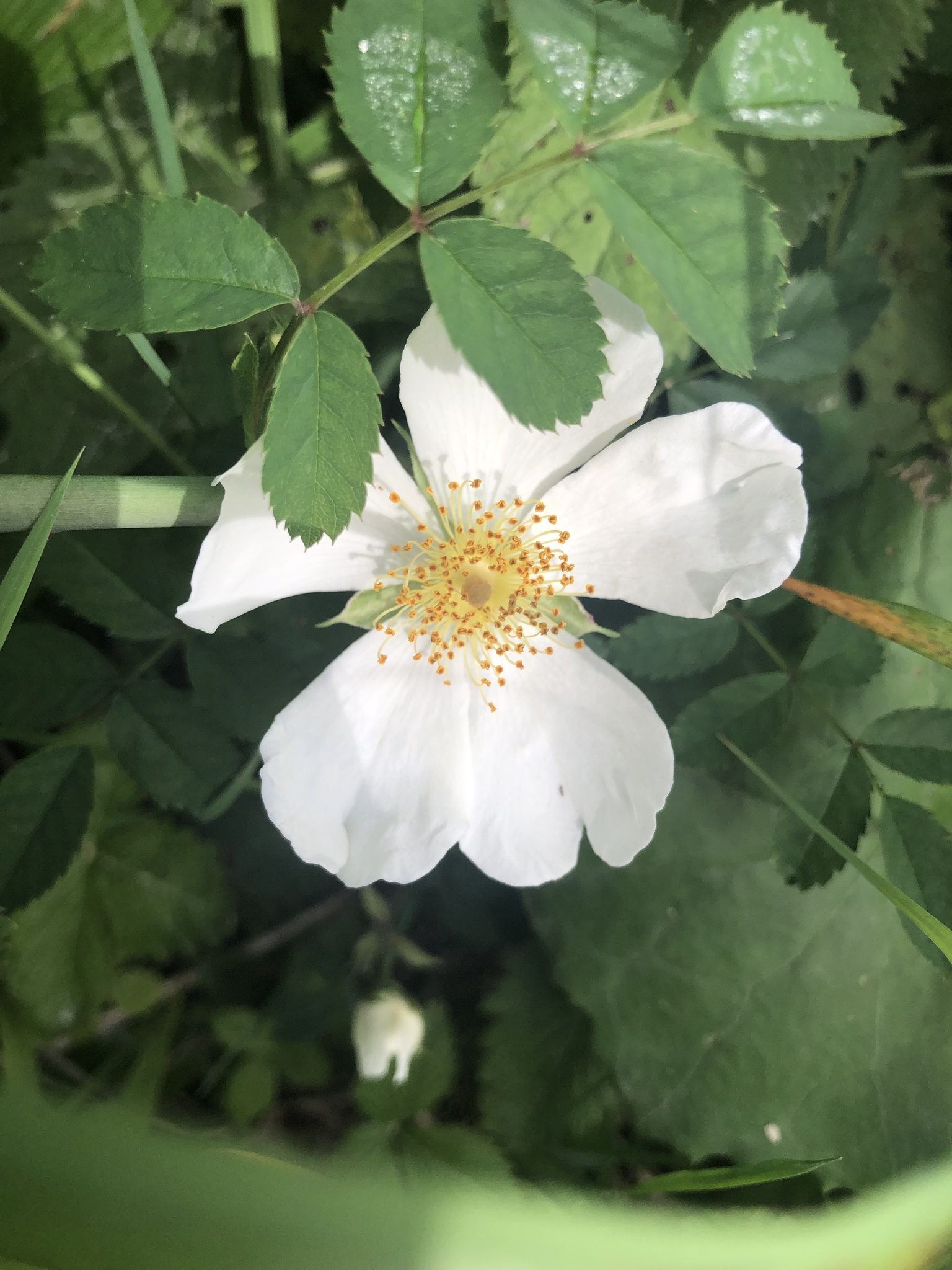
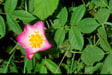
Five-petaled flowers open white to pale pink, singly or in small corymbs, with yellow stamens. RHS describes fragrant early-summer flowers around 5 cm (2 in) wide. Pollination leads to oval red hips, often visible from early fall into winter if the hedge is not cut too soon. 4 5
Habitat, hedges and range
Madeira, northwestern Africa, Europe and Central Asia east to Pakistan fall within the native range POWO gives for Rosa canina. Tela Botanica records it throughout France and Corsica, mainly on low ground and lower mountains. Habitats include hedges, scrub, woodland edges, open woods, roadsides, dunes, grassy waste ground and naturalistic gardens. 1 3 6
French native status changes how its spread should be interpreted. In France, Dog-rose belongs to the native flora and country hedgerows; self-seeding and thorny growth do not by themselves make it an invasive alien there. Beyond its native range, caution increases: POWO lists many introductions and USDA notes that it can become weedy or invasive in some regions or habitats. 1 10
Choose a garden setting that accommodates its behavior. Seedlings may be acceptable in an informal hedge or woodland edge. In a small border or beside a path, remove misplaced young plants, shorten hazardous branches and leave enough room around delicate neighboring plants.
Growing and siting
Deep, well-drained ground that is neutral to lime-rich suits Dog-rose best, provided it does not remain waterlogged. It tolerates a wider soil range than a show rose, but flowers and hips develop more consistently in sun. Light woodland-edge shade is possible; dense shade encourages long stems and reduces fruiting. 4 3
Water mainly to help the roots establish. Water deeply after planting and monitor the first summer if the soil dries. An established hedge plant generally needs no routine watering except in prolonged drought or very freely draining soil. Keep fertilizer modest: too much nitrogen encourages soft, aphid-prone stems and offers little benefit to a wildlife hedge.
Container growing is a secondary option. A young Dog-rose can grow in a large, deep tub, but its arching habit, prickles and root system make open ground more suitable. On a balcony, a compact rose or a less expansive wild rose is often easier to accommodate.
Pruning, hips and propagation
Frequent clipping as if this were a formal hedge removes flowering shoots, spent flowers and future hips. For fruit and wildlife value, remove dead wood in late winter, thin a few old branches and restrict shaping to times outside the bird nesting season. 4 5
Hips ripen in fall. Woodland Trust and The Wildlife Trusts describe their value as food for birds and small mammals, and their traditional use in syrups and jellies. Botanically a rose hip is an accessory fruit; the true fruits are the hard achenes inside. Irritating internal hairs explain the French nickname gratte-cul. 5 6
Seed propagation occurs naturally but is slow and variable. Seeds inside the hips often require cold to break dormancy, and birds help disperse them. Young plants from a local source or nursery are usually the simplest choice for a hedge. Cuttings and layering may work with healthy stems, while some lines close to Rosa canina have served as rose rootstocks. 10
Biodiversity and living hedges
Flowers, shelter and fruit provide Rosa canina with its wildlife value in succession. Simple flowers are accessible to pollinating insects. Prickly branches shelter small birds and obstruct larger animals. The hips persist after many softer fruits disappear, providing a fall and winter resource. 5 6
Mixed hedges can combine Dog-rose with hawthorn, blackthorn, hazel, dogwood, viburnum or elder. Its role is not to form a perfectly tidy wall: arching stems, simple flowers, hips and sheltered spaces make the mixture useful. A mixed hedge also reduces concentrations of rose-specific disease.
Preserving these benefits means accepting some controlled untidiness. Prune different sections in turn, leave some hips and avoid mowing too closely around the base. These measures offer more than repeated shearing, though prickly branches beside paths can still be shortened to prevent scratches.
Toxicity, uses and food precautions
True roses, including Dog-rose, are non-toxic to dogs, cats and horses according to ASPCA's entry for Rosa. That chemical safety does not remove physical hazards: prickles scratch, branches can injure an animal's mouth and hairs inside hips irritate skin or mucous membranes. 9 5
Prepared hips have recognized food uses, particularly syrups, jellies and infusions. That does not make all foraging suitable: identify the plant reliably, avoid treated or polluted hedges, remove irritating hairs and seeds and follow a reliable recipe. A roadside rose or treated garden plant is not automatically a safe ingredient.
For children, explain that Dog-rose is not poisonous but its hips are not berries to bite straight from the bush. Bright fruit attracts attention and prickles catch clothing. Place the hedge away from narrow paths and heavily used play areas.
Diseases, pests and management
Aphids, sawflies, powdery mildew, rust and black spot can affect Rosa canina, as they do other roses. RHS also lists possible replant disease, dieback and occasionally honey fungus. Diseases rarely create an emergency in a wild hedge, but may indicate stagnant air, dense growth or leaves staying wet too long. 4 7 8
Prevention starts with growing conditions: water at the base, remove badly affected leaves, avoid excess nitrogen and open the center of the shrub slightly. Do not crowd several susceptible roses together without air movement. Routine spraying in a wildlife hedge can also reduce beneficial animals.
Rose bedeguar galls, the conspicuous hairy growths on stems, are caused by a gall wasp. They are often more striking than harmful. Tolerate them in a natural hedge or remove badly affected branches if distortion becomes troublesome. Ladybugs, hoverflies and birds often regulate aphids where spraying is limited.
Look-alikes
Identifying wild roses can be difficult. Rosa canina may be confused with Rosa arvensis, Rosa rubiginosa, Rosa tomentosa, Rosa rugosa, Rosa multiflora or rootstock shoots. Useful details include prickle shape, leaf hairs, whether sepals persist, hip shape and any foliage scent. 3 5
For management, Rosa rugosa is an especially important look-alike. It has distinctly wrinkled leaves, larger and more rounded hips, and strong suckering growth; it causes problems in several European coastal habitats. Dog-rose is native to France and is more characteristic of country hedges than invasive coastal plantings.
A grafted garden rose also needs to be distinguished from a wild rose. A shoot below the graft union may resemble Dog-rose and produce simple flowers or hips unlike the purchased cultivar. Check the base, graft union and origin of the shoot as well as the flower.
Main sources
- Plants of the World Online / Kew, Rosa canina L.
- International Plant Names Index, Rosa canina L.
- Tela Botanica eFlore, Rosa canina L.
- Royal Horticultural Society, Rosa canina (S)
- Woodland Trust, Dog rose (Rosa canina)
- The Wildlife Trusts, Dog-rose
- Royal Horticultural Society, Rose black spot
- Clemson Cooperative Extension HGIC, Rose Diseases
- ASPCA, Rose toxicity entry
- USDA NRCS Plant Guide, Rosa canina
Frequently asked questions
Is Rosa canina a wild rose?
Yes. POWO accepts it as a wild rose species, native to France and typical of hedges, woodland edges and scrub. It should not be confused with a horticultural rose sold under a cultivar name.
Is Dog-rose toxic to cats and dogs?
ASPCA lists roses in the genus Rosa as non-toxic to dogs, cats and horses. The main concerns are prickles, treatment products and irritating hairs inside the hips.
Can you eat Dog-rose hips?
Dog-rose hips are used in syrups, jellies and teas in several traditions. Gathering them is not recommended without reliable identification, an untreated plant and preparation that removes irritating hairs and seeds.
Is Dog-rose invasive in France?
It is native to mainland France and Corsica, so it is not treated there as an invasive alien. It can still self-seed in a hedge or become problematic outside its native range; remove unwanted seedlings early.
When should I prune a Dog-rose hedge?
For a wildlife hedge, prune sparingly: remove dead wood in late winter, thin occasionally and shape outside the bird nesting season. Pruning just after flowering removes some of the future hips.
How can I recognize Rosa canina?
Look for arching stems with hooked prickles, leaves with 5-7 leaflets, simple white to pink flowers and oval red hips. Wild roses remain difficult to identify, so sepals and leaf hairs also matter.
How does it differ from Rosa rugosa?
Rosa rugosa has deeply wrinkled leaves and larger, rounder hips. It also suckers much more strongly and is invasive in several coastal regions. Rosa canina is a hedgerow rose native to France.
Can Dog-rose be used as a rootstock?
Forms close to Rosa canina have long been used as rose rootstocks. Check the nursery label for the exact rootstock when buying, because Rosa canina alone is too broad an identification.
Similar plants


If you are unsure about a plant’s toxicity, ask a botanist or veterinarian for advice.