
Provence rose (Rosa gallica, )
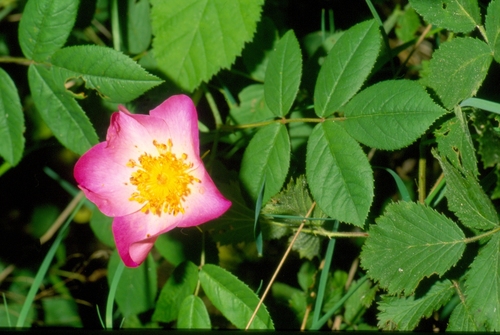

Provence rose (Rosa gallica L.), also called French rose or Gallic rose, is a deciduous rose in the Rosaceae family. Native to France and other parts of Europe, it is both a botanical species and an ancestor of a major group of old garden roses, known for often fragrant pink to red flowers and a main flush in late spring or early summer.
Read moreProvence rose, French rose, Gallic rose, Apothecary's rose, Rose of Provins and Red Rose of Lancaster
Place in full sun, with intense direct light all day long.
Full sun; very light partial shade tolerated, with fewer flowers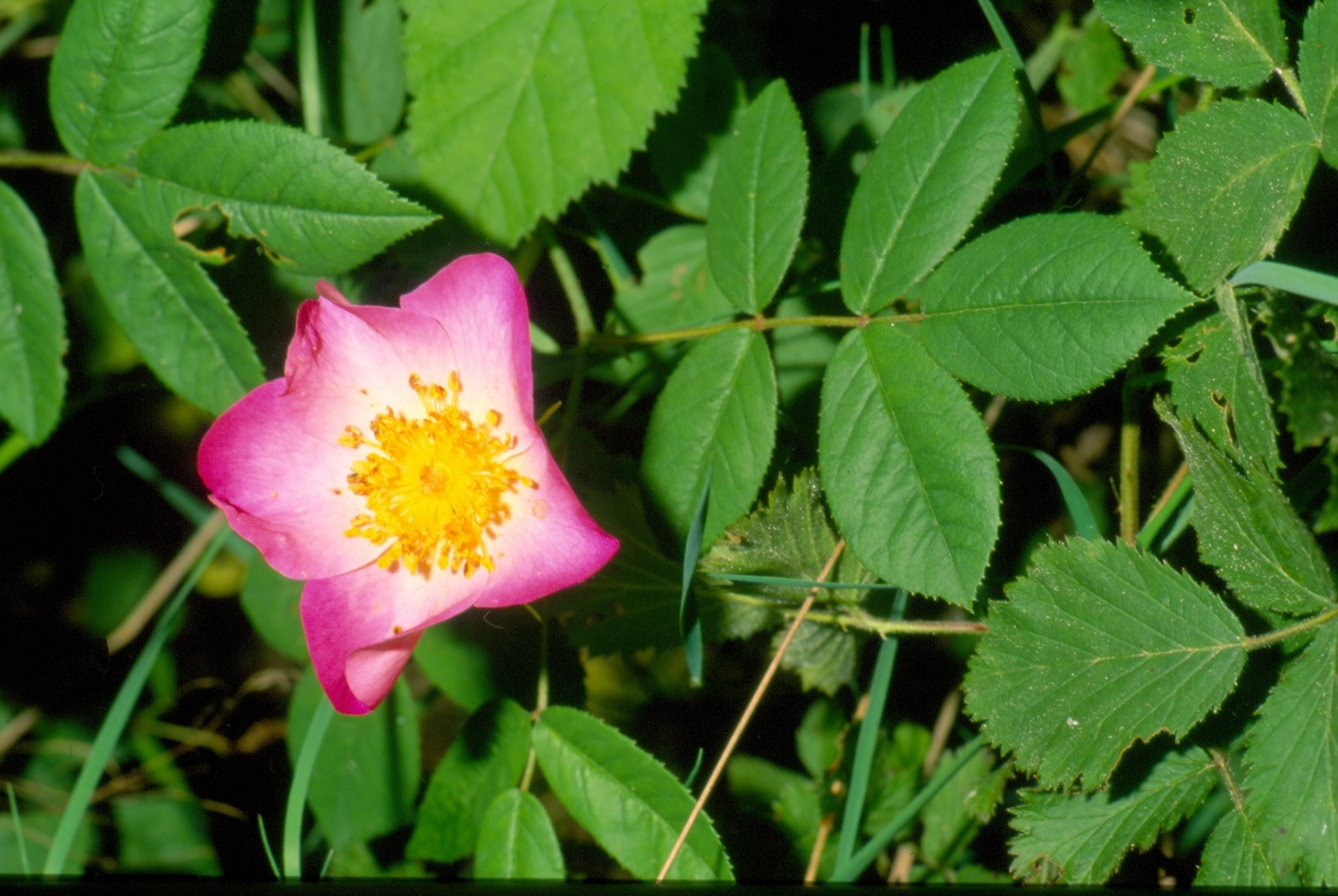


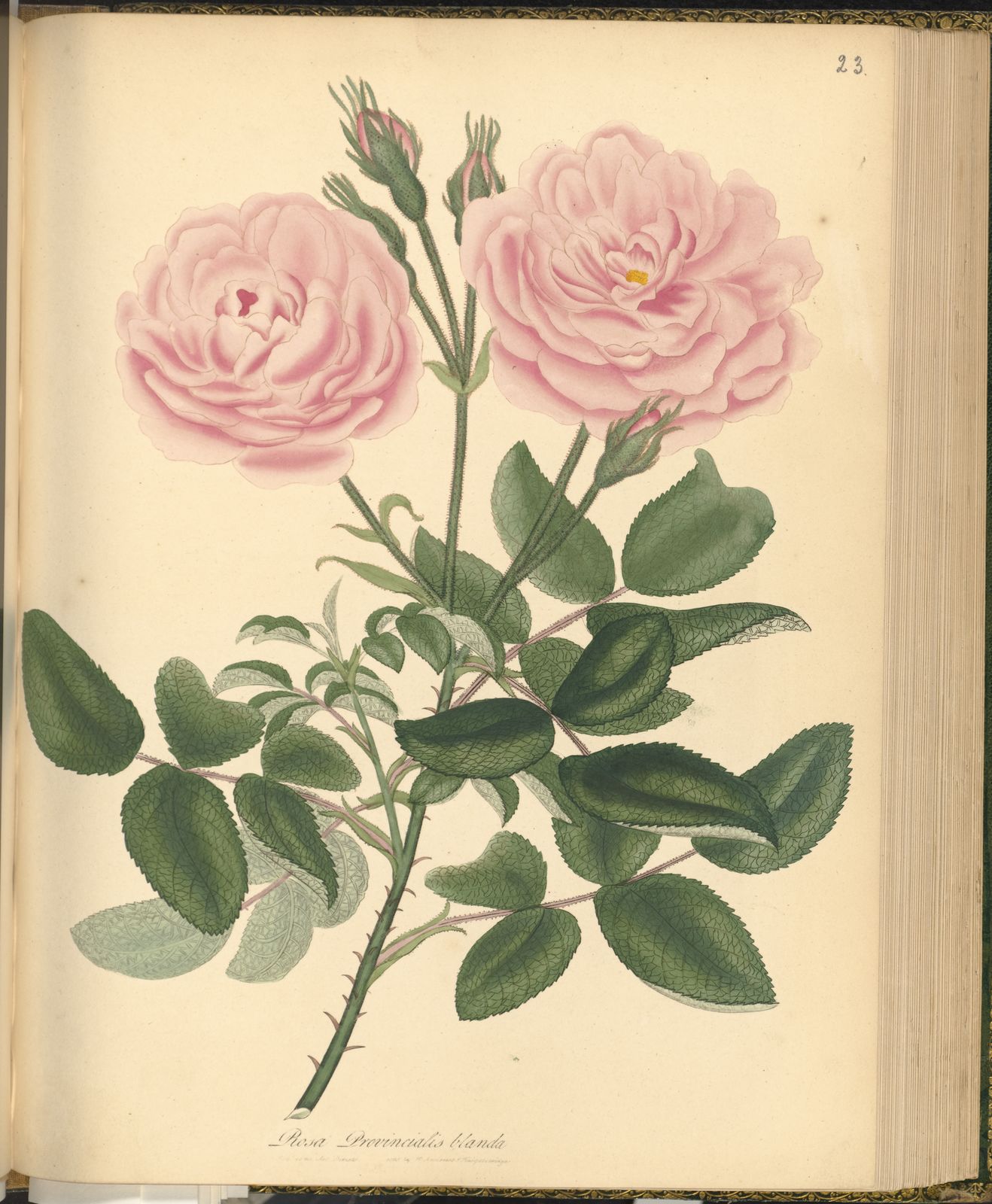
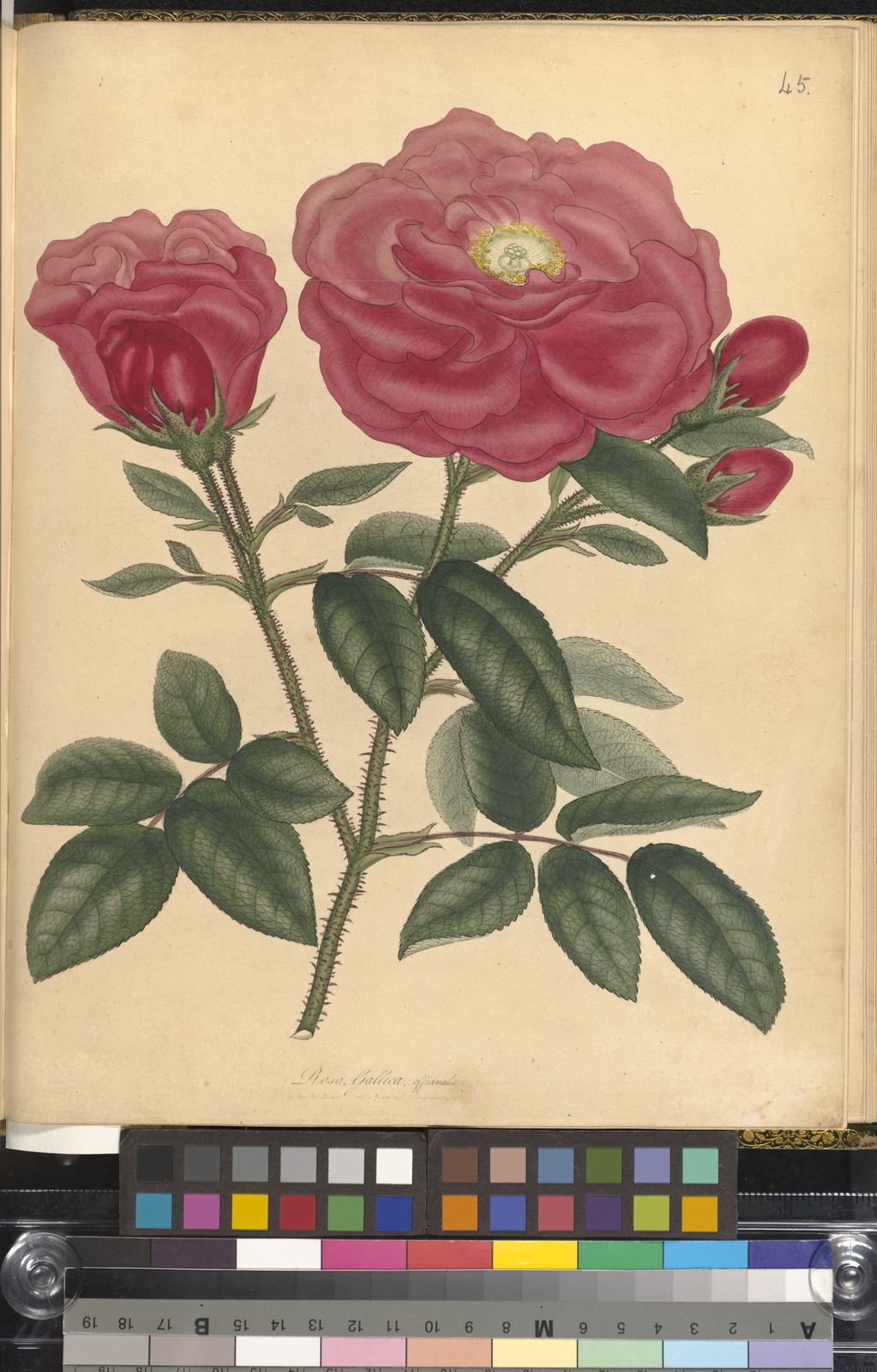
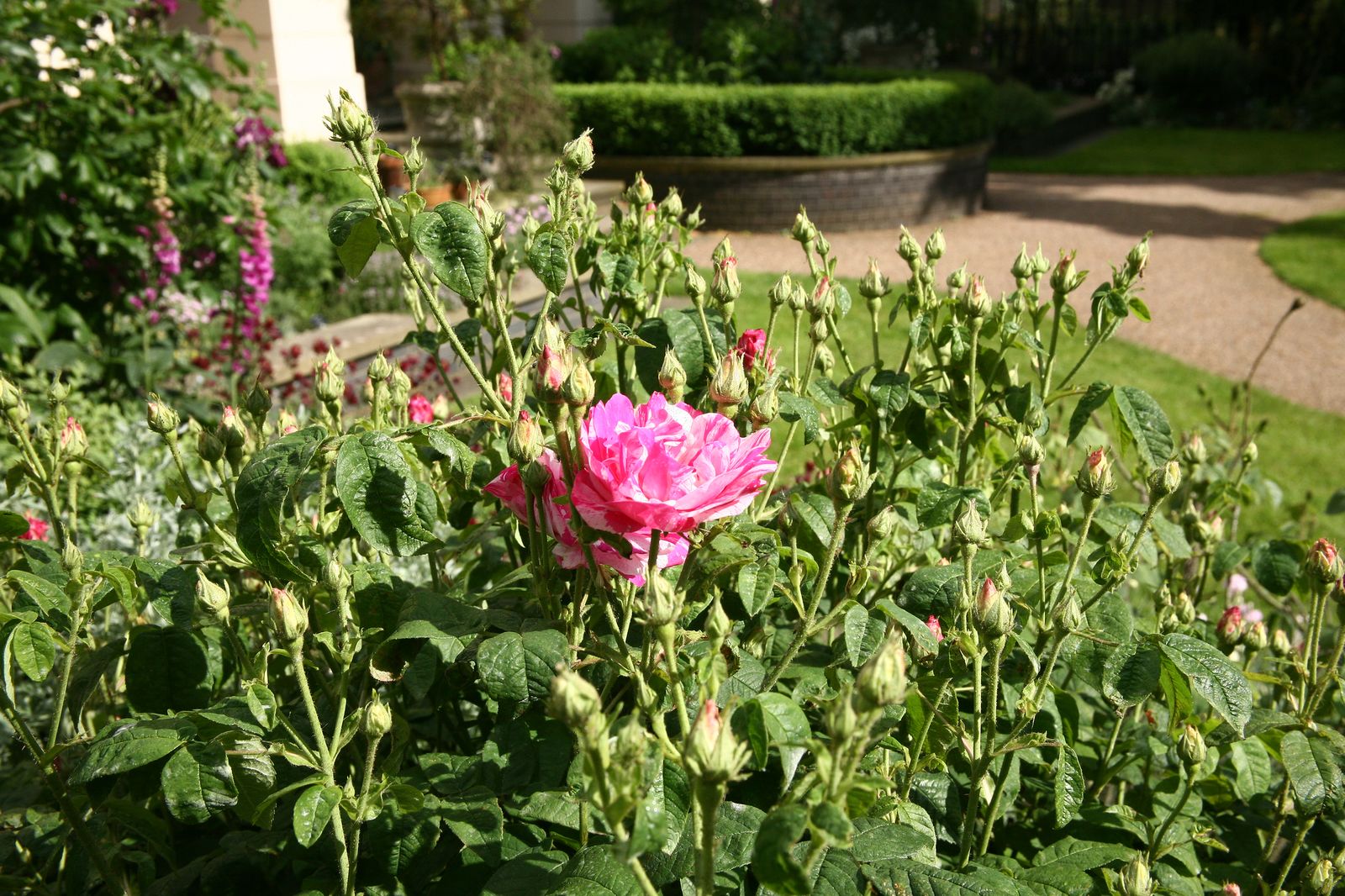
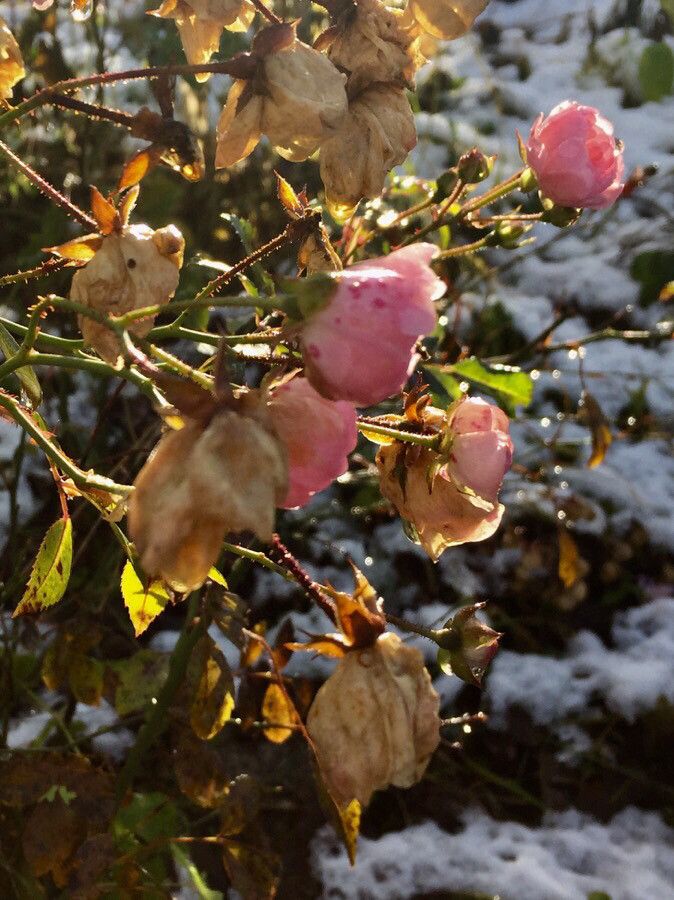
© photo
(c) Roberto Sindaco, some rights reserved (CC BY-NC-SA), uploaded by Roberto Sindaco · cc-by-nc-sa
Sashko · cc0
Wikimedia Commons · CC BY-SA or Public Domain
Taken Apr 12, 2021 by pedro luis (cc-by-sa)
Taken Aug 15, 2006 by Photoflora - Bernard TILLY (©)
Taken May 20, 2020 by Aaron Harp (cc-by-sa)
Taken Nov 17, 2021 by Ana Xavier (cc-by-sa)
Taken Aug 3, 2020 by Giode Tonpino (cc-by-sa)
© copyright of the Board of Trustees of the Royal Botanic Gardens, Kew.




Global distribution
POWO records Rosa gallica as native to France and much of central and southern Europe, extending to Türkiye, the Caucasus and Iraq. North American, New Zealand and Australian occurrences mainly represent introductions or naturalization.
- Native7
- Introduced5
- France
- Germany
- Switzerland
- Italy
- Balkans
- Türkiye
- Caucasus
- Great Britain
- United States
- Canada
- New Zealand
- Australia
Hexagons: regions where the plant occurs. Green dots: native range.1
Identity
Provence rose (Rosa gallica L., 1753) is a rose species described by Linnaeus. POWO, GBIF and World Flora Online accept it as a species of Rosa in the Rosaceae family. English names also include French rose and Gallic rose. 1 2 3
Two overlapping identities need to be distinguished. Rosa gallica is a wild or naturalized species, native to France and widespread across Europe. The Gallica group, by contrast, includes old cultivated roses often derived from selected, hybrid or clonal forms. 1 9
The names rose of Provins and apothecary's rose often refer specifically to the historical Rosa gallica var. officinalis, or cultivar Officinalis, rather than every wild population of the species. RHS describes this form as a small, strongly fragrant bush rose with semi-double crimson-pink flowers. 7
Recognition
Low to medium in height, Rosa gallica is a deciduous rose often more compact than tall wild dog roses. RHS describes Gallicas as compact, prickly shrubs with dull green foliage and usually fragrant, single to double flowers borne in small clusters in midsummer. 6
Garden height varies from about 30 cm to 1.5 m (1 to 5 ft) with form, soil and management. Cultivars may stay around 90 cm (3 ft), as RHS records for Rosa gallica var. officinalis, while established own-root plants spread through their rootstock and suckers. 7 10
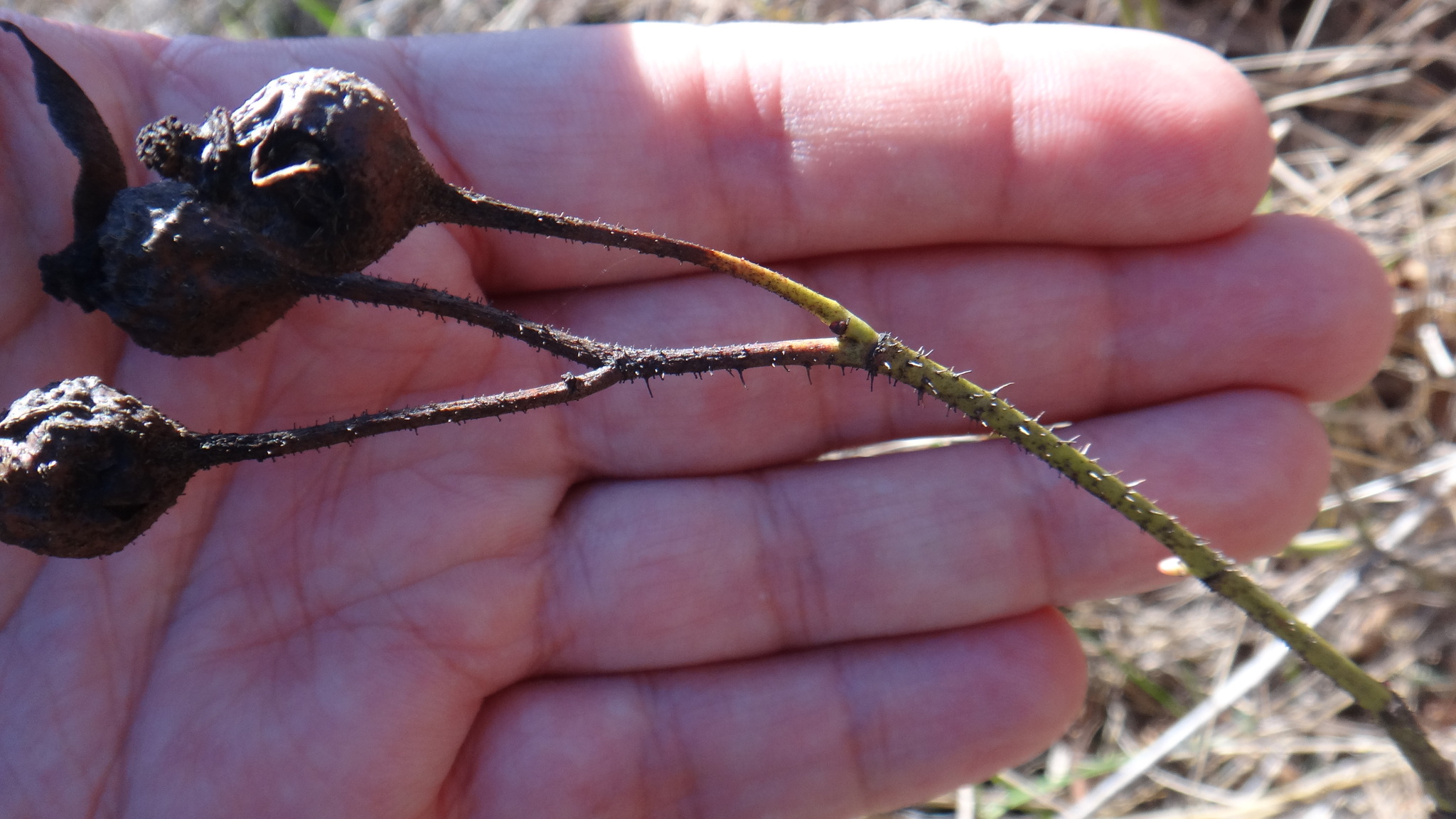
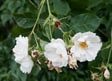
Compound leaves have green, fairly matte, toothed leaflets. Stems carry variable prickles. Flowers range from pink to red, with purple or striped forms among cultivars. Single flowers reveal yellow stamens; old semi-double and double forms stand out for their dense petals and fragrance. 6 9
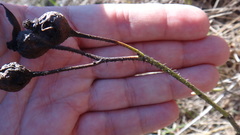
Red to orange hips develop only when flowers are pollinated and not deadheaded too early. Historic rose gardens often favor a brief but spectacular main flush over the continuous flowering expected of modern roses. 7 11
Taxonomy and names
For the species, the botanical name is Rosa gallica L. POWO lists extensive synonymy, reflecting the complicated history of European roses: forms, varieties, hybrids and cultivars were often named separately in old catalogs. 1
GBIF confirms species rank and publication in Species Plantarum, and records names including French rose, Gallic rose, Apothecary rose and Red Rose of Lancaster. Common names help gardeners, but cannot replace an accurate botanical or cultivar label. 2
With Officinalis, a useful distinction is to reserve Rosa gallica for the species and use Rosa gallica var. officinalis or Rosa gallica 'Officinalis' for apothecary's rose. RHS describes strongly scented, semi-double crimson-pink flowers about 8 cm (3 in) across, followed by oval orange-red hips. 7
Heritage Gallicas include Versicolor, also called Rosa Mundi, Cardinal de Richelieu, Tuscany Superb, Duchesse de Montebello and Charles de Mills. These horticultural labels help identify a garden purchase; they should not be confused with protected wild populations. 9 6
Native range and status in France
France forms part of the native range recorded by POWO, together with much of central and southern Europe, the Balkans, Türkiye, the Caucasus and Iraq. POWO also records introductions in regions including Great Britain, North America, New Zealand and Australia. 1
Flora of North America treats Rosa gallica as introduced in North America and native to central and southern Europe and western Asia. A rose can therefore belong to France's natural heritage while being introduced elsewhere. 8
Tela Botanica records French names including rosier de France, rosier de Provence and rosier de Provins, and links the species to its INPN record. Its status page connects Rosa gallica with the list of plant species protected throughout France. 4 5
For French wild populations, protection means leaving plants in place. Choose a nursery-grown rose for the garden, ideally labeled with species or cultivar. Old horticultural forms preserve the cultural interest without endangering natural sites. 5 10
Growing conditions and position
Choose an airy, sunny position with deep, fertile, well-drained soil. RHS recommends a sunny site for roses, soil improved with organic matter and watering at the base, especially during establishment. 10
Once established, Rosa gallica can suit a relatively low-water garden, but flowering improves if the soil does not dry out completely while buds develop. A light organic mulch helps buffer moisture fluctuations without being packed against the crown. 10
Container growing is possible for a young plant or a heritage cultivar, using a large, deep, heavy pot with drainage. A potted rose depends more on watering and feeding, and leaf diseases become conspicuous quickly when air circulation is poor. 10 13
In a bed, spacing can prevent problems more effectively than late corrective spraying. Compact Gallicas combine well with low sun-loving perennials, aromatic plants for drained soil and borders that do not crowd the crown. 6
Suckers, pruning and propagation
Old roses can widen over time. On an own-root plant, suckers can expand the clump or propagate the clone; on a grafted rose, shoots from the rootstock must be identified and removed at their base. 10
Keep pruning proportionate to the flowering habit. RHS distinguishes shrub roses by their bloom pattern. On a Gallica with one main flush, hard pruning before flowering can remove wood carrying buds. 11
A cautious routine removes dead or diseased wood in late winter, keeps an open framework and adjusts the shape after flowering if the clump becomes crowded. This preserves flowering and reduces damp pockets favorable to disease. 11 12
To preserve a cultivar, use cuttings, layering, grafting or identified suckers. Seed can be useful for the species but does not faithfully reproduce a historical rose such as Officinalis or Versicolor. 10 9
Rose of Provins, fragrance and cultivars
The rose of Provins has a long place in French horticultural history. Historic Roses Group explains that Rosa gallica is native to central and southern Europe, including France, and that Officinalis was grown commercially around Provins for cosmetic, medicinal and culinary purposes from the late 13th century. 9
RHS describes Rosa gallica var. officinalis as a very old, strongly fragrant rose flowering once in early summer, followed by small orange-red hips. The name apothecary's rose reflects this history of use; it does not establish a modern medicinal application. 7
Traditional uses recorded by Flora of North America include tonics, mild astringents, eyewashes and remedies for digestive or mucous membrane complaints. This is historical, ethnobotanical information rather than medical advice, especially for a treated or uncertainly identified ornamental plant. 8 4
Gallica cultivars are not uniformly red. Flowers can be pale pink, purple, crimson or striped. Fragrance quality, flower form, susceptibility to black spot and suckering vary between clones, making the nursery label essential. 9 6
Toxicity, uses and precautions
ASPCA's entry for Rose, Rosa species classifies true roses as non-toxic to dogs, cats and horses. This includes Rosa gallica within the genus Rosa. 15
Practical hazards remain despite that classification. Prickles scratch, internal rose-hip hairs can irritate and garden roses may have been treated. Eating large amounts of leaves, petals or hips can also cause nonspecific digestive upset without a rose-specific poison. 15 10
Historical perfume, food and medicinal uses need to be distinguished from present-day practice. Tela Botanica includes precautions for ethnobotanical uses and advises consulting a professional before medicinal use. These records do not justify recommending a therapeutic preparation. 4
French protection rules also exclude wild collection of Rosa gallica. Petals for decoration or fragrance should come from clearly identified, untreated cultivated plants produced for that purpose. 5
Diseases and monitoring
For Rosa gallica, RHS lists possible susceptibility to rose black spot, rust, replant disease, dieback and powdery mildew. These fit the familiar disease pattern of old roses, in which wet foliage and stagnant air are major risk factors. 6 12
Black spot causes dark leaf markings followed by progressive defoliation. RHS and University of Illinois stress hygiene: remove affected leaves, clear infected debris from the base and avoid watering that wets foliage. 12 14
Clemson also describes the main rose diseases: black spot, powdery mildew, rust, cankers and botrytis. Very double heritage flowers can brown or rot more quickly under continuous rain because tightly packed petals dry slowly. 13
Observation and measured tolerance guide the first response to aphids and sawflies. A vigorous rose often tolerates small attacks. Avoid excess nitrogen, pruning that crowds the center and dense planting against a damp wall. 10 13
Look-alikes
Distinguishing species, variety and cultivar resolves a common confusion. A rose labeled Rosa Mundi, Officinalis or Cardinal de Richelieu belongs to the world of heritage Gallicas but is not necessarily the typical wild form of Rosa gallica. 9 7
Other fragrant old roses can also cause confusion. Rosa × centifolia and Rosa × damascena may be strongly scented and historically significant, but POWO and horticultural references distinguish them from Rosa gallica. “Old rose” alone is insufficient identification. 1 6
Identifying wild roses in France requires several features together: leaves, prickles, sepals, hairs, glands, habit, flowers and hips. At a wild site, observe and photograph the plant, and seek a local botanical identification if needed, rather than collecting it. 4 5
For garden care, the useful question is often simpler: is this a compact, fragrant Gallica with reliable labeling and little or no repeat flowering? If so, treat it as a sun-loving old rose and expect a short but memorable main flowering season. 11 6
Main sources
Taxonomic and distribution references chiefly comprise POWO, GBIF, World Flora Online, Flora of North America and Tela Botanica. 1 2 3 8 4
French legal status and collection precautions are documented through Tela Botanica's status page. 5
Horticultural descriptions, growing requirements, pruning and diseases are documented by RHS, Clemson and University of Illinois. 6 7 10 11 12 13 14
Historic Roses Group and RHS document heritage cultivars and the rose of Provins. Animal toxicity information follows ASPCA's entry for the genus Rosa. 9 15
- Plants of the World Online / Kew, Rosa gallica L.
- GBIF Backbone Taxonomy, Rosa gallica L.
- World Flora Online, Rosa gallica L.
- Tela Botanica eFlore, Rosa gallica L.
- Tela Botanica eFlore, status of Rosa gallica
- Royal Horticultural Society, Rosa gallica (G)
- Royal Horticultural Society, Rosa gallica var. officinalis
- Flora of North America, Rosa gallica
- Historic Roses Group, Gallicas
- Royal Horticultural Society, How to grow roses
- Royal Horticultural Society, Rose pruning: shrub roses
- Royal Horticultural Society, Rose black spot
- Clemson Cooperative Extension HGIC, Rose Diseases
- University of Illinois Extension, Black Spot
- ASPCA, Rose toxicity entry
Frequently asked questions
Is Rosa gallica a wild species or an old garden rose?
Both descriptions apply at different levels. Rosa gallica L. is an accepted botanical species in POWO, native to France. The Gallica group also includes many old cultivars derived from or close to this species, such as Officinalis and Versicolor.
Does rose of Provins mean exactly Rosa gallica?
In horticultural use, rose of Provins often means Rosa gallica var. officinalis or the cultivar Officinalis, the apothecary's rose. Use Rosa gallica for the species and Officinalis for the historical cultivated form.
Is Rosa gallica protected in France?
Yes. Tela Botanica records a national regulatory status for Rosa gallica in metropolitan France. Buy nursery-grown plants rather than collecting any wild material.
Is it toxic to cats or dogs?
ASPCA lists Rose, Rosa species, as non-toxic to cats, dogs and horses. The main concerns are prickles, treatments and the internal hairs of rose hips.
Should I prune before or after flowering?
For an old Gallica, hard pruning before flowering is rarely helpful. Remove dead wood in late winter, then adjust the shape after flowering to preserve wood carrying buds.
Why does my Gallica rose produce suckers?
Many old roses spread through shoots, especially on their own roots. Keep useful suckers to develop a clump, or remove unwanted ones early outside the intended area.
Is Rosa Mundi a Rosa gallica?
Rosa Mundi generally refers to Rosa gallica var. versicolor or a striped Gallica cultivar. It is a historical rose associated with the group, rather than the typical wild form.
Can the petals be used in food or skin care?
Apothecary's rose has a history of perfume, medicinal and culinary uses. Consumption and therapeutic use are not recommended without reliable identification, freedom from treatments, compliance with applicable law and competent advice.
Similar plants
If you are unsure about a plant’s toxicity, ask a botanist or veterinarian for advice.