
Arctic raspberry (Rubus arcticus, )
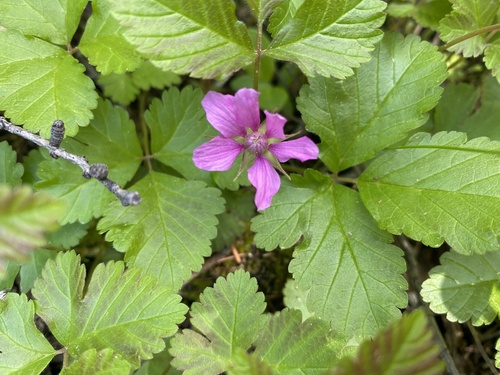
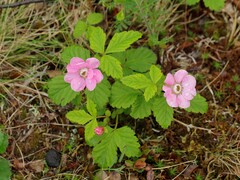
Arctic raspberry (Rubus arcticus L., 1753), also called Arctic bramble or mesimarja in Finland, is a thornless subshrub in the Rosaceae family, native to cool bogs and heaths across the boreal Northern Hemisphere. Its low stems bear pink flowers followed by small, intensely fragrant dark red fruit. Long gathered in the wild, it has also been crossed with common raspberry to produce cultivated hybrids.
Read moreArctic raspberry, Arctic bramble, Nagoonberry and Mesimarja
Allow a few hours of direct sun per day, preferably morning or evening.
Prefers full sun; tolerates partial shade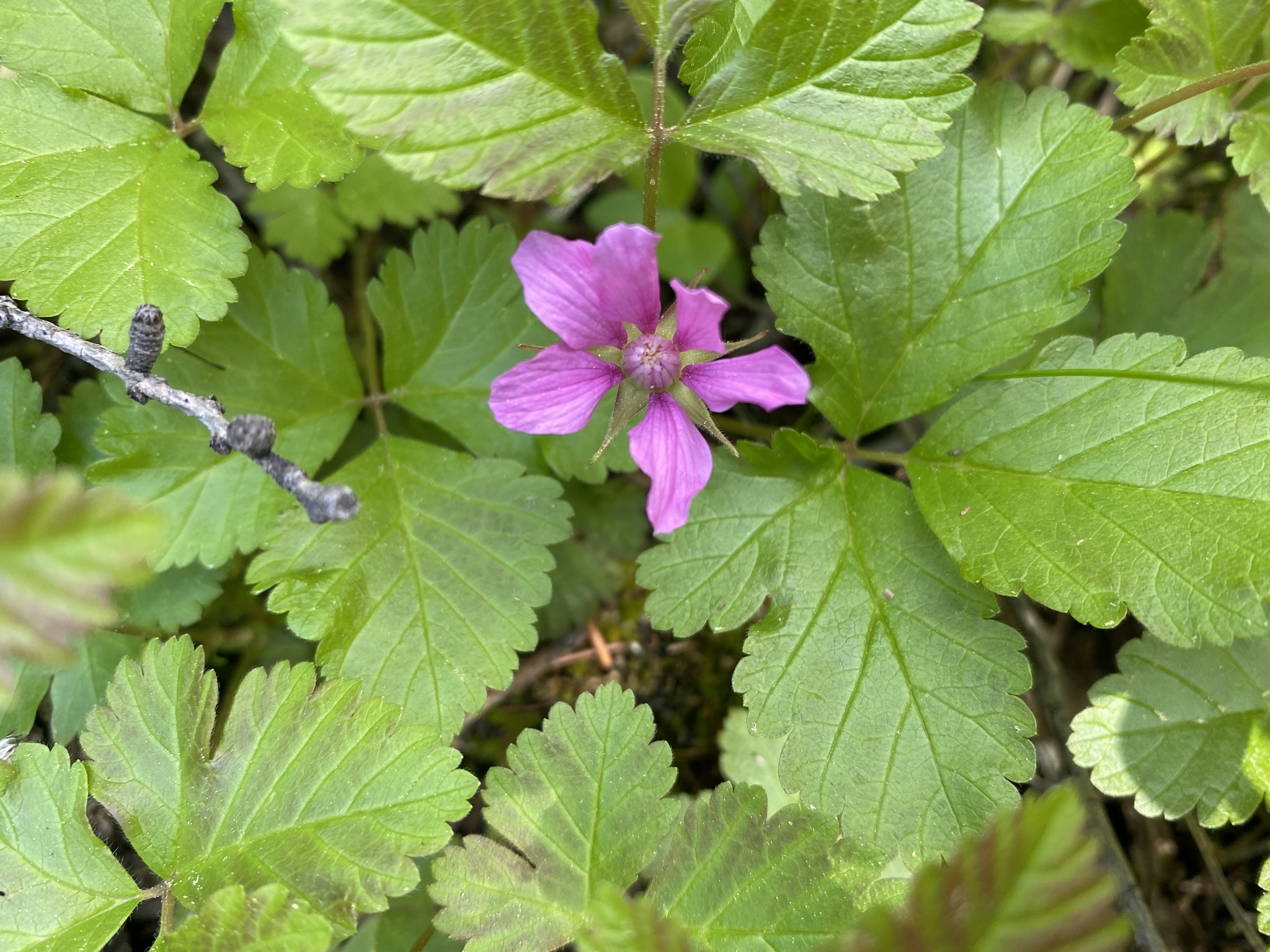
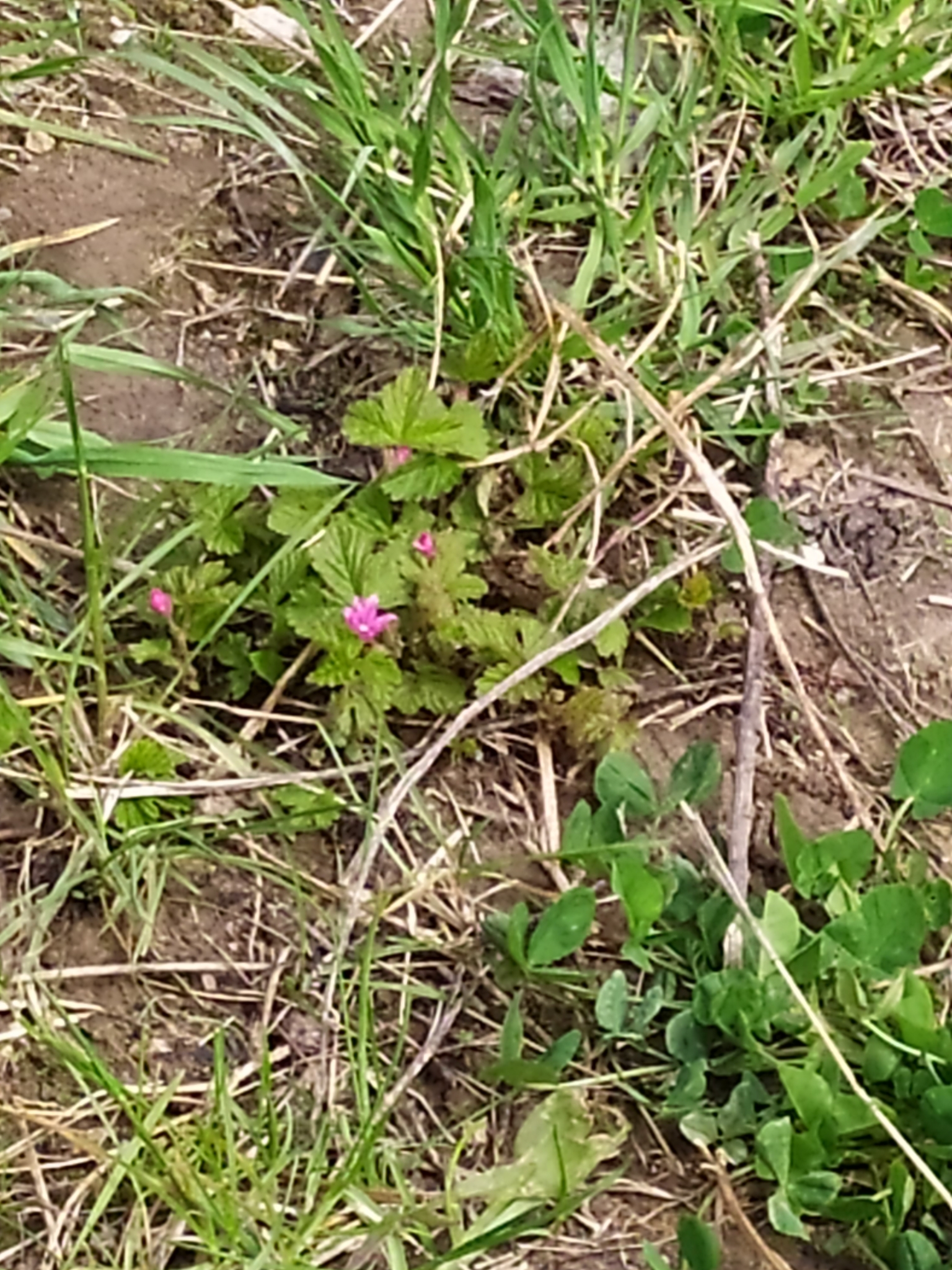
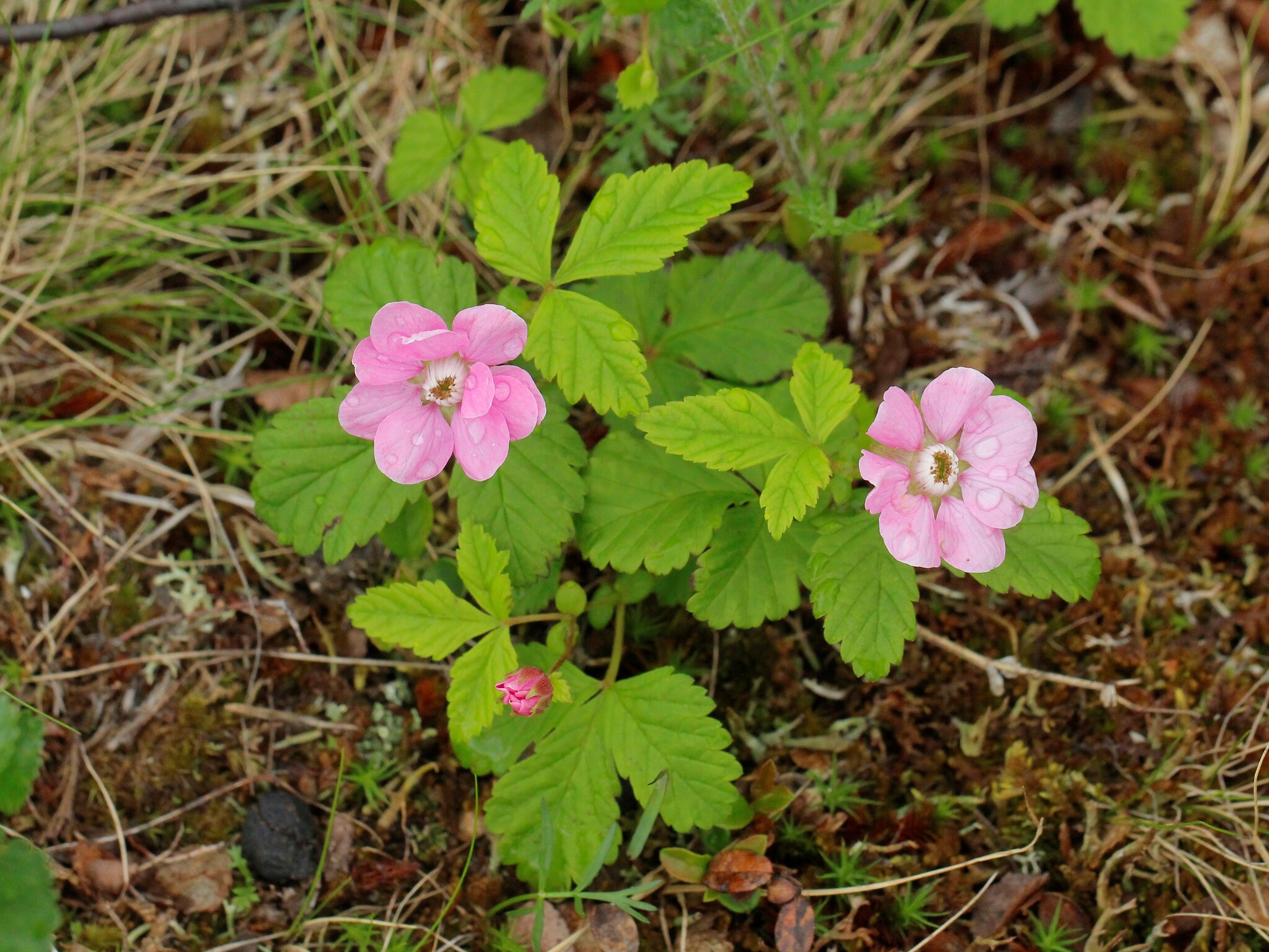

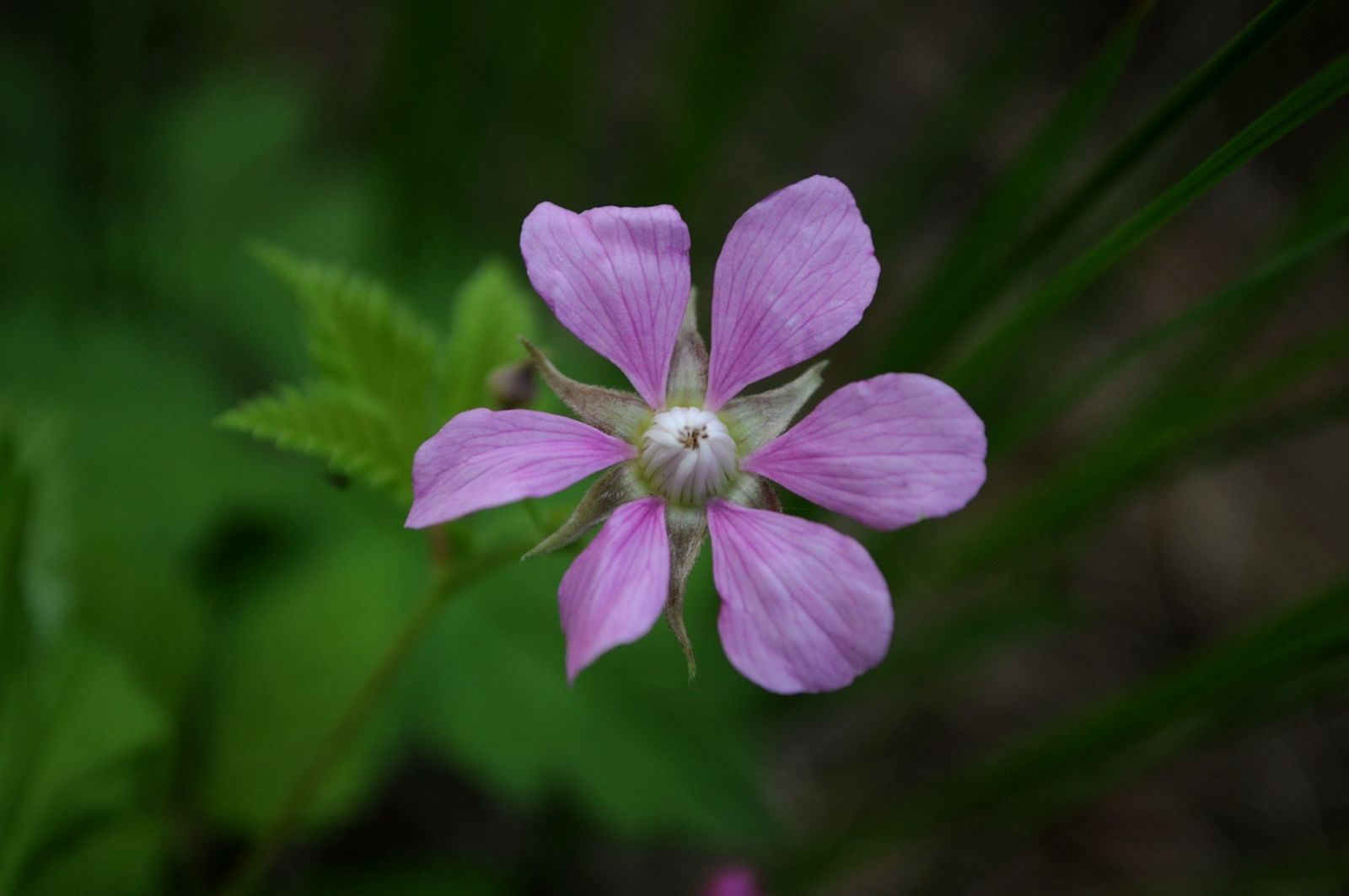
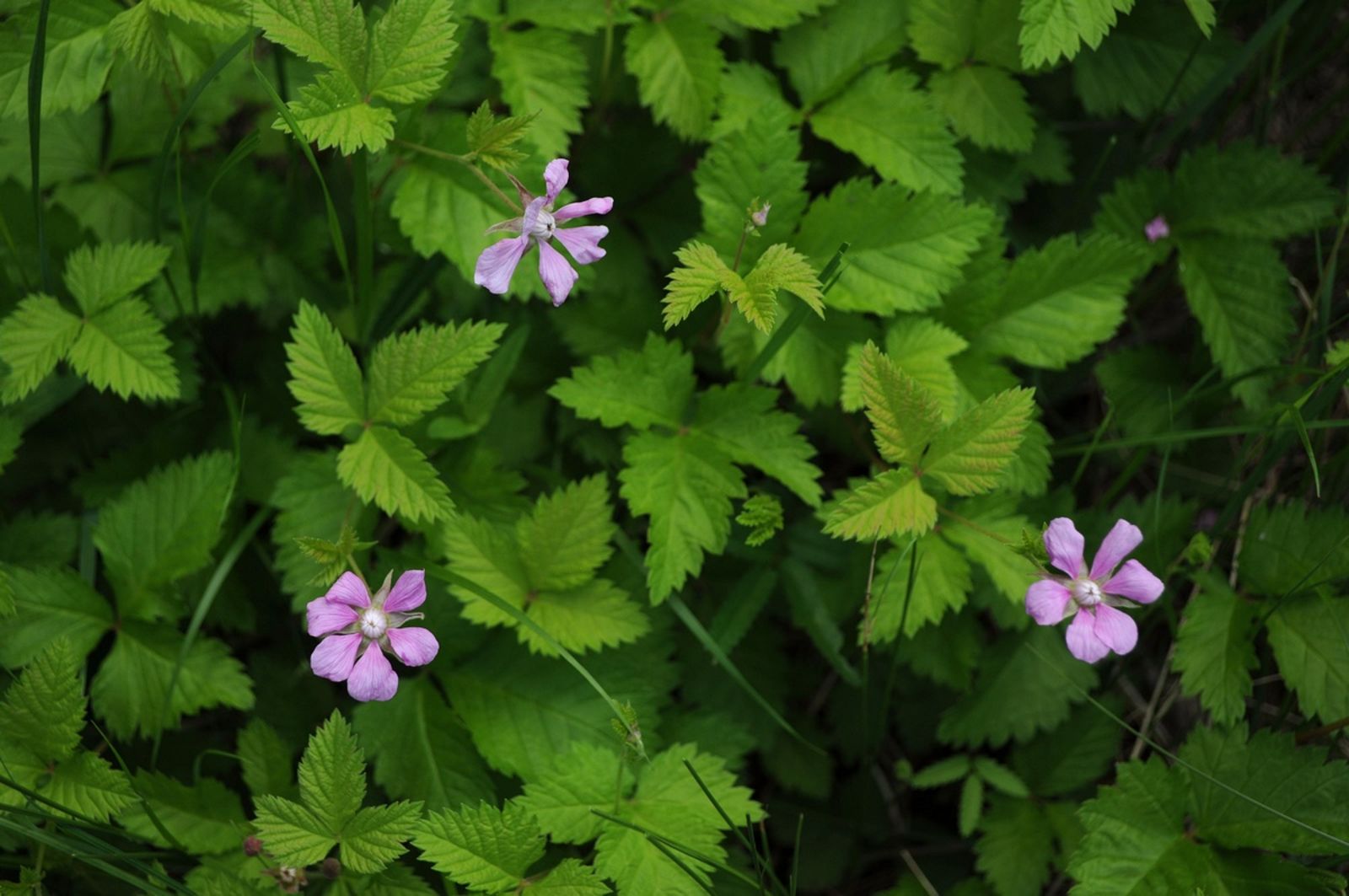
© photo
(c) jcarisalyn, some rights reserved (CC BY-NC) · cc-by-nc
ll r Ирина · cc-by
Иван Пристрем · cc-by
Taken Aug 4, 2022 by #MaryKingfishers MK (cc-by-sa)
© copyright of the Board of Trustees of the Royal Botanic Gardens, Kew.


Global distribution
Arctic raspberry occupies a continuous circumboreal range from Scandinavian and Russian bogs to North American peatlands and the mountains of northern Japan. It disappeared from the wild in Scotland around the middle of the nineteenth century, a documented local extinction unrelated to naturalization elsewhere.
- Native8
- Finland
- Sweden
- Norway
- Russia
- Poland
- Canada
- United States (Alaska)
- Japan
Hexagons: regions where the plant occurs. Green dots: native range.1
Identity
Arctic raspberry (Rubus arcticus L., 1753), also called Arctic bramble or nagoonberry, is a perennial subshrub in the genus Rubus, family Rosaceae. In Finland it is known as mesimarja, a commercial name familiar through Nordic berry liqueurs. 1 2
Cloudberry, another inhabitant of boreal bogs, is a frequent source of confusion. The French name “mûre arctique” usually refers to Rubus chamaemorus, whose ripe fruit turns amber. Arctic raspberry instead keeps dark red to purple fruit, never orange. 2
A Russian name for Arctic raspberry translates as “berry of princes.” It alludes to the berry's rarity and fragrance, considered finer than that of common raspberry.
Recognition
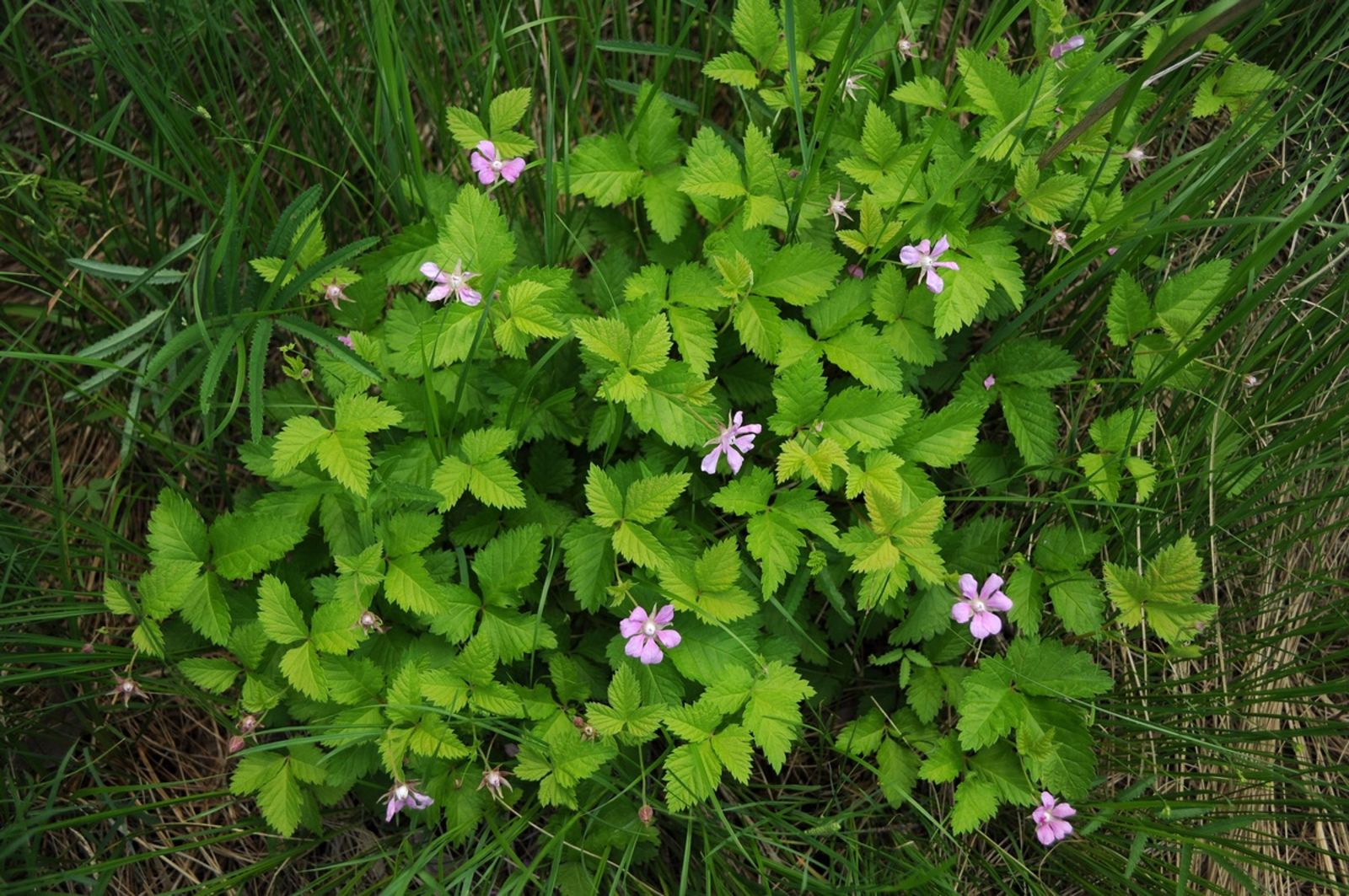
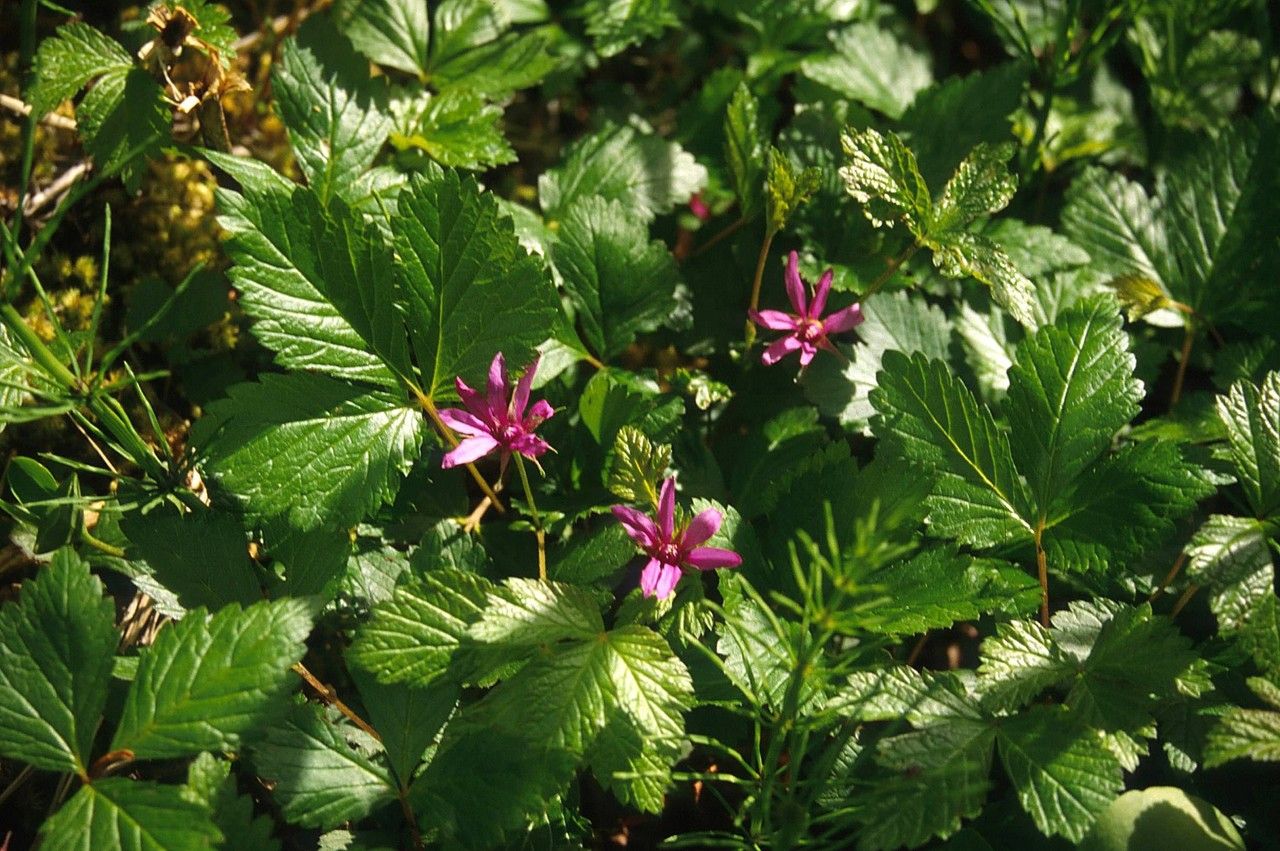
Low, thornless growth distinguishes Rubus arcticus. Its slightly woody base supports slender annual stems 10–50 cm (4–20 in) tall, with bright green, three-part leaves. The toothed leaflets resemble those of strawberry or common raspberry. 3 4
Pink to purplish-pink flowers reach 2.5 cm (1 in) across. In northern temperate conditions they open in June and July, singly or in groups of two or three in the upper leaf axils. The dark red to purple aggregate fruit measures at most 1 cm (0.4 in) across, comprising 10–30 small drupelets with a sweet, pineapple-like aroma. 3 4
Ripe fruit color offers a practical distinction in gardens and in the wild: dark red fruit points to Rubus arcticus, while amber-orange fruit belongs to Rubus chamaemorus.
Useful taxonomy
Published in 1753, the accepted name Rubus arcticus L. is recognized by Plants of the World Online within Rosaceae. It describes the species' range as subarctic to subalpine. 1 2
Two recognized subspecies divide Rubus arcticus:
- Rubus arcticus subsp. arcticus, the Eurasian and eastern North American form
- Rubus arcticus subsp. stellatus (Sm.) B.Boivin, found in Alaska and the Russian Far East, with upright sepals and a loose, star-shaped fruit
Older publications also use historical names including Rubus acaulis Michx. and Rubus stellatus Sm., now treated within subspecies rather than as separate species. 1
Habitat and range
A continuous circumboreal belt encompasses the range of Arctic raspberry: Scandinavia, Russia, Poland and the Baltic countries in Europe; Canada and Alaska in North America; and northern Japan in Asia. 5 1
Cool bogs and heaths on acidic to neutral soils suit Rubus arcticus, often at open boreal woodland edges or in moist upland meadows near the southern edge of its range. Its disappearance from wild Scottish sites around the mid-nineteenth century is a documented local extinction. Globally, however, the IUCN lists it as Least Concern, with no comparable threat across the rest of its range. 6
Overharvesting and bog drainage remain recognized local pressures in several Nordic countries, despite the favorable global conservation assessment. 6
Wild populations are absent from metropolitan France. Arctic raspberry plants found in French gardens are almost always deliberate introductions rather than spontaneous populations.
Life cycle and reproduction
Dormant underground rhizomes carry Arctic raspberry through winter, sheltered from frost beneath snow or peat. New non-woody shoots emerge in spring. In its northern range, these flower in June–July and fruit from July to September, depending on latitude. 4
Cross-pollination between several plants substantially improves fruit formation, helping explain the poor yield of an isolated garden plant. Creeping rhizomes nevertheless provide the main means of natural spread, gradually forming dense clonal colonies rather than relying on seed dispersal. 4
Dividing rhizomes in spring or fall gives quick results and preserves the parent plant's characteristics. Seed propagation remains possible, but requires cold stratification and often slow germination. 4
Uses and risks
Intensely fragrant ripe berries are eaten fresh or made into jam. Finland's Lignell & Piispanen has produced mesimarja liqueur since 1882; the drink won a gold medal at the Paris Universal Exhibition in 1900. 8
No toxicity is documented for Arctic raspberry. ASPCA lists related Rubus plants as non-toxic to cats, dogs and horses, and the fruit itself is a traditional food. 7
A major crop-health concern is Raspberry bushy dwarf virus, identified in Rubus arcticus and its subspecies stellatus. It spreads mainly through vegetative propagation and complicates breeding programs. 9
Varieties, look-alikes and related plants
Scandinavian breeding has crossed Arctic raspberry with common raspberry (Rubus idaeus) to create nectar raspberry hybrids. These were selected for greater vigor and yield while retaining some of the wild parent's aroma. 10
The closest practical comparisons involve three other berry plants:
- Rubus chamaemorus, cloudberry, ripens to amber-orange rather than dark red;
- Rubus saxatilis, stone bramble, has smaller, tart red fruit and more creeping stems;
- young common raspberry plants can resemble it before flowers or fruit provide a clearer distinction.
Thornless growth, a solitary pink flower and dark red to purple ripe fruit together offer the most consistent way to distinguish Rubus arcticus from these relatives. Its ripe fruit is never amber.
Main sources
- Plants of the World Online / Kew, Rubus arcticus L.
- Integrated Taxonomic Information System, Rubus arcticus L.
- Royal Horticultural Society, Rubus arcticus
- Plants For A Future, Rubus arcticus - Arctic Bramble
- GBIF, Rubus arcticus L. occurrence and distribution data
- IUCN Red List, Rubus arcticus assessment (Maiz-Tomé, 2016)
- ASPCA, Creeping Rubus - non-toxic plant entry
- Lignell & Piispanen, Arctic Bramble Liqueur since 1882
- European Journal of Plant Pathology, Raspberry bushy dwarf virus new host arctic bramble
- Tandfonline, productivity and fruit quality of arctic bramble and hybrid arctic bramble
Frequently asked questions
Is Arctic raspberry the same as cloudberry?
No. The French name mûre arctique often refers to Rubus chamaemorus, or cloudberry, whose fruit turns amber-orange when ripe. Arctic raspberry produces distinctly different dark red to purple fruit.
Is Arctic raspberry toxic to cats or dogs?
No toxicity is documented. ASPCA lists related Rubus plants as non-toxic, and Arctic raspberry fruit is itself eaten without a known poisoning risk.
Why does Arctic raspberry produce so little fruit in gardens?
The species comes from climates with short, cool summers. Hot weather, soil that dries out or a young colony often limit fruit production even when flowering looks normal.
Can Arctic raspberry be crossed with common raspberry?
Yes. This cross produced nectar raspberry hybrids, selected in Scandinavia to combine Arctic raspberry aroma with the vigor of common raspberry.
Where does Arctic raspberry grow wild?
In bogs and wet heaths across the boreal belt, from Scandinavia and Russia to Canada, Alaska and northern Japan. It disappeared from the wild in Scotland around the middle of the nineteenth century.
How do you propagate Arctic raspberry in a garden?
Mainly by dividing rhizomes in spring or fall. Seed propagation is possible but slow, as the seeds need cold stratification before germination.
Similar plants
If you are unsure about a plant’s toxicity, ask a botanist or veterinarian for advice.