
Fava bean (Vicia faba, )
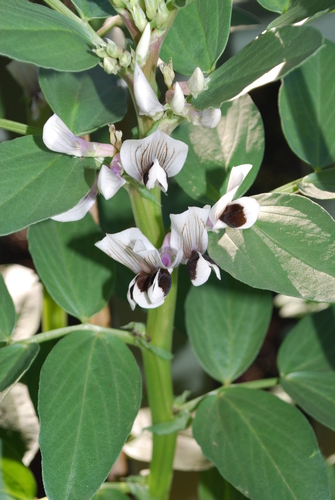
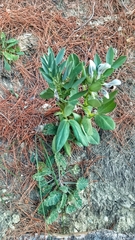
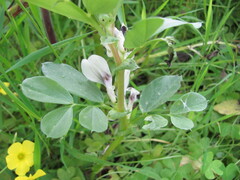
Fava bean (Vicia faba) is an annual vegetable legume in the Fabaceae family, grown for thousands of years for its large, protein-rich seeds. An upright, nitrogen-fixing cool-season crop, it is unknown in a strictly wild state. Its seeds are edible, but can trigger anemia in people affected by favism.
Read moreFava bean, Broad bean, Faba bean, Field bean, Horse bean and Tick bean
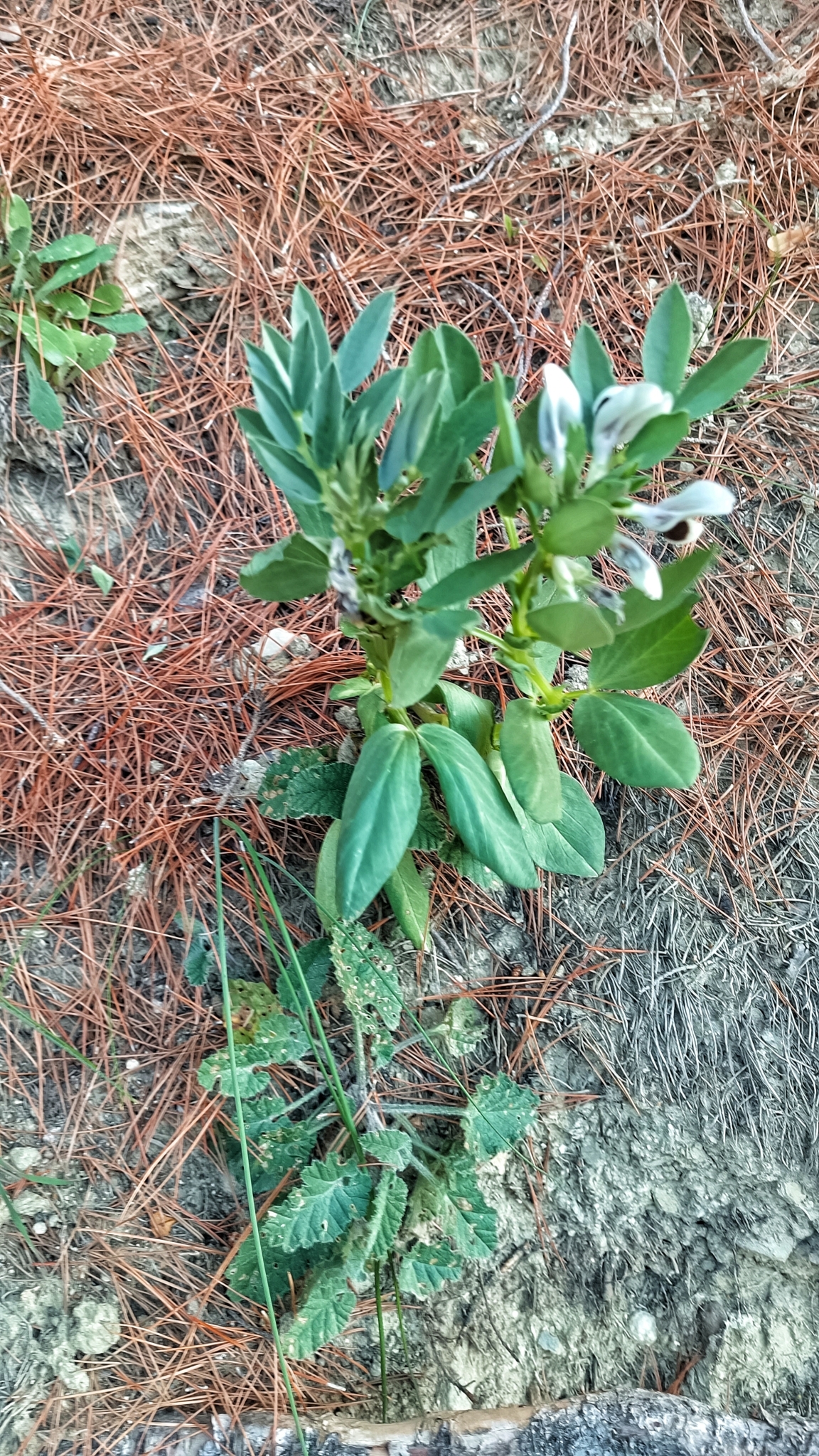
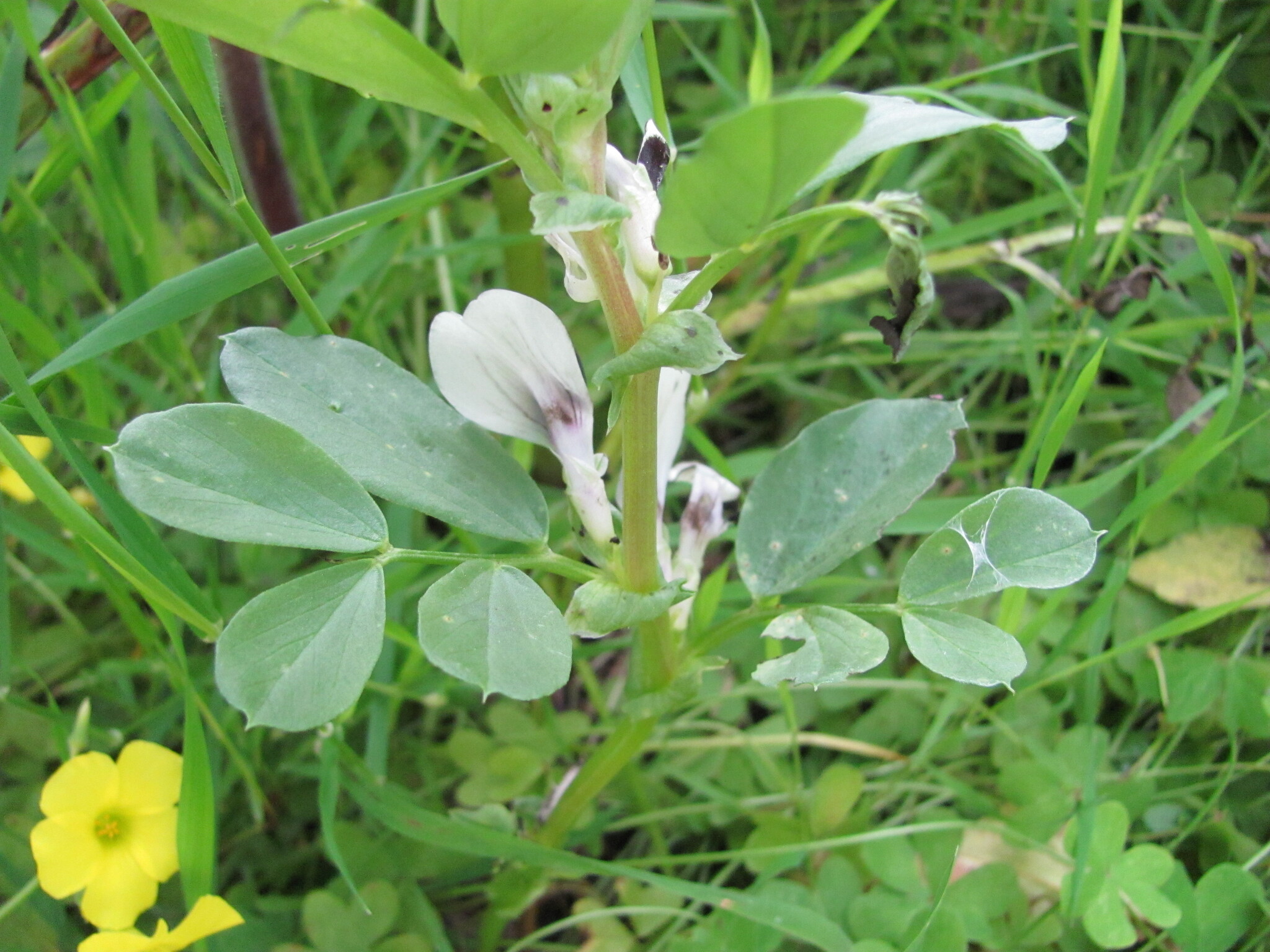


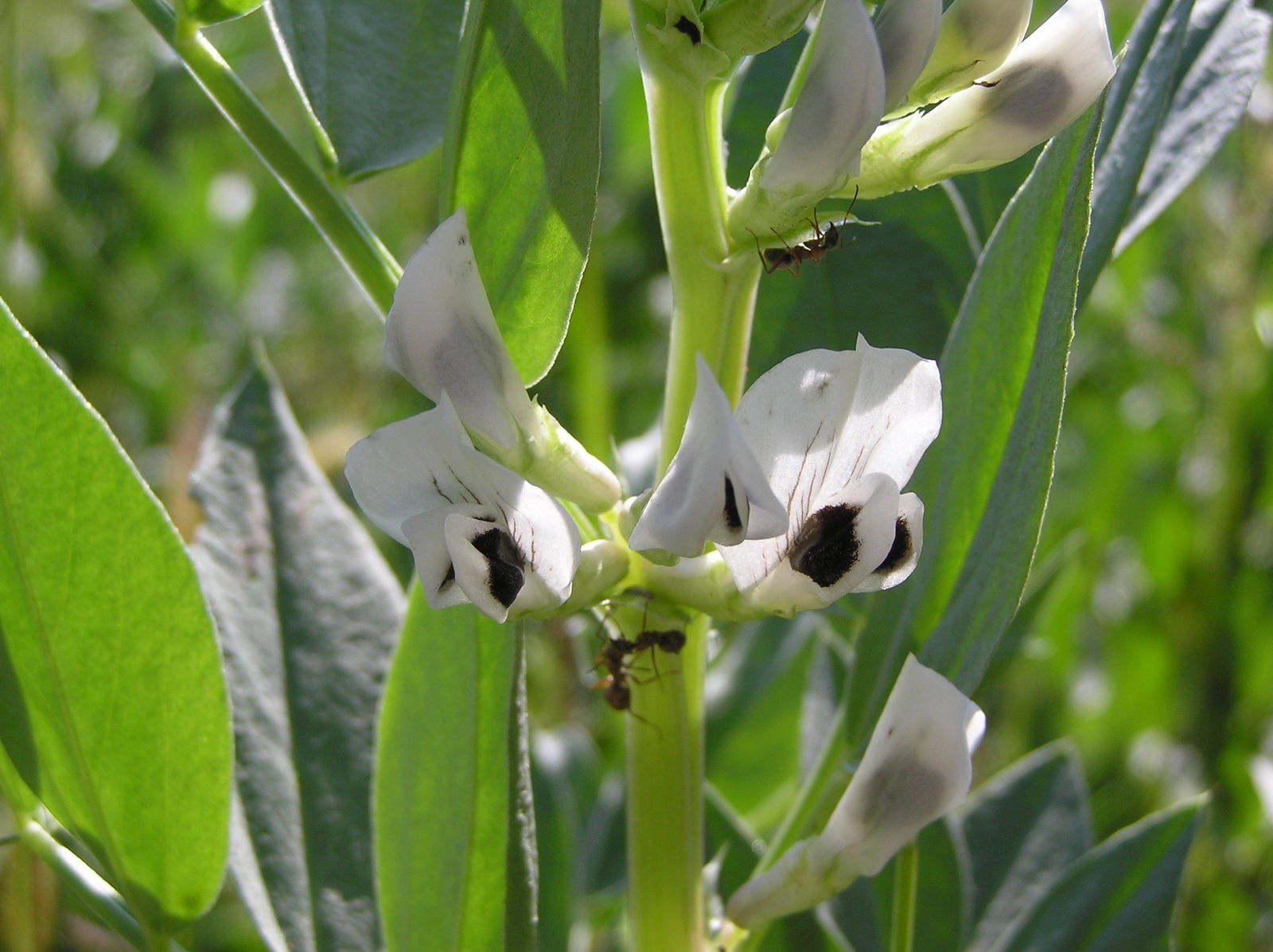
© photo
(c) John Poulakis, some rights reserved (CC BY-NC-SA) · cc-by-nc-sa
Lorenzo Emanuele Labate · cc-by
zebedeugalinha · cc-by
Taken Feb 26, 2015 by Tela Botanica − Liliane Roubaudi (cc-by-sa)
Taken Mar 15, 2020 by michele wertheim (cc-by-sa)
Taken Apr 9, 2022 by terzacentro (cc-by-sa)
Taken Apr 28, 2015 by Samuel Dufour-Kowalski (cc-by-sa)
© copyright of the Board of Trustees of the Royal Botanic Gardens, Kew.


Global distribution
Vicia faba is a cultigen unknown in a strictly wild state, and its wild ancestor has not been identified with certainty. Domestication began thousands of years ago in the Near East and eastern Mediterranean, from which cultivation spread to Europe, North Africa and Asia. Records everywhere refer to a cultivated plant rather than spontaneous wild vegetation.
Identity
Fava bean (Vicia faba L., 1753) is a vegetable legume in the Fabaceae family and the genus Vicia, which includes the vetches. Grown for thousands of years for its large, protein-rich seeds, it is an upright nitrogen-fixing annual, unknown in a strictly wild state. 1 3
Before common beans arrived from the Americas, Fava bean was Europe's principal legume. Names such as broad bean, faba bean, field bean, horse bean and tick bean refer to forms of the same species, with large or small seeds grown for food, forage or green manure. 2 6
Recognition
A robust, upright, distinctly square stem is the first clue to Vicia faba. With few branches, it often reaches 60 to 150 cm (2 to 5 ft), depending on variety and growing conditions. Its stiff, angular habit immediately separates it from climbing vetches in the same genus. 3 4
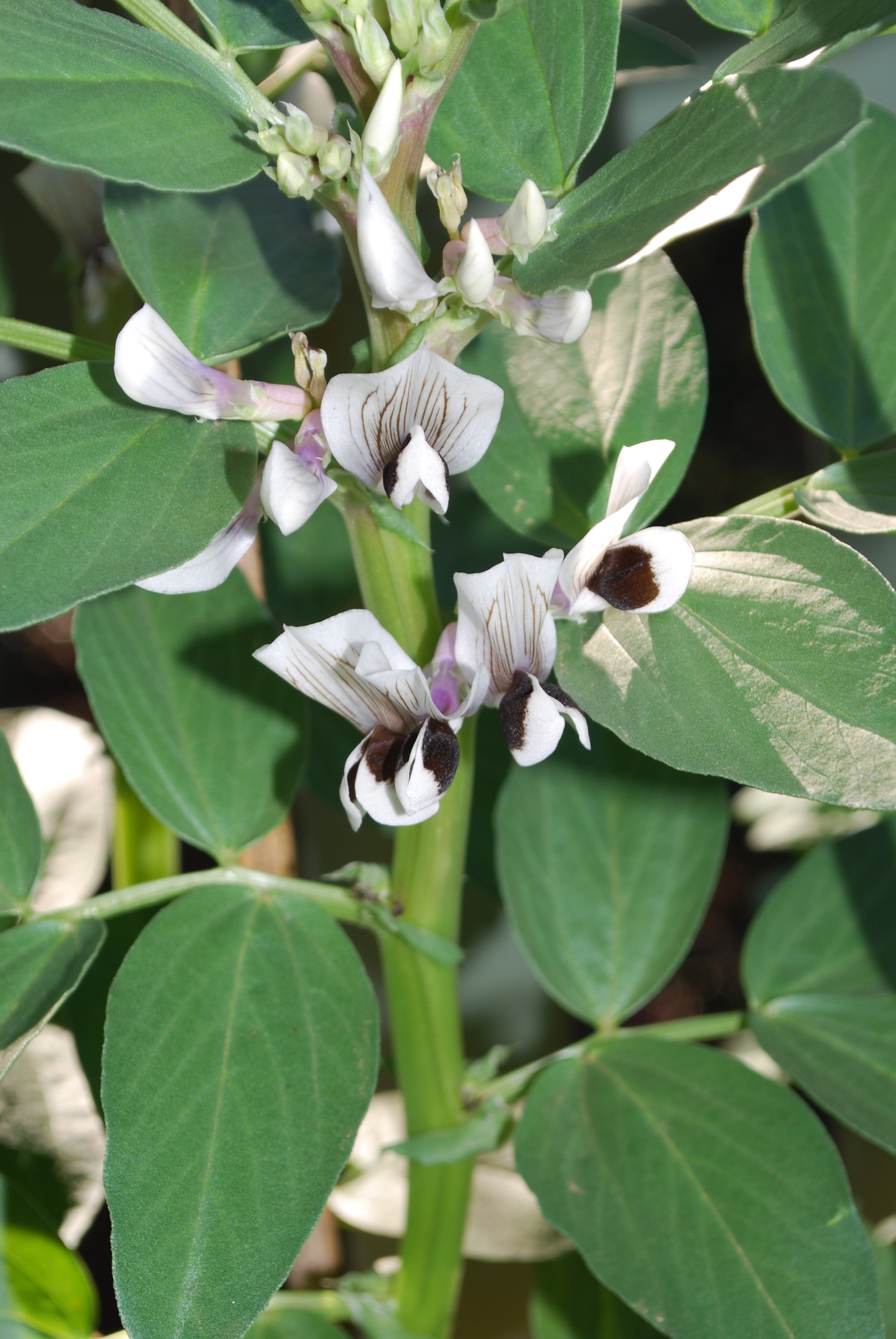
Compound leaves bear two or a few fleshy, gray-green leaflets and lack the developed terminal tendril of other Vicia. Typical pea-family flowers are white with a large black spot on the wing petals. They open in short clusters in the leaf axils. 3 6
After flowering, fleshy upright pods form in clusters along the stem. They contain large, flattened seeds, beige to green-brown and far larger than those of forage vetches. Belowground, root nodules house bacteria that fix nitrogen from the air. 6 5
Useful taxonomy
In 1753, Linnaeus described the species as Vicia faba L. The genus Vicia is large, and this crop has carried many historical names, often under the former genus Faba. Important synonyms include:
- Faba vulgaris Moench, historical synonym
- Faba sativa Bernh., historical synonym
- Faba major Desf., historical synonym
- Orobus faba (L.) Brot., historical synonym
- Vicia faba var. equina (Medik.) Pers., historical varietal synonym
The accepted scientific name, Vicia faba, provides a consistent reference. Horticultural distinctions between large-seeded broad beans and small, hard-seeded field beans concern cultivated types (var. major and var. minor or equina), rather than separate botanical species. 1 6
Habitat and range
A cultigen with no securely identified wild ancestor, Vicia faba does not occur in the wild. Domestication dates back thousands of years to the Near East and eastern Mediterranean, the likely center of the earliest cultivated forms. 1 3
Cultivation spread from that center across Europe, North Africa, Ethiopia and Asia, reaching China, where the crop has long been grown. Today it occupies both vegetable beds and large fields on deep, moist soil in sun. 6 3
Everywhere, its presence reflects deliberate sowing. Fava bean scarcely naturalizes and does not form part of spontaneous wild vegetation, clearly distinguishing it from wild vetches in the same genus. 4 1
Life cycle and reproduction
Cool conditions suit Fava bean. It tolerates 10 to 20 °C (50 to 68 °F) and brief frosts, but dry midsummer heat causes flowers to abort. In mild climates, sow in autumn for an early harvest; elsewhere, sow in late winter or early spring. 2 3
Bees and bumblebees provide most pollination of the white, black-spotted flowers at a time when few other plants are blooming. After fertilization, upright pods form and develop large, flattened seeds. Allow 90 to 150 days from sowing to harvest, depending on variety and climate. 4 5
Propagation relies entirely on direct sowing of the large seeds, which take two to three weeks to emerge. Once the first pods form, pinch out the shoot tips to direct growth toward the pods and remove the tender shoots favored by black bean aphids. Underground, nitrogen-fixing nodules enrich the soil for the next crop. 2 6
Uses and risks
Culinary use dominates: young fresh seeds are eaten raw or cooked, while dried seeds feature in many regional cuisines from the Near East around the Mediterranean. Rich in protein, Fava beans also supply iron, thiamine and riboflavin. The crop serves as green manure and forage, with small-seeded field-bean types grown mainly for those purposes. 3 6
A specific caution concerns vicine and convicine, glucosides in the seeds that can trigger hemolytic anemia in people with favism, an inherited deficiency of the G6PD enzyme. Fava beans remain a nourishing food for the general population; susceptible people need to avoid them, rather than the whole population treating them as unsafe. 3 4
Varieties, look-alikes and related plants
Cultivated selections all belong to the same species. Aguadulce is a long-podded bean for autumn sowing; Witkiem and Express are spring types. Gourgane denotes a large bean of northern vegetable gardens, while field beans include small, hard-seeded forms for forage and green manure. Check the type, hardiness and suitable sowing season before planting.
Other vegetable legumes cause the most frequent confusion:
- Pisum sativum, the pea, a tendril climber with round seeds;
- Phaseolus vulgaris, the common bean, originating in the Americas and sensitive to cold;
- Vicia sativa, common vetch, a wild climber with small seeds.
An upright square stem, large flattened seeds and white flowers with black spots provide the most reliable combination for confirming Fava bean, Vicia faba. 6 1
Main sources
Frequently asked questions
Are Fava beans toxic?
For the general population, Fava bean seeds are edible cooked or, when young, raw. People with favism, an inherited deficiency of the G6PD enzyme, can develop hemolytic anemia after eating them.
What is favism?
Favism is a reaction linked to genetic G6PD deficiency. In susceptible people, vicine and convicine in Fava beans destroy red blood cells and cause anemia. The rest of the population is not affected.
When should I sow Fava beans?
In mild climates, sow in autumn for an early spring harvest. Elsewhere, sow directly in late winter or early spring, as Fava bean is a cool-season plant.
Why pinch out Fava bean shoot tips?
Pinch out the stem tips once the first pods form. This directs growth toward the pods and removes the tender young shoots colonized by black bean aphids.
Do Fava beans really enrich the soil?
Yes. Their roots bear nodules where bacteria fix nitrogen from the air. This nitrogen benefits the next crop, making Fava bean a useful first crop in a rotation and a green manure.
Where did cultivated Fava beans originate?
They are a cultigen unknown in a strictly wild state, derived from ancient domestication in the Near East and eastern Mediterranean. They were long the main legume crop in Europe.
Which plants look like Fava bean?
Other vegetable legumes, especially peas and common beans, can cause confusion. The square stem, large flattened seeds and white flowers with a black spot are the best identifying features.
Similar plants
If you are unsure about a plant’s toxicity, ask a botanist or veterinarian for advice.