
Japanese wisteria (Wisteria floribunda, )
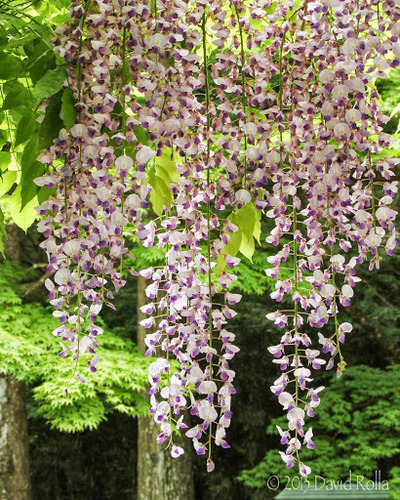

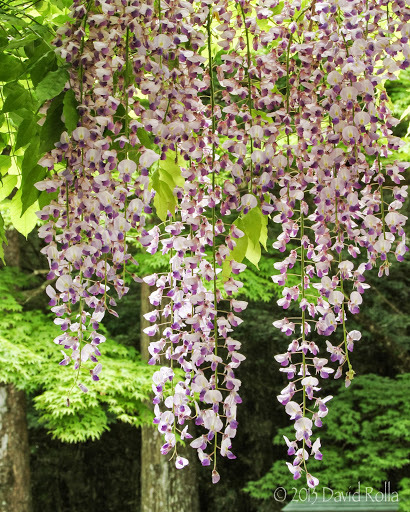
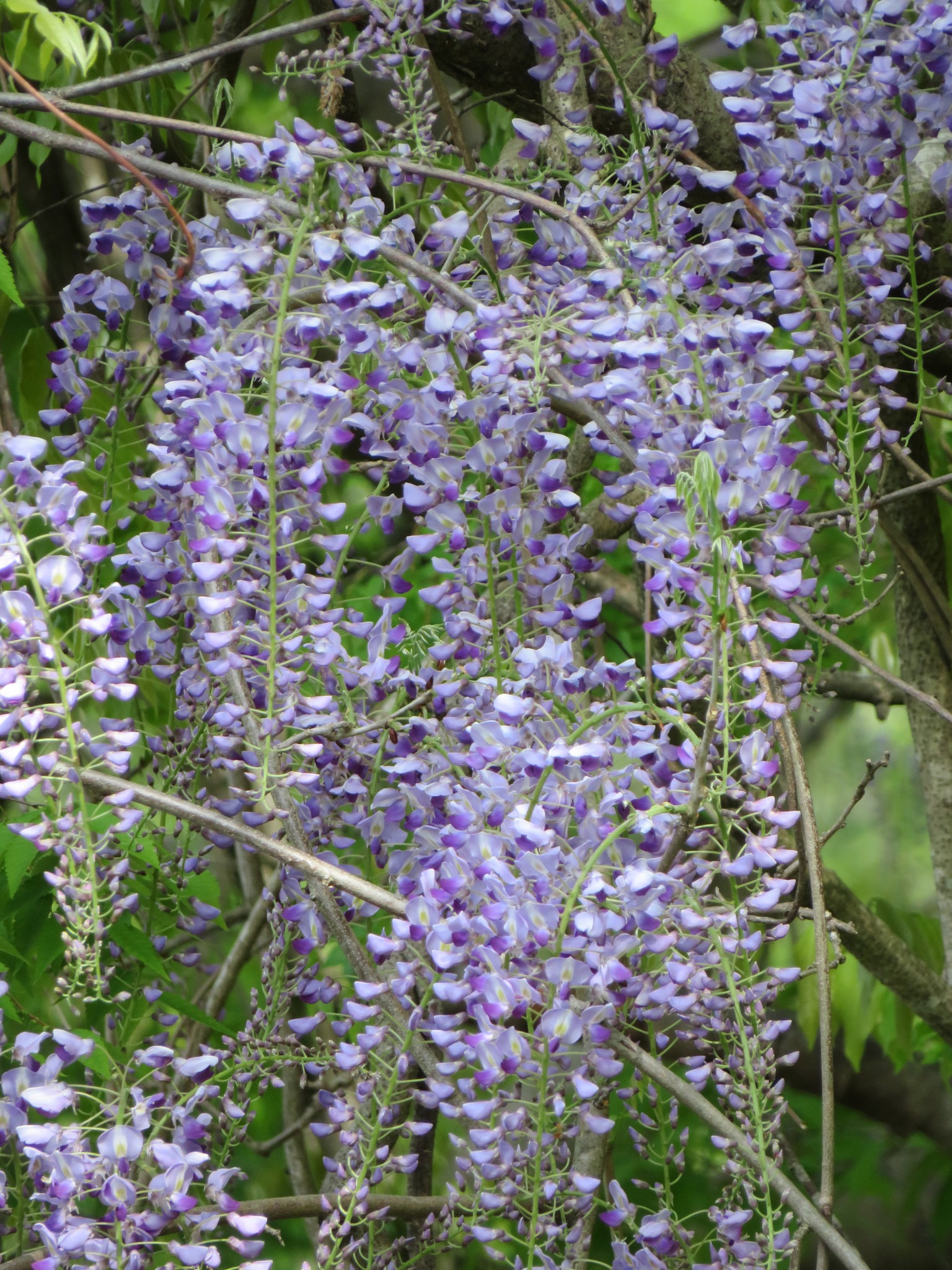
Japanese wisteria (Wisteria floribunda) is a deciduous climber in the Fabaceae family, native to Japan’s hills and mountains: Honshu south of the Tsugaru Peninsula, Shikoku, and Kyushu. Its fragrant flower clusters open gradually from base to tip. Numerous leaflets and clockwise twining help identify it.
Read moreJapanese wisteria and Fuji


© photo
(c) 104623964081378888743, some rights reserved (CC BY-NC), uploaded by 104623964081378888743 · cc-by-nc
Marco Mussita · cc-by-nc
Liz Crafford · http://creativecommons.org/licenses/by/4.0/
Taken Mar 26, 2022 by yvon s (cc-by-sa)
Taken Jul 26, 2020 by Dieter Wagner (cc-by-sa)
© copyright of the Board of Trustees of the Royal Botanic Gardens, Kew.


Global distribution
Wisteria floribunda is native only to Japan, from south of the Tsugaru Peninsula on Honshu to Shikoku and Kyushu. Introduced to the United States in the 1830s, it became a widespread ornamental and is now considered potentially invasive in several southeastern and Midwestern states. In France it remains an ornamental without a nationally listed invasive status.
- Native2
- Invasive1
- Japan
- Korea
- United States (southeast)
Hexagons: regions where the plant occurs. Green dots: native range.1
Identity
Japanese wisteria (Wisteria floribunda (Willd.) DC., 1825) is a deciduous woody climber in the Fabaceae family. Willdenow first described it in 1802 as Glycine floribunda. Augustin Pyramus de Candolle transferred it to Wisteria twenty-three years later, in 1825. 1 2
The epithet floribunda, meaning “abundantly flowering,” describes the long hanging flower clusters that cover the plant in spring. In Japan it is called fuji, the source of fujidana, wisteria arbors arranged in gardens for the flowering season. 4
Recognition
Clockwise twining around its support distinguishes Wisteria floribunda from Wisteria sinensis. Its pinnately compound leaves have 13–19 leaflets, compared with 7–13 in Chinese wisteria. 4 8
Mauve to violet flowers, sometimes pink or white depending on the cultivar, hang in clusters usually 30–45 cm (12–18 in) long; cultivars such as Macrobotrys exceed 90 cm (35 in). The flowers open gradually from base to tip as young leaves emerge. Chinese wisteria flowers before leafing, with nearly simultaneous opening throughout a cluster. 5 8
Velvety, hanging pods measure 10–15 cm (4–6 in) and remain on the plant after leaf fall, persisting into the following winter. 5
Useful taxonomy
Botanically, the accepted name is Wisteria floribunda (Willd.) DC. Names associated with it, and a related species often confused with it in gardens, include:
- Glycine floribunda Willd., basionym
- Wisteria floribunda f. macrobotrys (Siebold) Rehder & E.H.Wilson, botanical form
- Wisteria floribunda var. alba (de Vos) L.H.Bailey & E.Z.Bailey, botanical variety
- Wisteria floribunda f. violacea-plena (C.K.Schneid.) Rehder & E.H.Wilson, botanical form
- Wisteria sinensis (Sims) DC., related species, not a synonym
Leaflet counts combined with gradual flower opening identify Wisteria floribunda more reliably than flower color alone, which varies greatly among cultivars. 1 3
Habitat and range
Japan is the sole native range of Wisteria floribunda, from south of the Tsugaru Peninsula on Honshu to Shikoku and Kyushu. There it grows in riverside thickets and woodland edges in hills and low mountains. 6
Introduced to the United States in the 1830s, Wisteria floribunda became a major ornamental alongside Wisteria sinensis, used on pergolas and for bonsai. Vigorous growth and an ability to root from surface shoots have made it a species of concern, and in some cases a regulated plant, in several southeastern and Midwestern states. 4 5
In France, Japanese wisteria remains an ornamental structural climber without nationally listed invasive status. Its vigorous roots nevertheless call for thoughtful planting away from buildings and buried utilities. 8
Life cycle and reproduction
Flowers appear in spring, generally April–May in temperate climates, on the previous year’s wood. Plants raised from cuttings or layering flower in 2–3 years; seedlings often need 10–20 years before their first bloom, explaining the strong horticultural preference for vegetative propagation. 6
Following flowering, the velvety pods ripen in late summer and split to release their seeds, sometimes explosively. Raw seeds are toxic throughout Wisteria. They germinate without a particular dormancy requirement, but slowly, over 12–24 months. 6
As a legume, Wisteria floribunda fixes atmospheric nitrogen through symbiotic root bacteria. It also forms mycorrhizal associations that improve water access in poor soil, giving it an advantage over non-fixing climbers growing in the same place. 6
Uses and risks
Pergolas, arbors, south-facing walls, and carefully trained bonsai are its main ornamental uses. A strong supporting structure is essential: an adult trunk thickens greatly and can distort an undersized support within a few years. 3 4
Raw seeds are the most toxic part. They contain a lectin and a glycoside called wisterin, which cause vomiting, sometimes bloody, diarrhea, and lethargy in dogs, cats, and horses after ingestion. Human poisoning is usually moderate but warrants medical advice, especially for children. 7 4
Varieties, look-alikes and related plants
Flower color and cluster length chiefly distinguish the cultivars. Macrobotrys, also sold as Longissima, has clusters exceeding 1 m (3.3 ft) on established plants, a record among common cultivars. Alba (Shiro-noda) has white flowers, Rosea (Hon-beni) pale pink flowers, and Violacea Plena double violet flowers. 4
Look-alikes most often include:
- Wisteria sinensis, fewer leaflets, flowers opening together before leafing ;
- Wisteria x formosa, hybrid between the two species, with intermediate characteristics ;
- young, nonflowering Fabaceae climbers, difficult to distinguish without flower clusters or a leaflet count.
Before purchasing, check the cultivar name, whether the plant was raised from a cutting or graft rather than seed, and the condition of its roots. These points help favor earlier, more reliable flowering. 3
Main sources
- Plants of the World Online / Kew, Wisteria floribunda (Willd.) DC.
- International Plant Names Index, Wisteria floribunda (Willd.) DC.
- Royal Horticultural Society, Wisteria floribunda
- NC State Extension, Wisteria floribunda (Japanese wisteria)
- Missouri Botanical Garden Plant Finder, Wisteria floribunda
- Plants For A Future, Wisteria floribunda
- ASPCA, Wisteria toxicity entry
- University of Maryland Extension, Chinese and Japanese Wisteria
Frequently asked questions
Is Japanese wisteria (Wisteria floribunda) toxic?
Yes, especially its raw seeds, which contain a lectin and a glycoside called wisterin. Ingestion causes vomiting, sometimes bloody, diarrhea, and lethargy in dogs, cats, and horses. Human poisoning is usually moderate but warrants medical advice after seed ingestion.
Why does my Japanese wisteria not flower?
Common causes include insufficient direct sun, nitrogen-rich soil that favors foliage, a young seed-grown plant, or pruning that removes shoots bearing flower buds.
How can I distinguish Wisteria floribunda from Wisteria sinensis?
Wisteria floribunda has 13–19 leaflets per leaf, more than Wisteria sinensis. Its flower clusters open gradually from base to tip as the leaves emerge. Wisteria sinensis often flowers before leafing, with nearly simultaneous opening throughout each cluster.
Which way does Japanese wisteria twine?
Wisteria floribunda twines clockwise around its support, unlike Wisteria sinensis. This is a useful but not absolute guide, as some cultivars and hybrids depart from the rule.
What support does Japanese wisteria need?
Choose a strong, durable structure, such as a solid timber or metal pergola, or a load-bearing wall with reinforced wires. An adult trunk thickens substantially and can distort or break an undersized support within a few years.
How long does Japanese wisteria take to flower?
A plant raised from cuttings or layering often flowers in two to three years. A seed-grown plant may take ten to twenty years, which explains the preference for vegetatively propagated plants.
Which Japanese wisteria cultivar has the longest flower clusters?
Macrobotrys, also sold as Longissima, often produces clusters over 1 m long, a record among commonly grown Wisteria floribunda cultivars.
Similar plants
If you are unsure about a plant’s toxicity, ask a botanist or veterinarian for advice.