
Japanese zelkova (Zelkova serrata, )
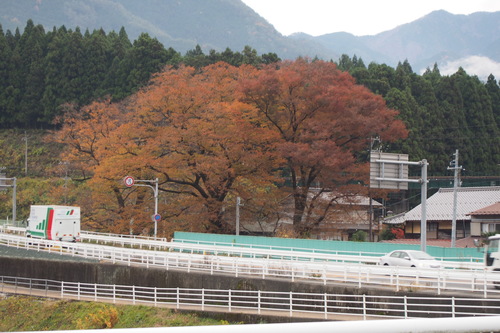
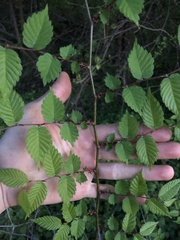

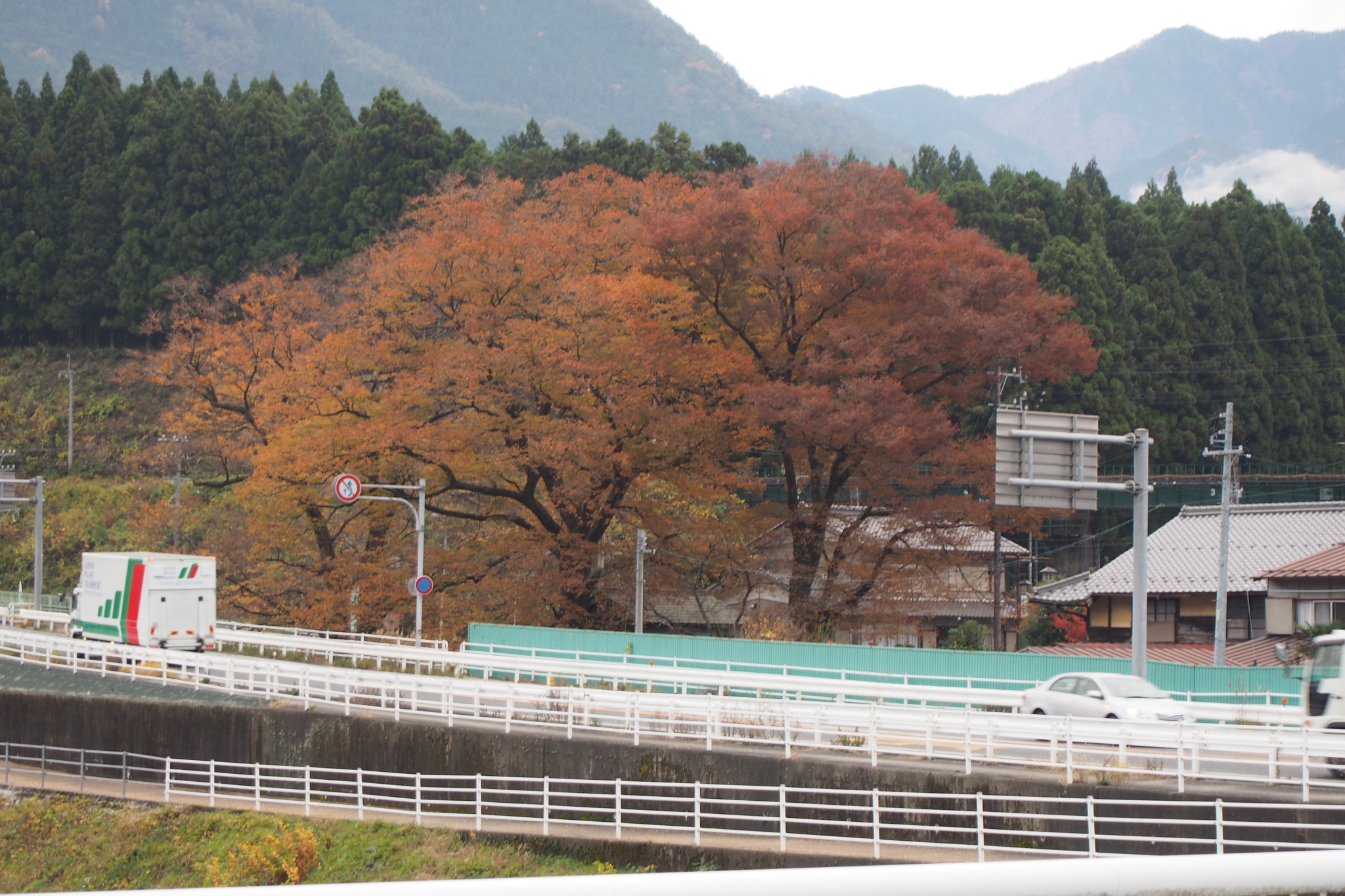
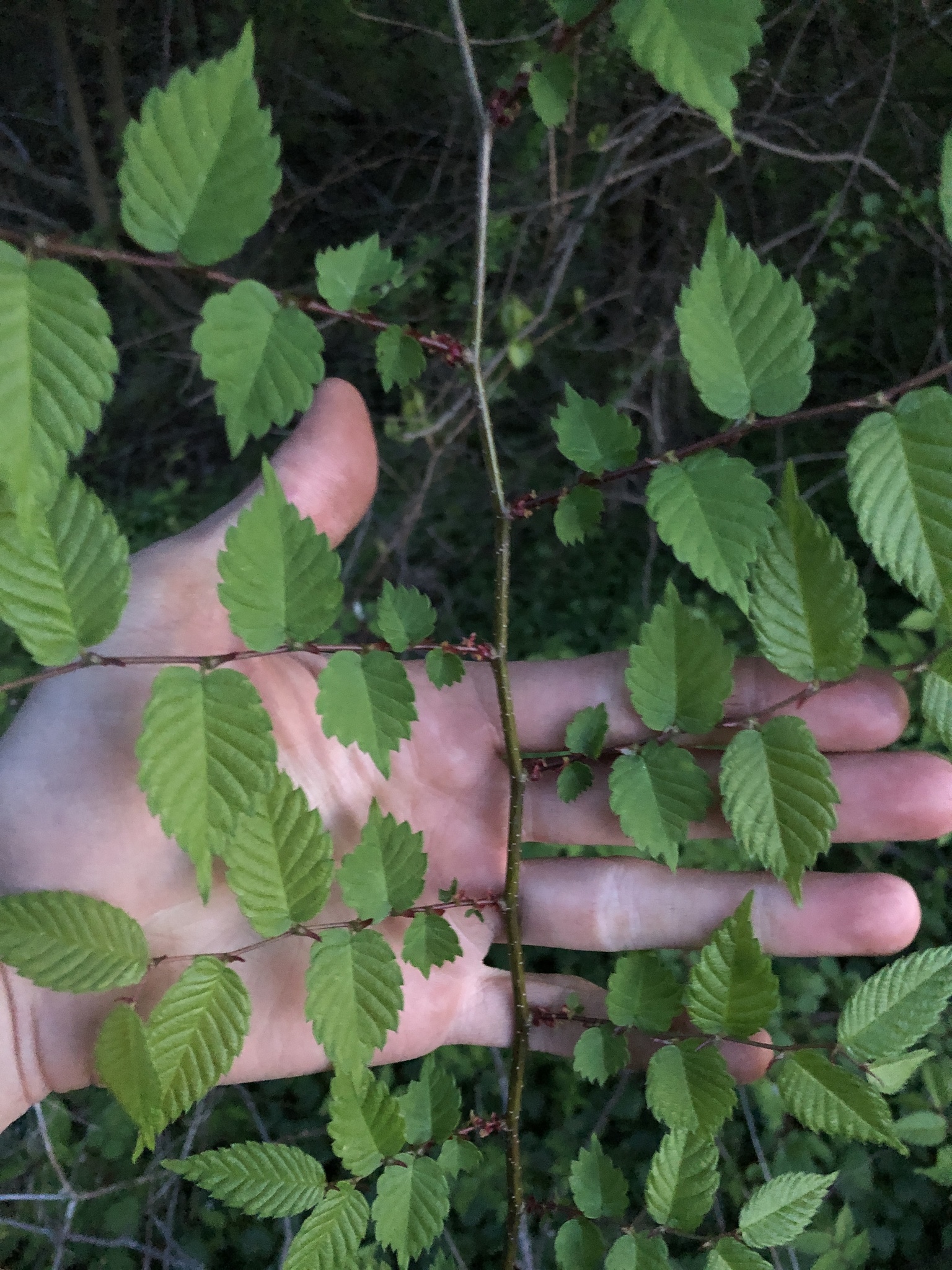
Japanese zelkova (Zelkova serrata) is a large deciduous tree in the Ulmaceae family, native to Japan, Korea, eastern China and Taiwan. Its vase-shaped crown, bark that flakes to reveal orange inner wood and strong resistance to Dutch elm disease distinguish it from true elms.
Read moreJapanese zelkova, Japanese elm and Keyaki


© photo
harum.koh · cc-by
Andrew Conboy · cc-by
Yoshihiro Tokue · cc-by
Taken Nov 15, 2011 by Photoflora - Jean-Luc TASSET (©)
Taken Oct 15, 2003 by Photoflora - Jean-Luc TASSET (©)
© copyright of the Board of Trustees of the Royal Botanic Gardens, Kew.


Global distribution
The native range of Zelkova serrata covers Japan, the Korean Peninsula, eastern China and Taiwan, home to the finer, small-leaved var. tarokoensis. Introduced to Europe in 1830 and later to North America, it is now mainly planted as an ornamental and street tree; records outside its native range concern cultivated rather than naturalized populations.
- Native4
- Japan
- South Korea
- China
- Taiwan
Hexagons: regions where the plant occurs. Green dots: native range.1
Identity
Japanese zelkova (Zelkova serrata (Thunb.) Makino, 1903), also called keyaki or Japanese elm, is a large deciduous member of Ulmaceae, reaching 15–30 m (49–98 ft) at maturity. Unlike true elms of the genus Ulmus, it produces no winged fruits and strongly resists Dutch elm disease, which has destroyed many European and North American elms since the mid-20th century. 1 5
Swedish naturalist Carl Peter Thunberg described this tree in 1794, initially assigning it to the jute genus as Corchorus serratus. It subsequently passed through Planera and Zelkova before Japanese botanist Tomitaro Makino established the current combination, Zelkova serrata, in 1903, 109 years after the original description. 2 8
The generic name Zelkova derives from the Caucasian vernacular dzelkva, first applied to a related species, Zelkova carpinifolia. Botanist Édouard Spach adopted it as a scientific genus name in 1841. 8
Recognition
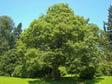
A vase-shaped crown is the first clue to Zelkova serrata: a short trunk soon divides into several upright main branches, forming a broad, rounded canopy that casts dense summer shade. Mature trees spread 8–20 m (26–66 ft). Rapid growth in the first decades slows markedly with age. 3 4
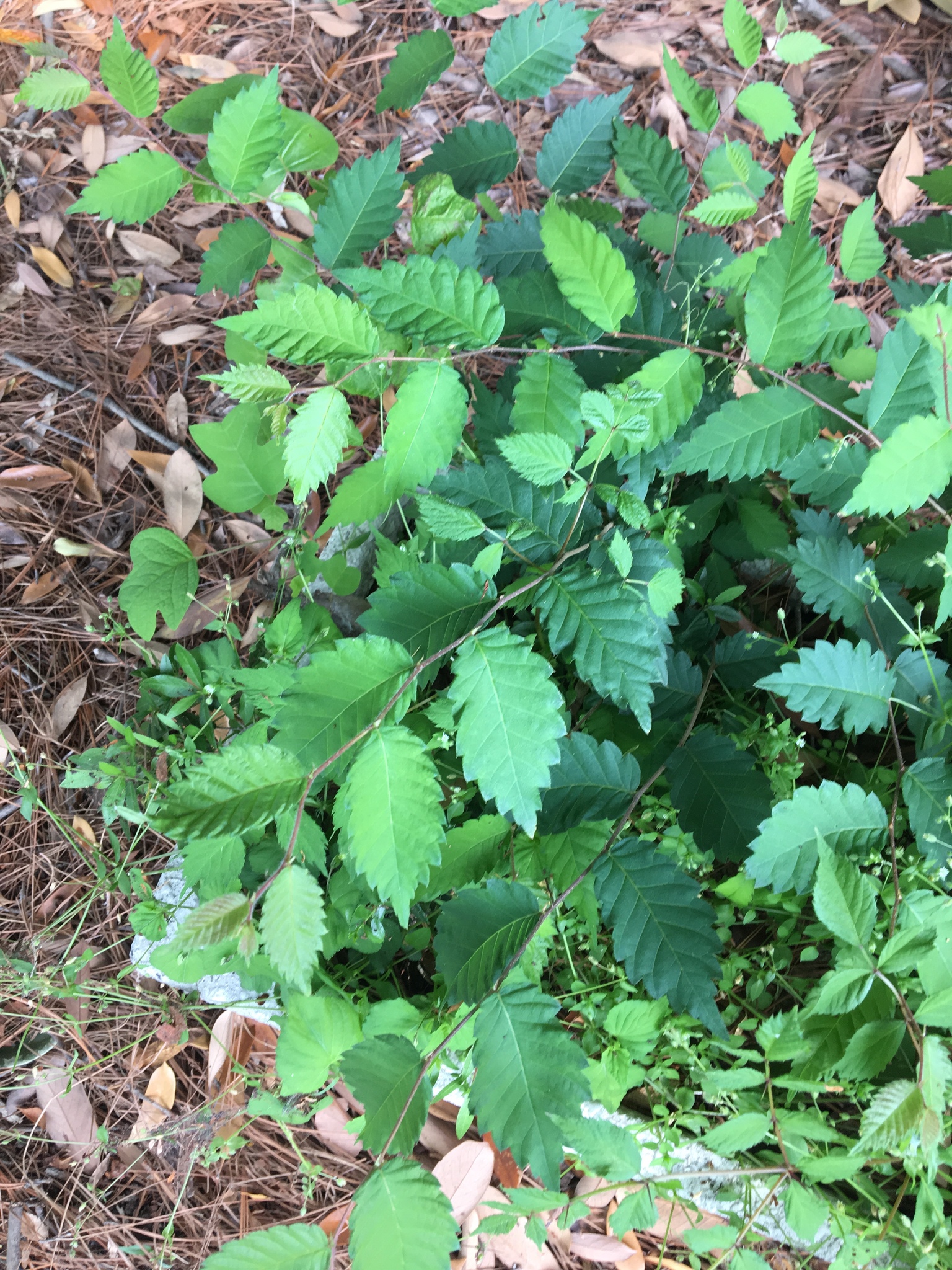
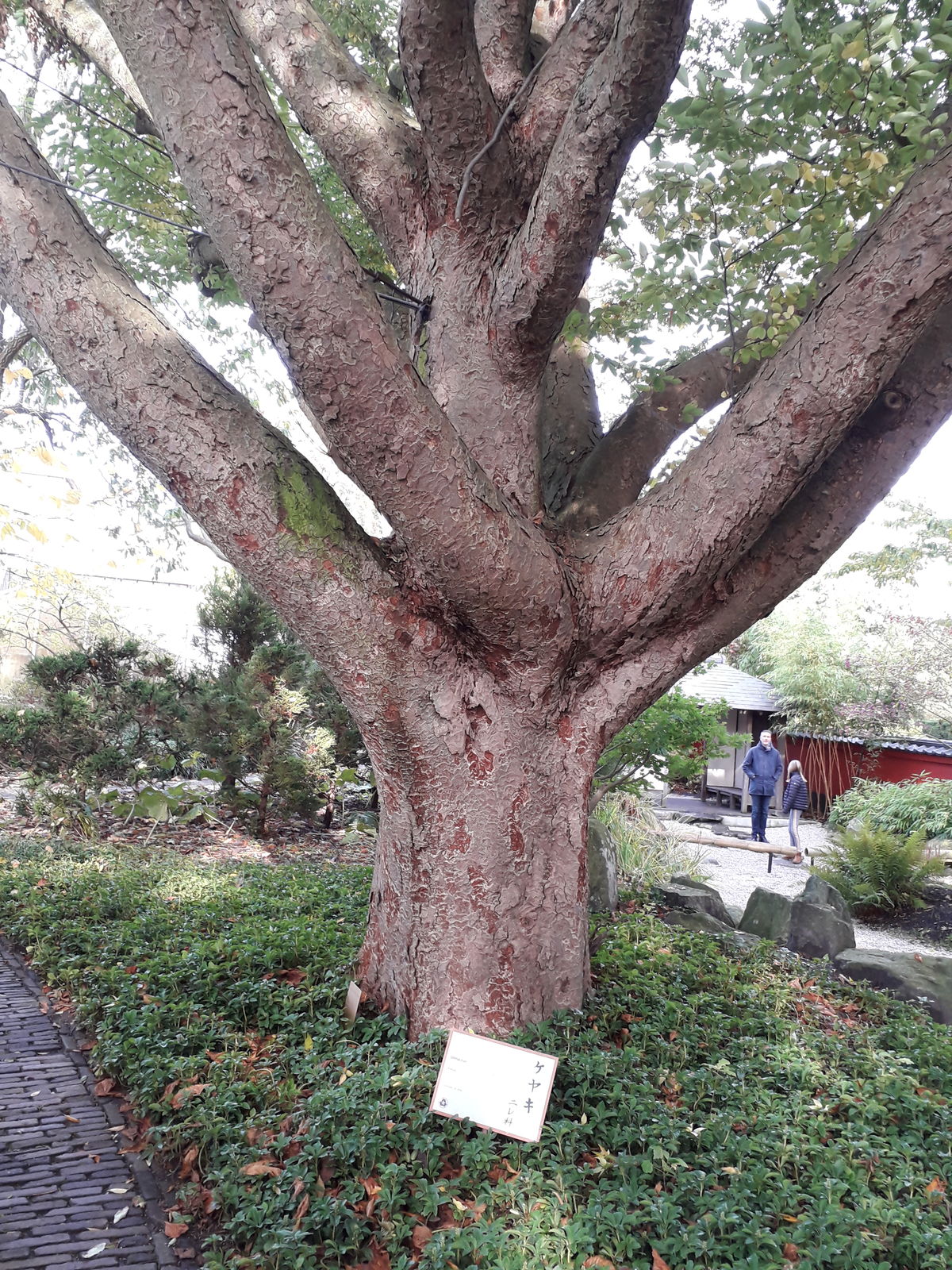
Oval to elliptical leaves often have an asymmetrical base and sharply toothed margins, the feature behind the epithet serrata. Smooth gray bark begins flaking in patches at 10–30 years, exposing orange-brown inner wood that is a reliable identification clue on mature trees. 5 4
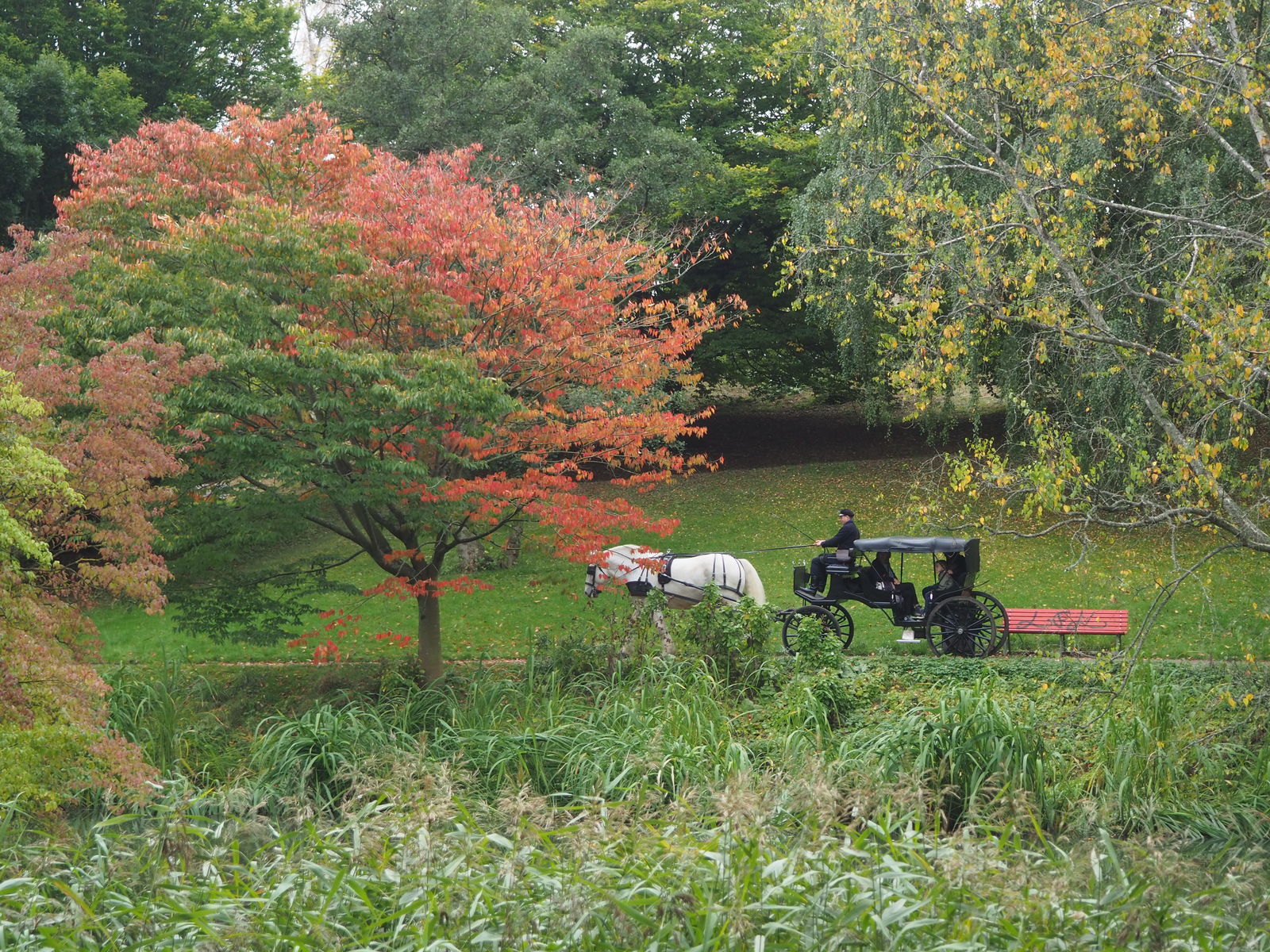
Tiny greenish flowers emerge with the spring leaves, lacking showy petals. They are almost as inconspicuous as the small dry fruits that follow in fall, when the foliage turns yellow, orange or reddish brown according to the individual tree and climate. 3 5
Useful taxonomy
Before its present combination became established, Zelkova serrata bore six different scientific names. Important synonyms include:
- Planera keaki K.Koch (botanical synonym)
- Zelkova keaki (K.Koch) Maxim. (botanical synonym)
- Zelkova acuminata (Lindl.) Planch. (botanical synonym)
- Zelkova japonica Dippel (botanical synonym)
- Ulmus keaki Jacob-Makoy (botanical synonym)
- Abelicea serrata (Thunb.) Makino (botanical synonym)
The historical name Ulmus keaki reflects persistent horticultural confusion between Zelkova and true elms. Two botanical varieties are recognized: Zelkova serrata var. serrata in Japan and mainland East Asia, and the Taiwanese Zelkova serrata var. tarokoensis (Hayata) H.L.Li, with smaller leaves and shallower teeth. Plants of the World Online and the International Plant Names Index both retain Zelkova serrata as the accepted name. 1 2
Habitat and range
Across Japan, the Korean Peninsula, eastern China and Taiwan, wild Zelkova serrata occupies plains, cool forested slopes and valleys up to 2000 m (6560 ft) above sea level. Naturalist Philipp Franz von Siebold introduced it to Europe in 1830. It later reached North America, where it now lines streets in New York and Philadelphia. 5 8
An assessment published in 2018 placed this species in the Near Threatened category of the International Union for Conservation of Nature. Fragmented populations in China and the Korean Peninsula, reduced natural regeneration and higher seedling mortality together slow population renewal outside Japan. 7
In Korean villages, very old zelkovas traditionally stood at entrances as protective trees. Some protected as natural monuments are several centuries old, occasionally exceeding a thousand years. 5
Life cycle and reproduction
As spring leaves unfold, small greenish flowers open without showy petals. Male and female flowers occur on the same zelkova. The dry fruits that follow in fall are tiny and often impossible to distinguish from ground level. 3 6
After several weeks of cold stratification, zelkova seeds germinate the following spring, producing seedlings 5–15 cm (2–6 in) tall at emergence. Seed propagation preserves the type species but does not guarantee cultivar traits such as the burgundy fall color of Village Green. 4 6
Preserving selections such as Green Vase and Village Green requires grafting or cuttings. Zelkova also tolerates repeated pruning well, which helps explain its popularity for bonsai: regular pinching creates fine branching around a miniature trunk. 6 3
Uses and risks
As a park, avenue and street tree, Japanese zelkova is valued mainly for ornament. It tolerates urban pollution, heat and compacted soil, making it a frequent replacement for elms lost to Dutch elm disease along major avenues. 5 4
Known as keyaki in Japan, its wood is hard, dense and fine grained. Traditional uses include furniture, especially tansu chests, and it remains the reference timber for taiko drums. 5
No toxic compound is documented in zelkova leaves, bark or wood. It is regarded as non-toxic to humans and domestic animals following contact or accidental ingestion. Young leaves are sometimes eaten cooked in local cuisines, but no medicinal use is documented. 6
Varieties, look-alikes and related plants
Five established cultivars differ chiefly in outline or color. Green Vase has a particularly regular vase shape and is widely planted along North American streets. Village Green combines fast growth with burgundy-red fall color; Musashino has a narrow upright crown for confined street sites; Ogon produces golden-yellow spring foliage; and the newer Urban Ruby offers stronger, more consistent red fall color than the wild type. 3 4
True elms in the genus Ulmus are the main source of confusion. Zelkova has long shared their common name and briefly shared their classification, as the synonym Ulmus keaki recalls. Two features help separate them: zelkova lacks the winged fruits characteristic of elms and strongly resists Dutch elm disease, surviving where true elms succumb. 1 5
Main sources
- Plants of the World Online / Kew, Zelkova serrata (Thunb.) Makino
- International Plant Names Index, Zelkova serrata (Thunb.) Makino
- Royal Horticultural Society, Zelkova serrata
- Missouri Botanical Garden, Zelkova serrata
- NC State Extension, Zelkova serrata (Japanese Zelkova)
- Plants For A Future, Zelkova serrata
- IUCN Red List of Threatened Species, Zelkova serrata assessment
- Tela Botanica, Zelkova serrata (Thunb.) Makino
Frequently asked questions
Is Japanese zelkova an elm?
No, though it is related. Zelkova serrata belongs to Ulmaceae, as do true elms in the genus Ulmus, but is botanically distinct and lacks their typical winged fruits.
Is Japanese zelkova toxic to cats and dogs?
No toxic compound is documented in its leaves, bark or wood. It is considered safe for humans and domestic animals following contact or accidental ingestion.
Why is my zelkova bark peeling?
Peeling in patches is a normal feature of aging, rather than a sign of disease. It reveals orange-brown inner wood, one of the most useful identification features of an older tree.
How does the Taiwanese variety differ from Zelkova serrata?
Zelkova serrata var. tarokoensis in Taiwan has smaller leaves with shallower teeth than the type variety, var. serrata, found in Japan and mainland East Asia.
Does Japanese zelkova lose its leaves in winter?
Yes. This deciduous tree turns yellow, orange or reddish brown in fall before shedding all its leaves, unlike evergreens that retain foliage throughout the year.
Is zelkova wood used for furniture?
Yes, under the Japanese name keyaki. The hard, attractively grained wood traditionally makes furniture, including tansu chests, and is regarded as the benchmark timber for taiko drums.
Is Japanese zelkova invasive?
It is not considered invasive. Its growth depends on specific germination conditions, and the IUCN even lists it as Near Threatened in part of its native range.
Similar plants
If you are unsure about a plant’s toxicity, ask a botanist or veterinarian for advice.