
Christ's thorn jujube (Ziziphus spina-christi, )
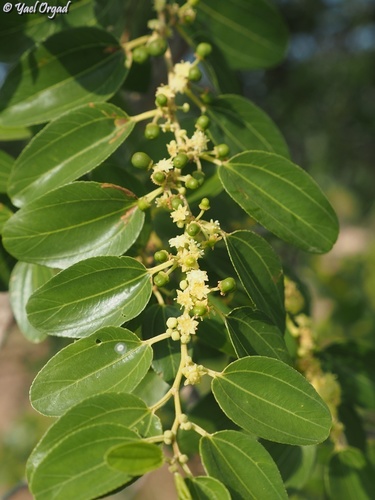
Christ's thorn jujube (Ziziphus spina-christi) is a thorny evergreen tree in the Rhamnaceae family, native to arid northeastern Africa and western Asia. It tolerates drought and heat but is sensitive to frost, grows mainly beside wadis and watercourses, and bears edible fruit known as sidr or nabk.
Read moreChrist's thorn jujube, Christ's thorn, Sidr and Nabk

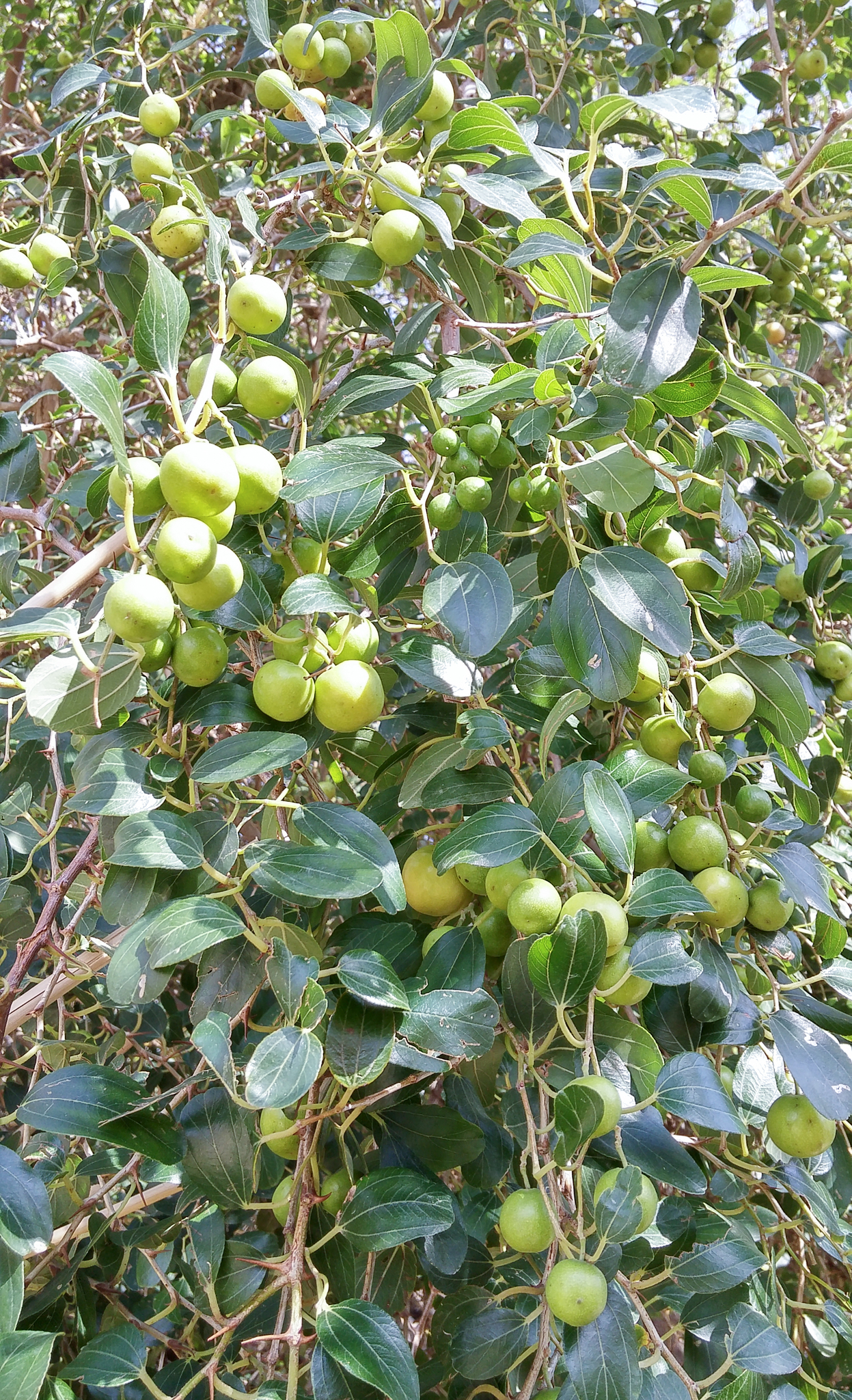

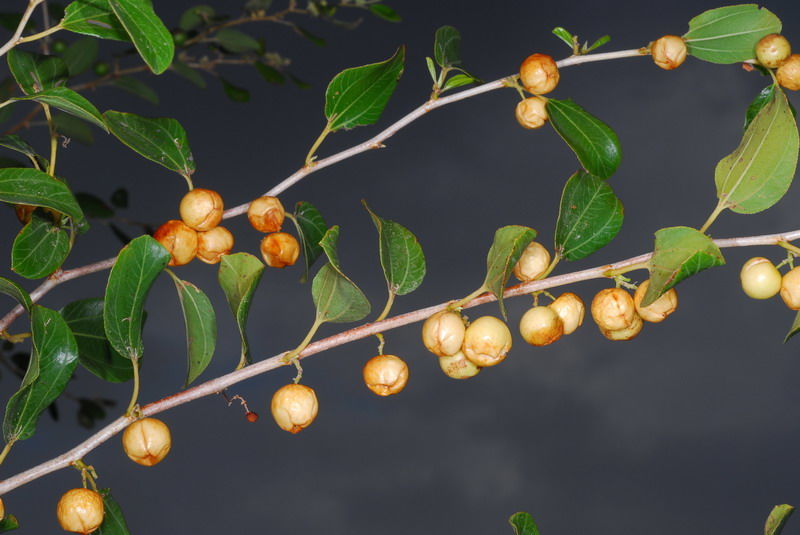
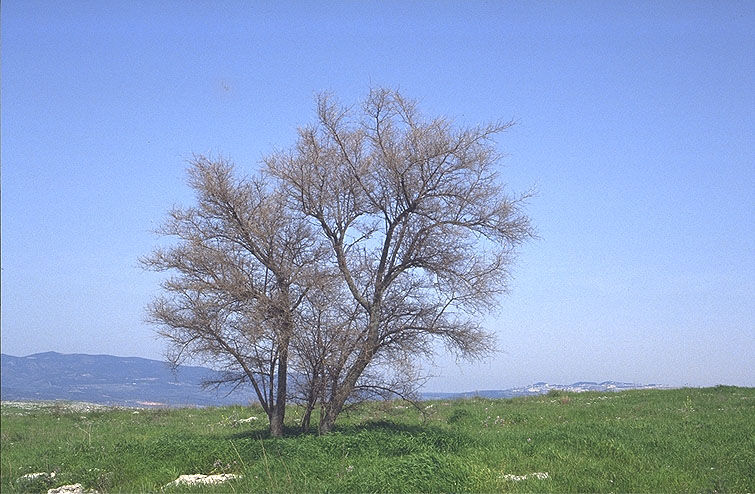
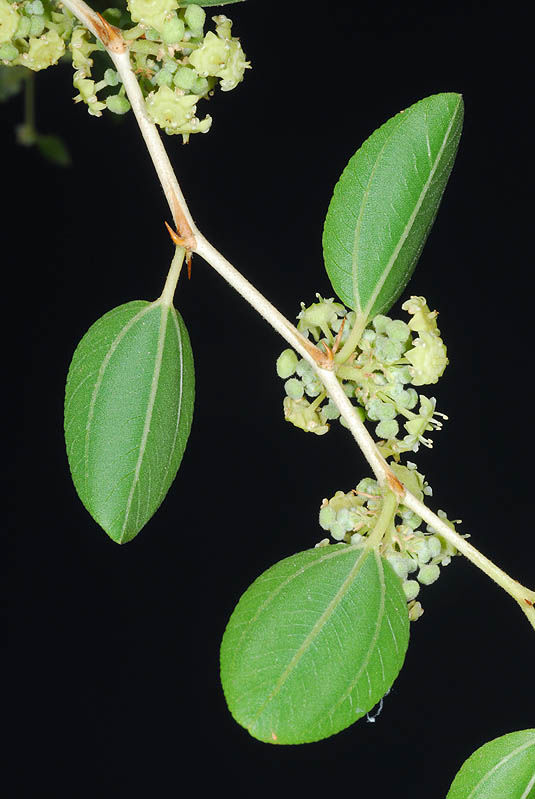
© photo
(c) Yael Orgad, some rights reserved (CC BY-NC), uploaded by Yael Orgad · cc-by-nc
Jacky Judas · cc-by
Kristof Zyskowski · cc-by
Taken Nov 23, 2022 by M. Hedayat (cc-by-sa)
© copyright of the Board of Trustees of the Royal Botanic Gardens, Kew.




Global distribution
The exact native range remains debated. Some authors restrict it to northeastern Africa, from Mauritania through the Sahel to the Red Sea; others extend it to the Levant, Arabian Peninsula, Iran, Afghanistan, Pakistan and northwestern India. It has been introduced to the Maghreb, tropical Africa, Madagascar and the Dutch Antilles, where it has locally become invasive.
- Native5
- Introduced1
- Invasive1
- Mauritania
- Sudan
- Israel
- Iran
- Pakistan
- Madagascar
- Curaçao
Hexagons: regions where the plant occurs. Green dots: native range.1
Identity
Christ's thorn jujube (Ziziphus spina-christi (L.) Desf., 1798), also called sidr, is readily recognized by paired stipular thorns, one straight and the other curved. Its edible fruit, with no documented toxicity in humans, cats or dogs, is sold fresh in Middle Eastern markets. This thorny evergreen tree belongs to the genus Ziziphus in the Rhamnaceae family. The epithet spina-christi refers to the tradition that Jesus' crown of thorns was woven from its branches. 1 8
Linnaeus first published the name in 1753 as Rhamnus spina-christi. René Desfontaines transferred it to Ziziphus in 1798. In Arabic, the fresh fruit is sold as sidr or nabk, names also used in several languages of the Middle East. 8
Recognition
At the base of each leaf, two stipular thorns form a distinctive pair. The straight thorn is about 2 cm (0.8 in) long; the backward-curving one reaches only 5–8 mm (0.2–0.3 in). Some shoots have no thorns, so their absence alone does not rule out this species. 8
Typically, the tree reaches 3–8 m (10–26 ft) with a trunk about 60 cm (2 ft) in diameter, while well-placed isolated specimens may reach 15–18 m (49–59 ft). Oval to elliptical leaves have three veins rising from the base. The foliage is evergreen but may fall during a cold winter. 3 8
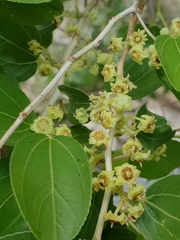
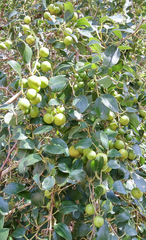
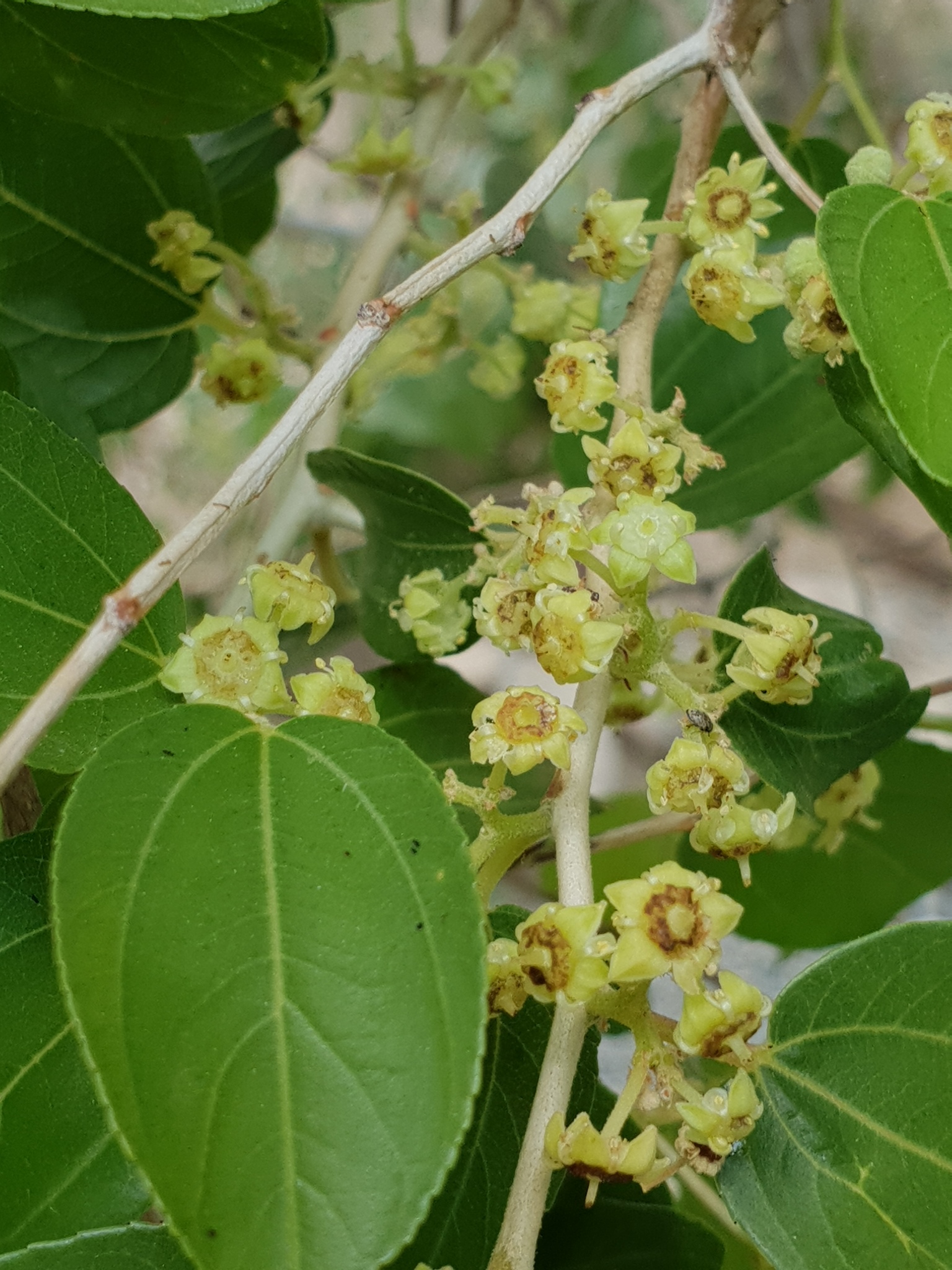
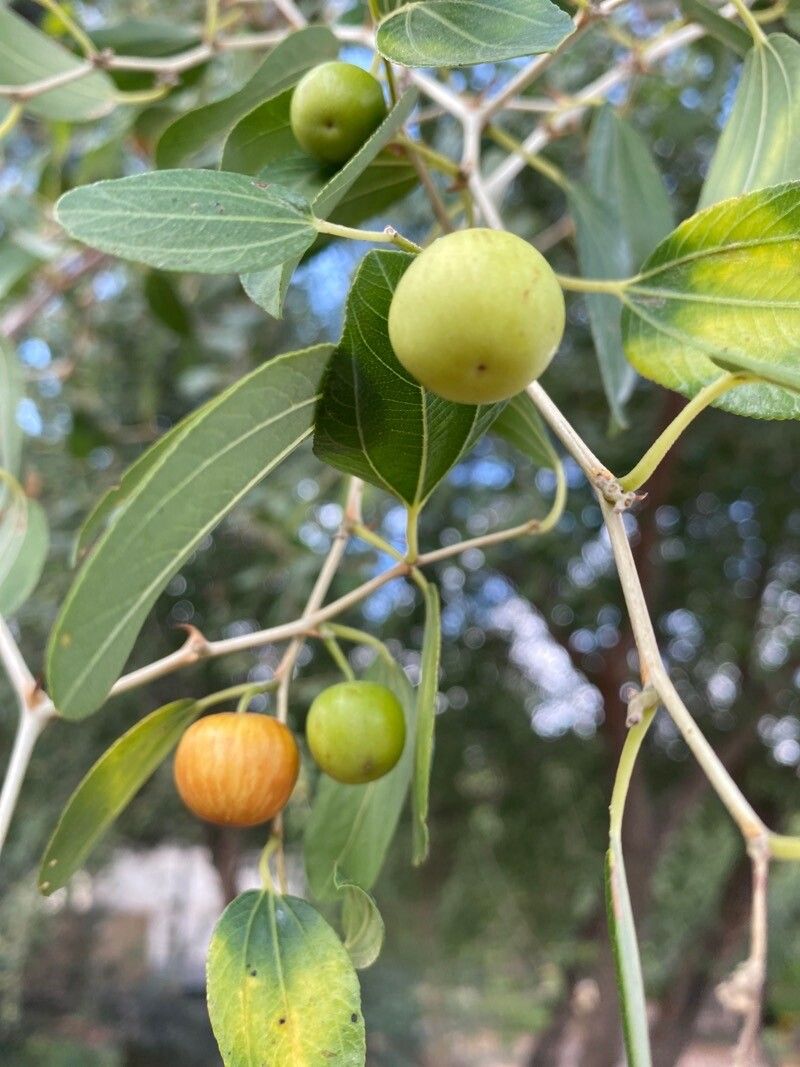
Fragrant greenish-yellow flowers measure no more than 6 mm (0.24 in) across. They are followed by a round drupe, 1–3 cm (0.4–1.2 in) in diameter, which turns from green to yellow and then reddish brown as it ripens. A hard stone encloses one or two seeds. 8
Useful taxonomy
For botanical identification, the accepted name remains Ziziphus spina-christi (L.) Desf. Its homotypic synonyms, Rhamnus spina-christi L. and Girtanneria spina-christi (L.) Neck., reflect earlier generic combinations that are no longer accepted. 1
Other names, including Ziziphus africana Mill., Ziziphus napeca Lam. and Rhamnus nabeca Forssk., were placed in synonymy after collections were compared. A potential trap is the homonym Ziziphus spina-christi (L.) Willd., published by another author in the same year, 1798, on a different basis. Desfontaines remains the author attached to the valid botanical name. 8
Habitat and range
Debate surrounds the exact native range. Some authors limit it to northeastern Africa, from Mauritania through the Sahel to the Red Sea; others extend it to the Levant, Arabian Peninsula, Iran, Pakistan and northwestern India. POWO gives the range as Mauritania to Pakistan. 1 8
Wadis, watercourses and alluvial plains provide its main habitats, sometimes in areas receiving only 100 mm (4 in) of rain a year. Christ's thorn jujube withstands drought and heat but is sensitive to frost. This cold sensitivity explains its near absence from outdoor collections in temperate climates. 3
Introductions reached the Maghreb, tropical Africa, Madagascar and, around 1885, the Dutch Antilles. The tree has sometimes become invasive in these areas, notably on Curaçao. 8
Life cycle and reproduction
A long flowering period extends from late spring into early winter in the populations described, allowing repeated waves of bee pollination. Fruit then takes several months to ripen and is harvested mainly in winter and spring. The timing is local rather than a calendar that applies unchanged across hemispheres. 3
Each stone contains one or two flat, orange-brown seeds, 6.5–7.5 mm (0.26–0.30 in) long. In the wild, local animals, including rock hyraxes, break open and eat the seeds. Cultivated plants are usually raised from seed, with the stone soaked first to overcome seed-coat dormancy. 8
Uses and risks
Sweet and slightly tart, the fruit is eaten fresh or dried. Ground into powder and mixed with water, it is made into cakes resembling gingerbread, and it also supplies fermented drinks. Traditional practices use boiled leaves for wounds and powdered charred thorns as an empirical snakebite antidote; these descriptions record uses rather than establish effective treatments. 8 3
In 2016, researchers tested plant extracts associated with ancient Egyptian treatments for inflammation. They identified compounds including epigallocatechin that acted on the NF-κB pathway in vitro. Such laboratory activity is distinct from a demonstrated clinical benefit. No toxicity to humans or domestic animals was documented in the literature consulted. 6 3
Dense thorny growth makes an impenetrable living hedge and an effective windbreak in the Sahel. The hard, termite-resistant wood supplies tool handles and good-quality charcoal. 3
Varieties, look-alikes and related plants
Horticultural descriptions distinguish two forms: the tree-forming typical variety, spina-christi, with fruit reaching 2 cm (0.8 in), and microphylla, which is bushier, with smaller leaves and fruit about 1 cm (0.4 in) across. 3
A frequent source of confusion is Ziziphus lotus, a bushier species that reaches southern France. Theophrastus compared the two in antiquity. Some modern authors favor Z. lotus as the source of the crown of thorns, considering Ziziphus spina-christi too brittle to weave. The Asian jujube, Ziziphus jujuba, differs in its larger fruit and much greater frost hardiness. 8 5
At Ein Hatzeva, near the Dead Sea in Israel, the oldest recorded specimen is estimated to be 1,500–2,000 years old. Local tradition identifies it as the very tree used for Christ's crown. The species is described as the only tree considered sacred by Muslims, in connection with the sidr mentioned twice in the Quran. 7 5
Main sources
- Plants of the World Online / Kew, Ziziphus spina-christi (L.) Desf.
- Royal Horticultural Society, Ziziphus spina-christi - Christ's thorn
- Useful Tropical Plants, Ziziphus spina-christi
- IUCN Red List, Diop 2020, Ziziphus spina-christi assessment
- Dafni, Levy & Lev 2005, The ethnobotany of Christ's Thorn Jujube in Israel, J Ethnobiol Ethnomed
- Kadioglu et al. 2016, Anti-inflammatory activity of Ziziphus spina-christi, Phytomedicine
- Times of Israel, Rooted in Israel's history, five remarkable trees
- French Wikipedia, Ziziphus spina-christi
Frequently asked questions
Is Christ's thorn jujube toxic?
No toxicity is documented in humans, cats or dogs, and the fruit and leaves are traditionally eaten. Its status in horses remains unknown because data are lacking.
Is Christ's thorn jujube really linked to the crown of thorns?
Local tradition says so, but several botanists consider its branches too brittle to weave and suggest Ziziphus lotus or Paliurus spina-christi instead.
How does it differ from Ziziphus lotus?
Ziziphus lotus is bushier and grows as far north as southern France. Ziziphus spina-christi is a larger, more frost-sensitive tree of arid Africa and western Asia.
Can this jujube grow in metropolitan France?
Yes, in a pot or greenhouse outside very sheltered Mediterranean conditions. It is frost-sensitive and does not attain its mature size outside its native range.
Is sidr fruit edible?
Yes. The sweet, slightly tart ripe fruit is eaten fresh or dried, made into paste, or used for fermented drinks in several Middle Eastern and African food traditions.
Why is this tree sacred in Islam?
The Quran mentions a lotus tree, sidr, twice; it is commonly identified as Ziziphus spina-christi. The species has a special role as a cemetery tree and is described as the only tree species considered sacred by Muslims.
What is the oldest known Christ's thorn jujube?
A tree at Ein Hatzeva, near the Dead Sea in Israel, is estimated to be 1,500–2,000 years old. Local tradition identifies it as the very tree used for the crown of thorns.
Similar plants
If you are unsure about a plant’s toxicity, ask a botanist or veterinarian for advice.