
Field maple (Acer campestre, )
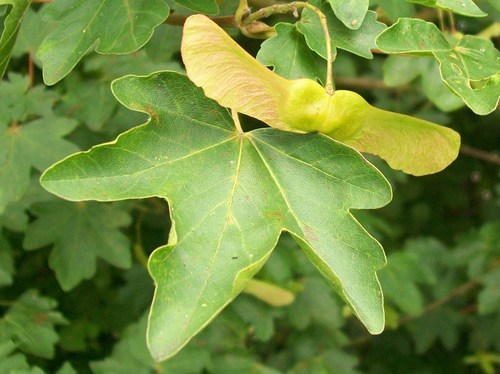
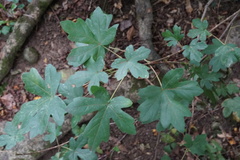
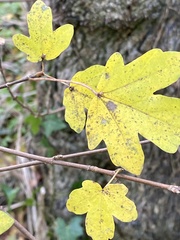
Field maple (Acer campestre L., 1753) is a small deciduous tree in the Sapindaceae family and the most widespread native European maple. Corky wings often border its young twigs, and its leaves have five rounded, smooth-edged lobes. It forms the framework of many rural hedges, from Britain to the Caucasus and the North African Atlas Mountains.
Read moreField maple and Hedge maple



© photo
(c) Peter O'Connor, some rights reserved (CC BY-SA) · cc-by-sa
iNaturalist User · cc0
Wendy Herniman · cc-by
Taken Jul 7, 2021 by Belén Sánchez (cc-by-sa)
Taken Oct 15, 2021 by Jeff B (cc-by-sa)
Taken Jun 1, 2018 by Juan I Deán (cc-by-sa)
Taken Nov 13, 2022 by Caw Vus (cc-by-sa)
Taken Jun 10, 2010 by Tela Botanica − null null (cc-by-sa)
© copyright of the Board of Trustees of the Royal Botanic Gardens, Kew.




Global distribution
POWO/WCVP places the native range of Acer campestre across Europe to Iran and northwestern Algeria in the Atlas Mountains. It is the most widespread European maple, occurring from Britain to the Balkans and Caucasus. Introductions outside this range include North America and parts of Western Australia with a similar climate.
- Native5
- Introduced2
- Metropolitan France
- United Kingdom
- Central Europe and the Balkans
- Turkey and the Caucasus
- Northwestern Algeria (Atlas Mountains)
- North America
- Western Australia
Hexagons: regions where the plant occurs. Green dots: native range.1
Identity
Field maple (Acer campestre L., 1753) is a deciduous tree in the Sapindaceae family, alongside sycamore and Norway maple. Linnaeus described it in 1753. It has the widest native distribution of any European maple, reaching from Britain to the Caucasus and the North African Atlas Mountains. 1 4
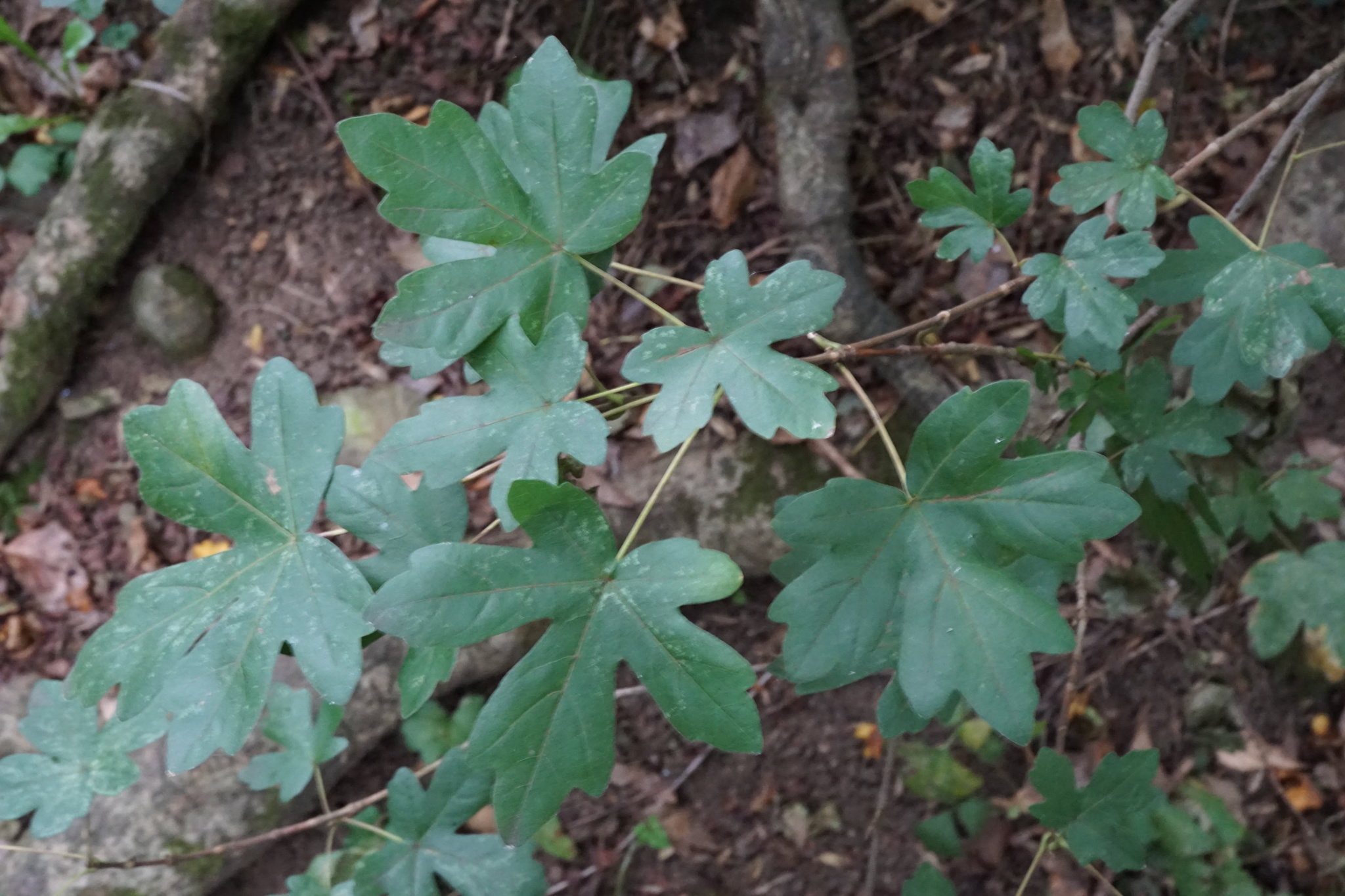
Rounded, toothless leaf lobes offer a quick identification clue: sycamore and Norway maple instead have pointed, distinctly toothed lobes. The epithet campestre, meaning “of fields,” refers to the tree’s characteristic habitat in hedges and woodland edges rather than closed forest. 2 6
Recognition
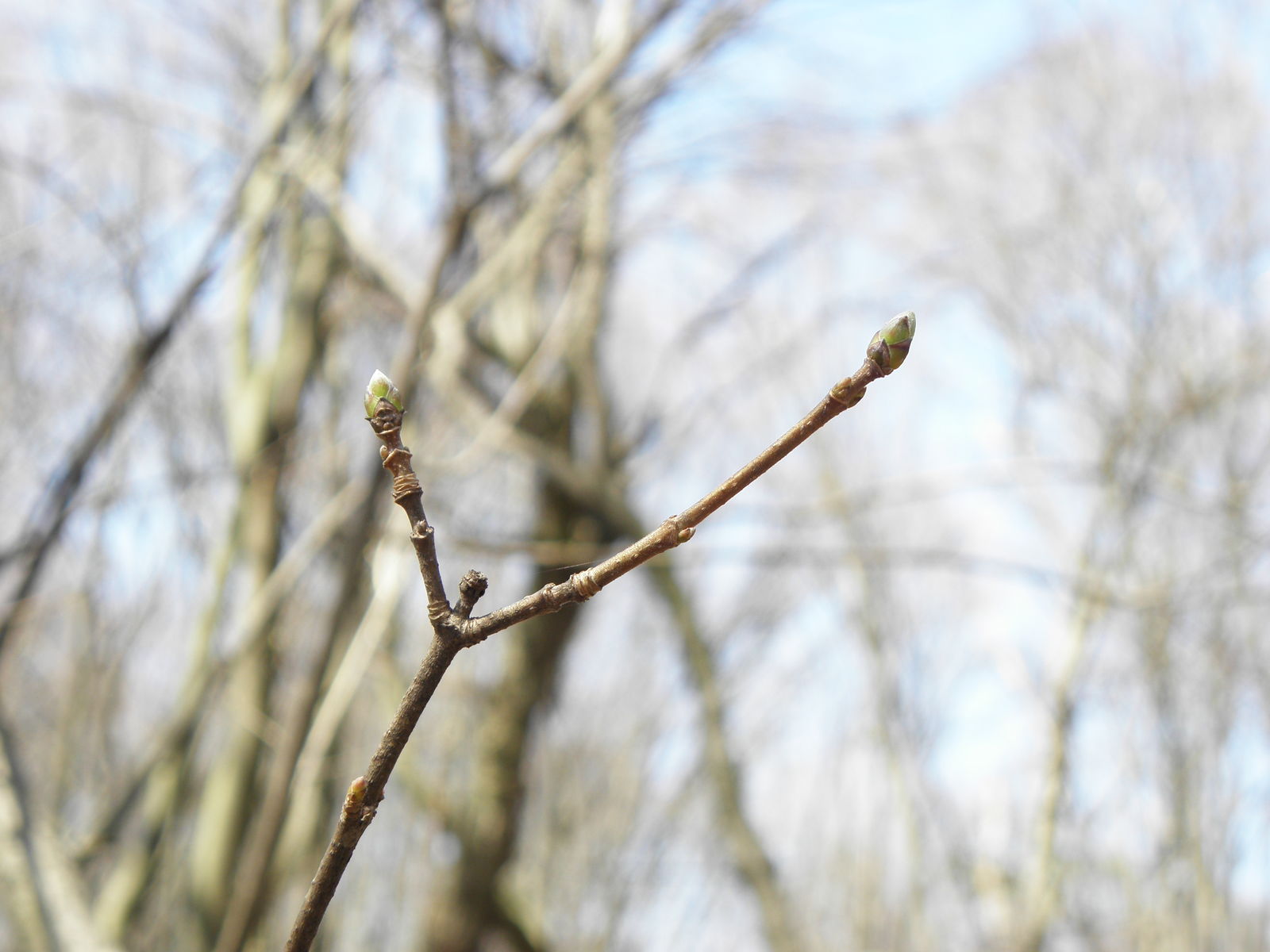
A dense, rounded crown gives Acer campestre the form of a small deciduous tree. Woodland specimens commonly reach 15–25 m (49–82 ft), compared with 4–10 m (13–33 ft) in managed hedges or gardens. Young twigs often develop two projecting corky wings from 2 years of age. These are nearly absent from other common European maples. A traditional French name for this corky wood refers to its former use for chicken perches. 4 5
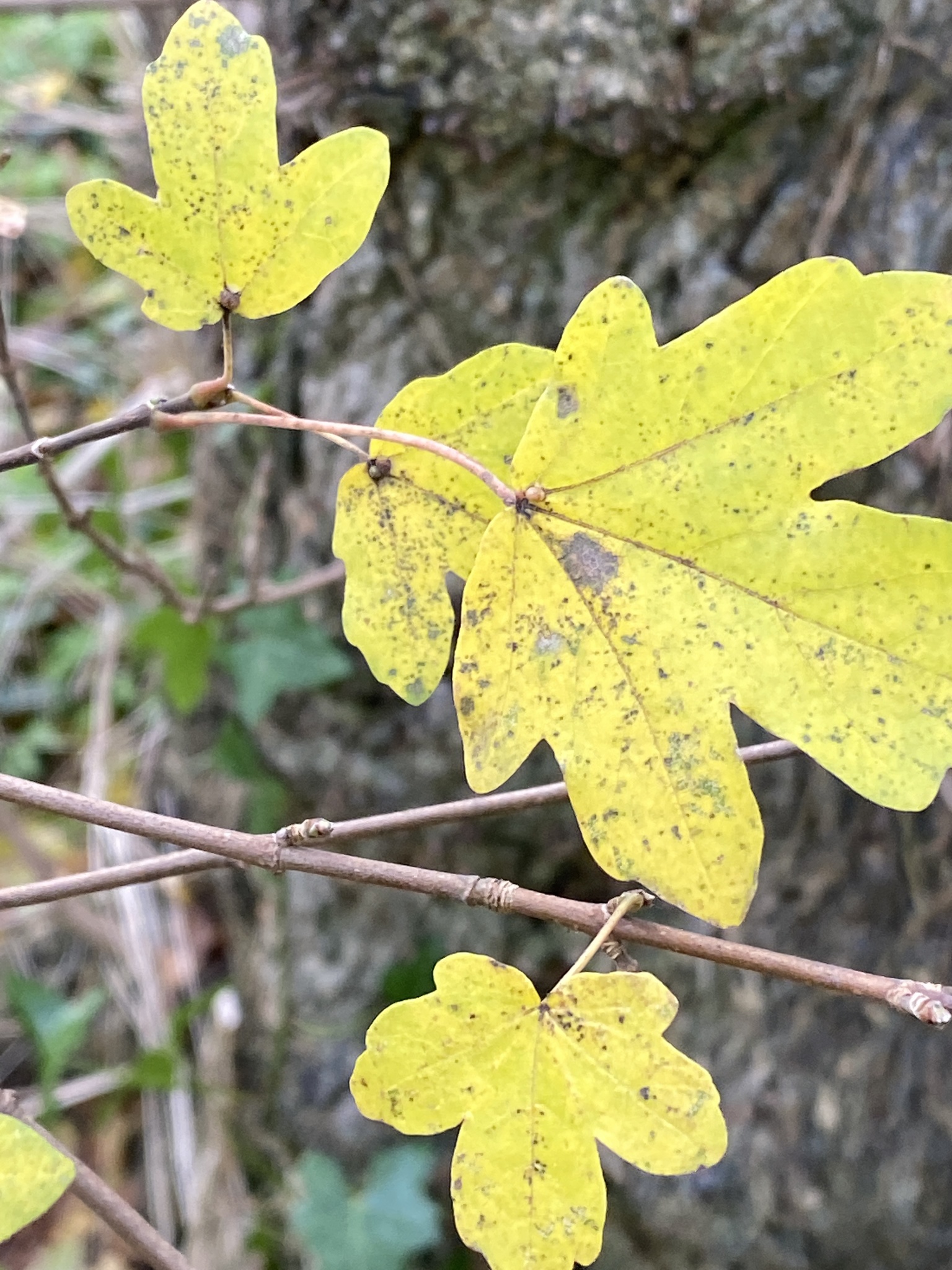
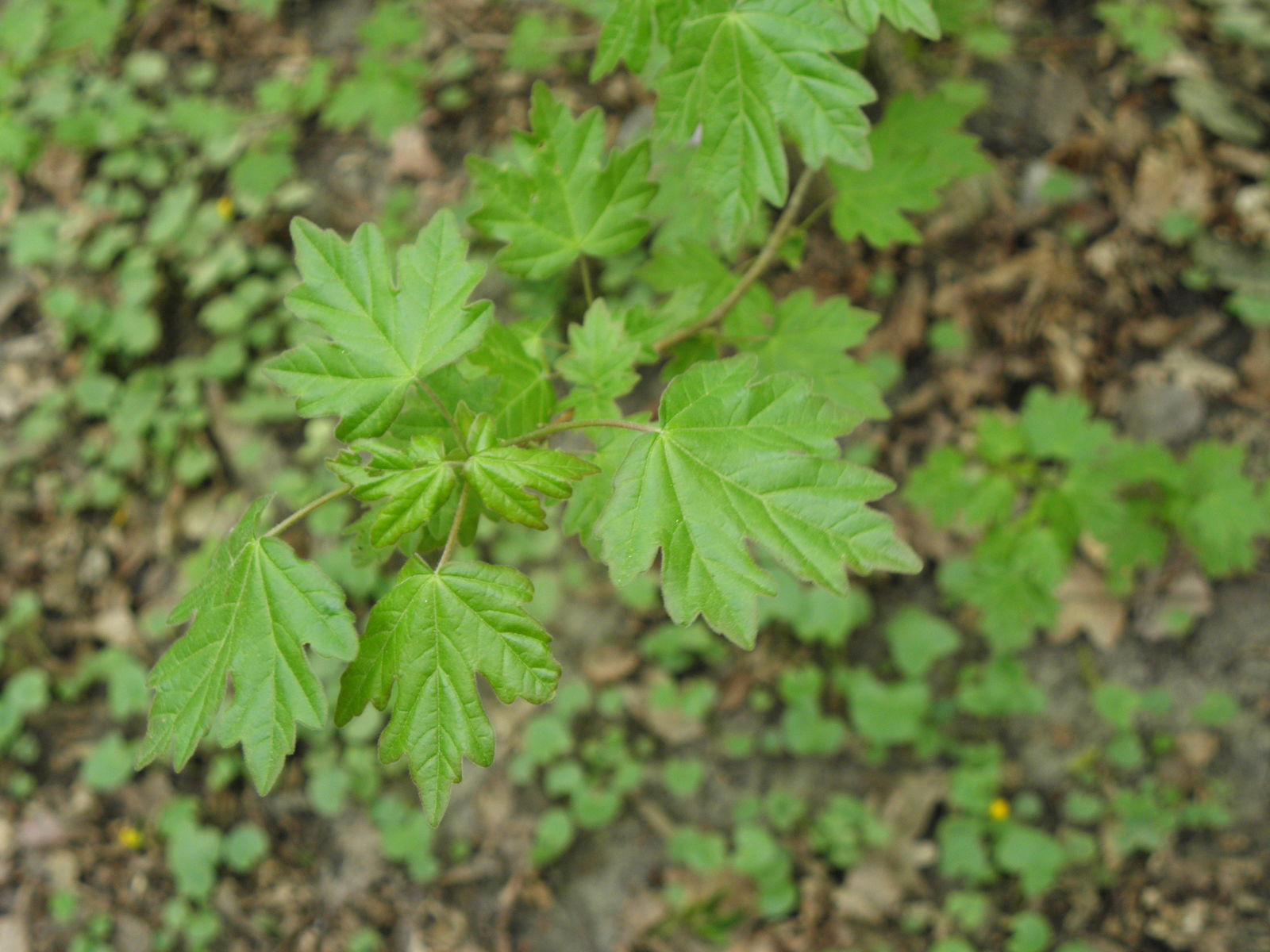
Opposite leaves measure 5–10 cm (2–4 in) and have three to five rounded, smooth-edged lobes. Dark green above and slightly downy beneath, they distinguish the tree from Norway maple with its toothed lobes. As in Norway maple, a broken leaf stalk releases milky sap. Fall foliage turns golden yellow, sometimes tinged pink or red depending on sunlight. 4 5
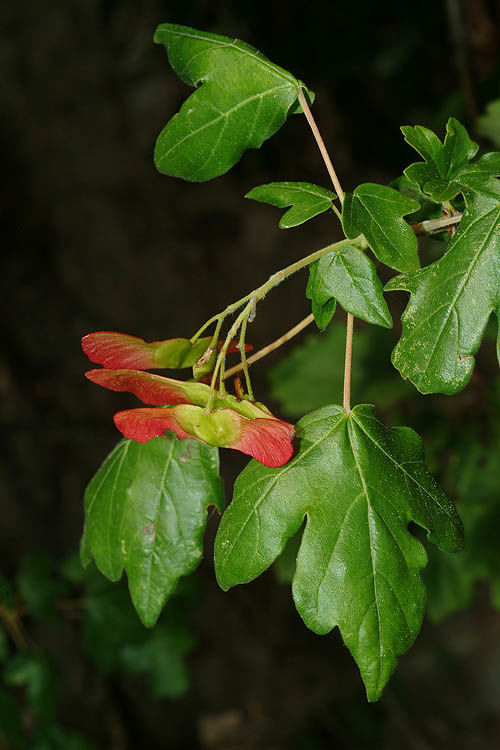
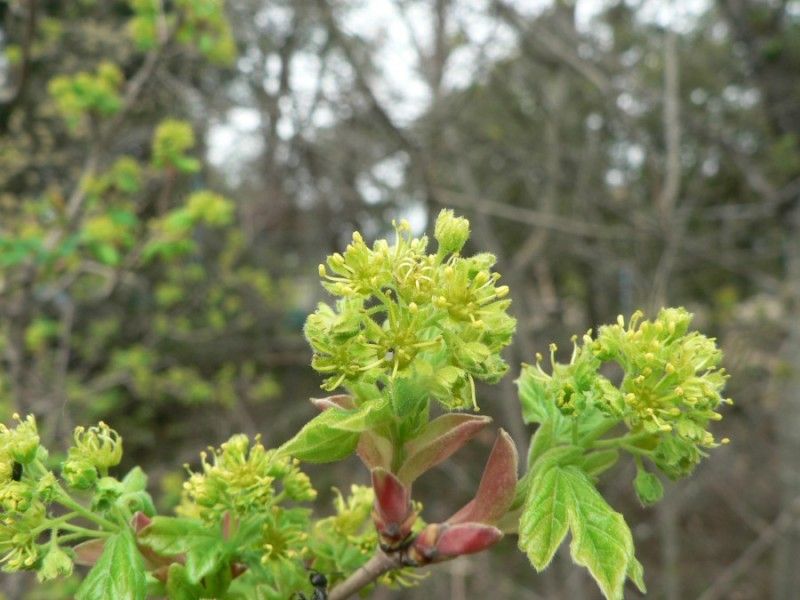
Small yellow-green flowers open in upright clusters alongside the new leaves in spring and provide nectar for insects. The resulting paired samara measures 2–3.5 cm (0.8–1.4 in), with its two wings spreading at 180°, almost horizontally. This angle remains visible in winter, unlike the more closed wings of sycamore and Norway maple. 5 3
Taxonomy and names
Under the accepted name Acer campestre L., POWO/WCVP recognizes several subspecies distinguished mainly by fruit and leaf hairiness. These include the typical campestre, hairless subsp. leiocarpum from Central Europe to northern Iran, and subsp. marsicum from Hungary and the northern Balkans. 1
Older botanical names refer to the same accepted species: Acer affine, Acer suberosum Dumort. (“corky,” referring directly to the bark) and Acer campestre var. hebecarpum for downy-fruited forms are among the recorded synonyms. 1
The English names field maple and hedge maple describe its field-edge habitat and use in clipped hedges. French names include acéraille and petit érable, reflecting the same familiar rural tree. 6 2
Habitat and range
Europe, Iran and northwestern Algeria’s Atlas Mountains make up the native range recorded by POWO/WCVP. Field maple grows in open woods, woodland edges and hedges on neutral to chalky soils, from sea level to 1,600 m (5,250 ft). 1 4
In both France and Britain, this native tree is widespread but seldom dominant. It grows mainly beneath or along the edges of oak and beech–hornbeam woods, occupying an intermediate stage in woodland succession. Young plants tolerate shade, but mature trees fruit poorly without direct light. 5 6
Plantings beyond its native range include North America and parts of Western Australia with a comparable climate. There it is chiefly grown as an ornamental or hedge tree rather than as a naturalized forest species. 1
Uses and risks
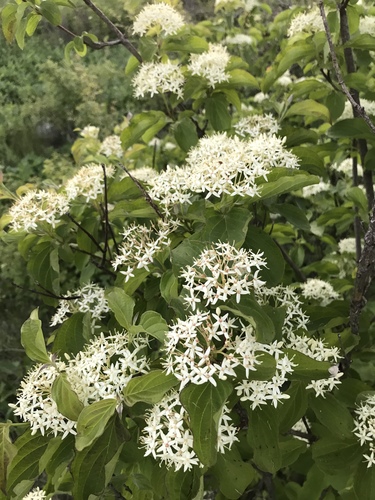
Clipped hedges are the species’ best-documented horticultural use. It withstands hard, repeated pruning, explaining its frequent place alongside hawthorn and common dogwood in British and French rural hedges. Its wood is harder and denser than that of any other European maple, making it valued for turning, carving and components of musical instruments such as harps. 2 5
A Dutch study found no notable amount of hypoglycin A in field maple seeds, unlike those of sycamore maple (Acer pseudoplatanus), which can cause atypical myopathy in grazing horses. Field maple has no known associated risk to grazing horses, and no other hazard is reported for humans or common domestic animals. 7 3
Spring sap can be collected and concentrated into syrup, although it is less sugary than sap from North American sugar maples. Young leaves have also traditionally been used to wrap foods to help preserve them. 3
Varieties, look-alikes and related plants
Among documented cultivars, 'Elsrijk' is a Dutch selection from 1953 with an upright habit and dense crown, widely used along streets. 'Nanum' has small leaves, stays below 5 m (16 ft) and is valued for bonsai. 'Postelense' produces golden spring foliage that scorches in intense sun; 'William Caldwell' combines a narrow columnar habit with scarlet fall color. 'Red Shine', with purple young leaves and blood-red fruits, is more susceptible to powdery mildew than the typical form. 4 9
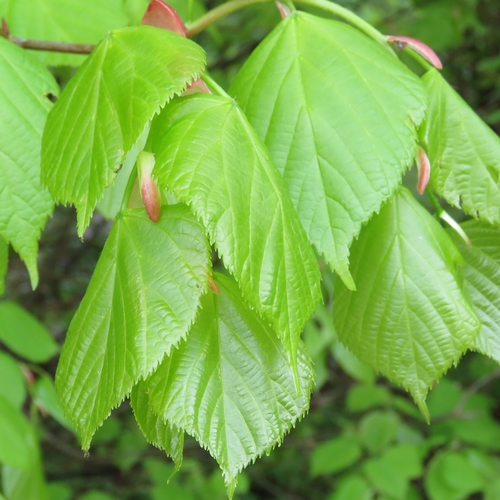
Young Acer platanoides (Norway maple) and Acer pseudoplatanus (sycamore maple) are the likeliest look-alikes. Both have pointed, toothed leaf lobes rather than field maple’s rounded, smooth-edged ones. A more local confusion involves Acer monspessulanum, Montpellier maple, whose lobes are narrower and less rounded and whose foliage can be semi-evergreen in mild climates. 4 5
Winter identification relies especially on corky wings along 2–3-year-old twigs. When leaves and fruits are missing, these distinguish field maple from Norway, sycamore and Montpellier maples more reliably than crown shape alone.
Main sources
- Plants of the World Online / Kew, Acer campestre L.
- Royal Horticultural Society, Acer campestre - field maple
- Plants For A Future, Acer campestre database entry
- Trees and Shrubs Online, Acer campestre
- Woodland Trust, Field maple - Acer campestre
- INPN / MNHN, Acer campestre L., 1753 - field maple
- Westermann et al., 2016, hypoglycin A concentrations in maple species in the Netherlands
- USDA GRIN Taxonomy, Acer campestre
- Missouri Botanical Garden Plant Finder, Acer campestre 'Postelense'
Frequently asked questions
Is field maple poisonous to horses?
No. Unlike sycamore maple (Acer pseudoplatanus), whose seeds contain hypoglycin A associated with equine atypical myopathy, Acer campestre seeds contained no notable amount in a Dutch study of local maples.
How can I tell field maple from sycamore and Norway maple?
Acer campestre leaves have rounded, smooth-edged lobes without teeth, while sycamore and Norway maple have pointed, toothed lobes. Young field maple twigs also often develop corky wings absent from those two species.
Why do field maple twigs have corky wings?
These corky outgrowths appear on twigs two to three years old. Their precise function remains debated, but they are a reliable identification feature absent from other common European maples.
Does field maple make a good clipped hedge?
Yes. This is one of its best-documented uses. It withstands hard, repeated pruning, making it a traditional choice for dense rural hedges alongside hawthorn and common dogwood.
What is field maple wood used for?
Its wood is harder and denser than that of any other European maple. Despite the generally small trees, it is valued for turning, carving and parts of musical instruments such as harps.
Is field maple native to France?
Yes. POWO/WCVP includes France in its native range. The most widespread European maple grows in woodland edges and hedges from sea level to 1,600 m.
Similar plants
If you are unsure about a plant’s toxicity, ask a botanist or veterinarian for advice.