
Common yarrow (Achillea millefolium, )
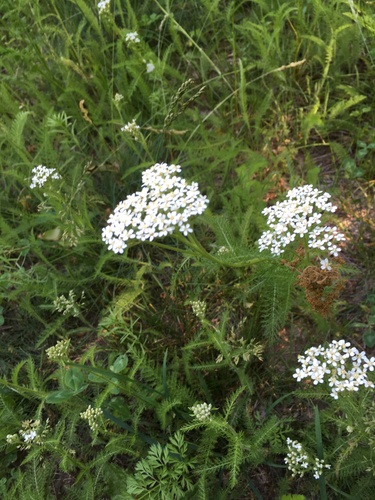
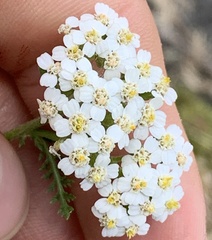
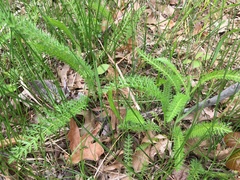
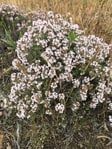
Common yarrow (Achillea millefolium) is a rhizomatous perennial in the Asteraceae, widespread across the temperate Northern Hemisphere. Finely divided leaves support broad, flat clusters of small white to pink flowers visited by pollinators. This meadow and border plant has traditional medicinal uses but is toxic to animals.
Read moreCommon yarrow, Milfoil, Thousand-leaf, Soldier’s woundwort, Nosebleed plant and Yarrow
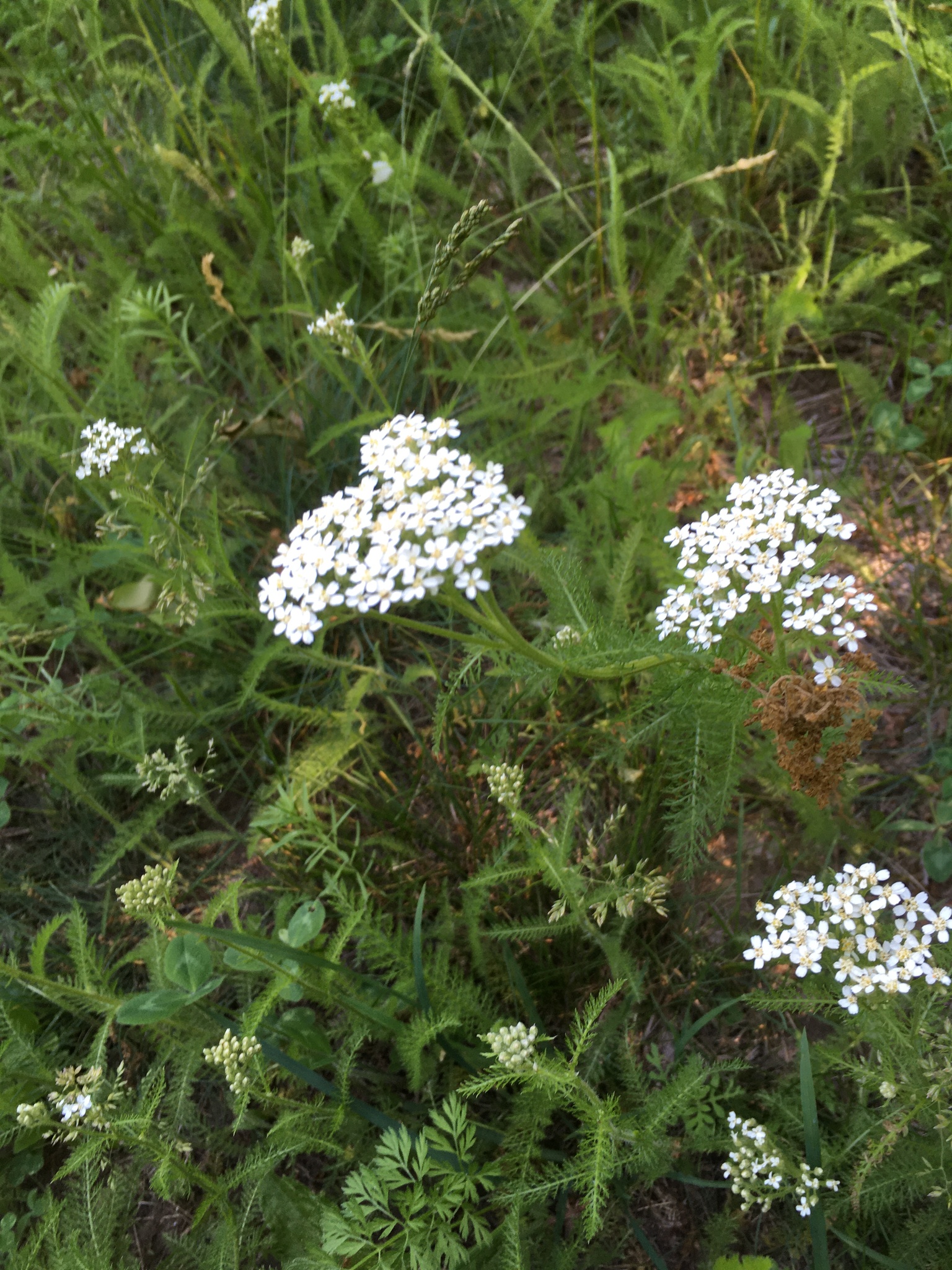


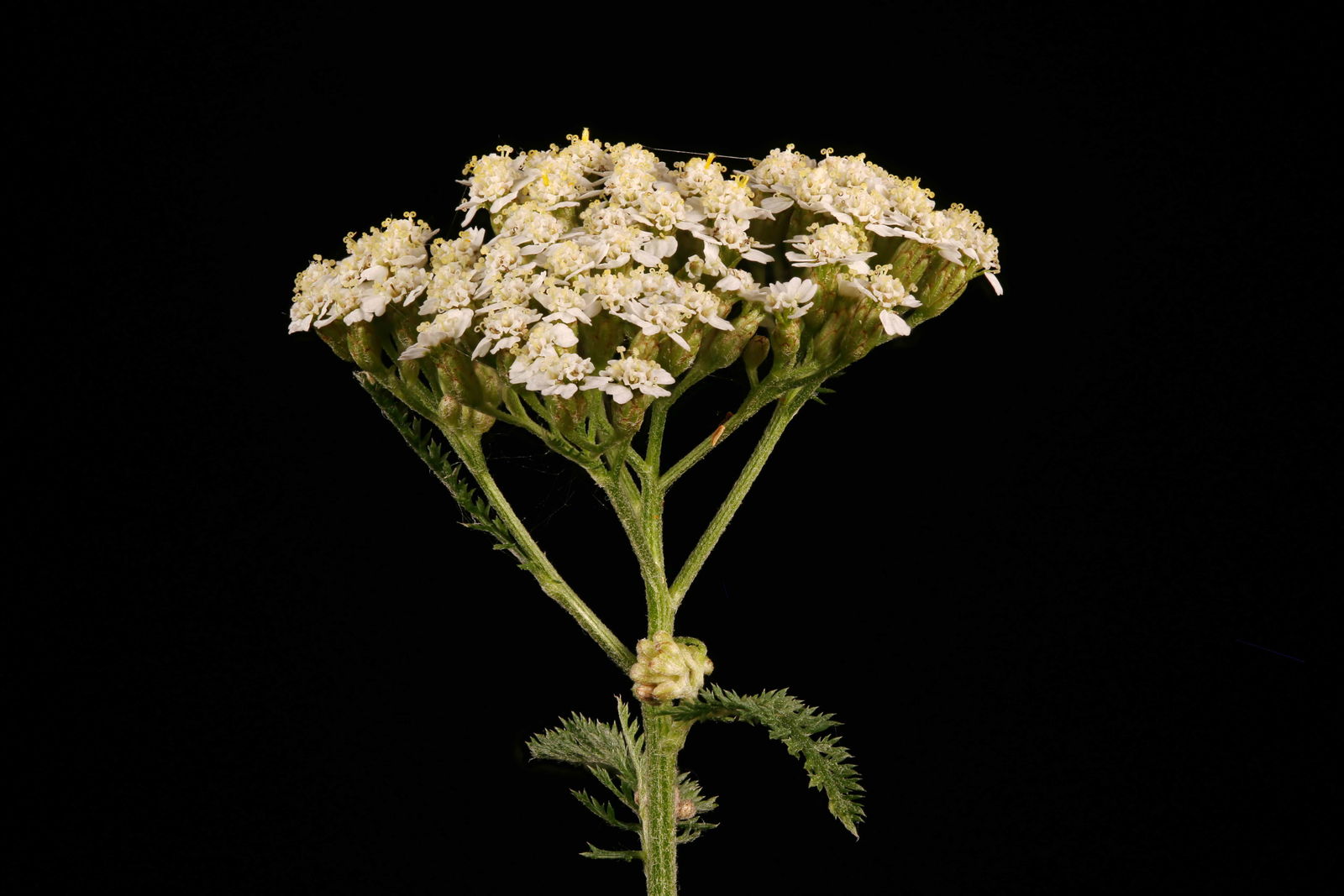
© photo
Glenn Berry · cc0
natalie · cc0
Daniel Atha · cc0
Taken Jun 23, 2022 by Ghuijs Tuur (cc-by-sa)
Taken Jul 12, 2019 by Veronika (cc-by-sa)
Taken Jul 17, 2022 by Waldemar Zeja (cc-by-sa)
Taken Feb 20, 2022 by Beate Liebold (cc-by-sa)
Taken Jul 11, 2019 by Waldemar Zeja (cc-by-sa)
© copyright of the Board of Trustees of the Royal Botanic Gardens, Kew.




Global distribution
Common yarrow’s native range covers the temperate Northern Hemisphere, from subarctic regions across temperate Eurasia. It is widespread and extensively introduced beyond that range, including North America, Australia and New Zealand, where it is sometimes used for forage. These introductions remain distinct from its original range.
- Native3
- Introduced3
- Mainland France
- Temperate Europe
- Temperate Asia
- United States
- Australia
- New Zealand
Hexagons: regions where the plant occurs. Green dots: native range.1
Identity
Common yarrow (Achillea millefolium L., 1753), also called milfoil, is a rhizomatous perennial in the genus Achillea, part of the large Asteraceae family. The genus name recalls the Greek hero Achilles, who was traditionally credited with using the plant to treat his soldiers’ wounds. 1 4
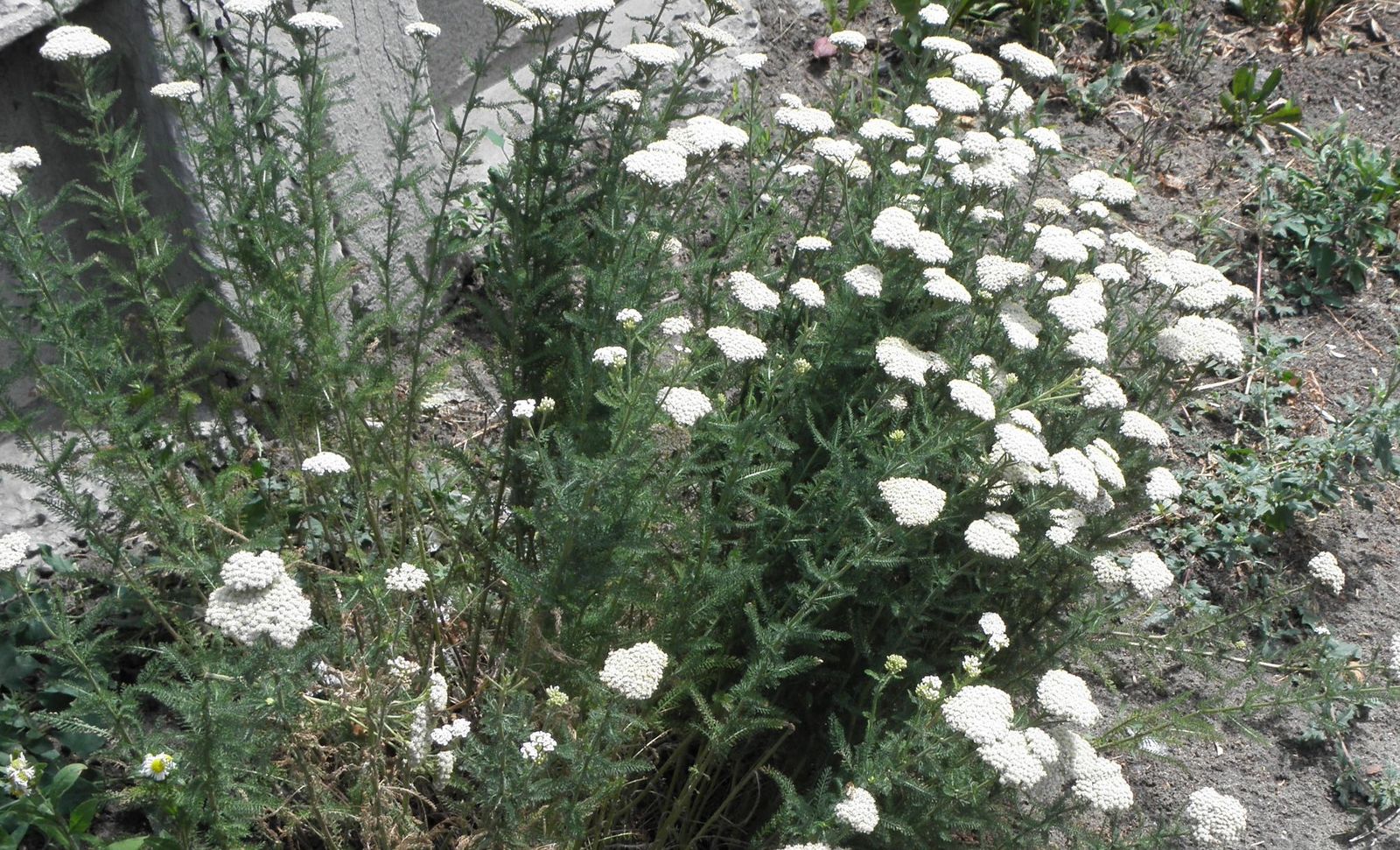
In gardens and wild grassland, broad flat-topped corymbs of small white to pink flowers rise above finely divided foliage. This very cold-hardy meadow plant provides nectar and has a long medicinal history. Those uses come with an essential caution: it is toxic to domestic animals. 2 6
Recognition
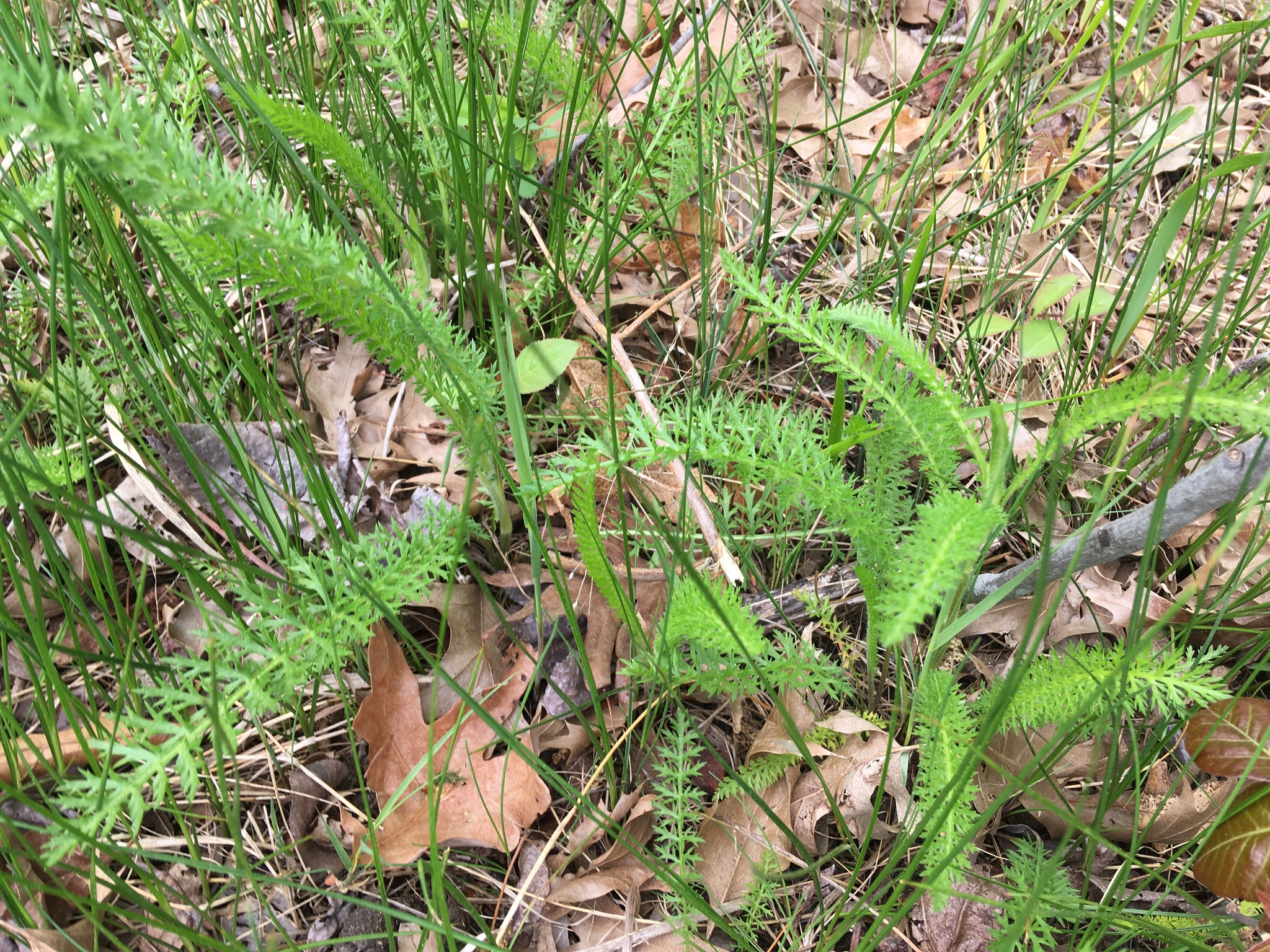
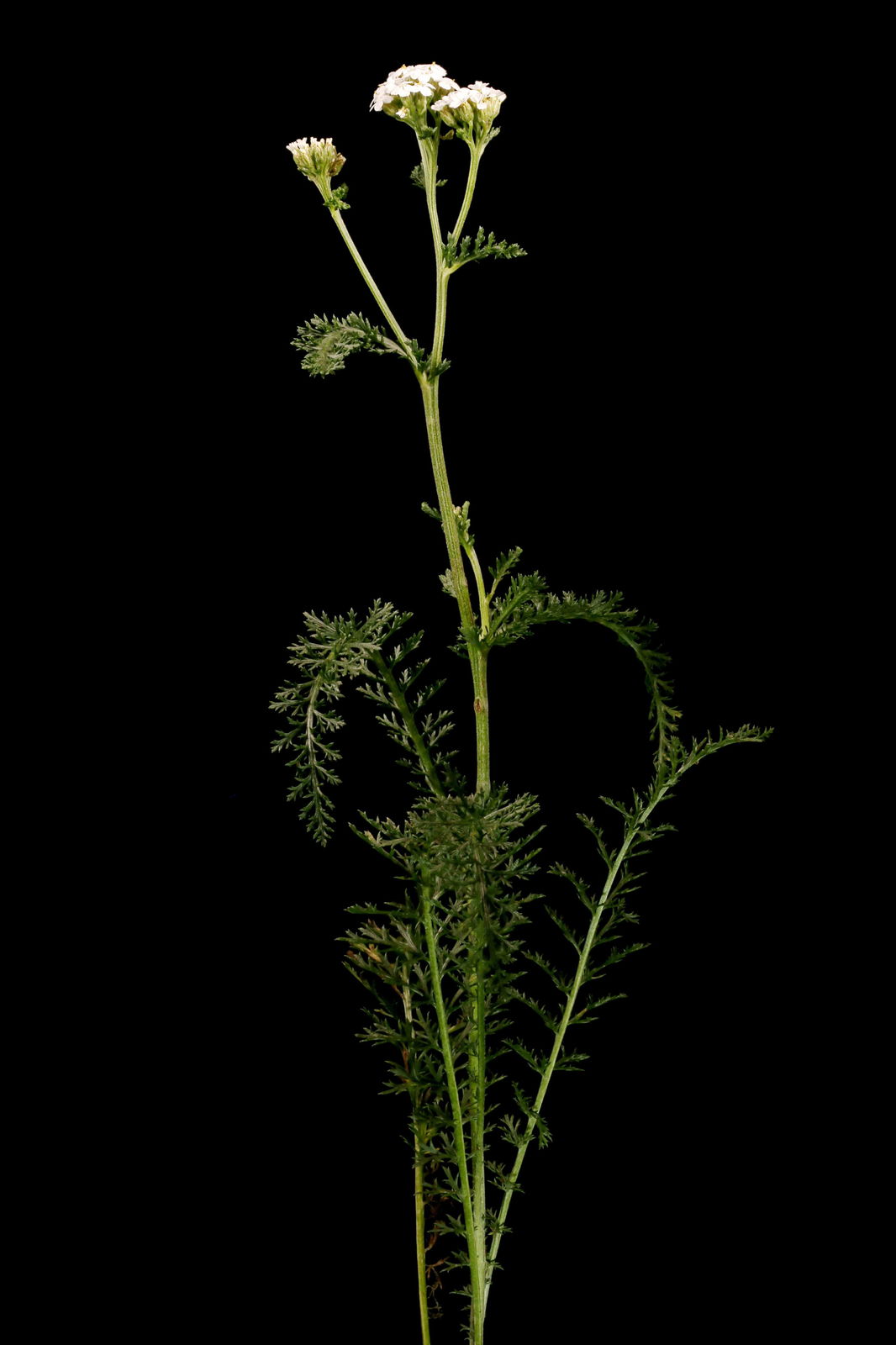
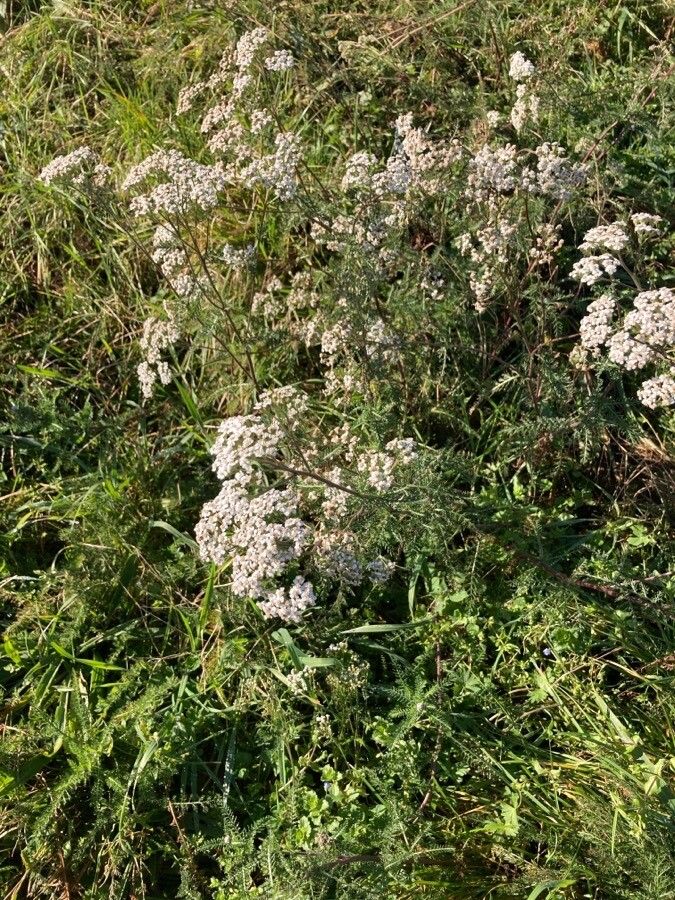
Upright, furrowed, slightly hairy stems reach 30–100 cm (1–3 ft), forming a spreading clump. Leaves are the strongest identifying feature: they are twice or three times pinnate, divided into numerous narrow segments. This feathery appearance explains the name milfoil and the scientific epithet millefolium, which refers to its many leaf divisions. 3 6
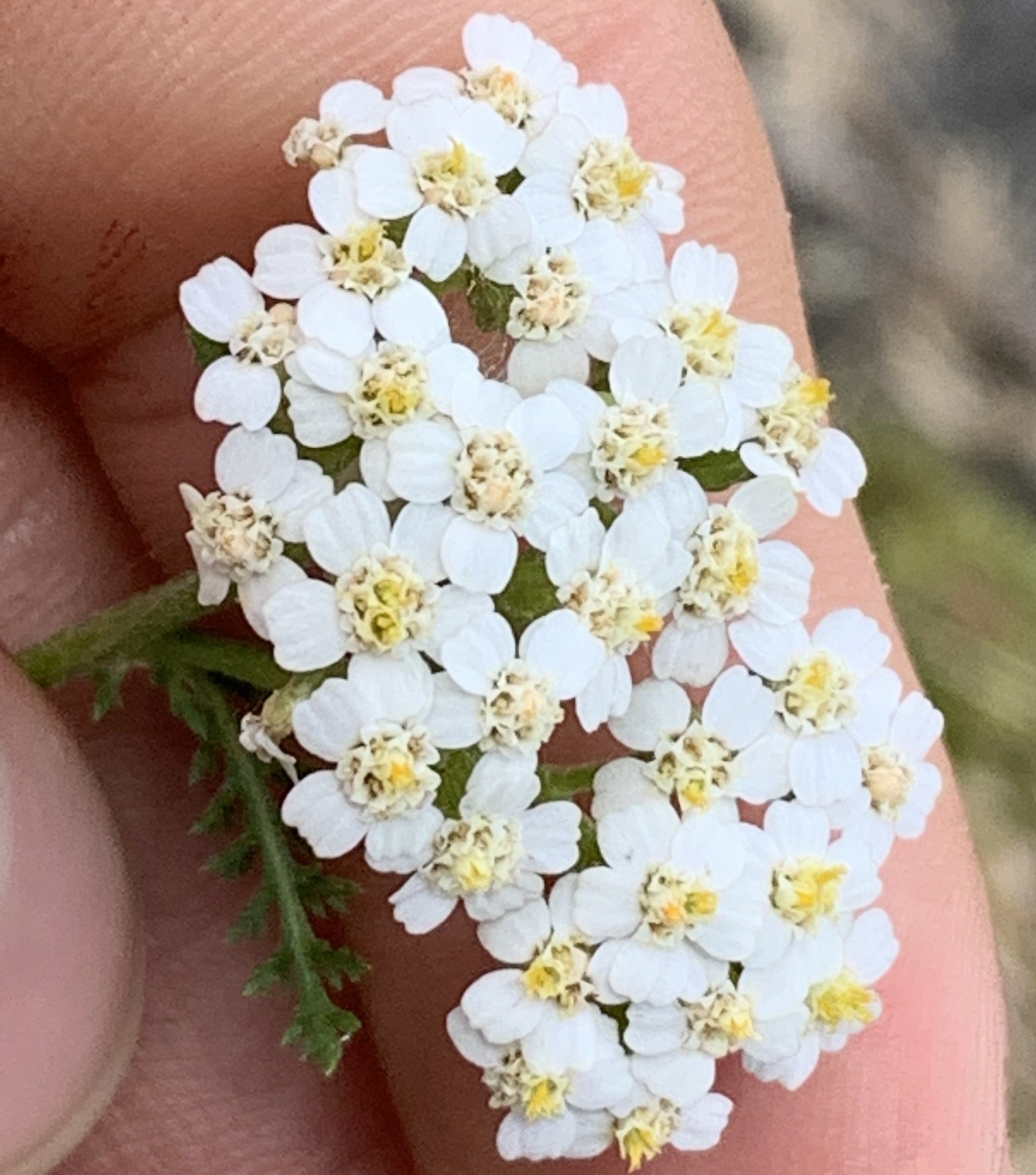
A broad flat-topped corymb brings together many tiny flower heads. Each head carries a few short white or pink ray florets around a center of tubular disc florets. The arrangement creates a level floral surface rather than a single large flower. Crushed leaves release a strong aromatic scent, somewhat reminiscent of camphor. 4 2
Creeping underground rhizomes allow an established plant to expand into colonies. Flowering falls in local summer, typically June to September in temperate Northern Hemisphere conditions. Cutting back after the first flush can extend the display by encouraging another wave of flowers later in the growing season. 5 3
Useful taxonomy
Linnaeus described Achillea millefolium L. in 1753. The genus contains many Northern Hemisphere species, and common yarrow belongs to a variable complex with several historical names. Botanical records may therefore list the following synonyms, which should be read alongside the accepted name:
- Chamaemelum millefolium (L.) E.H.L.Krause, a historical synonym
- Alitubus millefolium (L.) Dulac
- Achillea tenuifolia Salisb.
- Achillea dentifera DC.
- Santolina millefolium (L.) Baill.
For a consistent botanical reference, use the accepted name Achillea millefolium. Names such as Cerise Queen or Paprika refer to horticultural selections rather than separate species or botanical varieties. Keeping these naming levels distinct helps distinguish a cultivar’s selected flower color from the identity of the underlying species. 1 7
Habitat and range
Temperate Northern Hemisphere grasslands support common yarrow from subarctic regions across temperate Eurasia. In mainland France it is a widespread native of meadows, roadsides, banks and waste ground, growing in soils that range from dry to moderately moist. Open habitats let its flowers rise above the surrounding low vegetation. 1 7
As a pioneer of poor, well-drained ground, the plant spreads through a network of underground stems that helps bind soil. Its tolerance of drought and lean conditions also explains its garden preferences. Rich soil encourages overly long growth and flopping stems, so greater fertility does not necessarily improve its appearance. 6 2
Widely distributed beyond its original range, common yarrow has been introduced and naturalized in North America, Australia and New Zealand, sometimes for forage. Such introductions should be distinguished from its Eurasian and circumboreal origins. The distribution summary here follows those distinctions rather than treating every place where it grows as native range. 4 5
Life cycle and reproduction
Winter dormancy defines the annual rhythm of this herbaceous perennial: aboveground stems dry back, while the rootstock survives and produces new growth in spring. Summer flowering can begin in the first year under favorable conditions. Once established, the same clump flowers again in successive growing seasons. 3 5
Bees, hoverflies and butterflies visit the many small flower heads. A flat corymb offers these varied insects a convenient landing platform as they feed. After flowering, the heads produce small, dry achenes without a pappus, the tuft of hairs found on many other members of the daisy family. 4 6
Garden propagation relies mainly on clump division in local spring or autumn, every two to three years. This also rejuvenates a plant whose center has become bare. Surface-sown seed in spring germinates in two to four weeks, and cuttings from rooted portions also establish well. Division is the more reliable way to preserve a cultivar’s flower color, because seedlings of garden selections do not reproduce those shades faithfully. 2 5
Uses and risks
Common yarrow serves ornamental, nectar-producing and traditional medicinal roles. Dry borders and flower meadows suit its flat clusters and drought resistance. Its long history in folk medicine also explains established names such as soldier’s woundwort. Historical use describes a cultural practice, rather than a reason to assume that the plant is suitable for unrestricted use. 4 5
Human use calls for caution. People sensitive to Asteraceae may develop skin reactions, and use during pregnancy is discouraged. ASPCA lists yarrow as toxic to cats, dogs and horses: achilleine and other alkaloids can cause digestive upset, vomiting, salivation and sometimes contact dermatitis. Keep the plant’s medicinal reputation separate from its safety around animals. 8 6
For the growing plant, excess water is a major difficulty. Saturated soil encourages crown and root rot, while poorly ventilated conditions can allow powdery mildew to coat the leaves. Full sun, poor but well-drained soil and regular division to open the clump help reduce these problems and keep the stems firmer. 2 3
Varieties, look-alikes and related plants
Colorful nursery forms remain selections rather than separate species. Cerise Queen and Paprika are widely grown cultivars, while Red Velvet, Lilac Beauty and Terracotta offer deep red, lilac or apricot shades. Before choosing a plant, check its cultivar name, expected vigor and reported color stability. Different selections can change shade as the flower heads age. 2
Several related or superficially similar plants can be confused with common yarrow:
- Achillea ptarmica, sneezewort, has undivided leaves and larger flower heads;
- Achillea filipendulina, fernleaf yarrow, has golden, more domed corymbs;
- white-flowered members of the carrot family lack common yarrow’s finely feathery foliage.
Twice or three times pinnate leaves, a broad flat corymb and an aromatic scent are the most useful features to check together. These characters provide a firmer identification of Achillea millefolium than flower color alone, particularly among garden forms bred for shades far removed from the wild plant’s white and pale pink. 3 1
Main sources
- Plants of the World Online / Kew, Achillea millefolium L.
- Royal Horticultural Society, Achillea millefolium - yarrow
- Missouri Botanical Garden, Achillea millefolium
- Encyclopaedia Britannica, yarrow
- Plants For A Future, Achillea millefolium
- NC State Extension, Achillea millefolium
- Tela Botanica, Achillea millefolium L.
- ASPCA, Yarrow (Achillea millefolium) toxic plant entry
Frequently asked questions
Is common yarrow toxic?
Yes, to animals. ASPCA lists yarrow as toxic to cats, dogs and horses because achilleine and alkaloids can cause digestive upset and sometimes dermatitis. Its medicinal use in people is traditional, but use during pregnancy is discouraged.
Can common yarrow be used in herbal tea?
Leaves and flowers appear in traditional preparations, and the plant has a very long history in folk medicine. Caution is needed: use during pregnancy is discouraged, and skin reactions can occur in people sensitive to Asteraceae.
Does common yarrow spread too much in the garden?
It spreads by rhizomes and can form a broad colony over the years, but division makes it fairly easy to contain. It is not classified as invasive in France; that statement concerns France rather than every country where it grows.
Why are my yarrow stems flopping?
The soil is usually too rich or too wet. Poor, well-drained ground in full sun produces firmer stems. Stop fertilizing and cut the clump back after flowering.
How does common yarrow attract pollinators?
Its broad, flat flower clusters provide a landing platform for bees, hoverflies and butterflies. In a sunny border it supplies nectar throughout summer.
How do colored cultivars differ from wild common yarrow?
Wild plants have white to pink flowers. Cerise Queen, Paprika and Terracotta are horticultural selections chosen for red, orange or apricot tones.
When and how should common yarrow be divided?
Divide clumps in local spring or autumn every two to three years, especially when the center becomes bare. Replant vigorous outer portions in well-drained soil; they establish quickly.
Similar plants
If you are unsure about a plant’s toxicity, ask a botanist or veterinarian for advice.