
Celery (Apium graveolens, )
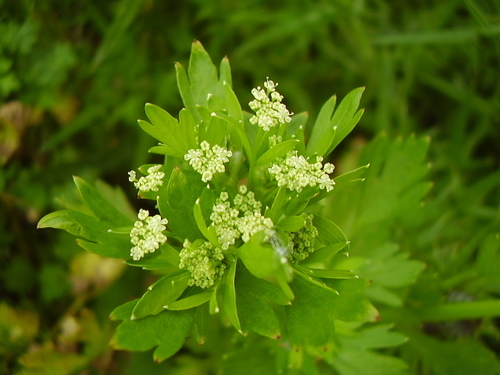
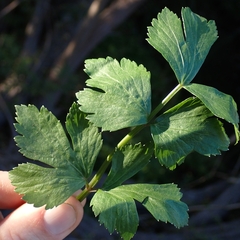
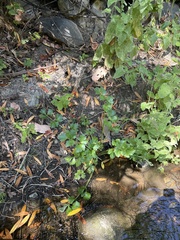
Celery (Apium graveolens) is a biennial member of the Apiaceae, described by Linnaeus in 1753. Cultivated forms provide fleshy leaf stalks, the swollen hypocotyl of celeriac, or aromatic leaves. Its wild ancestor grows in saltmarshes and damp ditches across Europe, North Africa and the western Himalayas.
Read moreCelery, Stalk celery, Celeriac, Wild celery, Leaf celery and Smallage
Allow a few hours of direct sun per day, preferably morning or evening.
Full sun; partial shade in hot climates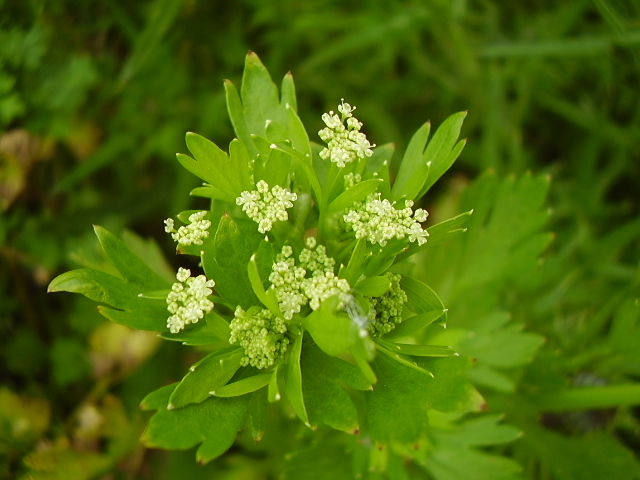

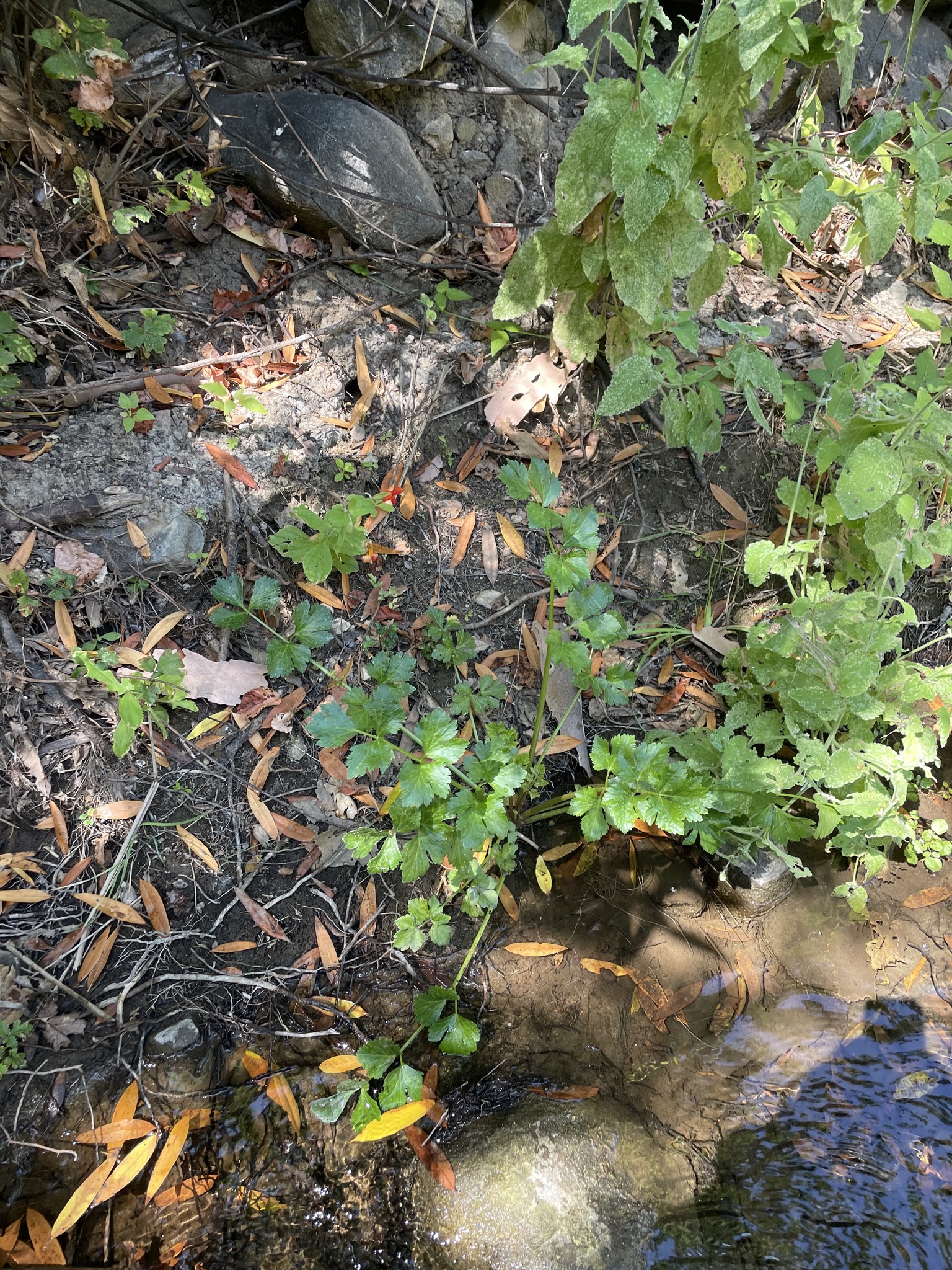


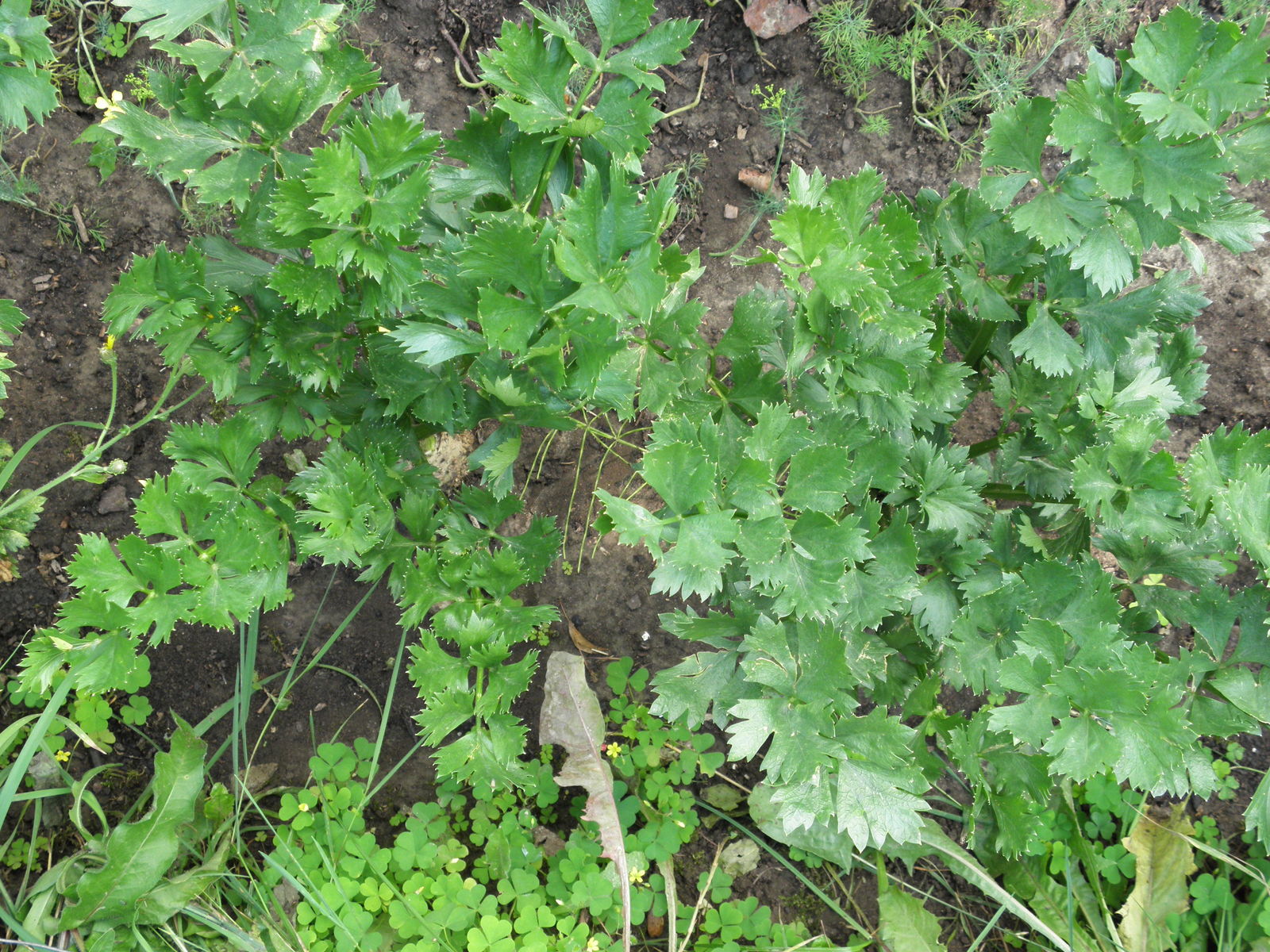
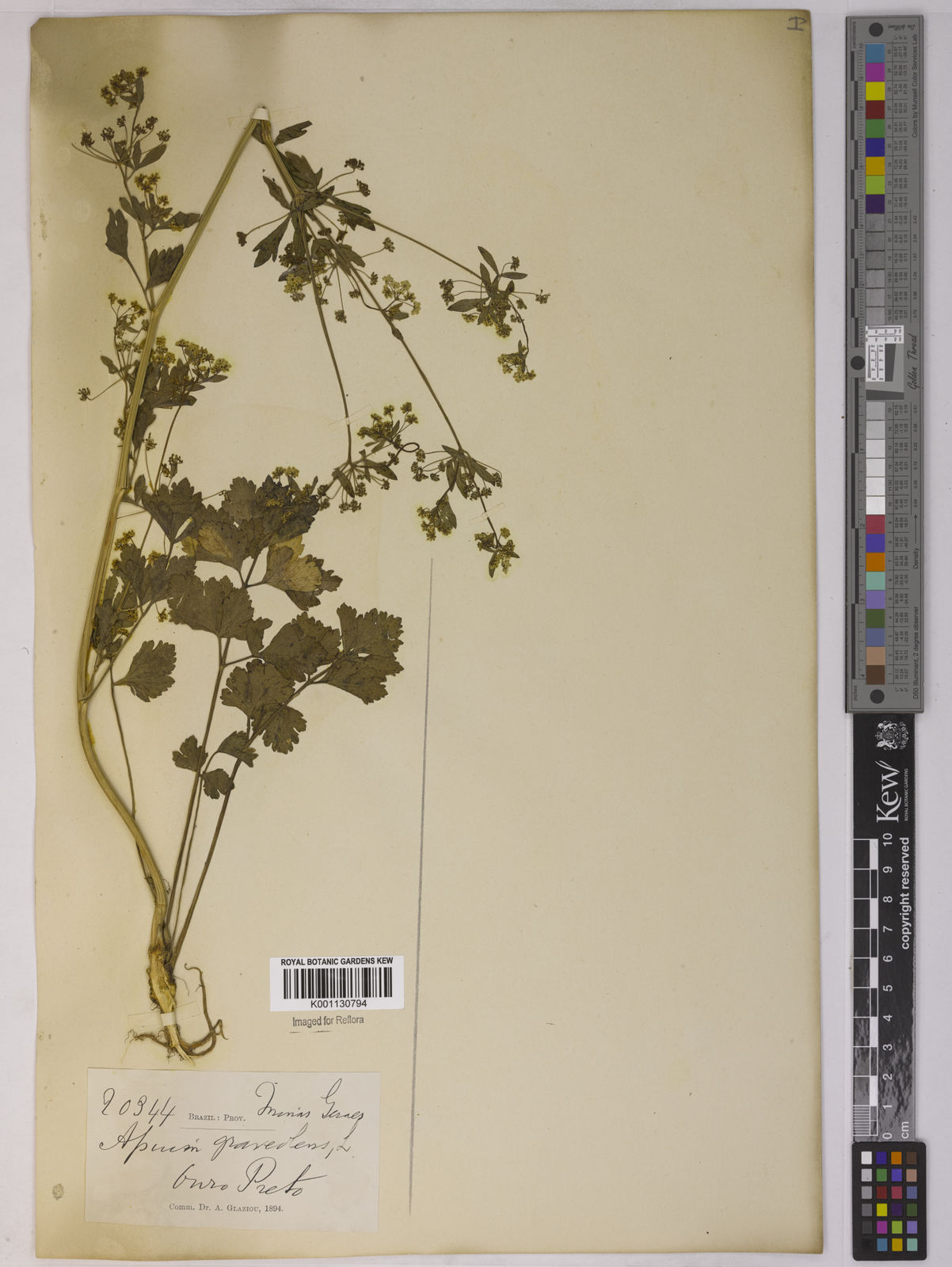
© photo
(c) Stephen Thorpe, some rights reserved (CC BY-NC), uploaded by Stephen Thorpe · cc-by-nc
John Cowles · cc0
mel letterman · cc-by
Taken Feb 28, 2022 by Tristan Jaton-Maria (cc-by-sa)
Taken Jul 7, 2021 by huy HO (cc-by-sa)
Taken Oct 23, 2021 by Annemarie Ahrens-Stehle (cc-by-sa)
Taken Jan 1, 2022 by William Coville (cc-by-sa)
Taken May 4, 2021 by kafaktor (cc-by-sa)
© copyright of the Board of Trustees of the Royal Botanic Gardens, Kew.




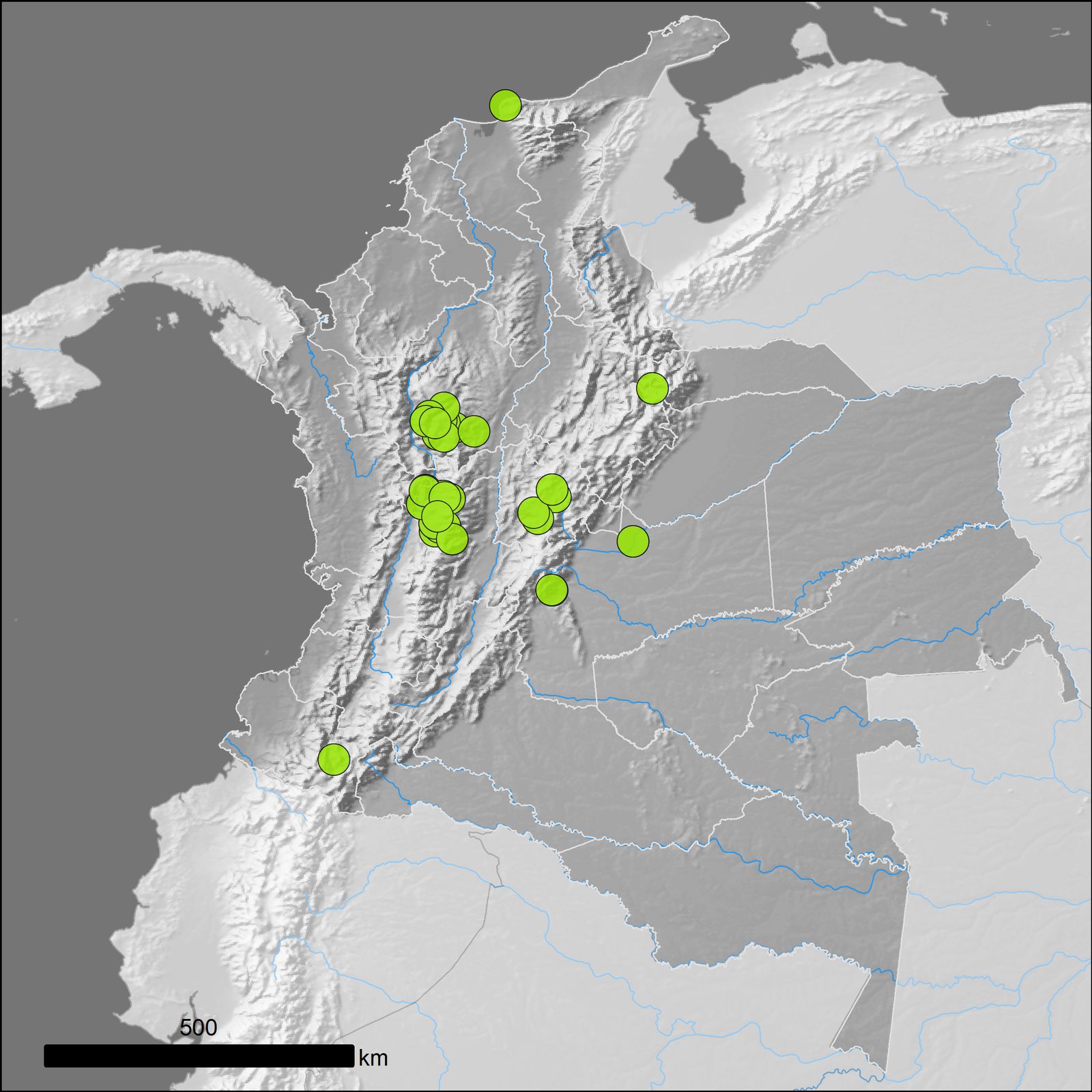
Global distribution
Apium graveolens is native from Macaronesia and North Africa through Europe to the western Himalayas. Wild plants occupy saltmarshes and coastal wetlands; cultivated forms are grown worldwide as vegetables and herbs.
- Native4
- Introduced1
- France
- Spain
- Morocco
- India
- Australia
Hexagons: regions where the plant occurs. Green dots: native range.1
Identity
Celery (Apium graveolens L., 1753) is a biennial member of the Apiaceae described by Linnaeus. Different cultivated forms supply different harvested organs: the fleshy leaf stalks of stalk celery, the swollen base of celeriac, or the aromatic leaves of leaf celery. One species therefore produces three vegetables with strikingly different appearances and uses in the kitchen. 1 2
The epithet graveolens, meaning strongly scented, points to a useful identifying feature. Crushed foliage smells much stronger than parsley, its familiar look-alike in a vegetable garden. Wild celery, also called smallage, inhabited damp ditches and European coastal saltmarshes long before selection produced the familiar cultivated vegetable. 7 6
The French name céleri comes from Lombard seleri, ultimately from Greek selinon through Latin. Garlands of wild celery were found in Tutankhamun's tomb, dating to around 1323 BCE. This funerary use long predates the plant's modern role as a garden crop and helps explain why its cultural history extends beyond food. 8
Recognition
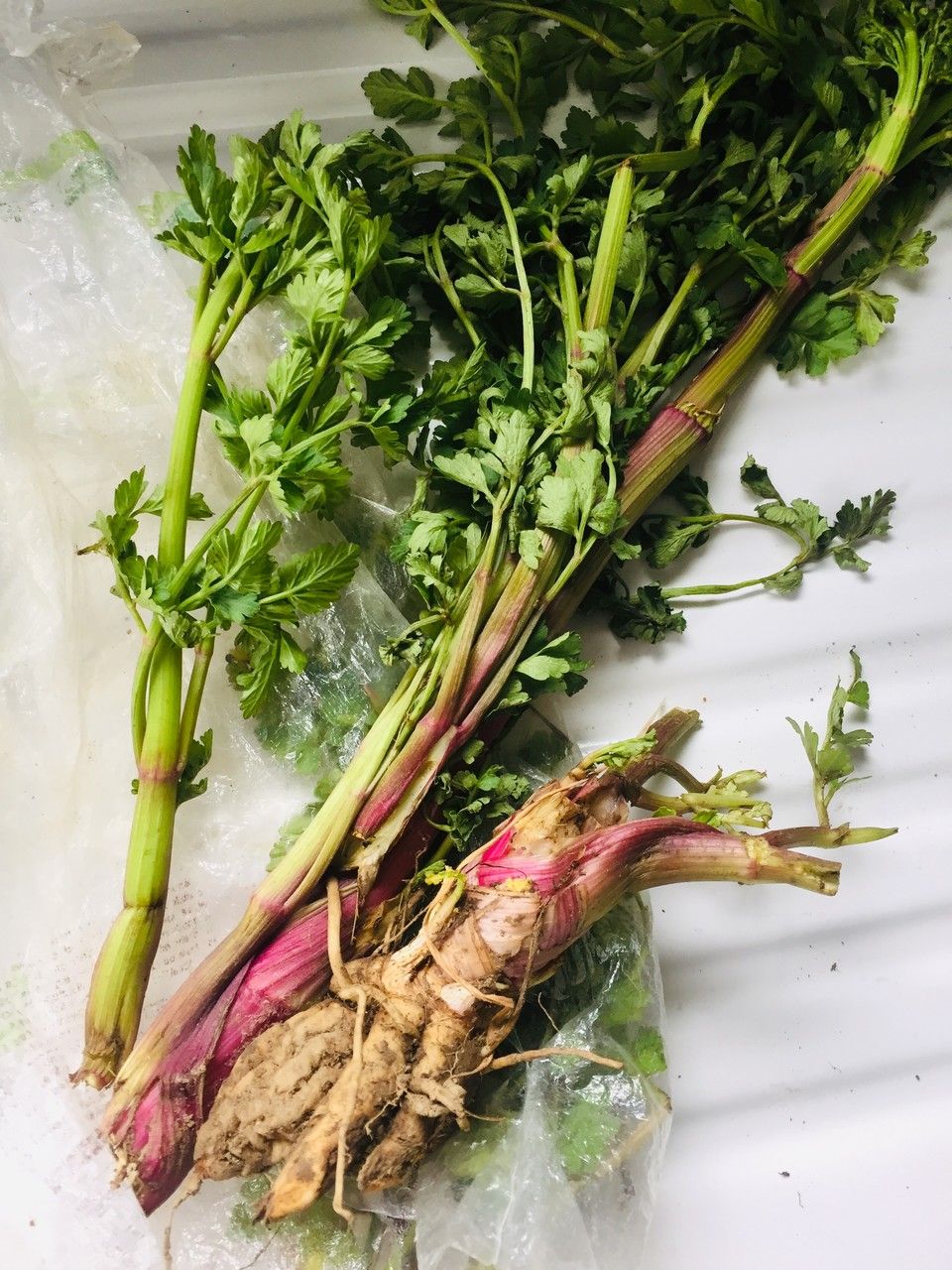
A bright green rosette of divided, pinnate leaves develops first, releasing a strong aroma when crushed. The leaf stalks thicken as the plant grows and separate readily into lengthwise fibers when broken. These fleshy, fibrous stalks offer a clearer visual distinction from parsley than the outline of the leaves alone. 4 5
First-year plants generally reach 60–90 cm (2–3 ft) tall and spread 30–46 cm (12–18 in). A second-year flowering stem reaches 90–100 cm (3–3.3 ft). Tiny creamy white flowers, 2–3 mm (about 0.1 in) across, gather in the umbrella-shaped clusters typical of Apiaceae. Small, pale brown dry fruits follow the flowers. 5 8
Useful taxonomy
Under the accepted name Apium graveolens, POWO records a species native from Macaronesia and North Africa through Europe to the western Himalayas. A vegetable's sales name alone does not identify a separate species: stalk celery, celeriac and leaf celery share this botanical identity. Their traditional variety names help explain the different crop groups. 1 3
- Apium graveolens var. dulce (Mill.) Pers., stalk celery group
- Apium graveolens var. rapaceum (Mill.) Gaudin, celeriac group
- Apium graveolens var. secalinum Alef., leaf celery group
- Sium graveolens (L.) Vest, historical synonym
On a seed packet or nursery label, the variety or crop-group designation tells you which part is intended for harvest. The general word celery can cover all three commercial forms, so it does not by itself promise either thick stalks or a swollen edible base. 1 7
Habitat and range
Coastal saltmarshes, wet ditches and damp banks support wild celery across its native range, from the Mediterranean region through North Africa toward the western Himalayas. These wet habitats distinguish its origins from the rich, managed vegetable beds in which most people now encounter it. 1 6
An unusual tolerance of salt for a widely grown vegetable reflects that marshland ancestry. Cultivation subsequently carried the species around the world as both a vegetable and an aromatic herb. It grows in temperate conditions and in warmer climates, where light summer shade can soften exposure without changing its need for consistently moist soil. 6 4
Life cycle and reproduction
Two growing seasons normally complete celery's biennial cycle. The first builds the leaf rosette and harvested stalks or swollen base; winter cold then prepares the plant to send up a flowering stem in its second year. Prolonged temperatures below 13 °C (55 °F) during the first year can trigger premature bolting. Unwanted in a vegetable crop, this response to cold is necessary when plants are retained for seed production. 5 4
Propagation relies almost entirely on seed, usually started under cover about 10 weeks before the local last spring frost where that seasonal pattern applies. Germination is slow, often taking 2–3 weeks. Stalks or celeriac are harvested roughly 3–4 months after transplanting, depending on the selected variety and growing conditions. 5
Uses and risks
Raw or cooked stalks, grated or mashed celeriac, aromatic leaves and dried seeds give celery a broad culinary role. Seeds are also used in celery salt. In ancient Greece, wild celery furnished wreaths for winners at the Nemean Games and decorated graves, combining celebratory and funerary meanings far removed from its familiar role in soups and sauces. 7 8
Cultivation as a vegetable followed its ritual uses. Charlemagne's De Villis recommended growing it around 800 CE, yet its adoption on northern European tables took much longer. In England, John Evelyn recommended it for aristocratic tables in 1699, well after its Mediterranean use had become established. 8
Consulted sources describe celery as nonpoisonous to cats, dogs and people in normal food use, while documenting two important precautions. Sap contains photosensitizing furanocoumarins, which can cause skin burns after contact followed by sunlight. Celery is also one of the fourteen allergens requiring declaration in the European Union and can provoke severe reactions in sensitive people; this is a regional labeling rule, not a statement about every country's law. 4 9
Varieties, look-alikes and related plants
Stalk celery, celeriac and leaf celery form three crop groups selected for a leaf stalk, swollen base or leaf respectively. Choosing between them begins with the intended harvest and kitchen use, rather than expecting every celery plant to produce all three kinds of crop equally well. 5 7
Several other Apiaceae invite comparison:
- Parsley (Petroselinum crispum) has similarly shaped leaves, but slender stalks that never become fleshy like celery stalks.
- Lovage (Levisticum officinale), sometimes called perennial celery, shares the strong aroma but grows much taller in the garden.
- Fennel (Foeniculum vulgare) forms a bulb-like base that can be mistaken for young celeriac.
Breaking a mature stalk quickly reveals the long threads that run through celery's leaf stalks. On a plant 60–90 cm (2–3 ft) tall, this fiber test complements leaf shape when distinguishing celery from parsley and lovage. It is a comparison between known garden crops, rather than a sufficient test for identifying an unknown wild plant as edible. 4
Main sources
- Plants of the World Online / Kew, Apium graveolens L.
- International Plant Names Index, Apium graveolens L.
- GBIF Backbone Taxonomy, Apium graveolens
- Royal Horticultural Society, Apium graveolens - Celery
- Missouri Botanical Garden Plant Finder, Apium graveolens var. dulce
- Plants For A Future, Apium graveolens
- Wikipedia FR, Celery
- Wikipedia EN, Celery
- EUR-Lex, Regulation (EU) No 1169/2011 on food information to consumers (Annex II, allergens)
Frequently asked questions
Is celery poisonous to cats and dogs?
No. The consulted sources classify celery as nonpoisonous in normal food use. Its sap contains furanocoumarins that can irritate skin subsequently exposed to sunlight.
What is the difference between celery and celeriac?
Both belong to Apium graveolens. Stalk celery (var. dulce) is selected for fleshy leaf stalks; celeriac (var. rapaceum) is selected for its edible swollen hypocotyl.
Why does my celery bolt too early?
Prolonged cold in the first year triggers vernalization and flowering, normally associated with the second year. Later sowing or frost protection reduces this risk.
Is celery a recognized allergen?
Yes. Celery is one of the fourteen allergens requiring declaration in the European Union and can cause severe reactions in sensitive people.
Where does cultivated celery come from?
Its wild form grows in saltmarshes and damp ditches in Europe, North Africa and the western Himalayas. Modern cultivated forms all derive from this wild plant.
Is leaf celery the same as parsley?
No, despite a similar appearance. Leaf celery (var. secalinum) has a much stronger smell and belongs to a different species from parsley, Petroselinum crispum.
Similar plants
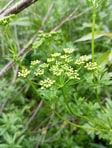
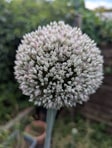
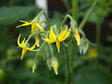
If you are unsure about a plant’s toxicity, ask a botanist or veterinarian for advice.