
Garden begonia (Begonia, )
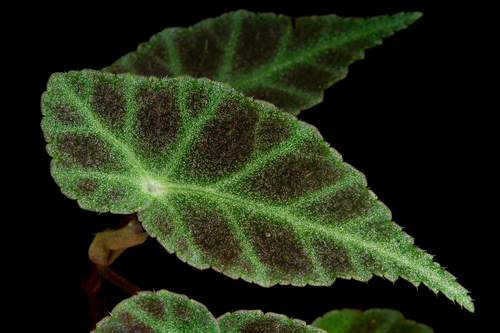
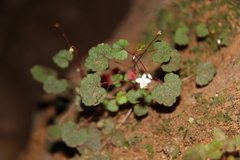
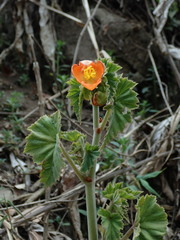
Begonia (Begonia) is one of the largest flowering-plant genera, with more than 2,000 described species in the Begoniaceae family, distributed across tropical and subtropical regions. Its diverse horticultural groups include foliage begonias such as Rex, large-flowered tuberous begonias, wax begonias and cane begonias, all recognized by distinctly asymmetric leaves.
Read moreGarden begonia, Foliage begonia and Tuberous begonia


© photo
Pedro Alvaro Neves · cc-by
Yoannis Domínguez · cc-by
Nolan Exe · cc-by
© copyright of the Board of Trustees of the Royal Botanic Gardens, Kew.
Global distribution
Begonia is native to tropical and subtropical America, Africa and Asia, with diversity centers in the Andes, the Congo Basin and Southeast Asia into central China. Horticultural begonias are also cultivated throughout temperate regions as houseplants and bedding annuals; this ornamental range is distinct from the native range.
- Native5
- Brazil
- Mexico
- China
- India
- Indonesia
Hexagons: regions where the plant occurs. Green dots: native range.1
Identity
Begonia (Begonia L.) is a flowering-plant genus that accounts for almost the entire Begoniaceae family. With more than 2,000 described species and new ones still being discovered, it ranks among the ten largest genera of flowering plants. The name covers a great range of plants rather than a single species with one uniform growth habit or appearance. 1 2
Wild members of the genus come from tropical and subtropical regions, yet begonias supply gardens and homes with very different ornamental plants. Nursery groups include foliage begonias, tuberous begonias with large flowers, and wax begonias grown as annual bedding plants. Charles Plumier named the genus in honor of the French administrator Michel Bégon. 4 5
Recognition
Unequal leaf halves are the clearest recognition feature of Begonia. The blade develops asymmetrically on either side of the midrib, producing an oblique outline that may resemble an ear or wing. Foliage color varies widely, from plain green to patterns of red, silver or purple. A striking leaf pattern alone does not identify a particular species or horticultural group. 2 3
Fleshy stems often swell at the nodes. In cane begonias, they stand upright like slender canes; in many foliage begonias, growth comes from a creeping rhizome. Habits range from low clumps a few tens of centimeters tall to cane types exceeding 1 m (3 ft), so the genus name by itself gives little indication of a mature plant's size. 3 4
Separate male and female flowers provide another useful clue. Begonias are monoecious, meaning both flower sexes occur on the same plant. Female flowers have a conspicuous winged ovary below the petals. Summer and fall are the main flowering seasons in the temperate calendar, although Elatior begonias can continue blooming for longer indoors. 2 5
Useful taxonomy
Linnaeus described Begonia in 1753; it is the type genus of Begoniaceae in the order Cucurbitales. Apart from the single-species Hawaiian genus Hillebrandia, almost the whole family belongs to Begonia. This makes the family an unusual example of botanical diversity concentrated overwhelmingly in one genus, even though that genus contains many different forms. 1 2
Gardeners commonly organize begonias into cultivation groups involving many species and hybrids, rather than identifying every plant solely by species. The principal names encountered in horticulture describe garden groups rather than botanical ranks:
- Begonia Rex-cultorum, Rex begonias grown for foliage;
- Begonia × tuberhybrida, large-flowered tuberous begonias;
- Begonia × semperflorens-cultorum, wax begonias used in bedding;
- Begonia × hiemalis, long-flowering Elatior begonias.
Hybrid group names identify horticultural lineages, rather than wild species. The accepted genus name, Begonia L., provides a stable botanical reference across these garden categories. Botanists divide the numerous species into several dozen sections, a separate system from the practical groups used to describe foliage plants, bedding plants or tuberous flowering plants. 1 4
Habitat and range
Wild begonias grow in tropical and subtropical America, Africa and Asia, with the genus extending into central China. Major centers of diversity include the Andes, the Congo Basin and Southeast Asia. This native range describes the wild genus; it should be kept distinct from the much broader distribution of ornamental begonias cultivated around the world. 1 2
Moist shade characterizes the habitats described for these plants: tropical forest understory, shaded rock faces, streambanks and wooded slopes. Humid air and filtered light help explain their behavior in cultivation. Many begonias need atmospheric moisture and suffer in strong direct sun or dry conditions, although the genus contains multiple groups whose precise cultivation needs differ. 3 5
Ornamental cultivation takes begonias far beyond their original range. In temperate gardens in France, the United States and Japan, they are grown as houseplants, flowering containers or annual bedding for shaded sites. Frost sensitivity limits their outdoor survival in those settings, so a cultivated summer display should not be confused with a native population. 4
Life cycle and reproduction
Frost-tender perennial growth is typical of begonias in tropical conditions. Temperate gardeners usually treat them as houseplants or bedding annuals. Tuberous types have a distinct winter rest: aboveground growth disappears and the tuber is kept dry before spring replanting. Their main flowering season falls in summer and autumn in the Northern Hemisphere calendar used here. 5 3
Pollination of a female flower can produce a winged capsule full of exceptionally fine seeds, among the smallest in the plant world. Because male and female flowers occur separately on the same plant, recognizing the ovary helps distinguish them. The tiny seed makes sowing delicate work, although a capsule can yield a great many potential new plants. 2 1
Vegetative propagation is the main approach in cultivation. Stem cuttings containing a node suit upright begonias. Leaf cuttings can regenerate a rhizomatous begonia from a piece of leaf blade placed on moist growing medium. Dividing clumps or tubers and sowing the fine seeds provide additional options, with the appropriate method depending on the group being grown. 4 5
Uses and risks
Ornamental diversity drives most begonia cultivation. Rex and other foliage types provide colorful leaves indoors; tuberous begonias give large summer flowers in pots and hanging baskets; wax begonias fill shaded bedding displays. Some species also have traditional food or medicinal uses in their native regions, where sour stems are sometimes eaten raw. Those uses do not make every garden begonia an edible plant. 4 2
Animal safety requires caution around begonias. The ASPCA lists Begonia as toxic to cats, dogs and horses because of soluble oxalates, which are more concentrated in tubers and underground parts. Ingestion can cause drooling, vomiting and mouth irritation. Keep plants and especially stored underground parts away from pets and young children. 6 5
Varieties, look-alikes and related plants
Nursery begonias are usually sold by horticultural group. Rex begonias (Begonia Rex-cultorum) emphasize foliage; tuberous begonias (Begonia × tuberhybrida) have large double flowers; wax begonias (Begonia × semperflorens-cultorum) provide continuous bedding color; and Elatior types (Begonia × hiemalis) make long-flowering pots. Before buying, identify the group and check leaf condition and the firmness of the crown. 4 3
Common comparisons and possible mix-ups include these plants:
- Begonia maculata, a cane begonia with silver-spotted leaves, often sold as a boldly patterned houseplant;
- Begonia Rex-cultorum, whose variegated foliage recalls other shade plants such as fittonias;
- Hillebrandia sandwicensis, endemic to Hawaii and the only representative of the other genus in Begoniaceae, related to but distinct from Begonia.
Whatever the horticultural group, strongly asymmetric leaves, fleshy stems swollen at the nodes, and separate male and female flowers remain the most useful features for recognizing Begonia. Using these features together is more reliable than judging by flower color or leaf pattern, which vary greatly across the genus and its garden hybrids. 3 1
Main sources
- Plants of the World Online / Kew, Begonia L.
- Encyclopaedia Britannica, begonia (plant genus)
- Missouri Botanical Garden, Begonia plant finder results
- Royal Horticultural Society, Begonia search results
- North Carolina Extension Gardener Plant Toolbox, Begonia
- ASPCA, Begonia (Begonia species) toxicity entry
Frequently asked questions
Are begonias toxic to cats and dogs?
Yes, moderately. The ASPCA lists Begonia as toxic to cats, dogs and horses because of soluble oxalates concentrated in the tubers. Ingestion causes drooling, vomiting and mouth irritation; keep plants out of pets’ reach.
How many Begonia species are there?
More than 2,000 species have been described, making Begonia one of the ten largest flowering-plant genera. New species are still regularly discovered, especially in tropical Asia.
How do tuberous and foliage begonias differ?
Tuberous begonias grow from tubers and are cultivated for large summer flowers. Foliage begonias such as Rex are valued mainly for colorful, asymmetric leaves. Both belong to the same genus.
Why are begonia leaves asymmetric?
An unequal leaf blade is characteristic of Begonia: the two halves differ on either side of the midrib. It is one of the most reliable ways to recognize a begonia.
What light does a begonia need?
Bright indirect light or cool partial shade usually suits it best. Strong direct sun marks tender foliage, while a room that is too dark produces weak, stretched growth.
How do you propagate begonias?
Use stem cuttings with a node, leaf cuttings for rhizomatous begonias, or division of clumps and tubers. Sowing the extremely fine seed is mainly used for species and bedding hybrids.
Do begonias come back every year?
Most begonias are frost-tender and do not survive outdoors through a temperate winter. Bring plants into frost-free conditions or keep tubers dry for spring replanting.
Species in this genus
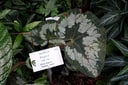
Similar plants
If you are unsure about a plant’s toxicity, ask a botanist or veterinarian for advice.