
Field pumpkin (Cucurbita pepo, )
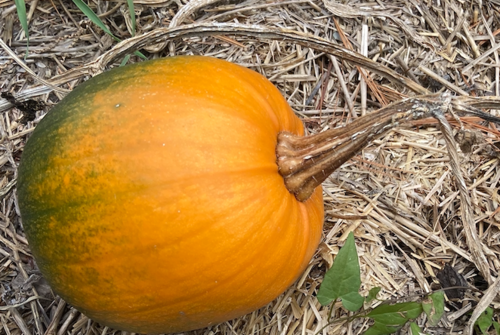
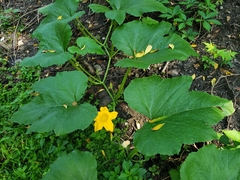
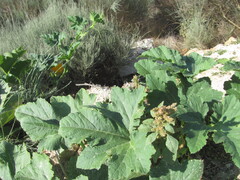
Field pumpkin (Cucurbita pepo) is an annual vegetable plant in the Cucurbitaceae family, domesticated in North America and Mexico. One species includes zucchini, pumpkins, pattypan squash and many ornamental gourds. Its trailing stems carry separate male and female flowers; the large yellow flowers are edible, while fruit shape and color depend on the cultivar.
Read moreField pumpkin, Pumpkin, Zucchini, Pattypan squash and Summer squash




© photo
(c) psullivan22, some rights reserved (CC BY-NC) · cc-by-nc
Dave Behm · cc0
zebedeugalinha · cc-by
Taken May 3, 2017 by Pierre Bonnet (cc-by-sa)
Taken May 26, 2020 by Alvarado Kimberly (cc-by-sa)
Taken Jan 19, 2021 by Juli (cc-by-sa)
Taken Jul 4, 2011 by Tela Botanica − Yoan MARTIN (cc-by-sa)
Taken Aug 20, 2021 by Jacques Zuber (cc-by-sa)
© copyright of the Board of Trustees of the Royal Botanic Gardens, Kew.




Global distribution
Cucurbita pepo is a cultivated plant domesticated long ago in North America and Mexico. Following the exchanges of the 16th century, cultivation spread to temperate and warm regions worldwide. Its cultivated occurrences reflect deliberate sowing or planting rather than lasting naturalized wild populations.
Identity
Field pumpkin (Cucurbita pepo L., 1753) belongs to the Cucurbitaceae family and the genus Cucurbita. Its remarkable diversity puts Zucchini, Pumpkin, Pattypan squash, spaghetti squash and ornamental gourds within one botanical species. These vegetables differ greatly in fruit shape and color, yet share the same flowers and overall plant structure. 1 4
Gardeners grow these Summer squash and other forms as frost-tender annuals, from spring sowing to summer or autumn harvest. Depending on cultivar, plants trail or form a partly bushy clump, quickly developing long stems and broad leaves. Their large yellow flowers must be pollinated for fruit to develop. 2 3
Recognition
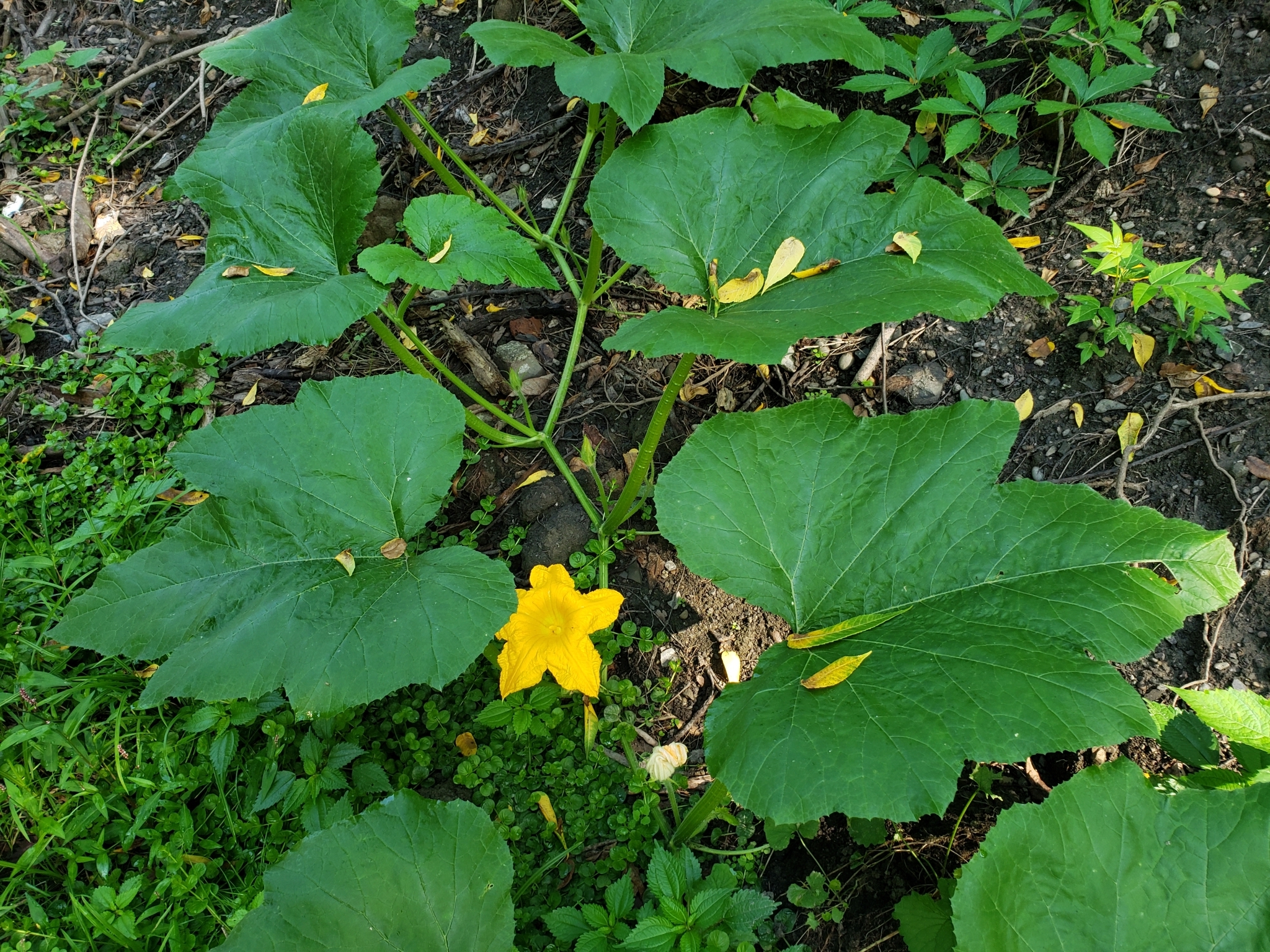
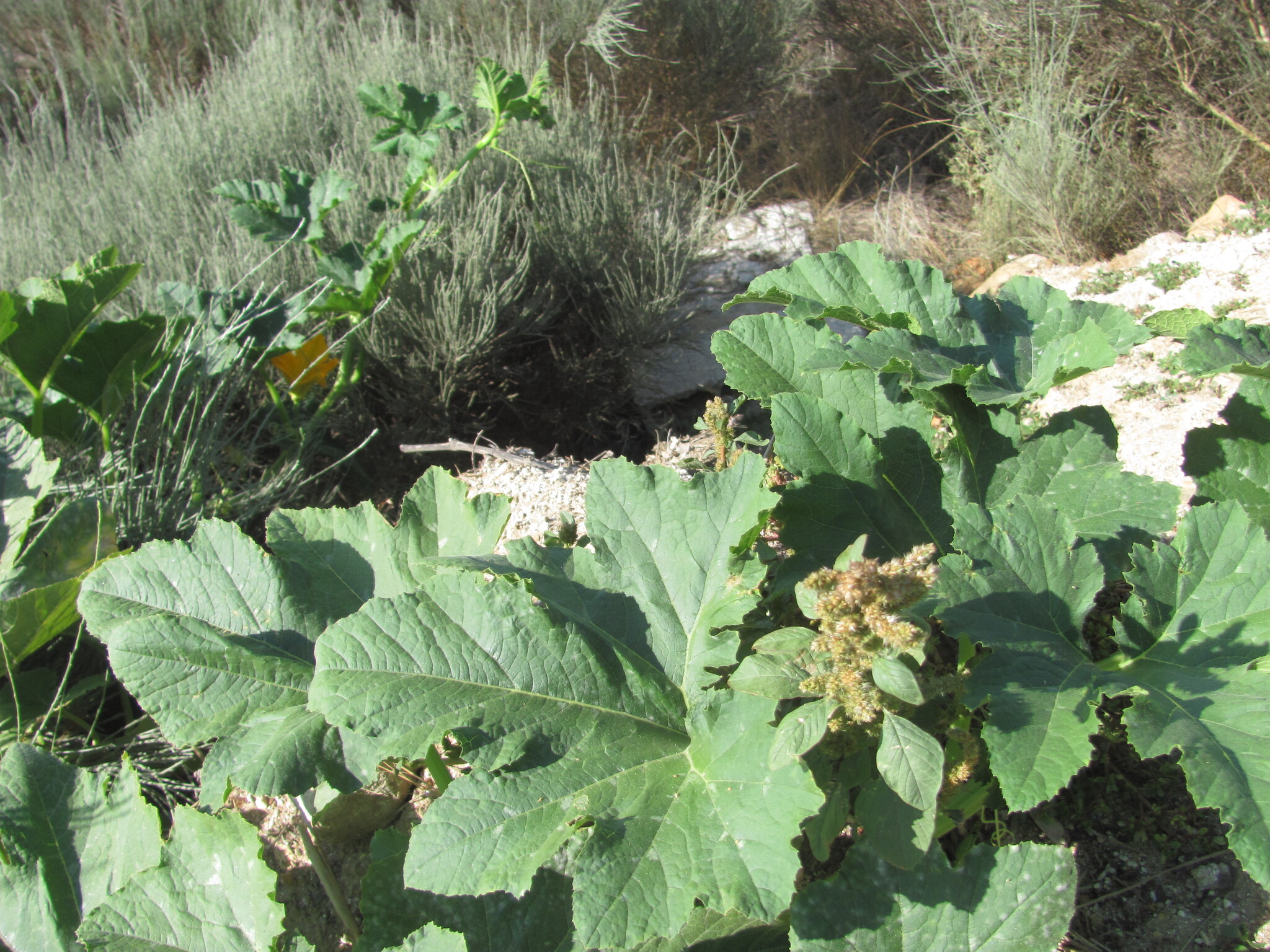
Angular trailing stems covered in rough, sometimes prickly hairs are characteristic of Cucurbita pepo. Its large, lobed leaves have toothed edges and often white marbling along the veins. Branched tendrils accompany the stems and help attach the plant to supports. 3 6
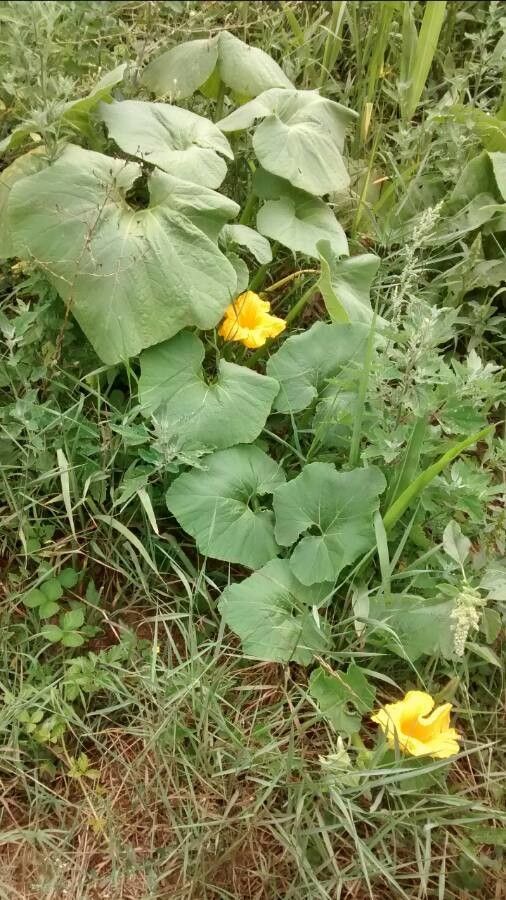
Separate male and female flowers appear on each plant, making it monoecious. The solitary, bright yellow flowers are among the largest in the vegetable garden. A swollen ovary beneath the female flower distinguishes it from the male flower on its long, thin stalk. The flowers are edible and used in many recipes. 4 5
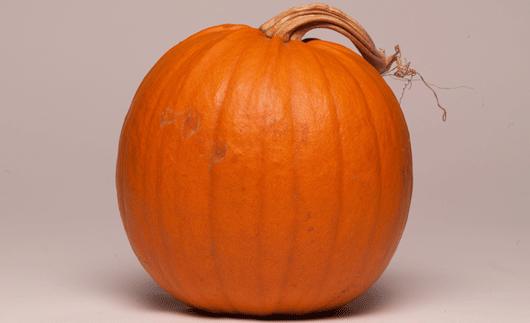
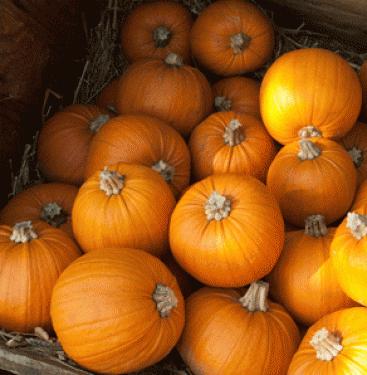
Fruit shape alone is a poor identification guide because it is the most variable feature of the species. Forms range from the immature long green cylinder of zucchini to the round orange pumpkin, scalloped pattypan saucers and small decorative gourds. This cultivar diversity changes neither flower structure nor the separate male and female flowering arrangement. 6 3
Useful taxonomy
Linnaeus published the name Cucurbita pepo L. in 1753. The genus Cucurbita is American, and numerous names below species rank have been created to classify cultivated forms. Useful names to recognize include:
- Cucurbita pepo subsp. pepo (cultivated summer squash)
- Cucurbita pepo subsp. texana (Scheele) Filov
- Cucurbita pepo var. texana (Scheele) D.S.Decker
- Cucurbita pepo convar. verrucosa (L.) Alef.
- Cucurbita verrucosa L.
Cultivar groups explain why zucchini, pumpkins, pattypans and ornamental gourds belong together. They are horticultural selections within Cucurbita pepo, rather than separate species. The accepted scientific name remains the consistent reference, since vegetable group names describe cultivated forms. 1 5
Habitat and range
Ancient domestication in North America and Mexico, the home region of the genus Cucurbita, produced this cultivated plant. In its present cultivated form, Cucurbita pepo does not occur as a strictly wild plant. 1 4
Cultivation spread from the Americas to Europe from the 16th century onward, then throughout the world’s temperate and warm regions. Plants now grow in vegetable beds and large market-garden plots on rich, well-drained soil in full sun. 3 6
Occurrences of the cultivated plant reflect intentional sowing. In France, it is absent from the spontaneous flora and does not form lasting naturalized populations, a distinction from wild species. 5 1
Life cycle and reproduction
Fruit set in field pumpkin depends on insects visiting its separate male and female flowers. Male flowers often open first; female flowers, recognizable by their visible ovary, appear later and need bees and bumblebees to transfer pollen. Without pollinator visits, young fruits turn yellow and fall. 4 2
Propagation is by seed. Sow the large, flat seeds in warmth under cover in spring, adjusted to local frost dates. Germination takes less than a week above 15 °C (59 °F). Transplant after the last frost, or sow directly outdoors once the soil has warmed. 2 6
Rich soil and full sun support very rapid growth. Young zucchini are ready 50 to 60 days after sowing, while pumpkins and storage squash need 90 to 120 days to reach full maturity before frost. The frost-tender plant dies when cold weather arrives. 2 3
Uses and risks
Food is the main use of field pumpkin and its cultivar groups. Fruits are eaten young and tender as zucchini, or ripe and suitable for storage as pumpkins and spaghetti squash. Yellow flowers are also cooked, including in fritters. Ornamental gourds are decorative and are not eaten. These productive, easy vegetables appear in many summer and autumn dishes. 4 5
In ordinary culinary use, the fruit is edible; the ASPCA lists zucchini as non-toxic to cats, dogs and horses. Rare fruits can nevertheless accumulate bitter cucurbitacins, natural compounds sometimes reappearing in plants grown from poorly selected seed. A very bitter taste signals their presence and can accompany digestive illness. Never eat distinctly bitter squash; discard the entire fruit. 7 5
Varieties, look-alikes and related plants
Within this species, the vegetable forms are cultivar groups. Zucchini has elongated fruit picked young; Pattypan squash has flat, scalloped fruit; Jack O’Lantern is grown for decoration and food; Spaghetti develops strands when cooked. Before buying seed, check the group, trailing or bush habit, and intended use.
Several other species of Cucurbita can be mistaken for field pumpkin:
- Cucurbita maxima, winter squash with large fruit and a corky stalk ;
- Cucurbita moschata, musky squash, with a flared, five-ribbed stalk ;
- Cucurbita ficifolia, fig-leaf gourd, with fig-shaped leaves.
Monoecious yellow flowers, hairy stems and an angular fruit stalk provide the most reliable combination for confirming that a squash belongs to Cucurbita pepo. 3 1
Main sources
- Plants of the World Online / Kew, Cucurbita pepo L.
- Royal Horticultural Society, courgettes - grow your own
- Missouri Botanical Garden, Cucurbita pepo
- Encyclopaedia Britannica, squash plant
- Plants For A Future, Cucurbita pepo
- North Carolina State Extension, Cucurbita pepo
- ASPCA, zucchini (Cucurbita pepo) non-toxic entry
Frequently asked questions
Is field pumpkin toxic?
The fruit is edible, and the ASPCA lists zucchini as non-toxic to cats, dogs and horses. Rare fruits can accumulate bitter cucurbitacins; discard any very bitter fruit without eating it.
Why do young zucchini turn yellow and drop?
Poor pollination is often the cause. Male flowers open first, and female flowers need insects to set fruit. Encourage bees, or hand-pollinate in the morning with a small brush.
Are zucchini, pumpkins and pattypan squash the same plant?
Yes, these are cultivar groups within Cucurbita pepo. One botanical species brings together vegetables that differ greatly in shape and color but share the same flower and plant structure.
How much sun does field pumpkin need?
Full sun is essential. Flowering, pollination and fruit ripening depend on warmth and light; in shade, the plant mainly produces leaves.
When should I harvest squash?
Pick zucchini young, from 50 to 60 days after sowing, while the skin is tender. Harvest pumpkins and storage squash fully ripe, with hard skin and a dry stalk, before the first frost.
Where did field pumpkin originate?
It was domesticated long ago in North America and Mexico. Cultivation spread worldwide after the 16th century; its cultivated form no longer exists as a strictly wild plant.
Do squash need a lot of water?
Yes. They need generous watering during growth and fruiting. Water thoroughly at the base, but avoid standing water around the crown, which can cause rot.
Similar plants
If you are unsure about a plant’s toxicity, ask a botanist or veterinarian for advice.