
Mediterranean cypress (Cupressus sempervirens, )
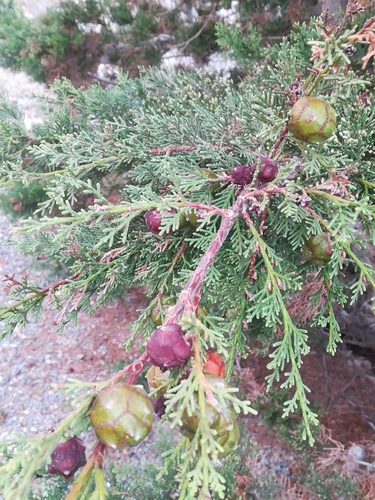
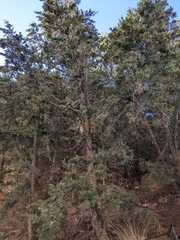
Mediterranean cypress (Cupressus sempervirens) is an evergreen conifer in the Cupressaceae family, native to the eastern Mediterranean and Iran. Its narrow, columnar form shapes the landscapes of Provence, Tuscany and the wider Mediterranean basin, while the spreading wild form remains rare outside its native range.
Read moreMediterranean cypress, Italian cypress, Common cypress and Evergreen cypress
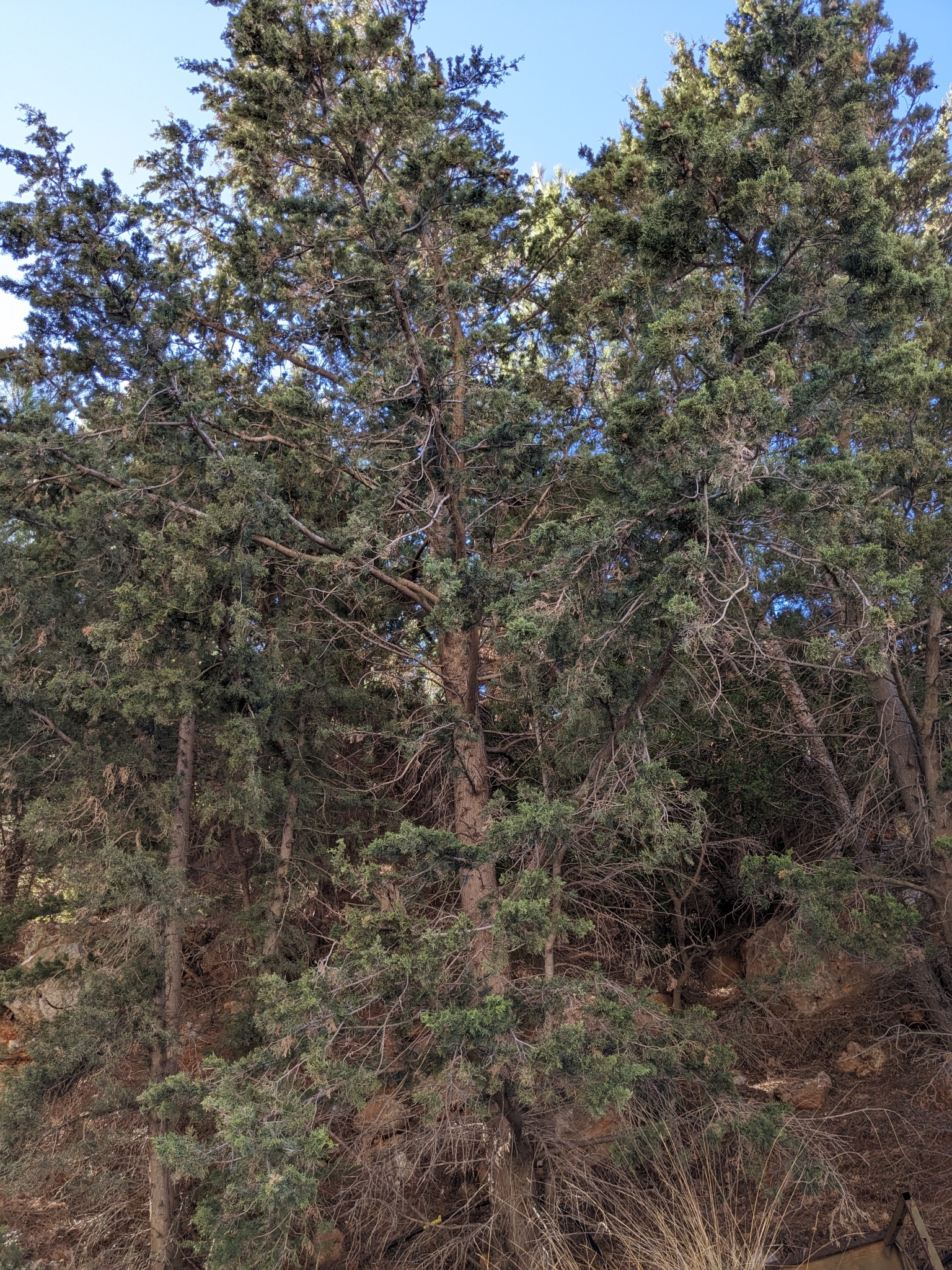
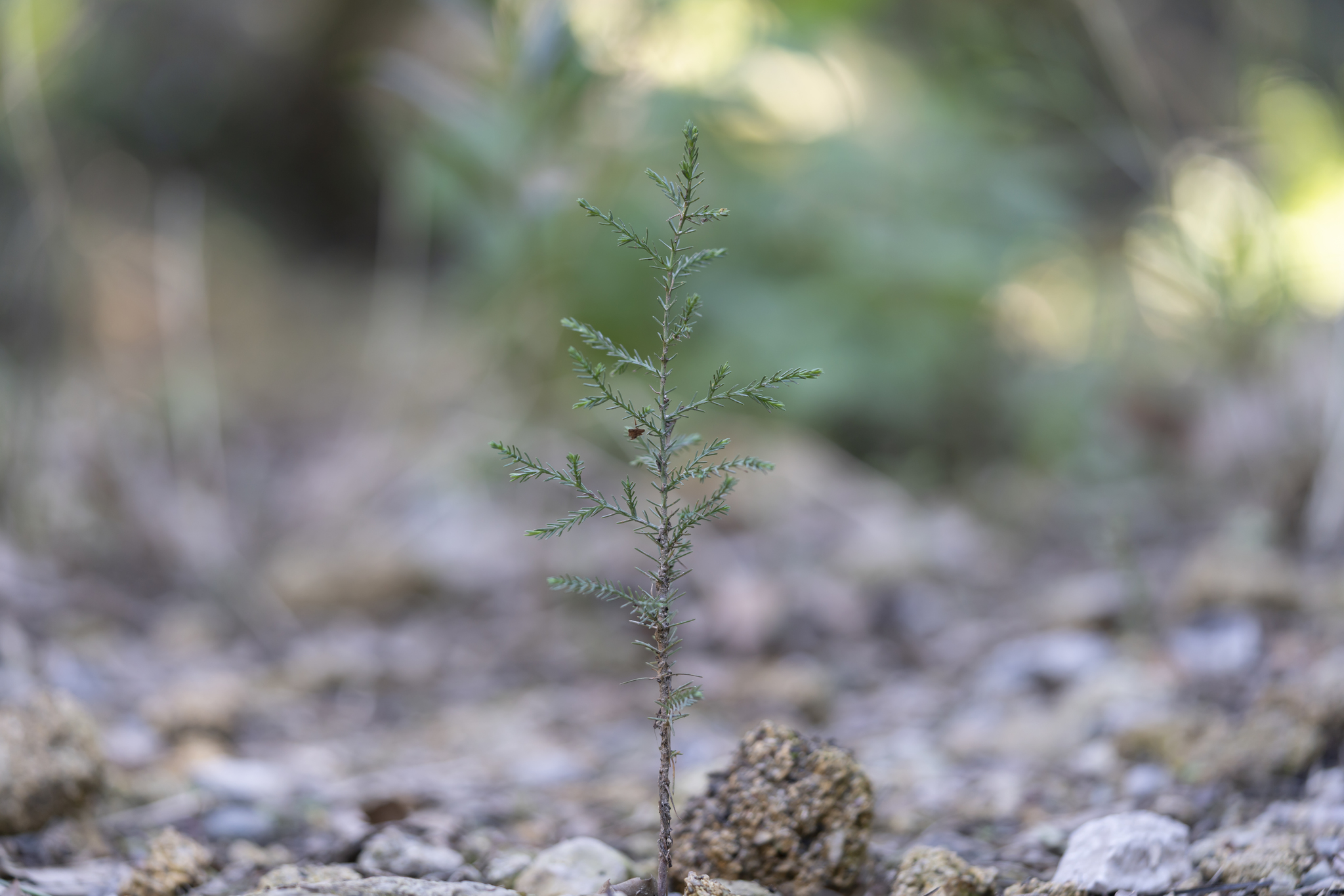


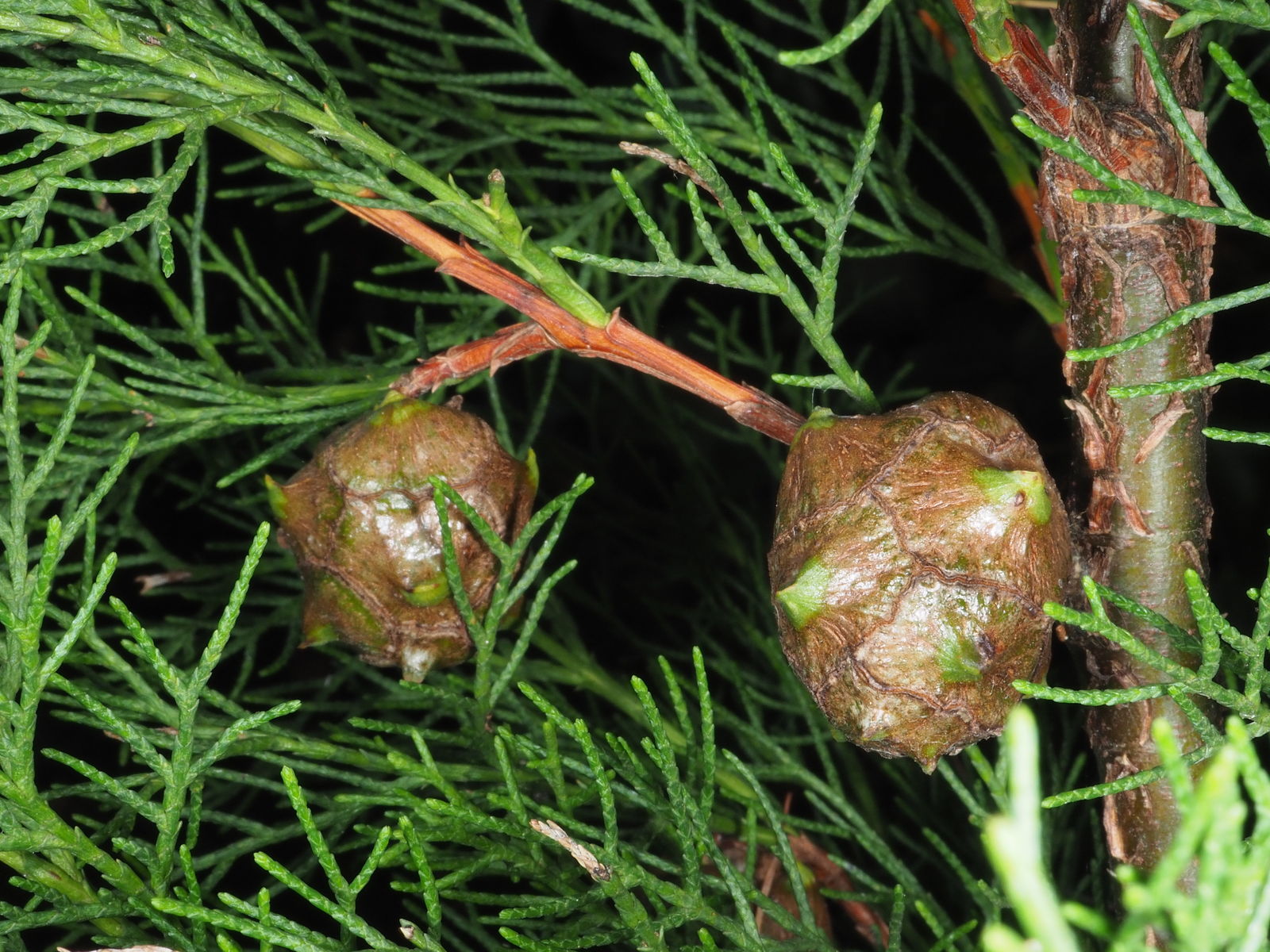
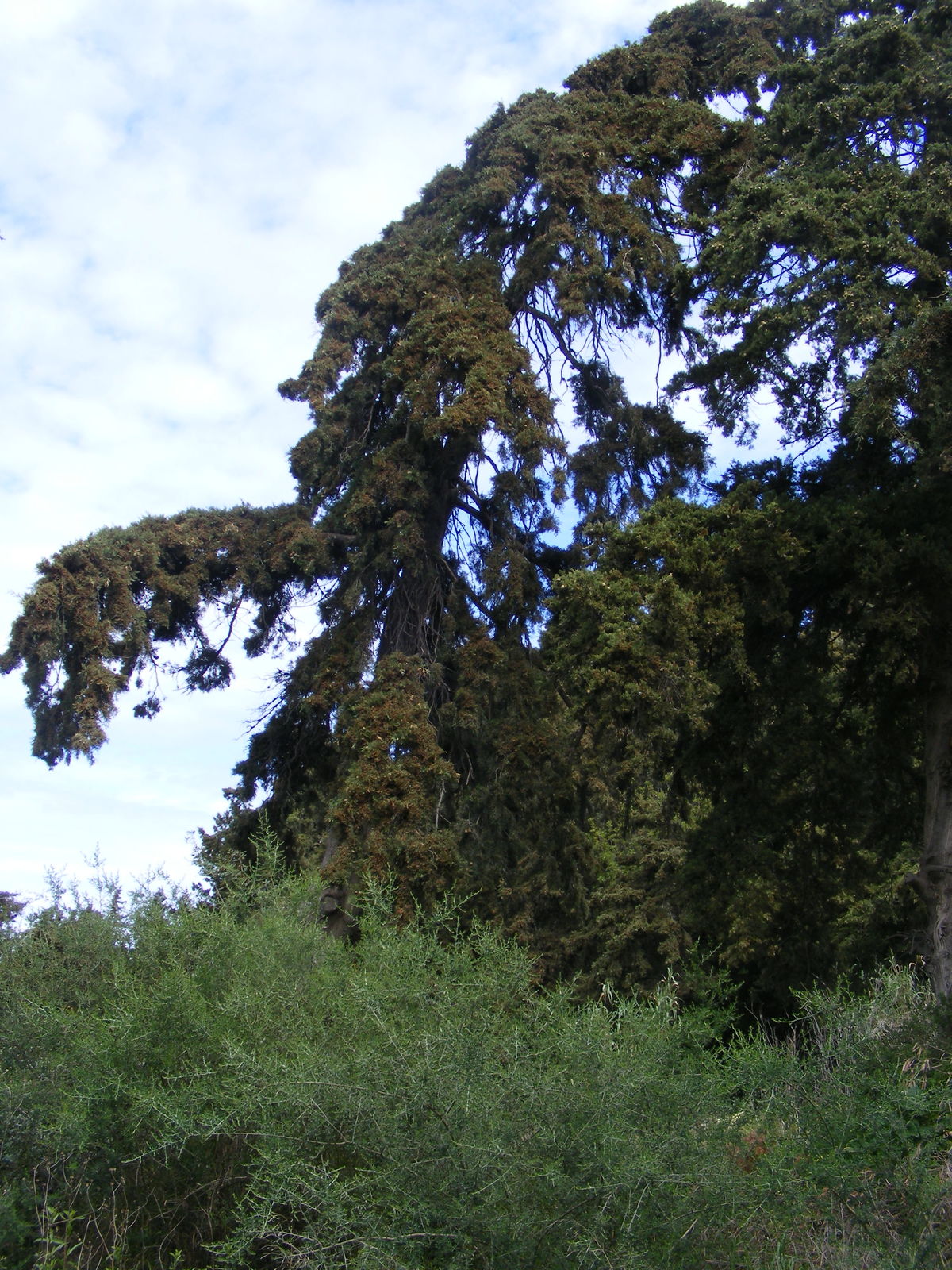
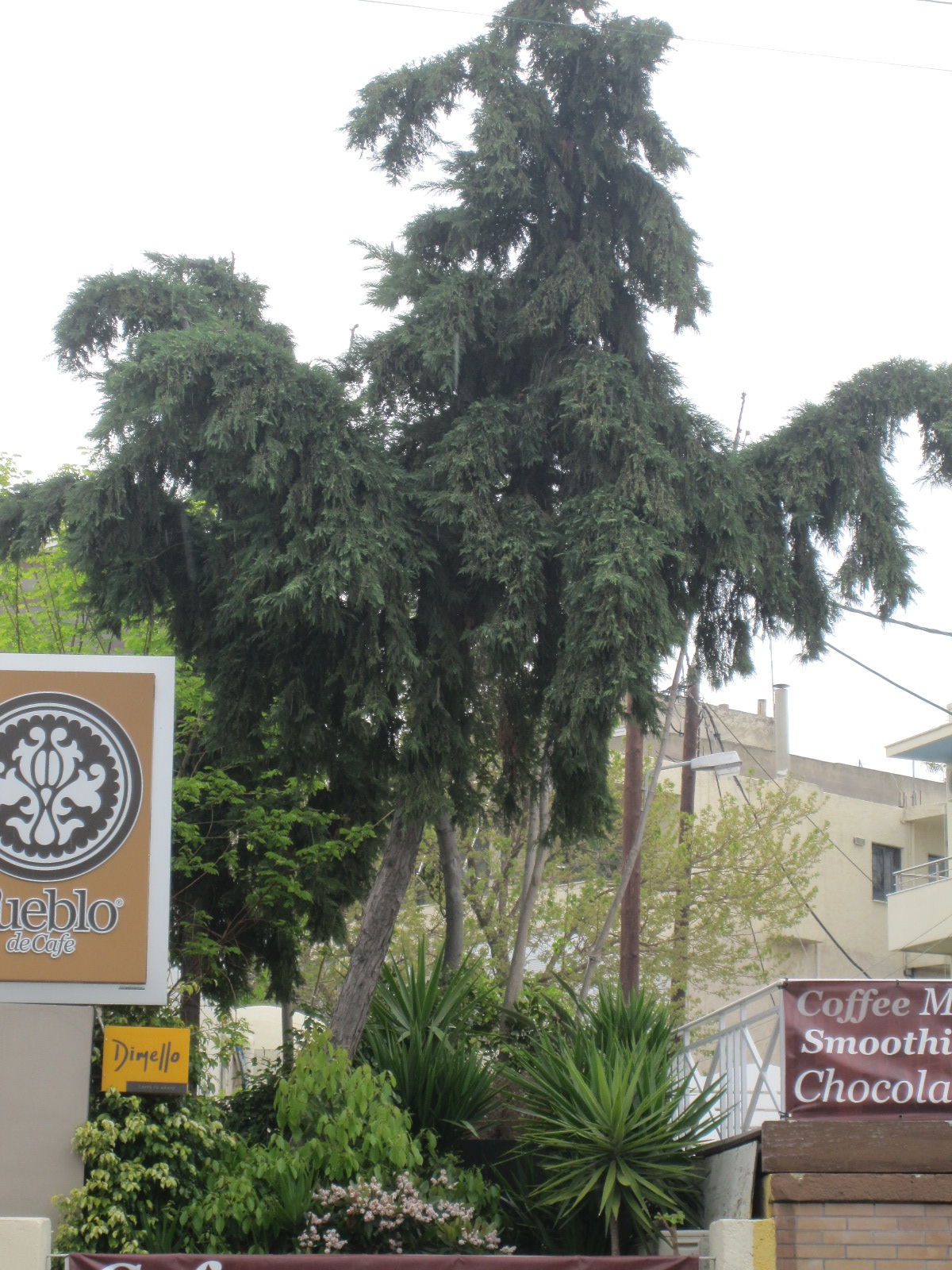
© photo
Francesco Cecere · cc0
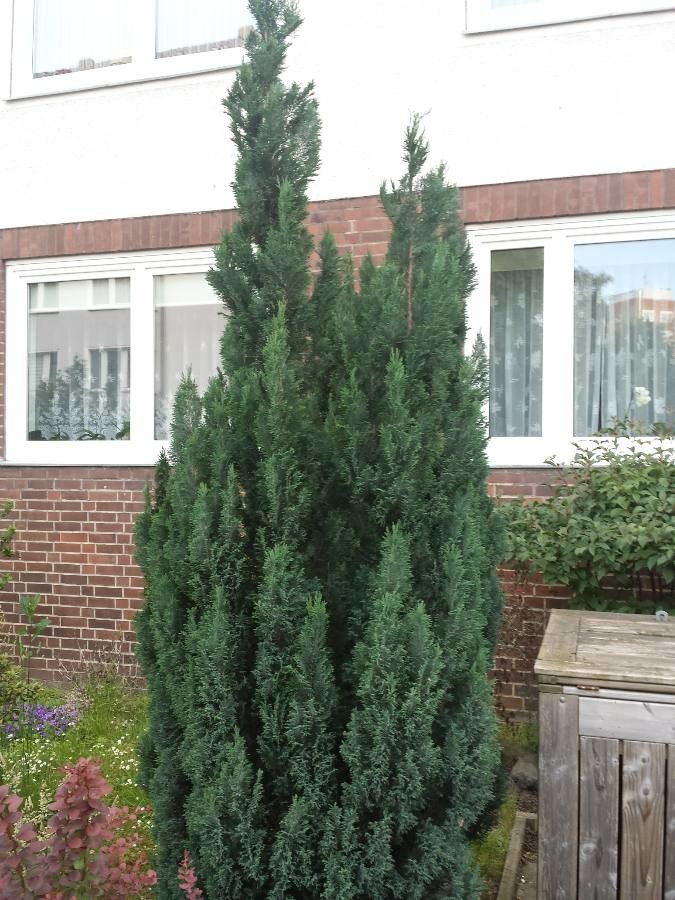
Rhonda Ridley · cc-by-sa
Eleftherios Katsillis · cc-by
Taken Jan 1, 1800 by Tela Botanica − Thierry Pernot (cc-by-sa)
Taken Jan 2, 2017 by Yoan MARTIN (cc-by-sa)
Taken Jul 25, 2017 by Rocío Pérez (cc-by-sa)
© copyright of the Board of Trustees of the Royal Botanic Gardens, Kew.




Global distribution
Cupressus sempervirens is native to the eastern Mediterranean and Iran, from Crete and Cyprus to Lebanon, Syria, Israel and Iran. Cultivated throughout the Mediterranean basin since antiquity, it often appears native there. It was later introduced to comparable dry-summer climates, including California, Australia, South Africa and Madagascar.
- Native5
- Greece
- Cyprus
- Turkey
- Lebanon
- Iran
Hexagons: regions where the plant occurs. Green dots: native range.1
Identity
Mediterranean cypress (Cupressus sempervirens L., 1753), also known as Italian cypress, common cypress or evergreen cypress, is an evergreen conifer in the genus Cupressus and family Cupressaceae. Linnaeus described it in 1753. The epithet sempervirens, “ever-living,” refers to scale-like foliage that retains its dark green color throughout winter and summer. 1
Crush a small shoot to distinguish it from many neighboring conifers: the scale-like foliage of Mediterranean cypress releases almost no scent, whereas Cupressus arizonica immediately gives off a lemon note. Two growth forms coexist: a spreading wild form with horizontal branches, and a narrow, upright columnar form that dominates Mediterranean plantings today. 6 2
Recognition
In well-exposed locations, Cupressus sempervirens commonly reaches 12–25 m (39–82 ft) at maturity, with exceptional trees reported at 35 m (115 ft). Growth is fast while young, then slows sharply after the mature form develops over 20–50 years. 2 4
The widely sold columnar form stays narrow, spreading 1–4 m (3–13 ft) in mature trees. The wild horizontalis form has open branches and occupies considerably more ground. Gray-brown bark is finely fissured and peels in longitudinal strips with age. 3
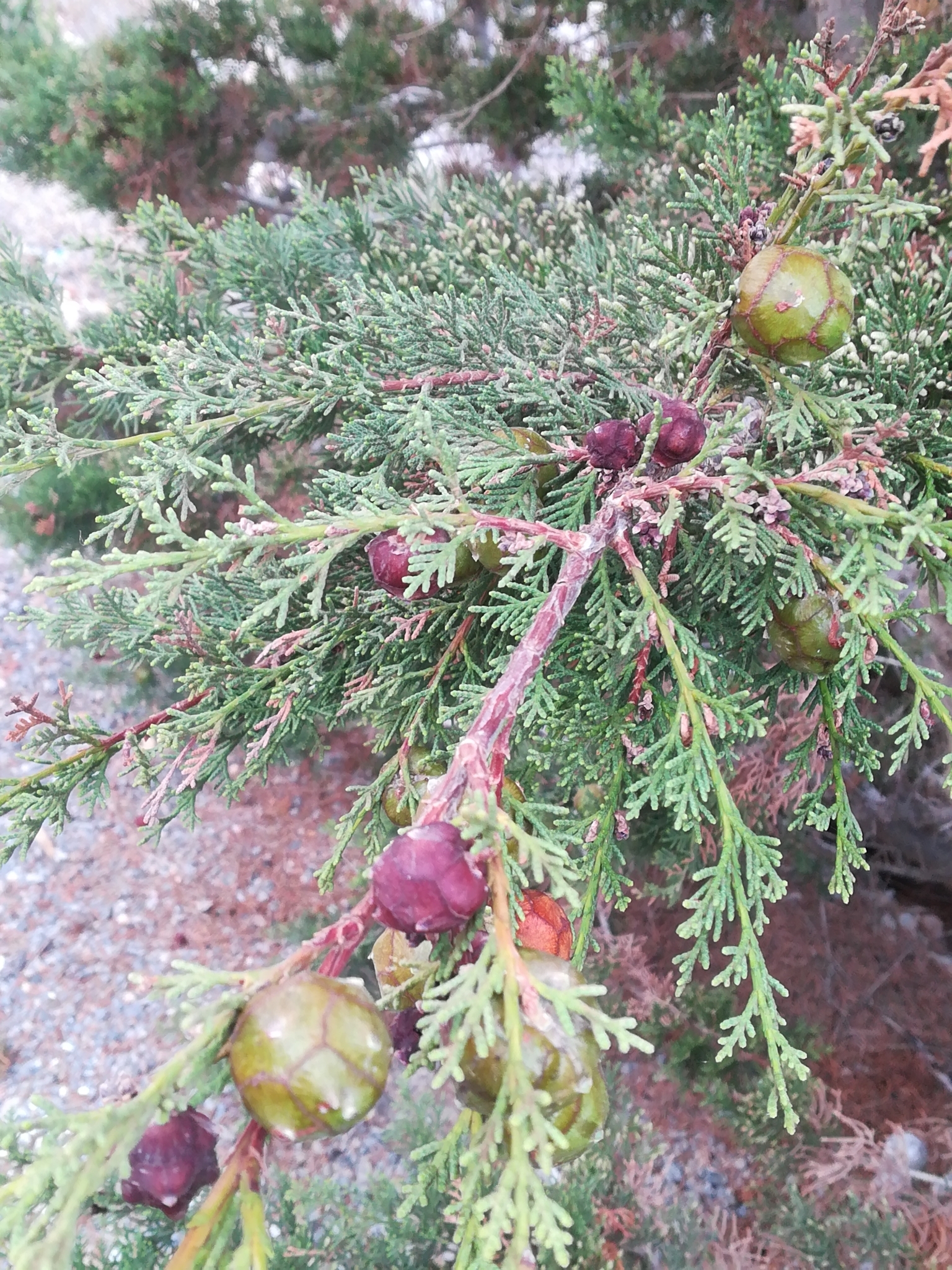
Both male and female cones grow on one individual: the species is monoecious. Tiny male cones, 3–5 mm (0.12–0.2 in) long, release strongly allergenic pollen in late winter. Rounded to egg-shaped female cones measure 2.5–4 cm (1–1.6 in) and turn from green to brown over 20–24 months, leaving several cone generations together on one shoot. 1
Useful taxonomy
POWO and WCVP accept the single name Cupressus sempervirens L., published by Linnaeus in 1753 and indexed under the same original description by IPNI. This species alone is recognized in that treatment, despite five historical varieties and forms that chiefly describe differences in growth habit. 8
- Cupressus sempervirens var. horizontalis (Mill.) A.Camus, historical taxonomic name
- Cupressus sempervirens var. pyramidalis Nyman
- Cupressus sempervirens f. stricta (Aiton) Rehder
- Cupressus sempervirens subsp. indica (Parl.) Silba
- Cupressus sempervirens var. dupreziana (A.Camus) Silba
The name dupreziana illustrates this taxonomic disagreement. Some authors raised it to a separate species endemic to the Saharan Tassili n’Ajjer mountains, where natural regeneration is almost absent, before POWO adopted a varietal treatment under C. sempervirens. 1
Habitat and range
Rocky coastal and upland slopes support native populations from the eastern Mediterranean to Iran: Crete, Cyprus, Turkey, Lebanon, Syria, Israel and Iran. 1 5
IUCN lists Mediterranean cypress as Least Concern. Its extensive native range and very long history of Mediterranean cultivation limit the overall global risk, although cypress canker threatens some populations locally. 7
Ancient cultivation throughout the Mediterranean basin makes this cypress appear native across much of the region. It was later introduced to comparable dry-summer climates, including California, Australia, South Africa and the highlands of Madagascar. 6
Life cycle and reproduction
Longevity places Mediterranean cypress among the longest-lived conifers of the Mediterranean basin. Several trees exceed 1,000 years; the Sarv-e Abarkuh, in Iran’s Yazd province, is estimated at about 4,000 years. 6
Low resin content accounts for greater fire resistance than in other cypresses. After a fire covering 20,000 hectares (about 49,400 acres) in Spain, most trees planted as a firebreak emerged without major damage. This finding informs fire-prevention planting programs in high-risk areas. 6
To propagate the species, use seed, with several weeks of cold stratification recommended for even germination in 3–4 weeks, or take semi-ripe cuttings in late summer or spring. 5 2
Uses and risks
Dense, aromatic and virtually rotproof cypress wood was used in shipbuilding and temple doors by the Phoenicians and Romans in antiquity. The same wood is traditionally used for Italian harpsichords. 5
Essential oil extracted from young shoots and cones has astringent and circulation-related properties sought in cosmetics and perfumery. Traditional medicine also attributes cough-relieving and antirheumatic uses to it. Undiluted or excessive amounts remain irritating, so concentrated oil requires dilution even though the foliage has no established toxicity to cats or dogs. 5
Garden planting uses the upright silhouette as a vertical accent, windbreak or architectural hedge in Mediterranean climates. Salt and wind tolerance also make it a familiar coastal choice. Formative pruning is optional because the tree naturally maintains its columnar habit without regular intervention. 4
Varieties, look-alikes and related plants
Nurseries mainly distinguish selections by habit and color: 'Stricta', the classic columnar form of the Tuscan landscape; 'Swane's Golden', with golden young foliage; and 'Glauca', with blue-gray foliage. None changes the growing requirements of the species.
Look-alikes chiefly include Cupressus arizonica and false cypresses in the genus Chamaecyparis. A simple test separates them: crushed Cupressus sempervirens foliage releases almost no scent, whereas Cupressus arizonica gives a clear lemon note. Shoots of Chamaecyparis and Thuja form flattened fans rather than rounded, cord-like sprays.
Main sources
- Plants of the World Online / Kew, Cupressus sempervirens L.
- Royal Horticultural Society, Cupressus sempervirens - Italian cypress
- Missouri Botanical Garden Plant Finder, Cupressus sempervirens
- NC State Extension Gardener Plant Toolbox, Cupressus sempervirens
- Plants For A Future, Cupressus sempervirens
- Encyclopaedia Britannica, Italian cypress
- IUCN Red List, Cupressus sempervirens assessment (Farjon, 2013)
- International Plant Names Index, Cupressus sempervirens L.
Frequently asked questions
Is Mediterranean cypress toxic to cats and dogs?
No. The foliage is not classified as toxic to cats or dogs. Only the concentrated essential oil, extracted from cones and young shoots, remains irritating when used undiluted or swallowed in quantity.
Why are cypresses planted in cemeteries?
Cypress has symbolized mourning since ancient Greece, where bereaved households displayed cypress branches. This association with remembrance explains its traditional presence in Mediterranean and European cemeteries.
Is Mediterranean cypress resistant to fire?
More so than most Mediterranean conifers. Its low resin content reduces foliage flammability, a feature studied after fires in Spain for firebreak planting.
How long does Mediterranean cypress live?
A very long time for a conifer of its size. Several trees exceed 1,000 years, and the Sarv-e Abarkuh in Iran is estimated to be about 4,000 years old.
How does Mediterranean cypress differ from Cupressus arizonica?
Cupressus arizonica has more glaucous, often blue-gray foliage and releases a clear lemon scent when crushed. Mediterranean cypress has dark green foliage that is almost odorless when crushed.
Can Mediterranean cypress grow in a container?
Yes, especially columnar forms such as Stricta, often grown as vertical accents on a terrace. A heavy, well-drained pot stabilizes the tree’s tall, narrow shape.
Does Mediterranean cypress flower?
No. It is a conifer that produces cones rather than flowers. Male and female cones occur on the same tree, making the species monoecious.
Similar plants
If you are unsure about a plant’s toxicity, ask a botanist or veterinarian for advice.