
Tree heath (Erica arborea, )
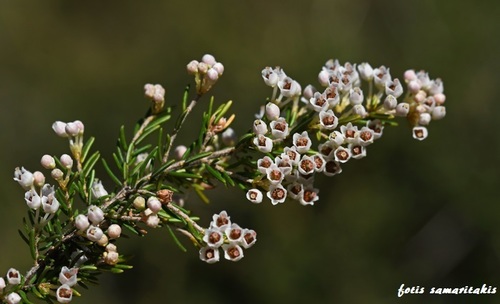
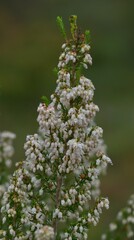
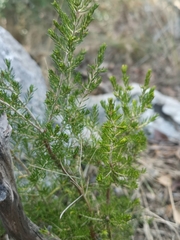
Tree heath (Erica arborea) is an evergreen shrub or small tree in the Ericaceae, native to the Mediterranean Basin and tropical East African mountains. It flowers in winter and spring, when few other shrubs bloom. An underground lignotuber allows it to resprout after fire, while its dense woody rootstock supplies the briar wood traditionally used for smoking pipes.
Read moreTree heath and Tree heather
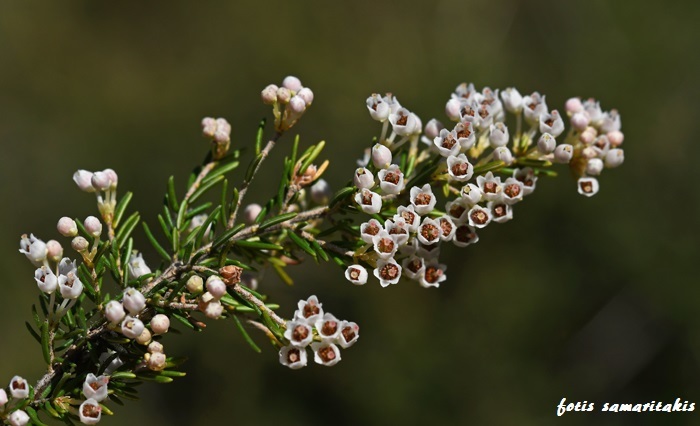


© photo
(c) fotis-samaritakis, some rights reserved (CC BY-NC), uploaded by fotis-samaritakis · cc-by-nc
Paulo Martins · cc0
Norrland · cc0
Taken Mar 2, 2014 by Tela Botanica − Yoan MARTIN (cc-by-sa)
Taken Feb 25, 2011 by Tela Botanica − Yoan MARTIN (cc-by-sa)
Taken May 4, 2014 by Tela Botanica − Claire RIGOULAT (cc-by-sa)
Taken Mar 20, 2022 by Acosta García Isabel (cc-by-sa)
Taken Mar 12, 2022 by irene frino (cc-by-sa)
© copyright of the Board of Trustees of the Royal Botanic Gardens, Kew.




Global distribution
Erica arborea has a disjunct native range, from the Atlantic coasts of Portugal and Spain across the Mediterranean to the Black Sea in Türkiye and Georgia, then in tropical mountains of Ethiopia, Kenya and Tanzania and on the Arabian Peninsula. It has naturalized beyond that range, including Britain, southeastern Australia and New Zealand.
- Native9
- Introduced2
- Invasive1
- France
- Spain
- Portugal
- Italy
- Morocco
- Türkiye
- Ethiopia
- Kenya
- Tanzania
- United Kingdom
- New Zealand
- Australia
Hexagons: regions where the plant occurs. Green dots: native range.1
Identity
Tree heath (Erica arborea L., 1753), also called tree heather, belongs to the Ericaceae. Linnaeus described a heath quite unlike Europe's low-growing heathland plants: an upright, strongly branched evergreen shrub or small tree that can grow several meters tall. 1 2
Its English name emphasizes that upright habit. Common heather rarely exceeds 60 cm (2 ft), whereas tree heath can reach 7 m (23 ft) in the wild. Another part made it famous far beyond Mediterranean scrub: its woody rootstock, known as briar, has been made into smoking pipes since the mid-19th century. 5 3
Recognition
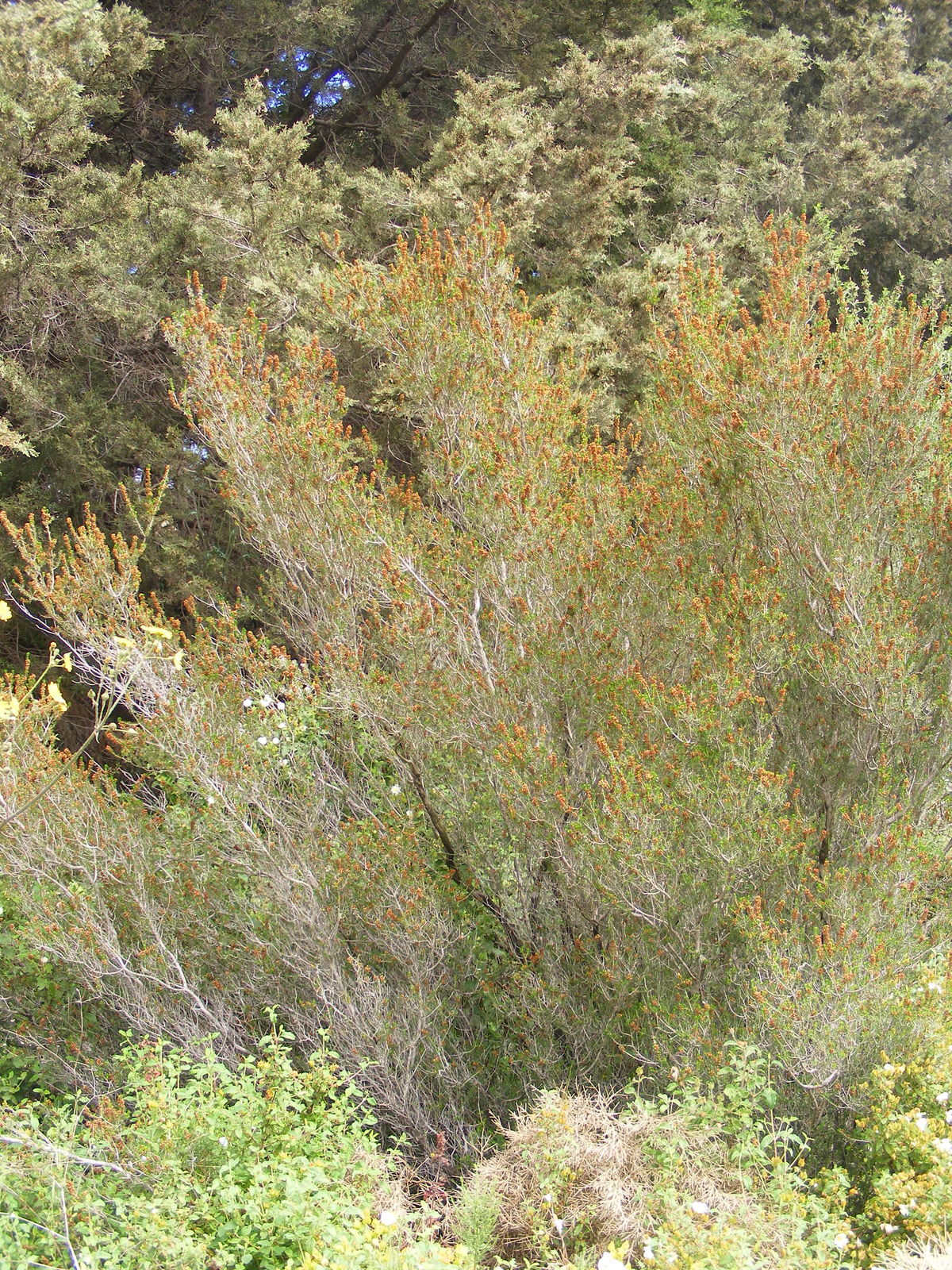
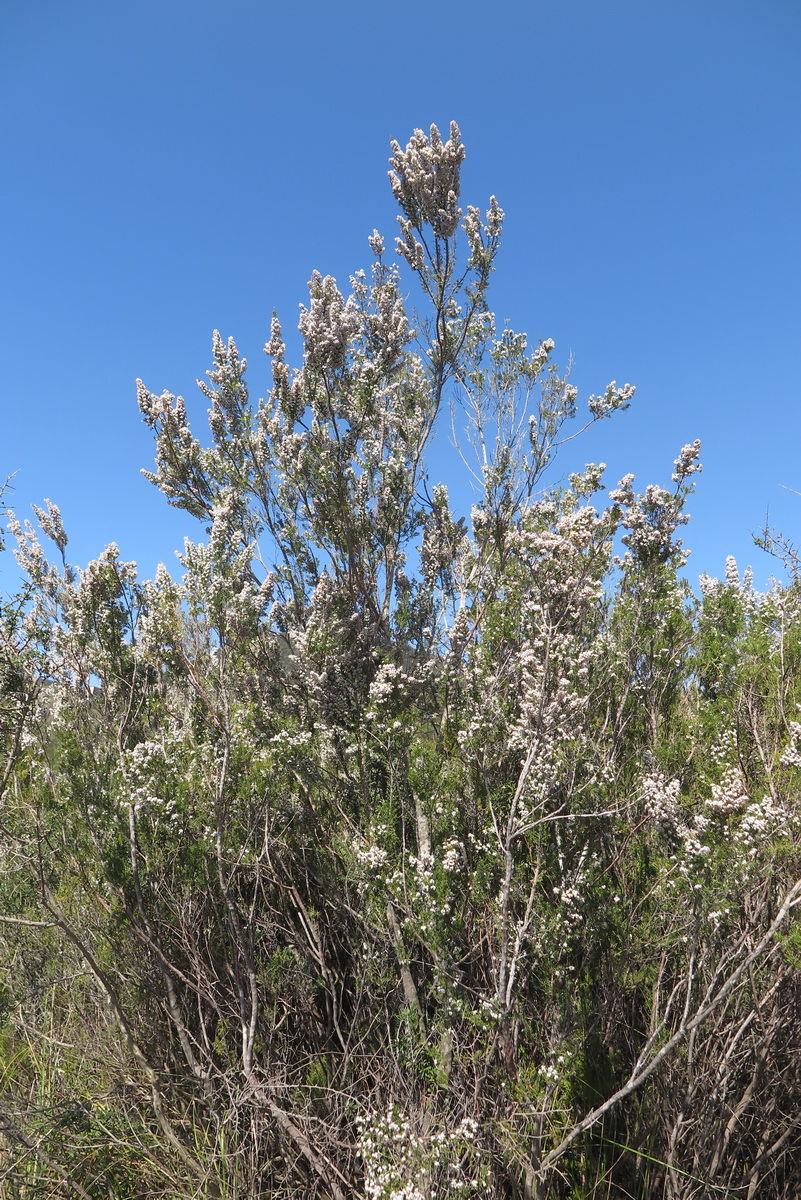
Upright, strongly branched stems give Erica arborea a height of 1–4 m (3–13 ft) in gardens and up to 7 m (23 ft) in the East African wild, with a spread of 1–4 m (3–13 ft). 3 4
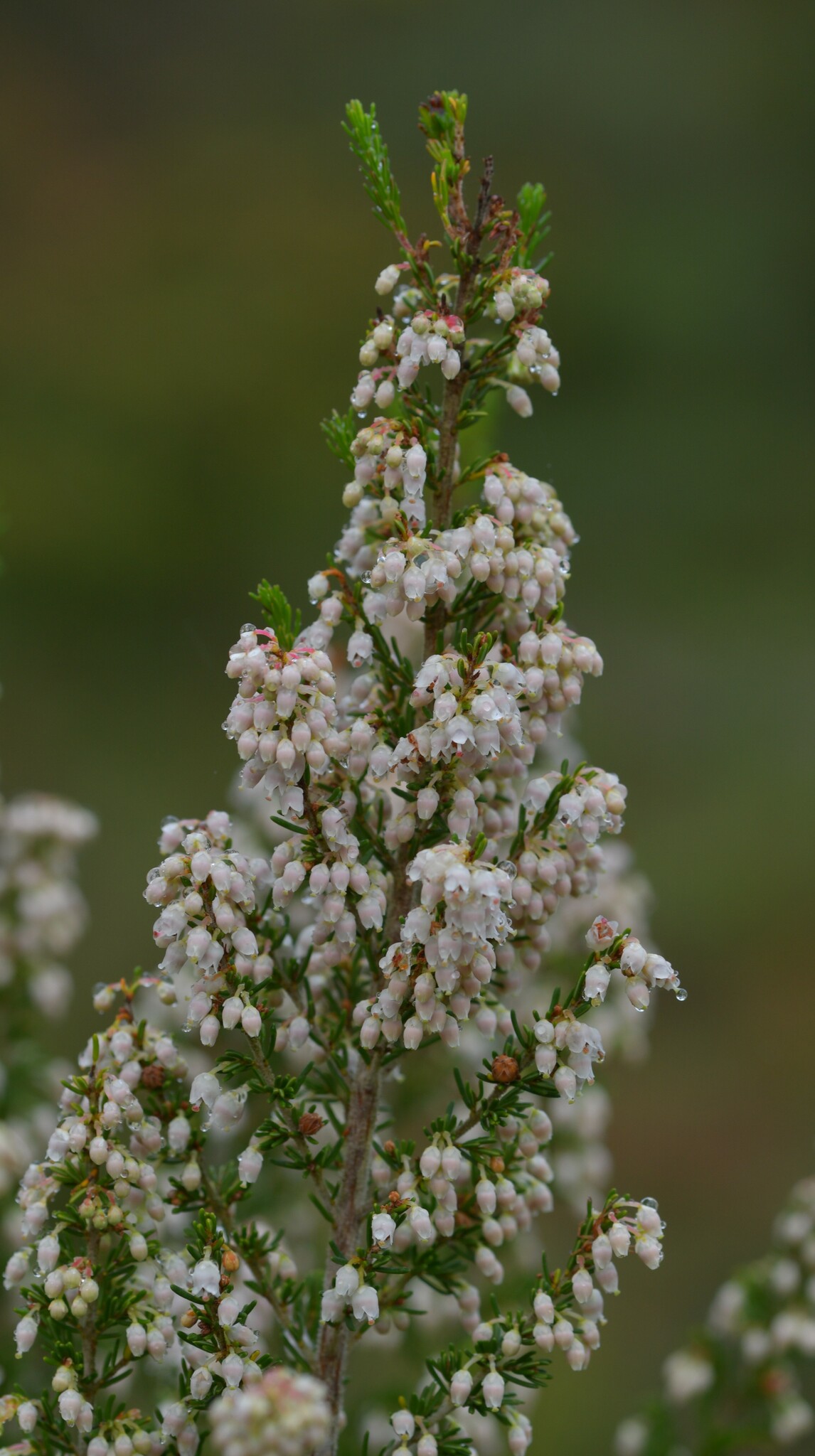
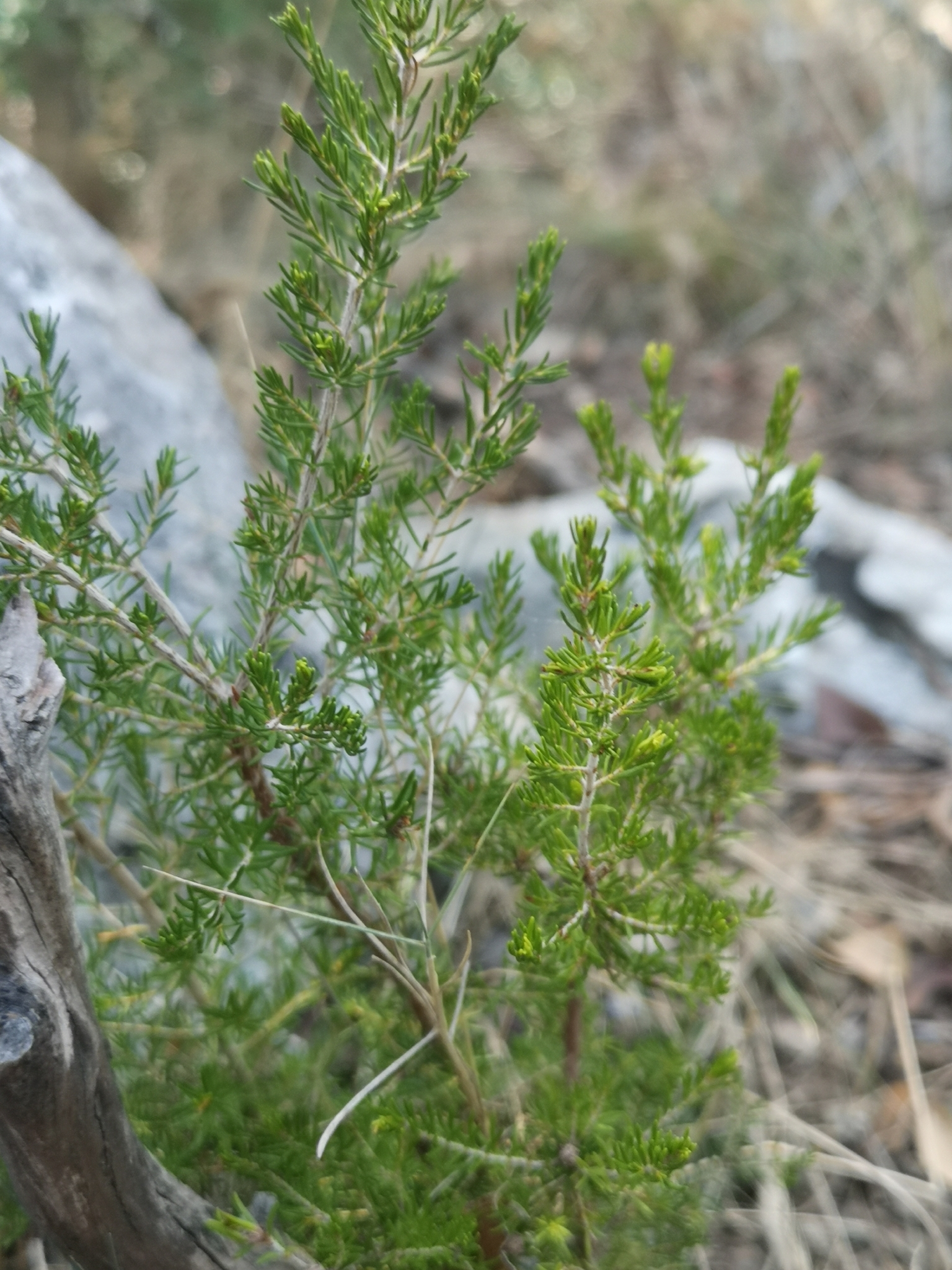
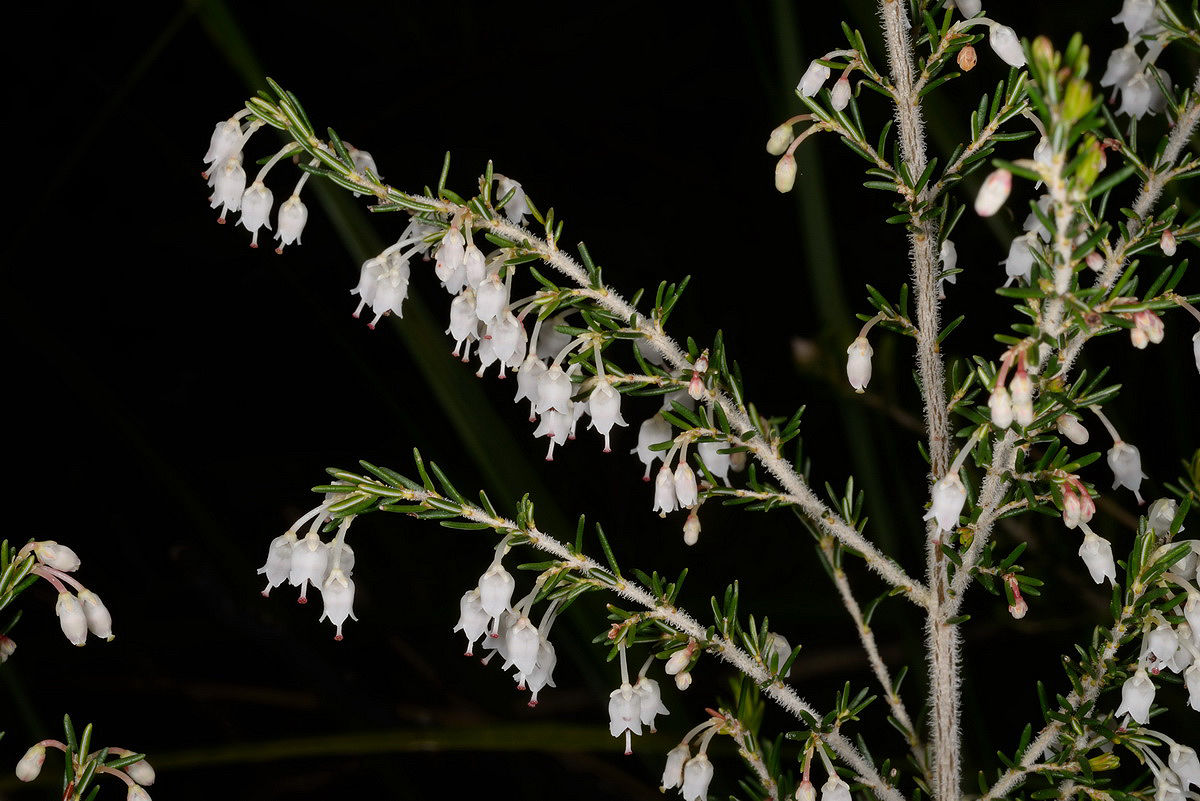
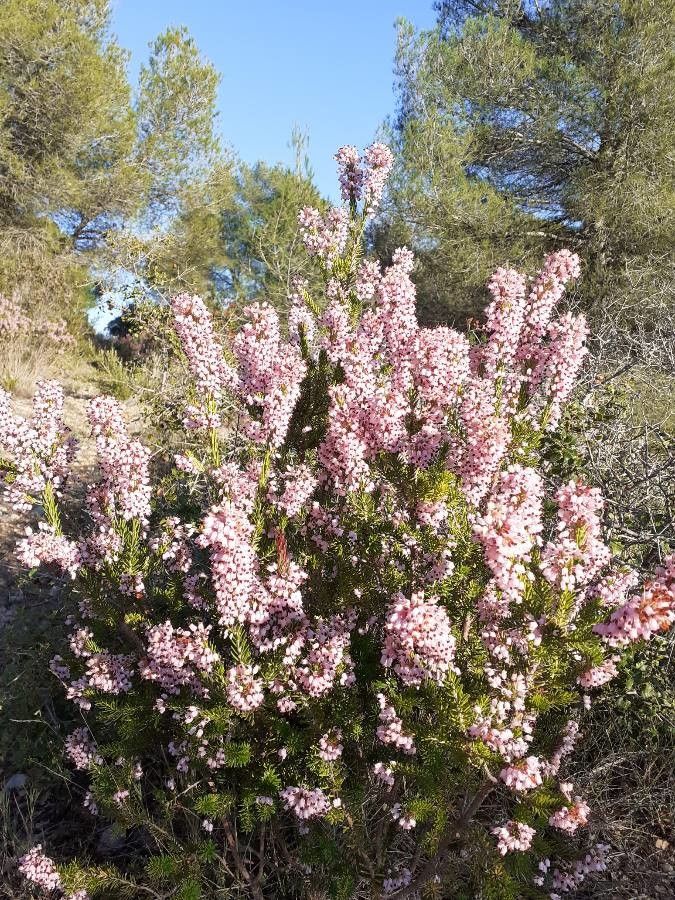
Dark green, needlelike leaves sit in tight whorls of three or four along the branches, creating a silhouette closer to a small conifer than a typical heath. Common heather instead has flat, scalelike leaves that never form such whorls. Tiny white, honey-scented bells open in dense clusters in the leaf axils. 4 3
Older plants shed their reddish brown bark in thin strips. At the stem base lies an underground woody swelling, the lignotuber. Hidden unless the soil is dug away, it determines how the plant recovers after disturbance. 4
Useful taxonomy
The Linnaean name Erica arborea L., published in 1753, is accepted by Plants of the World Online in the Ericaceae. 1 2
Several hundred species belong to Erica, most native to southern Africa. Tree heath belongs to its smaller Mediterranean and East African group. Two other authors historically applied the same binomial to different plants:
- Erica arborea Brot., a name used for what is actually Erica lusitanica;
- Erica arborea Thunb., misapplied to Erica strigosa, a South African species distinct from Mediterranean tree heath.
The full authority, Erica arborea L., therefore matters: this is the combination accepted by POWO. Confusing these names can lead to planting a southern African species instead of one adapted to Mediterranean scrub. 1
Habitat and range
Separated populations connect the Mediterranean Basin with tropical East African mountains. The native range extends from Atlantic Portugal and Spain to the Black Sea in Türkiye and Georgia, then reappears in Ethiopia, Kenya and Tanzania and on the Arabian Peninsula. 1 5
Around the Mediterranean, tree heath occupies maquis and open woodland up to 1,400 m (4,600 ft). In East Africa it dominates upland heathland at 3,000–4,000 m (9,800–13,100 ft). This elevational range places one species in markedly different climates: mild, rainy Mediterranean winters and Ethiopian highland nights approaching 0 °C (32 °F) throughout the year. 5 6
Beyond its native range, it has established in Britain, southeastern Australia and New Zealand. There it can naturalize along woodland edges and become locally invasive. 5
Life cycle and adaptation to fire
A reserve of dormant buds and stored nutrients sits inside the lignotuber, as in many Mediterranean scrub shrubs. Even when fire destroys all aboveground growth, this underground woody swelling allows vigorous new shoots to emerge within months, without germination from seed. 8
Repeated resprouting helps tree heath dominate tall scrub after several fires: less well-adapted competitors disappear while it regrows from its base. Seedlings without a developed lignotuber cannot recover if another fire arrives too soon. Unlike mature plants, they die. These young plants are also highly flammable during their first years, potentially increasing fire frequency in some stands. 8
In its northern range, flowering concentrates in January–April, depending on climate, when few other shrubs bloom. Clusters of white bells attract many bees and supply the white heath honey harvested in Corsica and Provence. 3 4
Uses and risks
Briar wood comes from the underground lignotuber, while the evergreen foliage provides ornamental value. Rootstocks are harvested from plants 30–60 years old, boiled for several hours, then dried for several months before being shaped into pipes, jewelry or knife handles. Dense and heat-resistant, the wood does not alter tobacco aroma, making it a standard pipe material since the mid-19th century. 5
Garden uses include informal hedges, heath beds and evergreen screens in sunny positions, including coastal sites. No toxicity is documented for humans, cats or dogs. The status for horses remains uncertain because specific data are lacking. 3
Varieties, look-alikes and related plants
Golden foliage distinguishes several selections recognized by the Royal Horticultural Society: 'Estrella Gold', the more compact alpine var. alpina, its entirely golden form 'Albert's Gold', and 'Gold Tips', a hybrid named Erica × veitchii derived from crossing with Erica lusitanica. 3
Other shrubby Mediterranean heaths cause the most frequent confusion:
- Erica lusitanica, Portugal heath, with pinker flowers and earlier flowering;
- Erica scoparia, with inconspicuous greenish flowers;
- common heather (Calluna vulgaris), low and spreading, whose familiar name masks its placement in another genus.
An upright habit exceeding 1 m (3 ft) even while shrubby distinguishes tree heath more usefully than flower color alone, which varies between individuals. Together with the underground lignotuber, that habit forms a combined signature absent from the three look-alikes. 1
Main sources
- Plants of the World Online / Kew, Erica arborea L.
- International Plant Names Index, Erica arborea
- Royal Horticultural Society, Erica arborea - tree heath
- Missouri Botanical Garden Plant Finder, Erica arborea
- Encyclopaedia Britannica, white heath (Erica arborea)
- INPN / MNHN, Erica arborea L., 1753
- IUCN Red List, Erica arborea assessment
- Plant Ecology (Springer), Lignotubers in Mediterranean basin plants
Frequently asked questions
Is tree heath poisonous to cats and dogs?
No. Erica arborea is considered non-toxic to humans, cats and dogs. Its status for horses remains uncertain because specific data are lacking.
How does tree heath differ from common heather?
They belong to separate genera. Erica arborea is an upright shrub that can exceed 2 m (6.5 ft), while Calluna vulgaris stays low and spreading, rarely taller than 60 cm (2 ft).
Why are briar pipes made from tree heath rather than common heather?
Briar comes from the lignotuber of Erica arborea, a dense, heat-resistant wood that does not alter tobacco aroma. Common heather does not develop this usable woody swelling.
How should I prune Erica arborea?
Light pruning just after flowering, in spring or early summer depending on climate, keeps the plant compact. Avoid cutting into old wood.
Can Erica arborea grow in chalky soil?
It is not recommended. The species avoids lime and develops iron chlorosis in overly alkaline soil. Well-drained, acidic to neutral soil is the safest choice.
What happens to tree heath after a fire?
It resprouts from its underground lignotuber, a woody store of reserves and dormant buds. This lets it replace its foliage quickly without starting from seed, a normal response rather than a sign of disease.
When does tree heath flower?
Flowering is concentrated in late winter and spring, from January to April in its northern range depending on climate. Few other shrubs bloom then, and bees visit it actively.
Similar plants

If you are unsure about a plant’s toxicity, ask a botanist or veterinarian for advice.