
Strawberry tree (Arbutus unedo, )
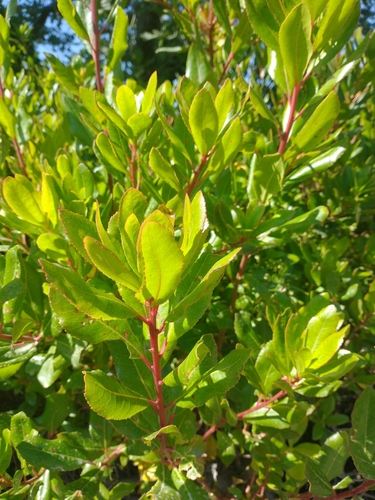
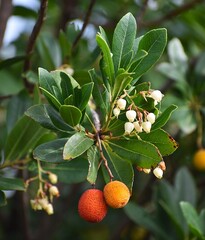
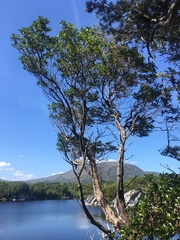
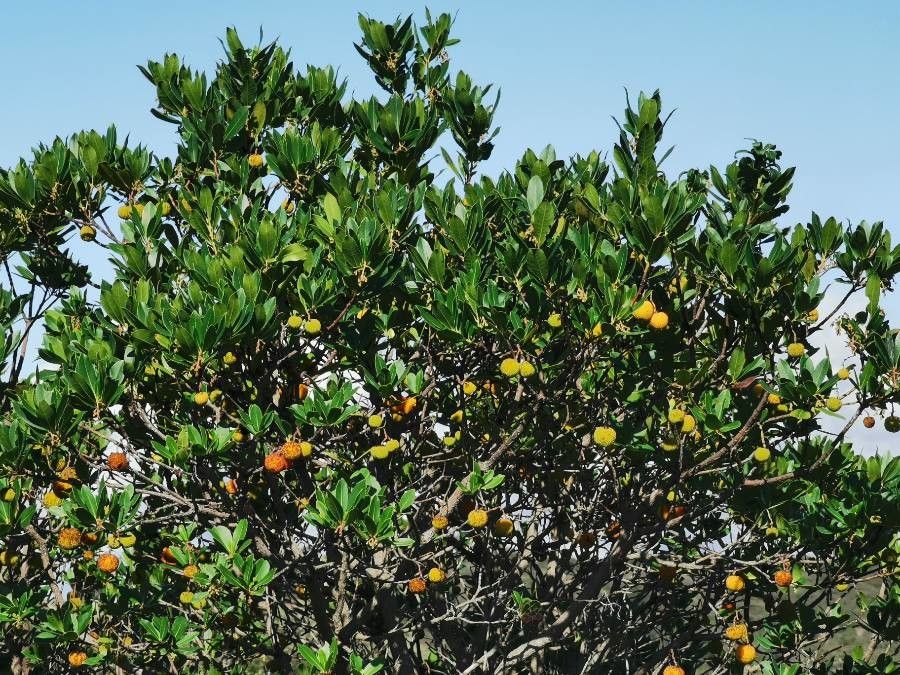
Strawberry tree (Arbutus unedo L., 1753) is an evergreen shrub or small tree in the Ericaceae family, native to the Mediterranean Basin and southwestern Ireland. Reddish-brown bark peels in strips, while white bells accompany round, bumpy fruits that turn from yellow to red. Unusually among temperate trees, it bears flowers alongside ripe fruit from the previous season.
Read moreStrawberry tree, Irish strawberry tree, Killarney strawberry tree, Arbutus, Madroño and Corbezzolo
Place in full sun, with intense direct light all day long.
Full sun; tolerates light partial shade in hot climates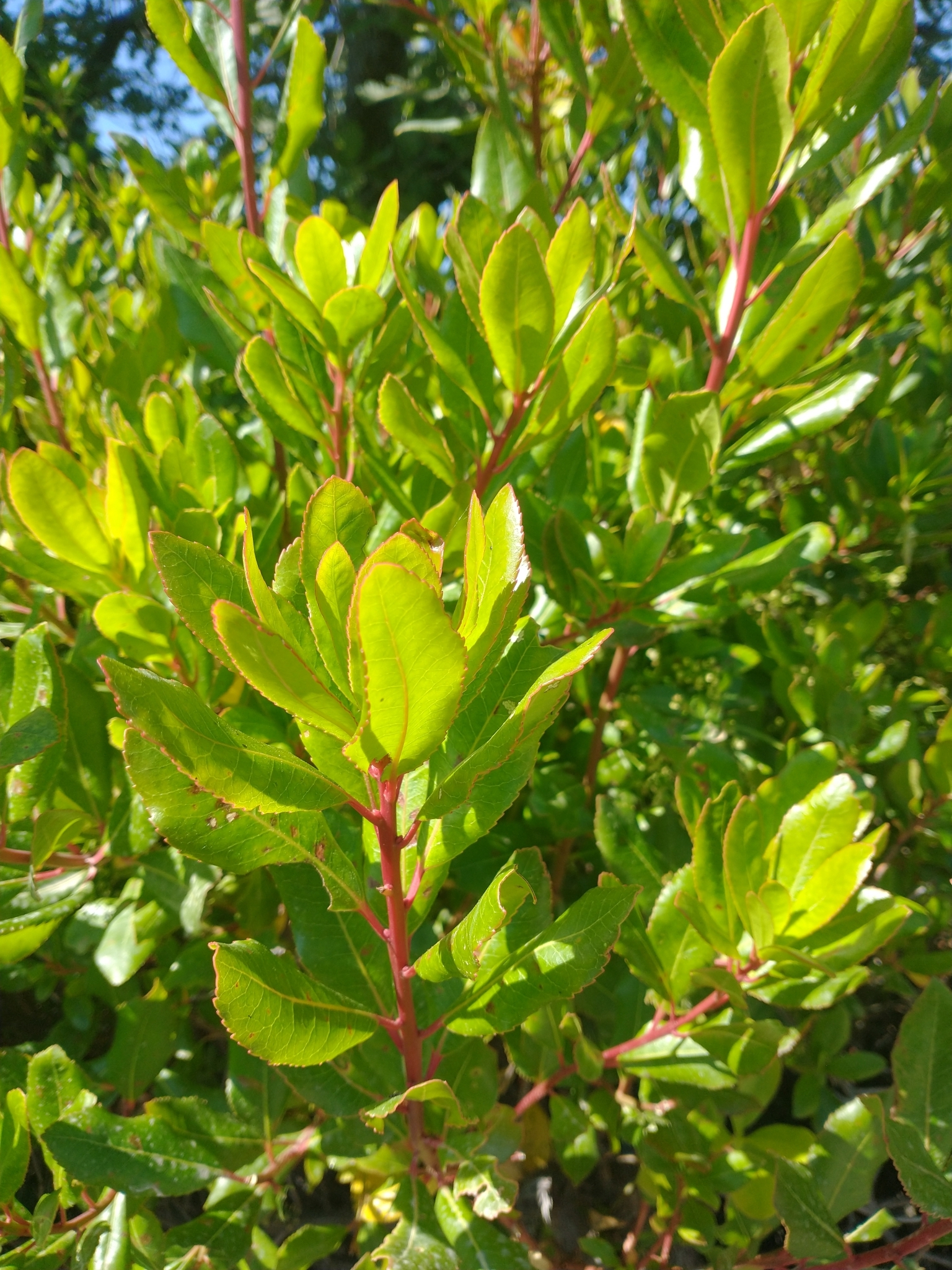



© photo
Daniel · cc0
(c) Jacques HALLOT, some rights reserved (CC BY-NC), uploaded by Jacques HALLOT · cc-by-nc
B. Phalan · cc0
Taken Jun 28, 2022 by Tristan Jaton-Maria (cc-by-sa)
Taken Nov 14, 2021 by Helena Del Pozo (cc-by-sa)
Taken Oct 20, 2021 by Gianni Del Bufalo (cc-by-sa)
Taken Nov 24, 2020 by Erich🦅 Junginger🥀🐝 (cc-by-sa)
© copyright of the Board of Trustees of the Royal Botanic Gardens, Kew.




Global distribution
The native range covers the Mediterranean Basin, including France, Spain, Portugal, Italy, Greece, Turkey and North Africa, with a separate, isolated extension into southwestern Ireland. It is also widely cultivated beyond this range, notably in California, where it is not documented as invasive.
- Native8
- France (Corsica, Provence)
- Spain
- Portugal
- Italy
- Greece
- Turkey
- Morocco
- Ireland (southwest)
Hexagons: regions where the plant occurs. Green dots: native range.1
Identity
Strawberry tree (Arbutus unedo L., 1753) is an accepted species of Arbutus in the Ericaceae family. Carl Linnaeus described it in Species Plantarum in 1753, the year used as the starting point for modern botanical nomenclature of flowering plants. The scientific name still provides a clear link between the tree’s identity and its first formal description. 1
Its common name refers to the visual resemblance between its red berries and garden strawberries. The two fruits are botanically unrelated: Strawberry tree belongs to the heather and blueberry family, Ericaceae, while true strawberries belong to Rosaceae. The familiar name describes appearance rather than a close relationship or an identical flavor. 7
The epithet unedo is linked to an anecdote attributed to Pliny the Elder, “unum tantum edo,” meaning “I eat only one.” The story presents a Roman judgment on a fruit considered bland or slightly fermented, rather than a botanical description of its form. 8
Recognition
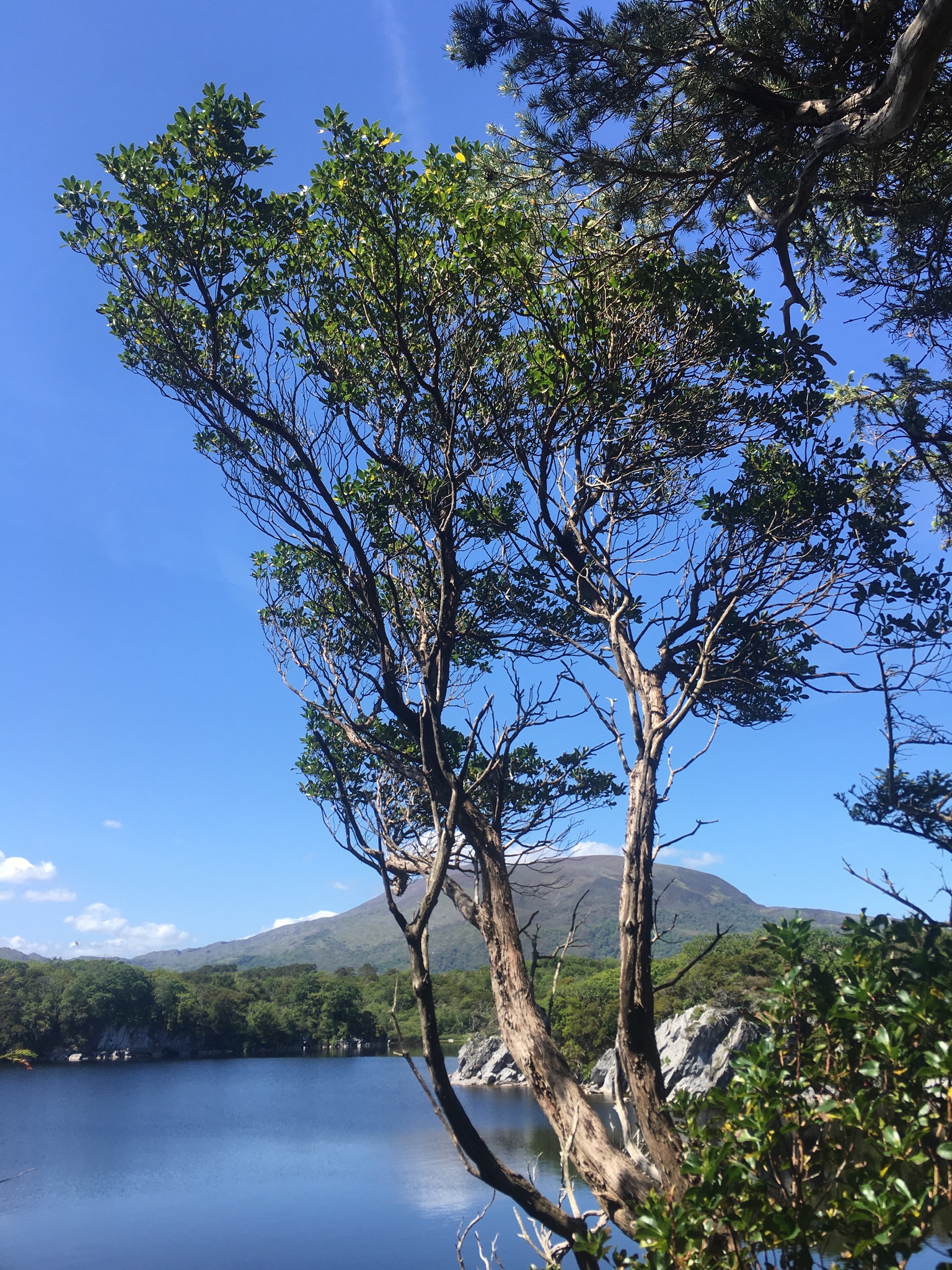
Reddish-brown bark that peels in narrow strips helps identify Strawberry tree even without flowers or fruit. This evergreen shrub or small tree usually reaches 4–8 m (13–26 ft), though old specimens in favorable climates may reach 12–15 m (40–50 ft). On older branches, the rough, peeling bark is particularly conspicuous. 2 5
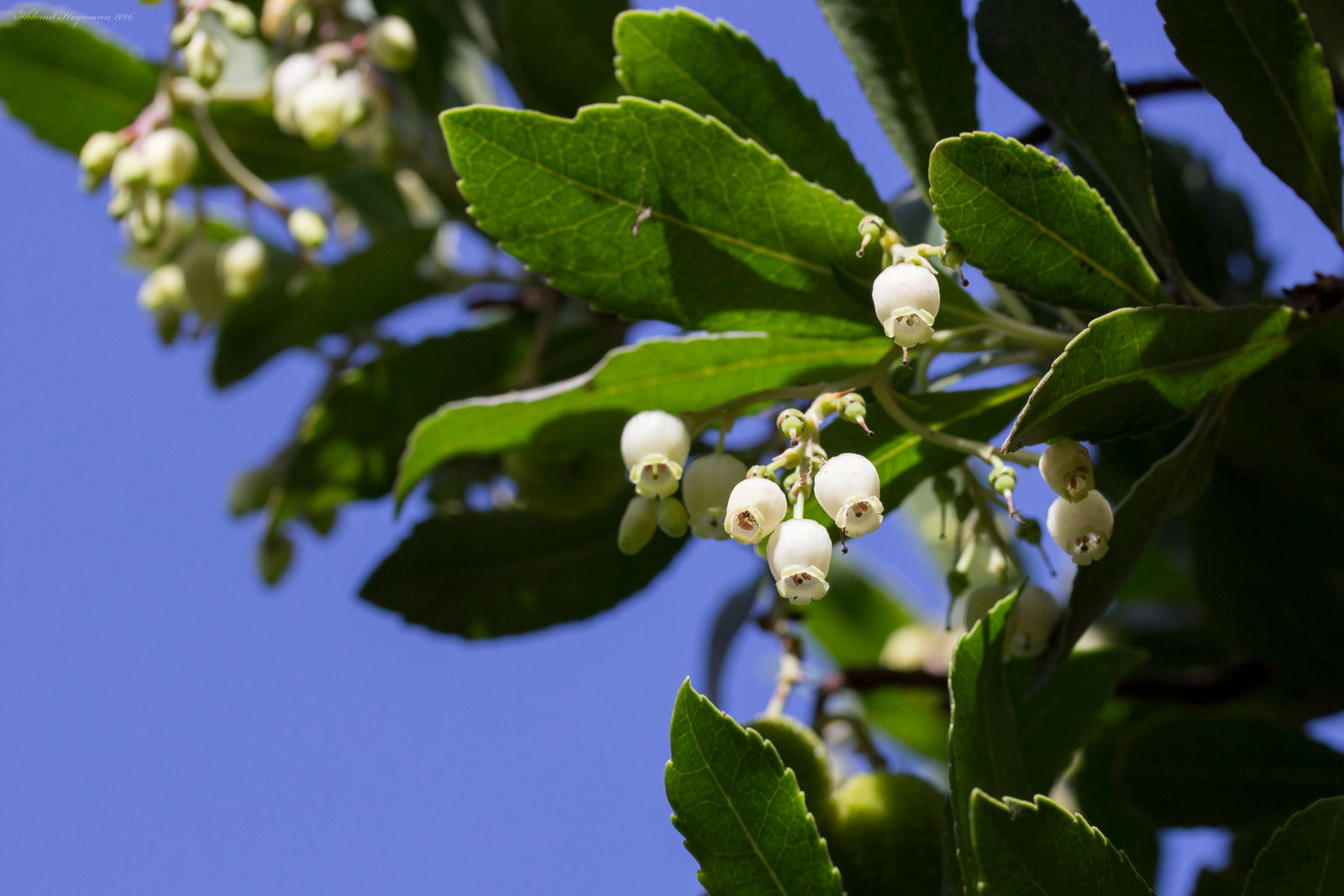
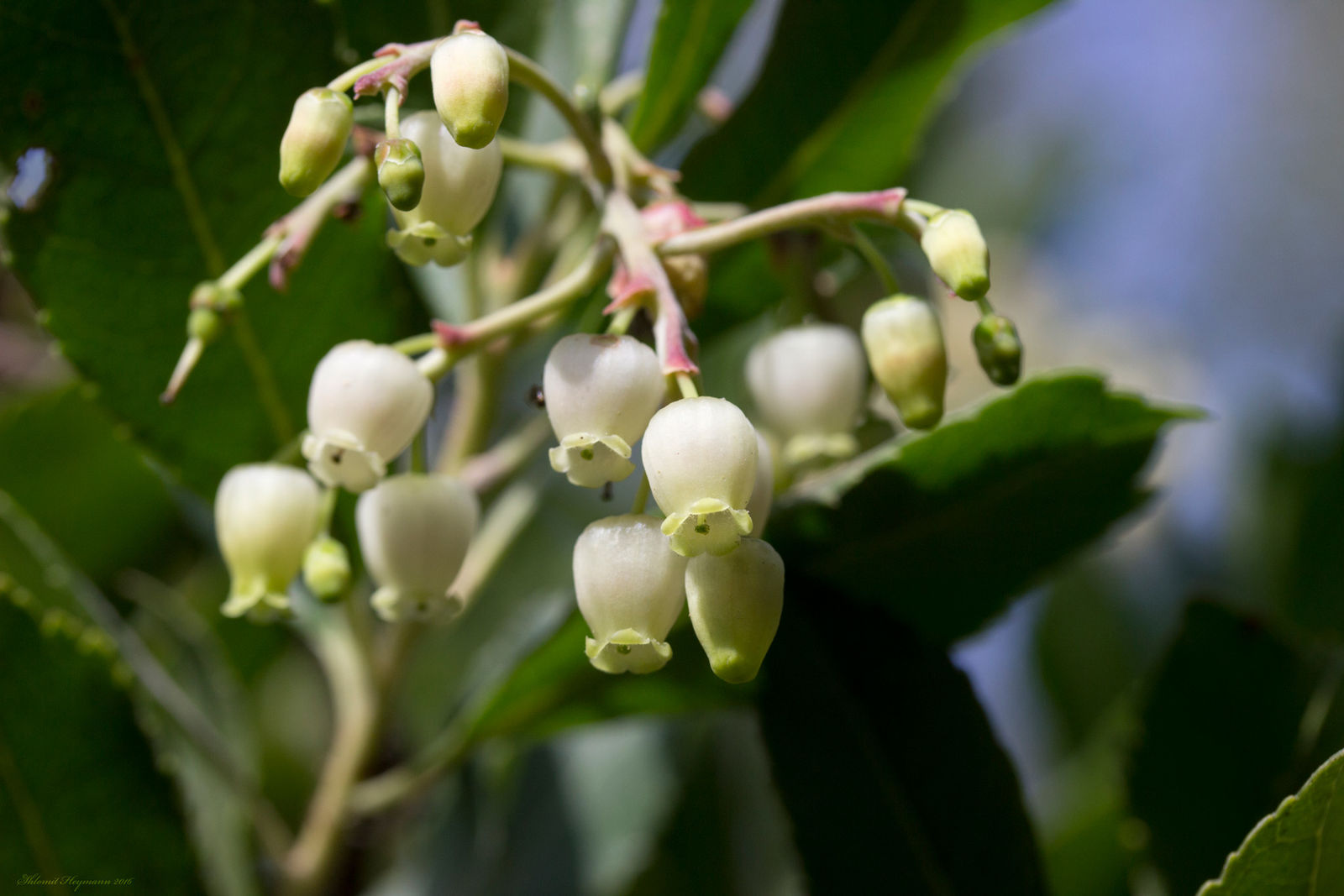
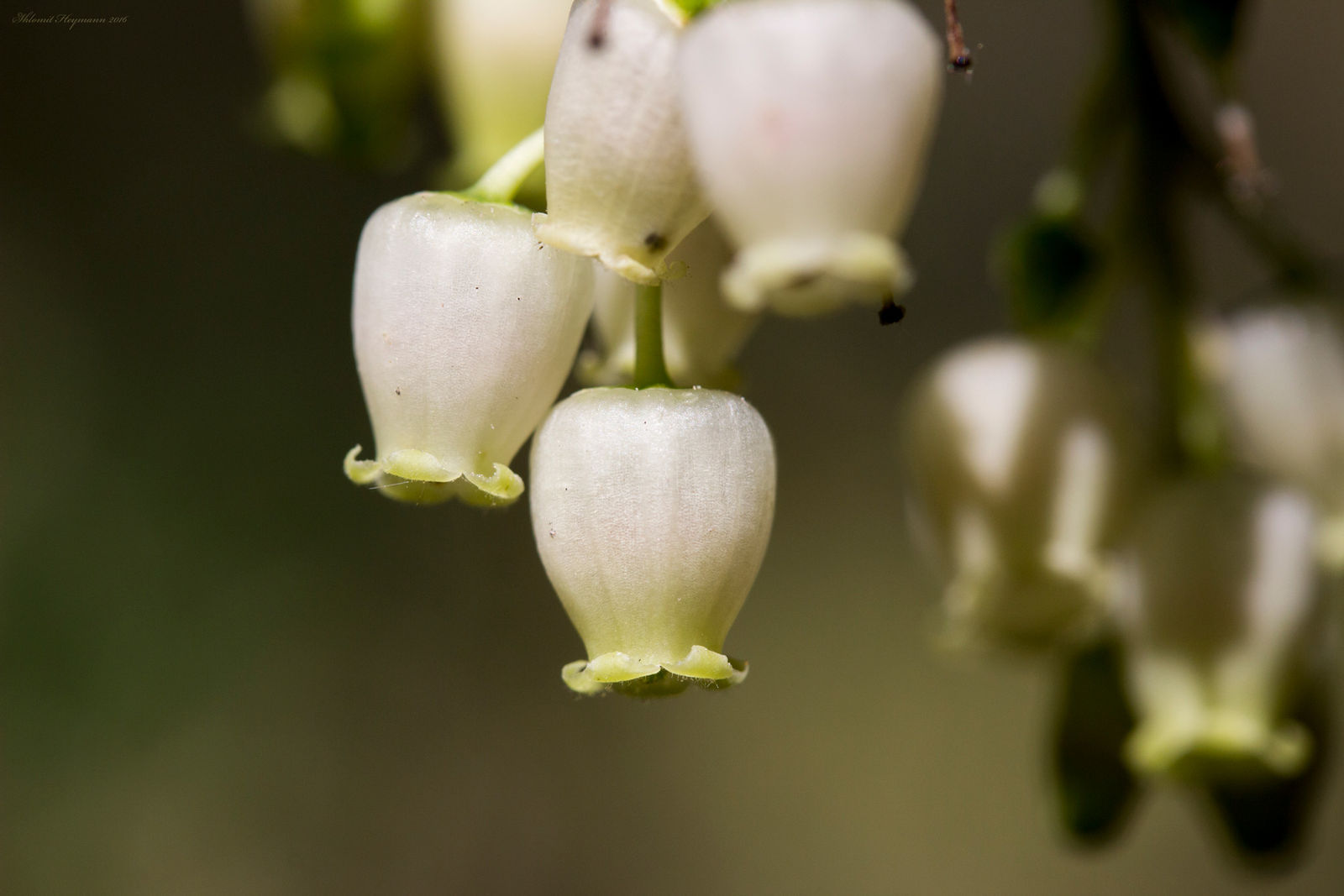
Oval, leathery leaves remain throughout the year. They have finely toothed margins, glossy green upper surfaces and paler undersides. Small white bells, sometimes flushed pink, form drooping flower clusters in autumn. The combination of evergreen foliage and hanging bells is typical of this member of the heather family. 2 7
Rounded arbutus berries have bumpy skins and measure 1–2 cm (0.4–0.8 in) across. Their color changes from yellow through orange to red. Ripening takes about 12 months, so flowers from one season and ripe fruits from the previous season share the same tree. This simultaneous display is an especially useful identification feature. 5 8
Useful taxonomy
Linnaeus’s 1753 name Arbutus unedo remains accepted by POWO. The genus comprises roughly a dozen species distributed across the Mediterranean, Atlantic Europe and North America. Recognizing the genus helps place Strawberry tree among several related trees with similar evergreen leaves and distinctive bark. 1
A long synonym list reflects repeated descriptions by European botanists in the 18th and 19th centuries. Historical names include:
- Unedo edulis Hoffmanns. & Link, a historical synonym
- Arbutus turbinata Pers. ex Rchb., a historical synonym
- Arbutus vulgaris Bubani, a historical synonym
- Arbutus laurifolia L.f., a historical synonym
- Arbutus salicifolia Cels ex Hoffmanns., a historical synonym
These older names are uncommon in present-day nursery use. Unlike plants with several competing horticultural names, such as Monstera deliciosa, this species is generally straightforward to trace through its accepted name, Arbutus unedo. 1
Habitat and range
Mediterranean populations extend from France and North Africa through Spain, Portugal, Italy, Greece and Turkey. A second, isolated population center survives in southwestern Ireland, around Killarney, separated from the main range by more than 1,000 km (620 miles). This unusual distribution makes the species a familiar example of the Lusitanian flora. 8 5
Within France, it is particularly abundant in Corsica and on the siliceous hills of the Var, including the Massif des Maures and Esterel. There it grows in maquis scrub alongside holm oak and tree heath, forming part of the evergreen Mediterranean vegetation. 7
Fire is an important influence on these landscapes. Strawberry tree is fire-adapted, resprouting from its base after a blaze and helping recolonize burned scrub. This ability explains its persistent presence in Mediterranean areas repeatedly affected by wildfire. 7
Life cycle and reproduction
Autumn and winter flowering supplies nectar to the last active pollinators of the season. In the source’s Mediterranean setting, flowering extends from October to January, with small white bells in hanging clusters. Fruit then takes about twelve months to ripen, reaching maturity during the following flowering season. Readers elsewhere should relate that sequence to local seasons. 2 7
Seed propagation can be unreliable: germination in this species rarely exceeds 20%, even after cold stratification and soaking. Semi-ripe cuttings taken in late summer and layering offer more reliable and faster horticultural routes. The choice of propagation method matters when trying to reproduce a particular garden form rather than simply raise seedlings. 4
Uses and risks
Evergreen foliage and the simultaneous flower-and-fruit display make this a useful ornamental for dry Mediterranean-style gardens. It can stand alone, form an informal hedge or contribute to a coastal planting. Its autumn and winter interest is particularly noticeable when many temperate garden plants are dormant or bare. 2
Ripe fruit can be eaten raw, cooked in jam or pastries, or distilled into spirits such as Portuguese medronho. Eating a large quantity raw may cause mild cramps or vomiting. These effects are associated with excessive consumption rather than an inherent poisonous quality of the plant. 7 4
General veterinary references identify no major toxic substance in Arbutus unedo affecting cats, dogs or people. Winter waterlogging is a more significant growing concern: it encourages Phytophthora root rot, which can be more serious for the tree than scale insects or leaf spots. Good drainage remains central to successful cultivation. 3
Varieties, look-alikes and related plants
Compact selections bring the species within reach of smaller gardens. Elfin King reaches about 1 m (3 ft) and flowers while young; Compacta has a dwarf outline. The pink-flowered f. rubra has received the RHS Award of Garden Merit. These forms vary the tree’s size or flower color while retaining its recognizable evergreen character. 2
Eastern Mediterranean Arbutus andrachne is the main look-alike. Its smooth, cinnamon-colored bark peels in broad sheets, unlike the rough strips of A. unedo, and its leaves have entire rather than toothed margins. Their natural hybrid, Arbutus × andrachnoides, combines features of both parents. Bark texture and leaf edges are therefore useful checks when fruit alone is inconclusive. 8
Pacific madrone, Arbutus menziesii, belongs to the same genus and also has distinctive bark. It is a separate species native to the west coast of the United States and Canada, rather than a naturalized form of the Mediterranean Strawberry tree.
Main sources
- Plants of the World Online / Kew, Arbutus unedo L.
- Royal Horticultural Society, Arbutus unedo - strawberry tree
- Royal Horticultural Society, Arbutus leaf spots
- Plants For A Future, Arbutus unedo
- NC State Extension Gardener Plant Toolbox, Arbutus unedo
- IUCN Red List, Arbutus unedo assessment
- Wikipedia FR, Strawberry tree
- Wikipedia EN, Arbutus unedo
- Tela Botanica / eFlore, Arbutus unedo
Frequently asked questions
Is Strawberry tree toxic to cats and dogs?
No. General veterinary references do not identify a major toxic substance in Arbutus unedo for cats, dogs or people. The ripe fruit is edible.
Can you eat Strawberry tree fruit?
Yes. The berries can be eaten raw, made into jam or distilled into spirits. Large amounts of raw fruit can cause mild digestive upset, rather than poisoning from the plant.
Why does Strawberry tree flower and fruit at the same time?
The fruit takes about twelve months to ripen. Flowers from the current autumn therefore appear alongside ripe berries produced by the previous year’s flowers.
Will Strawberry tree grow in limestone soil?
Yes. Unlike many Ericaceae, which are associated with acid soils, Arbutus unedo tolerates both limestone and sand provided drainage is good.
How do Arbutus unedo and Arbutus andrachne differ?
The eastern Mediterranean Arbutus andrachne has smooth, cinnamon-colored bark that peels in sheets and leaves with untoothed margins. Their natural hybrid, Arbutus × andrachnoides, combines intermediate features.
How cold-hardy is Strawberry tree?
It is generally listed for USDA zones 7–11. Young plants need winter protection; a well-established specimen tolerates brief cold spells.
Similar plants

If you are unsure about a plant’s toxicity, ask a botanist or veterinarian for advice.