
Orpine (Hylotelephium telephium, )
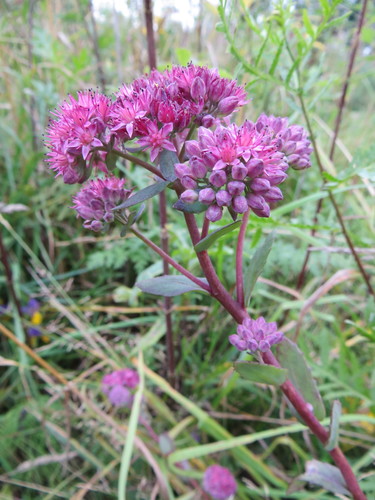
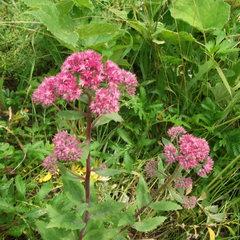
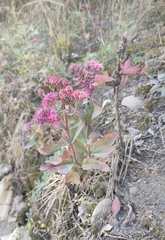
Orpine (Hylotelephium telephium) is a succulent perennial in the Crassulaceae, native to Europe and temperate Asia. Upright, unbranched stems carry alternate fleshy leaves and end in dense heads of small pink to purple flowers in late summer.
Read moreOrpine and livelong
Allow a few hours of direct sun per day, preferably morning or evening.
Full sun; tolerates light partial shade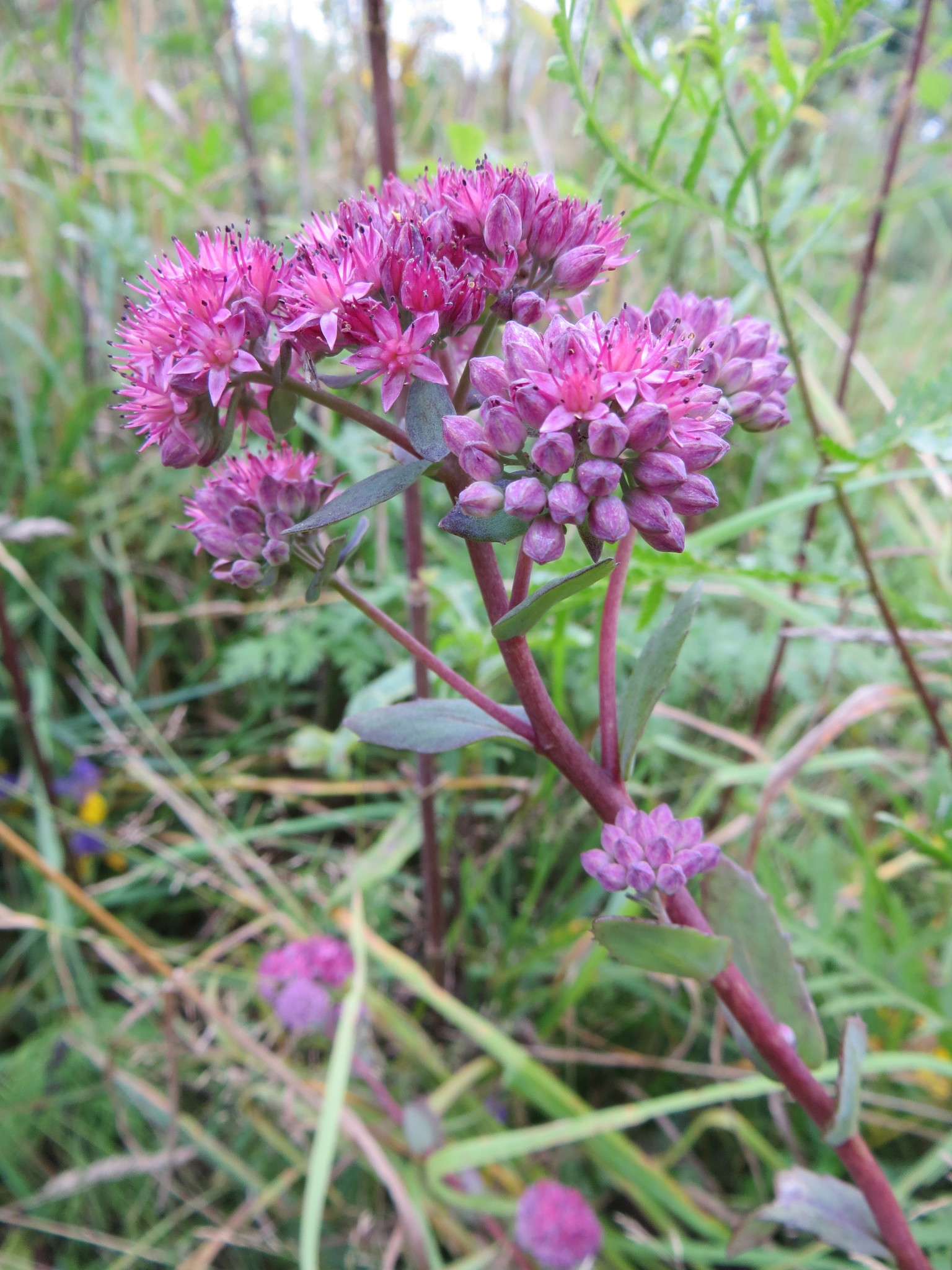
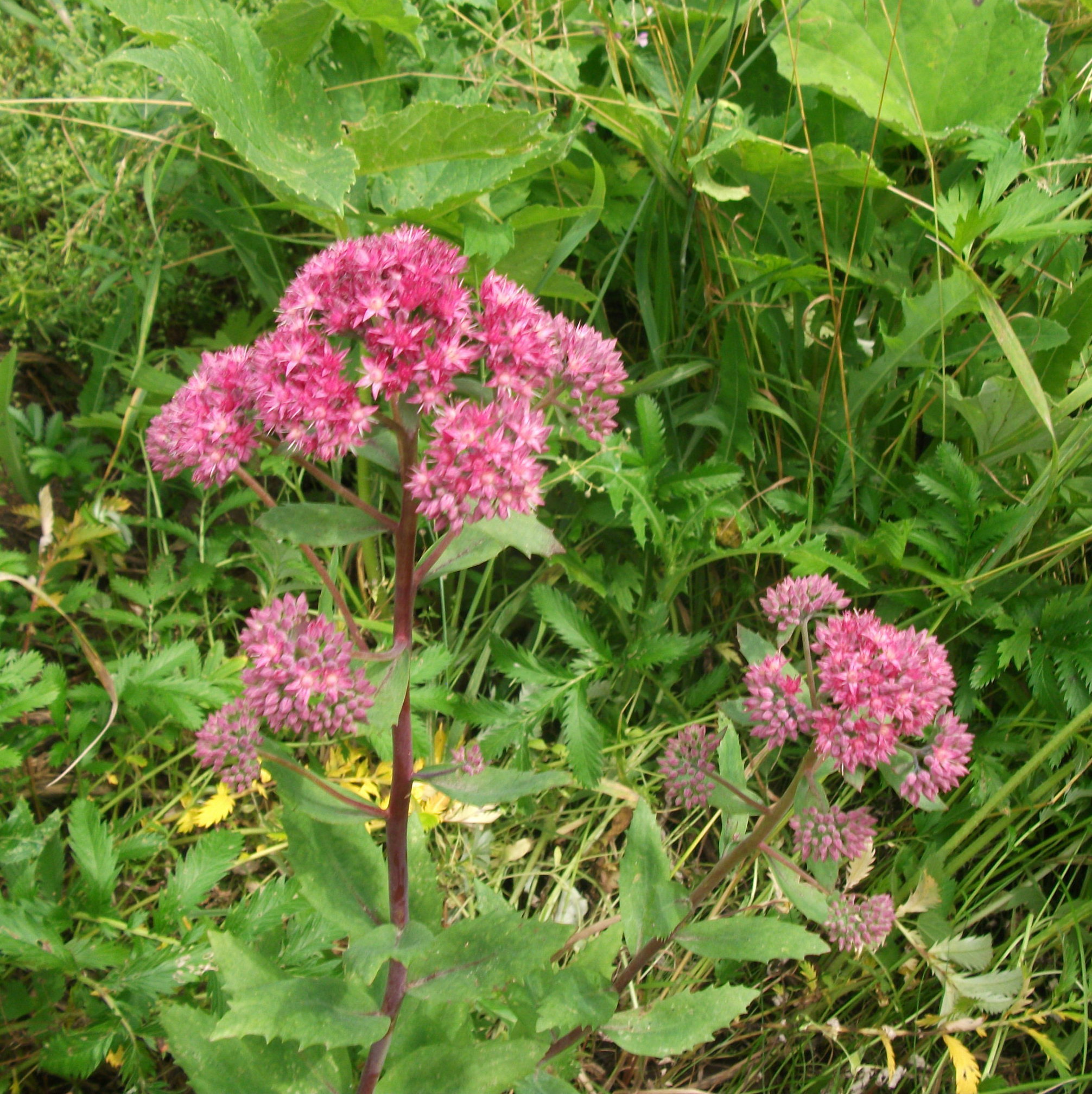
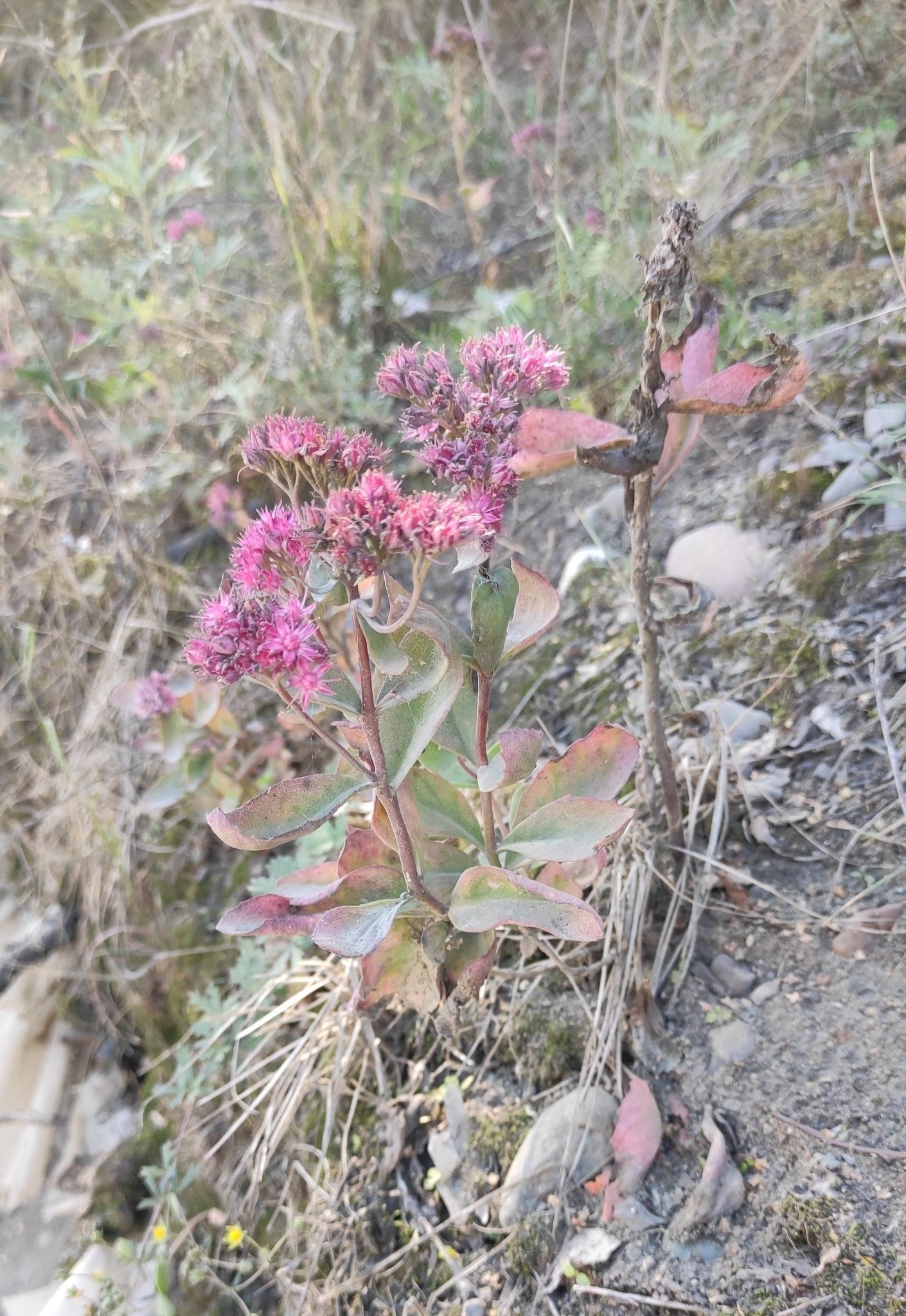
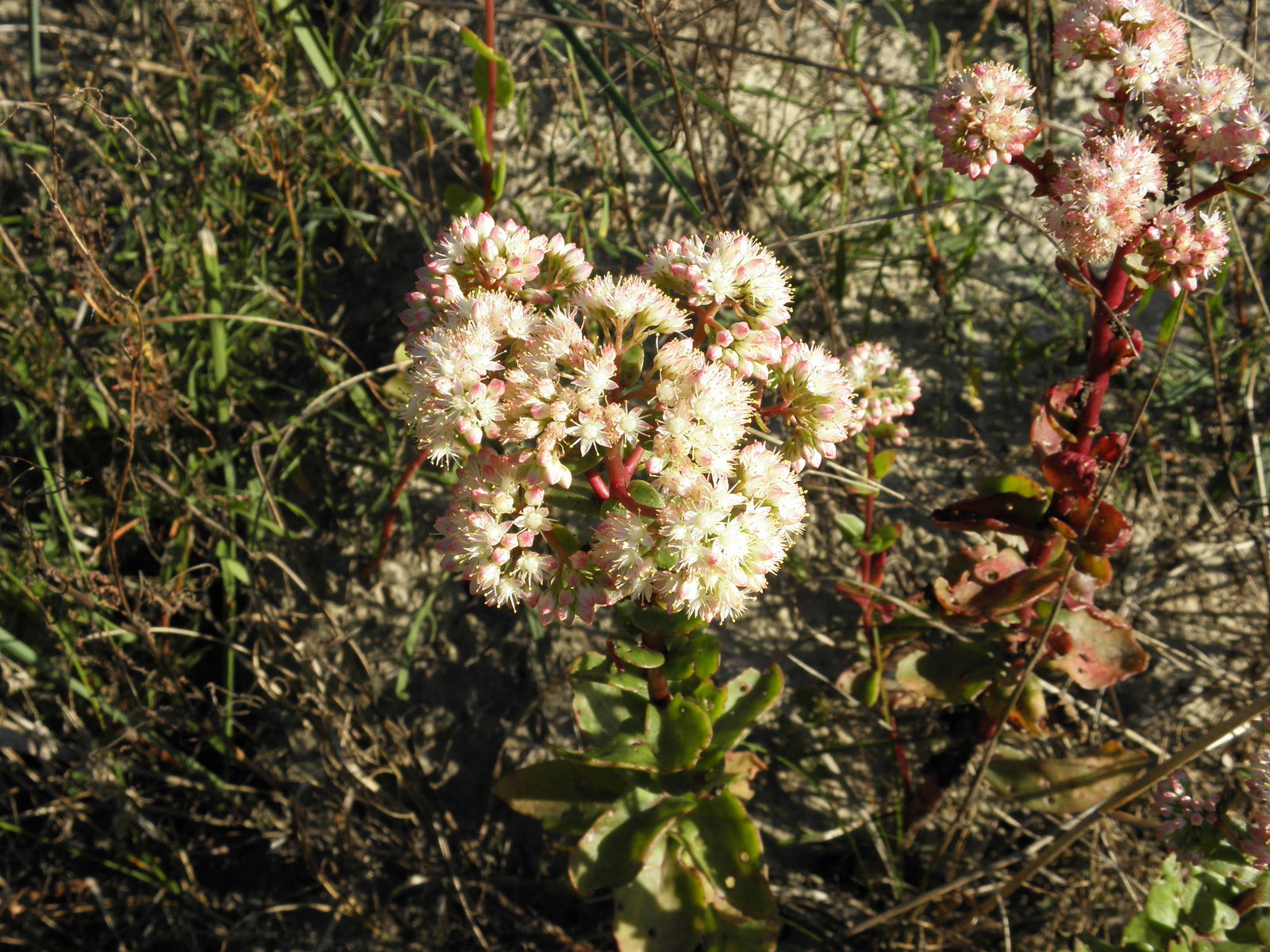
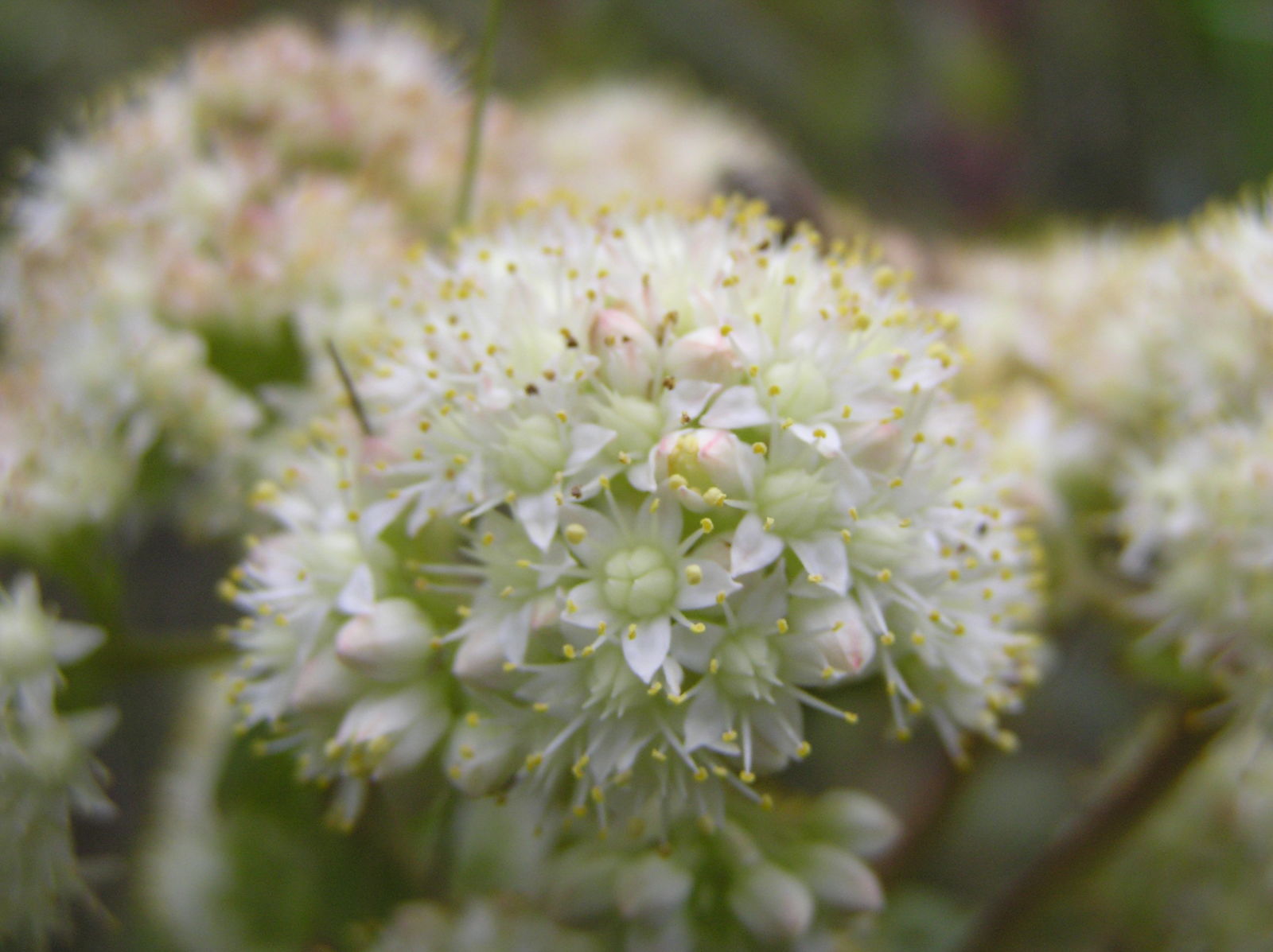
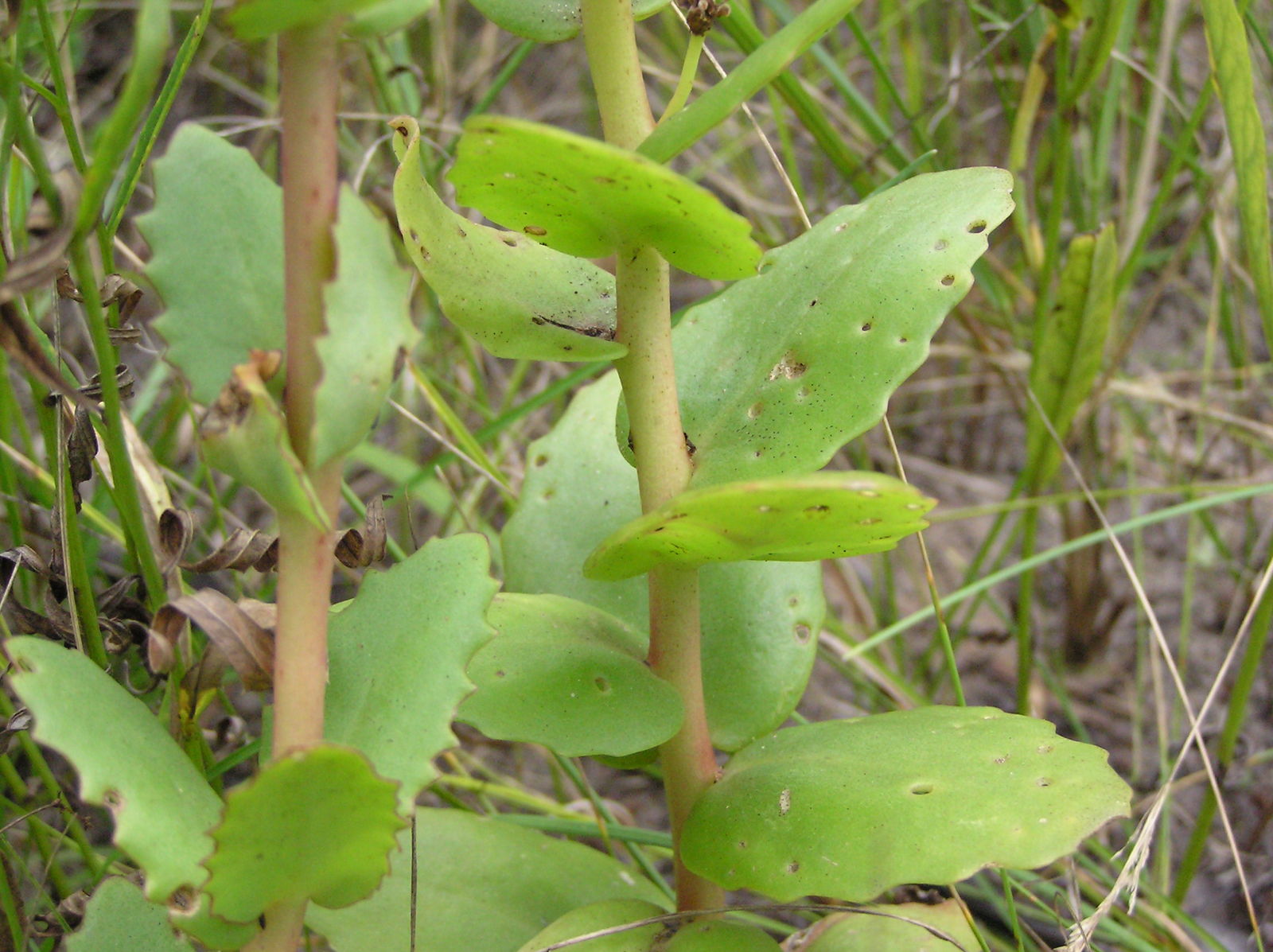
© photo
(c) George Kholin, some rights reserved (CC BY-NC), uploaded by George Kholin · cc-by-nc
Алексей Ябс · cc0
Юлия · cc-by
© copyright of the Board of Trustees of the Royal Botanic Gardens, Kew.
Global distribution
The native range of Hylotelephium telephium extends from Europe to the Russian Far East and northern China. Introduced to North America, it occasionally escapes from gardens and naturalizes locally without being regarded there as clearly invasive.
- Native4
- Introduced2
- France
- United Kingdom
- Russian Far East
- Northern China
- Canada
- United States
Hexagons: regions where the plant occurs. Green dots: native range.1
Identity
Orpine (Hylotelephium telephium (L.) H.Ohba, 1977) is a succulent perennial in the Crassulaceae. Horticultural references describe it as hardy to −20 °C (−4 °F). Linnaeus first described it in 1753 as Sedum telephium L.; Hideaki Ohba transferred it to Hylotelephium in 1977, making it the type species of the genus. 1 3
Its French name, orpin reprise, refers to the way a cut stem stays fresh-looking through the water stored in its fleshy leaves and roots again when replanted in moist substrate. The English name livelong likewise reflects its persistence after cutting. The plant's regenerative ability also accompanied a tradition of applying crushed leaves to wounds, particularly in Alpine regions. 6
Recognition
Pale green, unbranched stems form an upright clump 30–80 cm (12–31 in) tall, depending on growing conditions. The flat, fleshy leaves have coarsely toothed edges and are arranged alternately along the stem. This distinguishes orpine from Hylotelephium spectabile, whose leaves grow in opposite pairs. 4 2
In late summer and early fall, stems end in dense, flat heads of small, star-shaped pink to purple flowers. These age to burgundy-brown. Underground, the fleshy tuberous roots resemble small potatoes; their reserves support fresh growth each spring, even after the stems have been cut back hard at the end of the season. 4 5
Useful taxonomy
The accepted scientific name is Hylotelephium telephium. Older floras used Sedum telephium L., a name that remains widespread in current horticultural catalogs. Recognizing both names helps connect older accounts with the plant now placed in Hylotelephium. 1 7
The species is divided into several geographical subspecies, useful for locating a population without changing its field identification:
- Hylotelephium telephium subsp. fabaria (Kirschl.) H.Ohba, western and central Europe;
- Hylotelephium telephium subsp. maximum (L.) H.Ohba, Europe and western Asia;
- Hylotelephium telephium subsp. ruprechtii (Jalas) H.Ohba, northeastern Europe;
- Hylotelephium telephium subsp. telephium, central and eastern Europe eastward to East Asia.
Habitat and range
Orpine occurs naturally from Europe to the Russian Far East and northern China. In France, it is native and classified as Least Concern by the IUCN, reflecting a stable population widely distributed within that country. 1 6
Wild plants grow on banks, beside hedges, along the shaded edges of cool woodland and in gravelly or calcareous rocky ground. Natural drainage protects the tuberous roots from excess moisture. The plant withstands winters below −20 °C (−4 °F) and is listed for USDA zones 3–9; its hardiness varies little with elevation, helping explain its occurrence in mountain regions. Introduced to North America as a garden plant, it sometimes escapes and naturalizes locally, without being documented there as clearly invasive. 5 3
Life cycle and reproduction
Late-season flowering begins after many rock-garden perennials have finished. The dense heads attract bees and butterflies as nectar becomes scarcer, making the plant useful in gardens designed to support beneficial wildlife. These seasonal references concern temperate growing conditions. 4
Gardeners usually propagate orpine by dividing clumps in spring every 3–4 years, before their centers become bare. A thinning center is common in old, undivided plants. Stem cuttings also root well in early summer, and even a single leaf laid on moist substrate can regenerate a new rosette. 2 4
Uses and risks
Hylotelephium telephium is not toxic to cats, dogs or people, unlike some yellow-flowered sedums. Ingestion of a large amount of one of those sedums causes mild digestive upset. 5
Young leaves have sometimes been eaten raw in salads and the tuberous roots cooked in soups, though the plant has little culinary importance. Its main historical use was external: crushed leaves were applied to wounds, sometimes mixed with lard in Alpine folk medicine, to treat infected injuries in people and livestock. 5 6
Varieties, look-alikes and related plants
Opposite leaves distinguish Hylotelephium spectabile from the alternate-leaved orpine, its most frequent look-alike. Crossing the two produced Herbstfreude (Autumn Joy), a widely sold garden hybrid with large salmon-pink flower heads that darken in fall. 3 4
When identifying or buying a plant, several details deserve attention:
- Check whether leaves are alternate or opposite rather than relying on leaf color, which varies greatly between cultivars.
- Distinguish the four geographical subspecies names used for H. telephium. Flower color alone cannot reliably identify cultivars, but the subspecies help establish the origins of wild populations.
- Recognize the older name Sedum telephium, which is still used on nursery labels and in catalogs.
Main sources
- Plants of the World Online / Kew, Hylotelephium telephium (L.) H.Ohba
- Royal Horticultural Society, Hylotelephium telephium (Wd) details
- Wikipedia (EN), Hylotelephium telephium
- Missouri Botanical Garden PlantFinder, Hylotelephium telephium
- Plants For A Future, Sedum telephium (Hylotelephium telephium)
- Wikipédia (FR), Orpin reprise
- Integrated Taxonomic Information System, Hylotelephium telephium
Frequently asked questions
Is orpine toxic to cats or dogs?
No. Orpine is not listed among plants toxic to pets. It differs in this respect from some yellow-flowered sedums, which can cause mild digestive upset when eaten in large amounts.
How can I tell Hylotelephium telephium from Hylotelephium spectabile?
Leaf arrangement is the most reliable guide. Hylotelephium telephium has alternate leaves along the stem, whereas Hylotelephium spectabile has opposite leaves. The garden hybrid Herbstfreude is a cross between the two species.
Why is orpine called orpin reprise in French?
Cut stems stay fresh-looking for a long time and root readily when replanted. Water stored in the stems and fleshy leaves helps them survive after cutting; the plant also has a long history of use as a wound dressing.
Can you eat orpine?
Young leaves have sometimes been eaten raw in salads and the tuberous roots cooked in soups, but its culinary importance is limited. It has no widespread use in ordinary food preparation today.
How much care does orpine need?
Very little. Well-drained soil, full sun and division every 3–4 years are generally enough. Overwatering, especially in winter, is the main risk for this otherwise very hardy perennial.
Is orpine invasive in France?
No. It is native to France and classified there as Least Concern by the IUCN. It may self-seed in rock gardens but has no documented invasive behavior there.
Similar plants
If you are unsure about a plant’s toxicity, ask a botanist or veterinarian for advice.