
Anise (Pimpinella anisum, )
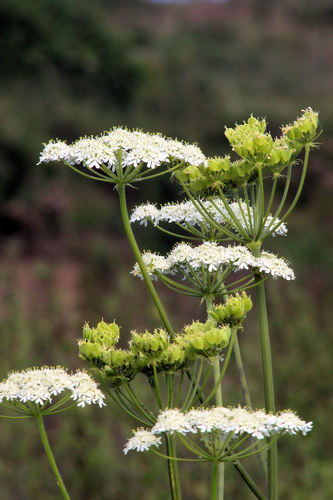


Anise (Pimpinella anisum) is an annual herb in the Apiaceae family, native to the eastern Levant from southeastern Turkey to Cyprus and central Israel. Grown since ancient Egypt for its aromatic fruits, commonly called aniseed, it produces umbels of small white flowers in summer. Its anethole-based scent should not cause confusion with star anise, which belongs to a different botanical family.
Read moreAnise and Aniseed


© photo
(c) Steluma, some rights reserved (CC BY-NC-ND) · cc-by-nc-nd
Wikimedia Commons · CC BY-SA or Public Domain
© copyright of the Board of Trustees of the Royal Botanic Gardens, Kew.


Global distribution
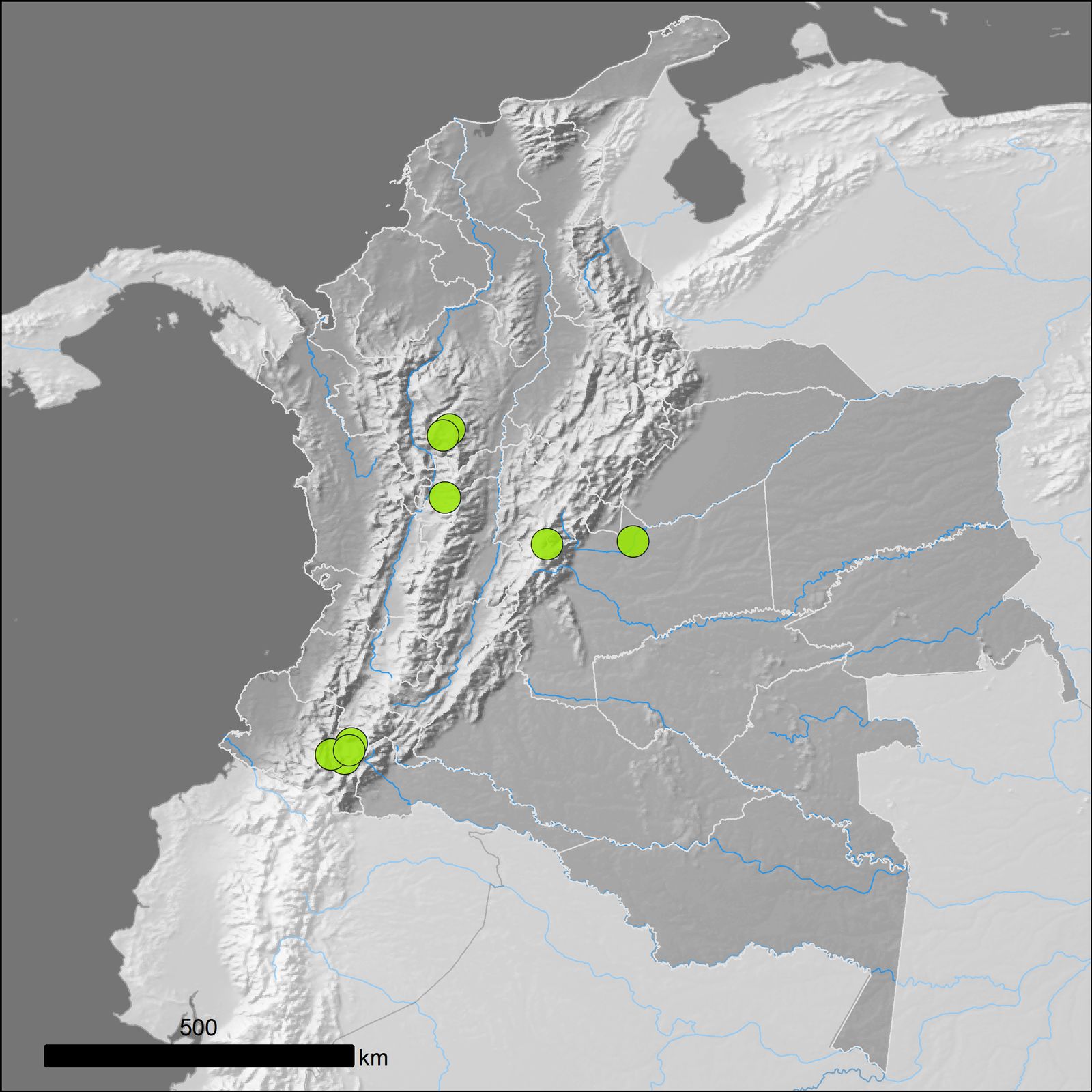
According to Plants of the World Online, Pimpinella anisum is native to the eastern Levant, from southeastern Turkey to Cyprus and central Israel. Cultivated since ancient Egypt, it has spread through farming around the Mediterranean, temperate Europe, India and China, and is now rarely seen growing spontaneously outside its native range.
Identity
Anise (Pimpinella anisum L., 1753), also called aniseed, is an annual herb in the genus Pimpinella and the Apiaceae family. Carl Linnaeus published the name in 1753, and Plants of the World Online still accepts it for the species. 1
Egyptian cultivation goes back approximately 4,000 years. Anise was first used medicinally before becoming a common seasoning around the Mediterranean. The French name anis vert, meaning green anise, distinguishes it from star anise, a similarly scented spice from an entirely different botanical family. 3 5
Recognition
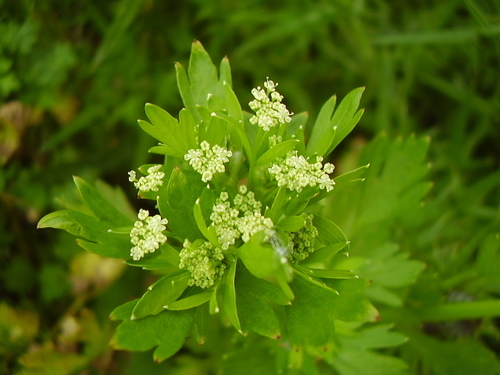
An erect, branching stem carries anise to a height of 30–60 cm (12–24 in). Basal leaves are simple and shallowly lobed, while leaves higher on the stem divide into fine, feathery segments typical of the umbellifers. The contrast between the lower and upper leaves is a useful feature when examining a whole plant. 2 3
Summer brings compound umbels containing dozens of tiny white or creamy-white flowers. Individual flowers measure only a few millimeters across, but together they form a dome that is easy to recognize in the garden. 2
The familiar aniseed is actually a dry, egg-shaped, slightly curved schizocarp, 3–5 mm (0.12–0.2 in) long. When crushed, it releases a clear anise scent from anethole. This single molecule can account for up to 90% of the essential oil, while the oil itself represents 2–3% of the fruit. 5 3
Useful taxonomy
For anise, Plants of the World Online accepts Pimpinella anisum L. Older botanical literature uses several synonyms for the same species: 1
- Anisum officinale Moench, an older synonym
- Anisum vulgare Gaertn., an older synonym
- Apium anisum (L.) Crantz, an older combination
- Carum anisum (L.) Baill., an older combination
- Selinum anisum (L.) E.H.L. Krause, an older combination
- Sison anisum (L.) Spreng., an older combination
- Pimpinella anisum var. cultum Alef., an older varietal name
More than 150 species of umbellifers belong to Pimpinella. One is Pimpinella saxifraga, burnet saxifrage, a wild European perennial sometimes mistaken for anise. Although their outlines resemble each other, burnet saxifrage grows back each year, whereas annual anise renews itself through seed. 1
Habitat and range
A narrow eastern Levantine range is recorded for Pimpinella anisum by Plants of the World Online, extending from southeastern Turkey to Cyprus and central Israel. North Carolina Extension Gardener gives a broader origin in Egypt and the Middle East, corresponding to an early domestication region rather than an extensive wild range. 1 3
Ancient cultivation carried anise far beyond its Levantine home. Mediterranean Europe, India and China now grow it for spice and essential oil. Spontaneous plants remain rare outside the original area, where it occupies dry, stony ground in full sun. Nearly all present-day production comes from cultivated fields, likewise in full sun on light, well-drained soil. The spread of cultivation should therefore be distinguished from the species' much smaller native range. 4
Life cycle and reproduction
From sowing to ripe seed, annual anise completes its life cycle in 4–5 months. Sow directly in its final position after the last frost, once the soil has warmed. Its young taproot tolerates transplanting poorly; damage during transplanting prevents normal growth from resuming. Direct sowing avoids disturbing an established rosette and its root. 4 2
Pollinating insects gather around the white umbels during summer flowering. Fertilized flowers develop into fruits that gradually turn brown in late summer. Harvest when most umbels reach this color, then dry them in hanging bunches protected from moisture. 3
Uses and risks
Seeds flavor breads, cakes, confectionery and some cured meats, while fresh young leaves season salads and fresh cheeses. Anise also enters Mediterranean spirits such as Turkish rakı, Greek ouzo and French pastis. In these drinks, anethole creates the characteristic cloudy appearance when water is added. 5 6
No toxicity is documented for ordinary culinary use of anise. Concentrated essential oil, however, is not recommended undiluted, especially for cats, which are more sensitive than other animals to phenolic compounds in essential oils. Older works also warned of adulteration, particularly in anise from Italy, with poisonous hemlock fruits mixed into batches. That historical warning is now considered obsolete, but it underlines the importance of identifying a plant before gathering it in the wild. 5
Varieties, look-alikes and related plants
Seed suppliers mainly offer regional anise populations developed through mass selection, rather than established, named horticultural cultivars of the kind found among ornamental plants. These seed lots do not have fixed cultivar names. 4
Among umbellifers resembling anise, Conium maculatum, poison hemlock, presents the serious danger: it is deadly and can resemble a young anise plant before flowering. 3 Crushed anise leaves give a distinct anise smell, a more reliable clue than plant outline alone for distinguishing them.
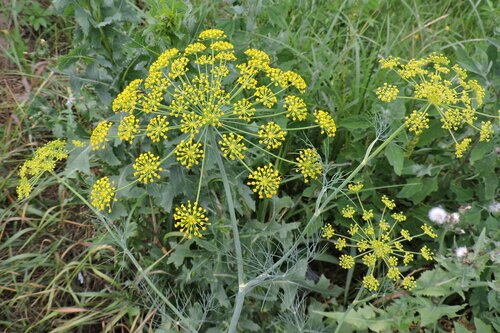
Several other plants share an anise aroma without a close botanical relationship. Fennel (Foeniculum vulgare) belongs to the same Apiaceae family but is perennial and less pungent; star anise (Illicium verum) belongs to a wholly different family but is rich in the same anethole; chervil (Anthriscus cerefolium) has a subtler anise scent. A similar fragrance therefore does not establish that a plant is anise. 5
Main sources
Frequently asked questions
Are anise and star anise the same plant?
No. Pimpinella anisum (Apiaceae) and Illicium verum (Schisandraceae, star anise) mainly share the aromatic compound anethole. They belong to entirely different botanical families.
Is anise poisonous?
Anise seeds are considered safe in cooking. Its concentrated essential oil, rich in anethole, is not recommended undiluted, especially for cats.
Can anise be mistaken for a dangerous plant?
Yes. Before flowering and fruiting, its young umbellifer shape resembles Conium maculatum, poison hemlock, a deadly species. The clear anise scent released by crushed leaves remains the most reliable distinguishing clue.
Why does anise sometimes germinate poorly?
Even fresh seeds germinate slowly, with favorable temperatures between 15 and 25 °C (59–77 °F). Soil that is still cold at sowing delays or prevents germination.
Can I transplant anise seedlings?
Transplanting is not recommended once the rosette is established. The taproot tolerates disturbance poorly, so direct sowing in the final growing position is preferred.
How does anise differ from fennel?
Both belong to the Apiaceae family and have feathery foliage, but fennel (Foeniculum vulgare) is perennial in mild climates and tastes less pungent. Sown side by side, they can cross-pollinate and alter the flavor of harvested seeds.
Why is anise called green anise in French?
The French qualifier green distinguishes it from star anise. Anise itself comes through Latin anisum from Greek ánēthon, which originally referred to dill.
Similar plants
If you are unsure about a plant’s toxicity, ask a botanist or veterinarian for advice.