
Almond (Prunus amygdalus, )
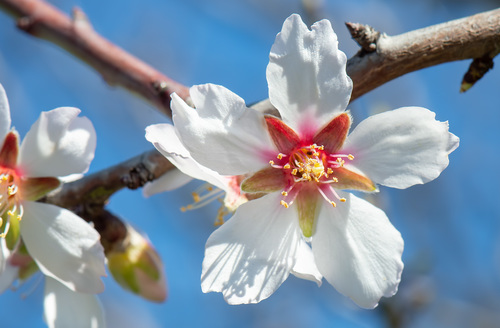
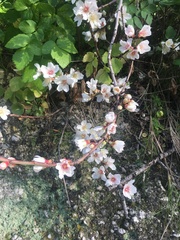
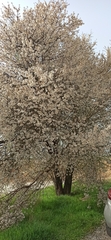
Almond (Prunus amygdalus Batsch, 1801) is a deciduous fruit tree in the Rosaceae, grown for the edible seed enclosed in its hard shell. Native to the Caucasus and Central Asia, it descends from bitter wild almonds domesticated more than 11,000 years ago. White to pink flowers appear before the leaves in late winter, making it one of the earliest fruit trees to bloom. Bitter kernels remain toxic when raw.
Read moreAlmond, Almond tree and Sweet almond
Allow a few hours of direct sun per day, preferably morning or evening.
Full sun in a sheltered location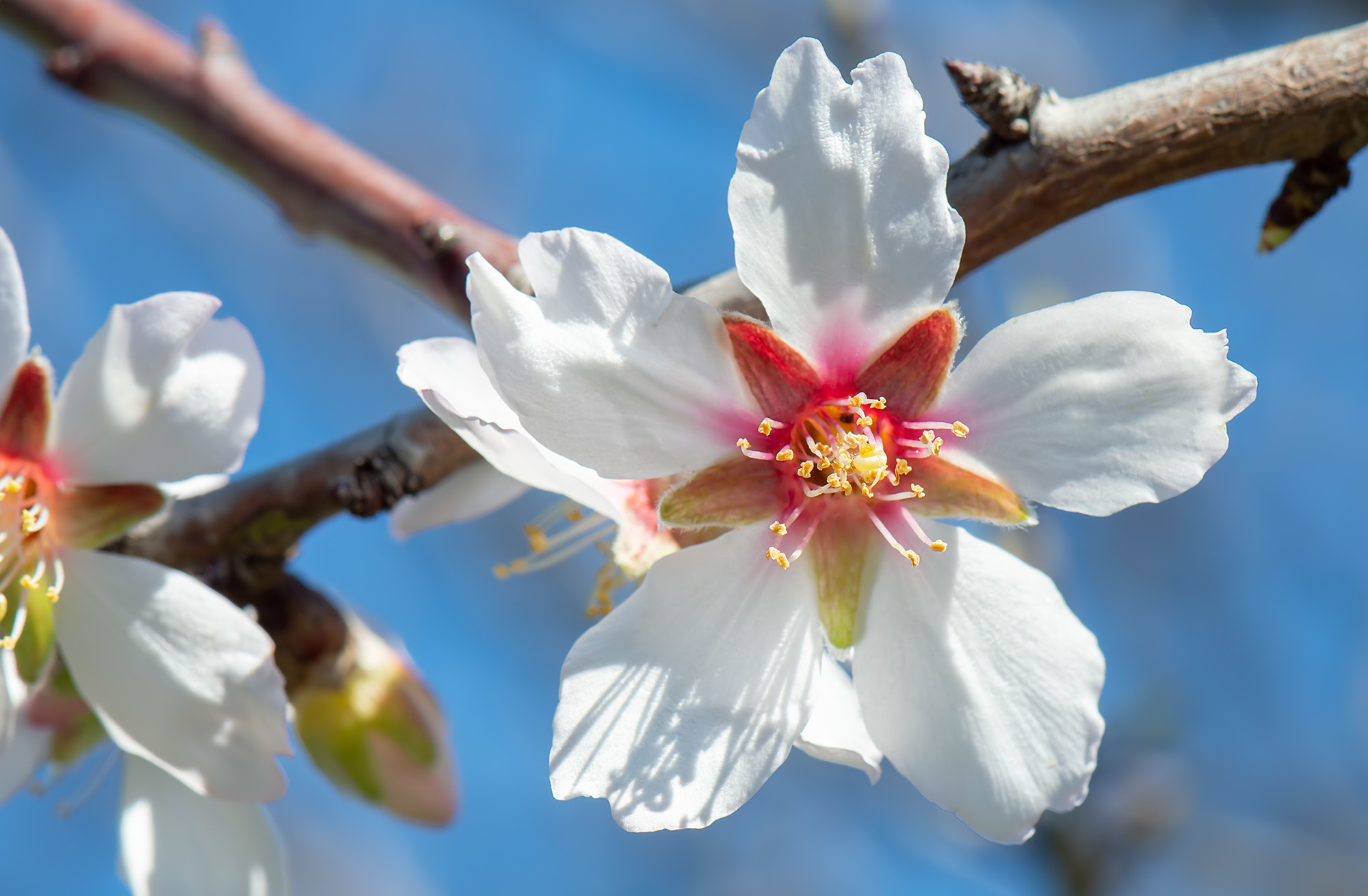
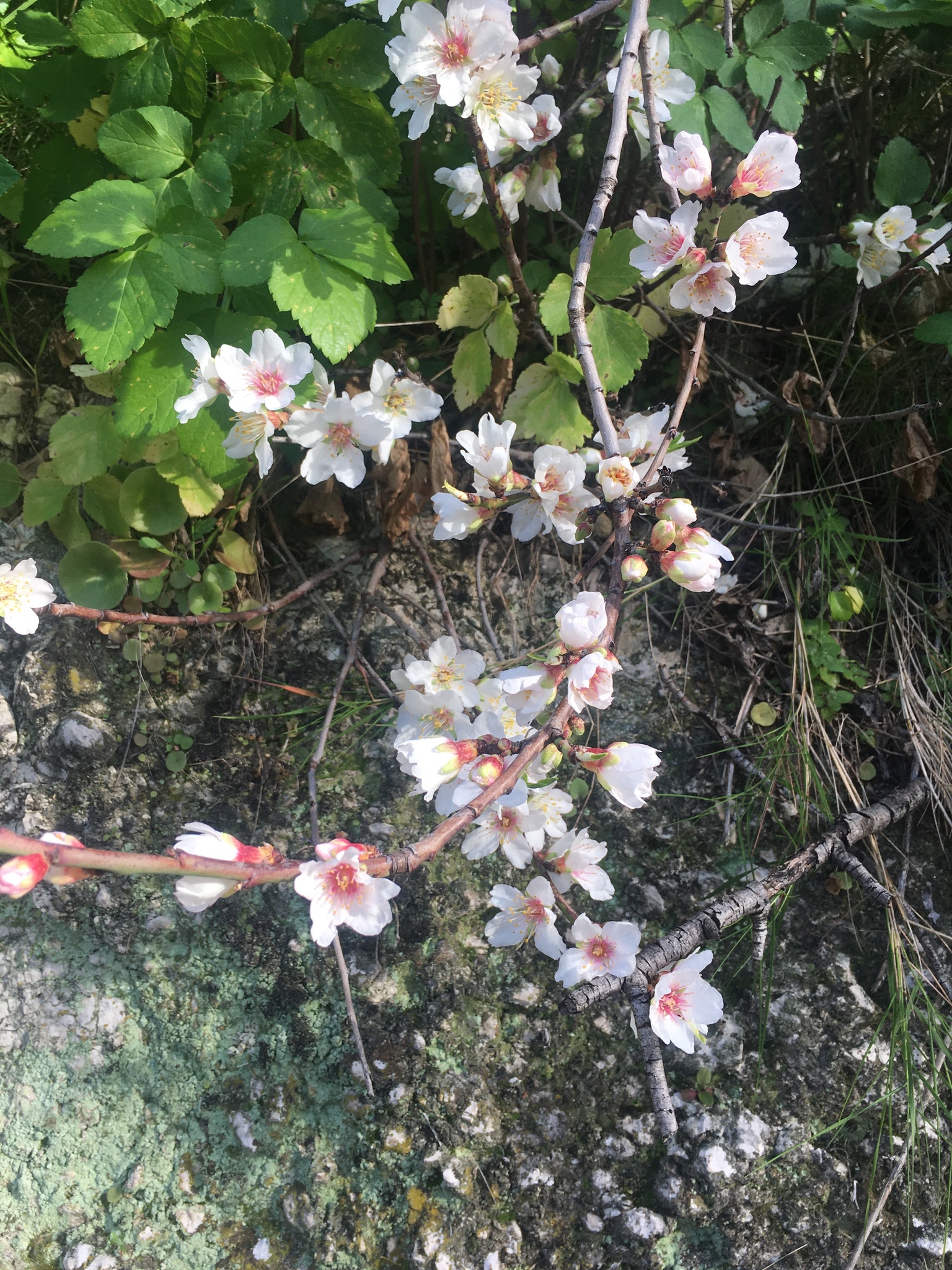
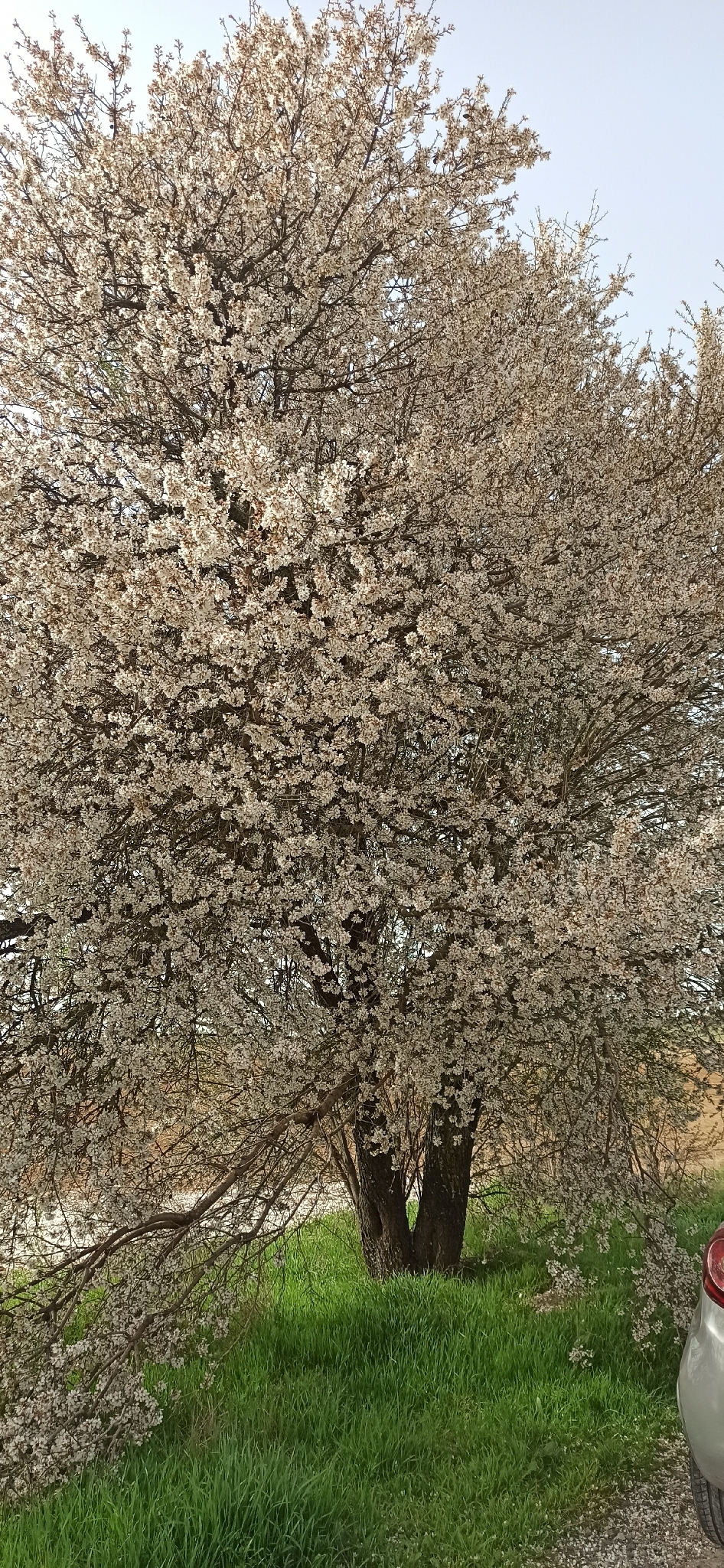


© photo
Anna C · cc0
Ryan McMinds · cc-by
Gonzalo Ganda Álvarez · cc-by
© copyright of the Board of Trustees of the Royal Botanic Gardens, Kew.
Global distribution
Wild almond ancestors occur in the Caucasus, Central Asia and the Near East. Cultivation spread to Turkey and throughout the Mediterranean, then later to California, now the leading production region worldwide.
- Native3
- Introduced1
- Armenia
- Turkey
- Iran
- United States
Hexagons: regions where the plant occurs. Green dots: native range.1
Identity
Almond (Prunus amygdalus Batsch, 1801) belongs to the genus Prunus in the Rosaceae. POWO/Kew accepts Prunus amygdalus, whereas horticultural and veterinary literature mostly uses Prunus dulcis. WCVP lists the combination Prunus dulcis (Mill.) D.A.Webb, published in 1967, as illegitimate, leaving Prunus amygdalus as the valid name. 1 2
Almond shares subgenus Amygdalus with peach, Prunus persica. Both differ from other Prunus in having a corrugated woody shell, or endocarp, enclosing the seed. In almond, this shell surrounds the kernel sold as food; in peach, it protects a seed that is not edible. 1
Recognition
A medium-sized deciduous fruit tree, almond reaches 4–8 m (13–26 ft) tall with a similar spread and a rounded, spreading crown. RHS rates its dormant hardiness at approximately −15 to −10 °C (5–14 °F), but early flowering is its main vulnerability. 3
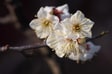
Fragrant white to pink flowers open on bare branches before the leaves, often in late winter. Almond is among the earliest temperate fruit trees to flower, ahead of peach and cherry. A late frost during this early bloom can compromise the entire crop for the year. 3
Alternate, lance-shaped leaves have finely toothed edges and resemble peach leaves, making the trees easy to confuse outside the fruiting season. Almond fruit is a drupe with a tough, velvety green hull that dries and splits at maturity, releasing a woody, grooved shell. 4
Fruit provides the clearest distinction between these trees. The outer flesh remains juicy in peach until harvest, while the almond hull dries completely before splitting. Although the trees can look similar in blossom, their later fruit gives a dependable identification.
Useful taxonomy
Linnaeus described almond in 1753 as Amygdalus communis. Batsch moved it into Prunus in 1801, the same year he transferred peach. The source gives the resulting full authority as Prunus amygdalus Batsch, without parentheses. 1
Yet Prunus dulcis remains widespread, including in RHS and PFAF. It derives from another basionym, Amygdalus dulcis Mill., 1768, recombined by D.A. Webb in 1967. WCVP calls this recombination illegitimate, a useful distinction when comparing taxonomic references that disagree on the accepted name. 2 3
Habitat and range
Almond ancestry lies in the Caucasus, Central Asia and the Near East. Several bitter wild almonds, including Prunus fenzliana, Prunus orientalis and Prunus turcomanica, contributed to the cultivated almond's genetic heritage through successive crosses. 6
PFAF places almond in Mediterranean conditions, on cultivated ground, scrub, hedges and rocky places near cultivation. Once established, the tree tolerates summer drought well, fitting landscapes with a pronounced dry season. 4
From that original center, cultivation spread to Turkey and across the Mediterranean basin, then later to California, which became the world's leading almond-producing region. 6
Life cycle, flowering and pollination
Most almond varieties are self-incompatible. A single isolated variety does not set fruit, and commercial orchards rely on cross-pollination by bees, often brought in as hundreds of hives during flowering. Without a compatible pollinizer, a lone almond can flower year after year without setting a crop. 8
Tuono, a naturally self-fertile Spanish variety, provides breeding material for self-pollinating almonds. These programs aim to combine self-fertility with the nut quality of varieties such as Nonpareil. 8
Fruit enlarges through spring after flowering. The hull dries and splits in summer, with harvest extending from late summer into fall according to climate and variety. These stages follow the local growing season rather than a single worldwide calendar. 4
Cultivation and uses
Sweet almonds are eaten raw or roasted, ground into flour or made into plant-based milk. Their oil has culinary and cosmetic uses. PFAF also records traditional uses for kidney stones and constipation; these historical uses do not replace medical advice. 4
Winter blossom supplies bees with one of the year's earliest sources of nectar and pollen, when few other fruit trees are flowering. This early timing explains why almond orchards account for substantial commercial spring beekeeping activity, ahead of peach and cherry blossom. 8
In gardens, almond needs full sun and well-drained soil, tolerating chalk, loam and sand. RHS recommends shelter from cold winds and, in cool Northern Hemisphere climates, fan training against a south-facing wall. 3
Toxicity, animals and food safety
The distinction between sweet and bitter almonds is genetic. A point mutation in the bHLH2 gene, dominant in sweet almonds, blocks amygdalin synthesis. In recessive bitter almonds, the phenylalanine → prunasin → amygdalin pathway remains active and releases hydrogen cyanide through hydrolysis. 5
Merck Veterinary Manual includes almond among the Prunus associated with cyanide poisoning in animals, alongside peach, apricot, wild cherry and plum. Wilted leaves and bitter kernels remain the parts most concentrated in cyanogenic glycosides. 7
PFAF gives a figure of approximately 900 bitter almonds for a toxic adult dose. This is a source-specific estimate, rather than a safe consumption threshold. Commercial sweet almonds contain very little amygdalin and remain safe in normal food use, as distinguished from raw bitter kernels. 4
Varieties, look-alikes and related plants
Fruit cultivars include Ferragnès and Ferraduel, selected for French production, and Tuono, the self-fertile Spanish variety. Ornamental forms such as Roseoplena, with double pink flowers, are grown for blossom alone and do not produce marketable almonds. 8
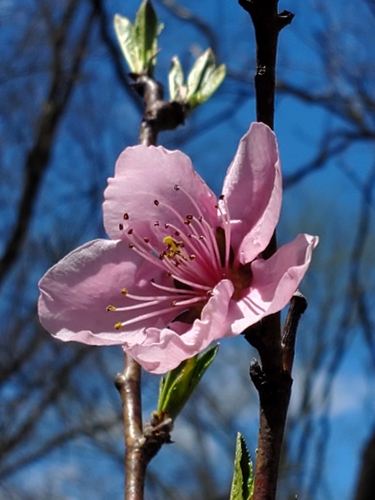
Peach, Prunus persica, is the main look-alike, sharing subgenus Amygdalus. The flowers can look very similar, but the fruit separates them clearly: dry outer flesh and a hard shell in almond, juicy flesh in peach. 1
When buying a young tree, check its cultivar, rootstock and need for a compatible pollinizer. For identifying an established almond, early flowers on bare wood and the grooved fruit shell remain the most dependable features. 3
Main sources
- Plants of the World Online / Kew, Prunus amygdalus Batsch
- WCVP consulted record, Prunus amygdalus and synonyms
- Royal Horticultural Society, Prunus dulcis (almond) plant details
- Plants For A Future, Prunus dulcis
- PLOS DNA Science, bHLH2 gene mutation and almond domestication
- PMC, Insights Into the Almond Domestication History
- Merck Veterinary Manual, Cyanide Poisoning in Animals
- USDA ARS, Self-Pollinating Almond Trees research news
Frequently asked questions
Is almond called Prunus dulcis or Prunus amygdalus?
Both names refer to the same species. WCVP lists Prunus dulcis (Mill.) D.A.Webb, 1967, as illegitimate, leaving Prunus amygdalus Batsch as the accepted name, although horticultural sources still widely use Prunus dulcis.
Why does my almond flower without producing nuts?
The most frequent cause is the absence of a compatible pollinizer, since most varieties are self-incompatible. Late frost on the early flowers also often destroys the crop for that year.
Are all almonds edible?
No. A mutation in the bHLH2 gene distinguishes commercial sweet almonds from bitter almonds, which remain rich in amygdalin and toxic when raw.
Is almond toxic to dogs and cats?
Wilted foliage and bitter kernels contain cyanogenic glycosides, which Merck Veterinary Manual highlights in several Prunus species. Commercial sweet almonds present a more limited risk, but caution is still needed.
Where does almond come from?
Its wild ancestors occur in the Caucasus, Central Asia and the Near East, including relatives such as Prunus fenzliana and Prunus orientalis. Cultivation later spread to Turkey, the Mediterranean and California.
Can almond be confused with peach?
Yes, especially without flowers or fruit. Both belong to subgenus Amygdalus and have a corrugated shell, but the fruit differs clearly: dry flesh in almond, juicy flesh in peach.
Do I need two almond trees for a crop?
Usually, because most cultivars are self-incompatible. Self-fertile varieties such as Tuono exist, but a compatible pollinizer is still recommended for regular crops.
Similar plants
If you are unsure about a plant’s toxicity, ask a botanist or veterinarian for advice.