
Chía (Salvia hispanica, )
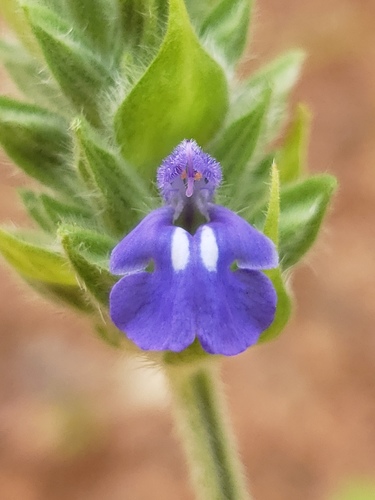
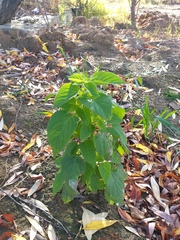
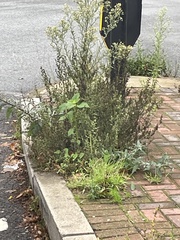
Chía (Salvia hispanica) is an annual herb in the Lamiaceae family, native to central and southern Mexico and Guatemala. Grown since Aztec times for its small, mucilaginous seeds rich in omega-3 fatty acids and fiber, it is now produced commercially on several continents, from Mexico to Argentina and Australia.
Read moreChía, Chia, Chia sage and Spanish sage
Place in full sun, with intense direct light all day long.

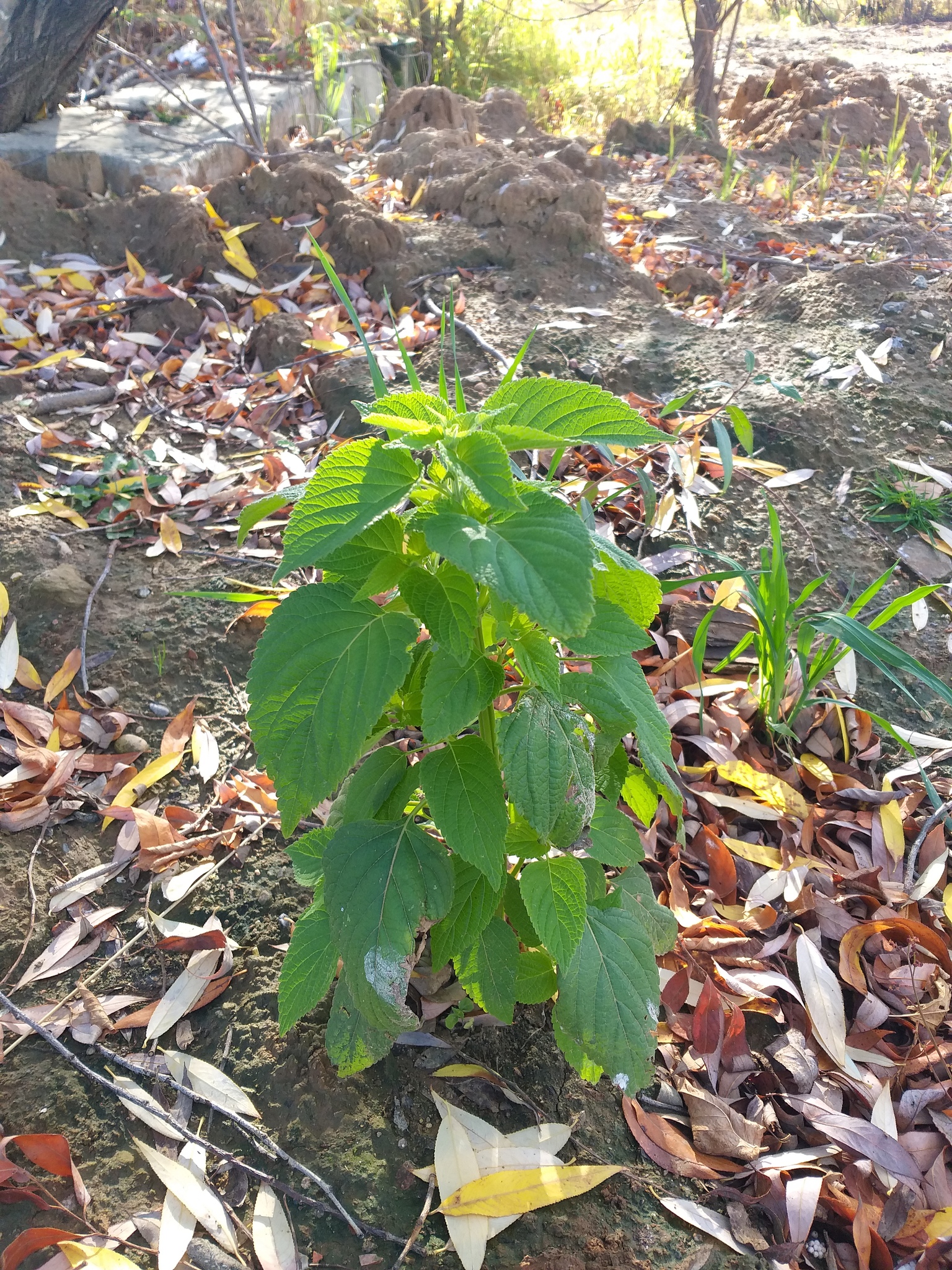


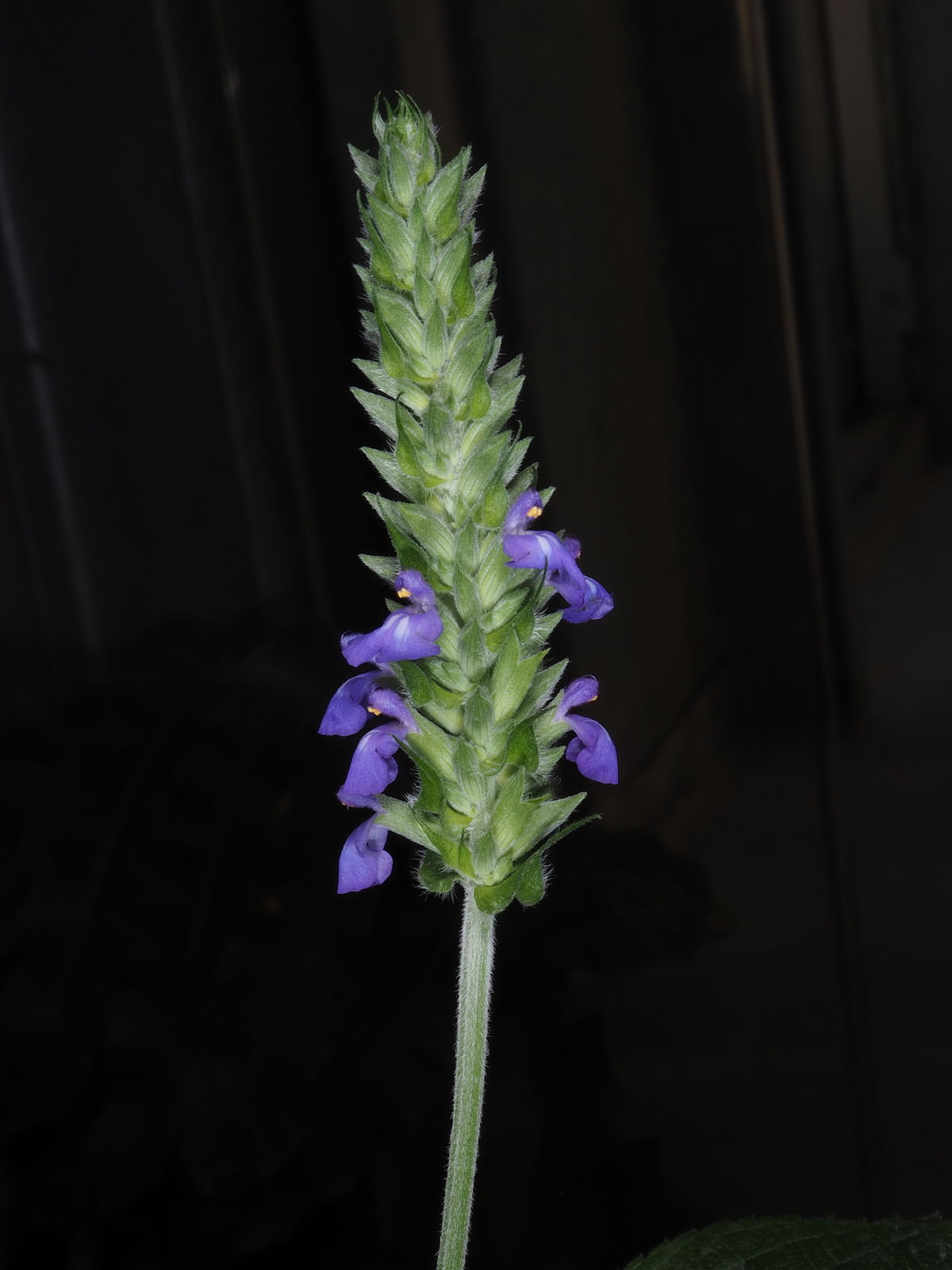
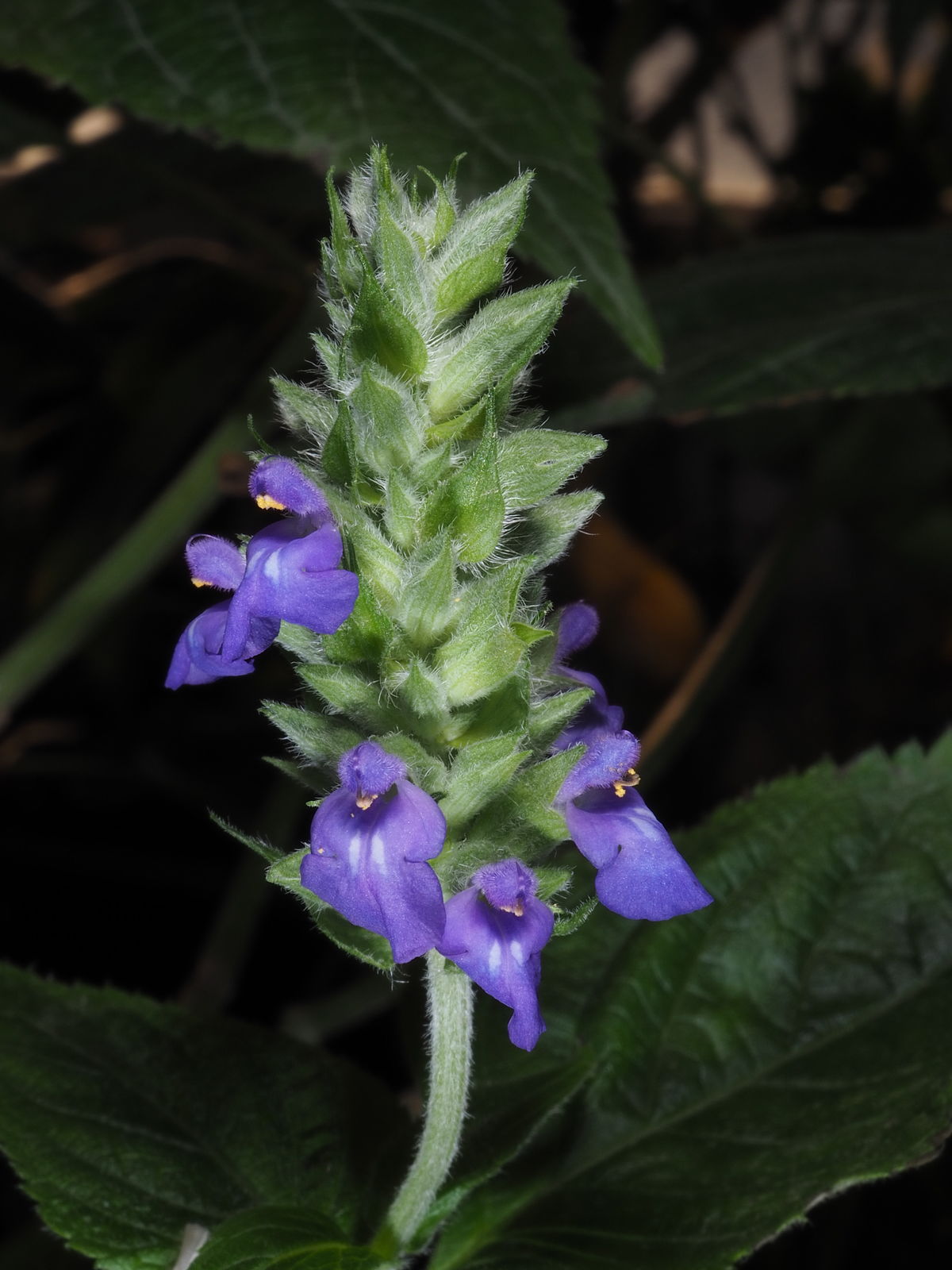
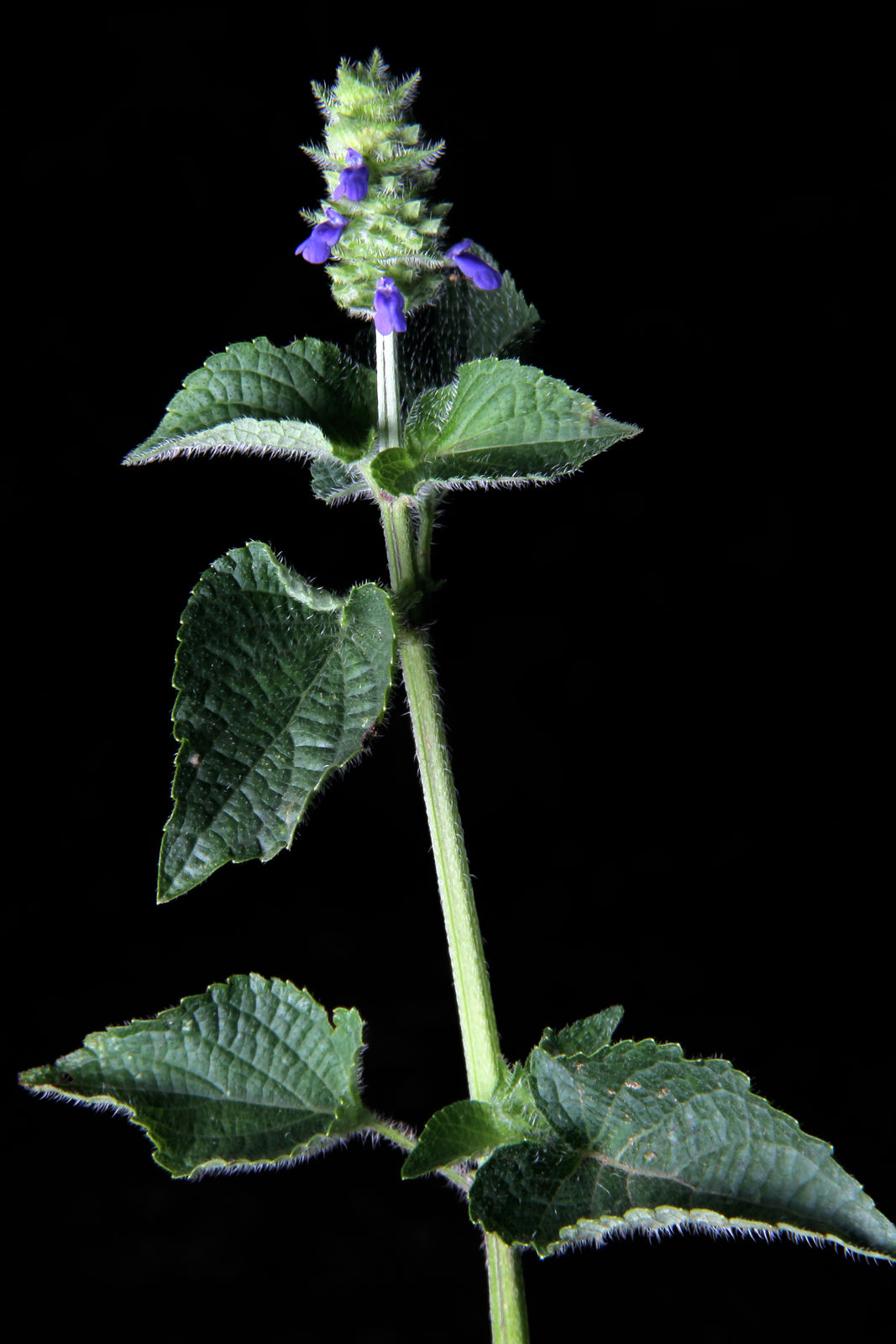
© photo
(c) Alex Abair, some rights reserved (CC BY), uploaded by Alex Abair · cc-by
Dmitriy Bochkov · cc-by
Henry Miller · cc-by
Taken Sep 15, 2019 by huy HO (cc-by-sa)
Taken Jun 16, 2022 by Jenn (cc-by-sa)
Taken Jul 10, 2021 by Barbarea (cc-by-sa)
Taken Aug 13, 2022 by Sushi Malayoto (cc-by-sa)
Taken Nov 1, 2020 by Inma Benito (cc-by-sa)
© copyright of the Board of Trustees of the Royal Botanic Gardens, Kew.




Global distribution
The native range of Salvia hispanica extends from central and southern Mexico to Guatemala, according to POWO/WCVP. Commercial cultivation reaches much farther, from northern Mexico to Argentina and Paraguay in South America, and to Australia. Its cultivated range therefore greatly exceeds its strict native range.
Identity
Chía (Salvia hispanica L., 1753) is an annual herb in the genus Salvia and the Lamiaceae family, alongside garden sage and basil. Its name comes from the Nahuatl chian or chiyan, used by the Nahua peoples of pre-Columbian Mexico long before Linnaeus added the Latin epithet hispanica in 1753. 1 4
That Latin epithet has caused lasting confusion about the plant's origins. It comes from Mexico and Central America, where it was domesticated for its small, mucilaginous seeds before the Spanish arrived. The English name Spanish sage perpetuates the misunderstanding. Today, seeds rich in soluble fiber and omega-3 fatty acids account for its commercial reputation far more than its foliage. 3 5
Recognition
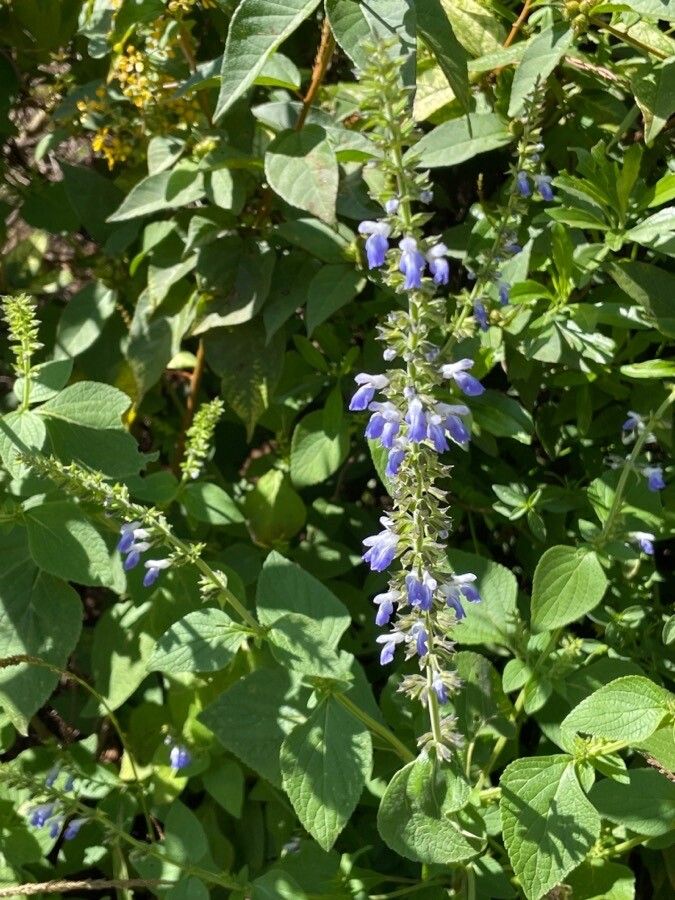
Salvia hispanica develops an upright, square stem, a typical Lamiaceae trait, commonly reaching 1 m (3.3 ft) by the end of the season. Young, unbranched plants stand only 10–30 cm (4–12 in) tall. The opposite, oval, toothed leaves are about 8–10 cm (3–4 in) long, with fine whitish hairs on their upper surface. 4 5
Small white or mauve flowers appear in summer, with male and female organs in each flower, clustered in tight whorls along terminal spikes. Each flower later produces four nutlets, commonly called seeds. These are smooth, oval and about 2 mm (0.08 in) long: gray mottled brown in wild plants, black in the dominant commercial selection, or white in a rarer form. 5 3
Soaking offers a functional identification test beyond appearance. Within minutes in water, a chía seed develops gelatinous mucilage capable of absorbing up to twelve times its weight in liquid. No other common vegetable-garden seed responds quite as quickly or strongly to this test. 3
Useful taxonomy
POWO/WCVP accepts the name Salvia hispanica L., published in 1753 in the same work as hundreds of other Linnaean species. Unlike many major crops, chía has not undergone intensive varietal selection. Recent genomic analyses show no marked genetic divergence between wild and cultivated populations, in contrast to corn or wheat. 1 6
The chía genome contains about 460 Mbp distributed across six pairs of chromosomes (2n = 12). Several Salvia species share evidence of whole-genome duplications. These events may have promoted the expansion of gene families involved in fatty-acid synthesis, partly explaining the seeds' high omega-3 content. 6
Its crop cycle also separates chía from other garden salvias. Garden sage (Salvia officinalis) and rosemary (Salvia rosmarinus, formerly Rosmarinus officinalis) are perennials grown for aromatic foliage; Salvia hispanica is an annual food crop grown for its seeds. 2
Habitat and range
The strict native range of Salvia hispanica covers central and southern Mexico and extends to Guatemala, according to POWO/WCVP. There it grows on warm agricultural land with well-drained sandy to clay-loam soils, in frost-free tropical to subtropical conditions. 1 2
Commercial production now reaches Argentina, Bolivia, Ecuador, Paraguay, Nicaragua, the United States and Australia, well beyond that native range. Typical yields are 450–1,250 kg per hectare (400–1,115 lb per acre), exceeding 2,000 kg per hectare (1,785 lb per acre) under the best conditions. 3 6
This expansion is recent in the plant's long history. After the Spanish conquest, chía cultivation declined for almost 500 years. It became a major commercial crop again from the 1990s, first in Argentina and then in other warm countries with frost-free growing seasons. 5
Life cycle and reproduction
Chía is a strict annual: it germinates, flowers, fruits and dies within a single warm season, with no frost tolerance. Sown in warm soil in spring, its seeds germinate in one to two weeks. The plants then rapidly develop tall, branching stems before summer flowering. 2 4
Flowers with both male and female organs readily self-pollinate, although bees and other pollinators also visit them, as they do many summer-flowering Lamiaceae. After fertilization, each flower produces four small nutlets that ripen within a few weeks inside the spike. 2
Harvest begins by cutting the spikes as they turn brown, then drying them thoroughly before threshing. Incompletely dried spikes yield seeds that can mold in storage. Propagation relies entirely on seed, with no vegetative method documented for this species. 5
Uses and risks
Chía is chiefly a food crop. Whole or ground seeds, rich in soluble fiber, protein and omega-3 fatty acids, go into drinks, puddings, breads and cookies. Jesuit chroniclers ranked it as the Aztecs' third food crop, after corn and beans but ahead of amaranth. Twenty-one of the thirty-eight Aztec provinces paid their rulers an annual tribute of chía. 3 5
Available literature reports no notable toxicity to date and no documented interactions with prescription medicines. The documented precaution concerns texture rather than toxicity: because dry seeds produce abundant mucilage, they are best soaked before eating instead of swallowed dry in large quantities. 7 3
For gardeners, chía is more an experimental vegetable-patch curiosity than an ornamental crop. Its tall flowering stems and nectar-bearing spikes combine well with basil or amaranth in a warm, sunny plot without the risk of early frost. 2
Varieties, look-alikes and related plants
Seed color distinguishes the two main commercial selections: black chía, which dominates the market, and white chía, a rarer form often sold as a premium product. Genetic analyses nevertheless show no deep differentiation between these selections and wild populations with gray-and-brown mottled seeds. 6
Three other species are commonly confused with chía:
- garden sage (Salvia officinalis), a perennial grown for its foliage rather than its seeds;
- flax (Linum usitatissimum), which also produces mucilaginous, omega-3-rich seeds but belongs to another botanical family;
- quinoa (Chenopodium quinoa), another protein-rich pseudocereal, unrelated to the Lamiaceae.
A water test helps distinguish chía seeds from these three plants: they quickly swell in gelatinous mucilage. Quinoa and most garden seeds do not reproduce that response with the same intensity. 3
Main sources
- Plants of the World Online / Kew, Salvia hispanica L.
- Plants For A Future, Salvia hispanica
- Wikipedia EN, Chia seed
- Wikipedia FR, Salvia hispanica
- PMC, review of chia (Salvia hispanica) composition and nutritional properties
- Annals of Botany, chia genome and domestication study (2024)
- Wikipedia EL, Σάλβια η ισπανική, drug interactions section
Frequently asked questions
Is chía the same plant as garden sage?
No. Salvia hispanica and Salvia officinalis both belong to the genus Salvia and the Lamiaceae family, but they are distinct species grown for different uses: one for its mucilaginous seeds, the other for aromatic foliage.
Why do chía seeds swell in water?
Chía seeds develop a surface coating of mucilage rich in soluble fiber that can absorb up to about twelve times their weight in liquid. This gel gives chía drinks and puddings their characteristic texture.
Is chía toxic to people or animals?
No notable toxicity has been reported to date, and no interactions with prescription medicines have been documented. The most commonly cited precaution is to soak dry seeds before eating because they produce abundant mucilage.
Where does the name chía come from?
It comes from the Nahuatl chian or chiyan, a name already used for the plant by Nahua peoples in pre-Columbian Mexico, long before Linnaeus assigned the Latin epithet hispanica in 1753.
Where is chía grown today?
Beyond its native range in Mexico and Guatemala, chía is grown commercially in Argentina, Bolivia, Ecuador, Paraguay, Nicaragua, the United States and Australia, according to data compiled in recent scientific reviews.
Can I grow chía in a temperate garden?
Yes, as an annual started under cover in spring and planted out after all risk of frost, in well-drained soil and full sun. The complete cycle from emergence to ripe seed requires an uninterrupted warm season.
Is chía a cereal?
No. Chía belongs to the Lamiaceae, not the grass family. Like quinoa and amaranth, it is classed as a pseudocereal: a non-grass plant grown for seeds rich in protein and fiber.
Similar plants
If you are unsure about a plant’s toxicity, ask a botanist or veterinarian for advice.