
Goldenrod (Solidago, )
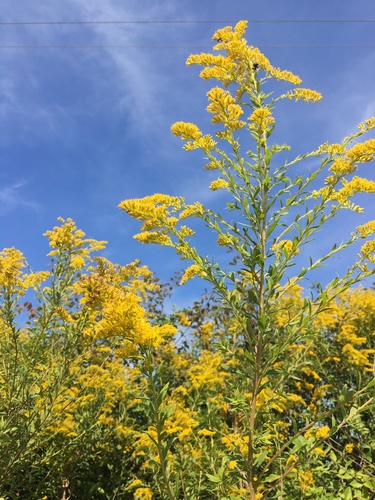
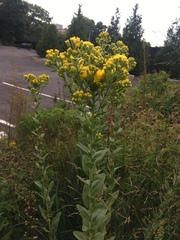
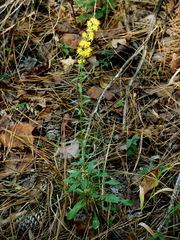
Goldenrod (Solidago) is a genus of herbaceous perennials in the Asteraceae, valued for bright yellow flowers in late summer. Its flowering supports pollinators and fall arrangements, while its reputation for causing allergies needs care: other plants flowering nearby often produce the airborne pollen responsible.
Read moreGoldenrod


© photo
Becky Dill · cc0
Daniel Atha · cc0
Michael J. Papay · cc-by
© copyright of the Board of Trustees of the Royal Botanic Gardens, Kew.
Identity
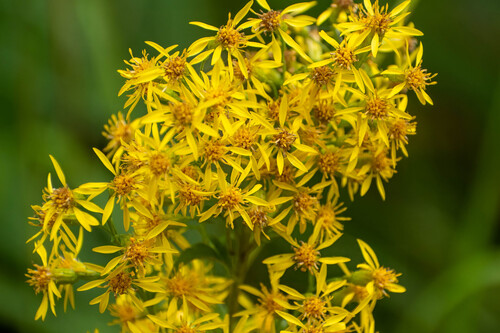
Goldenrod (Solidago L.) is a genus of flowering plants valued for its yellow plumes. The name covers several species, including Solidago canadensis, rather than identifying a single species. 1 8
POWO, WFO and IPNI place Solidago in the Asteraceae. Numerous small yellow flower heads gather in panicles or racemes, creating the familiar golden, feathery effect. 1 2 3
Goldenrod’s reputation as an allergy trigger needs qualification. Its flowers are conspicuous, but late-summer allergies frequently come from less noticeable plants whose pollen travels on the wind. 8 6
Late-season color is goldenrod’s main contribution to a yellow planting. In Northern Hemisphere temperate gardens, it carries yellow into August, September and October, feeds pollinators and gives structure to fall bouquets. 8 4
Recognition
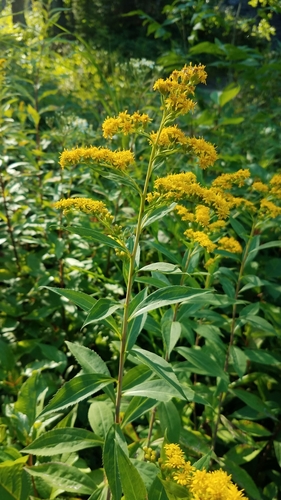
Upright, leafy goldenrod stems end in many yellow flower heads. Depending on the species, the overall habit may be compact, arching, feathery or very tall. 6 5
Small heads make their impact through abundance. A single stem looks airy; a whole group brightens a meadow or the back of a border. 8
Usually alternate and simple, the leaves are often more or less lance-shaped. Color alone rarely identifies the species, so Solidago spp. is the appropriate description when a particular species has not been established. 2
Compare the overall outline with ragwort or sneezeweed. Goldenrod carries fine sprays of small flower heads rather than large, isolated yellow daisies. 8
Useful taxonomy
At genus rank, the accepted name is Solidago L. A general account can describe the group without choosing between S. canadensis, S. virgaurea and garden selections; a pictured example does not narrow the entire genus to one species. 1 8
Different species within this large genus behave quite differently. Some remain manageable in gardens; others spread strongly, grow tall or naturalize. Recognizing this variety prevents misleading generalizations. 5 6
The common name goldenrod is used broadly. The botanical name Solidago helps connect flowering, uses and spreading behavior to the correct group. 3
Judging every goldenrod as allergenic or invasive overlooks this variation. Its behavior depends strongly on species, cultivar and growing conditions. 8
Cultivation
Give garden goldenrods full sun and ordinary to well-drained soil. Many tolerate drought once established, but flower better when they do not experience severe stress early in the growing season. 4
Vigorous forms need room to spread. For a small border, choose compact cultivars or divide regularly so they do not dominate neighboring plants. 5
Cutting stems back in early summer can produce shorter, more branched growth. Cutting after flowering can also reduce self-seeding. 5
Meadow plantings allow a freer habit. Dry stems and seeds add fall structure and provide wildlife resources, provided the plants do not crowd out diversity. 7
Choosing the right growth form determines placement. Tall, spreading goldenrods suit naturalistic schemes or large gardens, while compact selections fit a border beside a patio. The genus is generally easy to grow, but thoughtful placement still matters. 5
Ordinary soil is often better than heavily fertilized ground. Excess nitrogen makes stems longer and the clump floppier. Well-drained soil with some moisture early in the season often supports steadier flowering and less aggressive growth. 4
Uses
Use goldenrod for late-season yellow in meadows, the back of borders, fall bouquets and pollinator gardens. It combines with asters, rudbeckias, grasses and sneezeweeds. 8
As many perennials begin to fade, goldenrod takes over from earlier summer yellows. Its flowers complement the mauve tones of asters and Symphyotrichum. 8 5
Cut stems bring light texture and bright color to arrangements. Their many small heads work particularly well as supporting material rather than a single focal flower. 4
Pollinators gain a food source late in the season. This period matters as much as spring in a wildlife-friendly garden, since many insects are preparing for winter. 7
Pairing goldenrod with soft purples and browns gives a balanced effect: fall asters, verbenas, pale grasses and spent rudbeckias. The yellow then reads as seasonal light rather than an overpowering block. 8
Cautions
A low level of caution is appropriate for the genus. Avoid eating the plant and account for individual sensitivities to the Asteraceae. 1
Spreading vigor is the main gardening concern. A poorly chosen goldenrod may occupy too much space; a compact cultivar or regular division can prevent that problem. 5
Visible flowers do not automatically identify the source of troublesome pollen. Goldenrod is mainly visited and pollinated by insects, unlike plants releasing large amounts of windborne pollen. 8 6
Gentle management often suffices: divide clumps, remove outlying suckers and cut before seed develops if seedlings become troublesome. Choosing another species or position can solve a problem without excluding the entire genus. 5
Assess human sensitivity and garden vigor separately. Watch individual reactions in sensitive people, and monitor the plant’s spread in borders. Neither issue justifies treating all goldenrods alike. 8
For a useful goldenrod planting, match the species to the space available. Yellow flowers and pollinator value are strengths, while species choice and spreading vigor deserve continued attention. 8 1
Main sources
Species in this genus
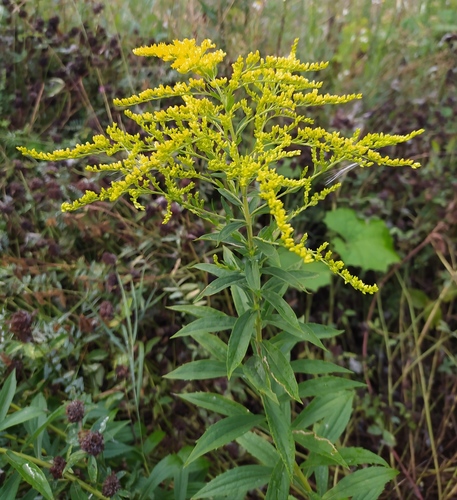
If you are unsure about a plant’s toxicity, ask a botanist or veterinarian for advice.