
Indian jujube (Ziziphus mauritiana, )
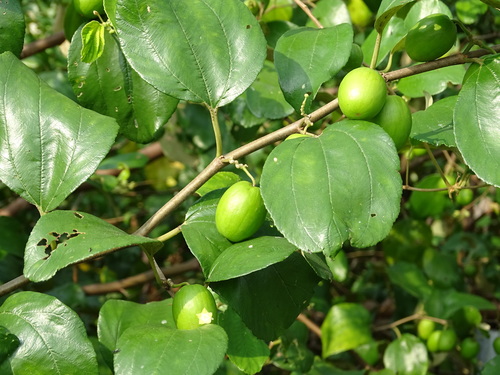

Indian jujube (Ziziphus mauritiana) is a thorny shrub or small tree in the Rhamnaceae family, native to South Asia, southern China, Southeast Asia, and central and western Africa. Grown for its vitamin C-rich fruit, it has also naturalized across the Old World tropics and is declared invasive in several regions of Australia.
Read moreIndian jujube, Ber, Chinee apple and Indian plum

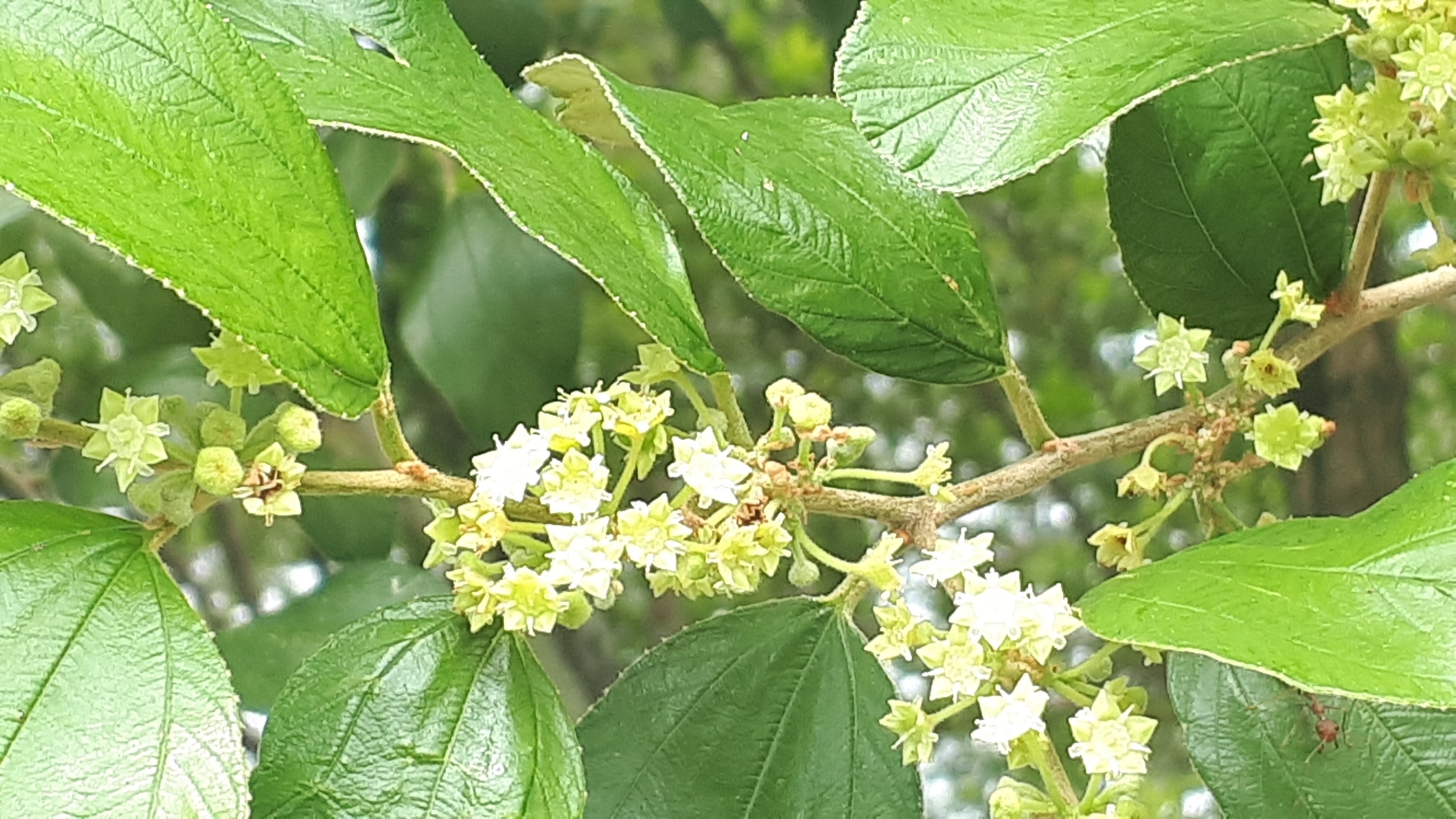

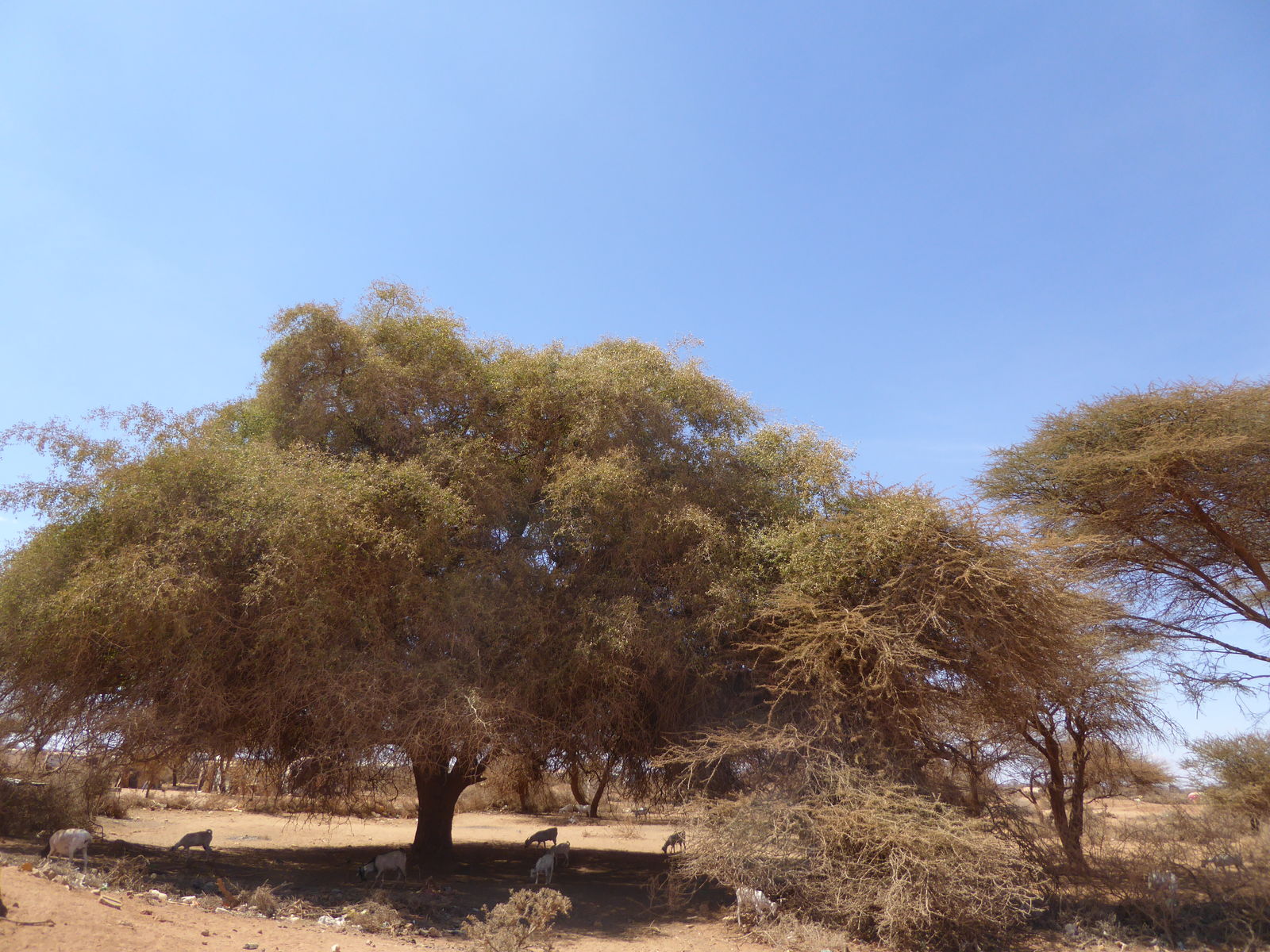
© photo
no rights reserved, uploaded by 葉子 · cc0
Ong Jyh Seng · cc-by-sa
Dinesh Valke · cc-by-sa
© copyright of the Board of Trustees of the Royal Botanic Gardens, Kew.
Global distribution
The native range covers South Asia, including India, southern China, Southeast Asia, and central and western Africa. The species has spread widely through the Old World tropics and subtropics, reaching Australia and the Pacific, where it is now classed as invasive in several regions.
- Native4
- Invasive2
- India
- China
- Pakistan
- Senegal
- Australia
- Fiji
Hexagons: regions where the plant occurs. Green dots: native range.1
Identity
Indian jujube (Ziziphus mauritiana Lam., 1789), also called ber in India, is a thorny shrub or small tree in the Rhamnaceae family. The epithet mauritiana refers to Mauritius, where Jean-Baptiste de Lamarck observed and described the plant in 1789. It is not native to the island: it had been introduced and cultivated there before its description. 1 2
Confusion with Ziziphus jujuba, the jujube of temperate Asia, is common. Both bear edible fruit and belong to the same genus, but Z. mauritiana is tropical to subtropical and becomes sensitive around 7 °C (45 °F), whereas Z. jujuba tolerates frost and can be grown in temperate climates. 2
Recognition
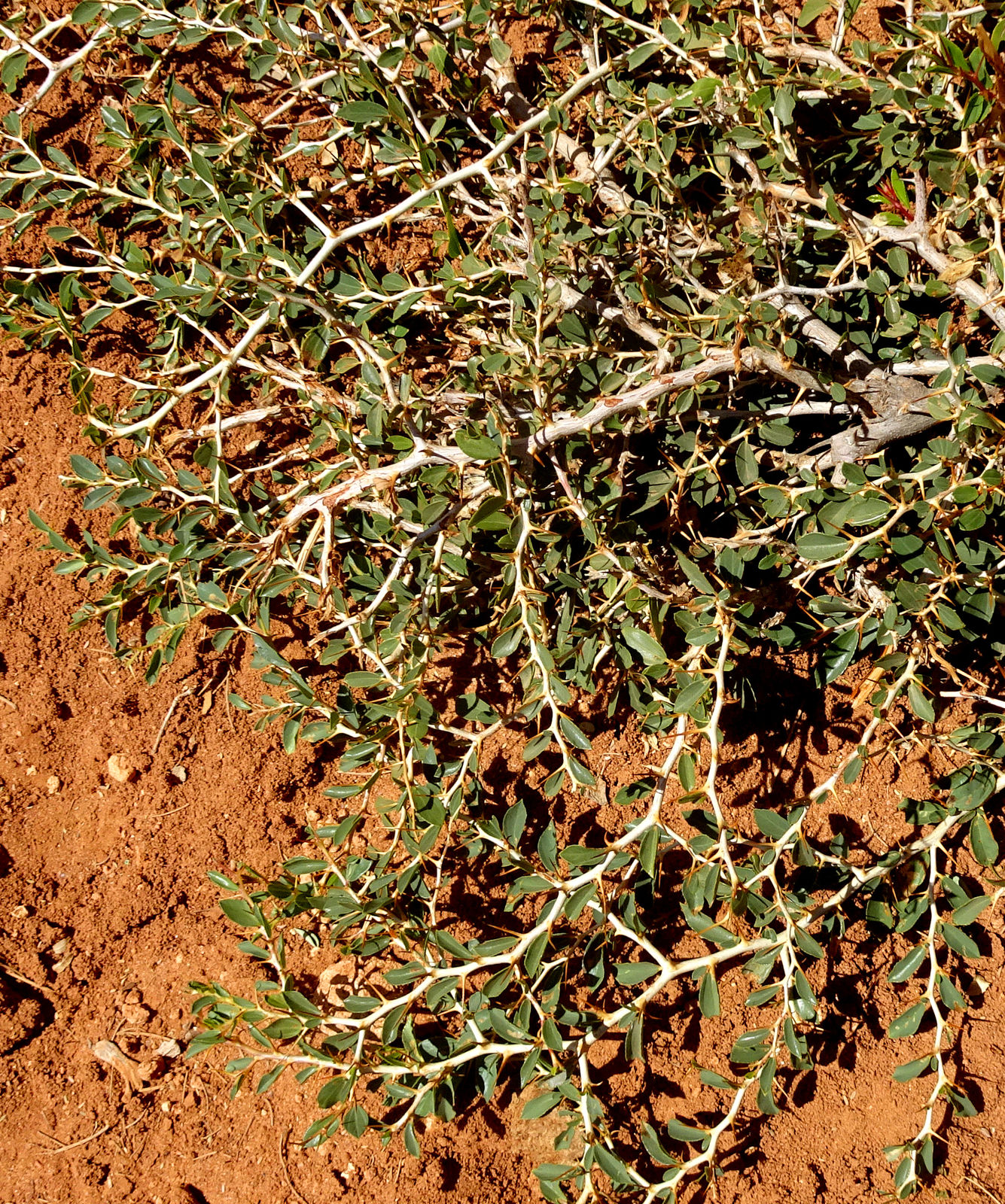
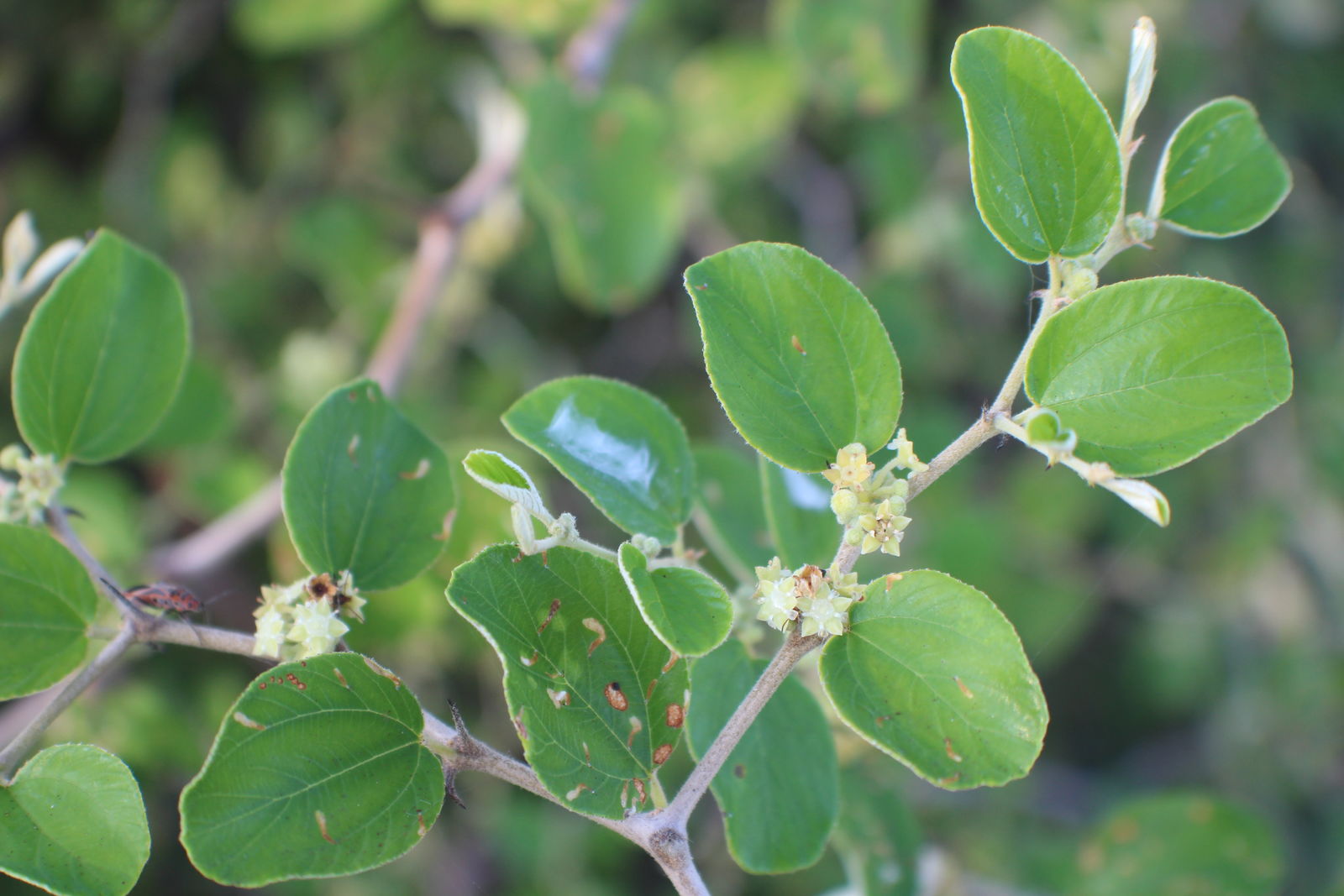
Depending on conditions, Indian jujube ranges from a 1.5–2 m shrub (5–7 ft) to a 10–15 m tree (33–49 ft). Its drooping branches have zigzag branchlets, often armed with straight or hooked thorns, although some horticultural forms lack them. Alternate, oval leaves measure 2.5–9 cm (1–3.5 in) long. Their upper surface is glossy green and their underside has whitish or brownish hairs; three veins rise from the leaf base. 2 7
Small, greenish-yellow flowers occur in groups of two or three in the leaf axils. They depend on cross-pollination by bees, wasps or flies. 2
An oval drupe develops from the flower, measuring about 2.5 cm (1 in) in wild forms and up to 6 cm (2.4 in) in some cultivars. Green unripe fruit becomes yellow, orange or wrinkled reddish brown at full maturity. The flesh is white and crisp when partly ripe, then beige, soft and musky when overripe. 2 3
Useful taxonomy
The accepted botanical name is Ziziphus mauritiana Lam., with Ziziphus indica Chaz. listed as its sole synonym at species rank. Names once treated as distinct species, including Ziziphus mairei (H.Lév.) Browicz & Lauener, Ziziphus poiretii G.Don and Ziziphus rotundata DC., have been placed in synonymy following comparison of collections. 1
Recognized varieties include Ziziphus mauritiana var. mauritiana, var. pedunculata Bhandari & Bhansali and var. spontanea (Edgew.) R.R.Stewart ex Qaiser & Nazim., described mainly from Indian populations. Common names such as ber, Indian jujube and Chinee apple vary with place and usage. The accepted scientific name remains a reliable reference when buying or identifying a plant, distinguishing it from Ziziphus jujuba and Ziziphus spina-christi. 1
Habitat and range
South Asia, including India, southern China, Southeast Asia, and central and western Africa make up the native range. Indian jujube subsequently spread widely through the Old World tropics and subtropics, from southern Africa through the Middle East to China and Australasia. 2 1
Warm climates with annual rainfall of 125–2,225 mm (5–88 in) support the plant. It grows on poor sandy to loamy soils and tolerates alkalinity up to pH 9.2, as well as substantial salinity. These soil tolerances help explain both its success in semiarid areas and its ability to withstand temporary waterlogging. 2
Fruit growing brought the species to Australia and Fiji. Known there as Chinee apple, it now forms dense invasive thickets; in Queensland it is a category 3 restricted invasive plant. These stands displace native grasses and herbs and threaten birds such as the black-throated finch. 4 5
Life cycle and reproduction
Over several months of favorable weather, flowering relies on cross-pollination by bees, wasps and some flies. A mature tree in a suitable position can bear 5,000–10,000 fruits a year if seed-grown, and a selected grafted tree can produce up to 30,000. 2 3
Seed raising supplies rootstocks, but maintaining a cultivar requires shield budding, also called T-budding, which has largely replaced ring budding. Air layering also works on wood more than two years old when treated with indolebutyric acid and boron. 3
Within the native range, harvest extends from autumn through early spring, depending on the cultivar. These differences spread production across several months. Outside cultivation, each shrub produces more than 5,000 seeds per fruiting cycle, helping explain the speed at which invaded areas are colonized. 3 5
Uses and risks
Edible fruit accounts for most uses. It is eaten fresh like a small apple, sometimes lightly salted while partly ripe, dried like dates, made into jam or juice, or ground into powder for use out of season. The fruit is known for its high vitamin C content, ranking just behind guava among common fruits. 3 7
Livestock eat the leaves, while the wood provides construction material, tools and fuel. Flowers yield a valued amber honey. Traditional medicine uses dried leaf powder for diabetes, bark for diarrhea, and seeds as a mild sedative; these are traditional uses rather than established treatment recommendations. 2 3
No toxicity from the fruit is documented in humans or domestic animals. Some sources report irritation from high doses of bark or root, and the fruit has occasionally been used to stupefy fish in Ethiopia. Alongside these gaps in toxicity data, the clear physical hazard is the thorns: thick gloves protect hands during harvesting and pruning. 3
Fruit flies pose the main threat in orchards. Other problems include powdery mildew, leaf rust, graft-transmitted witches' broom, and dodder, a parasitic plant that twines around the branches. 3 2
Varieties, look-alikes and related plants
Indian commercial production includes several prominent cultivars: large-fruited Umran, early and sweet Gola, and Seb, valued for its performance in Rajasthan's arid climate. Banarasi Karaka adds a midseason cultivar prized for flavor. 9
Look-alikes include Ziziphus jujuba, which is more frost-hardy and usually has larger fruit, and Ziziphus spina-christi. The latter has a more conspicuous pair of stipular thorns, one straight and one curved, than Z. mauritiana. 2
Before buying a tree or fruit, check four things: the scientific name, whether the cultivar is thorny or thornless, its stated geographic origin, and the cold tolerance being claimed. A jujube sold as tropical may actually be Z. jujuba, which needs much less heat. 8
Main sources
- Plants of the World Online / Kew, Ziziphus mauritiana Lam.
- English Wikipedia, Ziziphus mauritiana
- Purdue University NewCrop, Morton, Indian Jujube
- Business Queensland, Chinee apple - restricted invasive plant
- Plants (MDPI) 2023, Chinee Apple - review of weediness, ecological impacts and management
- IUCN Red List 2025, Ziziphus mauritiana assessment
- Pl@ntUse / PlantNet FR, Ziziphus mauritiana
- INPN MNHN, Ziziphus mauritiana Lam., 1789
- Fruits (EDP Sciences) 2007, Introduction of Ziziphus mauritiana jujube cultivars
Frequently asked questions
Is Indian jujube toxic?
No toxicity is documented in humans, cats or dogs; its fruit is widely eaten and rich in vitamin C. Only the bark and root are reported in the literature as irritating at high doses.
How does Indian jujube differ from Ziziphus jujuba?
Ziziphus jujuba tolerates frost and grows in temperate climates, with larger fruit. Ziziphus mauritiana is tropical to subtropical, sensitive below 7 °C (45 °F), and generally has smaller fruit.
Why is Indian jujube invasive in Australia?
Introduced for its fruit, it forms dense thickets that displace native grasses and herbs. Livestock and wildlife carry its seeds several kilometers, and its ability to resprout after fire makes control harder.
Can Indian jujube grow in a cool climate?
In metropolitan France, it is grown in pots or a heated greenhouse outside very sheltered Mediterranean sites. It is sensitive below 7 °C (45 °F) and needs a long, hot summer to fruit well.
Can you eat the fruit raw?
Yes. Firm fruit is eaten like a small apple, sometimes with a little salt. Ripe fruit is sweeter and is also made into jam, juice or dried powder.
Why do some plants have no thorns?
Several horticultural cultivars have been selected without thorns to make harvesting easier. Thornlessness alone does not rule out the species; check the leaves and fruit as well.
What does mauritiana mean?
The epithet refers to Mauritius, where Lamarck observed and described the plant in 1789. The species is not native there; it had already been introduced and cultivated before its description.
Similar plants
If you are unsure about a plant’s toxicity, ask a botanist or veterinarian for advice.