
Silver fir (Abies alba, )
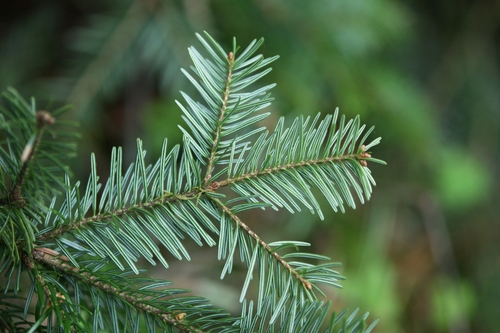
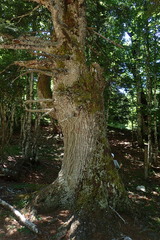
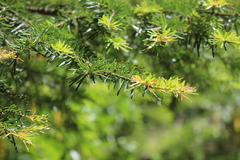
Silver fir (Abies alba) is a tall conifer in the Pinaceae family, native to mountain forests of central and southern Europe, from the Pyrenees to the Carpathians and northern Balkans. Its flat, soft needles attach directly to the twigs, while its upright cones break apart on the tree at maturity rather than falling whole.
Read moreSilver fir and European silver fir

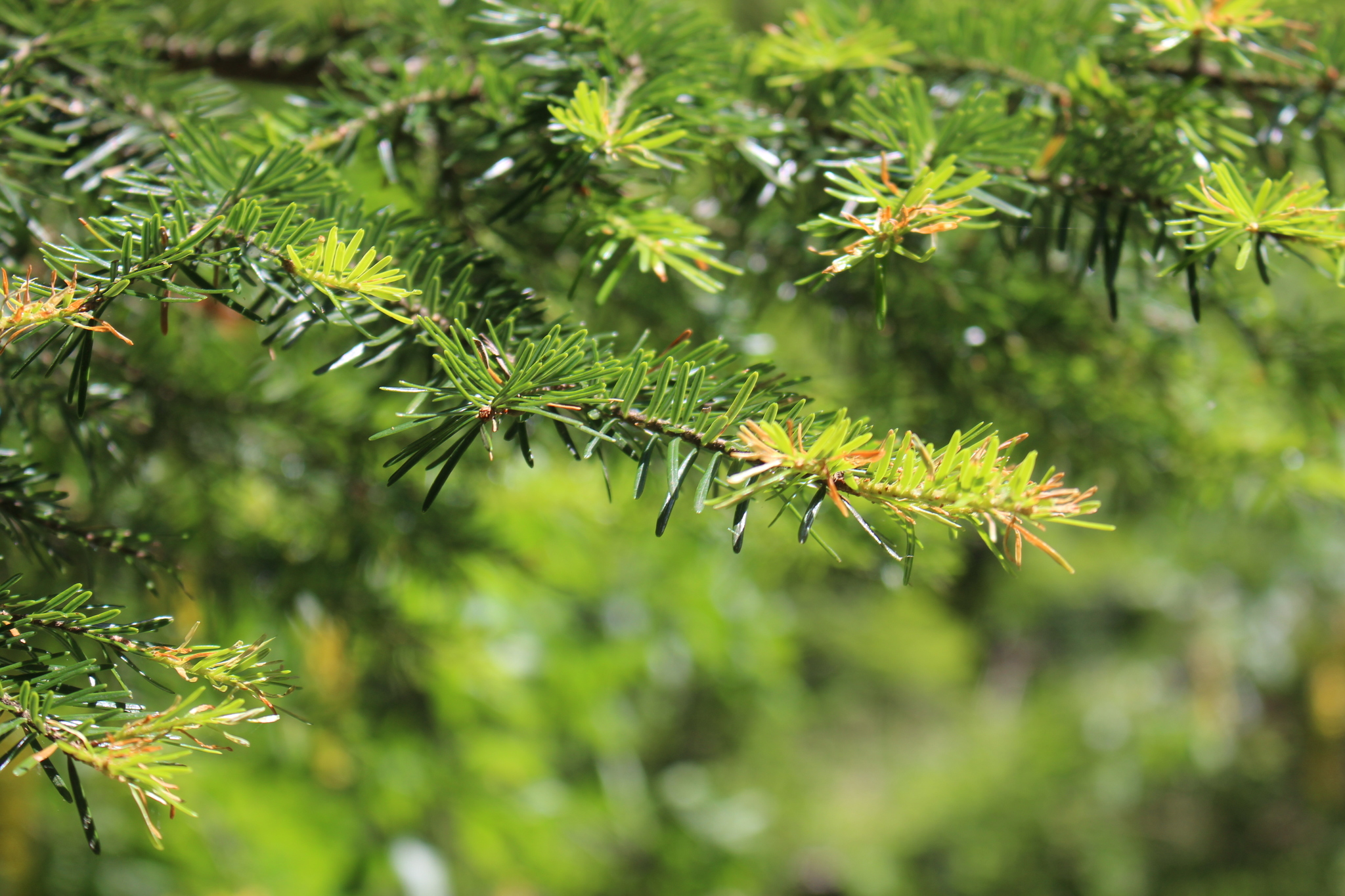


© photo
(c) böhringer friedrich, some rights reserved (CC BY-SA) · cc-by-sa
Julien Renoult · cc0
Fabien Piednoir · cc-by-sa
Taken Mar 29, 2022 by Dave Flack (cc-by-sa)
Taken Aug 31, 2015 by Tela Botanica − Liliane ROUBAUDI (cc-by-sa)
Taken Jun 10, 2016 by Tela Botanica − Alain BIGOU (cc-by-sa)
Taken Aug 12, 2017 by Mario Cman (cc-by-sa)
Taken Sep 25, 2016 by grrrr (cc-by-sa)
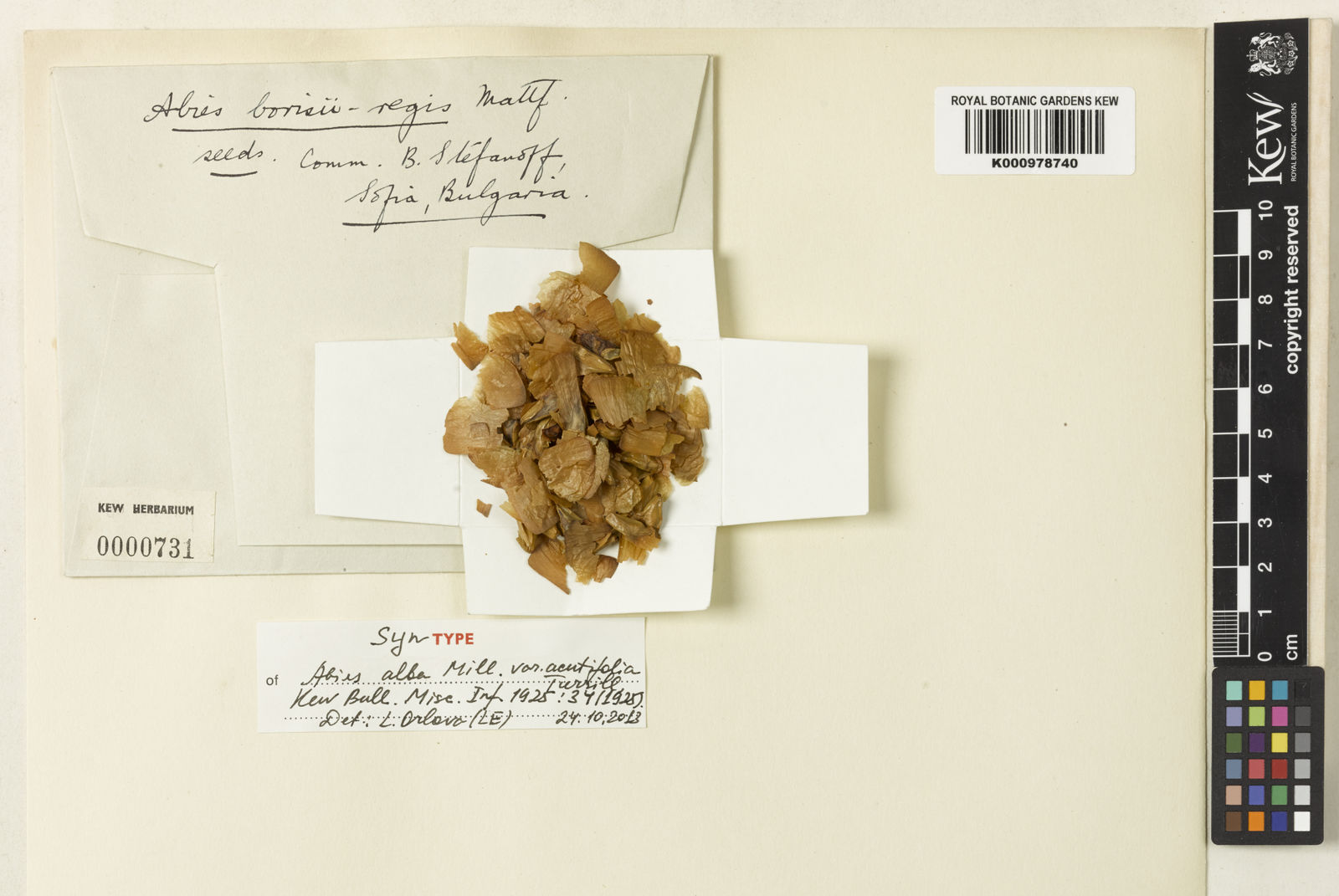
© copyright of the Board of Trustees of the Royal Botanic Gardens, Kew.




Global distribution
Abies alba is native from France to the Carpathians and northern Balkans, with isolated populations in the Pyrenees, Normandy, Corsica and the Italian Apennines. It occurs in around twenty European countries, from Albania to Ukraine, usually at 500–1,500 m (1,640–4,920 ft), occasionally 300–2,000 m (980–6,560 ft). Introduced to Great Britain in the early 17th century, it has been grown there for forestry and ornament for centuries.
- Native8
- France
- Germany
- Switzerland
- Austria
- Italy
- Poland
- Bosnia and Herzegovina
- Spain
Hexagons: regions where the plant occurs. Green dots: native range.1
Identity
Silver fir (Abies alba Mill., 1756), also known as European silver fir, is a tall conifer in the genus Abies and the pine family, Pinaceae. Carl Linnaeus first described the species as Pinus picea in 1753. Philip Miller placed it in Abies in 1756, and that combination remains its accepted name. 1 2
The comb-like arrangement of flat needles explains the French name sapin pectiné: the Latin pecten means comb. Its pale, smooth bark when young also underlies the name white fir used in French. The silvery appearance helps distinguish this tree from Norway spruce (Picea abies), a frequent companion and source of confusion in mountain forests. 7
Recognition
Flat, soft needles are the clearest starting point for identifying Abies alba. They measure 1.5–3 cm (0.6–1.2 in) long, with rounded or slightly notched tips, and attach directly to the twig without woody pegs. Their upper surface is glossy dark green; the underside carries two conspicuous white stomatal bands, another pale feature reflected in the French name sapin blanc. 8 7
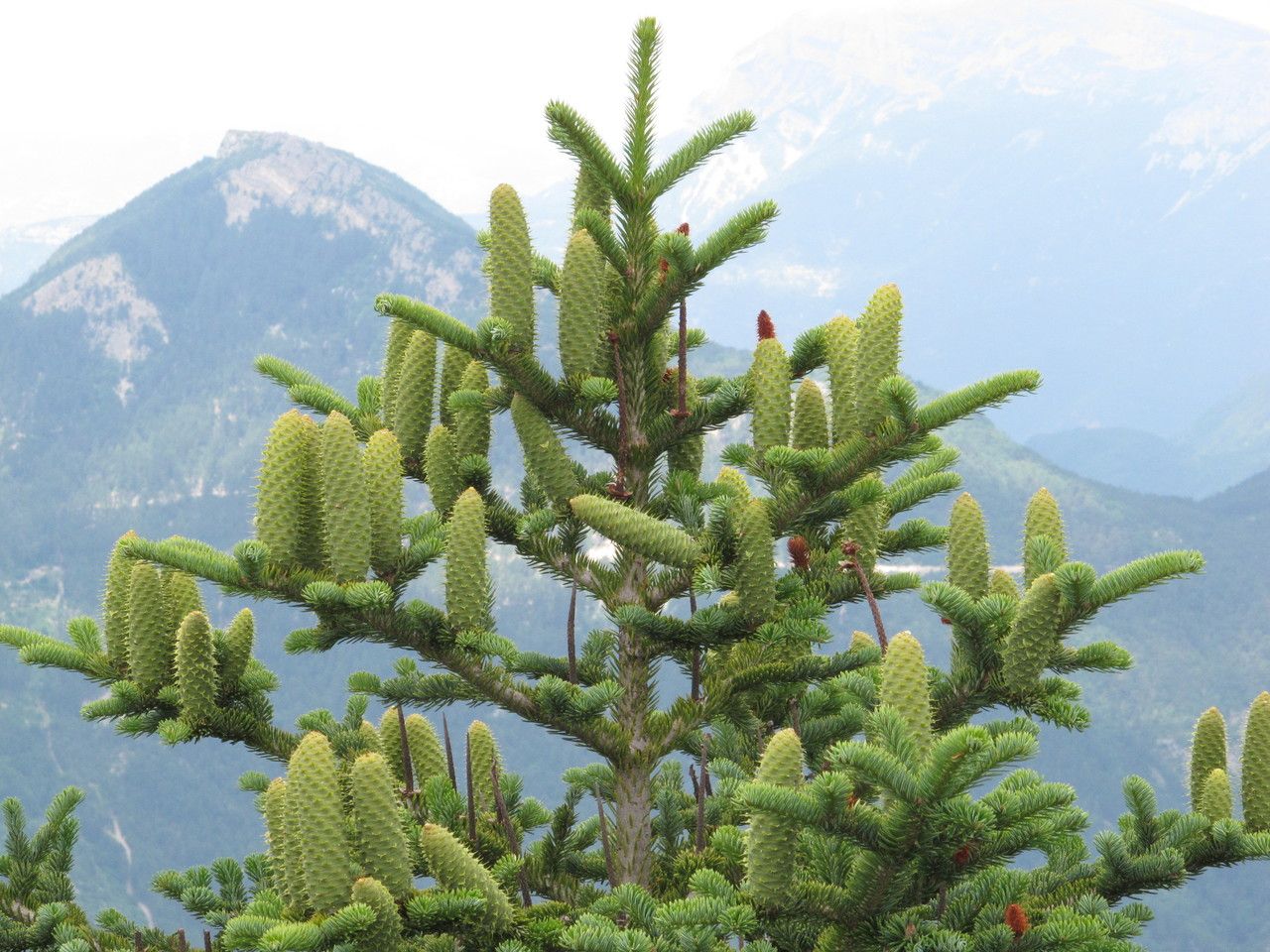
Cylindrical, upright cones reach 10–20 cm (4–8 in) long. Unlike spruce cones, they do not drop to the ground intact. At maturity they disintegrate on the tree, releasing the scales and winged seeds. Only the persistent central axis remains attached to the branch. Cone position and behavior therefore offer a useful check alongside the needles. 8
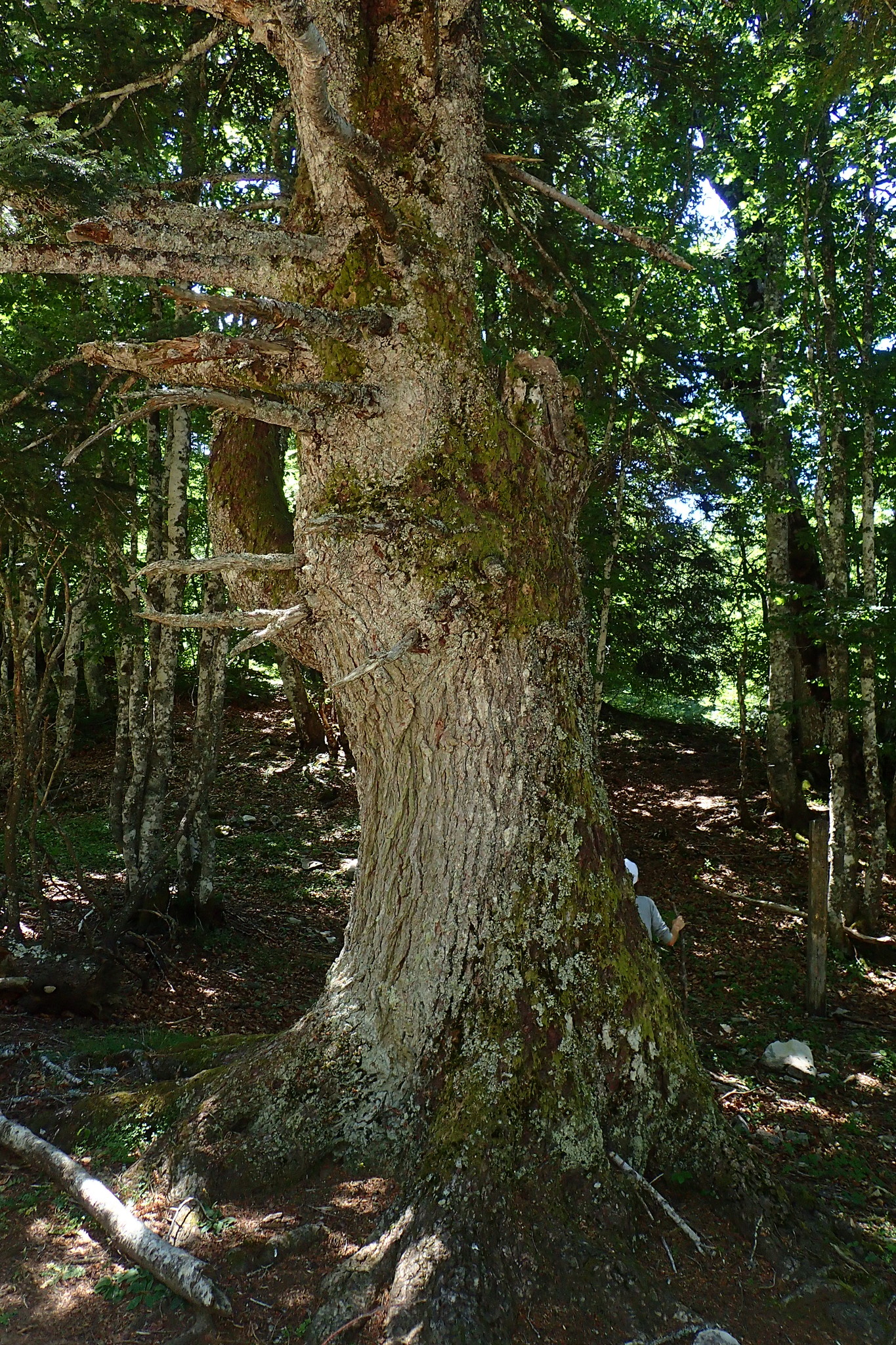
Young bark is smooth and gray-brown, with resin pockets. With age it becomes silvery gray and breaks into fissured plates. The tree develops a deep taproot system, in contrast to the shallow rooting of spruce, giving it much firmer anchorage against wind. 7
Useful taxonomy
Miller's accepted name, Abies alba, followed the earlier description by Linnaeus as Pinus picea in 1753. The transfer to Abies appeared in Miller's Gardeners Dictionary in 1756. Important synonyms and historical names include:
- Pinus picea L., the basionym
- Abies pectinata DC., long used widely in Europe
- Abies alba subsp. apennina Brullo, Scelsi & Spamp., a subspecific name
For consistent identification, use the accepted scientific name Abies alba. The genus Abies contains around fifty Northern Hemisphere conifers. Their needles without woody pegs and upright cones that break apart on the tree distinguish them from the spruces in Picea. 1 2
Habitat and range
European mountain forests hold silver fir's native populations, from France east to the Carpathians and northern Balkans. Isolated populations also occur in the Pyrenees, Normandy, Corsica and the Italian Apennines. The species is found in around twenty European countries, from Albania to Ukraine, usually at 500–1,500 m (1,640–4,920 ft), occasionally from 300 to 2,000 m (980–6,560 ft). 8 4
Pure fir stands and mixed forests with Norway spruce and European beech grow on cool, moist soils over either limestone or siliceous rock. Silver fir is exceptionally shade tolerant among European conifers: a young tree can persist for years beneath the canopy before growing into the light. Introduced to Great Britain in the early 17th century, it has long featured in large parks and Scottish estate woodlands, or policy woods. 4 8
Cold tolerance can reach −30 °C (−22 °F), depending on provenance, with a USDA hardiness range of 4–7. That resistance helps explain its persistence at high elevations. Air pollution and prolonged summer drought remain weaknesses, however, and can leave trees more susceptible to pests, as with neighboring spruce. 3
Life cycle and reproduction
Each silver fir bears separate male and female cones, making Abies alba a monoecious gymnosperm. Wind carries the pollen during spring flowering. Seeds mature in fall, after which the upright cones break apart where they grew. These seasonal timings describe the tree's European growing cycle. 4
During its first few years, growth is slow while the plant invests in its taproot. Once that root system is established, growth accelerates markedly. Reproductive maturity takes much longer: regular cone production generally begins only after thirty to sixty years. 4 7
Propagation is by seed, with winged seeds germinating in six to eight weeks after cold stratification. Ornamental cultivars such as Pendula and Pyramidalis are grafted onto rootstock of the species to preserve their distinctive shape. Seed propagation and grafting thus serve different purposes: raising the species or maintaining a particular ornamental form. 4 3
Uses and risks
Forestry is central to silver fir's importance. Its light-colored, lightweight wood is used in structural timber and joinery, as well as pulp and paper. The resin once supplied Strasbourg turpentine. Dried, powdered inner bark was even mixed with cereal flour as a supplementary food during shortages. 4
Buds, bark, foliage and resin feature in traditional antiseptic, balsamic and expectorant preparations for respiratory complaints such as colds, coughs and bronchitis. These are historical uses. Abies alba is not toxic by ingestion to people or pets; repeated skin contact with the resin can nevertheless cause irritation. 4
Long sold as a Christmas tree, silver fir is also planted as a specimen tree, including its dwarf and weeping forms. Its resistance to deer browsing adds to its landscape value. 7
Varieties, look-alikes and related plants
Dozens of horticultural cultivars are available, most dwarf or compact. Pendula has weeping branches grafted onto an upright stem; Pyramidalis and Fastigiata have narrow, upright outlines. Tortuosa, a rarer selection, has twisted branches and an irregular shape. 7 8
Norway spruce (Picea abies) is the commonest look-alike. Its sharp needles sit on woody pegs, while its hanging cones fall whole, clearly separating it from silver fir. Nordmann fir (Abies nordmanniana), widely sold as a Christmas tree, shares the general outline but has longer, softer needles without the same conspicuous white bands.
The tallest documented Abies alba was measured in Biogradska Gora National Park, Montenegro, in 2019: just under 60 m (197 ft) tall, with a trunk over 2 m (6.5 ft) in diameter. The tallest recorded British tree reached 53 m (174 ft) in Perthshire in 2013. 8
Main sources
- Plants of the World Online / Kew, Abies alba Mill.
- International Plant Names Index, Abies alba Mill.
- Royal Horticultural Society, Abies alba - European silver fir
- Plants For A Future, Abies alba
- Tela Botanica, Abies alba Mill.
- INPN / MNHN, Abies alba Mill., 1756 (cd_nom 79319)
- NC State Extension, Abies alba (European Silver Fir)
- Trees and Shrubs Online / International Dendrology Society, Abies alba
Frequently asked questions
Is silver fir a spruce?
No. Abies alba belongs to Abies, a separate genus from Picea, which includes Norway spruce. Its flat needles lack woody pegs, and its upright cones break apart on the tree. These features make the two easy to distinguish.
Is silver fir toxic?
No, it is not considered toxic to people or pets. Only the resin may irritate skin after prolonged contact, as with many resinous conifers.
Why are whole silver fir cones never found on the ground?
Silver fir cones stand upright and break apart on the tree at maturity, releasing their scales and winged seeds. Only the central axis remains attached to the twig, unlike the hanging cones of spruce, which fall whole.
How tall can a silver fir grow?
Mature trees commonly exceed 30–40 m (98–131 ft). The tallest documented specimen, measured in Montenegro in 2019, was just under 60 m (197 ft) tall, with a trunk more than 2 m (6.5 ft) across.
How can I tell silver fir from Norway spruce?
Fir needles are flat, rounded at the tip and attached directly to the twig without a woody peg. Spruce needles are sharp and sit on small pegs. Fir cones remain upright; spruce cones hang down and fall whole.
Is silver fir endangered?
No, it is not endangered across Europe. It is nevertheless sensitive to air pollution and prolonged summer drought, which can weaken trees locally and leave them more vulnerable to pests.
Does silver fir grow in lowlands?
It rarely occurs naturally at low elevations, although isolated populations exist, notably in Normandy. Where planted for forestry outside its natural mountain belt, it remains more sensitive to drought.
Similar plants
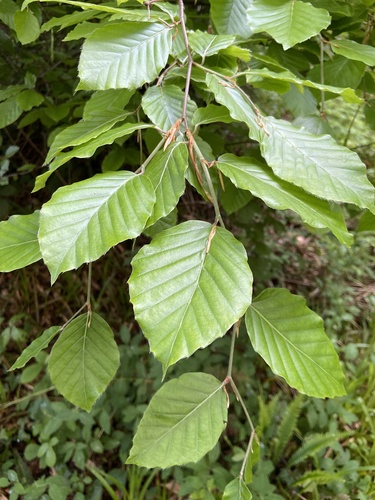
If you are unsure about a plant’s toxicity, ask a botanist or veterinarian for advice.