
Garden angelica (Angelica archangelica, )
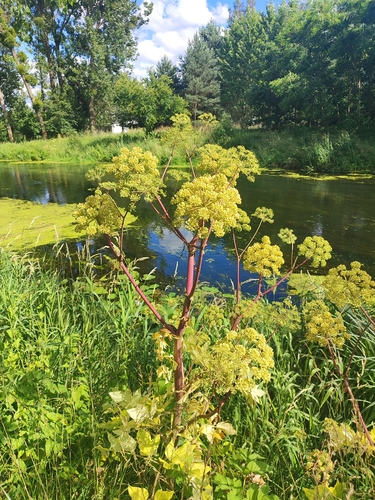
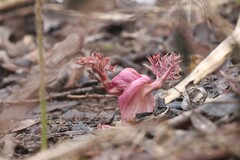
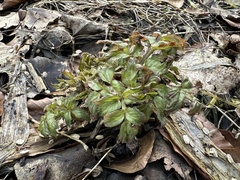
Garden angelica (Angelica archangelica L., 1753) is a tall biennial in the Apiaceae family from cold, wet northern regions, ranging from Greenland to western Siberia. Grown for centuries for candied stems, liqueur-flavoring seeds and a traditionally medicinal root, it also resembles dangerously poisonous members of the same family.
Read moreGarden angelica, Norwegian angelica, Angelica and Wild celery
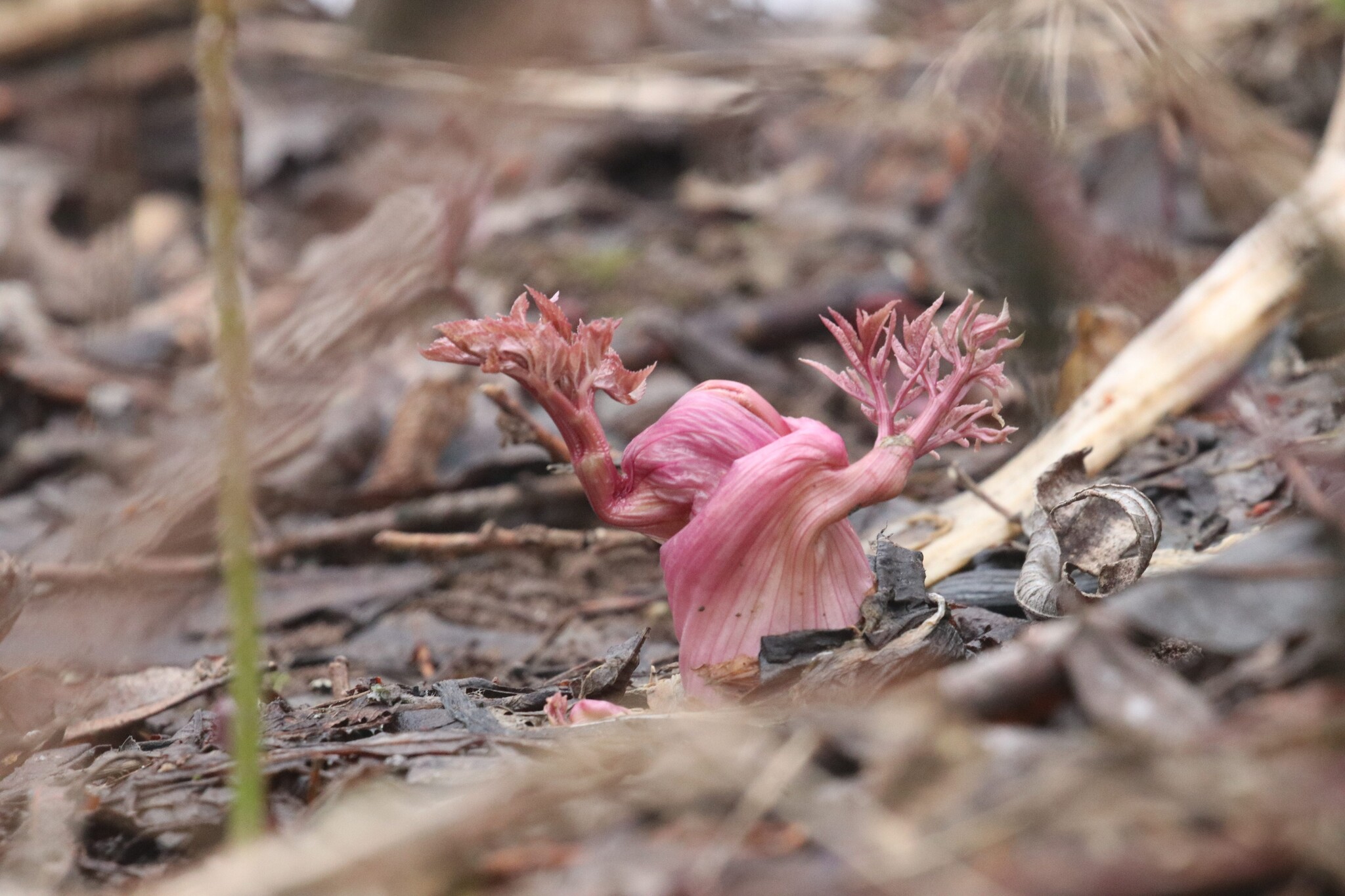


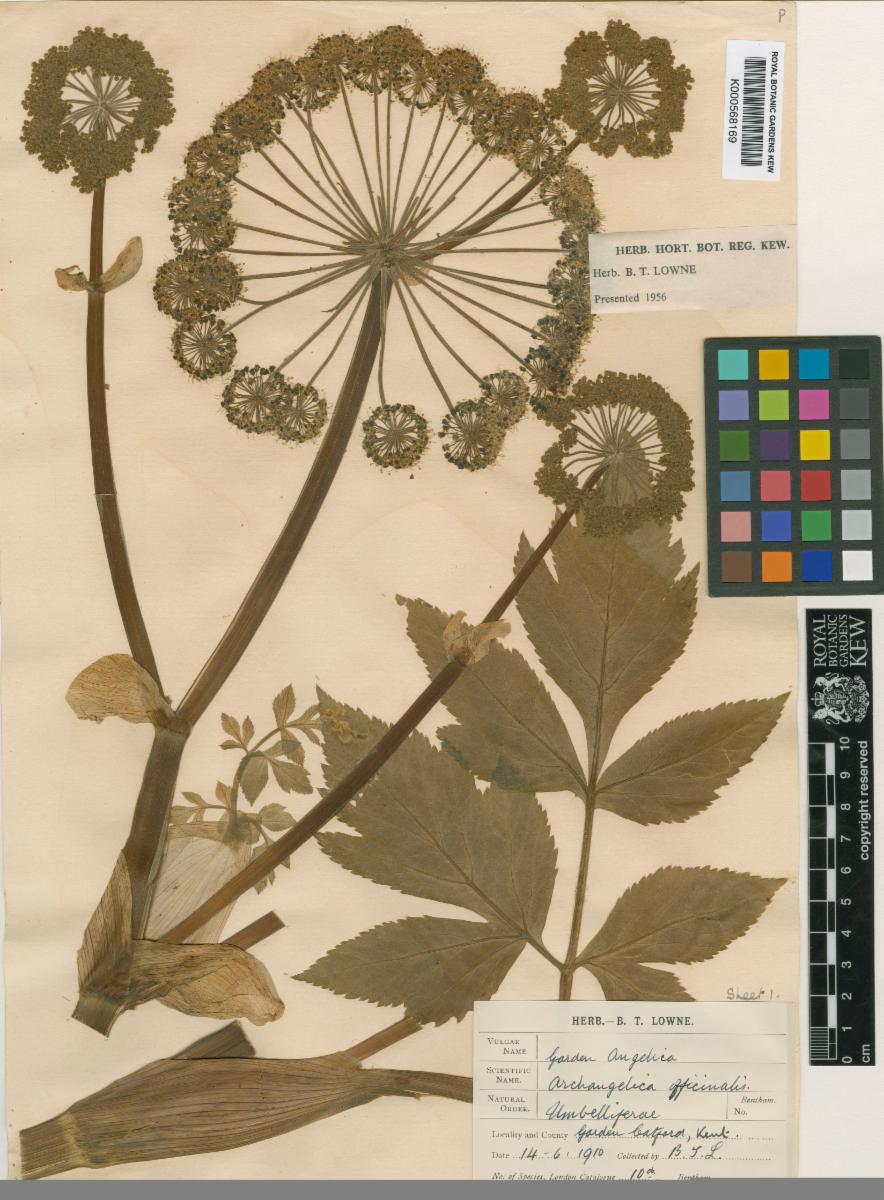
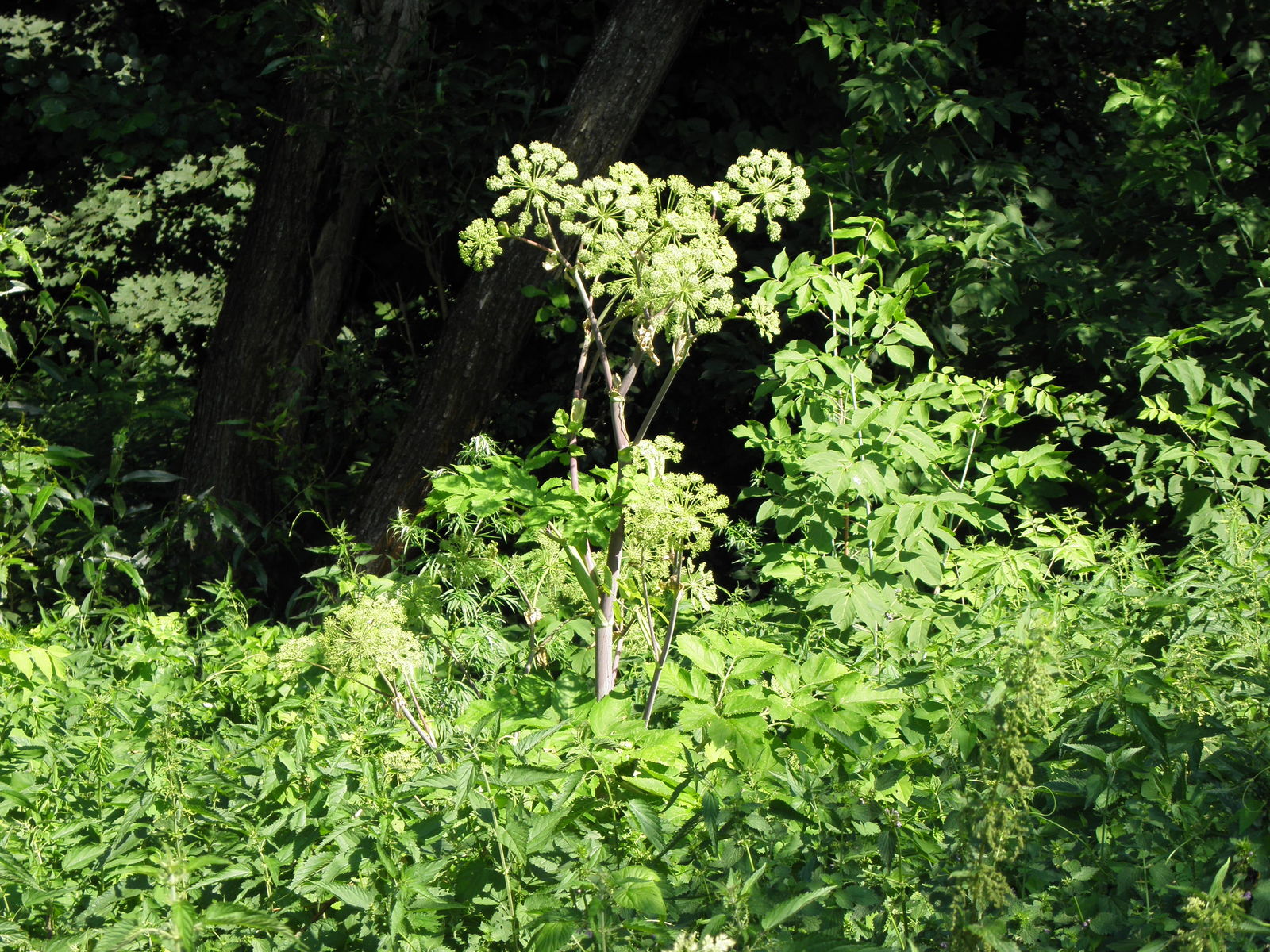
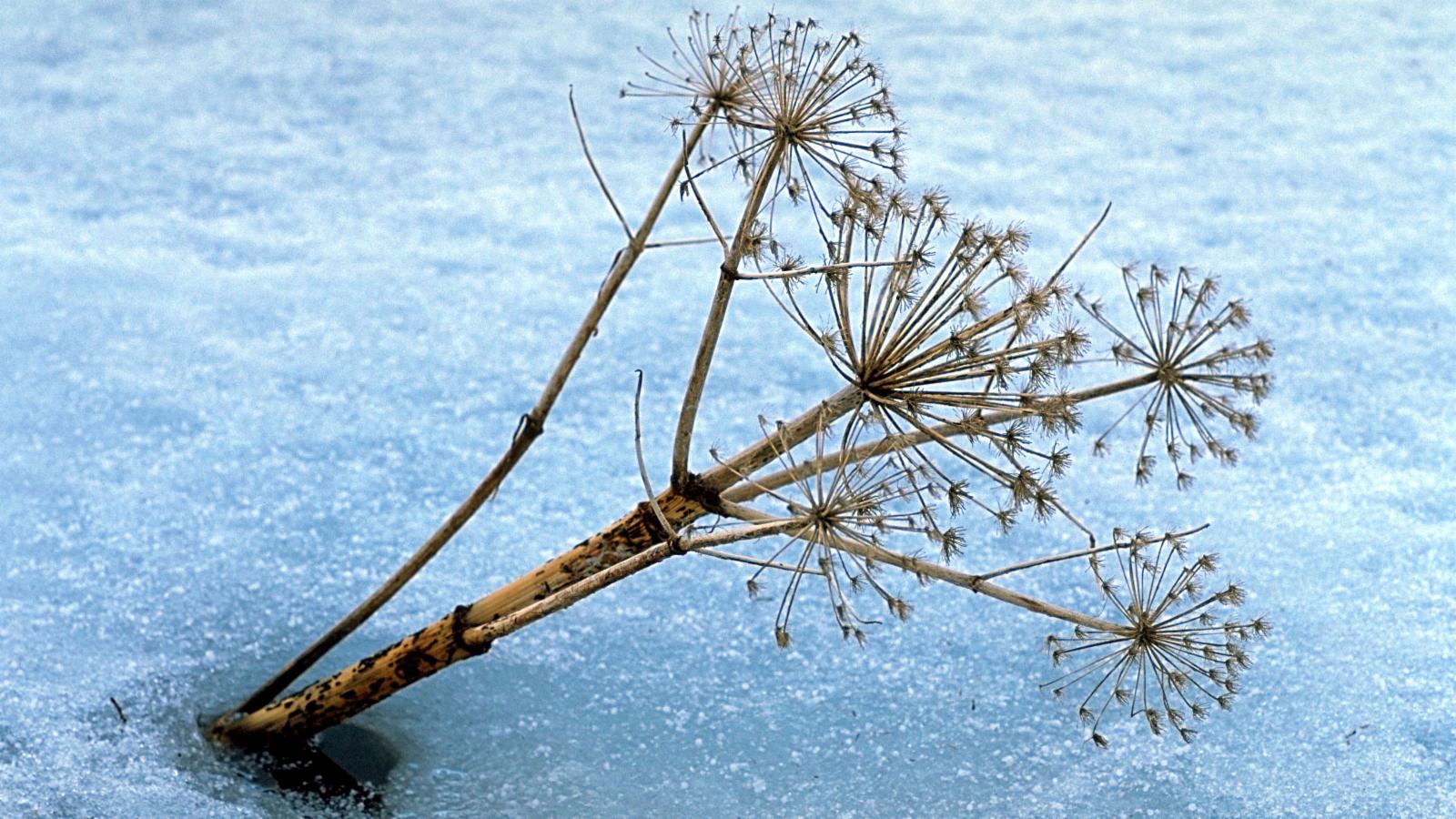
© photo
Krzysztof Daszuta · cc0
Константин Селивёрстов · cc-by
Katrin Simon · cc-by
Taken Jul 15, 2015 by Photoflora - Benoit BOCK (©)
Taken May 15, 2014 by Photoflora - Benoit BOCK (©)
Taken Aug 15, 1990 by Photoflora - Jean-Luc TASSET (©)
Taken Mar 10, 2021 by Peter Vohwinkel (cc-by-sa)
Taken May 8, 2015 by Tela Botanica − Jean-Jacques HOUDRÉ (cc-by-sa)
© copyright of the Board of Trustees of the Royal Botanic Gardens, Kew.


Global distribution
According to POWO, Angelica archangelica is native from Greenland and Iceland through Scandinavia to western Siberia. Cultivated in Europe since the Middle Ages, it has also naturalized outside this northern range. Most populations in temperate Europe and North America reflect historical introductions rather than a native distribution.
- Native5
- Introduced4
- Greenland
- Iceland
- Norway
- Finland
- Russia
- Metropolitan France
- United Kingdom
- Canada
- United States
Hexagons: regions where the plant occurs. Green dots: native range.1
Identity
Garden angelica (Angelica archangelica L., 1753), also called Norwegian angelica, is a biennial herb in the Apiaceae family. Carl Linnaeus described it in the first edition of Species Plantarum in 1753, and the accepted name has remained unchanged. The shorter name Angelica and the common name Wild celery also occur, although the full scientific name identifies the species more precisely. 1 7
The name angelica traces through Latin angelica to Greek aggelos, meaning messenger. A medieval legend credits the archangel Raphael with revealing the root as a remedy against plague. The story explains the epithet archangelica and the angelic associations found in its traditional names; it records a belief rather than establishing a medical claim. 6
This mixture of botanical naming and legend helps explain the persistence of related names across northern Europe. The plant has been cultivated there for centuries for aromatic stems and a root used in traditional medicine. Its identity is therefore tied both to northern wetland habitats and to a long history in herb gardens. 3
Recognition
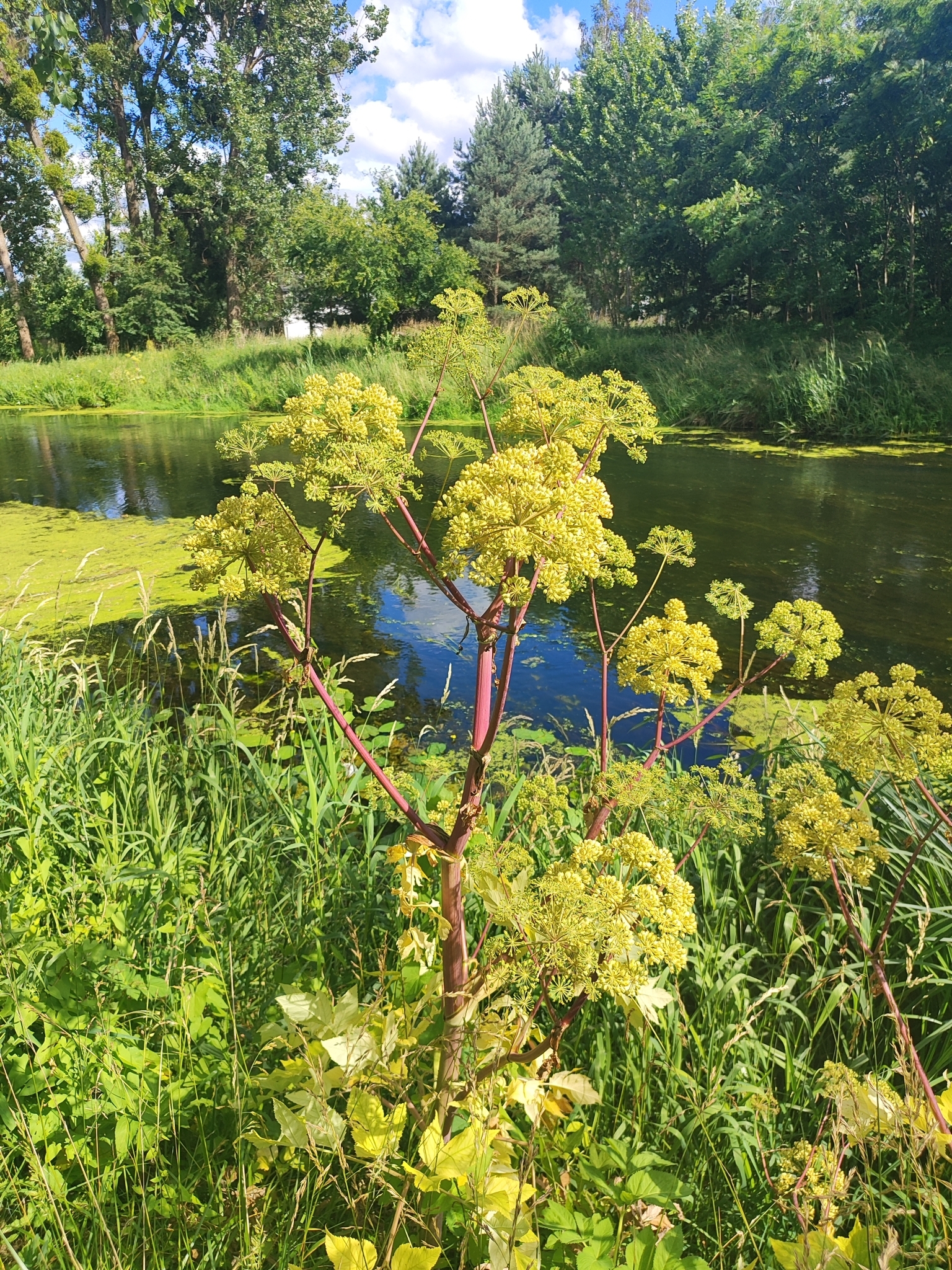
A rosette of compound leaves develops in the first year. The following year usually brings a hollow, ridged flowering stem, often purple-tinged, reaching 1–2.5 m (3–8 ft) at maturity. Leaves are divided two or three times, and their swollen leaf-stalk sheaths wrap around the stem at the base. These structural features help distinguish a mature plant from other large herbs. 3 4
Crushed tissues release a strong anise-like, musky scent, noticeable even before flowers open. Second-year plants produce rounded compound umbels, pale green to whitish and occasionally pink-tinged, in summer. These flower heads may reach 20 cm (8 in) across, giving the tall stems their characteristic rounded outline. 4 2
Dry, winged fruits are oval, prominently ribbed and pale yellow when ripe. The fleshy, brownish taproot releases the same aromatic scent when cut. Leaves, stems, fruits and root should be considered together during identification, since the broad silhouette alone resembles several other members of the family. 4
Useful taxonomy
The accepted name in Plants of the World Online is Angelica archangelica L. Older floras sometimes placed the species in Archangelica, leaving synonyms that still appear in historical and horticultural references:
- Archangelica archangelica (L.) H.Karst., historical garden angelica name
- Angelica archangelica var. sativa (Mill.) Rikli, historical garden angelica name
- Angelica archangelica subsp. norwegica (Rupr.) Nordh., historical garden angelica name
These names reflect earlier classifications of garden angelica.
Two subspecies are accepted by POWO: the typical subspecies and subsp. litoralis, a coastal form from northern and north-central Europe. Nursery names do not always distinguish species, subspecies and old cultivated forms. The accepted scientific name remains the dependable starting point when comparing those different labels. 1
Habitat and range
Greenland and Iceland mark the western part of the native range, which extends through Scandinavia to western Siberia, according to POWO. Garden angelica occupies riverbanks, damp meadows and subarctic to cold temperate habitats. Consistently moist ground and a cool climate characterize the places where it grows naturally. 1 8
European cultivation for food and traditional medicine dates to the Middle Ages. The plant has subsequently naturalized beyond its strictly northern range. Most populations in temperate Europe and North America therefore reflect old introductions, rather than demonstrating that the species is native throughout those regions. 8 3
USDA hardiness zones 4–8 describe its reported climatic tolerance. Its cold resistance fits a subarctic origin, but garden conditions still need to provide enough moisture. A broad hardiness range does not remove the distinction between a native wetland population and a cultivated or naturalized plant. 2
Life cycle and cultivation
Fresh seed is preferable because viability declines rapidly after harvest. Germination takes 3–6 weeks if the soil remains moist. The first season produces a rosette and taproot; the tall flowering stem generally appears in the second year. This sequence explains why a young plant may remain leafy for a full growing season before gaining height. 2 3
Fruiting normally ends the life of this biennial. Cutting off emerging flower stems before seed formation can delay that death and extend the harvest of leaves and tender stems. Gardeners use this approach to retain a clump longer, while plants left to set seed complete their usual reproductive cycle. 2
Choose moist to wet, rich soil, slightly acidic to neutral, in full sun or light partial shade. Above-ground growth dies back in winter. Before flowering has exhausted the plant, the crown can withstand severe cold and resume growth in spring. The local seasonal cycle, rather than a fixed calendar month, determines when that regrowth occurs. 3 4
Uses and risks
Edible parts include the stems, leaves, root and seeds. Candied stems have flavored confectionery since the 18th century, while seeds contribute to liqueurs such as Chartreuse. The root, harvested in the fall of the first year, has a traditional role in herbal preparations for digestion. These culinary and historical uses depend on certain identification of the plant. 2 6
The main handling risk comes from skin contact with the sap. Its photosensitizing furanocoumarins, combined with sunlight, can cause burns and phototoxic dermatitis. Gloves reduce exposure when working with actively growing plants. Being edible does not mean that fresh sap can be left on skin before going into the sun. 3 2
More serious than sap irritation is confusion with deadly Apiaceae, particularly poison hemlock (Conium maculatum) and water hemlock. Large hollow stems and pale flower umbels can occur in these look-alikes too. Scent and the absence of irregular purple stem blotches are useful clues, but wild harvesting requires certain identification; no single resemblance is sufficient. 9 3
Varieties, look-alikes and related plants
Seed suppliers mainly offer the typical species. Var. sativa, an old horticultural name for the vegetable form used in confectionery, is now a synonym. Subsp. litoralis remains a botanical coastal form rather than a garden selection. The distinction separates a formal subspecies from an older name attached to cultivation. 1
Other members of Apiaceae share aspects of its appearance or uses:
- Wild angelica (Angelica sylvestris), with green stems lacking a strong purple tint and a less pronounced scent;
- Lovage (Levisticum officinale), whose smell is celery-like rather than anise-like;
- Angelica sinensis and Angelica gigas, grown in Asia for traditional medicine, with uses distinct from this European species.
Poison hemlock and water hemlock remain the most dangerous possible confusions. Both are deadly members of the same family and can occupy similarly wet places. Confirming the scientific identity and seeking knowledgeable help are the safest basis for any wild harvest. Where doubt remains, leave the plant uncollected. 9
Main sources
- Plants of the World Online / Kew, Angelica archangelica L.
- Plants For A Future, Angelica archangelica
- NC State Extension Gardener Plant Toolbox, Angelica archangelica
- Missouri Botanical Garden Plant Finder, Angelica archangelica
- Royal Horticultural Society, Angelica archangelica
- Wikipedia (FR), Garden angelica
- Wikipedia (EN), Angelica archangelica
- INPN / MNHN, Angelica archangelica L., 1753 — Garden angelica
- NC State Extension Gardener Plant Toolbox, Conium maculatum (poison hemlock)
Frequently asked questions
Is garden angelica poisonous?
Ordinary consumption is not considered toxic to people or domestic animals. The main risk is skin contact with sap containing photosensitizing furanocoumarins, followed by sunlight exposure.
How can I distinguish garden angelica from poison hemlock?
Angelica has an anise-like, musky scent, while poison hemlock smells unpleasant. Hemlock also has irregular purple stem blotches absent from angelica. If identification is uncertain, do not harvest.
Why does my plant die after flowering?
Angelica archangelica is a biennial that normally dies after fruiting. Removing emerging flowering stems before seed formation can delay death and prolong the clump.
Which parts can be eaten?
The stems, leaves, root and seeds are edible. Candied stems have flavored confectionery since the 18th century, and seeds flavor liqueurs such as Chartreuse.
Where does the name archangelica come from?
A medieval legend credits the archangel Raphael with revealing the root as a cure for plague. That story explains the scientific epithet and associated common names.
Where does garden angelica grow wild?
Its native range extends from Greenland and Iceland through Scandinavia to western Siberia, in cold, wet habitats. Elsewhere in Europe and North America, it is mainly cultivated or naturalized.
Is subspecies litoralis a garden cultivar?
No. It is a coastal botanical subspecies from northern and north-central Europe, recognized by POWO alongside the typical subspecies, rather than a garden selection.
Similar plants
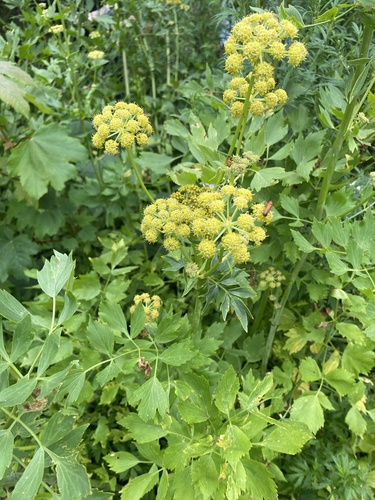
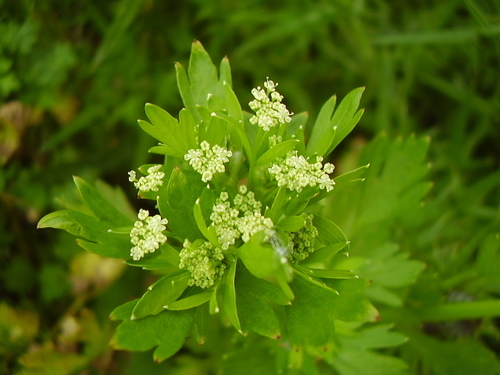
If you are unsure about a plant’s toxicity, ask a botanist or veterinarian for advice.