
Wild cabbage (Brassica oleracea, )
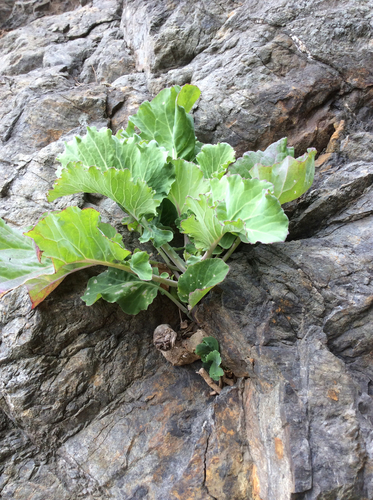
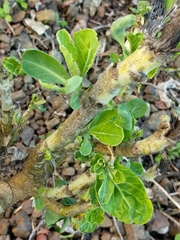
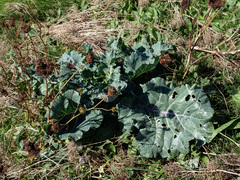
Wild cabbage (Brassica oleracea L.) is a vegetable species in the Brassicaceae, native to limestone sea cliffs in western Europe. Selection for different organs of this single wild species produced heading cabbage, cauliflower, broccoli, Brussels sprouts, kohlrabi and kale.
Read moreWild cabbage, Cabbage and Kale
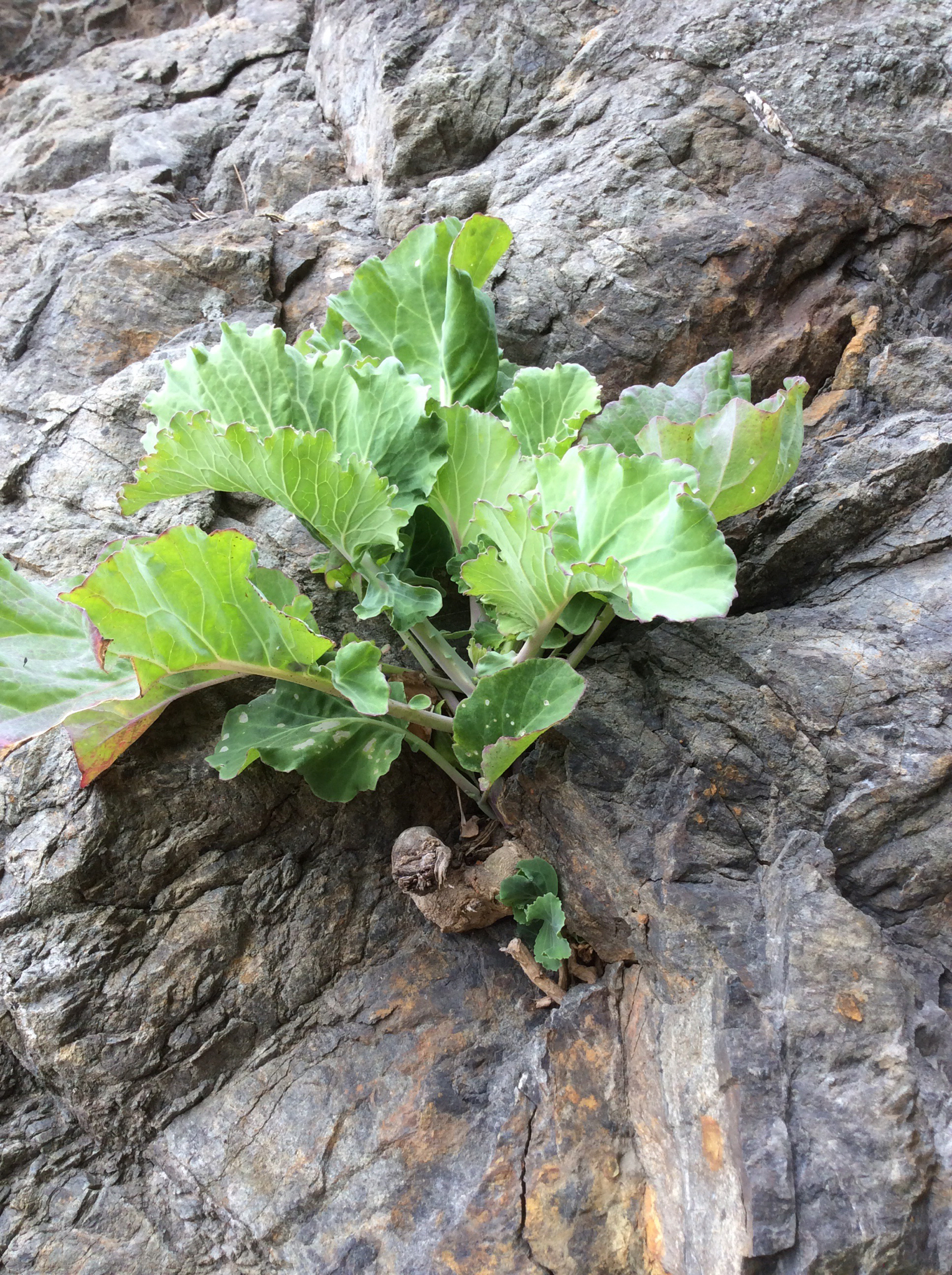
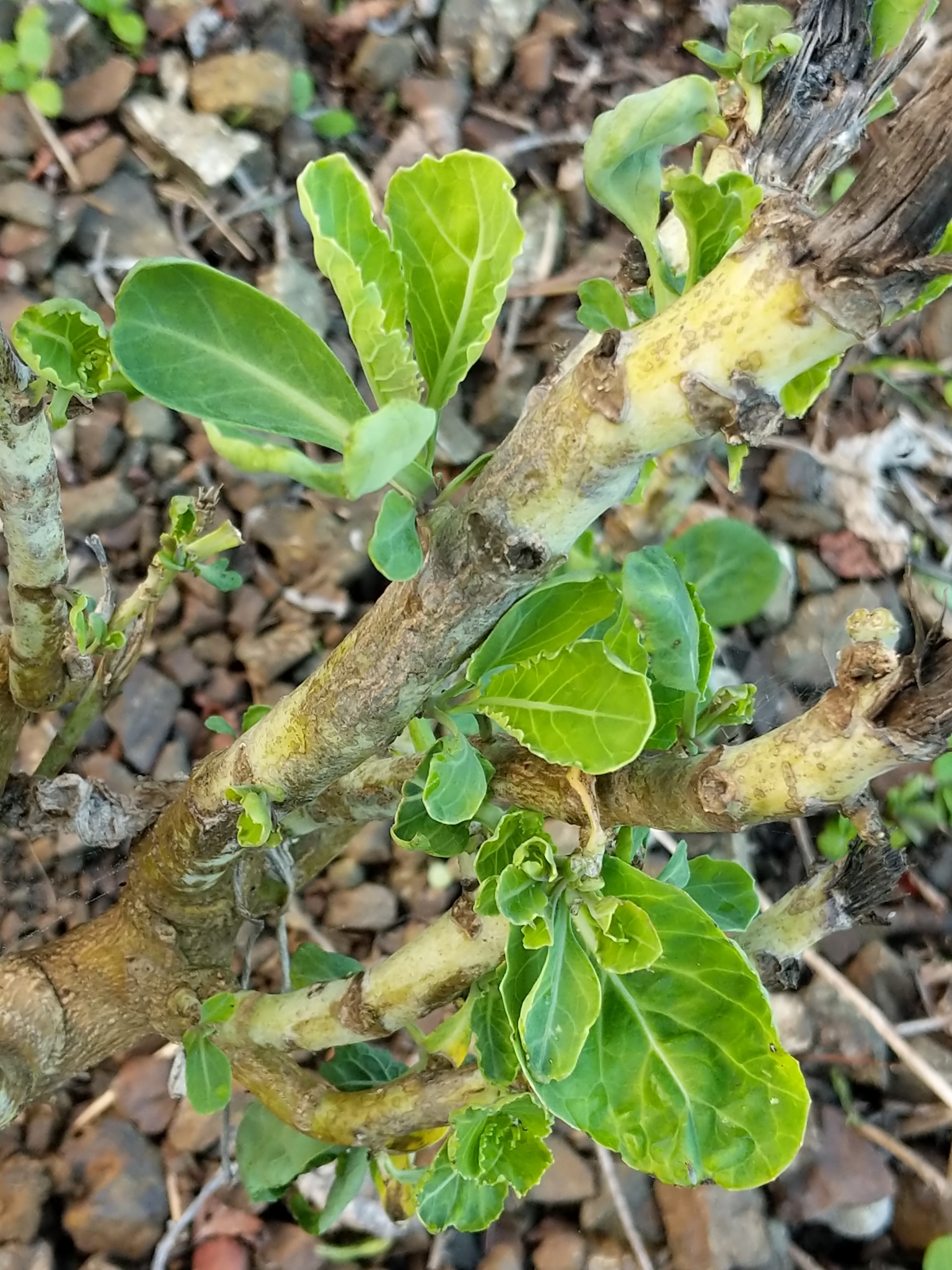
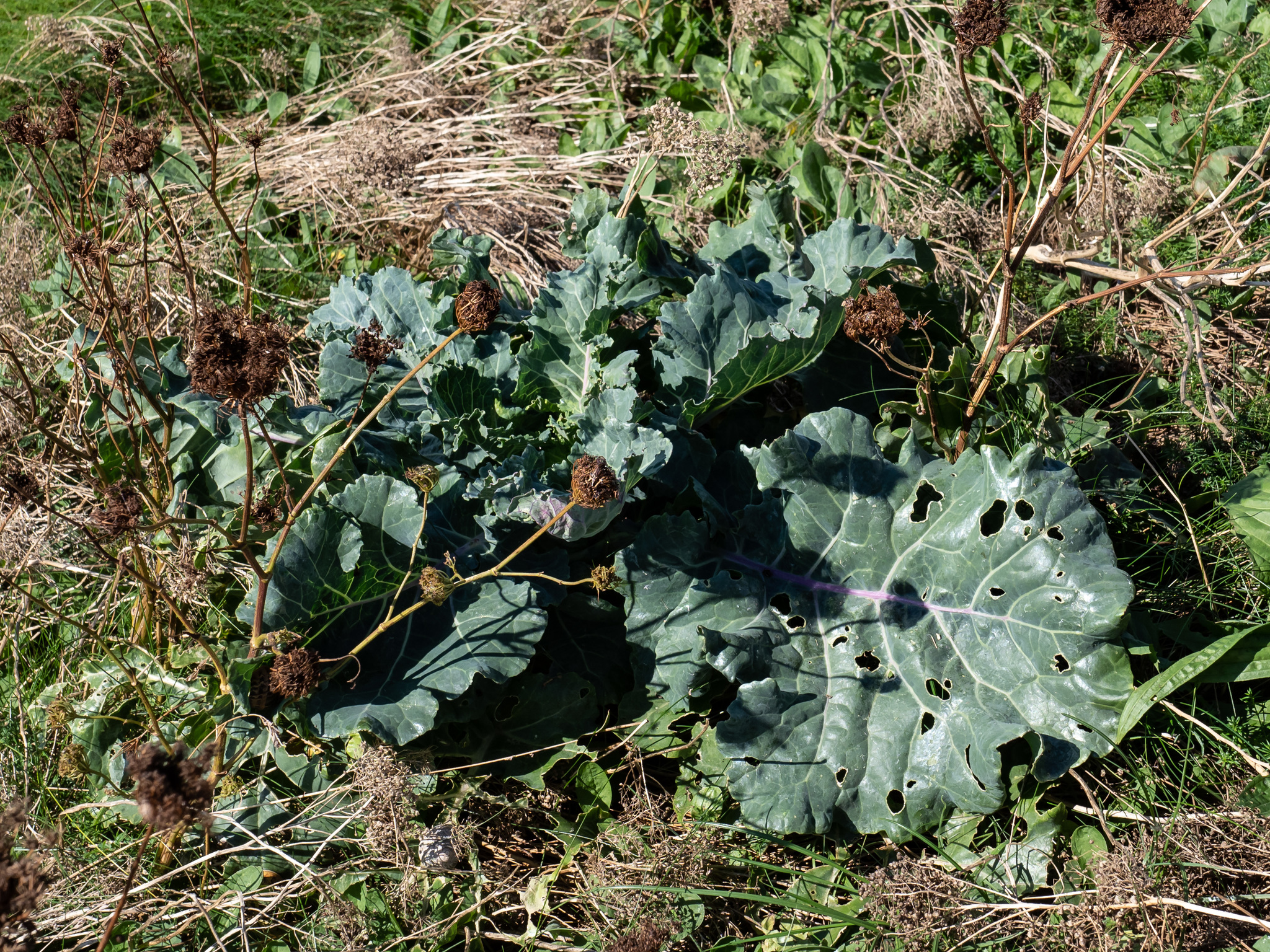


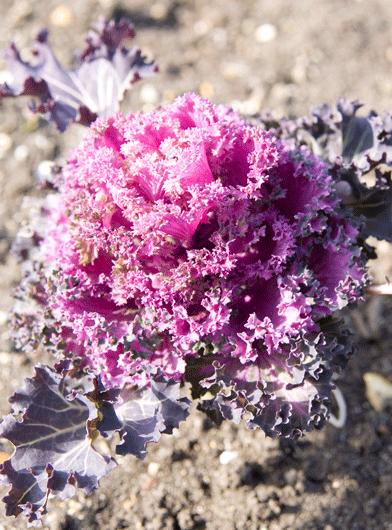

© photo
(c) JJ Johnson, some rights reserved (CC BY-NC), uploaded by JJ Johnson · cc-by-nc
Jim Kingdon · cc0
iNaturalist User · cc-by
Taken Nov 23, 2022 by KP Laer (cc-by-sa)
Taken Dec 22, 2021 by Annemarie Ahrens-Stehle (cc-by-sa)
Taken Jan 19, 2022 by parramon marta (cc-by-sa)
Taken Jun 17, 2020 by Irmgard Groß (cc-by-sa)
Taken Jan 12, 2022 by David Ochoa (cc-by-sa)
© copyright of the Board of Trustees of the Royal Botanic Gardens, Kew.


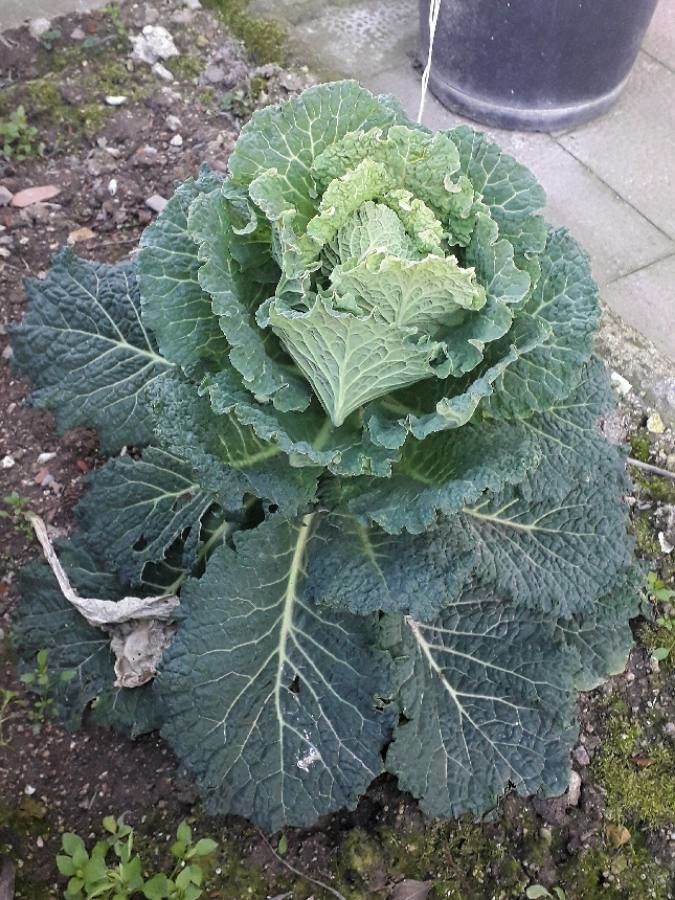


Global distribution
The strict native range of Brassica oleracea is confined to limestone sea cliffs along the Atlantic and English Channel coasts of France, Great Britain and Spain according to POWO; it is introduced in Ireland. Domesticated since antiquity, it is now grown as a vegetable on every temperate continent, far beyond its coastal origins.
- Native4
- France
- United Kingdom
- Ireland
- Spain
Hexagons: regions where the plant occurs. Green dots: native range.1
Identity
Wild cabbage (Brassica oleracea L., 1753) is an accepted Brassicaceae species. Heading cabbage, cauliflower, broccoli, Brussels sprouts, kohlrabi and kale are all cultivar groups within it, despite their very different forms. 1 2
The genus name Brassica was used by Pliny the Elder for cabbage-like plants already cultivated in Roman times more than 2,000 years ago. The epithet oleracea comes from Latin olus, vegetable, recalling its long history as food. 6
Recognition
The wild form has thick, fleshy, gray-green leaves with a waxy coating that limits water loss in salt spray and wind. Cultivated groups pass through a rosette stage four to six weeks after sowing, when seedlings can be transplanted. In its biennial cycle, the plant remains low in the first year; in the second, a woody flowering stem can exceed 1.5 m (5 ft), carrying four-petaled yellow flowers. 3
After 8–16 weeks, depending on group and cultivar, the selected organ develops: a compact leaf head in cabbage, fleshy inflorescences harvested before flowering in cauliflower and broccoli, axillary buds in Brussels sprouts, or a swollen stem in kohlrabi. 4 5
Despite these differences, all retain a bluish-green to green leaf blade and a well-developed cuticle. These features inherited from the maritime ancestor persist even in highly selected vegetable forms. 4
Taxonomy and cultivar groups
POWO and IPNI accept Brassica oleracea L. The many cultivated forms are arranged in cultivar groups, recognized by Kew and botanical references. The principal groups are:
- Capitata, heading cabbage;
- Sabauda, savoy cabbage;
- Gemmifera, Brussels sprouts;
- Botrytis, cauliflower;
- Italica, broccoli;
- Gongylodes, kohlrabi;
- Acephala, non-heading kale.
These groups are selections within the same species, rather than separate species. Each reflects prolonged selection for a different organ, such as a terminal bud, inflorescence or leaf. 1 4
Habitat and range
Native coastal populations are limited to limestone sea cliffs along the Atlantic and English Channel coasts of France, Great Britain and Spain according to POWO; the species is introduced in Ireland. Scattered populations grow on rocky ledges directly exposed to salt spray. 3
The wild species’ coastal origins explain two useful traits in vegetable gardens. Salt and lime tolerance come from this poor, spray-battered habitat, while marked intolerance of competition confines wild plants to bare ledges. Grasses and pioneer plants displace them from ordinary grassland within one to two years, explaining their absence from nearby meadows. 5
Domesticated since antiquity, the species is now cultivated on all temperate continents, in forms no longer found in the wild, far beyond its original coastal range. 6 4
Life cycle and reproduction
Brassica oleracea can be biennial or perennial. In the biennial cycle, it lives through two annual cycles before dying after fruiting. In the first year it forms a rosette and stores reserves in leaves or the organ selected in cultivation. In the second, after several weeks of winter cold, it bolts, sets seed and dies. Vegetable harvest almost always precedes bolting, except when producing seed for the next sowing. 4
Yellow flowers in terminal racemes are insect-pollinated and self-incompatible in many lines. A plant cannot effectively fertilize itself, so viable seed production requires genetic exchange between neighboring plants. 5
Horticultural propagation is by seed, from spring to summer in temperate climates according to group and intended harvest. Germination takes one to two weeks in moist soil. Seedlings remain vulnerable to slugs and flea beetles until their first true leaves develop. 4
Uses and risks
The dominant use is human food: leaves, inflorescences, buds or stems, depending on the group, eaten raw or cooked. Dried kale leaves supply notable amounts of calcium and vitamin A, unlike the less micronutrient-rich but fiber-rich stem of kohlrabi. 5
Prolonged cooking releases a characteristic sulfurous smell associated with glucosinolates, compounds shared with other Brassicaceae. They also account for the bitterness some people perceive raw, depending on their genetic variant of the bitter-taste receptor TAS2R38. 6
Brassica oleracea is non-toxic, including to cats and dogs. Horse status remains poorly documented because species-specific data are lacking. Reference databases identify no toxic principle in normal food use. 5
The principal garden risk is clubroot, a fungal disease that deforms roots and persists for years in contaminated soil. Waiting three to four years before growing cabbage again in the same bed markedly reduces this risk, as does liming excessively acidic soil. 4
Varieties, look-alikes and related plants
Capitata, Sabauda, Gemmifera, Botrytis, Italica, Gongylodes and Acephala share one scientific name. Crosses between groups remain possible, accounting for the regular appearance of intermediate forms in plant breeding. 4
The most frequent vegetable-garden confusions involve:
- Brassica rapa, turnip, another vegetable Brassicaceae whose young leaves may resemble cabbage leaves;
- Brassica oleracea Alboglabra Group, Chinese broccoli, sometimes treated as a separate Asian group;
- young heading-cabbage and cauliflower plants, difficult to distinguish before the head or inflorescence forms.
A leafy head, inflorescence, axillary buds or swollen stem each indicates a different group within the same species. The organ that enlarges during growth is more reliable than foliage color or shape, which can be misleading between groups. 1 4
Main sources
- Plants of the World Online / Kew, Brassica oleracea L.
- International Plant Names Index, Brassica oleracea
- Royal Horticultural Society, Brassica oleracea (wild cabbage)
- NC State Extension, Brassica oleracea
- Plants For A Future, Brassica oleracea
- Encyclopaedia Britannica, cabbage (Brassica oleracea)
- IUCN Red List, Brassica oleracea assessment
Frequently asked questions
Are cabbage, cauliflower and broccoli the same species?
Yes. All are Brassica oleracea cultivar groups selected for different organs: leaves in cabbage, inflorescences in cauliflower and broccoli, buds in Brussels sprouts and stems in kohlrabi.
Is wild cabbage poisonous to animals?
It is listed as non-toxic to cats and dogs; horse status is poorly documented. No toxic principle is identified for normal food use.
Why does a cabbage fail to form a head?
Late sowing, insufficient light or too much nitrogen can favor leaves over head formation. Match sowing to the cultivar group and season, and provide sufficient sun.
What is clubroot?
A soilborne organism swells the roots and weakens the plant. Long crop rotations, liming acidic soil and healthy planting material help prevent it.
Where is wild cabbage native?
Its strict native range is limited to limestone sea cliffs along the Atlantic and English Channel coasts of France, Great Britain and Spain according to POWO; the species is introduced in Ireland. All vegetable cultivar groups descend from these coastal populations.
When should cabbage seed be sown?
In temperate climates, sow from spring to summer according to the cultivar group and intended harvest. Sowing under cover gives an earlier start; direct sowing suits autumn and winter groups.
Does cabbage tolerate frost?
Several groups, especially Brussels sprouts and kale, tolerate cold well, as does the wild ancestor. Cold weather can improve flavor by converting reserves to sugars.
Similar plants
If you are unsure about a plant’s toxicity, ask a botanist or veterinarian for advice.