
Squash (Cucurbita moschata, )
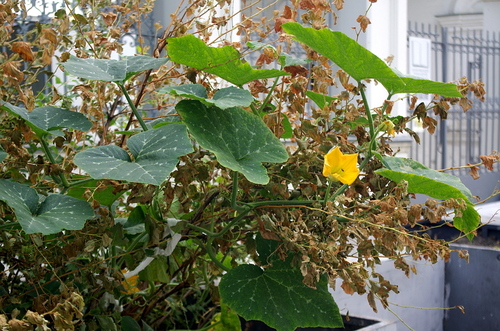

Squash (Cucurbita moschata) is an annual vegetable in the Cucurbitaceae family. Its trailing, downy growth differs from other squashes in its flexible, finely hairy stems, fruit stalks that flare where they meet the fruit, and greater tolerance of heat and humidity. The species includes butternut, known in France as doubeurre, and Musquée de Provence, grown for sweet, low-fiber orange flesh.
Read moreSquash, Butternut squash and Crookneck squash


© photo
Георгий Виноградов (Georgy Vinogradov) · cc-by
Wikimedia Commons · CC BY-SA or Public Domain
Wikipedia · CC BY-SA
Taken Nov 3, 2016 by Yoan MARTIN (cc-by-sa)
Taken Aug 16, 2022 by Aurore Toussaint (cc-by-sa)
Taken Sep 16, 2022 by Fabrice Rubio (cc-by-sa)
Taken Aug 4, 2019 by Emilie Albisser (cc-by-sa)
© copyright of the Board of Trustees of the Royal Botanic Gardens, Kew.


Global distribution
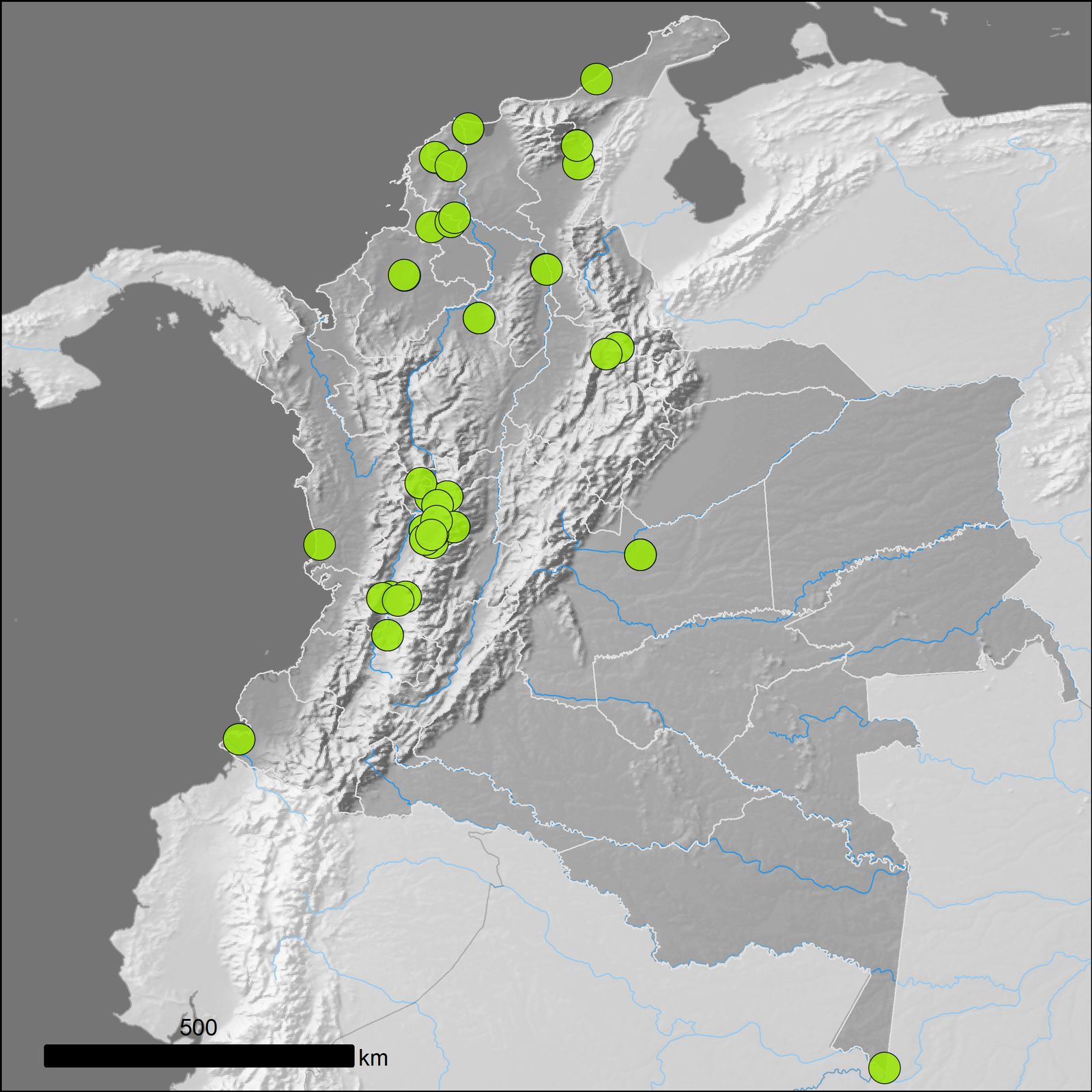
Kew places the native range of Cucurbita moschata from southern Mexico to Guatemala. Archaeological remains also document ancient cultivation in Central America and as far as Peru by the third millennium BCE, sustaining debate over one or several centers of domestication. The crop spread worldwide after the 16th century.
Identity
Squash (Cucurbita moschata Duchesne, 1786), including the widely sold butternut squash, is an annual vegetable in the Cucurbitaceae family and the genus Cucurbita. Its fruit ripens after 100–120 days of sustained warmth. The epithet moschata refers to the musky scent of the ripe flesh, noticeable before tasting it. 1 6
Cultivars as different as butternut, Musquée de Provence and Long Island Cheese all belong to this single botanical species. Compared with other cultivated squashes, it tolerates heat and humidity better and resists squash vine borer more effectively, thanks to a solid stem that is less hollow than that of Cucurbita pepo. 2 5
Recognition
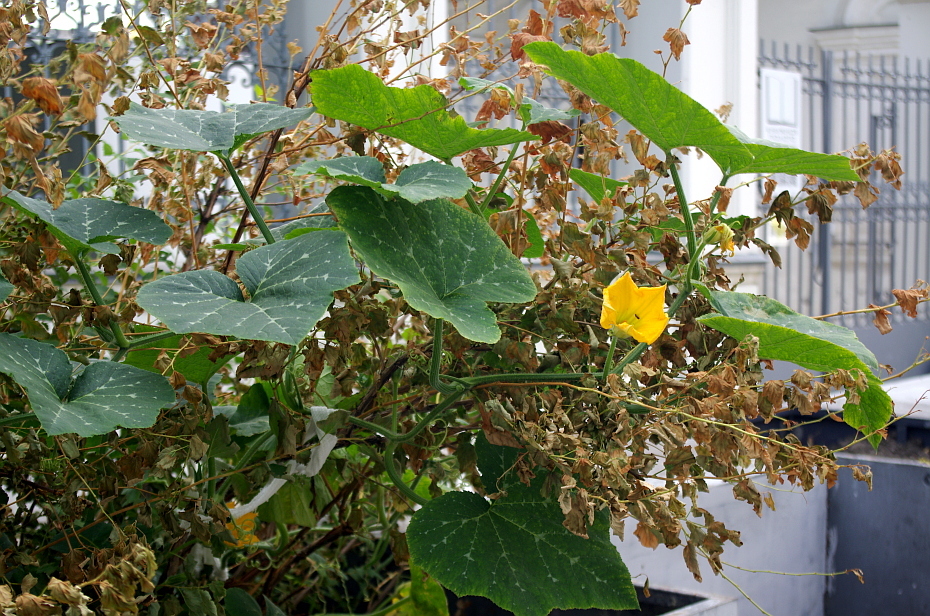
Look first for flexible, rounded stems covered in fine down, unlike the hard, angular, prickly stems of Cucurbita pepo. The heart-shaped leaves are shallowly lobed and velvety, often with white patches along their veins. 3 5
The clearest identifying feature is the fruit stalk, distinctly flared and angular with five ribs where it joins the fruit, a shape absent from Cucurbita pepo and Cucurbita maxima. Flowers range from cream to yellow-orange; the plant is monoecious. Male flowers have long, slender stalks, while females show a swollen ovary at their base. 2 3
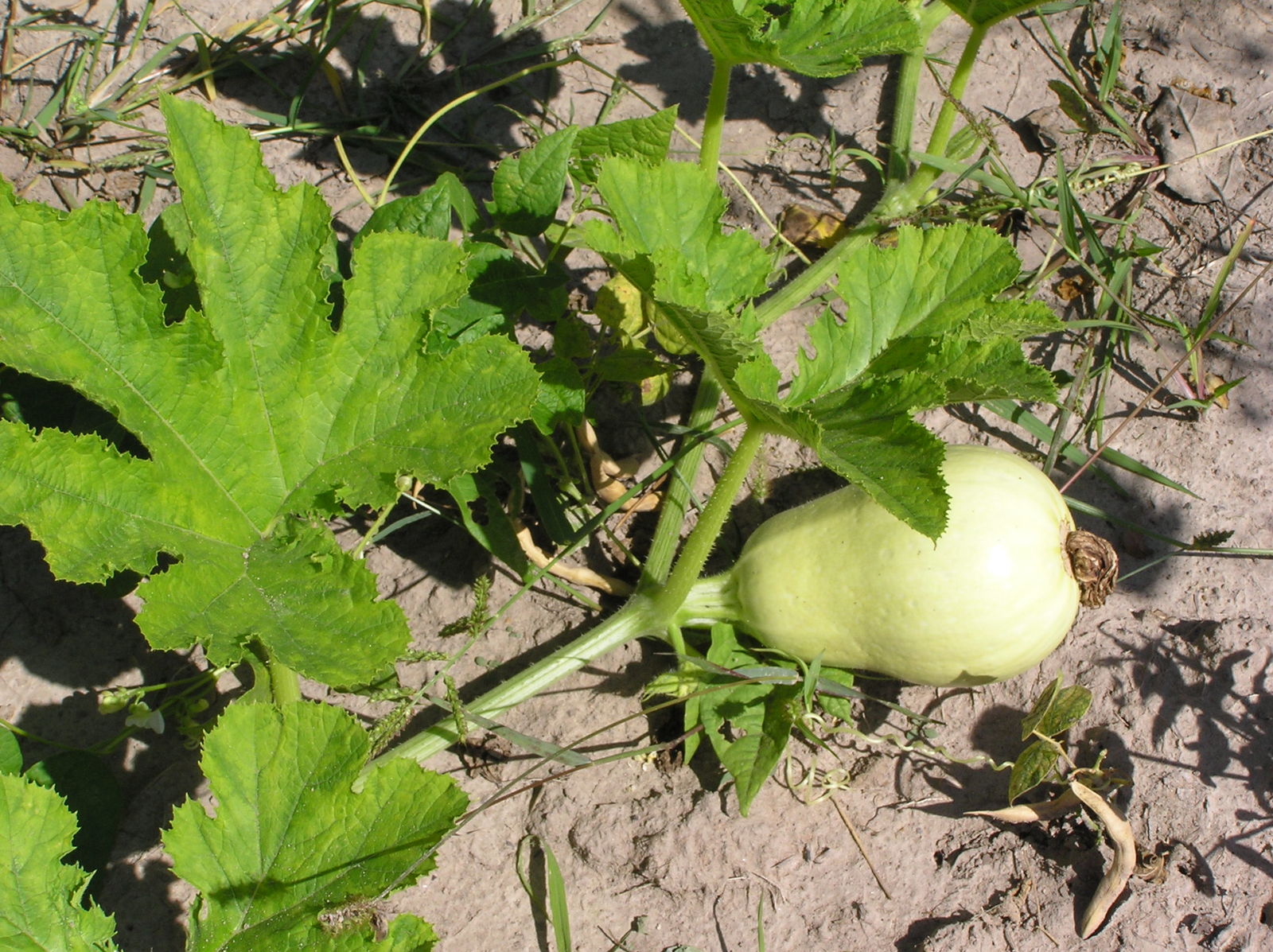
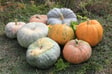
Fruit shape varies enormously by cultivar, from pear-shaped butternut with its solid neck to flattened, ribbed Musquée de Provence, alongside forms mottled cream on green. The orange flesh is dense and low in fiber. 7 6
Useful taxonomy
Duchesne described this species in 1786. Numerous infraspecific names accompanied its cultivation and spread around the world. The main historical names include:
- Cucurbita moschata var. macrocarpa (Gasp.) Tod. 1858, historical taxonomic name
- Cucurbita moschata var. toonas Makino 1912
- Cucurbita moschata f. yokohamana Makino 1929
- Cucurbita pepo var. moschata (Duchesne) Duchesne
- Cucurbita moschata var. colombiana Zhit. 1930
These names reflect a history in which some classifications placed this squash within Cucurbita pepo before recognizing it as a distinct species. The accepted scientific name provides a stable reference: Cucurbita moschata. 1 4
Habitat and range
Southern Mexico and Guatemala form the native range. The oldest known archaeological remains come from the Ocampo caves in Tamaulipas and date to approximately 4900–3500 BCE. 7 1
Finds from Belize, Guatemala and especially Peru date to around 3000 BCE, sustaining debate over one or several distinct centers of domestication in the Americas. The species in its present domesticated form is never found in the wild. 7 4
Cultivation spread from this American homeland around the world after the 16th century, reaching India, Java and Japan by the late 19th century. Today the crop grows in full sun on rich, well-drained soils in temperate as well as tropical climates. 7 5
Life cycle and reproduction
Male and female flowers occur on the same squash plant, making it monoecious, as in other Cucurbitaceae. Fruit set depends on insects. Male flowers often open first; female flowers, identified by a swollen ovary, require pollination by bees, including bumblebees, to set fruit. 3 2
Propagation relies entirely on seed, sown into soil already warmer than 18 °C (64 °F). Colder soil holds back germination without advancing the eventual harvest. The cycle is long, often 100–120 days depending on cultivar, and sustained summer warmth supports good flowering. 5 4
Trailing stems frequently exceed 4 m (13 ft). Traditional climbing varieties such as Seminole are even trained up trees. Once mature, fruit keeps for several months in dry storage after curing in the sun. 2 7
Uses and risks
Cooking is the main use for its sweet orange flesh: prepare it in soups, baked dishes or roasted like sweet potato. Flowers, young shoots and seeds are also edible; the seeds are often roasted for their nutty flavor. 4 7
Ordinary use of the edible fruit is safe: the ASPCA classifies this squash as nontoxic to cats, dogs and horses. As with other squashes, very bitter fruit may reveal rare cucurbitacins and must never be eaten. 8 5
Against squash vine borer, whose larvae tunnel into the stems of other cucurbits, Cucurbita moschata often shows greater resistance than Cucurbita pepo, thanks to a more solid, less hollow stem. It remains susceptible to powdery mildew, downy mildew and bacterial wilt transmitted by bugs. 5 3
Varieties, look-alikes and related plants
These many varieties are cultivars, rather than separate species. Butternut, sold in France as doubeurre, has pear-shaped fruit with a solid neck; Musquée de Provence bears large, flattened, ribbed fruit; Tromboncino, a crookneck squash, has very long, curved fruit often harvested young like zucchini. 2 4
Other members of Cucurbita account for the usual identification problems:
- Cucurbita pepo has a hard, angular, prickly stem, with no flaring of the fruit stalk;
- Cucurbita maxima has a corky, rounded fruit stalk without ribs;
- Cucurbita argyrosperma has seeds with a distinct margin and often silvery foliage.
A five-ribbed, flared fruit stalk, downy stem and shallowly lobed leaves are the most dependable features for identifying Cucurbita moschata. They hold across this group, from compact butternut to sprawling Musquée de Provence, all sown into soil warmer than 18 °C (64 °F). 3 1
Main sources
- Plants of the World Online / Kew, Cucurbita moschata Duchesne
- Royal Horticultural Society, Cucurbita moschata - squash
- Missouri Botanical Garden, Cucurbita moschata
- Plants For A Future, Cucurbita moschata
- North Carolina State Extension, Cucurbita moschata
- Encyclopaedia Britannica, Cucurbita moschata
- Purdue University Center for New Crops, Cucurbits (Cucurbita spp.)
- ASPCA, pumpkin (Cucurbita spp.) plant entry
Frequently asked questions
Is Cucurbita moschata squash toxic?
No. The fruit, flowers and seeds are edible, and several reference sources classify this squash as nontoxic to cats, dogs and horses. Only very bitter fruit, a rare sign of cucurbitacins, must not be eaten.
How does Cucurbita moschata differ from Cucurbita pepo?
The most reliable feature is the fruit stalk, which flares into five ribs in Cucurbita moschata. Cucurbita pepo has a hard, angular stalk without this flaring. The stems and leaves of Cucurbita moschata are also downier and less prickly.
Why is my squash taking so long to ripen?
The growing cycle is long, often 100–120 days depending on cultivar, and the plant needs sustained summer warmth to flower and set fruit well. Sowing too early in cold soil delays germination without bringing the harvest forward.
Are doubeurre and butternut the same squash?
Yes. Doubeurre is the French commercial name for butternut, a Cucurbita moschata variety with pear-shaped fruit and dense orange flesh that is widely sold in France.
Where does Cucurbita moschata come from?
Its native range extends from southern Mexico to Guatemala. Archaeological remains also document very ancient cultivation in Peru, fueling debate over one or several distinct centers of domestication.
Is Cucurbita moschata more resistant to pests?
It tolerates squash vine borer better than Cucurbita pepo because its stem is more solid and less hollow. It remains susceptible to powdery mildew, downy mildew and bacterial wilt.
Can you eat squash flowers?
Yes. Both male and female flowers can be cooked like those of other squashes, battered and fried or stuffed. Pick them early in the morning while freshly opened for the best results.
Similar plants
If you are unsure about a plant’s toxicity, ask a botanist or veterinarian for advice.