
Meadowsweet (Filipendula ulmaria, )
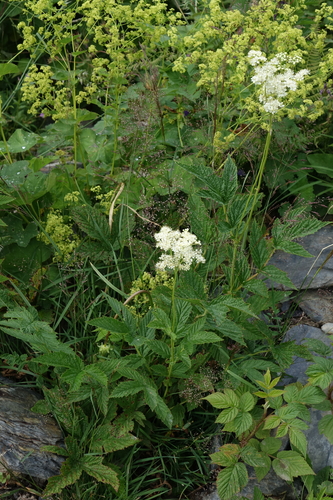
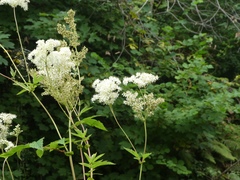
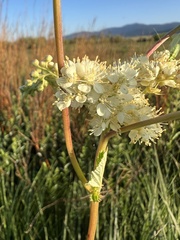
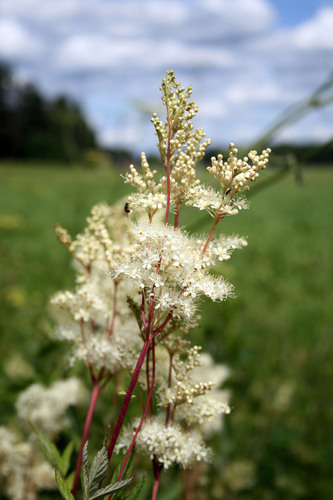
Meadowsweet (Filipendula ulmaria), also called queen of the meadow, is an herbaceous perennial in the Rosaceae native to Europe and western Asia. It grows in wet meadows, ditches and stream margins, where tall stems carry strongly scented cream flower plumes. Rich in salicylates, it contributed its former genus name to the name aspirin.
Read moreMeadowsweet and Queen of the meadow
© photo
Oleg Kosterin · cc0
Anthony O'Leary · cc0
Mirko Ubović · cc0
(c) Nelya Garaeva, some rights reserved (CC BY) · cc-by
(c) Екатерина Гущина, some rights reserved (CC BY) · cc-by
Global distribution
Filipendula ulmaria is native across most of Europe and western Asia, from the British Isles to Siberia and Iran. Widespread in temperate wetlands, it has been introduced and naturalized in North America; those introduced populations remain distinct from its native Eurasian range.
- Native6
- Introduced2
- Mainland France
- United Kingdom
- Germany
- Sweden
- Russia
- Iran
- United States
- Canada
Hexagons: regions where the plant occurs. Green dots: native range.1
Identity
Meadowsweet (Filipendula ulmaria (L.) Maxim.), also called queen of the meadow, is an herbaceous perennial in the genus Filipendula, family Rosaceae. Native to the wet meadows of Europe and western Asia, it is recognized by tall stems crowned with strongly fragrant cream plumes in summer. 1 8
Its flowers hold a distinctive place in pharmaceutical history: they are rich in salicylates, and the former genus name Spiraea contributed to the name aspirin. In gardens, meadowsweet is chiefly a pollinator plant for waterside planting, valued for scent and hardiness. 4 2
Recognition
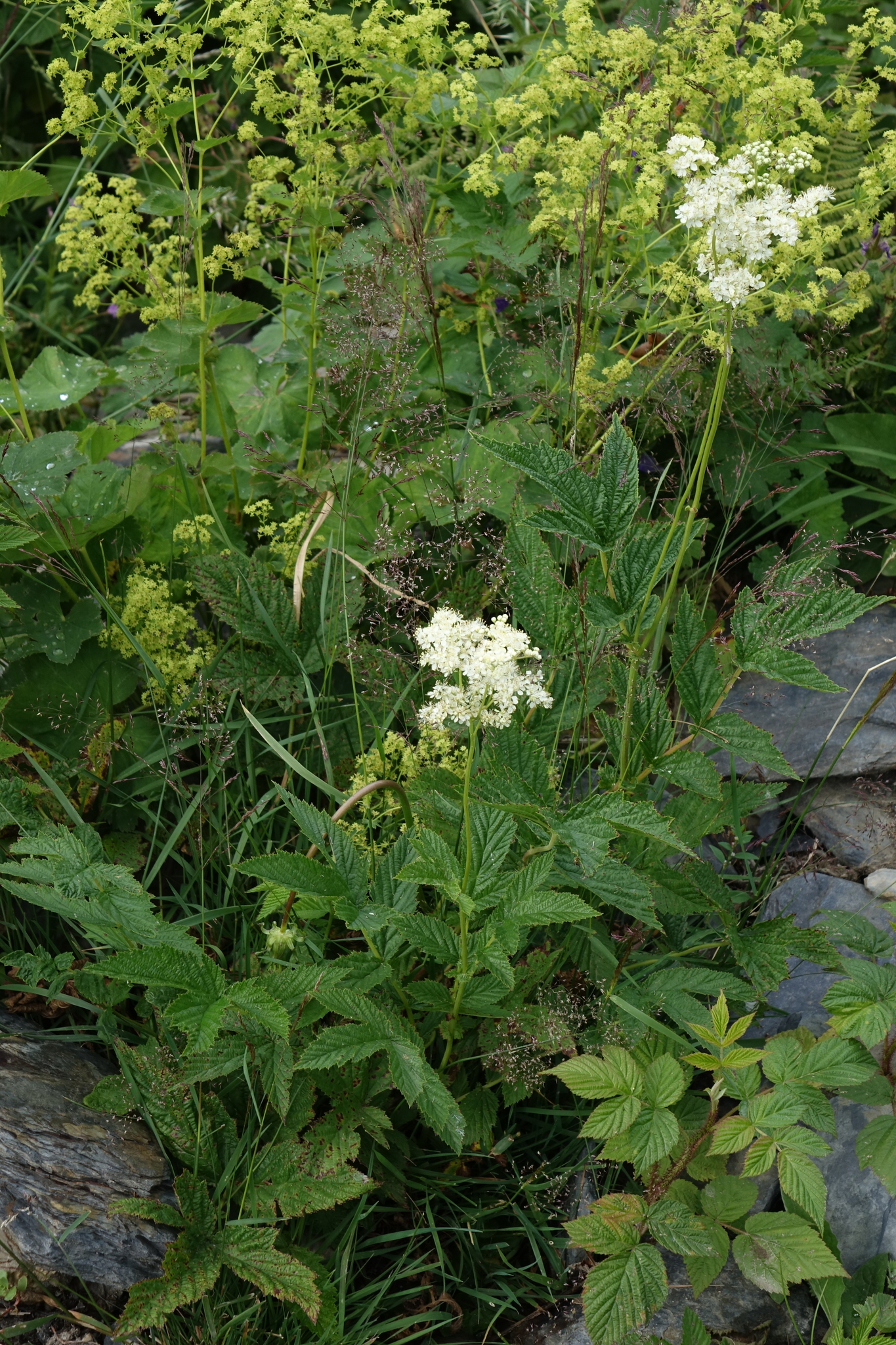
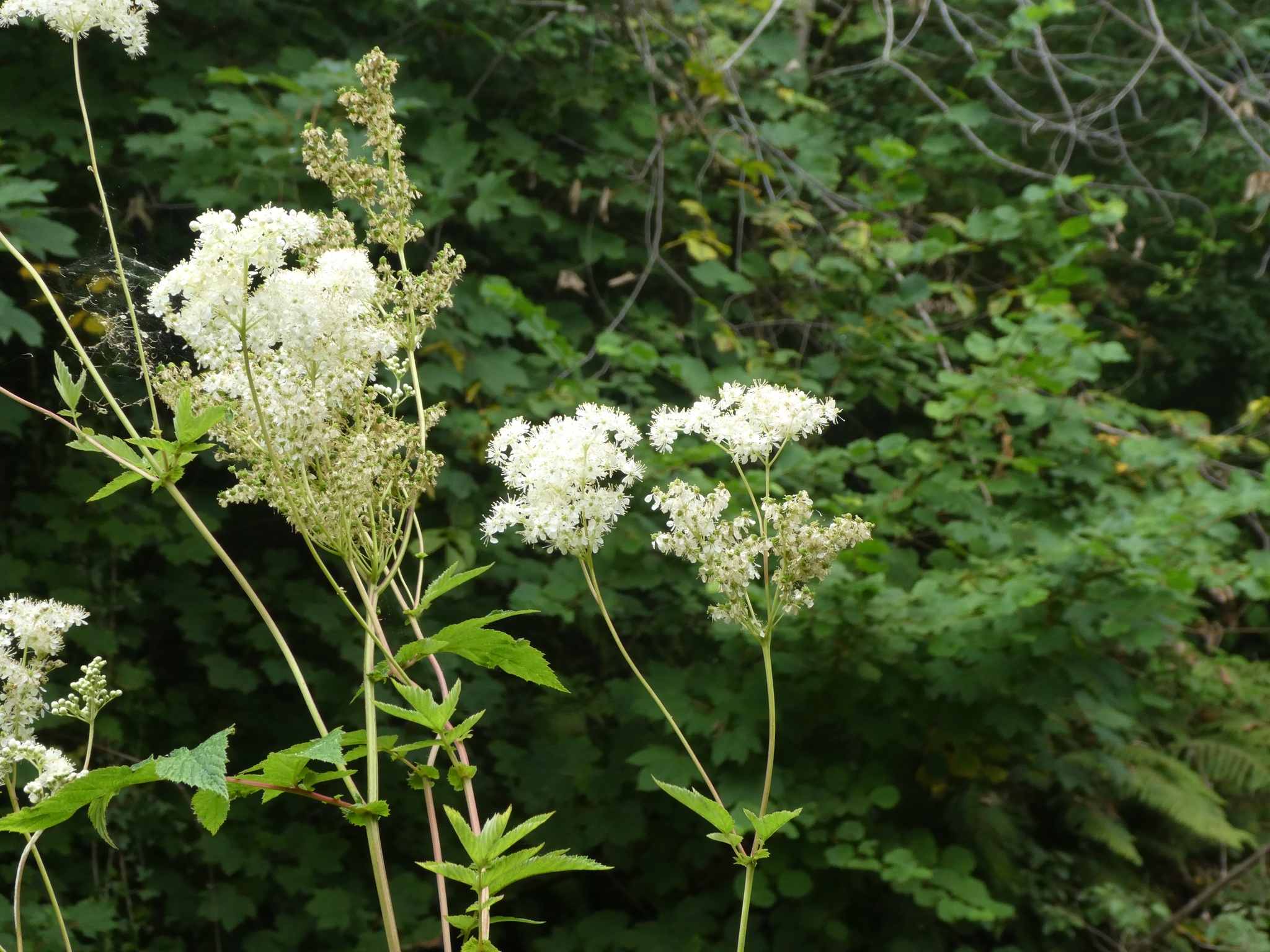
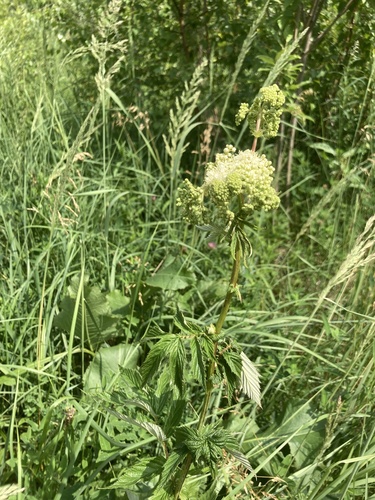
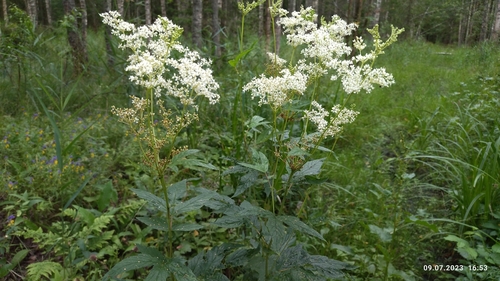
Upright clumps reach 60–150 cm (2–5 ft) on angular stems that are often reddish. Pinnately compound leaves bear large, toothed leaflets, dark green above and whitish and downy beneath. The pale underside is particularly useful for identification. 3 6
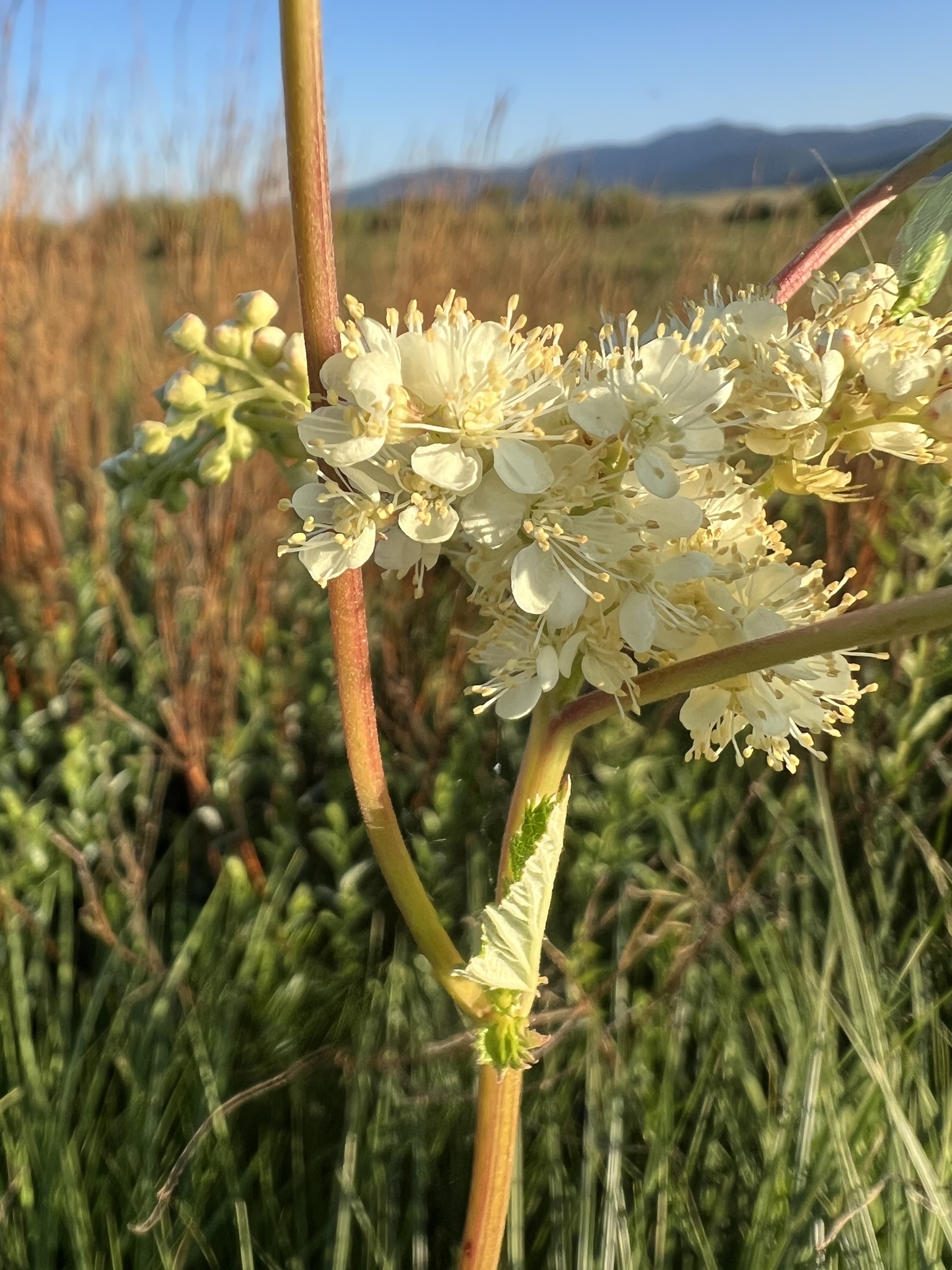
Dense, irregular plumes of tiny cream to white flowers gather at the stem tips. This light, frothy inflorescence has a strong, sweet fragrance, intensified by warm weather and long used to flavor mead and other drinks. 2 5
Slowly spreading underground rhizomes allow colonies to develop in suitable conditions. Summer flowering, mainly June–August in northern temperate climates, is almost always associated with moist to wet soil, seldom far from water. 8 3
Useful taxonomy
Linnaeus first described the species, and Maximowicz later transferred it to Filipendula. The accepted name, Filipendula ulmaria (L.) Maxim., was published in 1879. Its earlier placement in Spiraea explains names comparing it to those shrubs. Principal synonyms include:
- Spiraea ulmaria L., the former combination in Spiraea
- Filipendula ulmaria subsp. denudata (J.Presl & C.Presl) Hayek
- Filipendula ulmaria var. nivea (Wallr.) Cout.
- Ulmaria pentapetala Gilib., another historical name
- Filipendula megalocarpa (Juz.) Schanzer
The accepted scientific name, Filipendula ulmaria, provides a consistent reference. Horticultural names such as Aurea and Variegata identify garden selections rather than separate species or botanical varieties. 1 9
Habitat and range
Most of Europe and western Asia, from the British Isles to Siberia and Iran, lies within its native range. In France it is a common native wetland species found across much of the country. 1 8
Wet meadows, ditches and streambanks support wild populations, as do tall-herb communities and damp alder and ash woods. Rich, heavy, moist to wet soils are characteristic habitats, where the plant can form tall colonies. 8 3
Beyond its Eurasian range, meadowsweet has been introduced and naturalized in North America, occupying comparable temperate wetlands. These introduced populations should be distinguished from its native distribution. 7 6
Life cycle and reproduction
Winter dormancy is part of this herbaceous perennial's cycle. Aboveground growth dies back in winter, while the crown survives with its rhizomes and regrows in spring. Plants flower in summer from the second year after sowing, then annually once established. 3 5
Nectarless but pollen-rich flowers attract many pollinating insects, making meadowsweet valuable in wetland pollinator planting. Small dry fruits twisted into a spiral follow flowering, a feature that gave the genus Filipendula its name. 8 2
Garden propagation usually relies on clump division in local spring or fall, roughly every three years, also renewing clumps with bare centers. Seed can succeed too, with more consistent germination after a cold period. Division preserves garden selections most reliably, because seedlings do not always retain the parent's foliage color. 5 6
Uses and risks
Ornamental and aromatic uses now predominate. This tall waterside perennial is grown for fragrant plumes and its value to pollinators. Traditionally the flowers flavored mead, syrups and desserts, and were used for infusions. 5 2
Medicinal interest centers on its salicylates, associated with salicylic acid. The name aspirin was formed using the former genus name Spiraea, making meadowsweet part of that pharmaceutical history. Traditional medicine uses it for anti-inflammatory properties. 4 5
Animal toxicity is not reported for meadowsweet, which is not listed among plants hazardous to cats, dogs or horses. For humans, however, salicylates require caution. These uses are discouraged for people with aspirin allergy, those taking anticoagulants and young children. 3 6
Varieties, look-alikes and related plants
Garden selections represent forms of the species. Aurea has golden foliage in spring; Variegata bears yellow-variegated leaves; Plena produces double flowers in longer-lasting plumes. Check the selection name, clump vigor and suitability for the moist soil the plant needs before choosing one. 2
Potential look-alikes include several related plants:
- Filipendula vulgaris, or dropwort, grows in dry, calcareous meadows and has much more finely divided leaves;
- Filipendula rubra, North American queen of the prairie, has pink flowers;
- woody spiraeas in the genus Spiraea, from which the species was separated.
Pinnate foliage with whitish undersides, strongly fragrant cream plumes and a preference for wet soils remain the most reliable features for confirming Filipendula ulmaria. 3 1
Main sources
- Plants of the World Online / Kew, Filipendula ulmaria (L.) Maxim.
- Royal Horticultural Society, Filipendula ulmaria - meadowsweet
- Missouri Botanical Garden, Filipendula ulmaria
- Encyclopaedia Britannica, salicylic acid (Spiraea and the origin of aspirin)
- Plants For A Future, Filipendula ulmaria
- NC State Extension, Filipendula ulmaria
- USDA PLANTS Database, Filipendula ulmaria (L.) Maxim.
- INPN / Muséum national d'Histoire naturelle, Filipendula ulmaria
- Tela Botanica, Filipendula ulmaria (L.) Maxim.
Frequently asked questions
Is meadowsweet toxic?
Filipendula ulmaria is not reported as toxic to animals. For humans it contains salicylates, related to aspirin, so caution is needed with aspirin allergy, anticoagulant treatment or use in children.
Why is meadowsweet linked to aspirin?
Its flowers are rich in salicylates, associated with salicylic acid. The name aspirin derives from Spiraea, the genus in which the plant was formerly classified, explaining its historical connection with the medicine.
Can meadowsweet be eaten?
Yes. Its fragrant flowers traditionally flavor drinks, syrups and desserts and are used in infusions. Their salicylate content makes these uses unsuitable for people sensitive to aspirin.
Where should I plant meadowsweet?
Choose moist to wet soil in sun or partial shade, ideally beside water, in a moist border or in a naturalistic garden. It declines quickly in dry, freely draining soil.
How does it differ from Filipendula vulgaris?
Filipendula ulmaria is a tall wet-meadow plant with broad leaflets. Filipendula vulgaris, or dropwort, grows in dry, calcareous meadows and has much more finely divided foliage.
Is meadowsweet invasive in France?
No. It is native to French wetlands and can form substantial colonies in suitable conditions, but is not classified as an invasive plant there.
Similar plants
If you are unsure about a plant’s toxicity, ask a botanist or veterinarian for advice.