
moonflower (Ipomoea alba, )
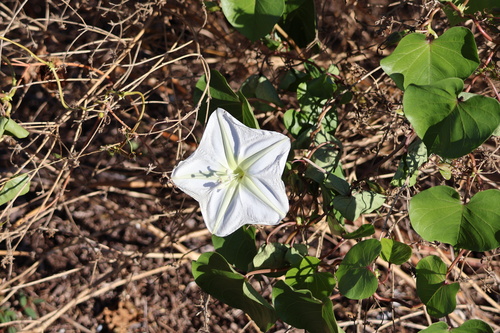
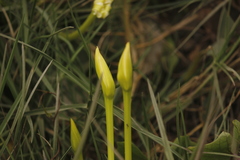
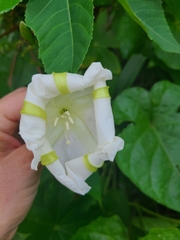
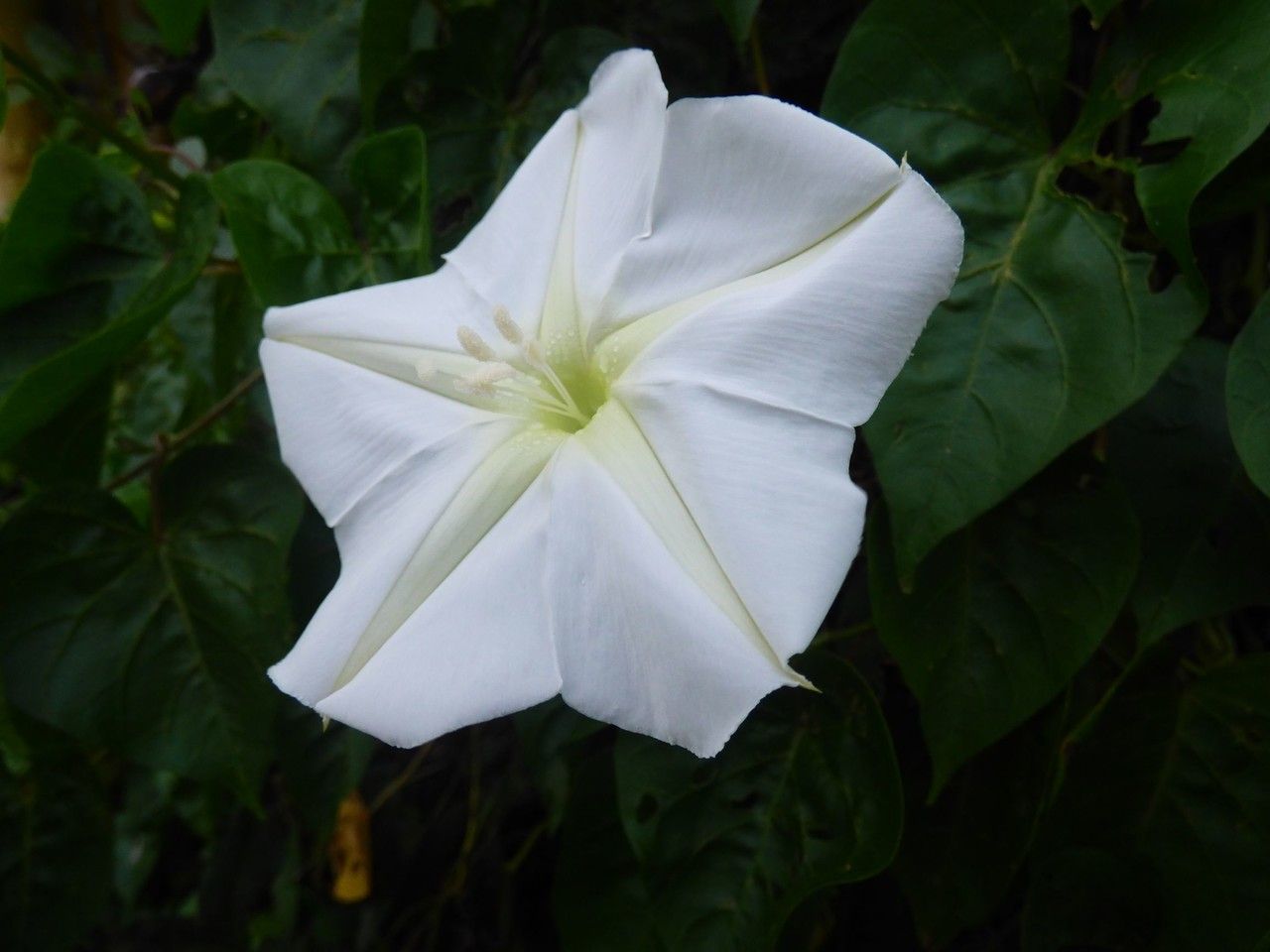
Moonflower (Ipomoea alba) is a perennial climbing vine in the Convolvulaceae, native to tropical and subtropical America. Its large white trumpets open at dusk and close before noon the next day. This nocturnal rhythm attracts moths and explains many of its common names.
Read moremoonflower and moonvine
Place in full sun, with intense direct light all day long.
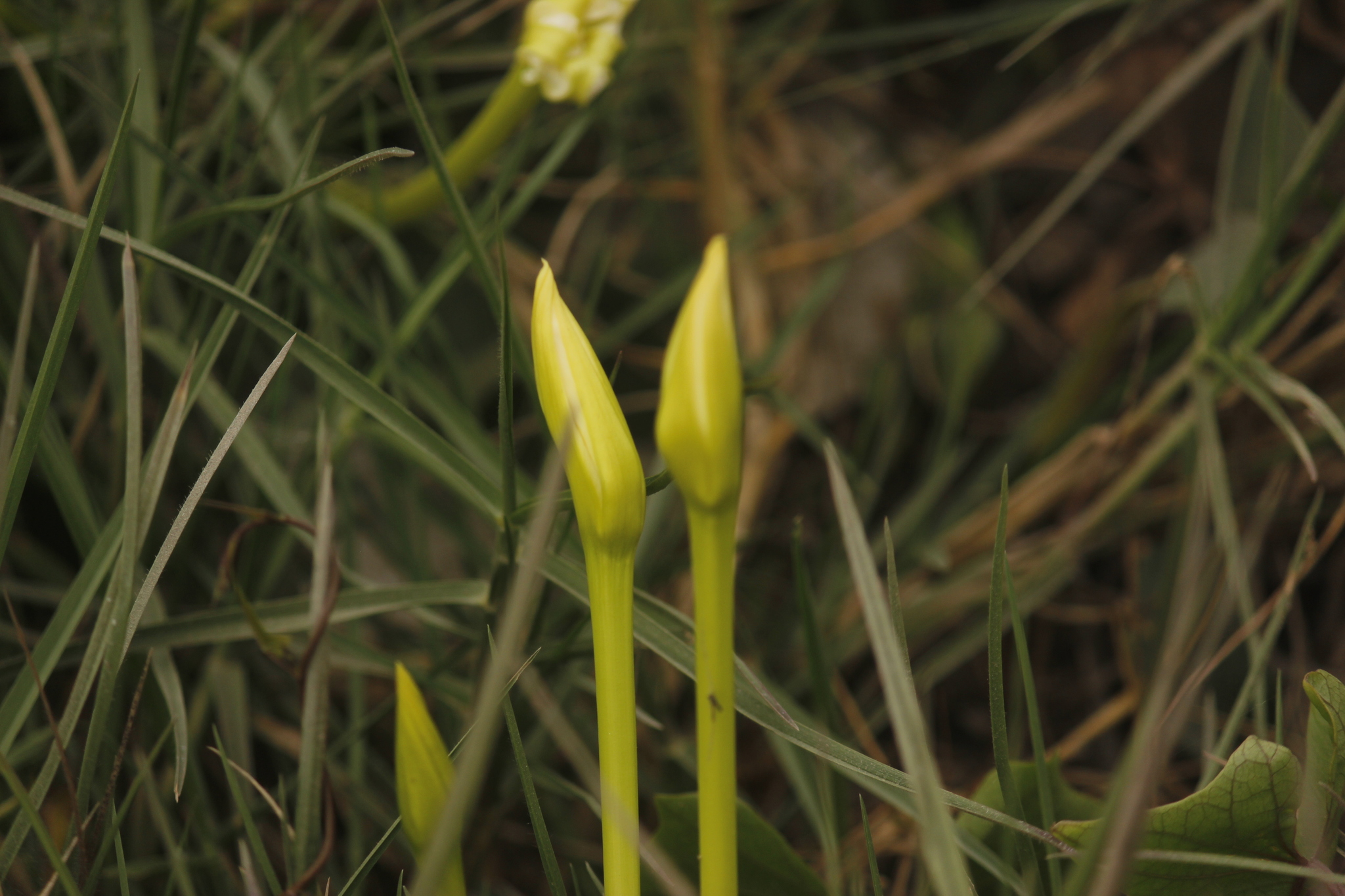
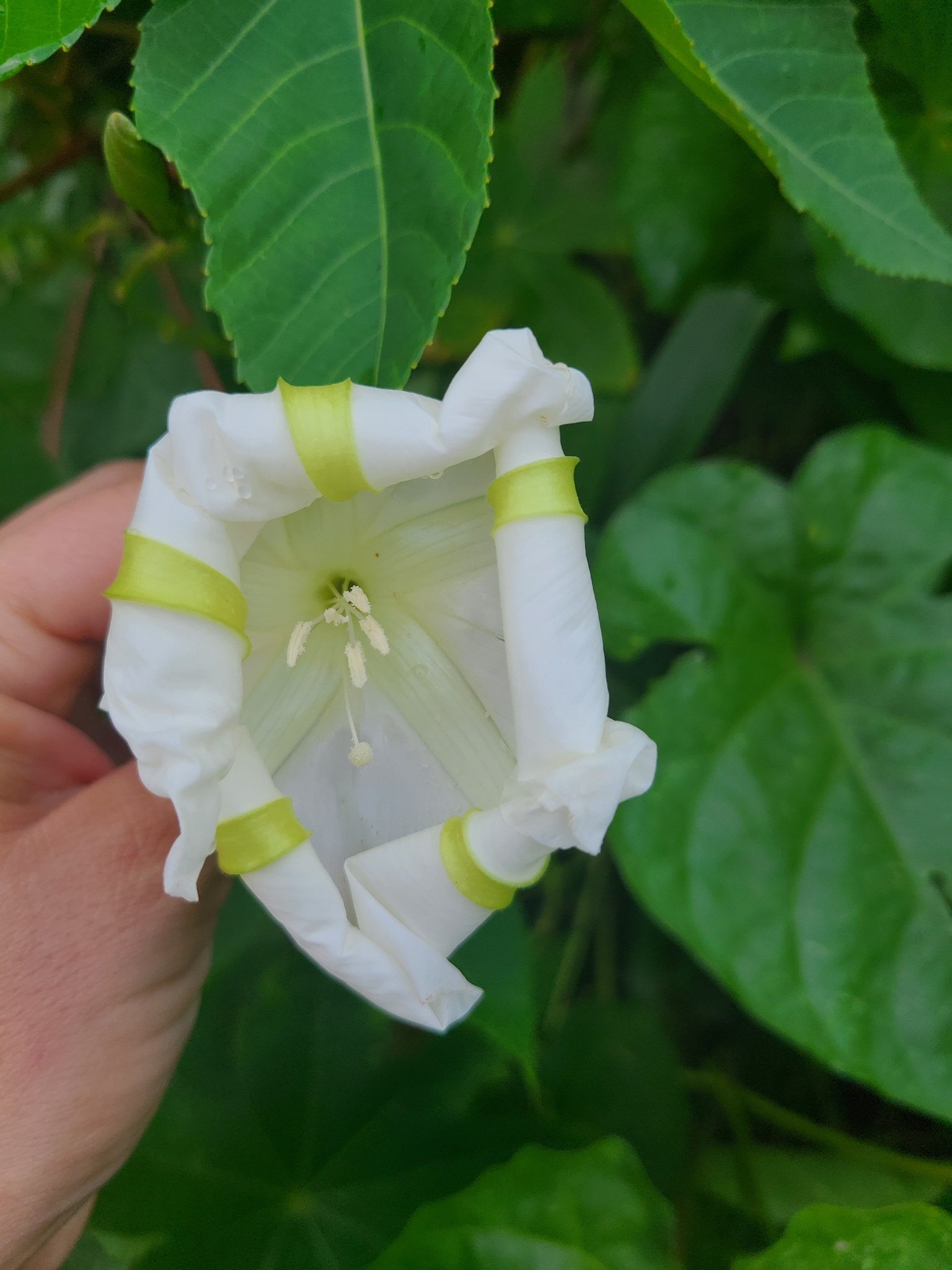


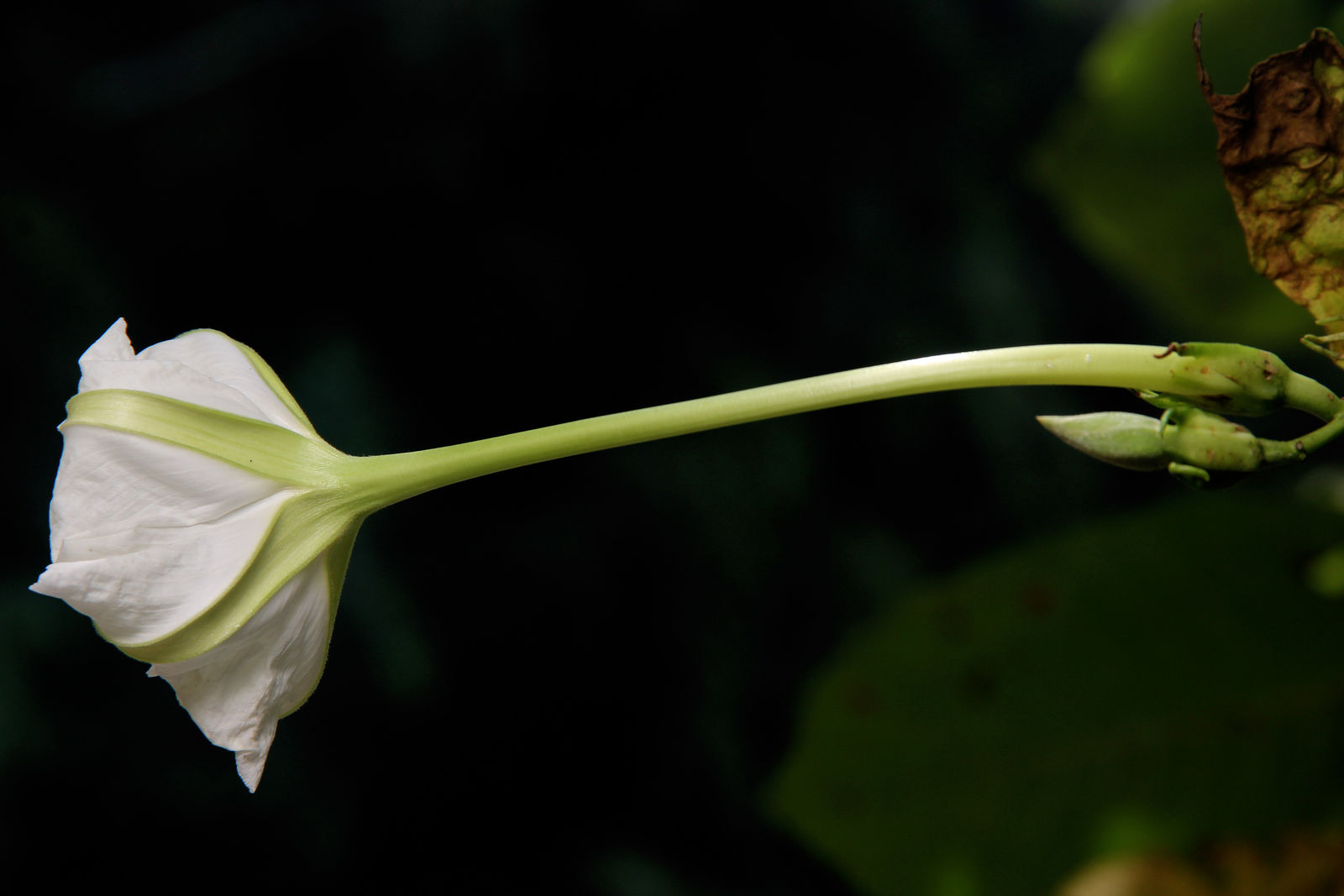

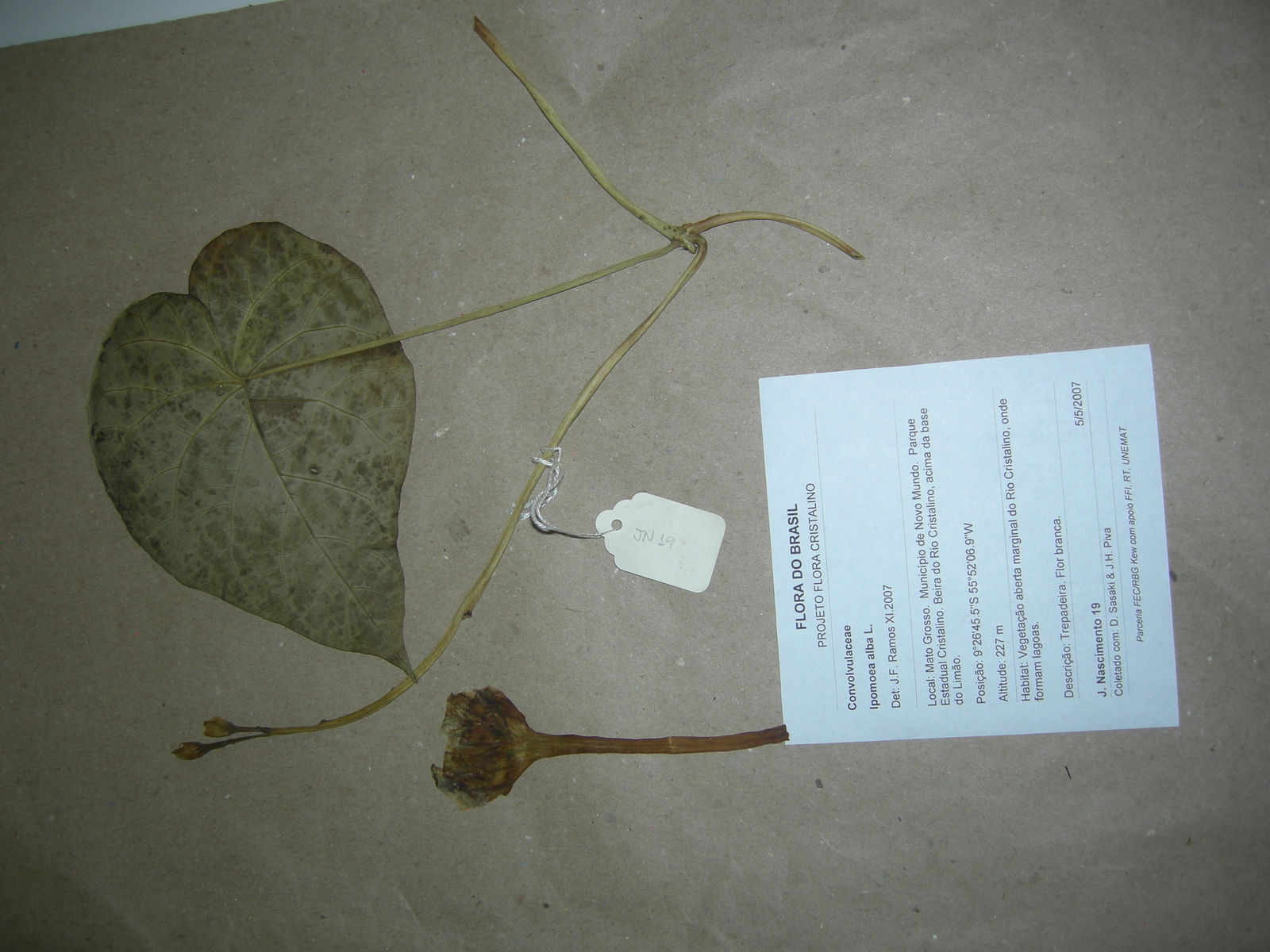
© photo
Liv · cc0
Ruth Gutiérrez Oliveros · cc0
ritirene · CC BY-NC
Taken Apr 21, 2011 by OTS - Oviedo-Brenes, Federico (cc-by-nc-sa)
Taken Nov 21, 2019 by Nelson Zamora Villalobos (cc-by-nc)
© copyright of the Board of Trustees of the Royal Botanic Gardens, Kew.




Global distribution
Its native range covers tropical and subtropical America, from northern Argentina to southern Mexico, including Florida and the West Indies. Introduced and widely grown elsewhere as an ornamental, it has local invasive records distinct from its cultivation in gardens.
- Native4
- Introduced1
- Invasive4
- Mexico
- Cuba
- Argentina
- United States (Florida)
- China
- South Africa
- Australia (New South Wales)
- Galápagos Islands
- Hawaii
Hexagons: regions where the plant occurs. Green dots: native range.1
Identity
As dusk falls, the white trumpet of moonflower (Ipomoea alba L., 1753) opens, remaining open overnight and closing before noon the following day. Also called moonvine, this perennial climber belongs to the morning glory family, Convolvulaceae. Its evening rhythm contrasts with the morning flowering of cultivated blue and purple morning glories. 1 2
Common names can cross botanical boundaries. In metropolitan France, belle-de-nuit usually means the unrelated Mirabilis jalapa; in the French Caribbean, it more often refers to Ipomoea alba. The scientific name identifies the same species across countries, while a shared common name can identify different plants. 8
Recognition
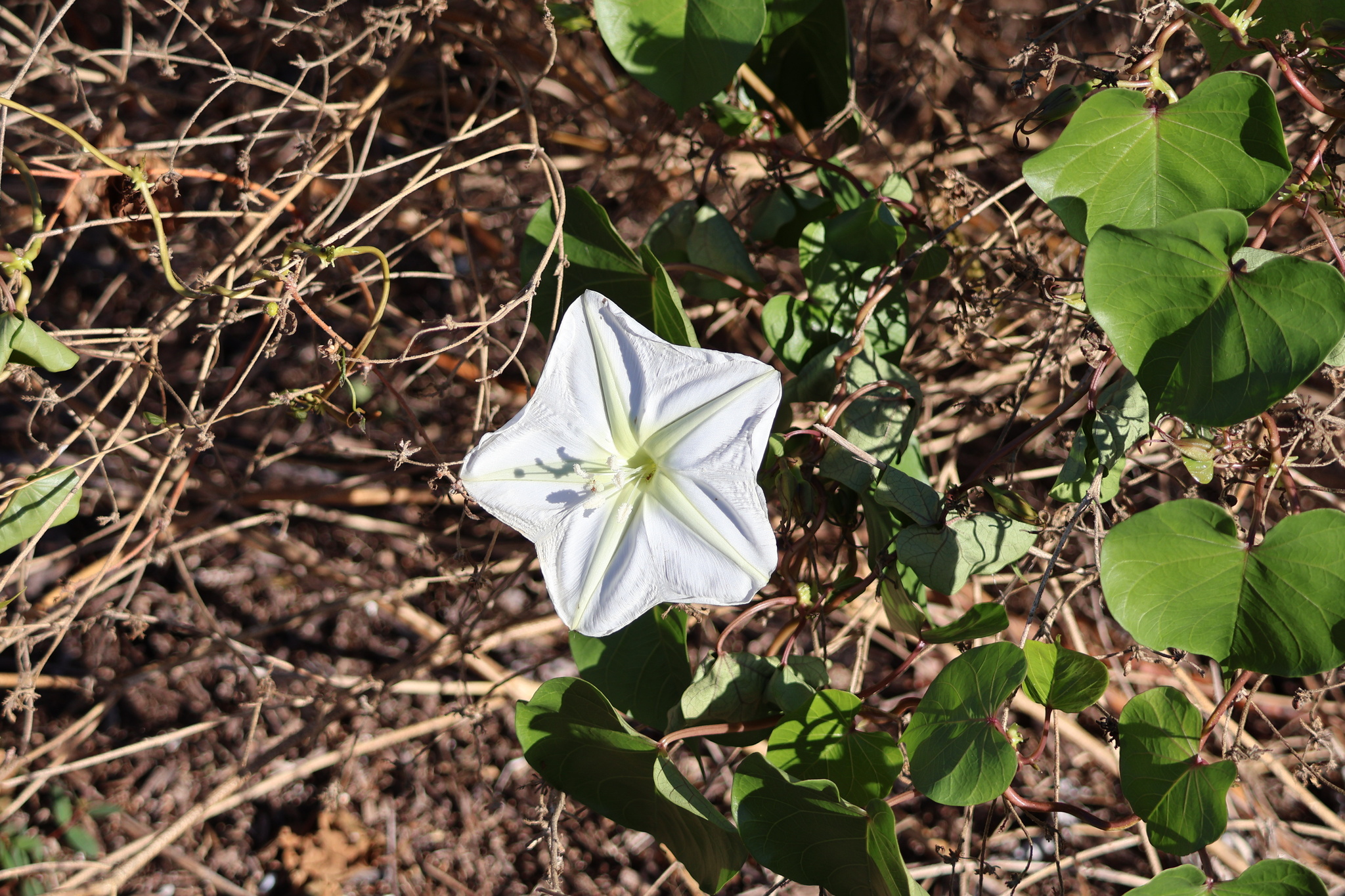
Moonflower is a twining vine. Its stems contain milky sap and may feel slightly prickly, unlike the smooth stems of some other cultivated morning glories, including Ipomoea tricolor. Heart-shaped leaves, entire or sometimes three-lobed, are 10–20 cm (4–8 in) long and grow along the stems. In one growing season the vine commonly reaches 3–9 m (10–30 ft); lengths over 20 m (66 ft) have been reported in tropical climates where it persists as a perennial. 2 3
The fragrant white flower forms a broad trumpet 8–15 cm (3–6 in) across. It opens within minutes at dusk and closes before noon the next day. This schedule attracts moths rather than daytime insects; cool or overcast weather can keep the flower open longer. 3 8
After flowering, capsules release dark brown to black seeds about 10–12 mm (0.4–0.5 in) long. They can float in seawater for long periods. Buoyant seeds carried between islands by coastal currents help explain the species' wide distribution throughout the tropics. 8
Useful taxonomy
POWO/WCVP accepts Ipomoea alba L. Older literature and horticultural catalogs also use other generic names. Important synonyms include:
- Convolvulus aculeatus L., a heterotypic synonym of Ipomoea alba in POWO;
- Calonyction aculeatum (L.) House;
- Ipomoea bona-nox L.;
- Calonyction bona-nox (Spreng.) Bojer.
Calonyction, a name meaning roughly “beautiful at night” in Greek, still appears in older books and catalogs. Current classification places the plant in Ipomoea, subgenus Quamoclit. The name Calonyction aculeatum in a catalog refers to the same species now called Ipomoea alba. 1 8
Habitat and distribution
Its native range is tropical and subtropical America, extending from northern Argentina to southern Mexico and including Florida and the West Indies. It grows along woodland edges, in thickets of seasonally dry forests, beside rivers and on disturbed ground. 2 4
The IUCN assesses Ipomoea alba as Least Concern, reflecting its broad range and stable presence. 6
Ornamental planting has introduced moonflower well beyond its original range. It has naturalized in many tropical and subtropical regions, with floating seeds also contributing to dispersal. Invasive alien populations are monitored in South Africa, some Pacific islands, the Galápagos and New South Wales. Such regional invasive status is distinct from garden cultivation elsewhere, where no problem is recorded. 4
Life cycle and reproduction
In temperate Northern Hemisphere gardens, flowering generally extends from July to October; in the tropics, it can continue almost all year. Moths, including hawkmoths, are the main pollinators. Their long proboscises fit the flower's elongated tube. 3 8
Propagation is chiefly by seed. The hard seed coat impedes germination unless it is scarified or the seed is soaked for 24 hours beforehand. Summer stem cuttings establish faster when propagating an already flowering plant, because they bypass the seed's dormancy-breaking stage. 4 2
Within its original range the vine is perennial, sometimes with a tuberous root. It can regrow after drought or a light frost that destroys its aboveground foliage. That recovery is not assured in cold temperate climates, where treating it as an annual is more reliable than depending on the root to survive. 4
Uses and risks
Moonflower is principally an ornamental climber. During a single warm season it can cover a trellis, pergola or fence, and its scent and white flowers suit a night garden planted with other pale, fragrant blooms. 2 3
Its technical history reaches back to approximately 1600 BCE, when Mesoamerican peoples mixed latex from Castilla elastica with juice from Ipomoea alba to make rubber balls and other objects. Sulfur in the vine cross-links the latex, a form of vulcanization predating Charles Goodyear's 19th-century discovery by several millennia. 7
The seeds contain indole alkaloids, including lysergic acid and lysergamide. The ASPCA lists Ipomoea species as toxic to dogs, cats and horses. Ingestion can cause vomiting, and large amounts of seed may cause hallucinations. Keep seeds away from children and domestic animals. 5
Varieties, look-alikes and related plants
Seed is commonly sold as Giant White, a sales name for particularly large-flowered plants rather than a distinct, stabilized botanical variety. 2
Potential confusions include:
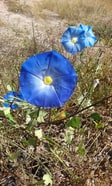
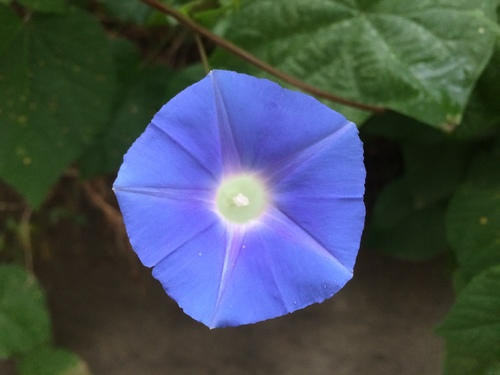
- Ipomoea tricolor and Ipomoea purpurea, whose colored flowers open by day;
- daturas and Brugmansia, with large, often white, night-opening flowers, but belonging to the Solanaceae and much more toxic in all their parts;
- Mirabilis jalapa, which shares the French name belle-de-nuit in metropolitan France but belongs to another family.
Main sources
- Plants of the World Online / Kew, Ipomoea alba L.
- NC State Extension Gardener Plant Toolbox, Ipomoea alba
- Missouri Botanical Garden Plant Finder, Ipomoea alba
- Plants For A Future, Ipomoea alba
- ASPCA, Morning Glory (Ipomoea spp) toxicity entry
- IUCN Red List, Ipomoea alba assessment
- MIT News Office, Mesoamerican rubber processing with Castilla elastica and Ipomoea alba (1999, archived)
- Wikipedia EN, Ipomoea alba
Frequently asked questions
Is moonflower the same as blue morning glory?
No. Blue morning glory usually means Ipomoea tricolor or Ipomoea purpurea, whose colored flowers open by day. Ipomoea alba has white flowers that open at night.
Is moonflower poisonous to cats and dogs?
Yes, particularly its seeds. The ASPCA lists Ipomoea species as toxic to dogs, cats and horses. Indole alkaloids cause vomiting, and large quantities of seeds may cause hallucinations.
Why do moonflowers open at night?
Nocturnal flowering attracts moths, particularly hawkmoths. A long tubular corolla and strong scent suit these pollinators rather than attracting daytime visitors.
Can moonflower be grown in a temperate climate?
Yes, as an annual. It does not tolerate frost and dies in the ground at 0 °C (32 °F); in temperate climates it self-sows or is resown each year from seed started in warmth.
How does moonflower differ from datura?
Both have large, white night-opening flowers, but datura belongs to the Solanaceae and is much more toxic in all its parts. Ipomoea alba belongs to the Convolvulaceae, with the main risk concentrated in its seeds.
Why is it called moonflower?
Its white corolla opens rapidly at dusk, showing like a bright disc in the dim light, and closes before noon the next day.
Why was moonflower used to make rubber in antiquity?
Mesoamerican peoples mixed Ipomoea alba juice with Castilla elastica latex. Sulfur in the vine cross-linked the latex, a form of vulcanization predating Charles Goodyear by several millennia.
Similar plants
If you are unsure about a plant’s toxicity, ask a botanist or veterinarian for advice.