
Japanese honeysuckle (Lonicera japonica, )
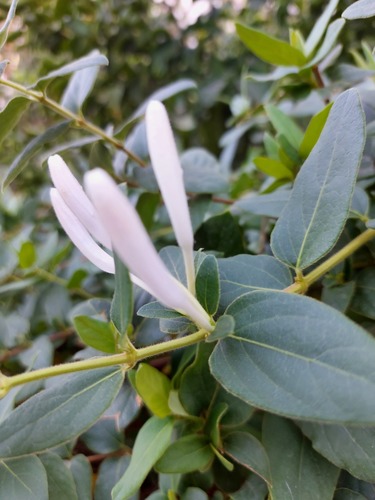
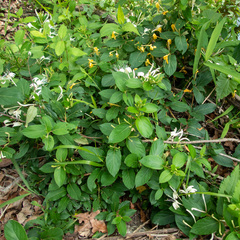
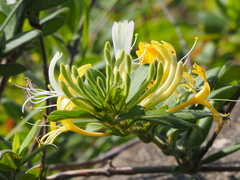
Japanese honeysuckle (Lonicera japonica Thunb.) is a semi-evergreen twining vine in the Caprifoliaceae family, native to Japan, Korea, and eastern China. Its strongly scented white flowers turn creamy yellow within a few days, giving rise to the name golden-and-silver honeysuckle. Introduced as an ornamental, it has become locally invasive in several temperate regions.
Read moreJapanese honeysuckle, Golden-and-silver honeysuckle and Jin yin hua
Allow a few hours of direct sun per day, preferably morning or evening.
Full sun to light partial shade; fewer flowers in shade.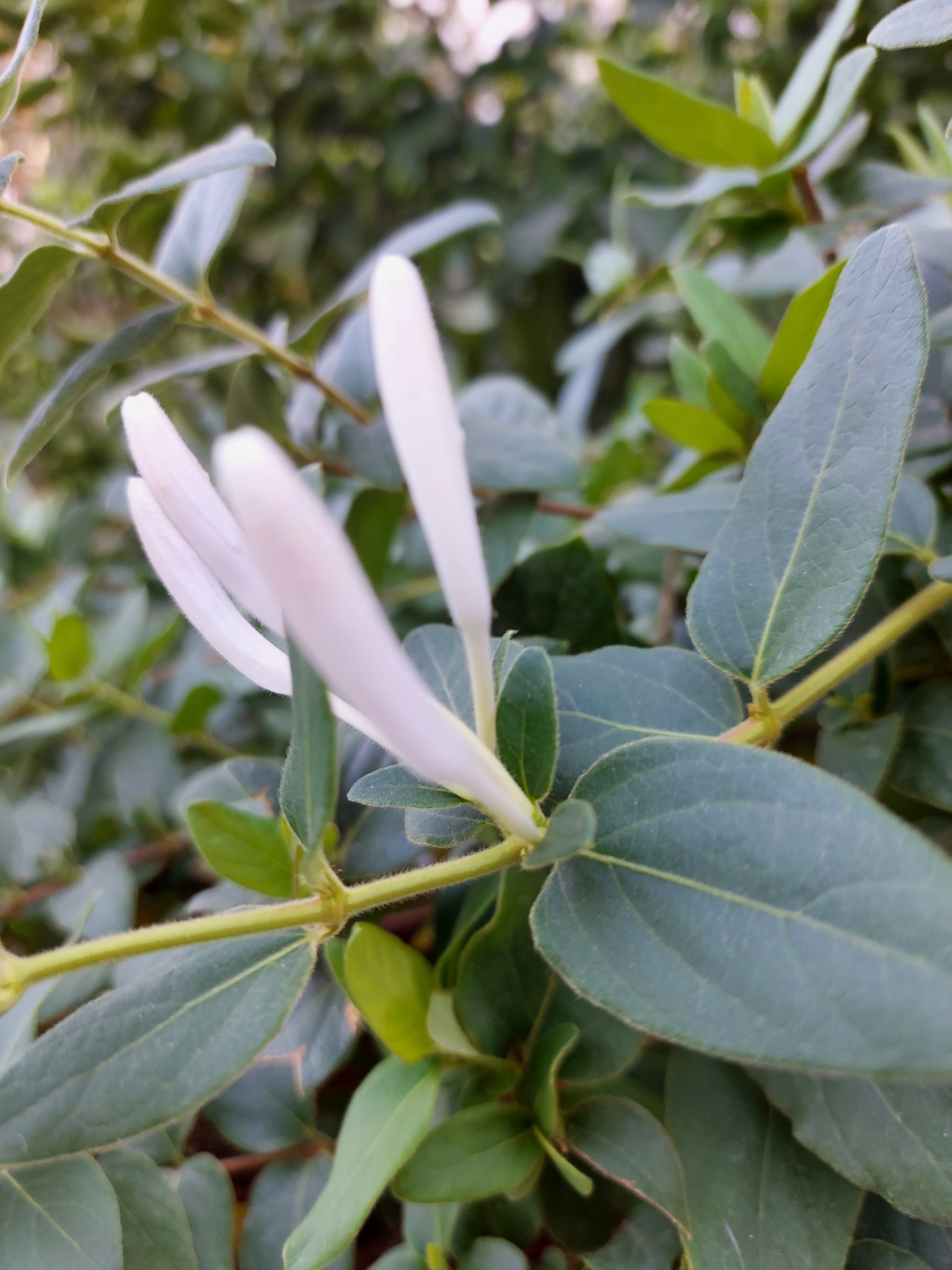
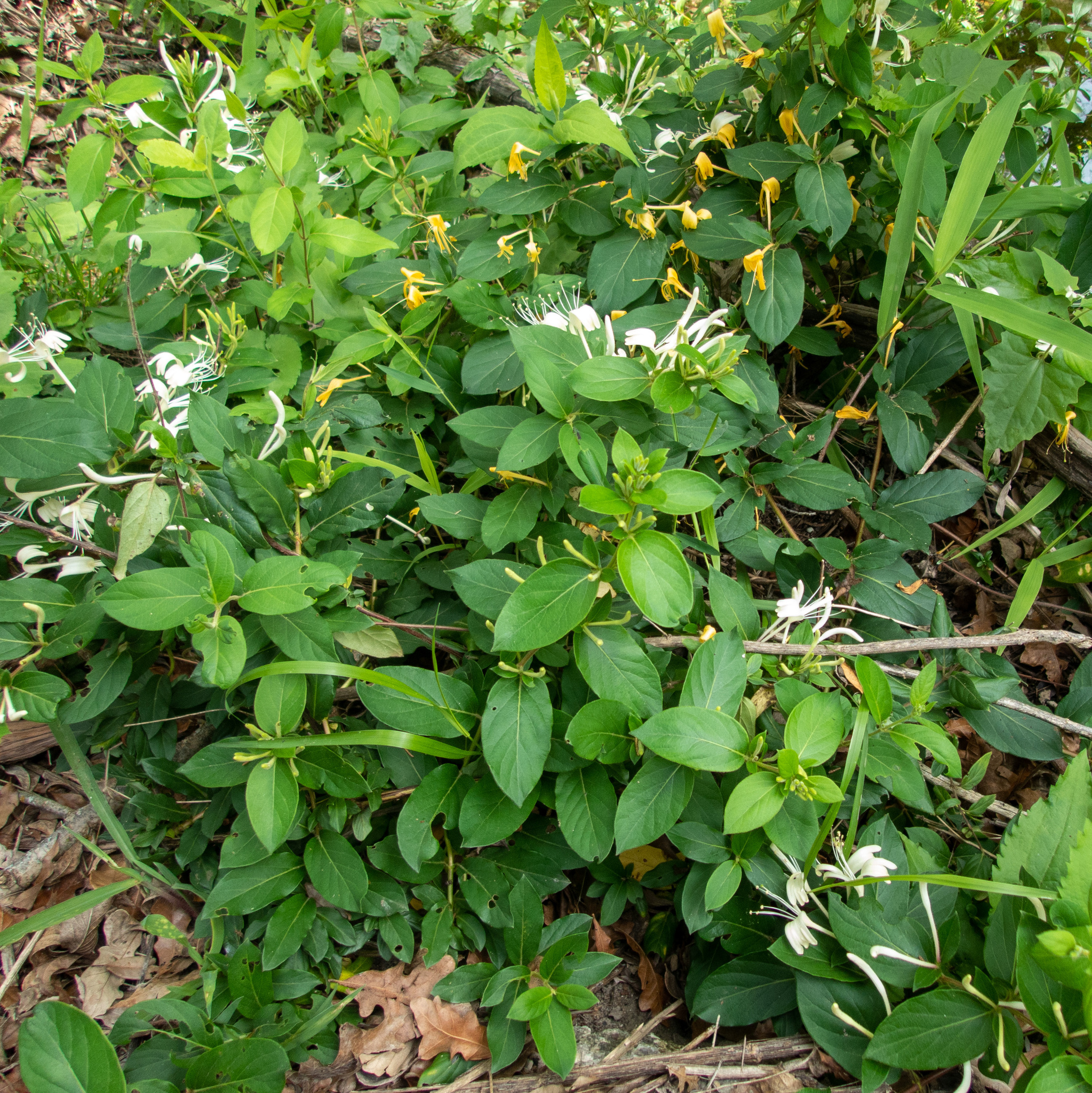
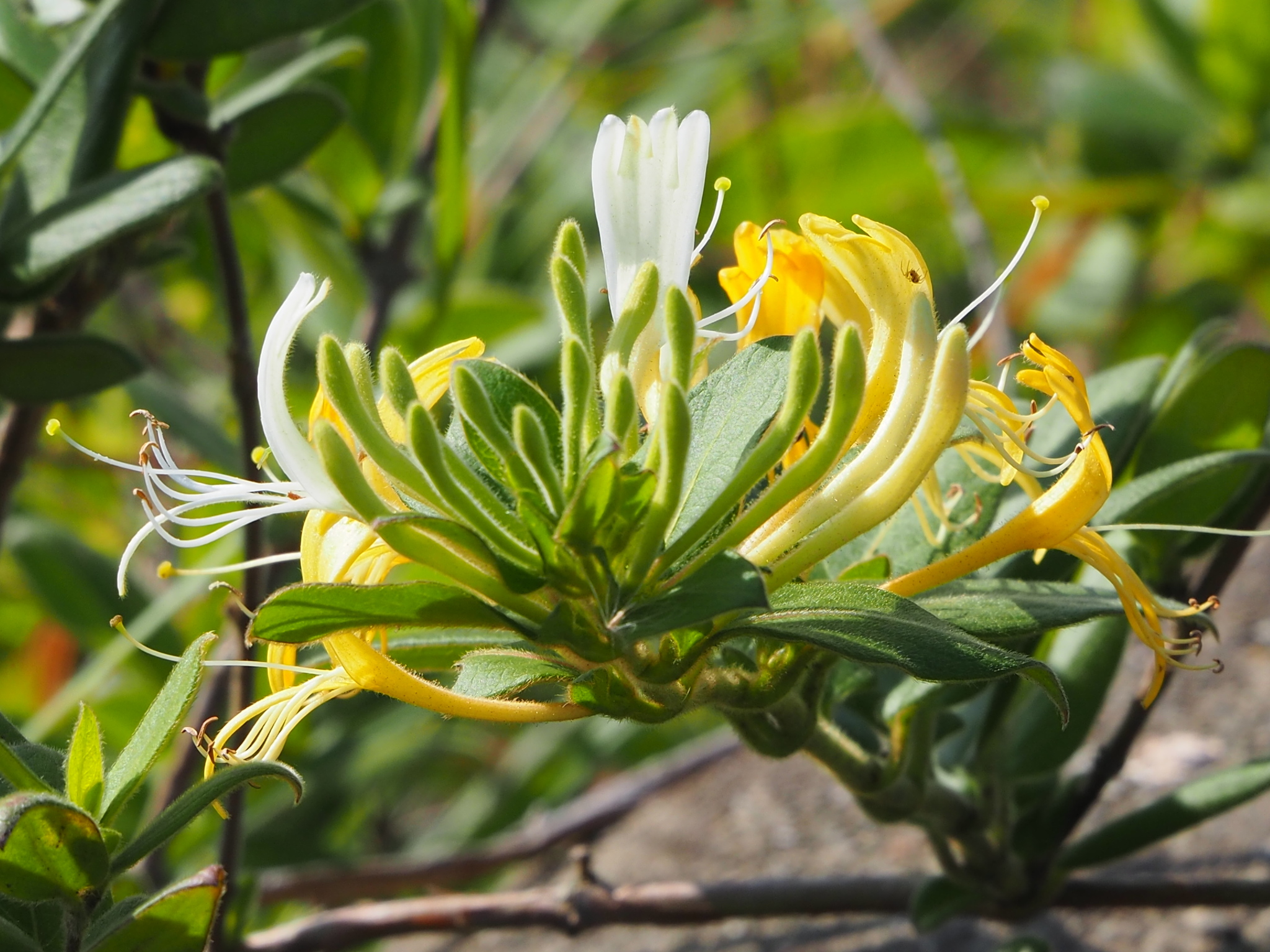


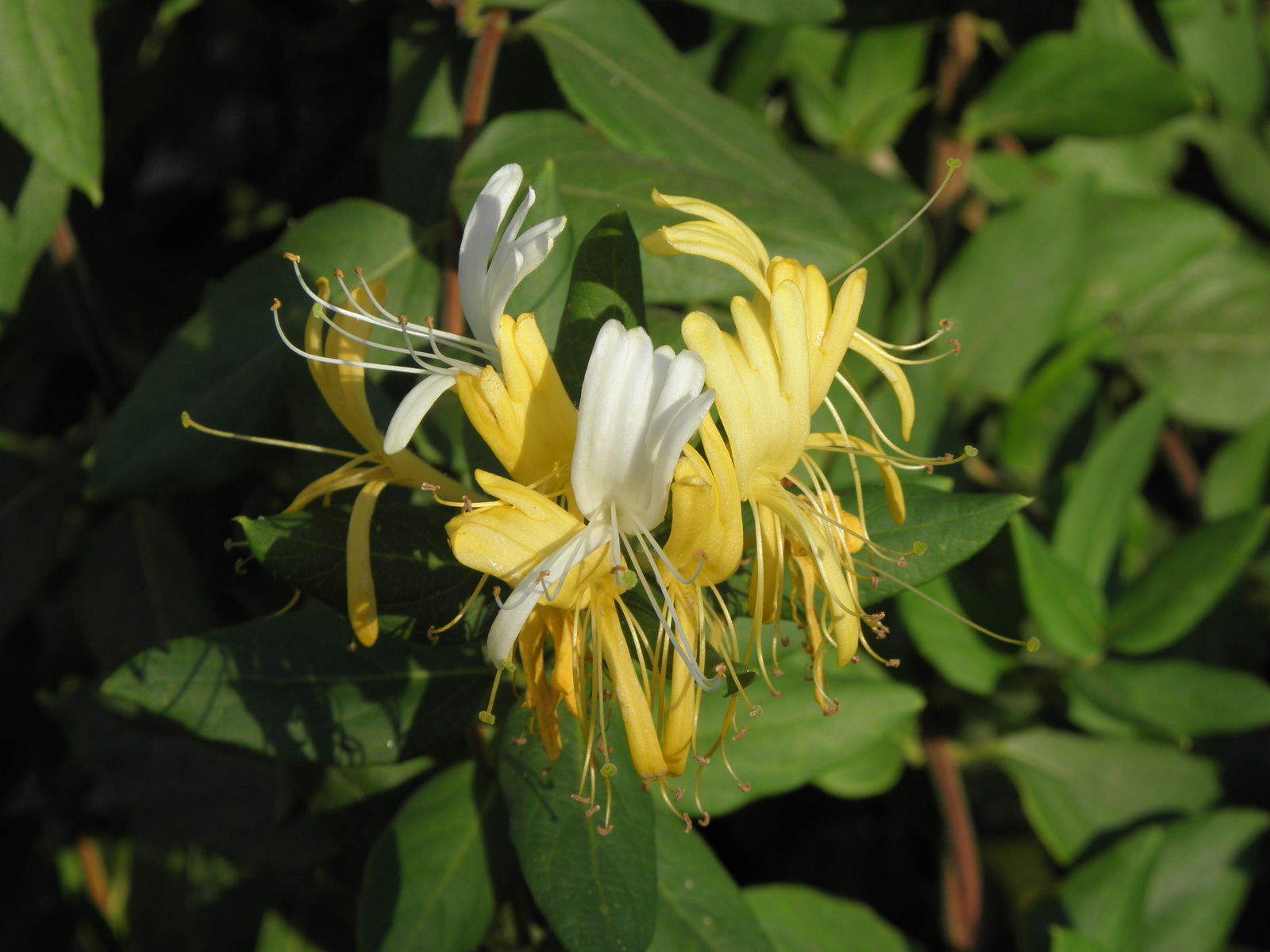
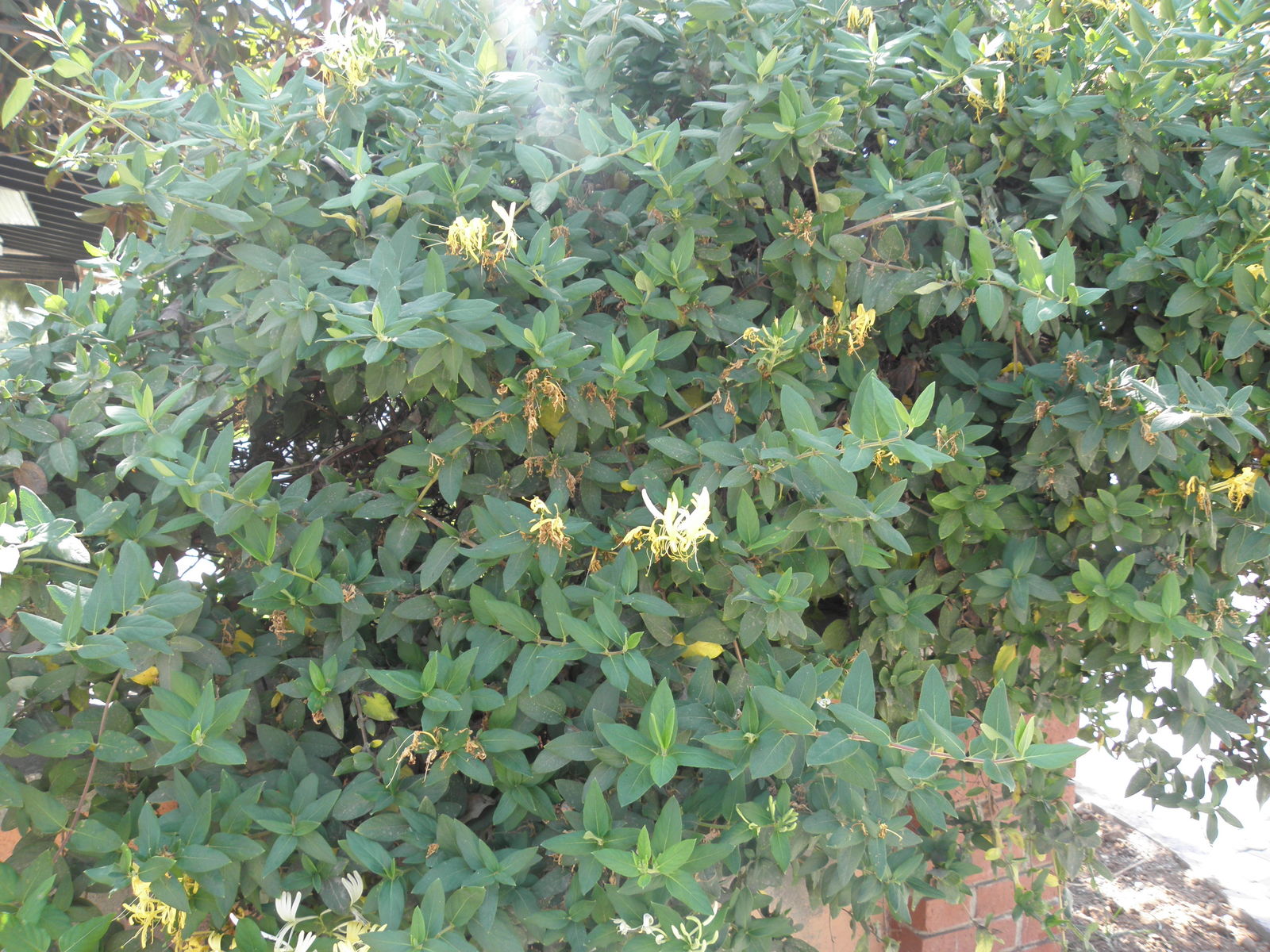
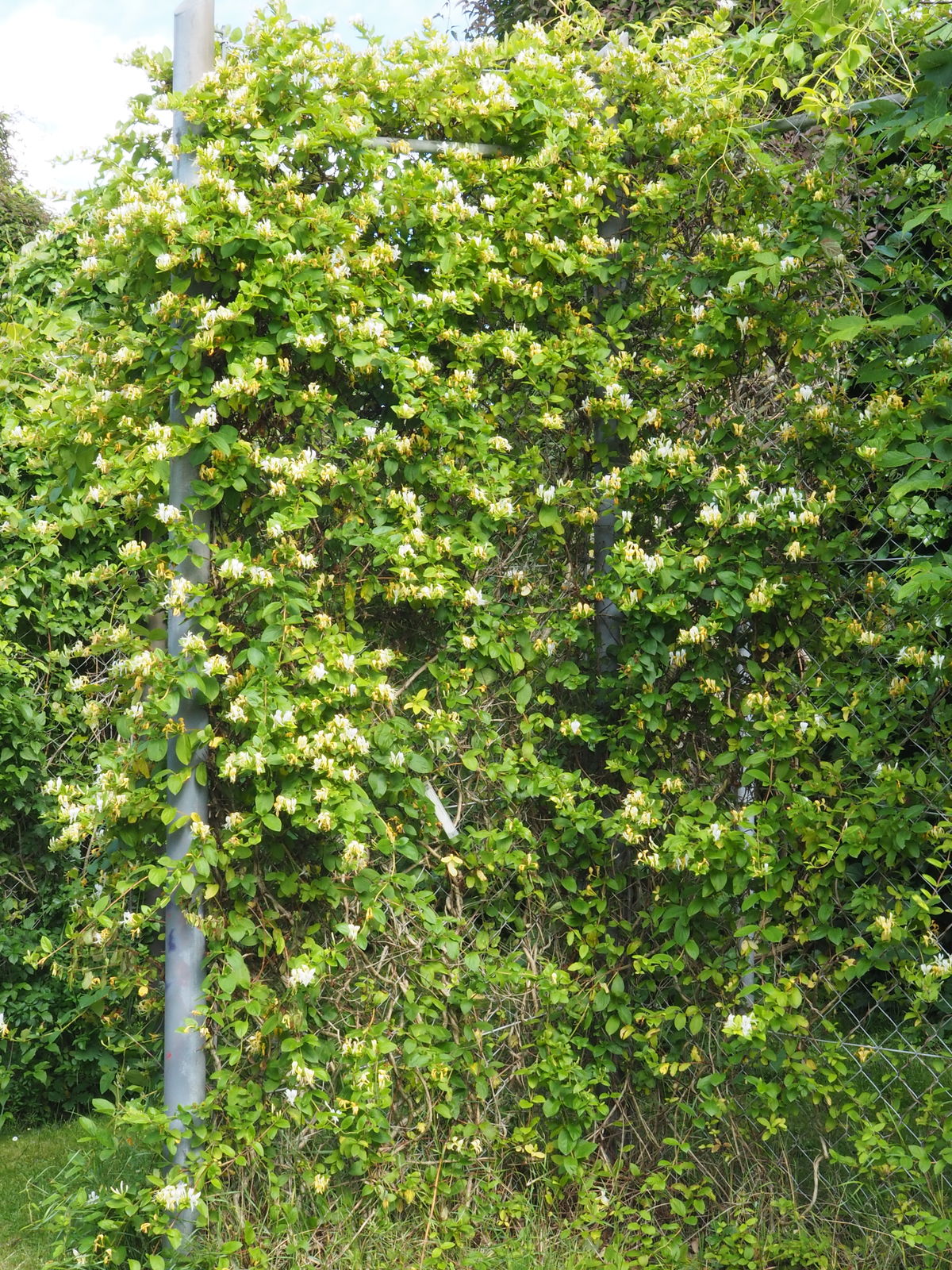
© photo
Stari Plativky · cc0
Justin Williams · cc0
葉子 · cc0
Taken May 5, 2017 by Tela Botanica − Florent BECK (cc-by-sa)
Taken Jun 23, 2022 by Pl@ntNet (cc-by-sa)
Taken May 22, 2021 by Éric MARTINET (cc-by-sa)
Taken Dec 28, 2021 by Villena Rojas Marcelo (cc-by-sa)
Taken Jun 22, 2020 by Dieter Wagner (cc-by-sa)
© copyright of the Board of Trustees of the Royal Botanic Gardens, Kew.




Global distribution
POWO places the native range of Lonicera japonica from China to temperate East Asia, including Japan and the Korean Peninsula. Introduced as an ornamental, it has naturalized in several temperate regions and becomes locally invasive outside its native range, notably in the southeastern United States, New Zealand, and eastern Australia.
- Native3
- Introduced1
- Invasive3
- Japan
- Korea
- Eastern and central China
- United Kingdom
- Southeastern United States
- New Zealand
- Eastern Australia
Hexagons: regions where the plant occurs. Green dots: native range.1
Identity
Japanese honeysuckle (Lonicera japonica Thunb., 1784), described by Carl Peter Thunberg, is a twining vine in the Caprifoliaceae family. POWO accepts this species name and places its native range from China to temperate East Asia, including Japan and the Korean Peninsula. 1 2
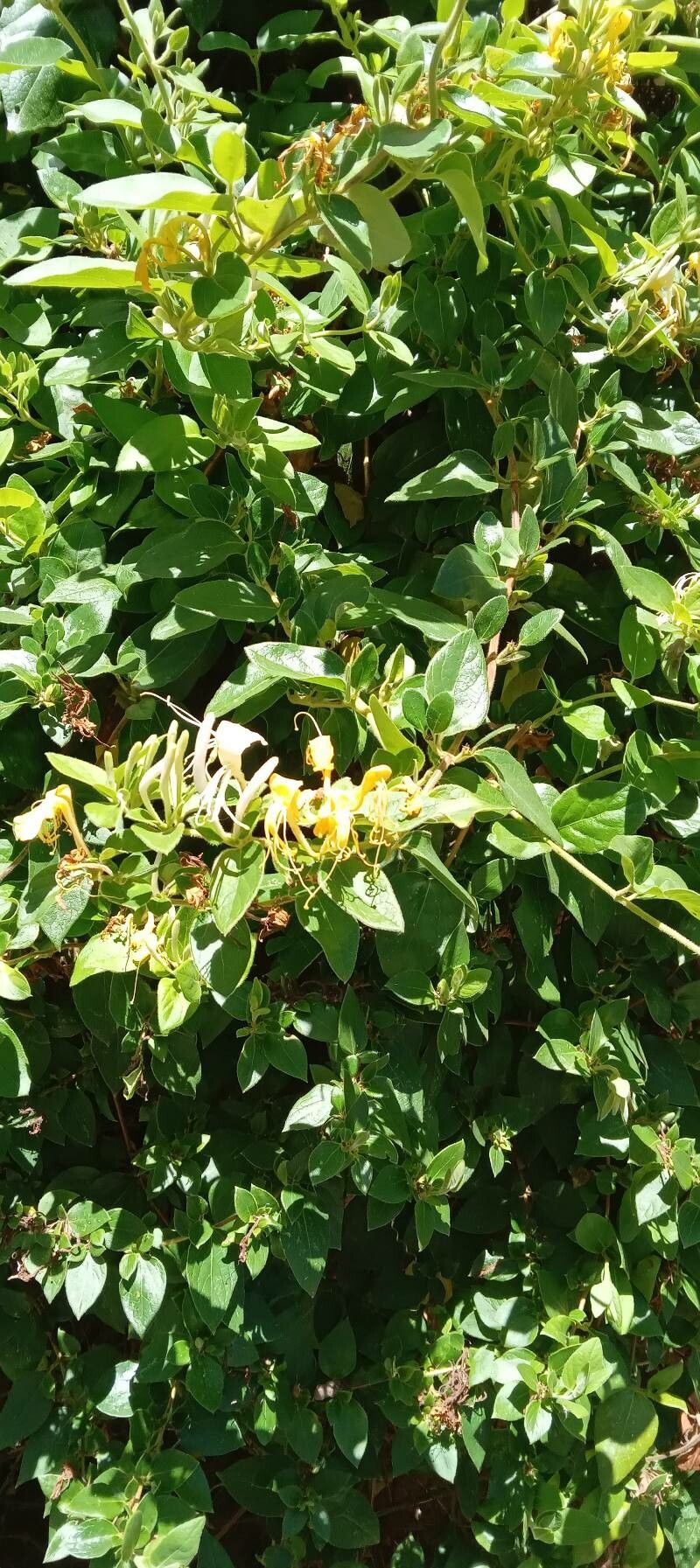
The name golden-and-silver honeysuckle describes a specific color change: flowers open white, then turn creamy yellow within one or two days, so both colors often appear on the same stem. The French trade name chèvrefeuille de Chine, or Chinese honeysuckle, refers here to the cultivar 'Chinensis', with purple-tinged flower buds, rather than to the whole species. 3 8
Recognition
A woody twining vine, Lonicera japonica remains semi-evergreen or evergreen depending on winter severity. Brownish older stems shed their bark in long strips, while young shoots carry a fine covering of hairs. Without a support, the stems trail along the ground and root wherever their nodes touch the soil. 3 5
The oval leaves grow in opposite pairs. Their margins are usually entire, although the earliest spring shoots may carry lobed leaves. Tubular, two-lipped flowers measure 2.5–4 cm (1–1.6 in) and give off a strong nighttime fragrance, most noticeable at dusk when moths are active. 3 5
The round berries, about 7 mm (0.3 in) across, develop in pairs in the leaf axils. They turn from green to red before ripening black. In favorable conditions, the vine climbs 5–9 m (16–30 ft) and covers a trellis within 2–3 years, among the fastest growth rates in the genus Lonicera. A smaller support or a container does not change its twining habit, but the height it reaches remains proportional to the support available. 3
Useful taxonomy
Both hedging shrubs and twining vines belong to the genus Lonicera. Lonicera japonica belongs to the climbing group. Several historical forms and varieties have been described within the species, including Lonicera japonica var. chinensis (P.Watson) Baker and Lonicera japonica f. halliana (Dippel) H.Hara, now included under the accepted name.
The scientific name Lonicera japonica Thunb. provides a stable reference. Trade names such as the French chèvrefeuille de Chine and 'Halliana' refer to horticultural selections, rather than separate species. 1 2
Habitat and range
Scrub, woodland edges, and hills in Japan, Korea, and China form the species’ natural habitat. It grows in varied soils, in full sun or partial shade. Once rooted, it tolerates temperatures of −20 to 38 °C (−4 to 100 °F); its USDA hardiness range is 4–10. This broad climatic tolerance has helped it spread far beyond its native range. 1 5
Ornamental planting has introduced Lonicera japonica to several temperate regions where it has naturalized. It is considered highly invasive in the southeastern United States, spreading through rhizomes, trailing stems, and bird-dispersed seeds. Similar invasive status is reported in New Zealand and eastern Australia. These are regional assessments, rather than a single status applying to every English-speaking reader. 6 3
Its value as a garden plant sits alongside its ability to invade natural habitats. Annual pruning and removal of self-sown seedlings are therefore advised even outside regions where it is officially classified as invasive. 6
Life cycle and flowering
Late spring through summer is the main flowering period, corresponding to May–August in the Northern Hemisphere conditions described. Timing shifts with climate and hemisphere. Flowers open white and turn creamy yellow within one or two days; this change gives the plant its golden-and-silver name and signals the relative maturity of each flower to moths. 3 5
After flowering, berries ripen from green to blue-black, contrasting with foliage that remains green in late summer. Birds eat the fruit and scatter the seeds widely, accelerating colonization beyond the gardens where the vine was planted. 3 6
Garden propagation relies mainly on semi-ripe cuttings or layering stems where they touch the ground. Both root in 2–4 weeks, making establishment faster and more reliable than growing from seed, which requires cold stratification. 5 3
Uses and risks
In China, the dried flower buds, called jin yin hua (金银花, literally gold-and-silver flower), have been used for centuries in traditional medicine for fever, infections, and inflammation. The preparation has appeared in the Chinese pharmacopoeia since 1995 and continues to be studied for antibacterial and antiviral activity. 7
Fresh flowers are also sucked for their sweet nectar or infused as an herbal tea, a popular use distinct from the medicinal use of dried buds. Leaves, stems, and especially berries contain saponins. Eating a large quantity of berries can cause vomiting and digestive upset, particularly in children and curious young animals. 5 3
In temperate gardens, ornamental use predominates over food and medicinal uses. The vine can cover a pergola, fence, or screening hedge where cultivation is appropriate, provided annual pruning is accepted as part of containing its vigor. 3
Varieties, look-alikes and related plants
Four cultivars account for much of the horticultural market described. Halliana is the dominant selection, with flowers that quickly change from white to buttery yellow. Aureoreticulata has gold-veined foliage; Purpurea has purple-tinged young leaves; and Chinensis has purple flower buds and is sold in French-speaking markets as chèvrefeuille de Chine. These four labels identify selections of Lonicera japonica, not separate species. 4 3
Frequent look-alikes include:
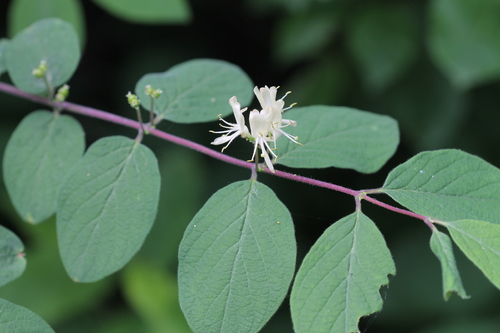
- Lonicera periclymenum, European honeysuckle, with pinker flowers and less expansive behavior outside its native range;
- Lonicera maackii, a shrub rather than a vine, which is also invasive in North America;
- Lonicera sempervirens, a North American vine with orange-red flowers that do not undergo the same pronounced color change.
Overlapping common names make the scientific name the more dependable reference. Climbing or shrubby habit, flower color, and invasive behavior distinguish these four Lonicera species.
Main sources
- Plants of the World Online / Kew, Lonicera japonica Thunb.
- International Plant Names Index, Lonicera japonica
- NC State Extension, Lonicera japonica - Japanese Honeysuckle
- Royal Horticultural Society, Lonicera japonica 'Halliana'
- Plants For A Future, Lonicera japonica
- Maine Natural Areas Program, Lonicera japonica invasive plant profile
- PMC, pharmacology review of Lonicera japonica (Jin Yin Hua)
- Wikidata, Lonicera japonica
Frequently asked questions
Is Japanese honeysuckle invasive in France?
It is not regulated as invasive in France, but its vigor calls for annual pruning and monitoring of self-sown seedlings. It is officially invasive in the southeastern United States, New Zealand, and eastern Australia.
Why do the flowers change color?
Flowers open white and turn creamy yellow within one or two days, a change linked to moth pollination. A single stem often carries both colors at once, hence the name golden-and-silver honeysuckle.
Are the berries poisonous?
The leaves, stems, and berries contain saponins. Eating a large quantity of berries can cause digestive upset, especially in children. Evidence for individual animal species remains limited, so caution is recommended rather than a severe warning.
Does Japanese honeysuckle have traditional uses?
The dried flower buds, called jin yin hua in China, have long been used in traditional Chinese medicine for fever and infections. Fresh flowers are also sucked for their nectar or infused as an herbal tea.
How does it differ from Lonicera periclymenum?
Lonicera periclymenum, European honeysuckle, has pinker flowers and is less expansive outside its native range. Lonicera japonica has white flowers that turn yellow and behaves much more invasively outside Asia.
Should Japanese honeysuckle be planted in a temperate climate?
It grows readily, which is precisely the problem in regions where it is classified as invasive. In a cultivated garden, annual pruning and removal of seedlings reduce the risk of spread into nearby natural habitats.
Similar plants
If you are unsure about a plant’s toxicity, ask a botanist or veterinarian for advice.