
Watermint (Mentha aquatica, )
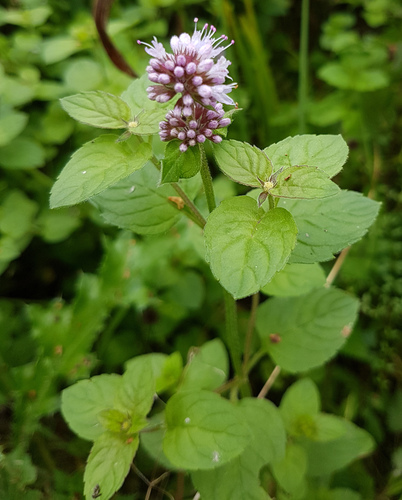
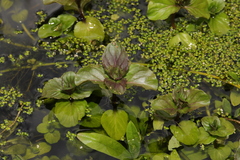
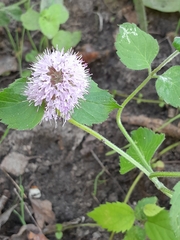
Watermint (Mentha aquatica) is a perennial in the Lamiaceae, native to Europe, North Africa and the Near East as far as the Caucasus. It colonizes stream banks, ditches and shallow water, where upright, square stems bear pink or lilac flowers in rounded terminal clusters. It is also a natural parent of peppermint, which arose through spontaneous hybridization with spearmint (Mentha spicata).
Read moreWatermint and Water mint

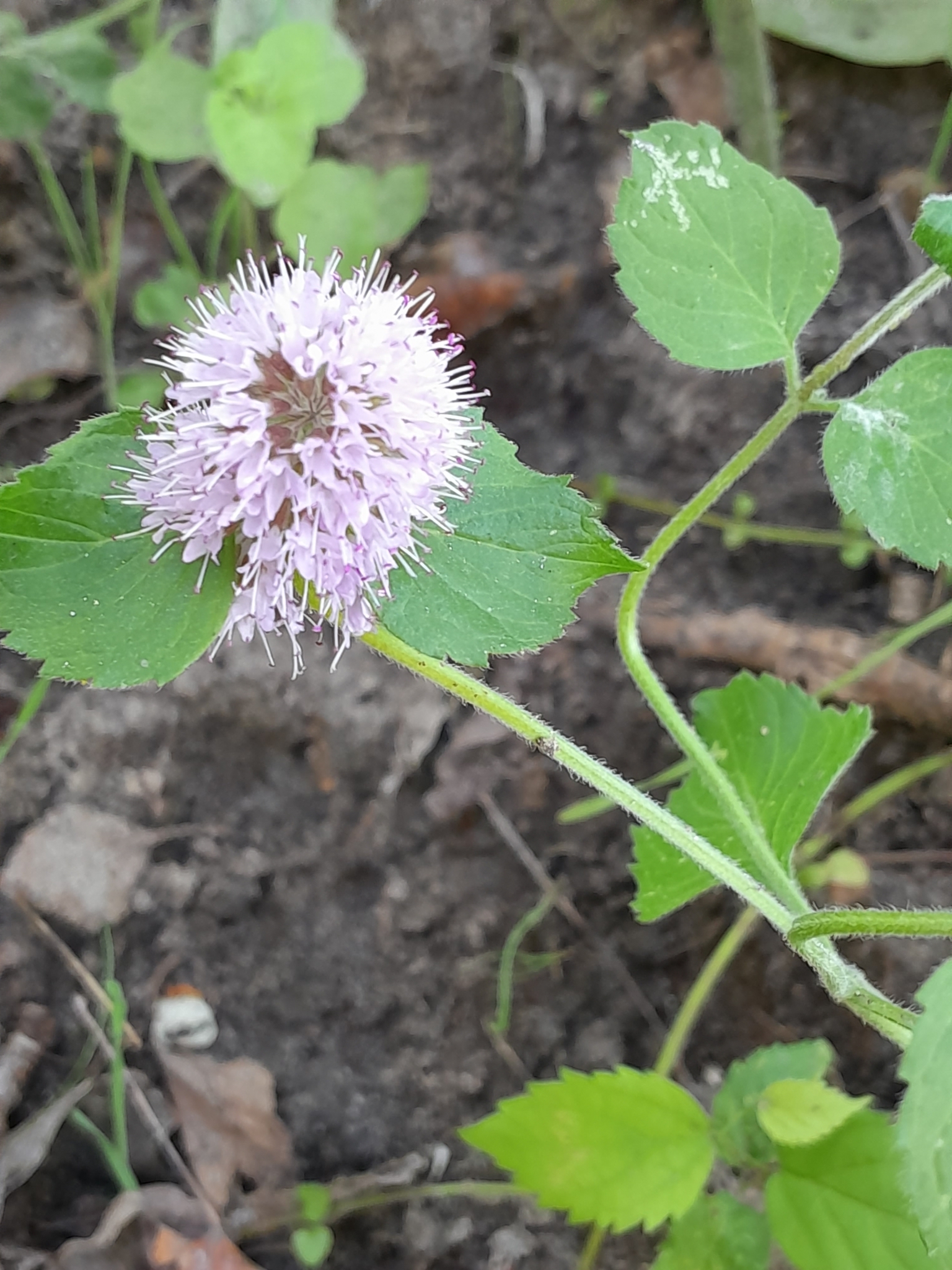


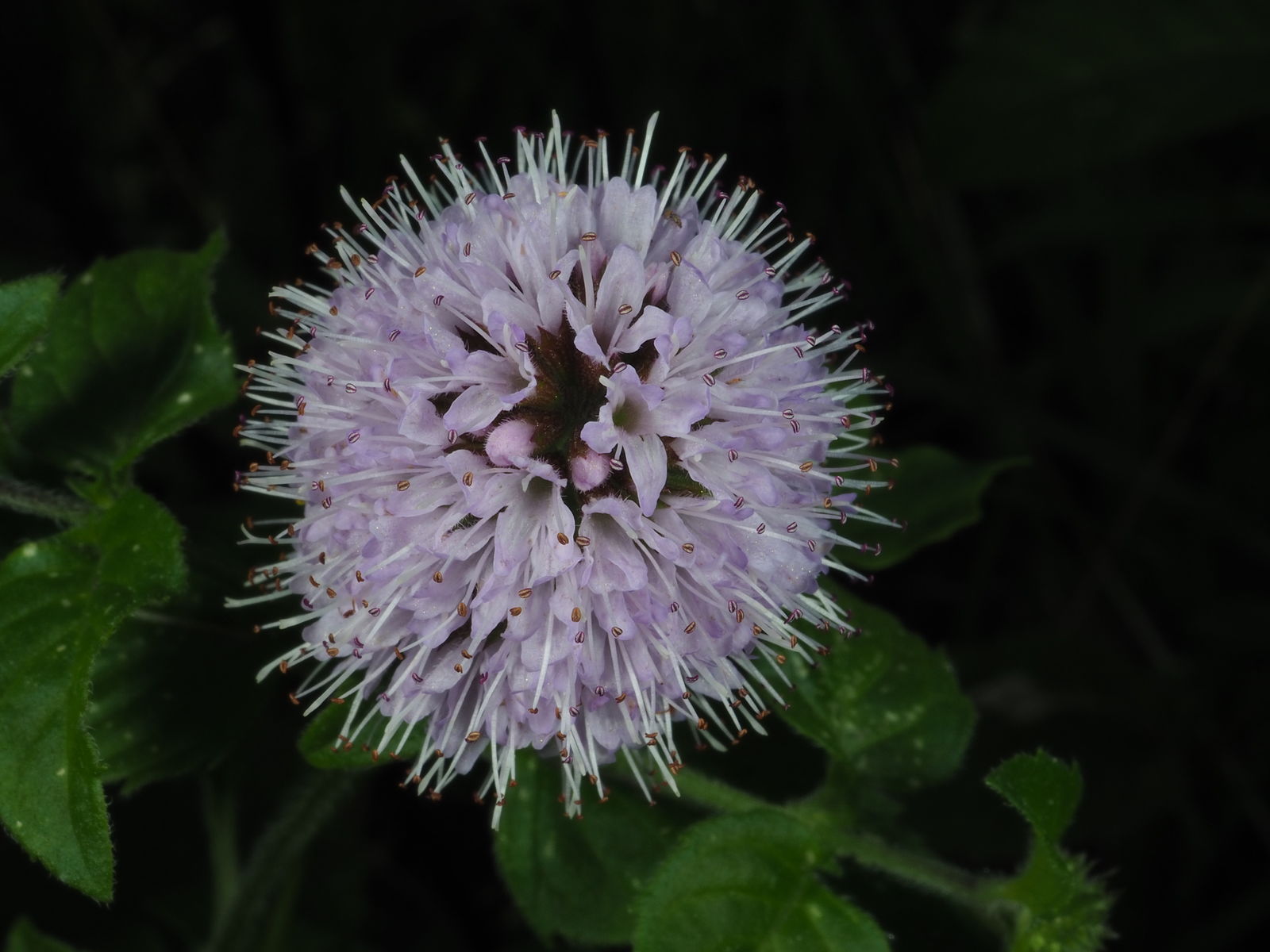
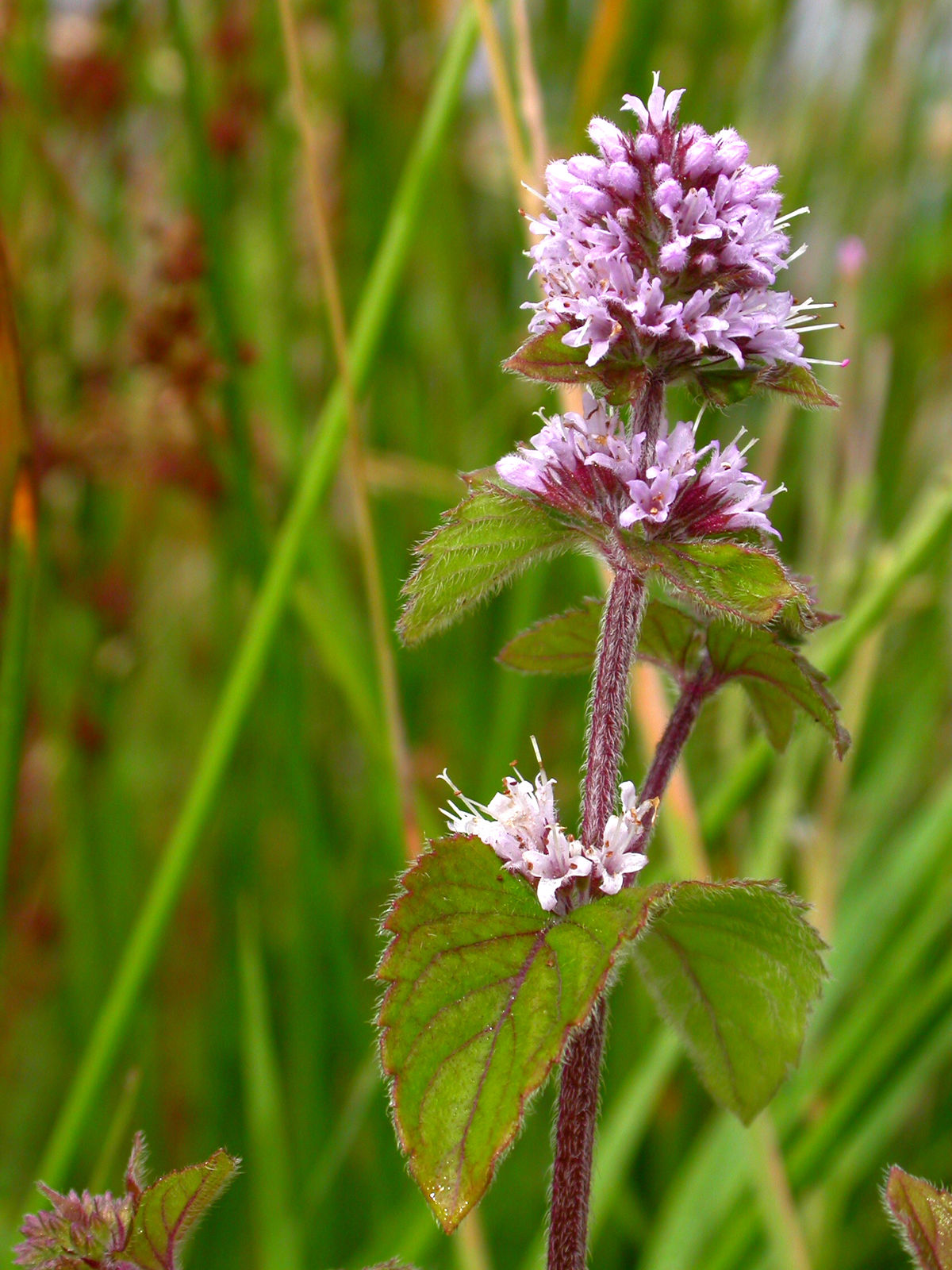
© photo
(c) A Emmerson, some rights reserved (CC BY-NC), uploaded by A Emmerson · cc-by-nc
Stephen James McWilliam · cc0
ÖkopatóPál · cc0
Taken Jul 28, 2021 by cscoq (cc-by-sa)
Taken Aug 8, 2020 by Engel Ralf (cc-by-sa)
Taken Sep 1, 2020 by Giode Tonpino (cc-by-sa)
Taken Aug 11, 2019 by Lawrence Jones-Walters (cc-by-sa)
Taken Sep 17, 2022 by Tristan Jaton-Maria (cc-by-sa)
© copyright of the Board of Trustees of the Royal Botanic Gardens, Kew.


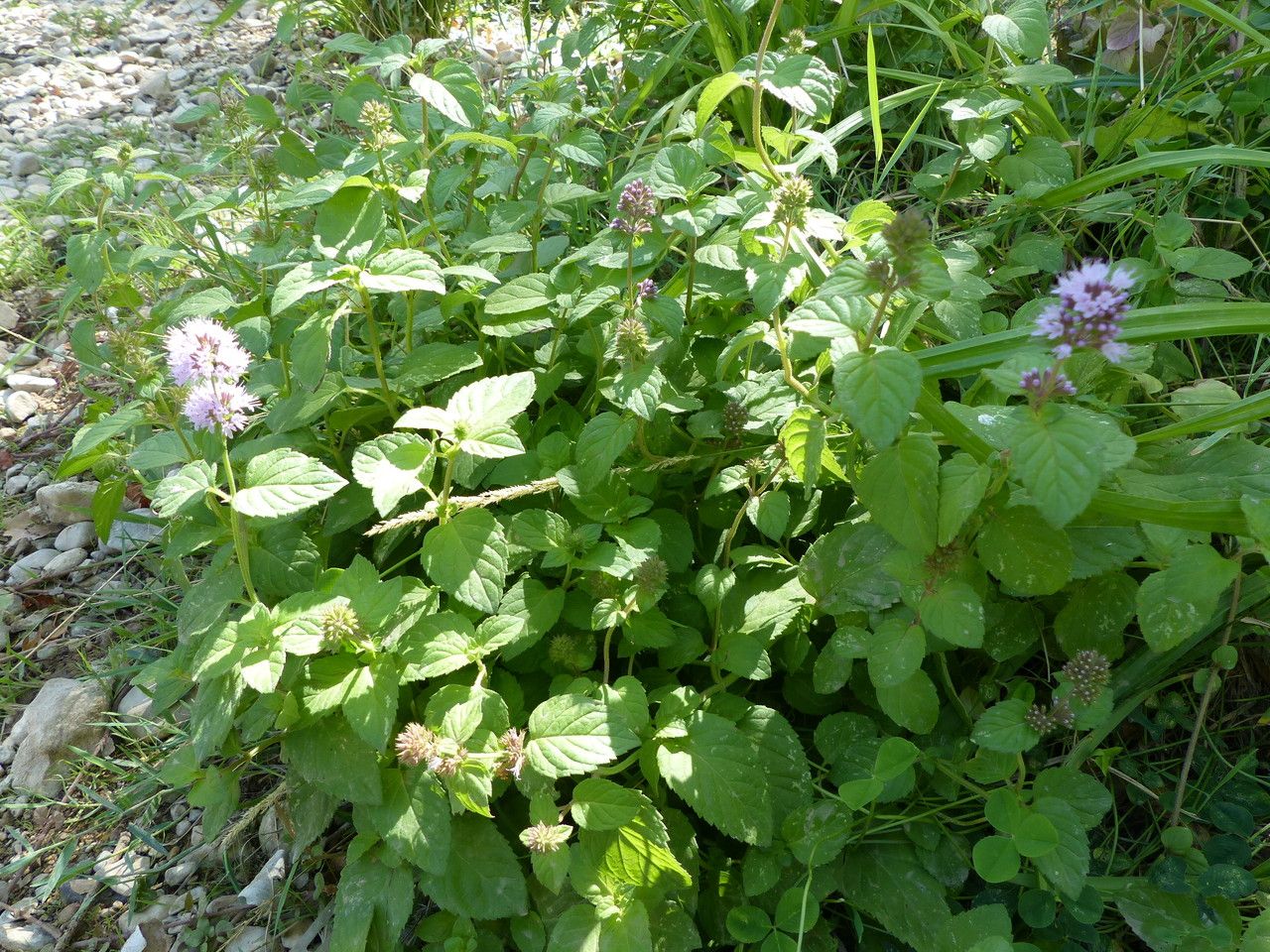


Global distribution
The native range of Mentha aquatica covers Europe, North Africa and the Near East, extending to the Caucasus and temperate western Asia. Widely cultivated and escaped from gardens, it has also become naturalized outside this range in New Zealand, Iceland and some U.S. states, without being classified there as a weed of concern.
- Native5
- Introduced3
- France
- United Kingdom
- Germany
- Morocco
- Turkey
- New Zealand
- Iceland
- United States
Hexagons: regions where the plant occurs. Green dots: native range.1
Identity
Watermint (Mentha aquatica L., 1753), also called water mint, is a perennial in the genus Mentha, family Lamiaceae. 1 Unlike spearmint or peppermint grown in an herb garden, water mint roots directly in water or on a waterlogged bank, at depths of 15–25 cm (6–10 in). This habitat is a more reliable field clue than its scent. 2
Its importance extends beyond being an aromatic pondside herb. It is a natural parent of peppermint (Mentha × piperita), which arose through spontaneous hybridization with spearmint (Mentha spicata). Many garden mints therefore owe part of their genetic heritage to this wetland plant. 3
Recognition
An upright to ascending clump is supported by robust, hairy stems that are square in cross section and often tinged purple. Clumps commonly reach 20–75 cm (8–30 in), with reports of vigorous plants reaching 90 cm (35 in) when established in shallow water. 2 3
Opposite, toothed leaves range from oval to lance-shaped and release a pronounced minty fragrance when crushed. Flowers open in summer and continue into early fall. They form a dense, pink or lilac rounded terminal head, sometimes accompanied by one to four whorls in the axils of the upper leaves. This cluster at the stem tip separates water mint from the simply spaced whorls along the stem that characterize most other wild mints. 2
Useful taxonomy
Variation within Mentha and the ease with which its species hybridize have long complicated classification. Successive revisions gave Mentha aquatica many names that are now treated as synonyms:
- Mentha hirsuta Huds., a historical synonym
- Mentha palustris Mill.
- Mentha citrata Ehrh.
- Mentha hybrida Aresch.
- Mentha stagnalis Topitz
The name Mentha citrata retains a practical use: it refers to the cultivated variety sold as eau de Cologne mint, with a lemony fragrance resembling bergamot. The accepted name, Mentha aquatica, remains the stable taxonomic reference. 1 5
Habitat and range
Europe, North Africa and the Near East form the native range, which extends to the Caucasus and temperate western Asia. 1 In France, where it is widespread, water mint is recorded among the native plants of wetlands. 6
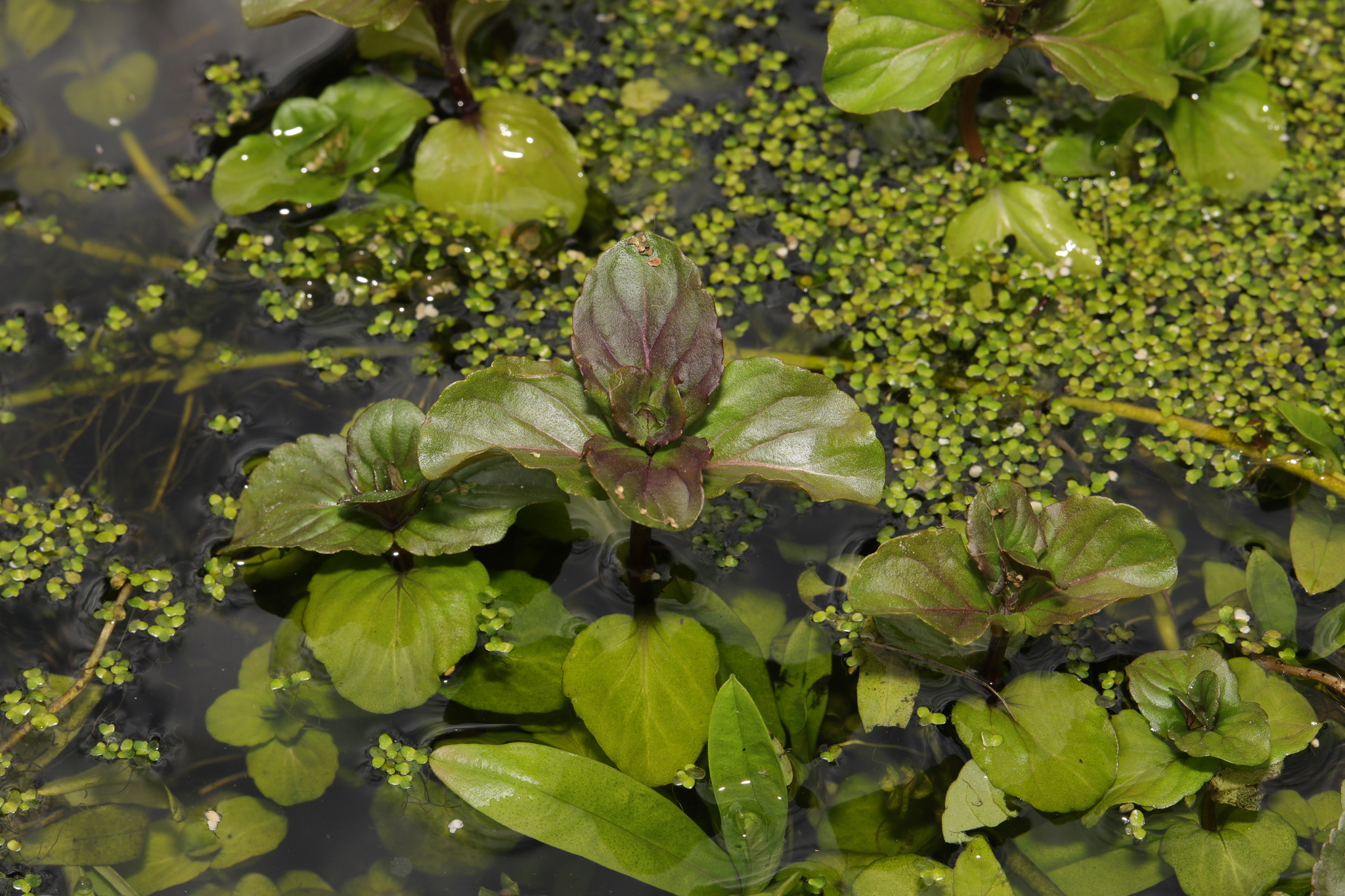
Water mint colonizes stream banks, ditches, marshes and shallow water to a depth of about 15–25 cm (6–10 in). Unlike most garden mints, it tolerates permanently submerged roots in conditions that would rot rosemary or lavender. It consequently acts as a pioneer of waterlogged ground. 3 2
Cultivation as an ornamental or aromatic herb has allowed it to become naturalized beyond its native range in several temperate regions, notably New Zealand, Iceland and some U.S. states, without being reported there as a weed of concern. 5 In Britain and Ireland it is widespread almost everywhere except the far north of Scotland, occurring along rivers, in peat bogs and in drainage ditches alike. 7
Life cycle and reproduction
Summer flowers draw many bees and other pollinators to the pink or lilac terminal head. After pollination, each flower produces a schizocarp that separates into four small nutlets. 2
Gardeners generally propagate it by dividing a clump or a rooted rhizome in spring, then replanting directly on a wet bank or in a submerged basket. Stem cuttings root just as readily in water. 3
Spreading rhizomes rapidly occupy available waterlogged ground. The same habit lets a plant cover a pond margin in one or two seasons, but calls for containment in a garden: otherwise, it eventually spreads into the neighboring wet bed. 5
Uses and risks
Traditional uses center on the dried leaves and essential oil, used in herbal teas for digestive complaints and as repellents against certain insects. 3
Like most mints, the species is classified as toxic to cats, dogs and horses: substantial ingestion of the essential oil causes vomiting and diarrhea. 4 The essential oil is rich in menthofuran, a compound associated with liver toxicity at high doses. It should never be consumed in concentrated form. 3
Varieties, look-alikes and related plants
Few stable cultivars exist within this species. Citrata, sold as eau de Cologne mint, differs chiefly in its lemony, bergamot-like scent rather than its morphology. Crispa and Mandeliensis remain horticultural selections with curly foliage or compact growth, offered for pond cultivation. 2
The plants most often confused with it in the field are:
- Mentha spicata, spearmint, with an elongated terminal spike rather than the rounded head of water mint;
- Mentha × piperita, peppermint, the hybrid between water mint and spearmint, with stems that are often more purple;
- Mentha arvensis, field mint, which has no terminal flower head, unlike water mint. 7
In practice, the setting identifies the plant more reliably than spike shape or stem color. A mint with roots permanently standing in water and flowers gathered in a rounded head at the stem tip almost always corresponds to Mentha aquatica, rather than a garden mint that has escaped onto a bank. 6
Main sources
- Plants of the World Online / Kew, Mentha aquatica L.
- Royal Horticultural Society, Mentha aquatica - water mint
- Plants For A Future, Mentha aquatica database entry
- ASPCA, Mint (Mentha sp.) toxicity entry
- USDA GRIN Global, Mentha aquatica taxonomy detail
- INPN / MNHN, Mentha aquatica L. species profile
- First Nature, Mentha aquatica - water mint
Frequently asked questions
Is water mint toxic?
Like most mints, it is classified as toxic to cats, dogs and horses because of its essential oil, with vomiting and diarrhea possible after substantial ingestion. Its oil is rich in menthofuran, a compound associated with liver toxicity at high doses; it should never be consumed in concentrated form.
Is water mint the same plant as peppermint?
No, but it is one of its natural parents. Mentha × piperita arose through spontaneous hybridization between water mint and spearmint; the three remain botanically distinct.
Where does water mint grow?
It colonizes stream banks, ditches, marshes and shallow water, to a depth of 15–25 cm (6–10 in). It is one of the few members of the Lamiaceae able to root directly in water.
Can water mint grow outside water?
It tolerates soil that is simply moist to wet, but flowers and spreads less freely than on a waterlogged bank or in a submerged basket. A growing medium whose surface regularly dries out eventually weakens it.
How can I distinguish water mint from other wild mints?
Its almost invariably aquatic habitat and flowers gathered in a rounded terminal head, rather than spaced whorls along the stem, are the most reliable field clues.
Is water mint invasive?
It has become naturalized outside its native range, notably in New Zealand, Iceland and some U.S. states, without being classified there as a weed of concern. In France, where it is native, it is not considered invasive.
What do Citrata and eau de Cologne mint mean?
Citrata is a cultivated variety of Mentha aquatica, sold under the horticultural name eau de Cologne mint for its lemony, bergamot-like fragrance. It is not a separate species.
Similar plants

If you are unsure about a plant’s toxicity, ask a botanist or veterinarian for advice.