
Pennyroyal (Mentha pulegium, )
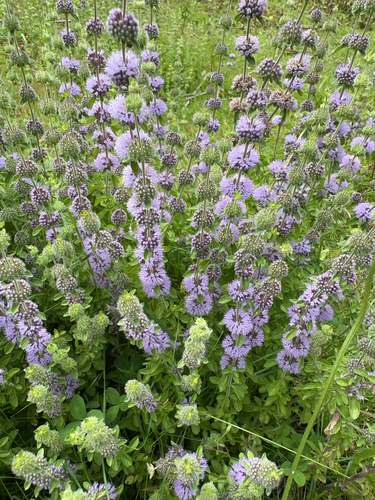
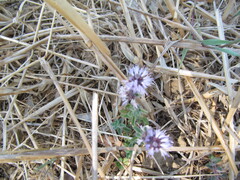
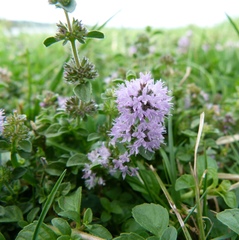
Pennyroyal (Mentha pulegium) is a spreading perennial in the Lamiaceae, native to Europe, the Mediterranean basin and North Africa. It colonizes waterlogged ground and stream banks, where stems that first lie along the ground and then rise bear small mauve flowers in whorls in the leaf axils.
Read morePennyroyal and European pennyroyal
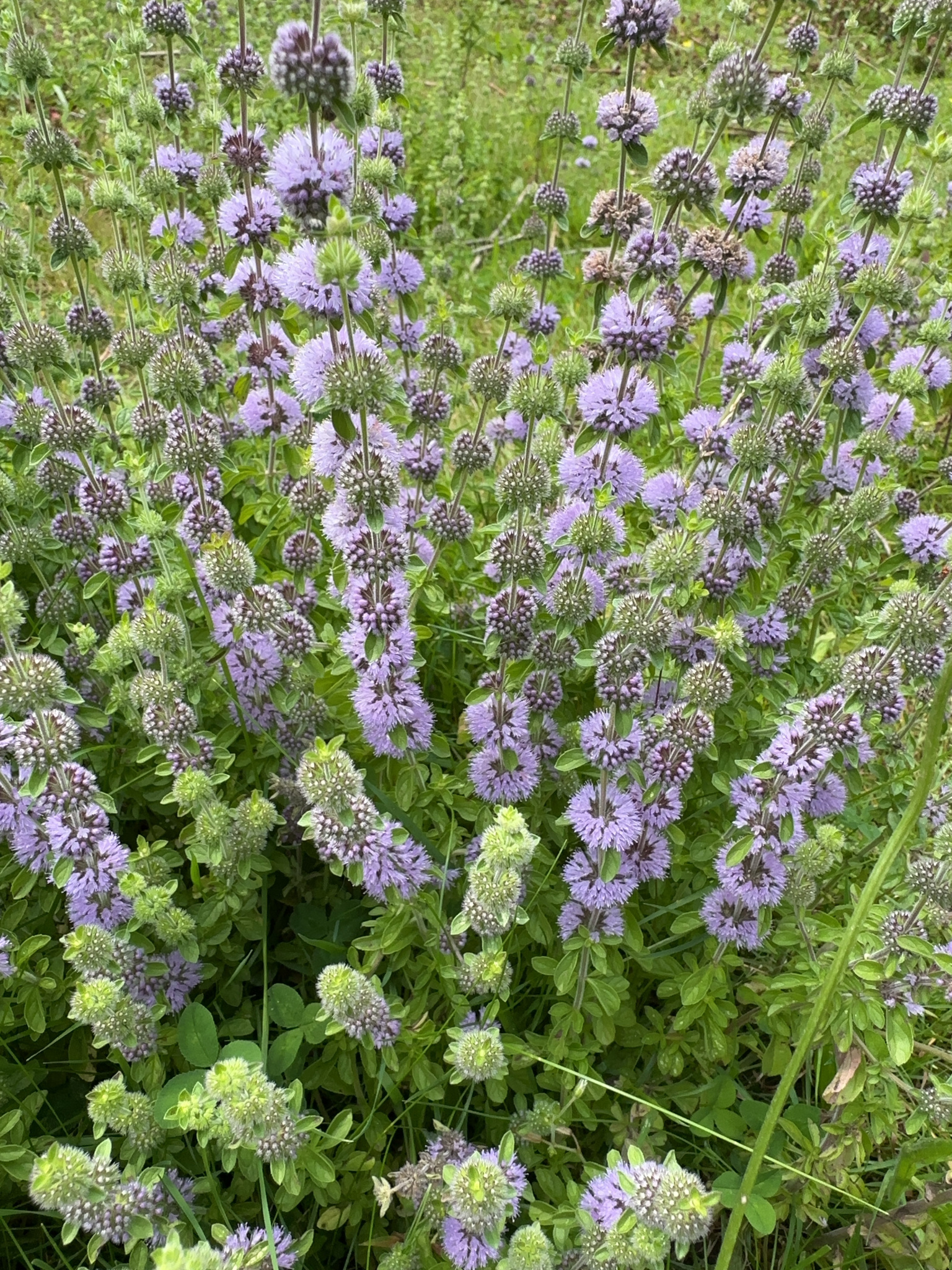
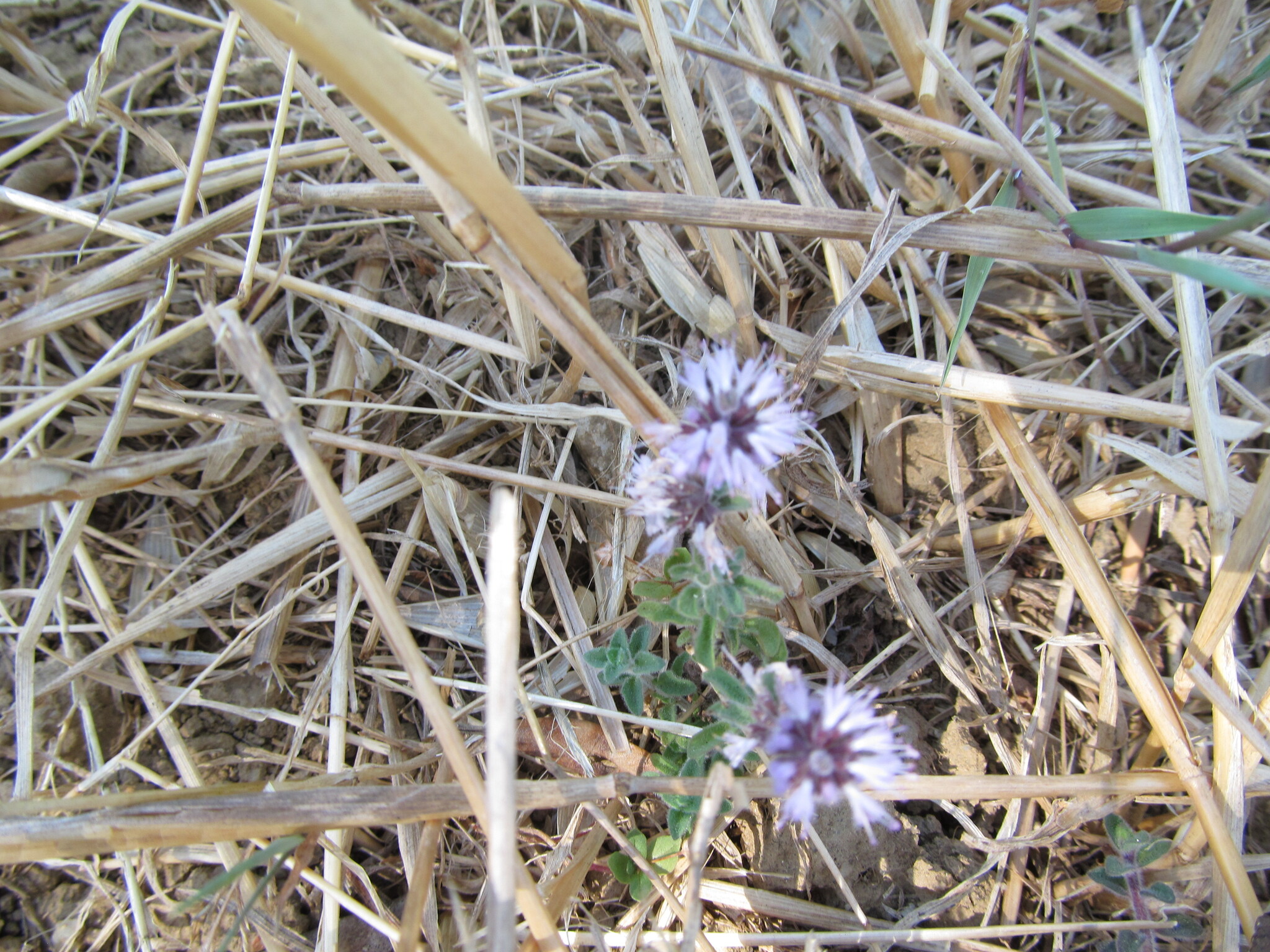
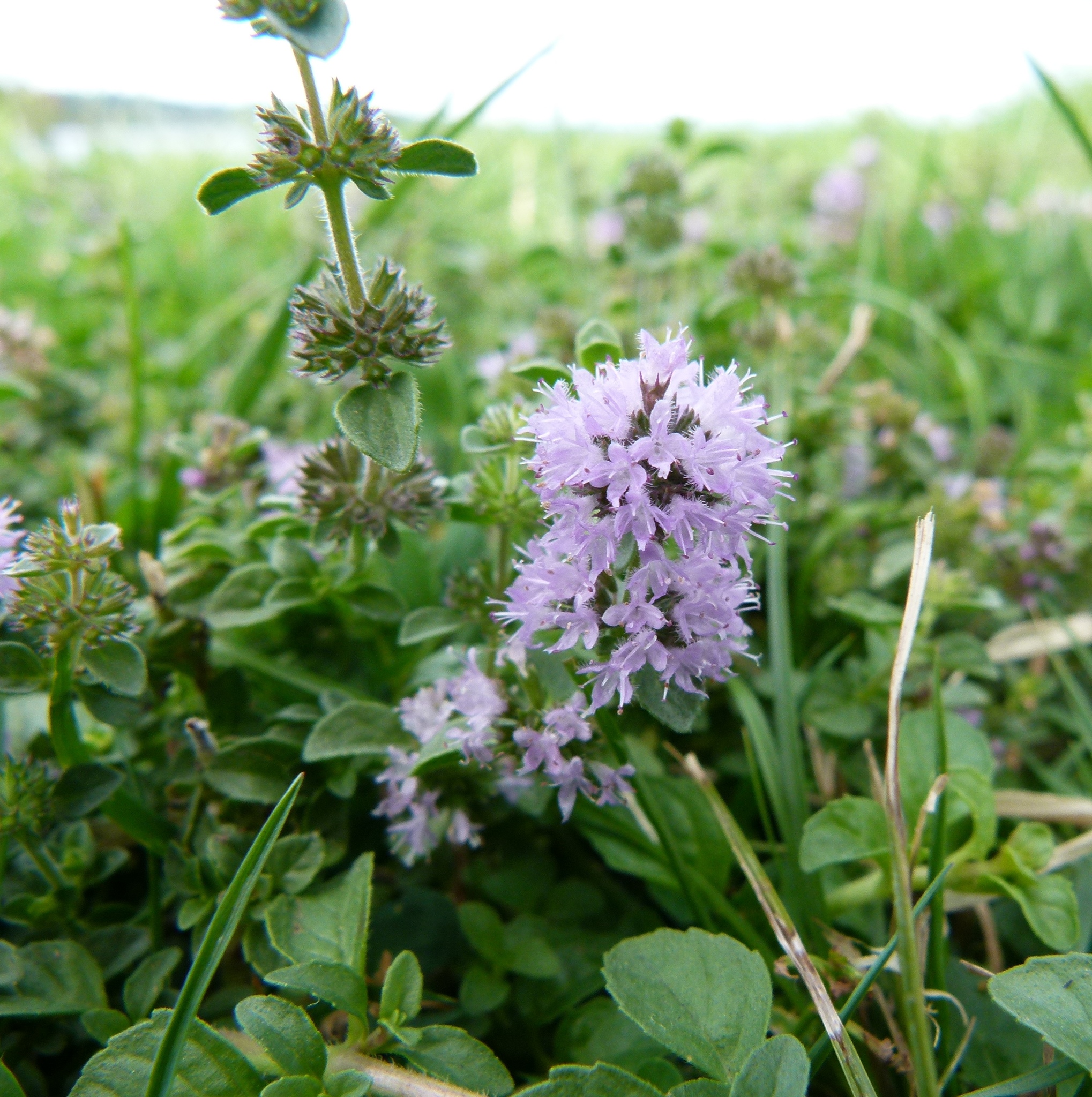


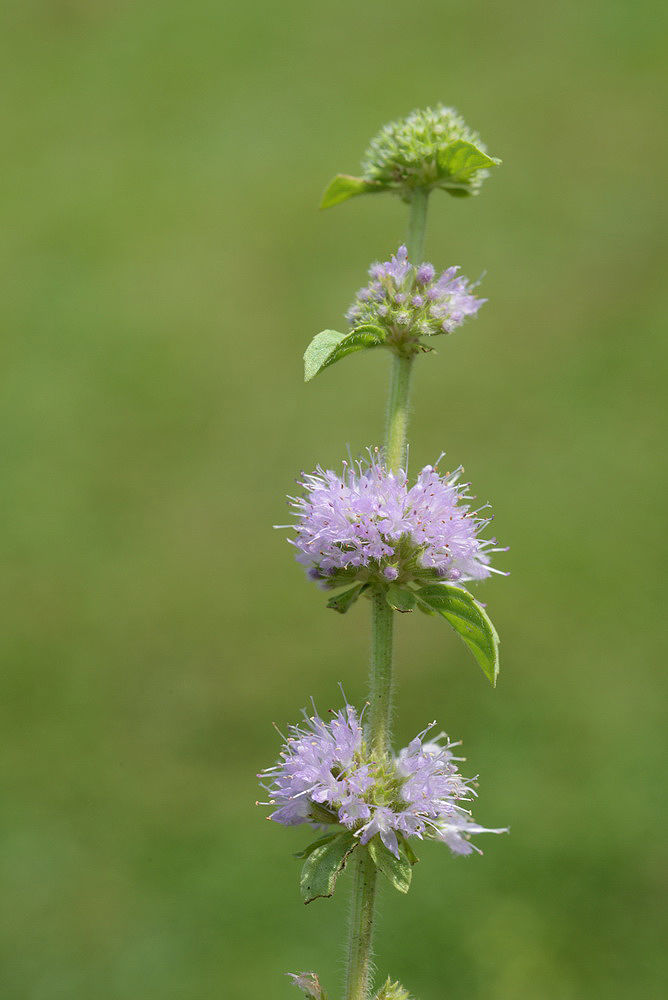
© photo
(c) dodger93, some rights reserved (CC BY-NC) · cc-by-nc
zebedeugalinha · cc-by
iNaturalist User · cc-by
Taken Aug 23, 2019 by indipiku (cc-by-sa)
Taken Sep 2, 1877 by Tela Botanica − Herbier PONTARLIER-MARICHAL (cc-by-sa)
Taken Aug 20, 2015 by Tela Botanica − Florent BECK (cc-by-sa)
Taken Aug 17, 2014 by Tela Botanica − Dominique REMAUD (cc-by-sa)
Taken Jul 7, 2015 by Tela Botanica − Jorge Costa (cc-by-sa)
© copyright of the Board of Trustees of the Royal Botanic Gardens, Kew.




Global distribution
The native range of Mentha pulegium covers Europe, the Mediterranean basin and North Africa, extending to northern Iran and northern Ethiopia. Widely cultivated as an aromatic and medicinal plant, it has become naturalized beyond this range. In California it is classified as a noxious weed and colonizes wetlands at the expense of local flora.
- Native6
- Introduced3
- Invasive1
- France
- Spain
- Italy
- Greece
- Morocco
- Turkey
- Australia
- New Zealand
- Argentina
- United States (California)
Hexagons: regions where the plant occurs. Green dots: native range.1
Identity
Pennyroyal (Mentha pulegium L., 1753), also called European pennyroyal, is a perennial in the genus Mentha, family Lamiaceae. Unlike spearmint and peppermint grown for cooking, pennyroyal retains a traditional role as an insect repellent and tolerates much wetter soil than garden mints. 1 2
The epithet pulegium comes from the Latin pulex, meaning flea. Dried leaves were once used to repel fleas in bedding and homes, a use that gave rise to the English name mosquito plant. This traditional repellent use conceals a now-documented risk: pennyroyal essential oil causes liver damage in cats and dogs, even at low doses. 4
Recognition
Growth habit varies from low, prostrate mats to upright, loosely shrubby clumps, depending on soil moisture. Prostrate stems root at every node touching waterlogged growing medium, promoting complete colonization of wet ground in 2–4 months. 7 3
Plants generally stand 10–50 cm (4–20 in) tall, noticeably shorter than most garden mints. The small, oval, opposite leaves release a strong minty scent when crushed, sharper and more pungent than that of culinary mints. 3
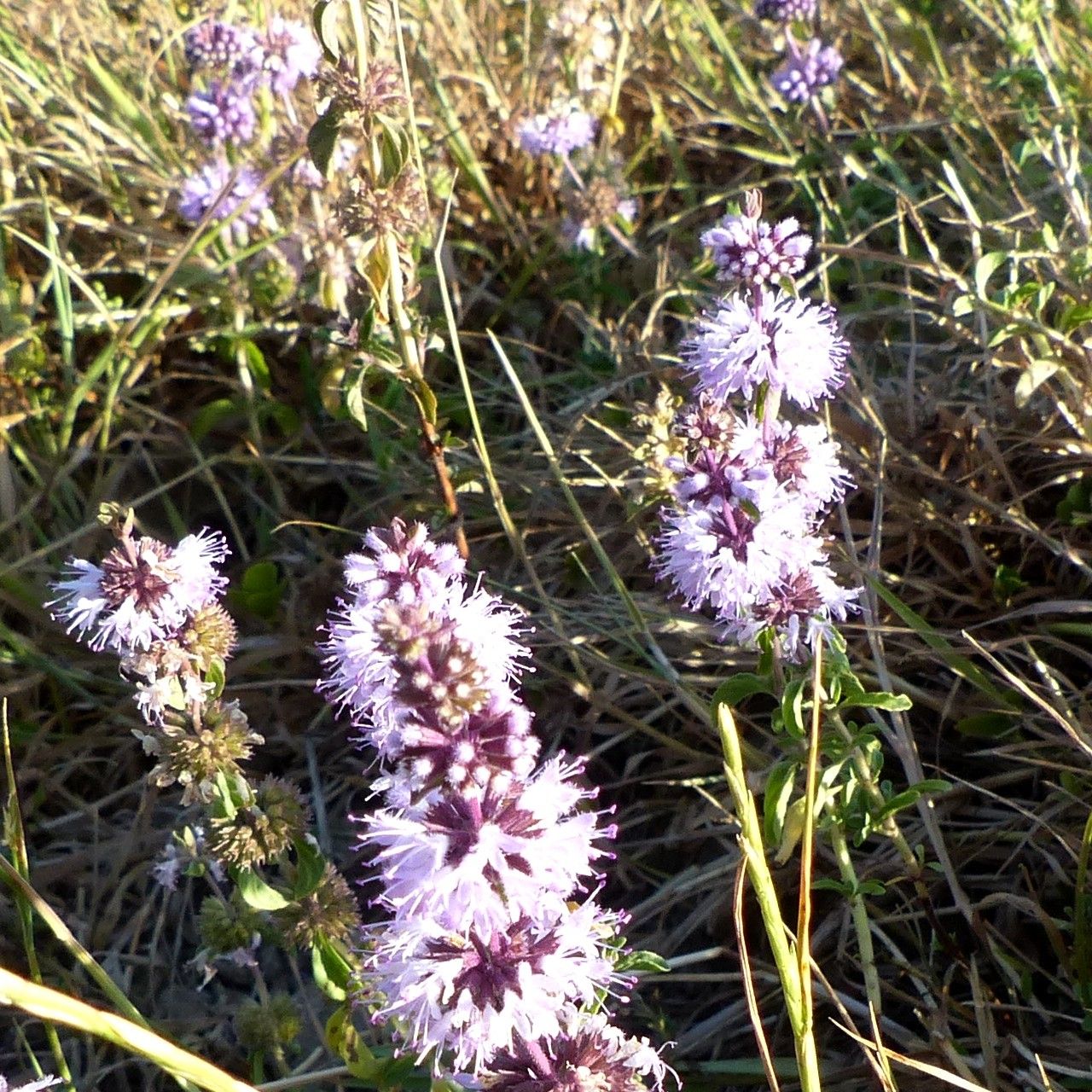
Tiny mauve to pinkish flowers measure just 4–6 mm (0.16–0.24 in). Dense whorls gather in the axils of the upper leaves, opening in summer and sometimes continuing into early fall. 3
Useful taxonomy
Many species and hybrids in Mentha, family Lamiaceae, look very similar in the field. Mentha pulegium was long assigned names placing it in a separate genus, Pulegium, before being returned to Mentha. Five obsolete synonyms preserve that older classification:
- Mentha gibraltarica Willd., an obsolete synonym
- Mentha pulegioides Dumort., another historical name
- Mentha tomentella Hoffmanns. & Link, an older synonym
- Pulegium vulgare Mill., a name in the former genus
- Melissa pulegium (L.) Griseb., a historical placement in Melissa
This late transfer between genera explains why some older works, particularly Mediterranean regional floras, still cite Pulegium as though it were a valid genus. The accepted scientific name, Mentha pulegium, remains the stable reference rather than these historical names. 1 2
Habitat and range
Europe, the Mediterranean basin and North Africa form its native range, which extends to northern Iran and northern Ethiopia. 1 It occupies seasonally flooded soils, ditches, banks, wet meadows and temporary pools rather than the dry ground colonized by other mints. 7
Long cultivated as an aromatic and medicinal plant, it has escaped from gardens and become naturalized beyond its original range in North America, Australia, New Zealand and South America. 2
In California, pennyroyal occurs in the Sierra foothills, Central Valley and most coastal counties, usually below 500 m (1,640 ft). It is described as a noxious weed there, with a moderate but poorly documented invasive impact. Its ecological impacts remain poorly documented: it prospers in habitats once dominated by native plants, including vernal pools, suggesting that it may have displaced some species. 7
Life cycle and reproduction
Summer flowering draws bees and butterflies to the small mauve flowers gathered in whorls. After flowering, each flower produces a schizocarp that separates into four small nutlets. 3
Garden propagation relies mainly on dividing clumps or rooted stolons in spring or fall, then replanting directly in wet soil. Stem cuttings root just as quickly in water. 3
Unchecked, spreading stolons rapidly occupy the available wet ground. The same habit that makes pennyroyal useful for covering a garden pond margin explains its invasive behavior in some wetlands outside Europe. 7
Uses and risks
Traditional uses center on the essential oil and dried leaves, used in herbal teas for digestive complaints and as repellents against fleas and mosquitoes. 4
These traditional uses are now strongly discouraged. Pennyroyal essential oil contains pulegone, a liver-toxic compound active at very low doses and responsible for sometimes fatal human poisoning. 4 In cats and dogs, ingestion or even skin contact causes severe liver damage, with vomiting, lethargy, internal bleeding and, in severe cases, death. Cats are particularly sensitive because their liver enzymes have a limited ability to metabolize the oil. 5 6
Horses are also among the animals sensitive to pulegone. Concentrated preparations are toxic to humans, particularly during pregnancy because of the documented abortifacient effect. Health authorities also discourage use by people with liver or kidney disorders or epilepsy, as the margin between an active and a dangerous dose remains narrow. 6 4
Varieties, look-alikes and related plants
Few stable horticultural cultivars exist within this species. 'Upright' denotes an upright rather than creeping form, while Greek form and 'Cunningham Mint' remain sales labels without a botanical status distinct from the typical plant. 3
Field identification most often risks confusion with:
- Mentha arvensis, field mint, growing in less consistently wet soil;
- other small, mauve-flowered wetland Lamiaceae when they are not flowering at the same time;
- young culinary mint plants, before their characteristic scents become clearly distinguishable.
The setting remains the decisive clue. A small, low-growing mint with a pungent scent and roots in permanently waterlogged soil corresponds to Mentha pulegium, rather than an escaped garden mint with taller growth and a drier original habitat.
In gardens, this same vigorous rooting calls for containment in a buried container or a clearly bounded pond margin. Otherwise, the stolons eventually spread into neighboring beds within one or two seasons.
Main sources
- Plants of the World Online / Kew, Mentha pulegium L.
- USDA GRIN Global, Mentha pulegium taxonomy detail
- Royal Horticultural Society, Mentha pulegium - pennyroyal
- Plants For A Future, Mentha pulegium database entry
- PetMD, Pennyroyal Oil Poisoning in Cats
- PetMD, Pennyroyal Oil Poisoning in Dogs
- California Invasive Plant Council, Mentha pulegium profile
- IUCN Red List, Mentha pulegium assessment
Frequently asked questions
Is pennyroyal toxic?
Yes, particularly as an essential oil. Its pulegone is liver-toxic to cats, dogs, horses and humans. Very small amounts of pure essential oil can cause severe liver damage.
Can pennyroyal still be used in herbal tea?
Traditional use in tea is documented, but modern health authorities advise against using the essential oil and recommend caution with any concentrated preparation, particularly during pregnancy because of its documented abortifacient effect.
Why does pennyroyal grow near water?
It is a wetland indicator adapted to seasonally flooded soils such as ditches, banks and temporary pools. Unlike most mints, it tolerates permanently waterlogged ground.
Is pennyroyal invasive?
In California it is classified as a noxious weed and colonizes wetlands, sometimes at the expense of native vernal-pool plants. In France, where it is native, it is not considered invasive.
How can I distinguish pennyroyal from other wild mints?
Its small size, often prostrate growth and sharp, pungent scent distinguish it from culinary mints. Its almost invariable occurrence in waterlogged soil remains the most reliable field clue.
Where does the name pulegium come from?
It comes from the Latin pulex, meaning flea, referring to the former use of the dried plant as a flea repellent. The name has no connection with the plant’s botanical appearance.
Similar plants

If you are unsure about a plant’s toxicity, ask a botanist or veterinarian for advice.