
European wood-sorrel (Oxalis acetosella, )
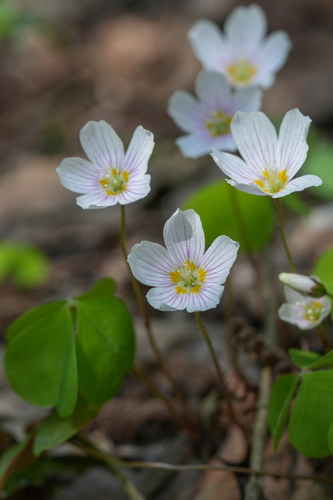
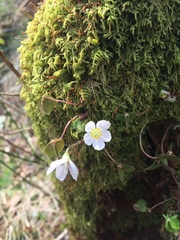
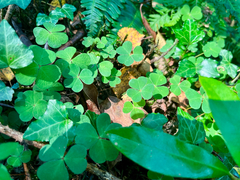
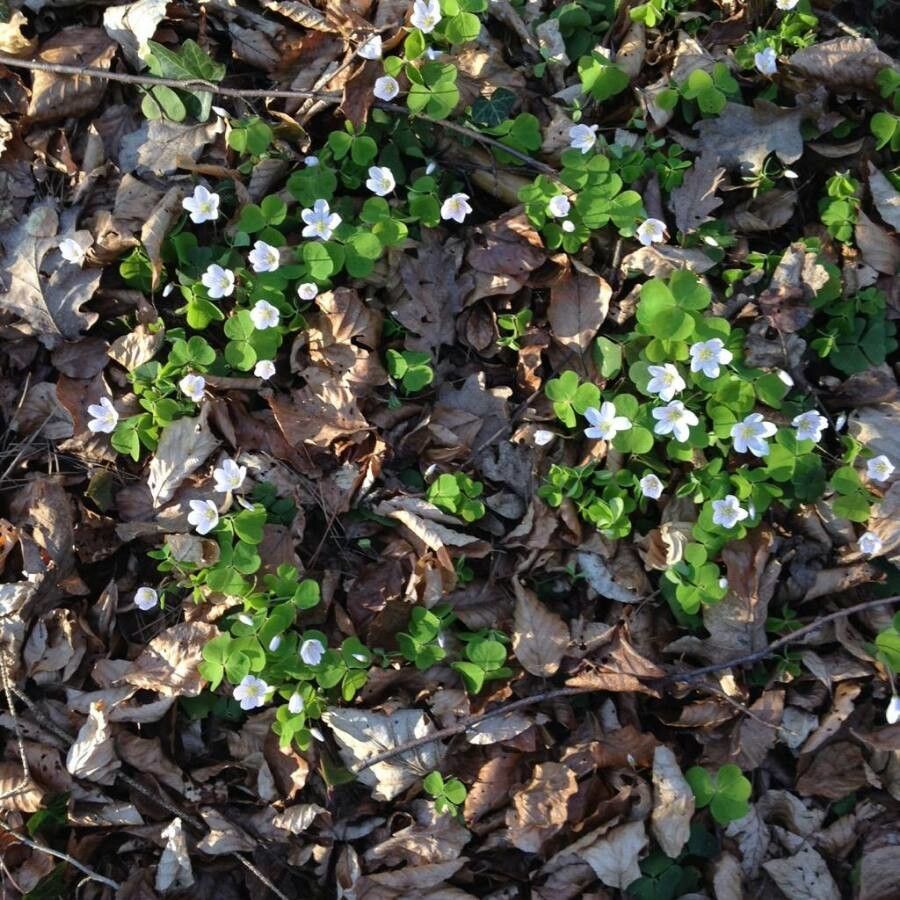
European wood-sorrel (Oxalis acetosella) is a low, stemless herbaceous perennial in the Oxalidaceae, found in cool woodlands across Europe and temperate Asia to Japan. Its three heart-shaped leaflets fold twice daily, while solitary white flowers carry fine lilac veins.
Read moreEuropean wood-sorrel, Wood sorrel and Common wood-sorrel
Place in indirect light or in a shaded room.
Shade to light partial shade, never direct sun


© photo
(c) Татьяна Химера, some rights reserved (CC BY-NC), uploaded by Татьяна Химера · cc-by-nc
John Kenrick Gibson · cc0
Kieran Roy Powell · cc0
Taken May 18, 2019 by Kate Senatskaya (cc-by-sa)
Taken Apr 27, 2019 by Kater Billa (cc-by-sa)
Taken Apr 4, 2020 by Dieter Wagner (cc-by-sa)
Taken Apr 18, 2018 by Aitor Pérez de Lezeta Leiun (cc-by-sa)
© copyright of the Board of Trustees of the Royal Botanic Gardens, Kew.




Global distribution
POWO places the native range of Oxalis acetosella from Europe to Japan, with an isolated extension into Algeria. In Europe it reaches from Iceland and northern Scandinavia to the mountains of central Spain, Italy and Greece, remaining rare near the Mediterranean coast. Tela Botanica and INPN record it across almost all of France on siliceous soils, less commonly in the south. The North American plant once treated as a circumpolar subspecies is now separated as Oxalis montana.
- Native8
- Metropolitan France
- Great Britain and Ireland
- Iceland
- Norway
- Germany
- Western Russia
- Japan
- Algeria
Hexagons: regions where the plant occurs. Green dots: native range.1
Identity
European wood-sorrel (Oxalis acetosella L., 1753), also known as wood sorrel or common wood-sorrel, is a herbaceous perennial in the Oxalidaceae. The botanical name combines Greek oxys, meaning sour, with Latin acetosella, little sorrel: both roots describe the foliage's sharp flavor rather than its appearance. 7 3
Its French nickname alléluia refers to flowering in April and May in Europe, when the cuckoo returns and the liturgical chant of that name was traditionally heard. The plant is stemless: leaves and flowers emerge directly from a slender creeping rhizome, without a true upright aerial stem. 3
Recognition
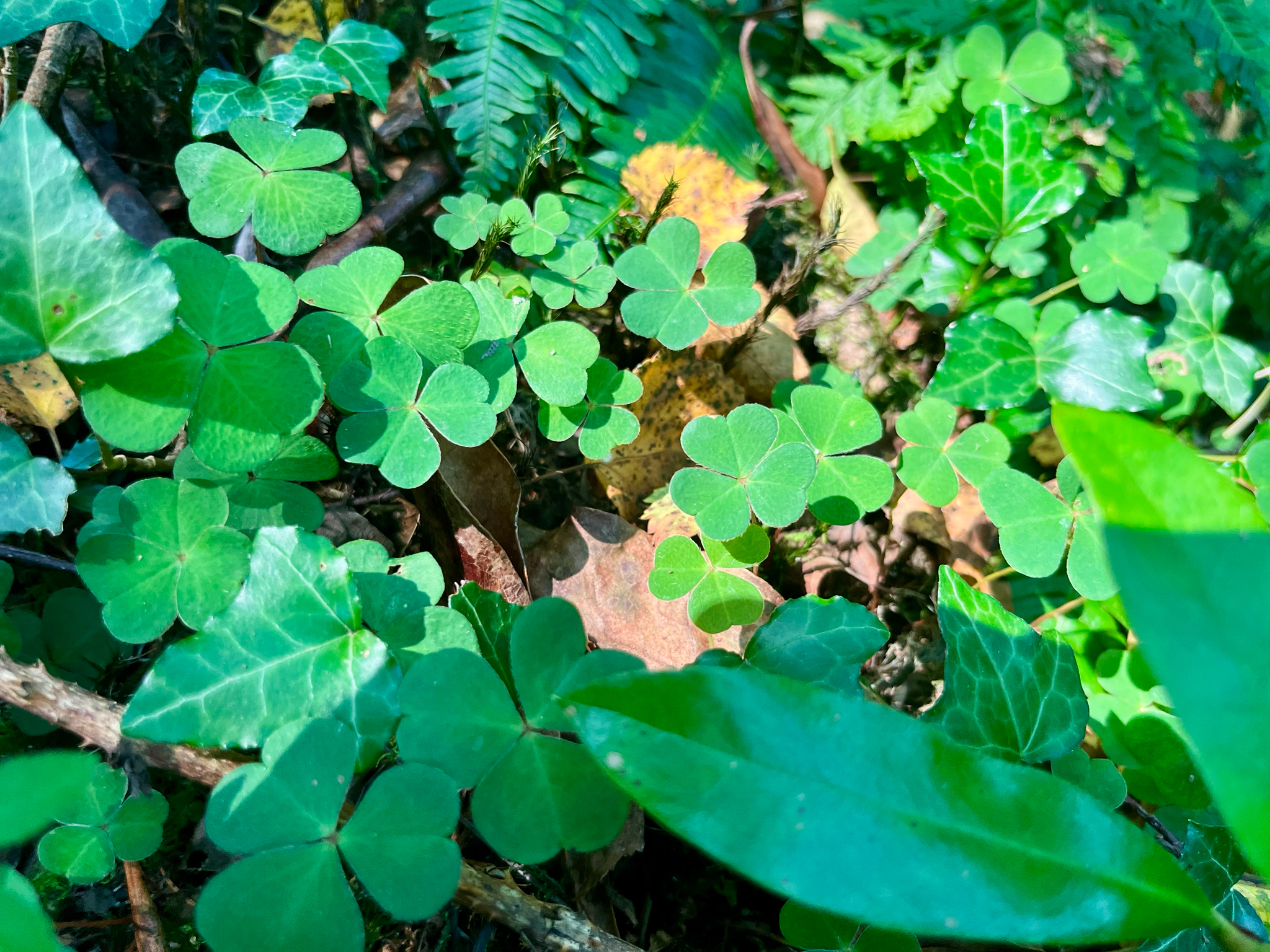
Long-stalked basal leaves carry three inverted heart-shaped leaflets, ranging from light to deeper green according to the light they receive. Their stalks can reach 10 cm (4 in). The leaflets fold downward twice daily, a nastic movement controlled by motor cells at the base of each leaflet. 7
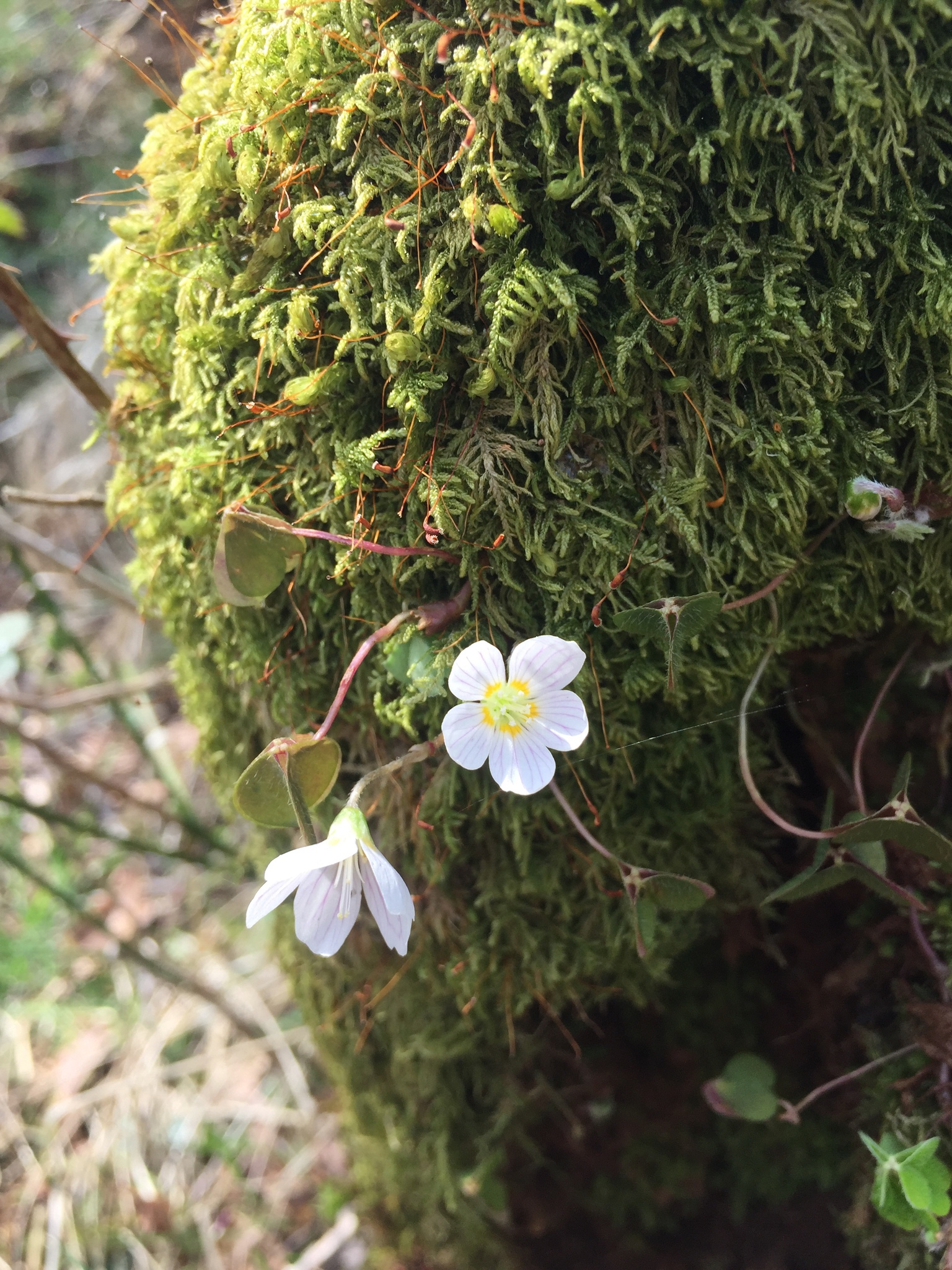
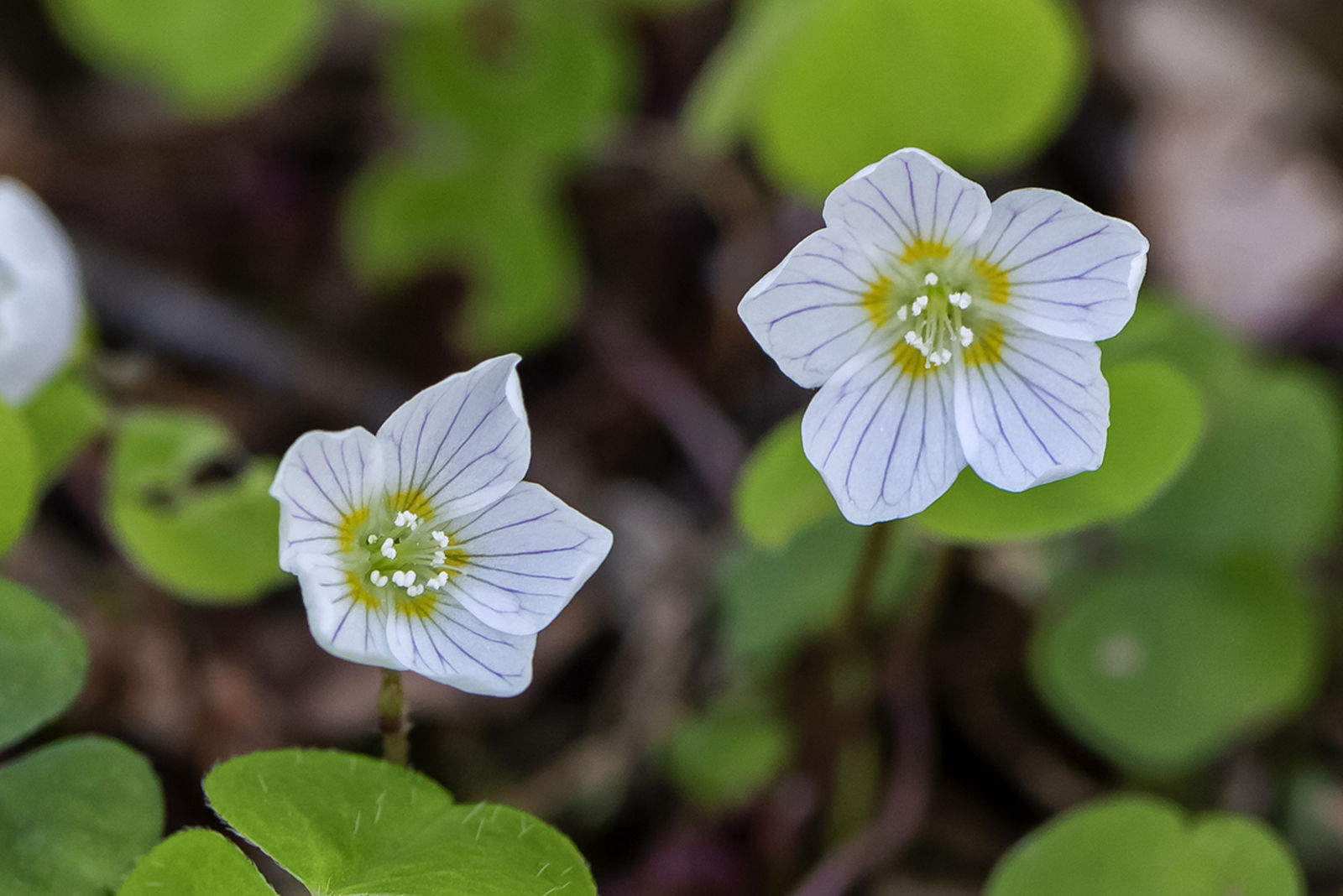
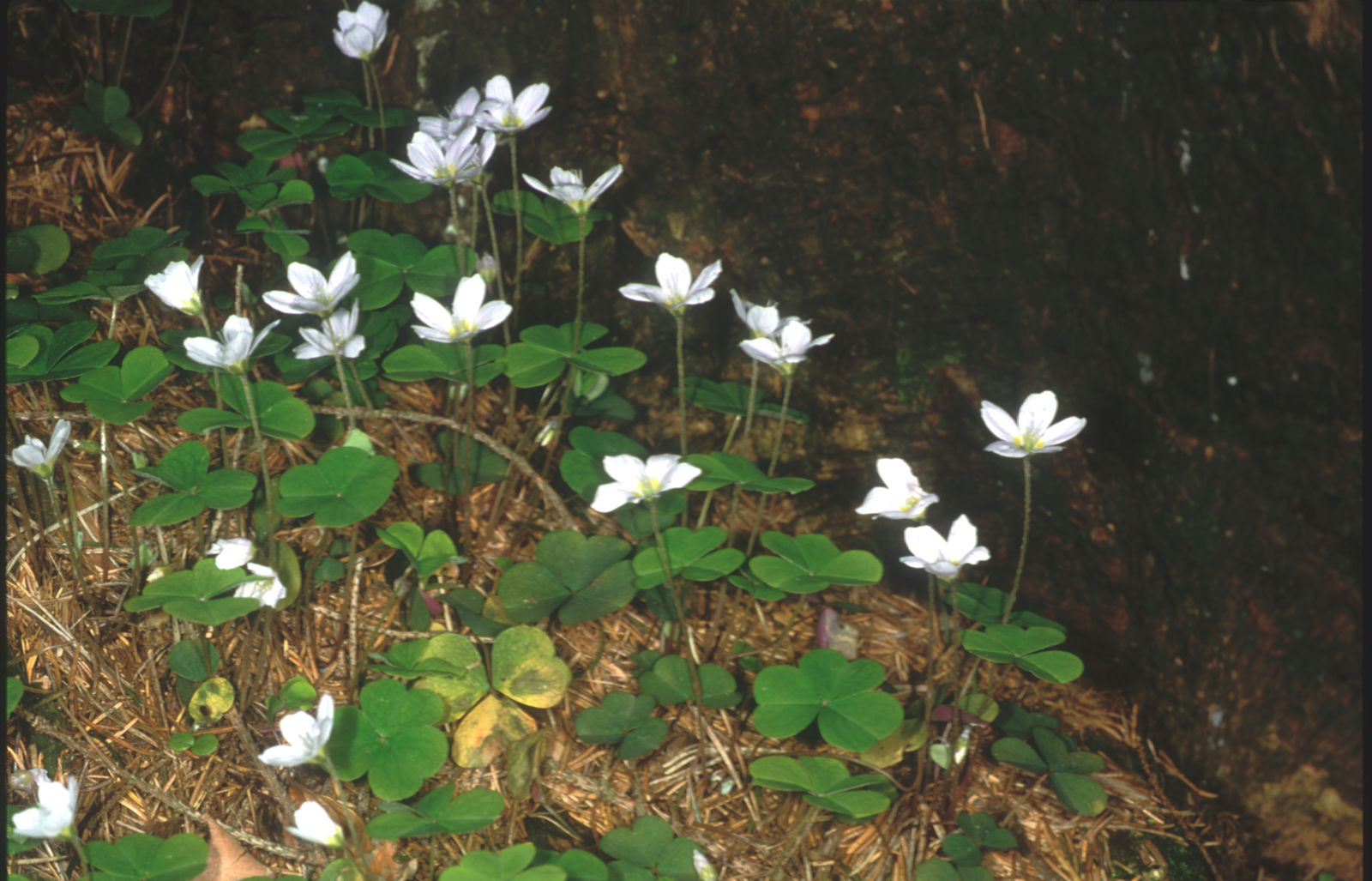
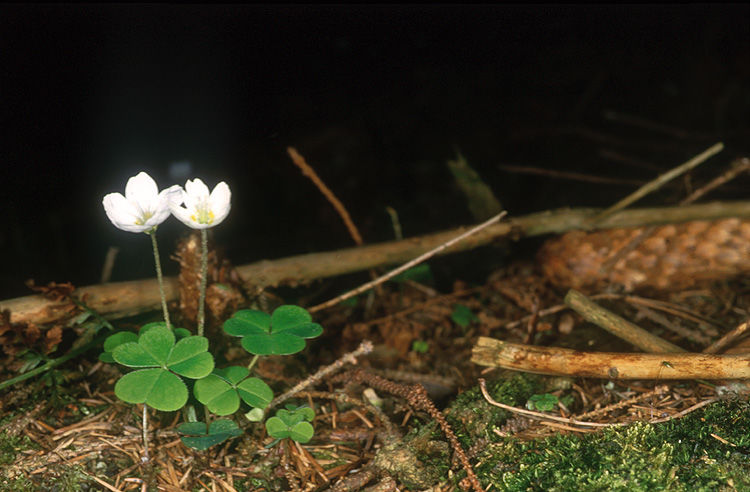
A growing patch stands 3–8 cm (1–3 in) tall, with leafless flower stalks reaching 15 cm (6 in). Each stalk bears a solitary white flower finely lined with lilac to purple veins; its petals are three to four times as long as the calyx. Pink and purple variants occur but remain rare and localized. 3 7
Crushed leaves release a distinctly sour smell and taste caused by oxalic acid. This is a useful distinguishing feature when the absence of flowers makes recognition less immediate. 5
Useful taxonomy
Oxalis acetosella is the name accepted by POWO and IPNI, with no currently recognized variety or subspecies. Several older names nevertheless occur in synonymy or under a broader interpretation of the species:
- Acetosella alba Kuntze (a synonym)
- Oxalis acetosella var. parviflora (Lej.) P.Fourn. (a varietal name)
- Oxalis acetosella f. rhodantha (Fernald) Geerinck & Walravens (a form name)
- Oxalis acetosella subsp. montana (Raf.) Hultén (an older subspecies combination)
That last name illustrates a common trap in synonymy. Older floras sometimes treated the entire circumpolar range, including North America, as one variable species. Current classifications separate the North American plant as Oxalis montana, restricting O. acetosella in the strict sense to Eurasia. 1 2 7
Habitat and range
From Europe to Japan, POWO records a native range with an isolated extension into Algeria. In Europe, the plant extends from Iceland and northern Scandinavia to the mountains of central Spain, Italy and Greece. It remains rare near the Mediterranean coast, and Corsica is the only Mediterranean island it reaches. In Asia, it occupies subalpine and alpine belts at 2,130–4,110 m (7,000–13,500 ft). 1 7
Across France, Tela Botanica and INPN record it in almost the whole country on siliceous soils, in woodland and damp shaded places; it is rare in the Mediterranean south. In parts of southern England it even serves as an ancient woodland indicator. Its very shallow roots restrict it to soils that have never experienced prolonged water stress. 3 4
Life cycle and reproduction
Open, chasmogamous flowers appear in the European spring, during April and May, but attract few insects and yield few seeds. Most sexual reproduction depends on a second wave in late summer: petal-free flowers remain closed and self-pollinate in bud, a cleistogamous strategy. Each egg-shaped capsule, 3–4 mm (about 0.1 in) long, releases up to ten seeds through explosive dispersal, throwing them as far as 1 m (3 ft) from the parent. 7
Meanwhile, the creeping rhizome provides continuous vegetative spread. Clonal colonies can reach 50 cm (20 in) across in dense shade and merge until they locally dominate the herb layer, sometimes at the expense of seedlings of other woodland species. 7
Uses and risks
Young leaves have a vinegar-like tang and are traditionally eaten raw in salads or used sparingly in cooking. They are often confused with common sorrel (Rumex acetosa), a botanically unrelated plant. Oxalic acid can account for 7% of dry mass, so moderation matters: excess consumption encourages kidney stones, with greater risk for people already prone to gout or rheumatic conditions. 7 5
For animals, ASPCA lists the genus Oxalis as toxic to dogs, cats and horses. Soluble oxalates may cause salivation and tremors, with kidney failure possible after massive ingestion. Livestock are most exposed: about 600 g (1.3 lb) of plant can cause severe calcium deficiency in a sheep, although the sharp taste generally discourages heavy consumption. 6 7
Varieties, look-alikes and related plants
No subspecies is currently recognized within Oxalis acetosella. Rare pink- or purple-flowered variants remain local curiosities rather than stable commercial cultivars. 7
Clover causes the most frequent confusion, particularly white clover (Trifolium repens) and lesser trefoil (Trifolium dubium). These plants and black medick have competed for the folkloric title of true Irish shamrock for more than a century. Two features distinguish them clearly: wood-sorrel has inverted heart-shaped leaflets rather than oval ones, and a solitary white five-petaled flower rather than a dense head of small pea-shaped flowers. 8
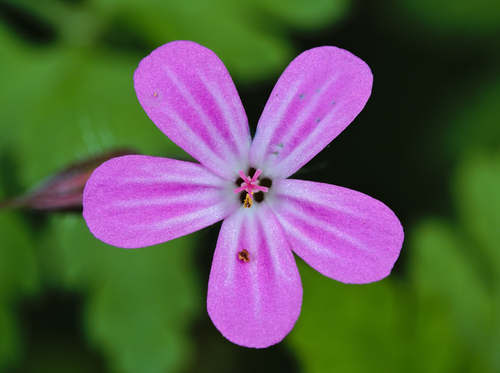
Young shoots of herb-Robert can also look similar before flowering, but the sour scent released by crushing wood-sorrel foliage quickly distinguishes it. 5
Main sources
- Plants of the World Online / Kew, Oxalis acetosella L.
- International Plant Names Index, Oxalis acetosella L.
- Tela Botanica / eFlore BDTFX, Oxalis acetosella overview
- INPN / MNHN, Oxalis acetosella L., 1753
- Plants For A Future, Oxalis acetosella - Wood Sorrel
- ASPCA, Shamrock Plant (Oxalis spp.) toxicity entry
- BSBI / Fermanagh Flora, Oxalis acetosella L., Wood-sorrel species account
- Penn State Extension, The Botany Behind the Shamrock
Frequently asked questions
Is European wood-sorrel a clover?
No. Despite its three leaflets, Oxalis acetosella belongs to the Oxalidaceae, whereas clovers (Trifolium) belong to the Fabaceae. The confusion largely reflects Irish shamrock folklore.
Is European wood-sorrel toxic?
It contains oxalic acid and soluble oxalates. ASPCA lists it as toxic to dogs, cats and horses. People tolerate moderate quantities of young leaves, but excess intake is discouraged, especially with gout or kidney stones.
Why do its leaves fold at night?
This nastic movement, called nyctinasty, is driven by motor cells at the base of each leaflet. They adjust their internal pressure in response to light and humidity, twice a day.
Why do some flowers never open?
In late summer, Oxalis acetosella produces petal-free cleistogamous flowers that self-pollinate in bud. They provide most of the season's seeds, unlike the white spring flowers, which attract few insects.
Where does European wood-sorrel grow?
It grows in cool acidic woodlands, shaded banks and damp hedges across Europe and temperate Asia. In parts of England, its presence can indicate ancient woodland that has never been cleared.
Can you eat European wood-sorrel?
Young leaves are traditionally eaten raw in small quantities for their vinegar-like tang. It should not be confused with common sorrel (Rumex acetosa), a botanically unrelated plant.
What does Oxalis acetosella mean?
Oxalis comes from the Greek oxys, meaning sour, and acetosella from the Latin for little sorrel or a vinegar dressing. Both refer to the foliage's sour flavor rather than its appearance.
Similar plants

If you are unsure about a plant’s toxicity, ask a botanist or veterinarian for advice.