
Mexican plumeria (Plumeria rubra, )
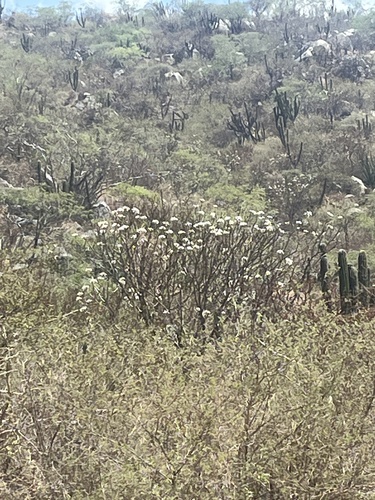
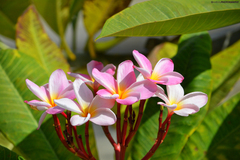

Mexican plumeria (Plumeria rubra) is a deciduous tree or shrub in the Apocynaceae family, native to Mexico, Central America, Colombia and Venezuela. Cultivated worldwide in tropical and subtropical climates, it bears large, highly fragrant pink, white or yellow flowers in summer and fall, decorating gardens, temple courtyards and cemeteries.
Read moreMexican plumeria, Red frangipani, Common frangipani, Frangipani, Temple tree and Cacaloxochitl
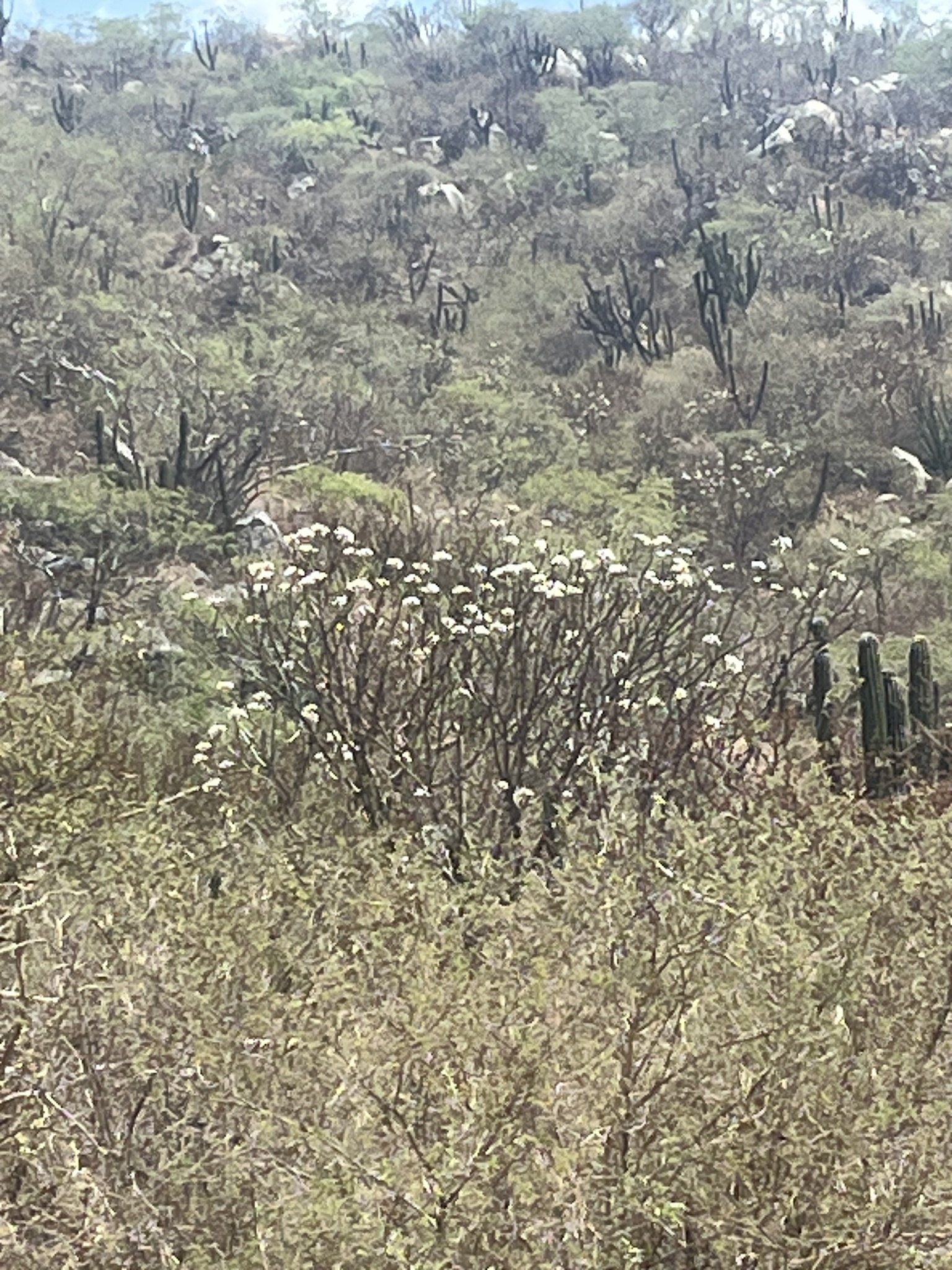
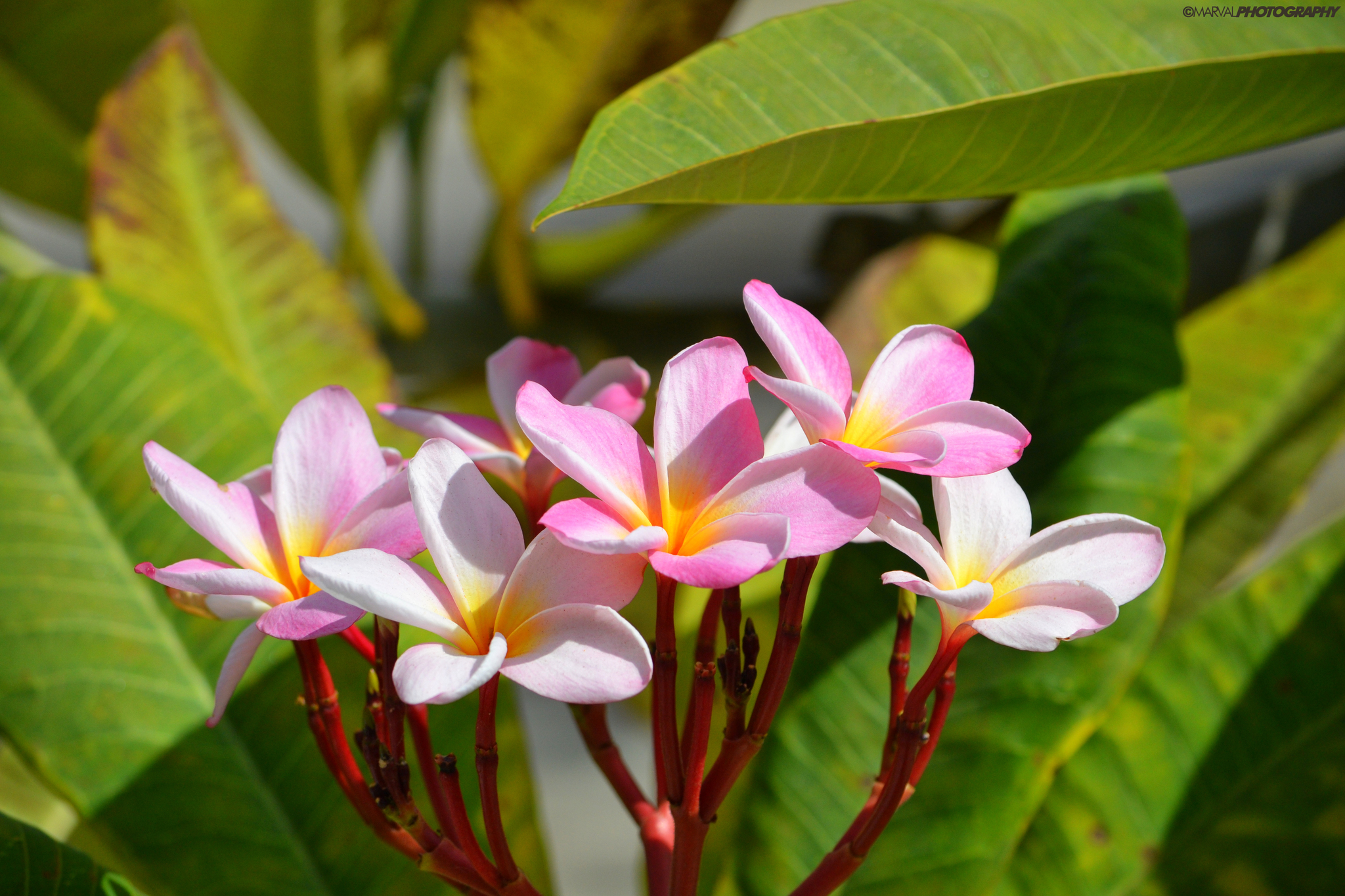


© photo
Jim Riley · cc0
MarvalPhotography19 · cc-by
Cabanillas Lopez Jesus Miguel · cc-by-sa
Taken Jan 19, 2015 by Tela Botanica − Céline PIRAT (cc-by-sa)
Taken Sep 11, 2015 by Tela Botanica − Gerald Laguna (cc-by-sa)
Taken Apr 2, 2016 by helen venegas (cc-by-sa)
Taken Sep 15, 2018 by Hugo SANTACREU (cc-by-sa)
Taken Nov 1, 2019 by Lourdes Insausti (cc-by-sa)
© copyright of the Board of Trustees of the Royal Botanic Gardens, Kew.




Global distribution
Plumeria rubra is native from Baja California and southern Mexico through Central America to Colombia and Venezuela. Introduced to the Philippines by the Manila galleons in the 1560s, it later spread across Southeast Asia and reached the Pacific islands in the late 19th century. It is now widely cultivated and sometimes naturalized in those regions.
- Native4
- Introduced2
- Mexico
- Guatemala
- Colombia
- Venezuela
- Philippines
- Hawaii
Hexagons: regions where the plant occurs. Green dots: native range.1
Identity
Mexican plumeria (Plumeria rubra L., 1753), also called red frangipani, common frangipani, frangipani or temple tree, is a deciduous tree or shrub in the genus Plumeria, family Apocynaceae. Carl Linnaeus described it in Species Plantarum, giving it the epithet rubra, from Latin ruber, meaning red. That name can mislead: flowers range from pink to white and yellow, and are rarely truly red. 1 7
The common name frangipani is linked to the Frangipani family. A 16th-century Italian marquess is said to have created a perfume resembling the flower's fragrance, and the name endured. Plumeria has a separate origin: it honors Charles Plumier, a French Franciscan friar and botanist whose work directly inspired Linnaeus's description. 3
Recognition
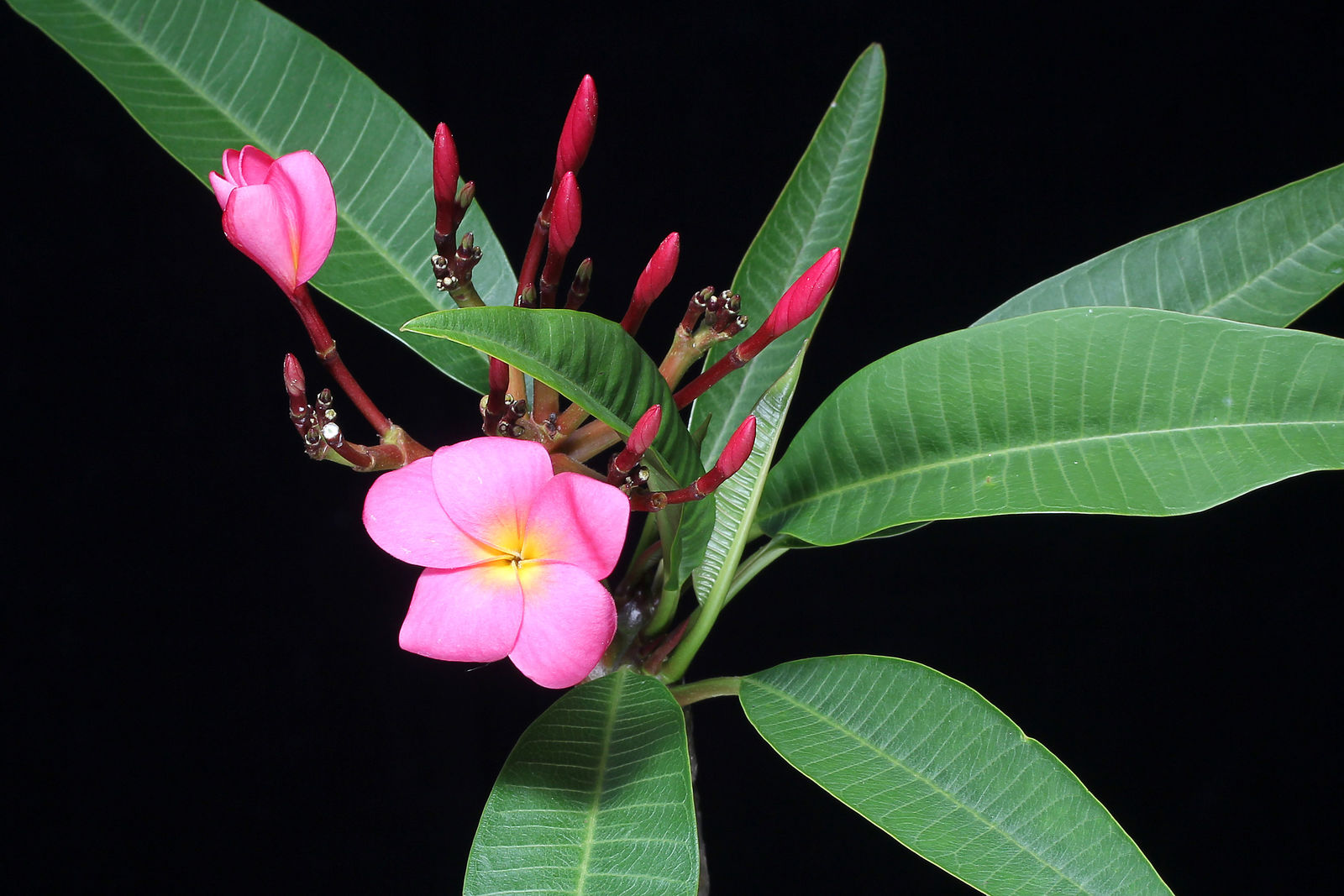
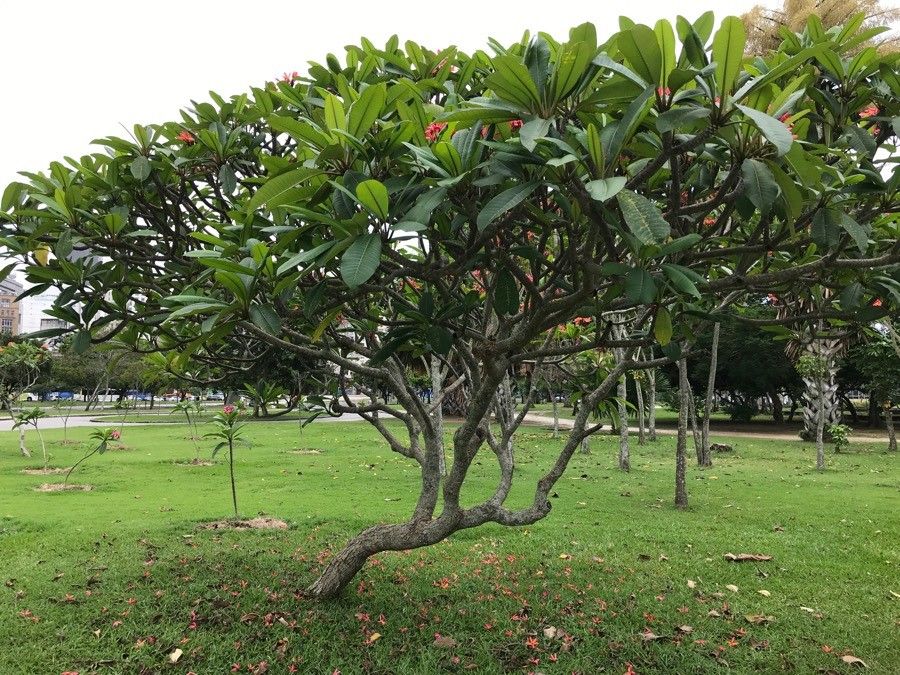
A spreading crown and a thick, fleshy trunk covered with thin gray bark characterize Plumeria rubra. Broken branches exude milky white latex, a useful recognition feature even before flowering. Plants commonly reach 2–8 m (7–26 ft) in height with a similar spread. 3 7
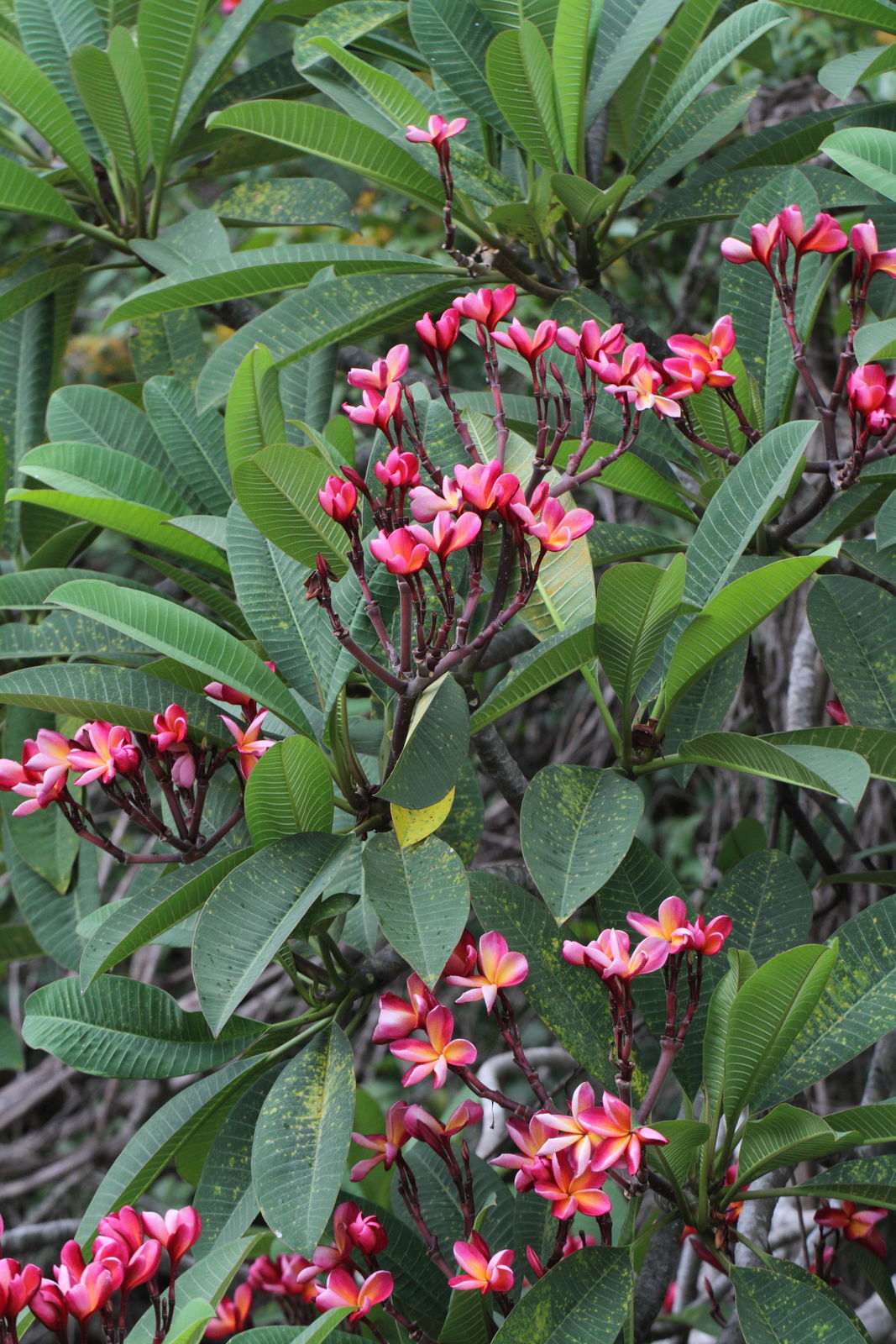
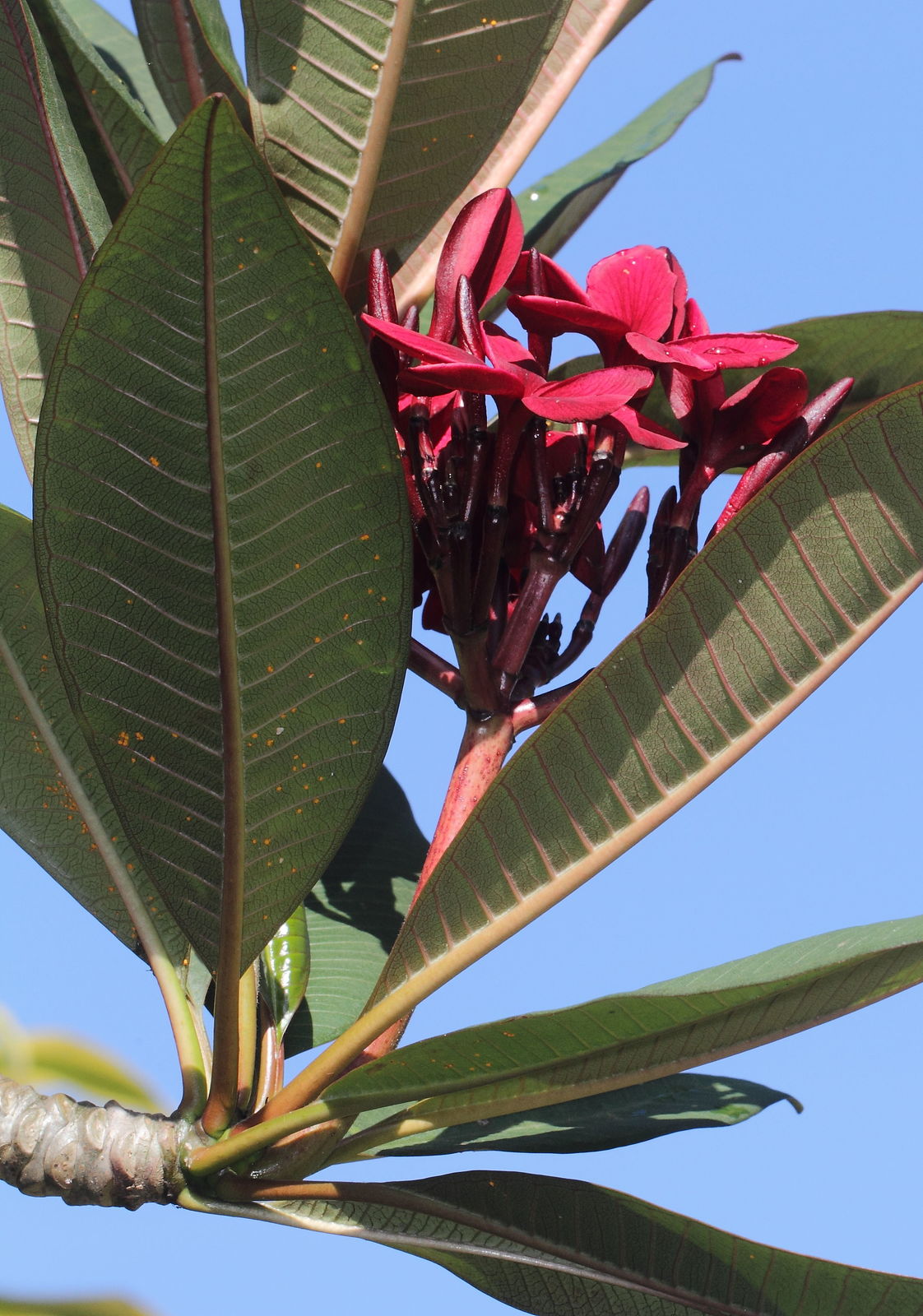
Broad, leathery leaves often measure 20–40 cm (8–16 in) long, with reports up to 50 cm (20 in). They cluster at branch tips and fall in the cold or dry season rather than remaining evergreen. The highly fragrant, five-petaled flowers begin as a distinct tube before opening to 5–9 cm (2–3.5 in) across. 2 4
Despite its red-sounding epithet, flower color varies considerably between plants: pink, white or yellow, often with a paler center. A red frangipani can therefore bear pure white flowers, making color unreliable for firm identification. The shape of the floral tube and leaf loss in cool conditions are more useful clues, distinguishing it from Plumeria obtusa. 7
Useful taxonomy
POWO/WCVP recognizes Plumeria rubra L. as the accepted name. The historical epithets acuminata, acutifolia and lutea, long used in horticulture, are now treated as invalid or simply synonymous:
- Plumeria acutifolia Poir., a historical name
- Plumeria acuminata W.T.Aiton, a historical name
- Plumeria rubra f. lutea (Ruiz & Pav.) Woodson, a historical form name
- Plumeria bicolor Ruiz & Pav., a historical synonym
- Plumeria mexicana G.Lodd., a historical synonym
Nursery plants labeled acutifolia or acuminata thus belong to Plumeria rubra: the accepted scientific name provides the consistent reference. Care is still needed because Plumeria includes several similar species, such as Plumeria obtusa, with which P. rubra readily hybridizes in cultivation. 1 9
Habitat and range
From Baja California and southern Mexico, native populations extend through Central America to Colombia and Venezuela. They occupy hot, rocky places, including dry forests and mountain slopes, from sea level to 1,500 m (4,920 ft). 9 6
The IUCN assesses Plumeria rubra as Least Concern. A broad geographical range and extensive cultivation together limit pressure on wild populations and help explain that status. 5
Manila galleons brought the plant to the Philippines in the 1560s. It subsequently spread throughout Southeast Asia and reached the Pacific islands in the late 19th century. It is now so familiar there, particularly in Hawaii where its flowers are used for leis, that its American origin is easily overlooked. 4 6
In the mainland United States beyond its native range, outdoor cultivation is limited to USDA zones 10b and 11, including southern California and the southern tip of Florida. In Hawaii it occurs as high as 2,000 m (6,560 ft). Beyond suitable warm conditions, grow it in a container and move it under cover as the cool season arrives. 7
Life cycle and reproduction
Flowering can run from spring through fall, depending on climate, with a summer peak. The flowers release a fragrance that strengthens toward evening, when hawk moths, the species' main pollinators, are most active. 4 2
Fragrance promises more than the flowers deliver: they produce almost no nectar, leaving visiting moths without a reward. This documented strategy is called deceptive pollination. Fruit set suffers and remains rare in cultivation; the few cylindrical pods that develop contain winged seeds dispersed explosively. 7
Growers almost always propagate Mexican plumeria through stem cuttings, since seed propagation is too slow for routine use. Drying the cut surface is crucial: a freshly cut stem planted while still full of sap rots rather than roots. 4 7
Uses and risks
Ornamental uses span gardens, parks and street plantings, as well as Hindu and Buddhist temple courtyards and Southeast Asian cemeteries. In these settings the tree symbolizes devotion and renewal. 6 3
Broken branches release latex that irritates skin and eyes. The US Forest Service therefore advises against touching or eating the plant. Toxicity through ingestion is nevertheless low, with no fatal case documented in household use; gloves remain advisable for pruning and taking cuttings. 8 2
Young foliage is vulnerable to plumeria rust (Coleosporium plumeriae), a fungus that produces orange powder beneath the leaves and speeds leaf fall. Reported in the West Indies as early as 1902, it later spread to Hawaii, Australia and Asia. Remove affected leaves and keep the foliage dry when watering to limit its spread. 4
Varieties, look-alikes and related plants
Celadine, also sold as Common Yellow, has strongly fragrant, bright yellow flowers with broad white margins. Singapore refers to hybrids with Plumeria obtusa, bearing white flowers with yellow centers and often retaining their leaves longer than typical P. rubra. 11 9
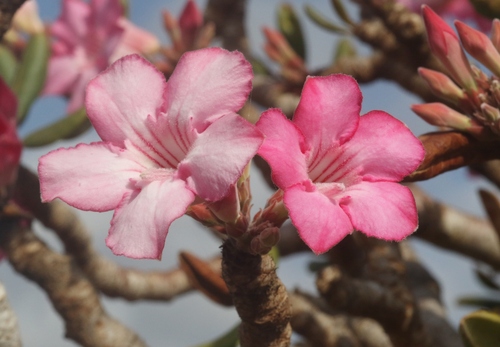
Rounded, evergreen leaves help distinguish Plumeria obtusa from the pointed, deciduous foliage of P. rubra, even when their flowers look alike. Oleander (Nerium oleander), another member of the Apocynaceae, also has irritating sap. Its narrow, opposite or whorled leaves and much more severe toxicity distinguish it from Mexican plumeria.
Main sources
- Plants of the World Online / Kew, Plumeria rubra L.
- Royal Horticultural Society, Plumeria rubra
- Missouri Botanical Garden Plant Finder, Plumeria rubra
- University of Wisconsin-Madison Horticulture, Plumeria
- IUCN Red List, Plumeria rubra assessment (BGCI & IUCN SSC Global Tree Specialist Group, 2019)
- NParks Flora & Fauna Web (Singapore), Plumeria rubra
- University of Florida IFAS, Plumeria rubra fact sheet ST-491
- USDA Forest Service, El Yunque National Forest, plumeria poisoning notice
- USDA GRIN-Global, Plumeria rubra taxonomy
- INPN (MNHN), Plumeria rubra — red frangipani
- Gardenia.net, Plumeria rubra 'Celadine'
Frequently asked questions
Is Mexican plumeria really toxic?
Its milky sap irritates skin and eyes, and the US Forest Service advises against touching or eating the plant. Toxicity through ingestion is nevertheless low, with no fatal risk documented in normal household use.
Why do the flowers smell strongest in the evening?
The scent intensifies when hawk moths, the main pollinators, are most active. The flowers produce very little nectar, however: the insects are attracted through deception, a pollination strategy described in this species.
Why does my Mexican plumeria lose its leaves in winter?
Plumeria rubra becomes deciduous when temperatures fall below about 10 °C (50 °F). Leaf drop marks a resting period and does not necessarily indicate a growing problem.
Can Mexican plumeria grow outdoors in a temperate climate?
Outdoor planting is rarely reliable beyond the mildest Mediterranean coastal conditions. In temperate climates, a large container moved into a conservatory or bright indoor space in fall is the most dependable approach.
How does Mexican plumeria differ from Plumeria obtusa?
Plumeria obtusa keeps rounded evergreen leaves almost all year, whereas Plumeria rubra loses its pointed leaves in the cool season. Hybrids sold as Singapore combine the two and are often less deciduous than the typical species.
How do you propagate Mexican plumeria?
Stem cuttings are the most reliable method. Let the cut surface dry for one to two weeks before planting in dry growing medium; otherwise the cutting rots instead of rooting.
Where does the name frangipani come from?
It comes from the Frangipani family, associated with a perfume resembling the scent of the flower. The scientific name Plumeria honors Charles Plumier, the Franciscan botanist whose work inspired Linnaeus when describing the species in 1753.
Similar plants
If you are unsure about a plant’s toxicity, ask a botanist or veterinarian for advice.