
Small scabious (Scabiosa columbaria, )

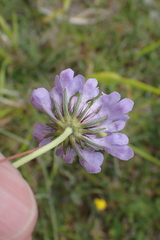
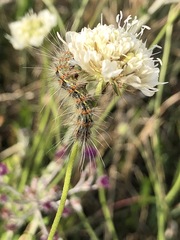
Small scabious (Scabiosa columbaria) is a clump-forming perennial in the Caprifoliaceae family, native to Europe, Africa and western Asia. Its lilac-blue pincushion flower heads bloom for months and attract many pollinators. This non-toxic plant is grown in flower beds and flowering meadows.
Read moreSmall scabious, Dove pincushions, Lesser scabious and Pigeon scabious
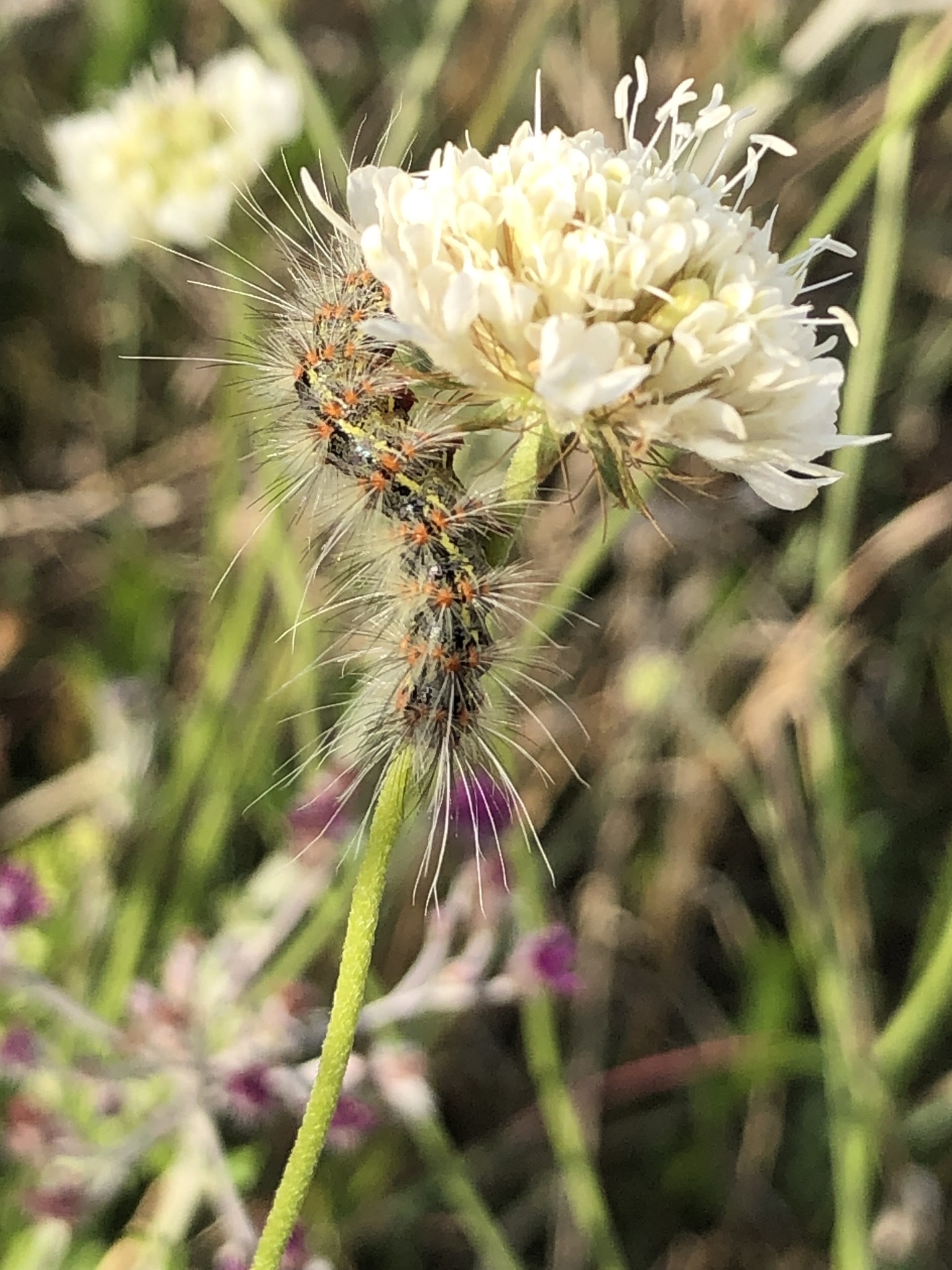


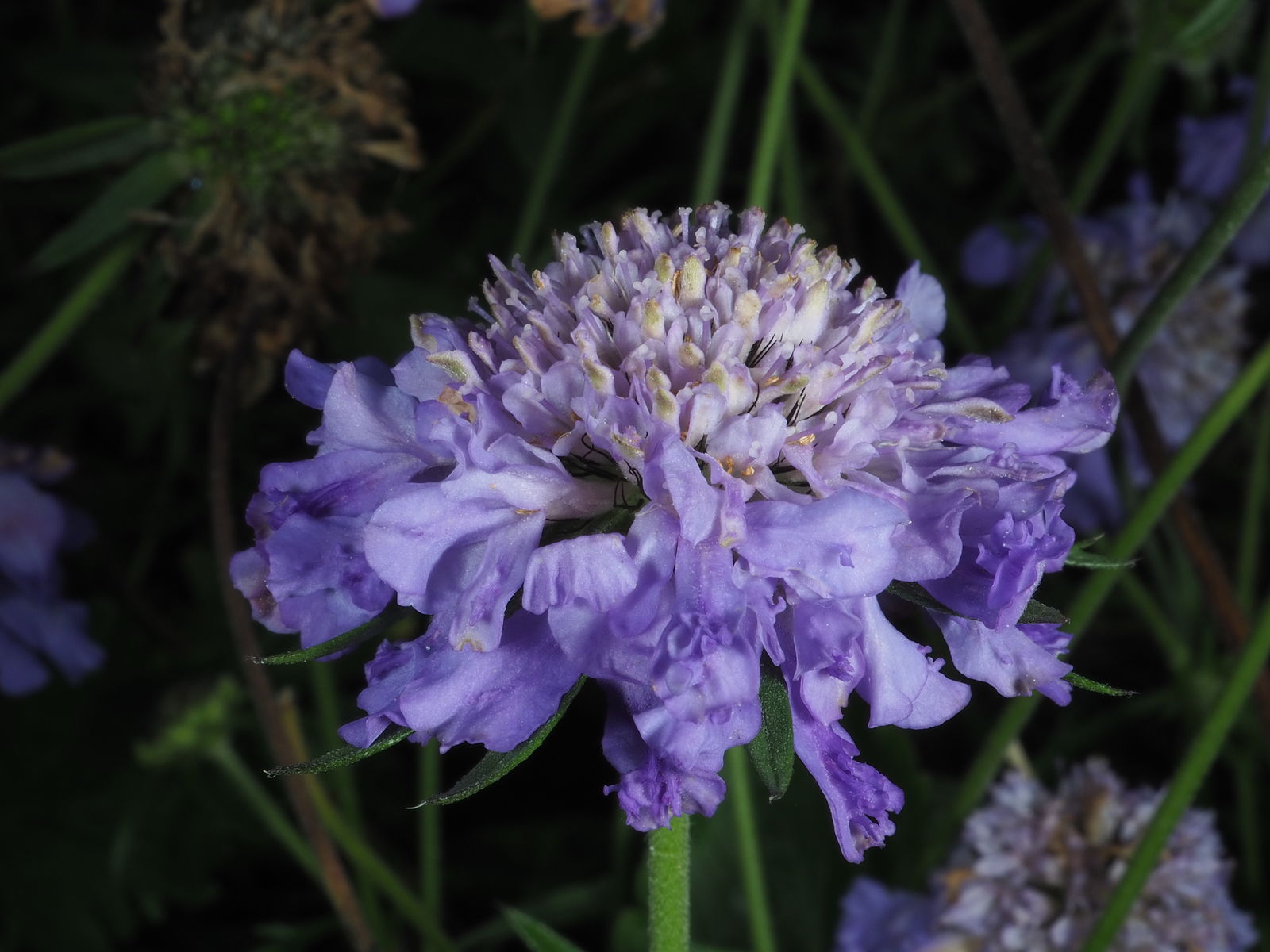
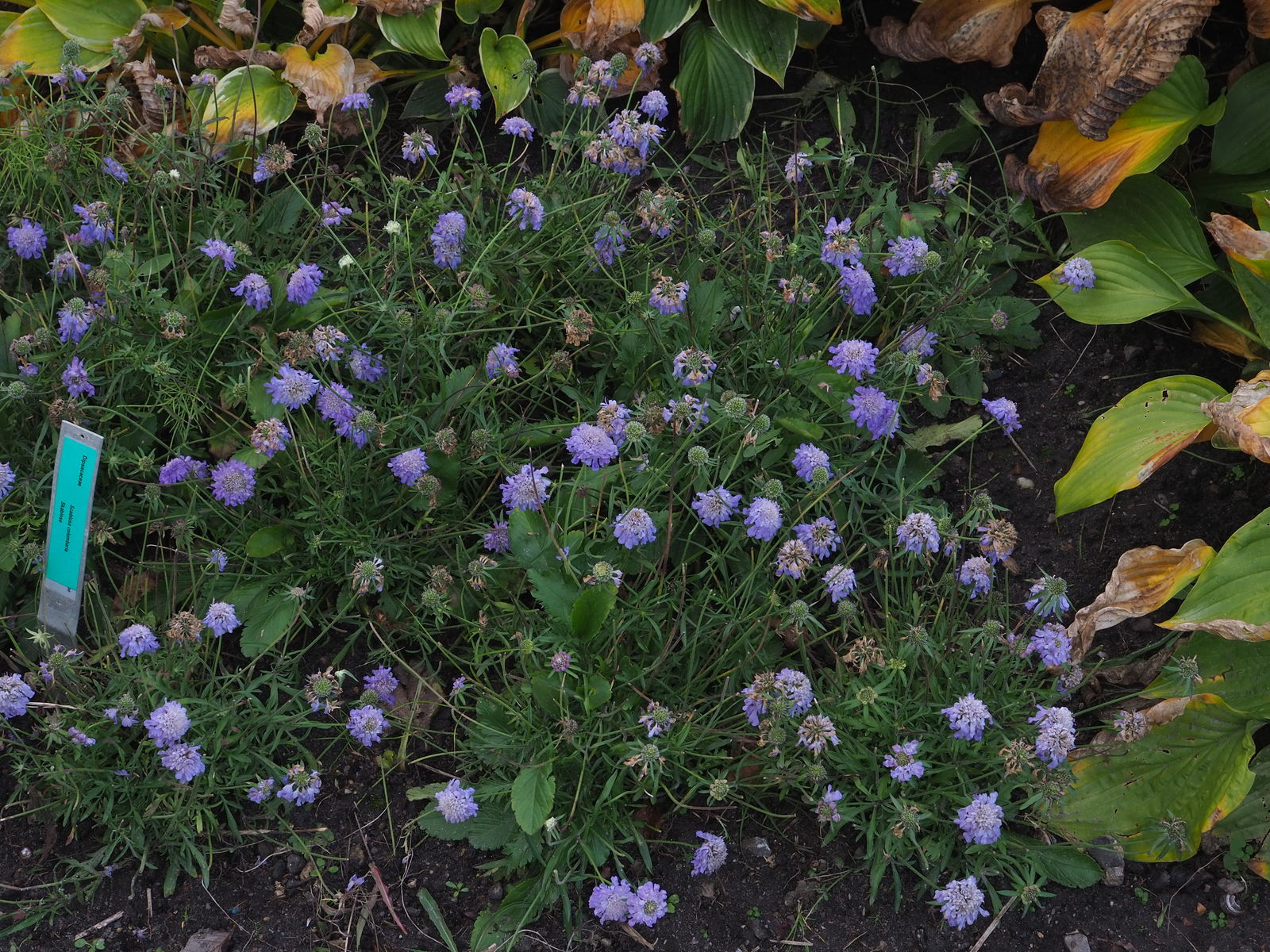
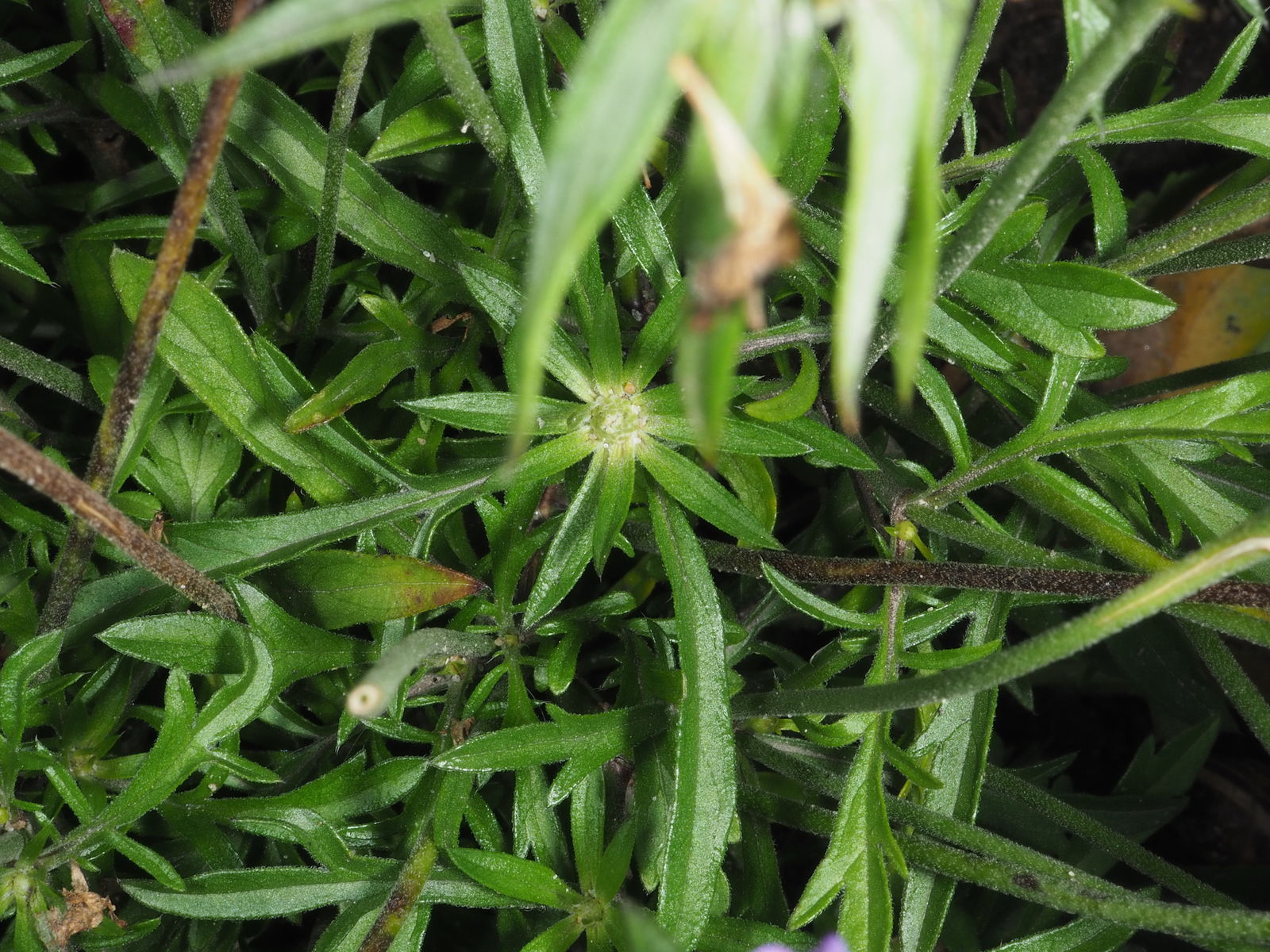
© photo
(c) Rebecca Ryen-Stols, some rights reserved (CC BY-SA), uploaded by Rebecca Ryen-Stols · cc-by-sa
Robert H. Wardell · cc0
Tam · cc-by-sa
Taken Sep 24, 2022 by Tristan Jaton-Maria (cc-by-sa)
Taken Oct 30, 2022 by manuseitz (cc-by-sa)
Taken Oct 31, 2021 by manuseitz (cc-by-sa)
Taken Nov 24, 2020 by David Hocken (cc-by-sa)
Taken Aug 3, 2021 by Ahmed Ghedjatti (cc-by-sa)
© copyright of the Board of Trustees of the Royal Botanic Gardens, Kew.




Global distribution
Scabiosa columbaria is native to Europe, North Africa and the mountains of tropical Africa, and western Asia as far as Iran. Widely grown as an ornamental, it has been introduced outside this range, notably into eastern North America. These introduced areas remain distinct from its original range.
- Native6
- Introduced1
- Metropolitan France
- United Kingdom
- Germany
- Spain
- Sweden
- Morocco
- United States (east)
Hexagons: regions where the plant occurs. Green dots: native range.1
Identity
Small scabious (Scabiosa columbaria L., 1753), also known as dove pincushions, lesser scabious or pigeon scabious, is a clump-forming perennial in the genus Scabiosa, family Caprifoliaceae. It was formerly placed in Dipsacaceae. It is widespread in the wild across Europe, including France, as well as North Africa and western Asia. 1 4
Gardeners chiefly value its nectar-rich bedding display. The lilac-blue pincushion-shaped flower heads attract bees, bumblebees and butterflies over a long season. A plant of dry grassland, small scabious is hardy, economical with water and non-toxic. 2 6
Recognition
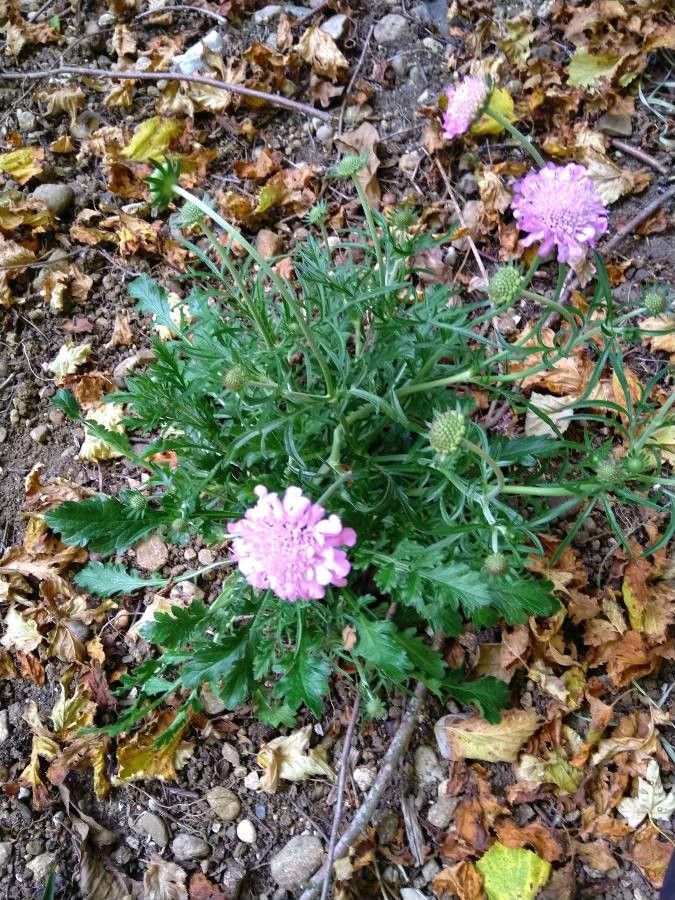
A low rosette of gray-green leaves forms the base of Scabiosa columbaria. Lower leaves are simple, while upper leaves are cut into narrow strips. Slender, upright flowering stems rise from this clump, bearing few leaves and reaching 40–90 cm (16–35 in) tall. 3 2
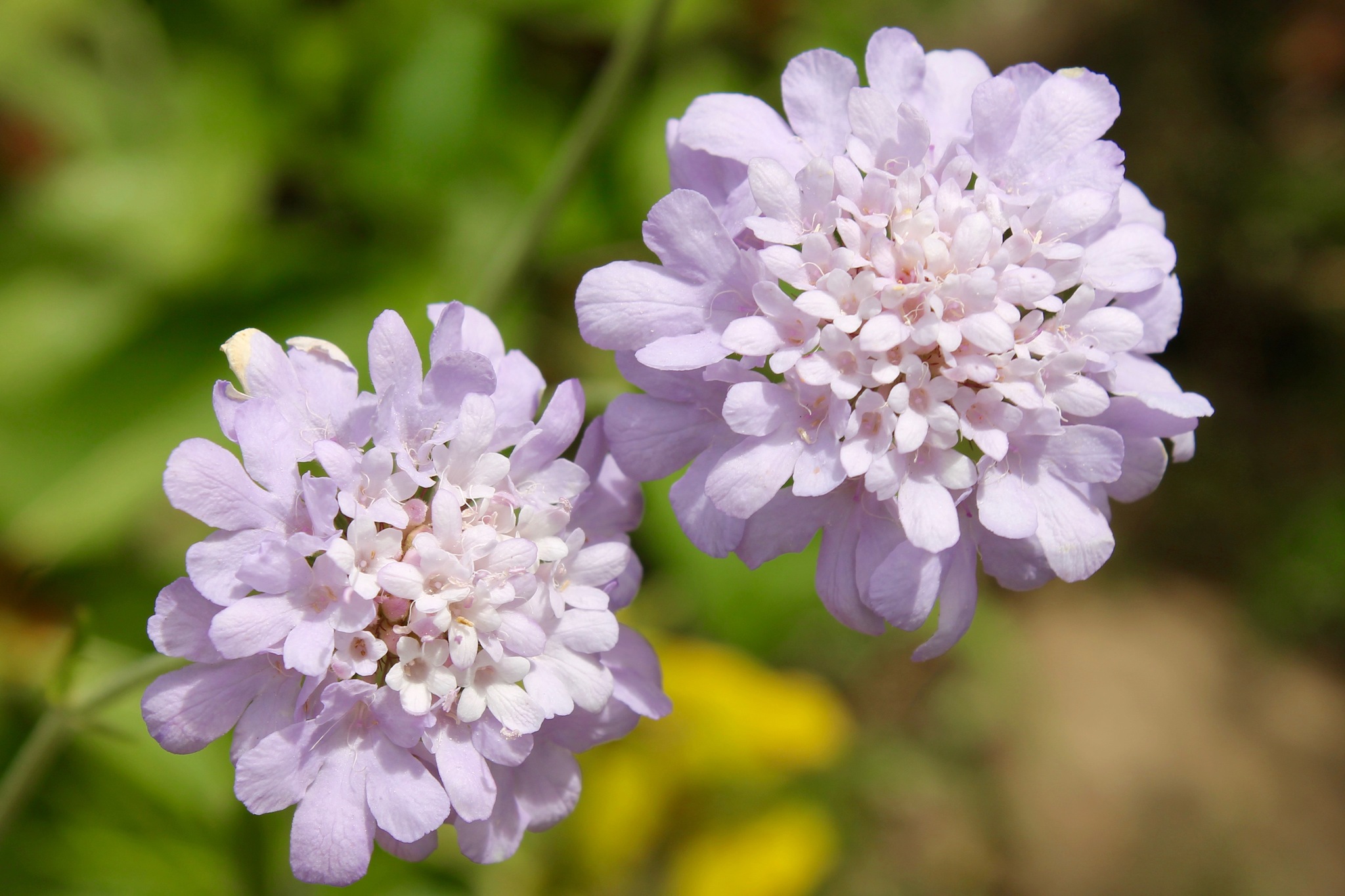
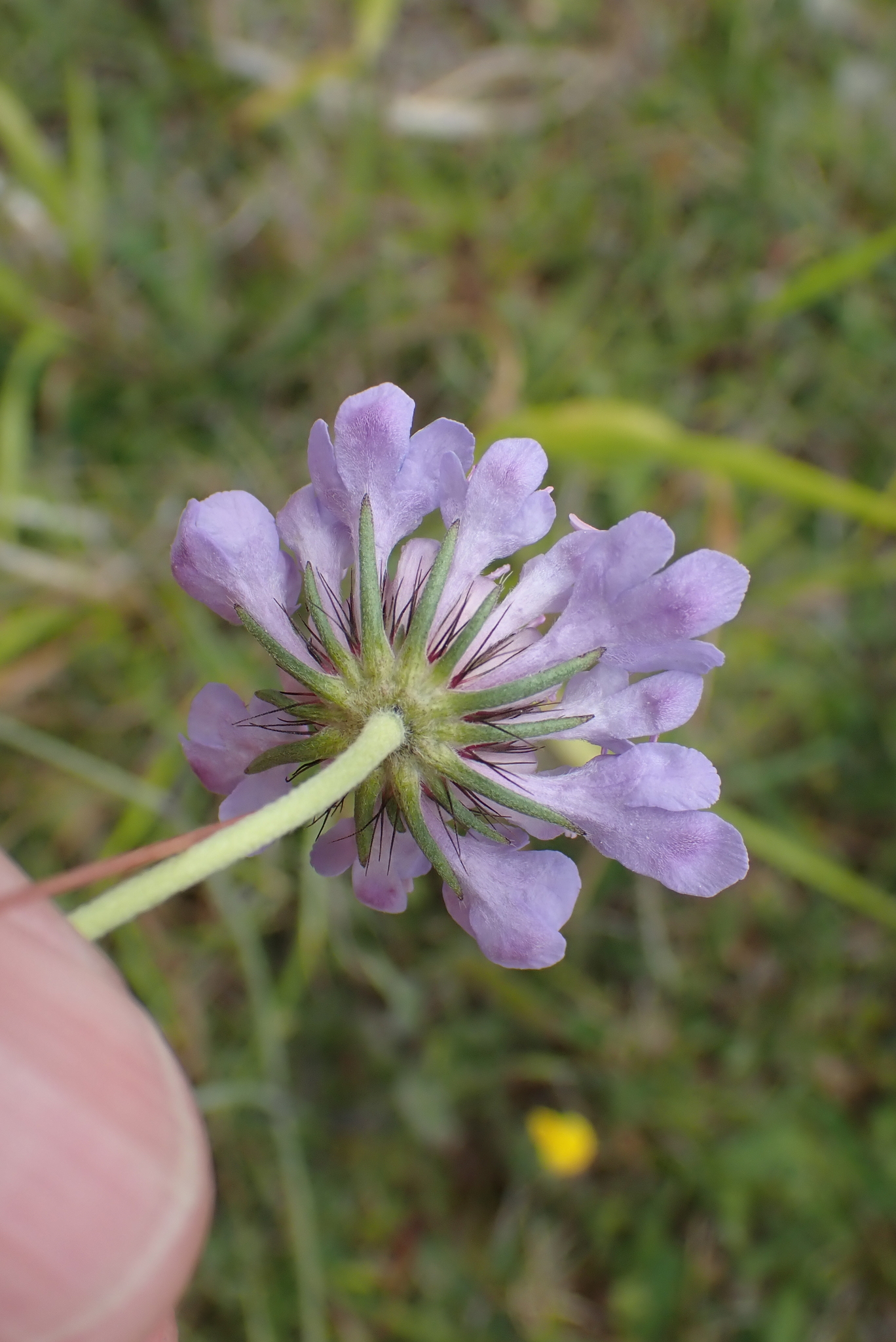
Look closely at the inflorescence: a lilac-blue flower head measures 2–4 cm (0.8–1.6 in) across. Larger outer flowers form a radiating rim around smaller central flowers. This readily recognizable pincushion structure sits at the top of each stem and receives frequent visits from pollinators. 4 6
Flowers appear from summer into fall, and removing faded heads prolongs the display. After flowering, each flower produces a dry fruit topped by a persistent membranous collar, a remnant of the calyx that helps identify scabious plants. 2 5
Useful taxonomy
As early as 1753, Carl Linnaeus described this species as Scabiosa columbaria L. The large genus Scabiosa has abundant infraspecific names; many old names remain in the literature, usually referred back to the species or its typical subspecies. Useful synonyms and associated names include:
- Scabiosa columbaria subsp. columbaria, the typical subspecies
- Scabiosa communis subsp. columbaria (L.) Rouy
- Scabiosa columbaria var. gramuntia (L.) DC.
- Scabiosa columbaria var. asterocephala (Thuill.) Mérat
- Scabiosa columbaria var. vulgaris Gaudin
The accepted scientific name, Scabiosa columbaria, remains the reliable reference. Cultivar names such as Butterfly Blue and Pink Mist refer to horticultural selections, rather than separate species or botanical varieties. 1 8 7
Habitat and range
Europe, North Africa, the mountains of tropical Africa and western Asia make up the broad native range of Scabiosa columbaria. In Europe, it grows wild in dry limestone grassland, nutrient-poor meadows, banks and sunny hillsides, on well-drained and often impoverished soils. 1 4
Dry, sunny conditions suit this plant. It tolerates summer heat and poor soil but is vulnerable to standing moisture. Its preference for a well-drained, generally calcareous substrate directly guides garden cultivation and explains its success in rock gardens and flowering meadows. 2 3
Widespread ornamental cultivation has led to introductions outside the original range, notably in eastern North America. These introduced areas should be distinguished from the native European and African range. 6 5
Life cycle and reproduction
Winter dormancy marks the annual cycle of this herbaceous perennial, which can be fairly short-lived. Above-ground growth dries in winter, and the crown regrows in spring. Plants flower in the first or second year after sowing, then bloom each summer once the clump is established. 3 2
Nectar-rich flower heads attract bees, bumblebees and butterflies throughout summer. After fertilization, each flower forms a small dry achene topped by the characteristic membranous collar, which helps wind dispersal. 4 6
Garden propagation mainly uses clump division in spring every two to three years. This also rejuvenates a crown that has become bare at its center. Sowing in warm conditions in spring also works well and can produce flowering plants in the first season. Division is more reliable for preserving a cultivar such as Butterfly Blue, because seedlings from garden selections do not faithfully reproduce flower color or habit. 5 2
Uses and risks
Beds and borders are the chief ornamental setting for Scabiosa columbaria. Its nectar-rich flowers, long blooming season and low water needs also suit dry gardens and flowering meadows. The genus name recalls historical medicinal uses attributed to various scabious plants for skin disorders, including scabies, the Latin word for which is scabies. 4 5
No notable poisoning of animals or humans is recorded for small scabious, which is considered non-toxic. It is a perennial with no known hazard in gardens visited by cats, dogs or horses. 5 6
Roots and the crown are the main cultivation concern: standing moisture, especially in winter, can cause rot in heavy soil. Careful drainage, full sun and a generally calcareous soil keep plants vigorous. Powdery mildew remains an occasional issue in well-aired conditions. 2 3
Varieties, look-alikes and related plants
Named garden forms are selections rather than separate species. Butterfly Blue is compact, with lavender-blue flower heads and a very long bloom season; Pink Mist is its lilac-pink counterpart. Dwarf forms such as Nana suit rock gardens. Before buying, check the cultivar name, the vigor of the clump and whether repeat flowering is specified. 6 2
Plants most often confused with small scabious include:
- Scabiosa ochroleuca, yellow scabious, with pale yellow to cream flower heads ;
- Knautia arvensis, field scabious, another member of Caprifoliaceae with mauve flower heads ;
- Scabiosa atropurpurea, sweet scabious, taller and with dark flowers.
The lilac-blue flower heads, gray-green rosette and membranous fruit collar remain the most reliable features for confirming that a plant sold as small scabious is Scabiosa columbaria. 1 3
Main sources
- Plants of the World Online / Kew, Scabiosa columbaria L.
- Royal Horticultural Society, Scabiosa columbaria - small scabious
- Missouri Botanical Garden, Scabiosa columbaria
- Encyclopaedia Britannica, small scabious (Scabiosa)
- Plants For A Future, Scabiosa columbaria
- NC State Extension, Scabiosa columbaria 'Butterfly Blue'
- Tela Botanica, Scabiosa columbaria L. (bdtfx reference)
- International Plant Names Index, Scabiosa columbaria L.
Frequently asked questions
Is small scabious toxic?
Scabiosa columbaria is not listed as toxic to animals or humans, and no notable poisoning is associated with it. It is a bedding perennial with no known hazard, useful in gardens visited by animals.
Why has my small scabious rotted?
The most frequent cause is overly wet soil, especially in winter. Scabiosa columbaria grows in well-drained limestone grassland; heavy, waterlogged soil rots the crown. Improve drainage and plant in light soil.
Does small scabious attract pollinators?
Yes. Its lilac-blue flower heads draw many bees, bumblebees and butterflies over a long season, making it a good choice for nectar-rich beds and flowering meadows.
How much sun does Scabiosa columbaria need?
Full sun is essential. This dry-grassland plant flowers freely in sunshine on well-drained soil. In shade, growth becomes weak and flowering sparse.
How can I keep small scabious flowering longer?
Remove faded flowers regularly. Deadheading encourages fresh flowering stems and extends the display from summer into fall, especially in repeat-flowering cultivars such as Butterfly Blue.
How does it differ from Scabiosa ochroleuca?
Scabiosa columbaria has lilac-blue flower heads, while Scabiosa ochroleuca has pale yellow to cream flowers. The two species are close relatives and both grow in dry, well-drained soils.
Similar plants
If you are unsure about a plant’s toxicity, ask a botanist or veterinarian for advice.