
Box elder (Acer negundo, )
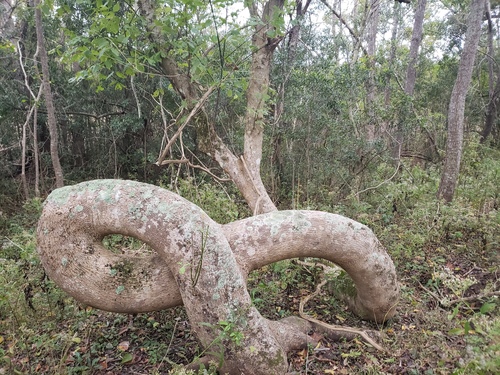

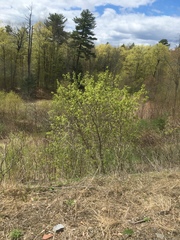
Box elder (Acer negundo), also called ash-leaved maple or Manitoba maple, is a deciduous tree in the Sapindaceae family, native from Canada to Honduras. Its compound leaves with toothed leaflets differ markedly from the simple, palmate leaves of most maples. Young twigs are green and hairless.
Read moreBox elder, Ash-leaved maple, Manitoba maple and Boxelder maple
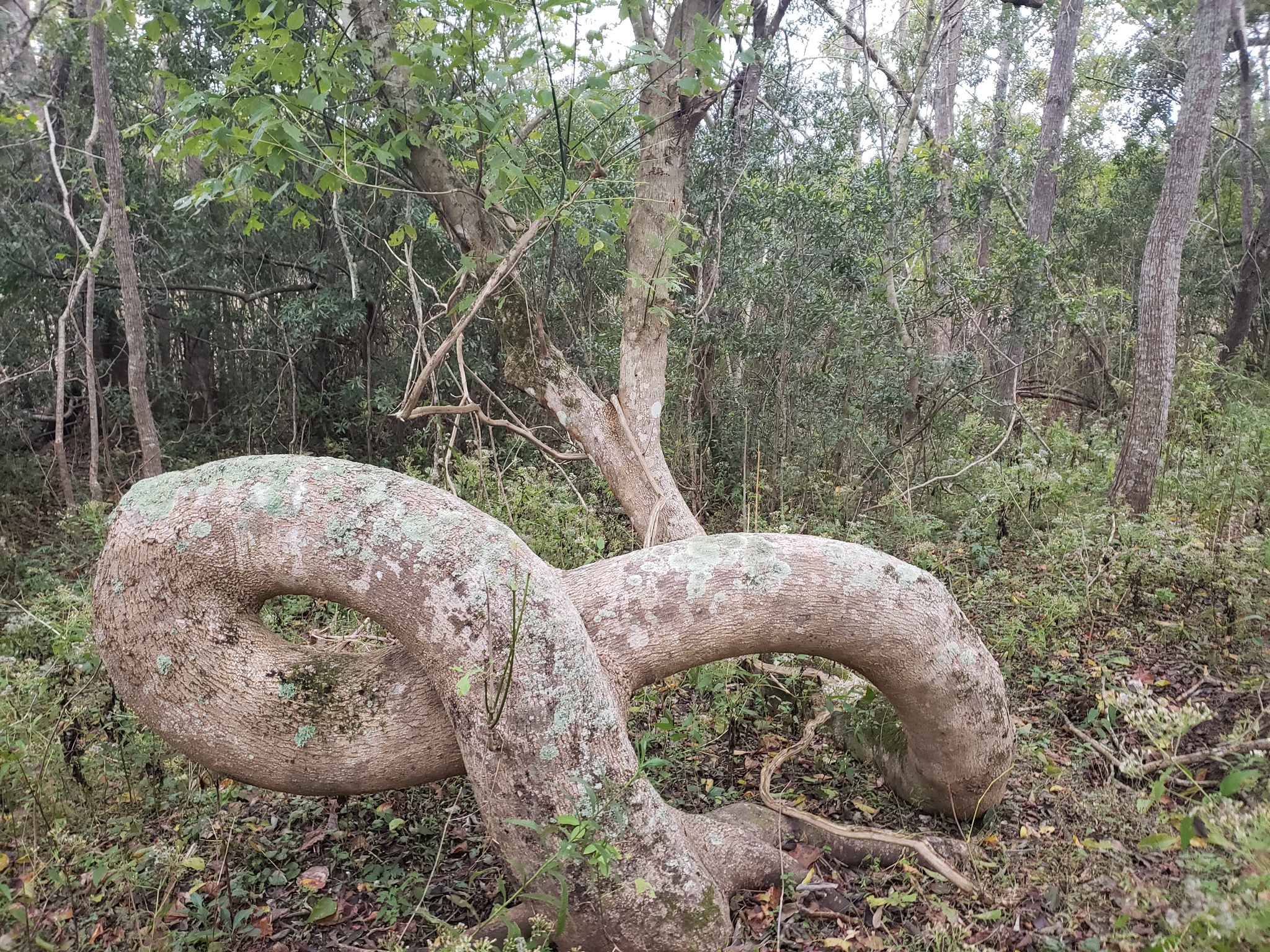

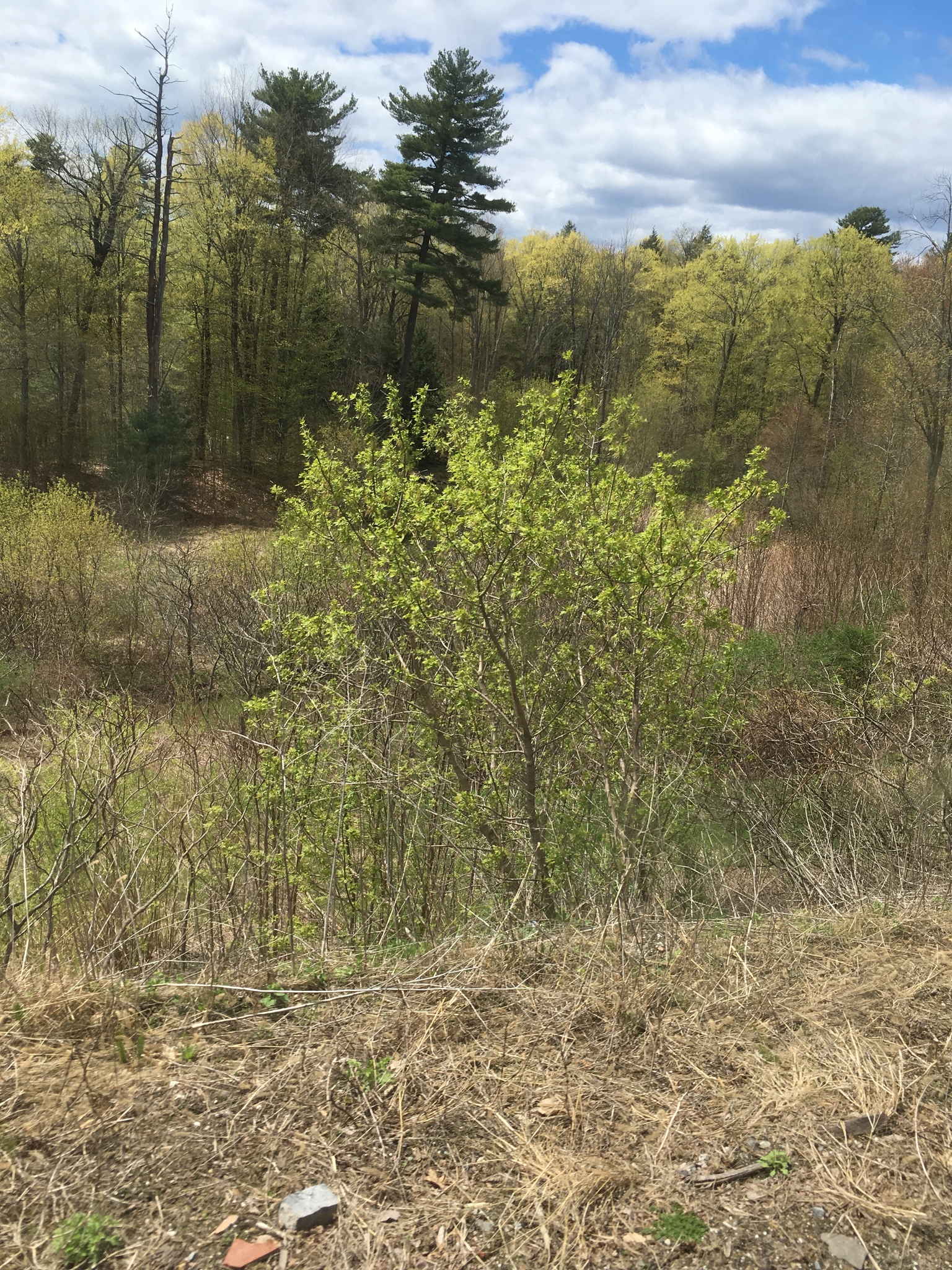


© photo
Jody Shugart · cc0
(c) thewindcriesmary, some rights reserved (CC BY-NC) · cc-by-nc
naturalist charlie · cc0
Taken Mar 19, 2022 by Fabrice Rubio (cc-by-sa)
Taken May 2, 2012 by Tela Botanica − Pierre Bonnet (cc-by-sa)
Taken May 6, 2013 by Tela Botanica − Pierre Bonnet (cc-by-sa)
© copyright of the Board of Trustees of the Royal Botanic Gardens, Kew.




Global distribution
Acer negundo is native across a large part of North America, from Canada to Honduras, centered in the eastern and central parts of the continent. Introduced as an ornamental and windbreak tree, it has naturalized across much of Europe, Asia, Australia, New Zealand and South Africa, chiefly colonizing riverbanks.
- Native4
- Introduced3
- Invasive3
- Canada
- United States
- Mexico
- Guatemala
- Australia
- New Zealand
- South Africa
- Metropolitan France
- Russia
- Ukraine
Hexagons: regions where the plant occurs. Green dots: native range.1
Identity
Box elder (Acer negundo L., 1753), also called ash-leaved maple, is a deciduous member of the Sapindaceae family. Its extensive North American native range reaches from Canada to Honduras. 1 5
The epithet negundo recalls a separate genus, Negundo, established in 1794 by German botanist Conrad Moench. He separated this compound-leaved tree from maples with simple, palmate leaves. Current classification places it back in Acer, but Negundo survives among botanical synonyms and vernacular names. 1
Its alternative name ash-leaved maple describes the resemblance of its compound foliage to ash (Fraxinus). The two genera are not close botanical relatives. 2
Recognition
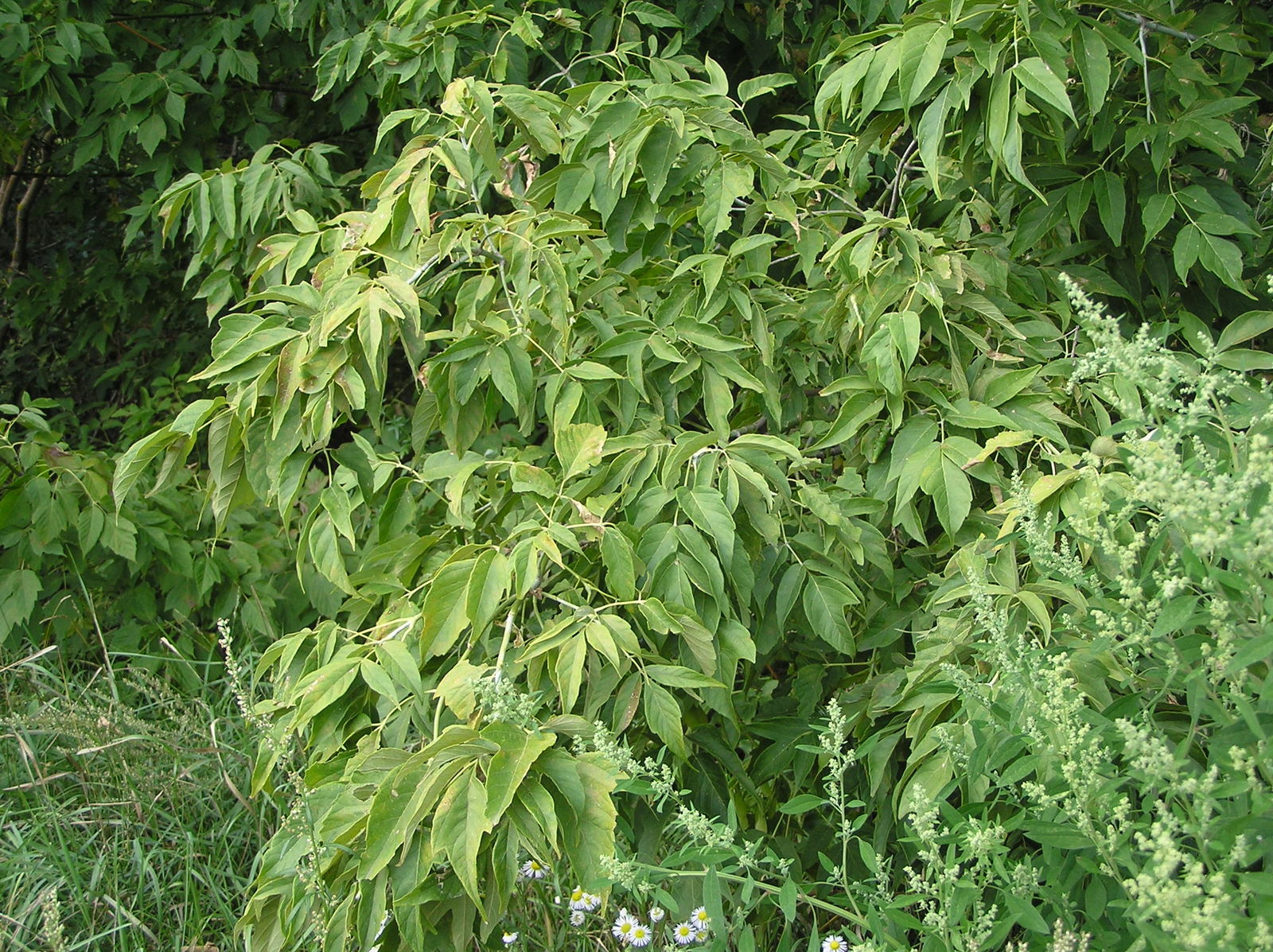
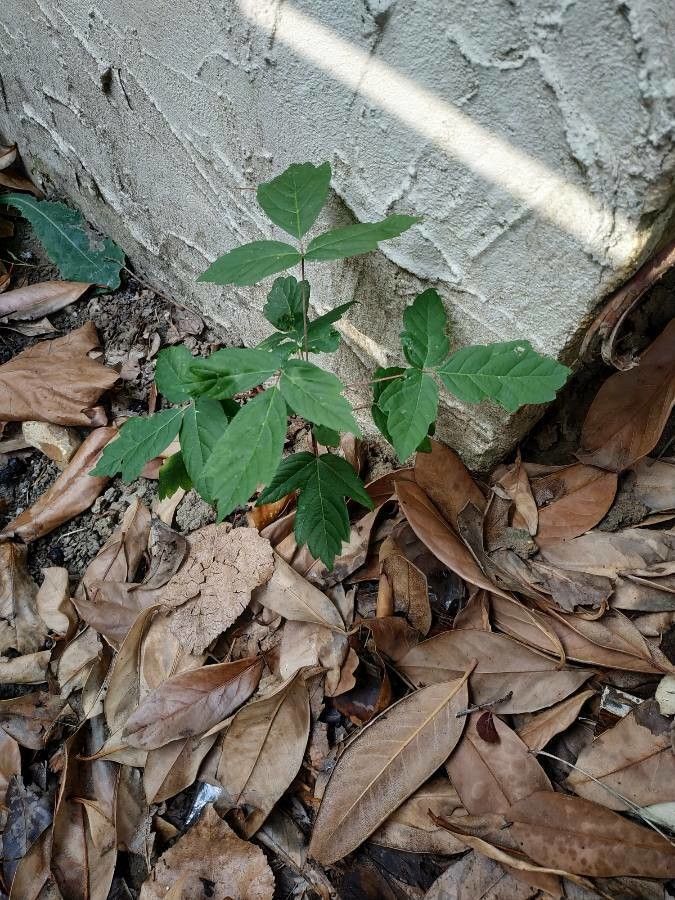
Odd-pinnate compound leaves provide the clearest identifying feature. They usually carry 3–5 toothed leaflets, sometimes seven on vigorous shoots, with paired side leaflets along the central stalk. Box elder is the only common maple in Europe and North America with compound rather than simple, lobed leaves. 3 2
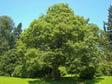
Hairless, green young twigs remain distinctive even after leaf fall, often bearing a fine waxy bloom. An irregular, frequently asymmetric crown reaches 8–20 m (26–66 ft) high and spreads 6–15 m (20–49 ft). Several trunks may develop. 2 3
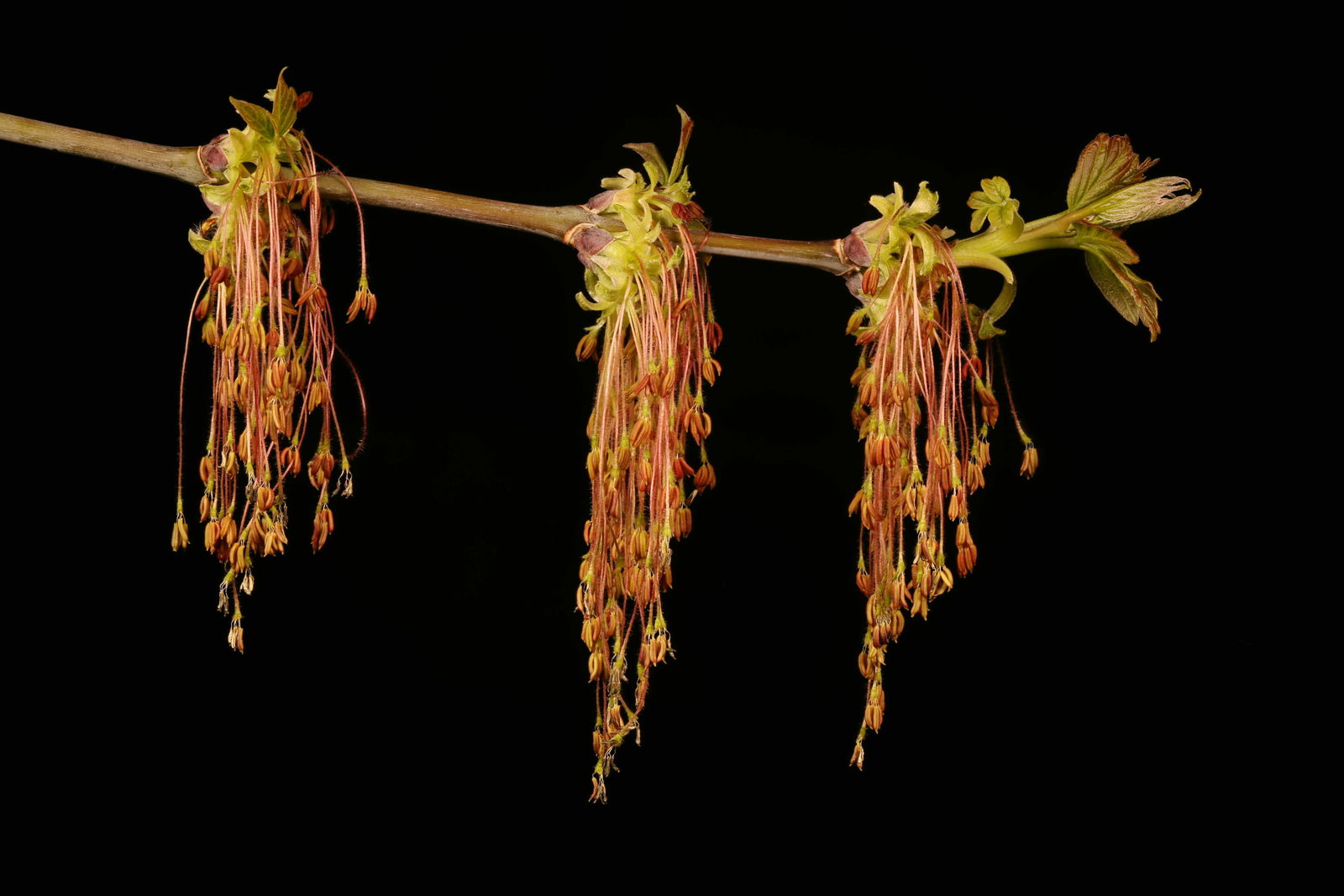
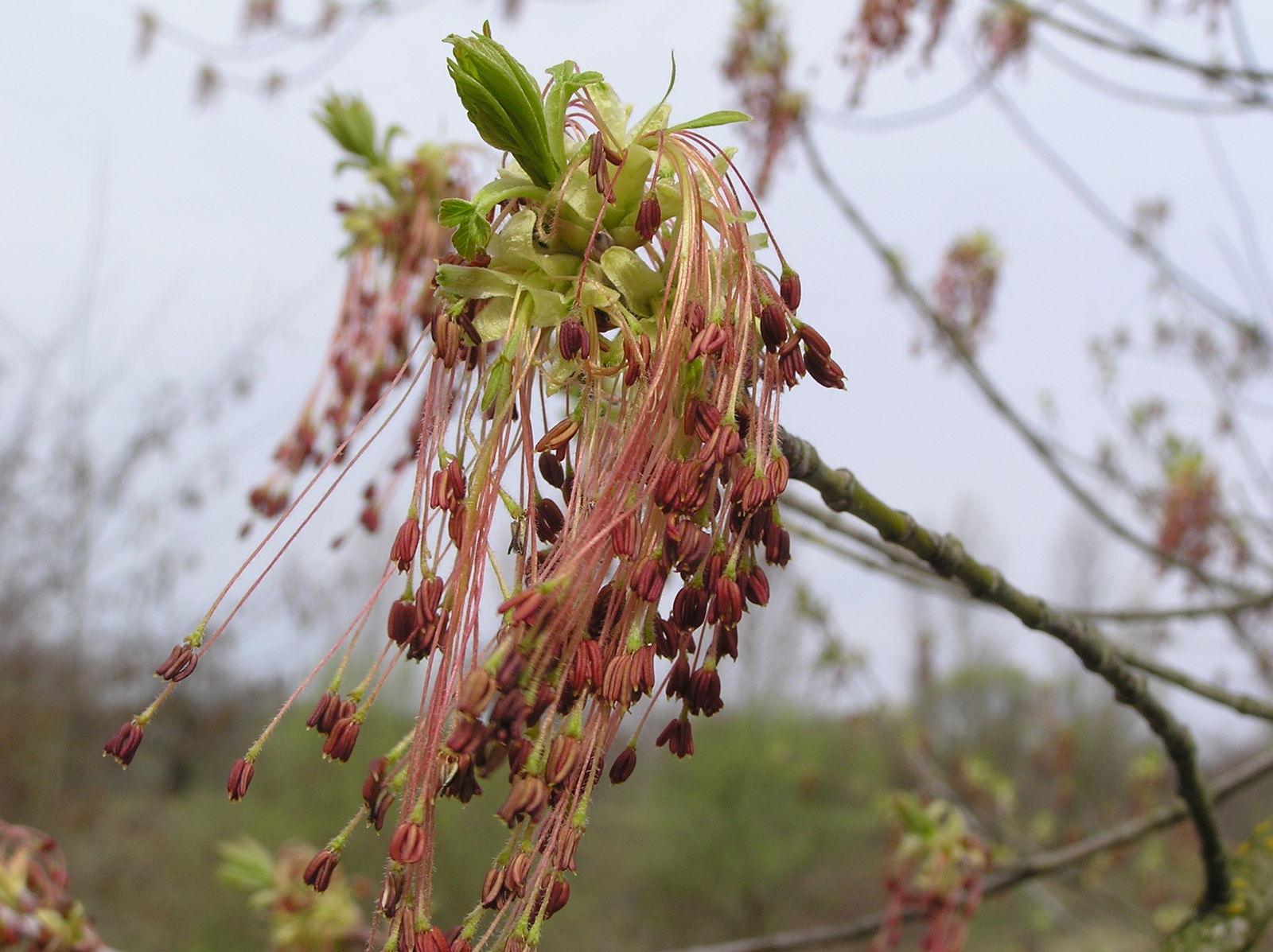
Separate male and female trees make Acer negundo dioecious: an individual bears one flower sex, never both. Inconspicuous greenish flowers appear in early spring before the leaves. Only females subsequently produce paired winged samaras, often retained into winter. 3
Useful taxonomy
Linnaeus named Acer negundo L. in his 1753 Species Plantarum. The later name Negundo aceroides Moench, published in 1794, records the historical attempt to place it in a separate genus before its return to Acer. 1
Geographic variation underlies several recognized botanical varieties, including western Acer negundo var. californicum (Torr. & A.Gray) Sarg., the more southerly var. texanum Pax, and subsp. mexicanum (DC.) Wesm. from Mexico to Honduras. 1
Family placement has also changed through taxonomic revisions. Formerly assigned to the separate Aceraceae, box elder now belongs to the Sapindaceae, within the subfamily Hippocastanoideae alongside horse chestnuts. 5
Habitat and range
From Canada south to Honduras, box elder favors riverside forests, streambanks and regularly flooded alluvial plains. In these native habitats it acts as a pioneer, rapidly colonizing banks disturbed by floods. 1 3
Across the United States and Canada, excluding Alaska, the tree is widely distributed within its native region. Ornamental and windbreak planting introduced it to much of Europe, Asia, Australia, New Zealand and South Africa, where it has naturalized. France’s National Inventory of Natural Heritage identifies it as an invasive alien in riparian habitats, where rapid growth competes with native trees. 8 5
The International Union for Conservation of Nature assesses Acer negundo as Least Concern, consistent with its broad native range and ability to colonize new ground. 6
Life cycle and reproduction
Early spring flowering precedes leaf emergence, as in other wind-pollinated maples. Female flowers hang in clusters and develop into winged samaras that ripen in fall, often remaining on the tree well into winter. 3
Nursery seed requires several months of cold stratification before germination. Cuttings and layering reproduce a particular cultivar faithfully, whereas seed cannot guarantee the same characteristics. 4
Rapid growth comes with a short lifespan, around 75–100 years. Box elder has soft, brittle wood that breaks readily in strong winds, an important consideration when planting close to a house. 3
Uses and risks
North American communities have long collected box elder sap, especially in Canada where the tree is known as Manitoba maple. It is less sugary and less prized than sap from Acer saccharum. Young leaves, buds and cooked seeds are also recorded as edible in small quantities. 4
Soft wood has few high-value applications and is used chiefly for pulp and particleboard. The tree nevertheless serves as a windbreak and ornamental where few other trees tolerate difficult conditions. Boxelder bugs attracted to its seeds can create a temporary nuisance nearby. 3
Cats, dogs and humans have no documented poisoning risk from this species in the available data. Grazing horses, however, face a serious hazard: box elder seeds contain hypoglycin A. Horses eating seedlings or fallen samaras in fall can develop atypical myopathy, a frequently fatal muscle disease. 7
Varieties, look-alikes and related plants
Foliage color and fruiting distinguish the horticultural selections. Flamingo is widely sold for pink, white and green young growth; Variegatum has irregular white margins; Auratum offers golden foliage. Sensation fruits less and develops stronger red fall color. The seedless male selection Baron reduces the spread of self-sown seedlings. 2
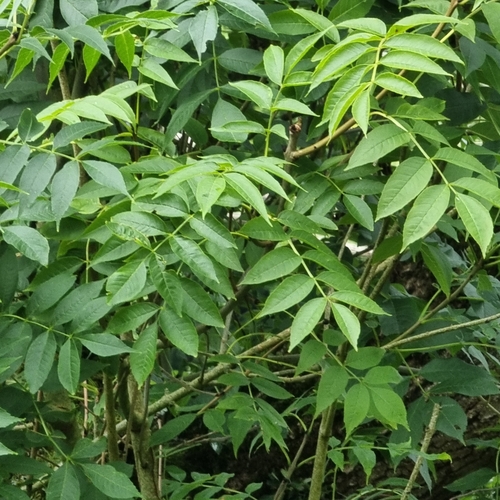
Ashes (Fraxinus) are the principal look-alikes because both genera have compound foliage. Fruits resolve the confusion: box elder produces paired winged samaras, whereas an ash samara is narrower and has a single wing. 2
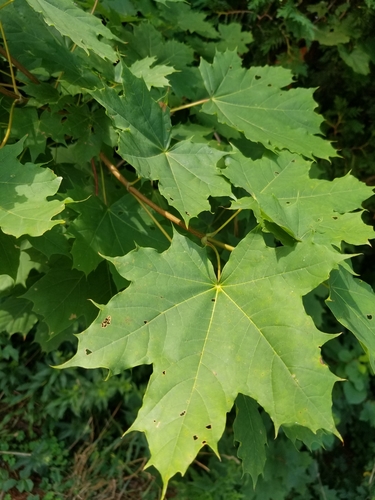
Sycamore and Norway maple, like other maples commonly grown in France, instead have simple, palmate leaves without separate leaflets. This distinction readily separates them from Acer negundo. 3
Main sources
- Plants of the World Online / Kew, Acer negundo L.
- Royal Horticultural Society, Acer negundo - box elder
- Missouri Botanical Garden, Acer negundo
- Plants For A Future, Acer negundo
- INPN / MNHN, Acer negundo L., 1753 (cd_nom 79766)
- IUCN Red List of Threatened Species, Acer negundo assessment
- Baise et al., 2016, hypoglycin A in box elder seeds and equine atypical myopathy in New Zealand
- USDA PLANTS Database, Acer negundo L. (ACNE2)
Frequently asked questions
Is box elder really a maple?
Yes. Despite its unusual compound leaves, Acer negundo belongs to the genus Acer and the Sapindaceae family. It was long separated into the genus Negundo before being returned to the maples.
Why do box elder leaves look like ash leaves?
Both trees have compound leaves with toothed leaflets, explaining the name ash-leaved maple. This is a visual resemblance: Acer and Fraxinus belong to different botanical families.
Is box elder poisonous?
Available data do not identify it as toxic to cats, dogs or humans. Its seeds contain hypoglycin A, however, which can cause frequently fatal atypical myopathy in grazing horses.
Why do bugs gather on box elder trees?
Boxelder bugs feed on the seeds of female trees and gather on trunks in late summer. They cause no serious damage to the tree, but can be a temporary nuisance near homes.
Is box elder invasive in France?
Yes. The French National Inventory of Natural Heritage lists it as an invasive alien species, particularly along waterways where rapid growth competes with native riverside trees.
How can I identify young box elder in winter?
Hairless, bright green young twigs, often covered in a thin waxy bloom, are the most reliable winter clue before the compound leaves appear in spring.
Can box elder sap be collected like sugar maple sap?
Yes. The practice is documented in Canada, where the tree is called Manitoba maple. Its sap is less sugary and less sought after than that of Acer saccharum.
Similar plants

If you are unsure about a plant’s toxicity, ask a botanist or veterinarian for advice.