
Silver maple (Acer saccharinum, )
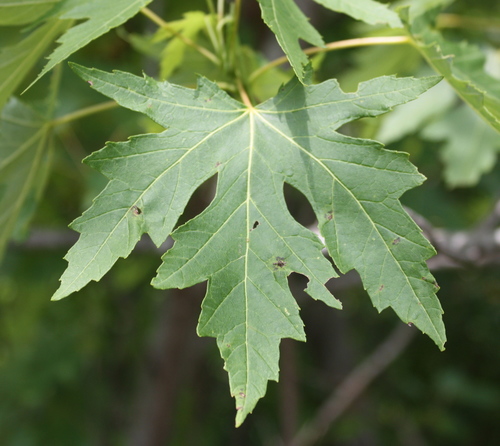
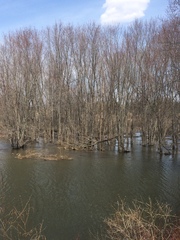
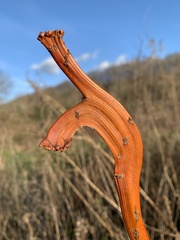
Silver maple (Acer saccharinum) is a large deciduous tree in the Sapindaceae family, native to eastern North America. Its deeply cut, five-lobed leaves have silver undersides, and its winged fruits are among the largest of North American maples. Exceptionally fast growth is accompanied by brittle wood that limits its longevity.
Read moreSilver maple, Silverleaf maple, Soft maple, Creek maple, Water maple and Swamp maple
Allow a few hours of direct sun per day, preferably morning or evening.
Full sun to light partial shade
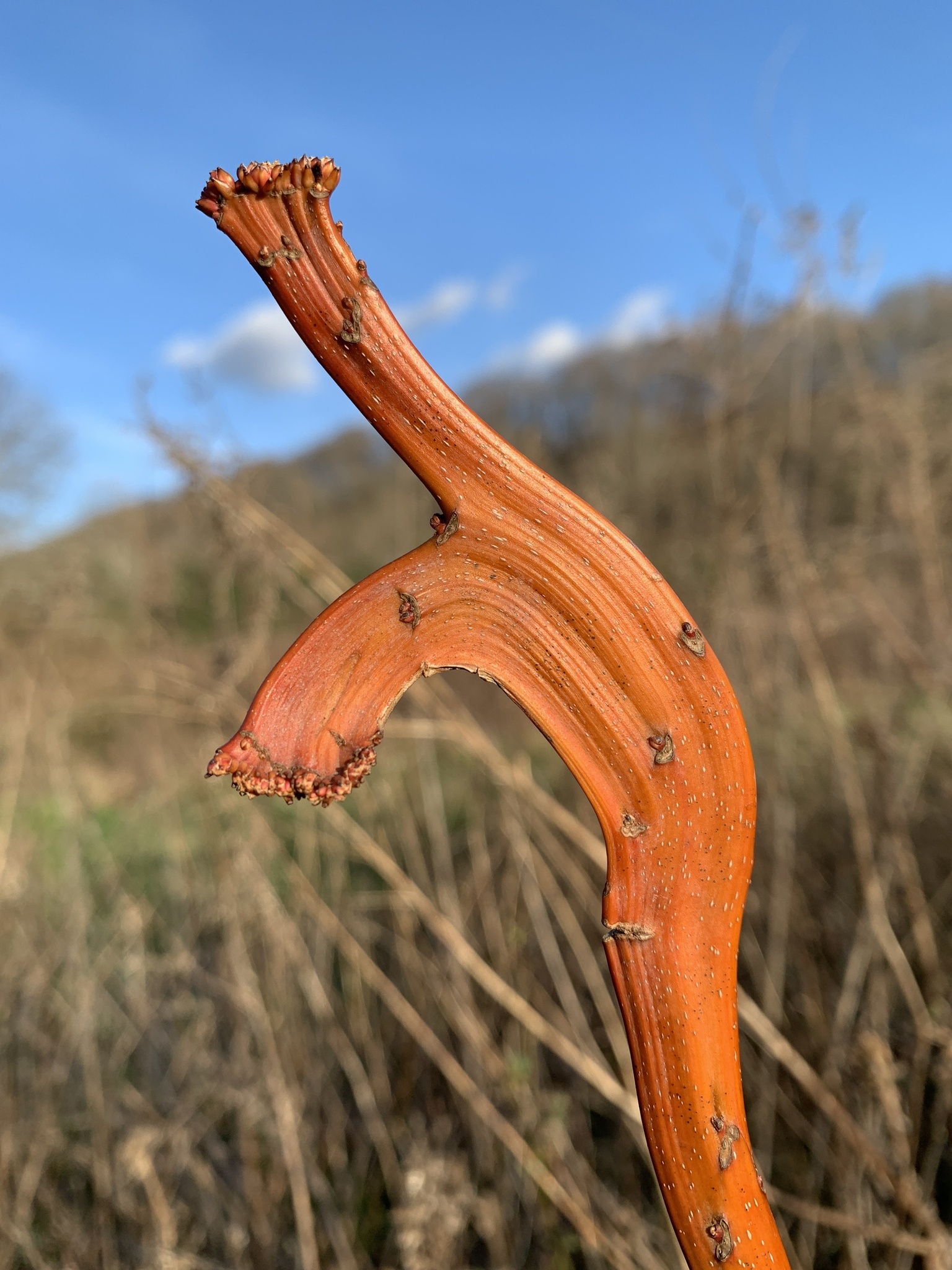


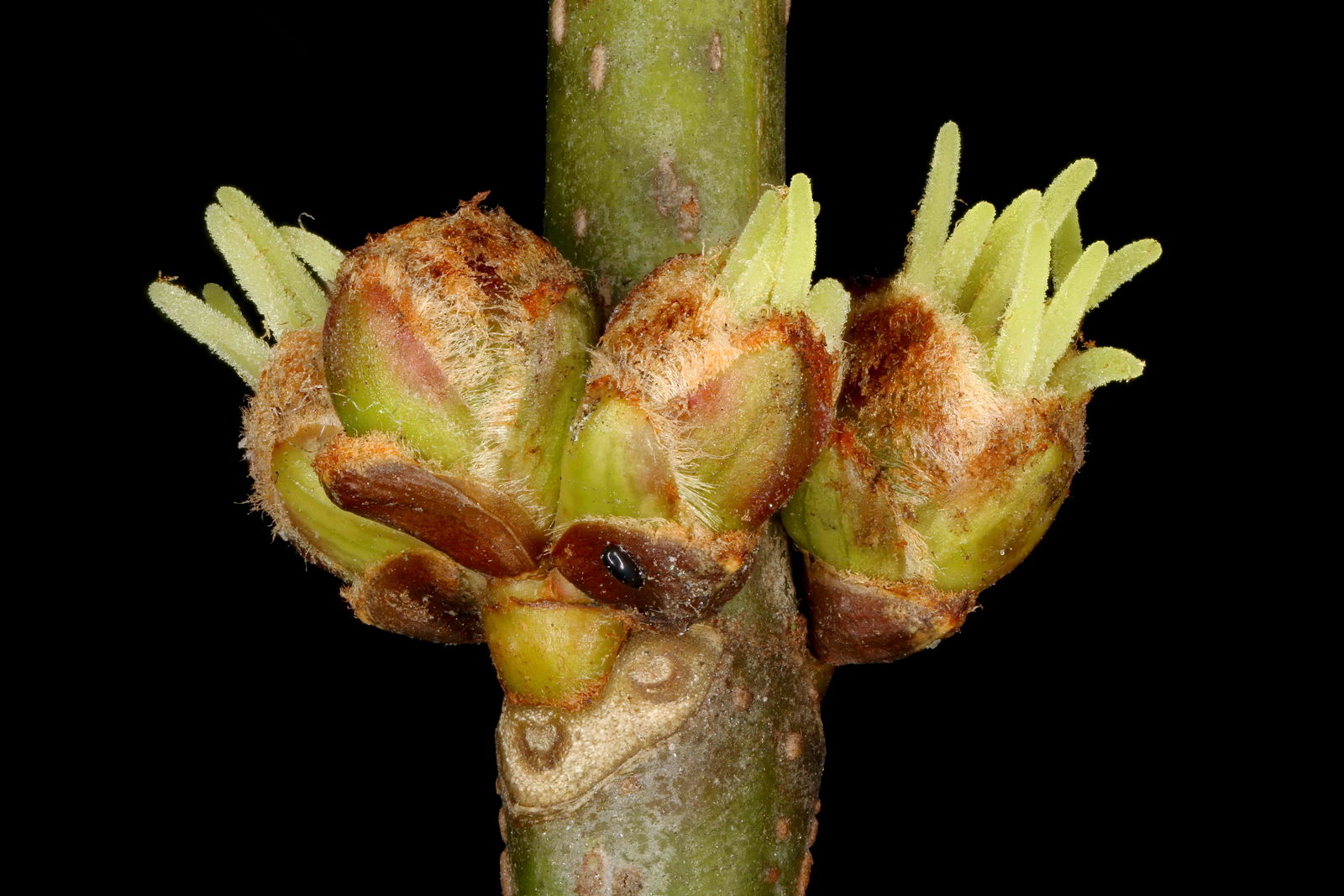
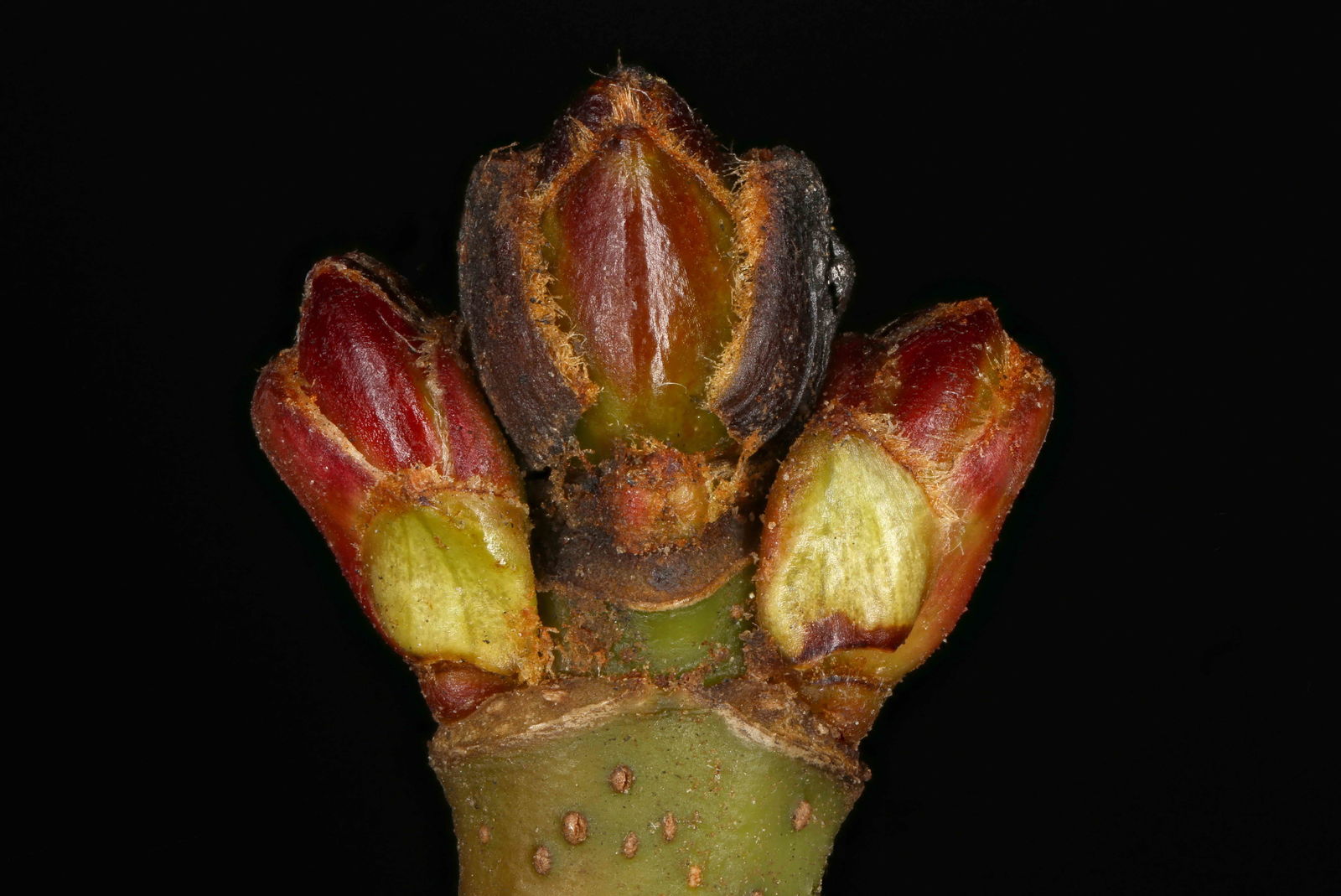
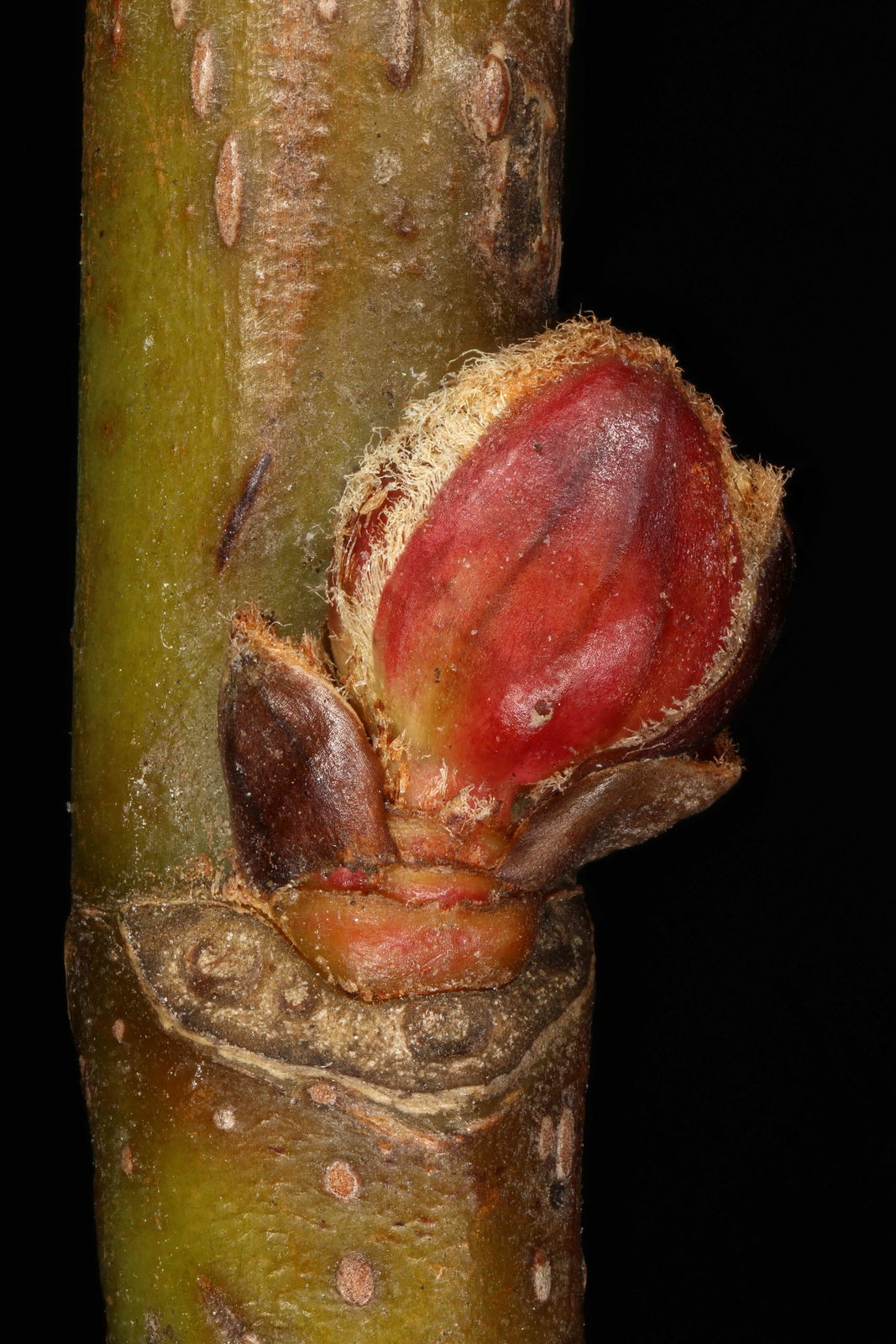
© photo
no rights reserved · cc0
naturalist charlie · cc0
Senna Bryce Robeson · cc-by
Taken Jul 21, 2022 by Oğuzhan (cc-by-sa)
Taken Jul 22, 2022 by Oğuzhan (cc-by-sa)
Taken Jun 2, 2015 by Tela Botanica − Alessandro Bufalini (cc-by-sa)
Taken May 8, 2022 by Tristan Jaton-Maria (cc-by-sa)
Taken Oct 20, 2022 by Dominik Muczyński (cc-by-sa)
© copyright of the Board of Trustees of the Royal Botanic Gardens, Kew.


Global distribution
Acer saccharinum is native to southeastern Canada and the central and eastern United States, from New Brunswick to Florida and west to the Great Plains. In Europe it is mainly grown as an ornamental tree. A few individuals naturalize along waterways in France, Germany and Belgium, without clearly established populations to date.
- Native2
- Introduced3
- Canada
- United States
- Metropolitan France
- Germany
- Belgium
Hexagons: regions where the plant occurs. Green dots: native range.1
Identity
Silver maple (Acer saccharinum L., 1753) is a large deciduous tree in the genus Acer and the Sapindaceae family, widely planted for its fast growth. Carl Linnaeus described it in Species Plantarum in 1753. In eastern North America it grows abundantly along waterways, beside black willow and eastern cottonwood. 1 2
Its common name describes the silver undersides of the leaves, exposed whenever a breeze turns them over. The Latin epithet saccharinum can mislead: it suggests sap as sweet as that of sugar maple, although silver maple sap contains substantially less sugar. The lower yield makes it poorly suited to commercial syrup production. 3 4
Recognition
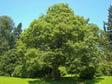
Five deeply cut lobes and sharp leaf sinuses make silver maple foliage distinctive. Leaves measure 8–16 cm (3–6 in) long, with pale green upper surfaces and strikingly silver undersides. Mature trees commonly reach 15–25 m (50–80 ft) tall and 12–20 m (40–65 ft) across. Exceptional specimens have occasionally been recorded at 30 m (100 ft). 2 3
Petal-free flowers, yellowish green to reddish, appear in small clusters before leaf emergence, starting in late winter. They produce samaras 4–7 cm (1.5–3 in) long, among the largest of North American maples. The widely spread wings surround fruits that ripen by late spring, rather than in fall as in most maples. 3 2
Smooth gray bark on young trees later peels in long strips. The soft wood breaks readily at the junctions of large branches. On mature trees exposed to wind, this susceptibility to breakage can already be visible in the structure of the crown. 2 3
Useful taxonomy
The accepted name Acer saccharinum L. dates to Species Plantarum in 1753. No distinct botanical varieties are recognized globally. Its synonymy mainly includes old combinations and historical horticultural forms, such as Acer dasycarpum Ehrh., now treated as illegitimate or obsolete names for the same species. 1
Within Sapindaceae, silver maple shares its family with red maple and sugar maple, both regularly confused with it. A wet habitat and early flowering contribute especially to confusion with red maple. The commercial name Acer x freemanii refers to the hybrid between silver and red maple: a distinct taxon rather than a variety of Acer saccharinum. 1 5
Habitat and range
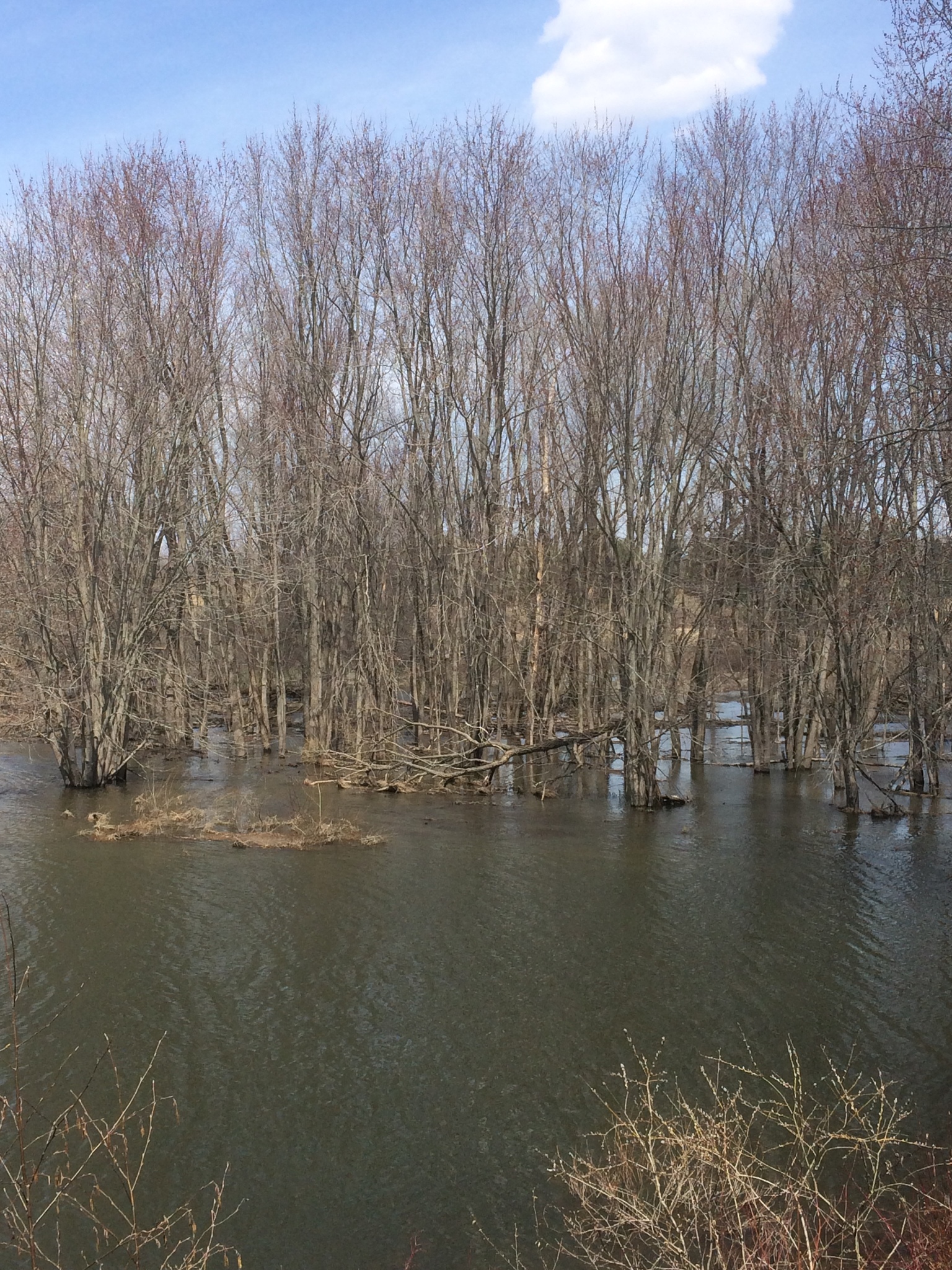
From southeastern Canada through the central and eastern United States, silver maple extends from New Brunswick to Florida and west to the Great Plains. It abundantly colonizes riverbanks and floodplains, tolerating floods that last several weeks. That tolerance helps explain why it is so frequent beside waterways and comparatively scarce on dry slopes. 1 3
The International Union for Conservation of Nature assesses the species as Least Concern worldwide. Silver maple remains common and is not considered threatened across its native range. 8
Beyond North America, silver maple is mainly cultivated as a shade tree in Europe. Occasional naturalization has been observed beside waterways in France, Germany and Belgium. It appears limited to isolated individuals: truly established populations are probably still absent, so cultivation and scattered escapes should be distinguished. 7
Life cycle and reproduction
A silver maple samara contains a seed with no dormancy. On moist ground it can germinate almost immediately after falling, within days to weeks. This separates silver maple from most temperate maples, whose seeds ripen in fall and wait until the following spring before they germinate. 3 4
Young, well-established silver maples often grow more than 1 m (3 ft) a year, placing the species among the fastest-growing temperate maples. Its vigor once justified extensive urban planting for quick shade. Later, concern about brittle wood encouraged municipalities to choose other trees, including Freeman maple, for many of those locations. 2 3
The shallow, extensive root system accompanies this rapid growth. Roots frequently lift sidewalks and paths and can sometimes contribute to cracks in buried pipes. In urban settings, these practical problems make ample distance from foundations and other structures an important part of choosing a planting site. 3
Uses and risks
Rapid shade and tolerance of poor or wet urban soil have made silver maple a common landscape tree. Its fall foliage is comparatively subdued beside that of many other maples. The sap can be harvested and concentrated into syrup, but its lower sugar content than sugar maple generally limits this use to small-scale, amateur production. 4 2
Leaves, wood and sap are not toxic to cats, dogs or humans. The important exception concerns horses: wilted or withered leaves contain tannins and gallic acid that are metabolized into pyrogallol. This substance oxidizes hemoglobin and destroys red blood cells. A recent clinical report describes severe poisoning in a mare after it ate wilted silver maple leaves; the horse was treated with hemodialysis. 6
Soft, brittle wood remains the chief practical hazard around buildings and busy spaces. Large branches give way more readily under strong winds or the weight of ice than branches made of denser wood. Urban trees therefore need regular thinning to reduce the burden on vulnerable limbs. 2
Varieties, look-alikes and related plants
Horticultural selections exist despite the absence of recognized botanical varieties in Acer saccharinum. Silver Queen, introduced in 1966, has a more upright crown and produces almost no fruit. Pyramidale and Skinneri provide columnar or weeping forms, while Laciniatum groups forms with deeply cut, toothed leaves. 3
Red maple, Acer rubrum, is the most frequent look-alike because it shares wet habitats and similarly early flowering. Leaves give the clearest distinction: silver maple has five deeply cut lobes and silver undersides, while red maple has shallower lobes without that silver surface. Sugar maple, Acer saccharum, also causes confusion because of its similar scientific name, but lacks silver leaf undersides and grows much more slowly. 3 5
One commercial distinction is especially useful when buying a tree. Acer x freemanii, the hybrid between silver maple and red maple sold under names such as Autumn Blaze, is not Acer saccharinum. Its intermediate foliage can obscure that difference for buyers unfamiliar with the two parent species. 1
Main sources
- Plants of the World Online / Kew, Acer saccharinum L.
- Missouri Botanical Garden Plant Finder, Acer saccharinum
- North Carolina Extension Gardener Plant Toolbox, Acer saccharinum
- Plants For A Future, Acer saccharinum
- INPN / MNHN, Acer saccharinum
- Pinnell et al., 2024, Journal of Veterinary Internal Medicine, silver maple leaf toxicity in a horse
- Manual of the Alien Plants of Belgium, Acer saccharinum
- IUCN Red List, Acer saccharinum assessment
Frequently asked questions
Is silver maple poisonous to animals?
The leaves and wood are not toxic to cats, dogs or humans. The risk concerns horses, in which wilted or withered leaves can cause severe hemolysis. A recent clinical report documented poisoning in a mare.
Can silver maple be used to make syrup?
Its sap can be collected and concentrated into syrup, but contains less sugar than sugar maple sap. The name Acer saccharinum often causes confusion with sugar maple, although they are botanically distinct species.
Why do silver maple branches break so easily?
Its wood is naturally soft and grows quickly, traits often associated with lower mechanical strength. Large, heavily leafed branches are more liable to break in strong winds or under the weight of ice.
How can I tell silver maple from red maple?
The most reliable clue is the leaf. Acer saccharinum has five deeply cut lobes and a distinctly silver underside. Acer rubrum has shallower lobes and lacks that silver underside. Both grow in wet habitats and flower very early.
Is silver maple invasive in France?
Not in the strict sense. A few individuals naturalize along waterways in France, Germany and Belgium, but clearly established populations have not been documented to date, unlike some other introduced maples.
Why does silver maple grow so fast?
Silver maple is among the fastest-growing temperate maples, often adding more than 1 m (3 ft) a year as a well-established young tree. This vigor explains its past popularity as an urban shade tree that produced a quick effect.
Which trees are confused with silver maple?
The most frequent confusions involve Acer rubrum, red maple, and the commercial hybrid Acer x freemanii. The latter is a cross between the two species, sold under names such as Autumn Blaze and reputed to have less brittle wood.
Similar plants
If you are unsure about a plant’s toxicity, ask a botanist or veterinarian for advice.