
Tarragon (Artemisia dracunculus, )
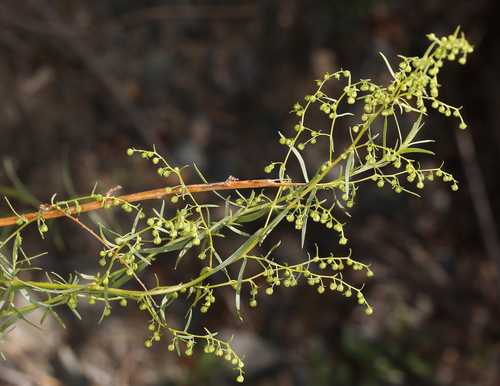
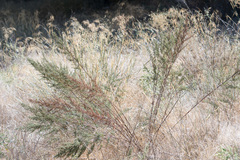
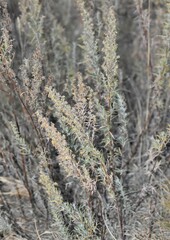
Tarragon (Artemisia dracunculus L.) is an aromatic perennial in the Asteraceae family, grown for its narrow, anise-scented leaves. Two horticultural forms share the name: French tarragon, prized for its aroma but sterile, and hardier Russian tarragon, with little fragrance. Knowing the difference helps you choose the right plant for cooking.
Read moreTarragon, Estragon, Dragoncello and Tarkhun
Place in full sun, with intense direct light all day long.

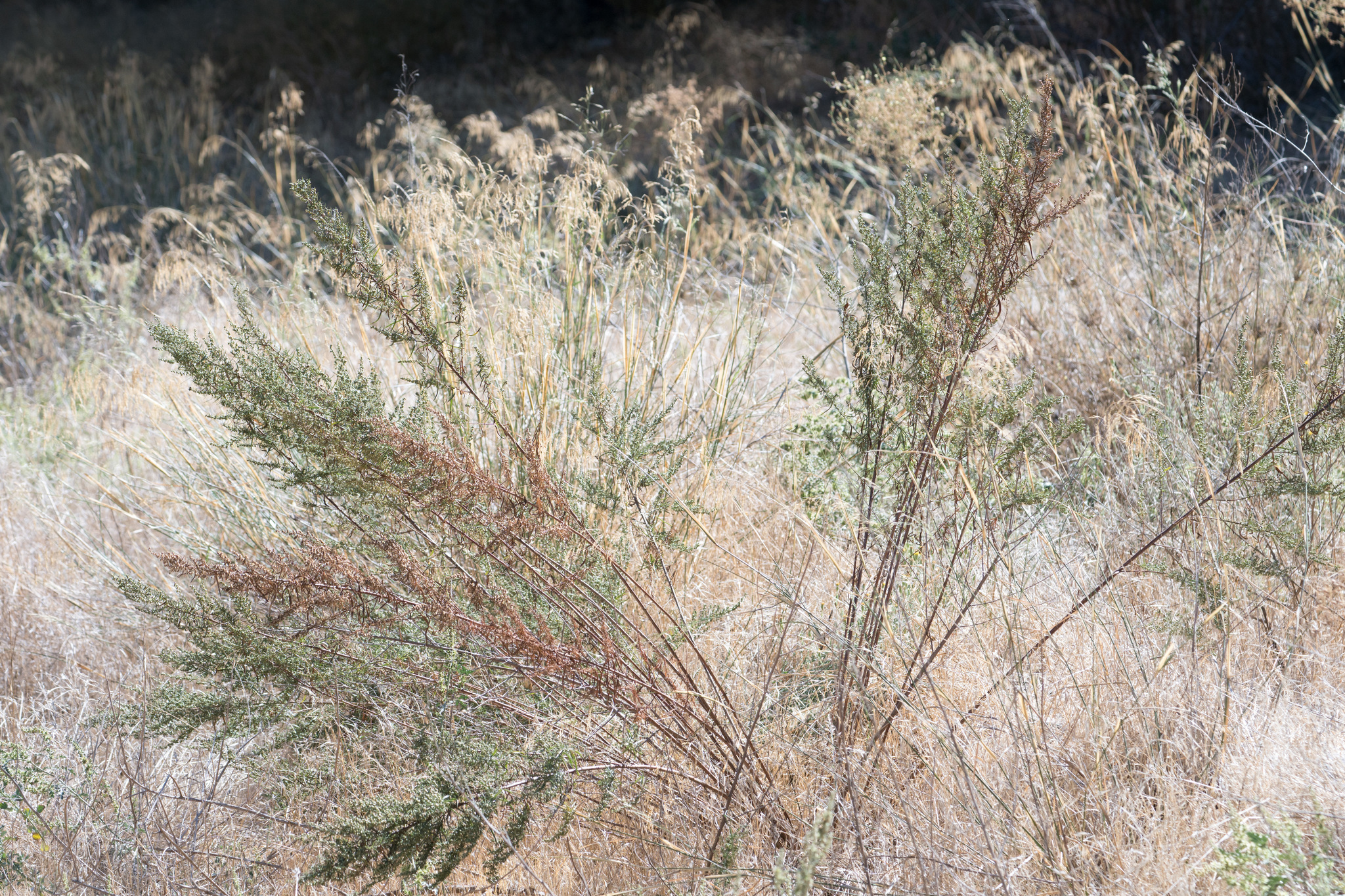
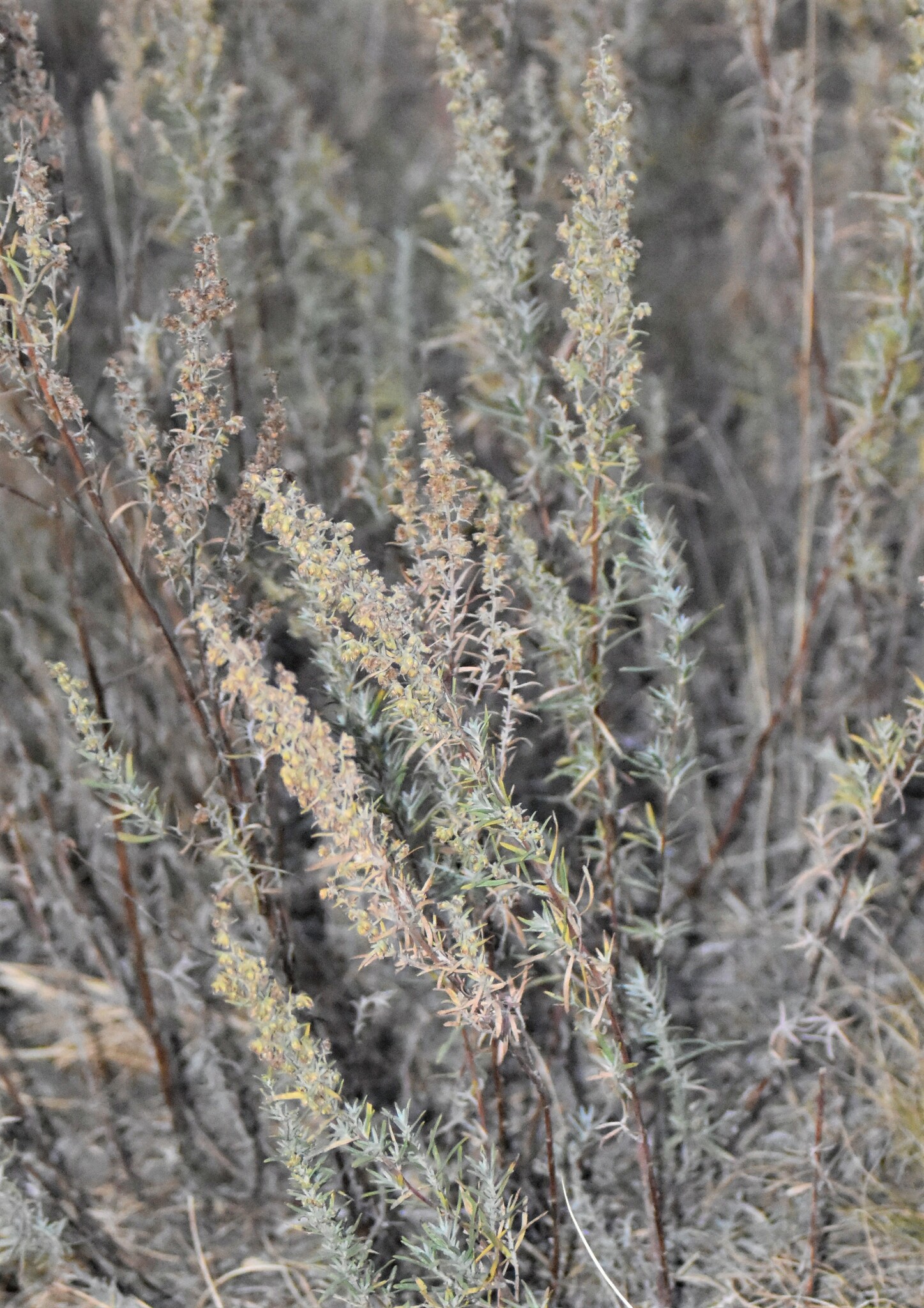


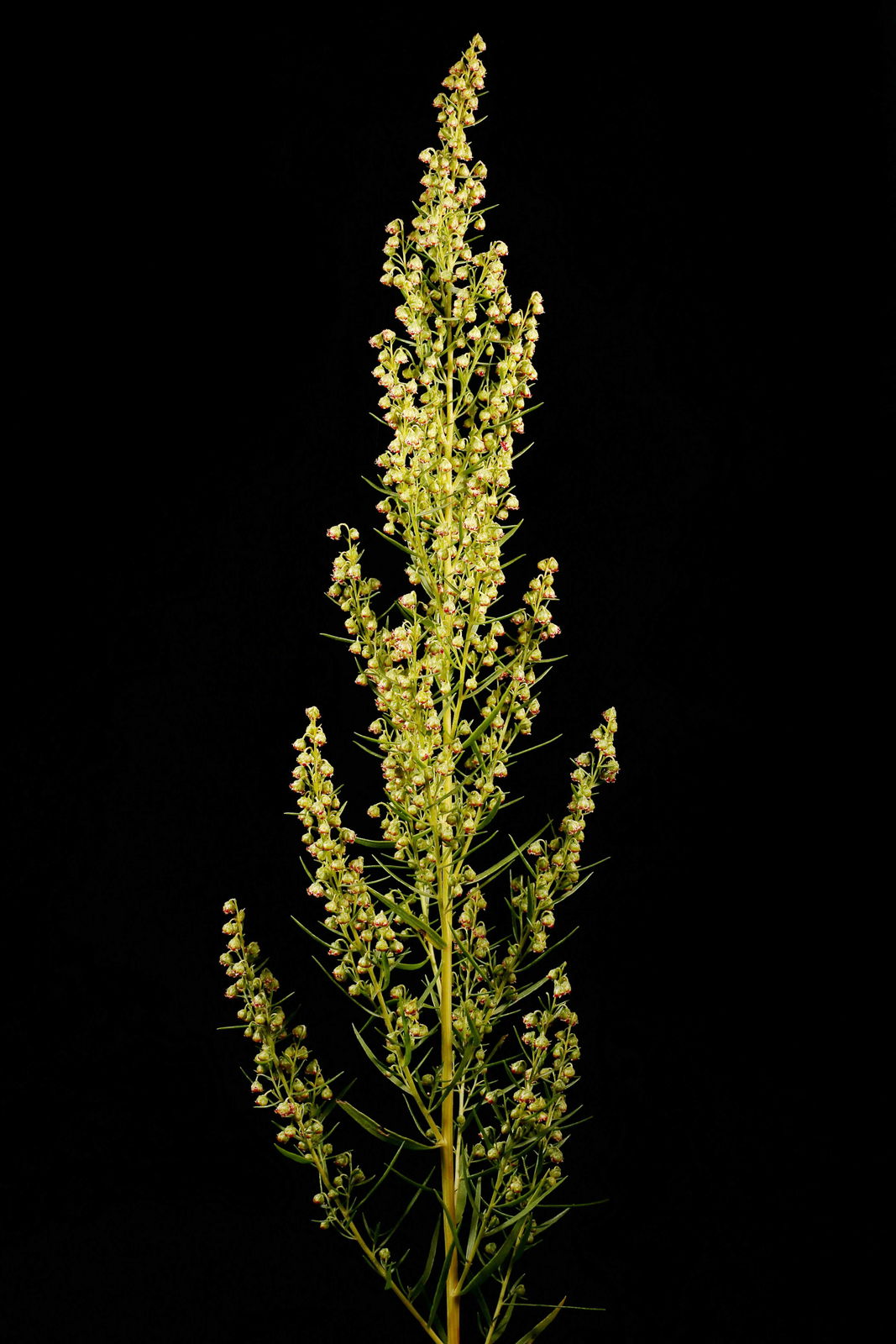
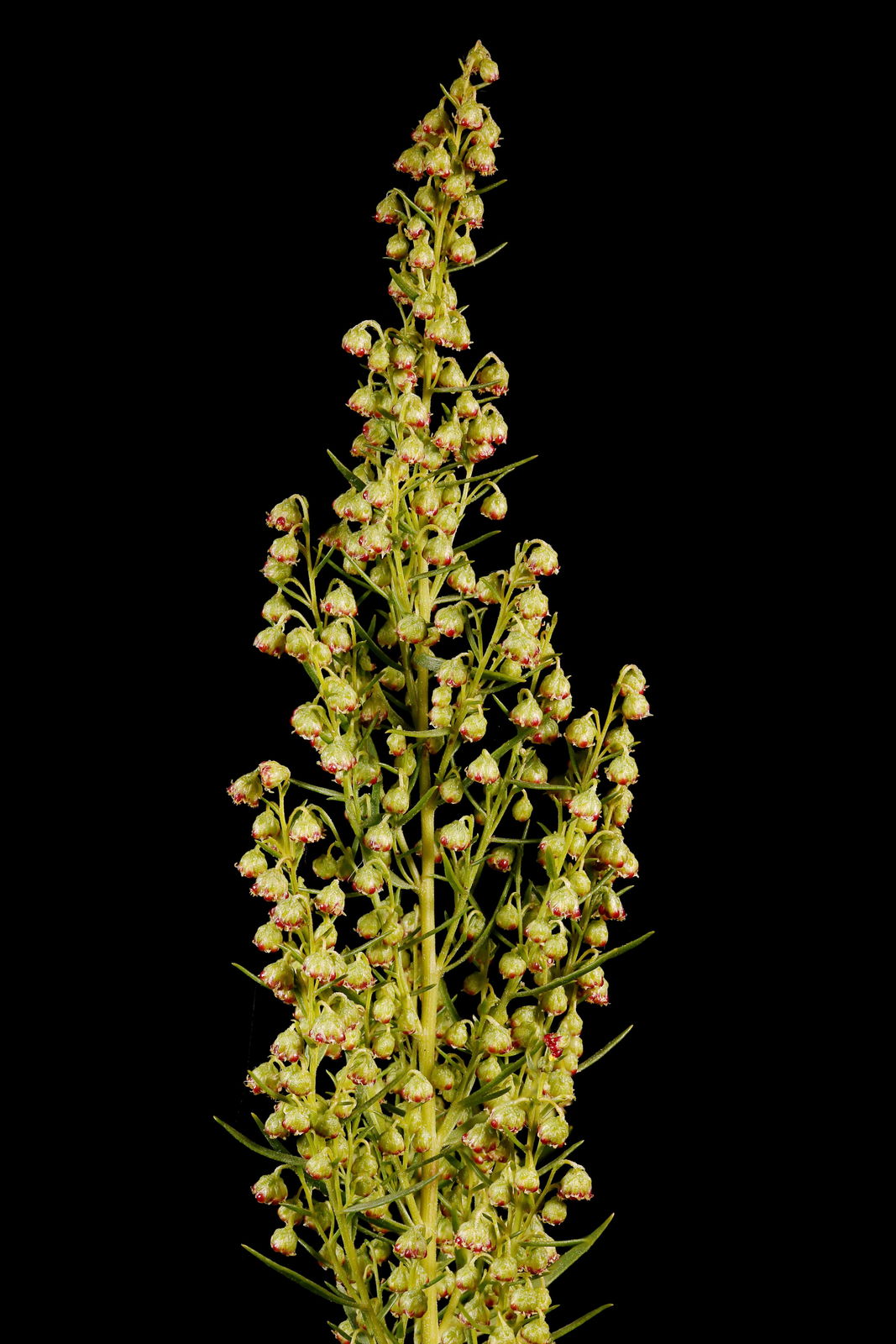
© photo
(c) Steve Matson, some rights reserved (CC BY), uploaded by Steve Matson · cc-by
Jesse Rorabaugh · cc0
Eric Lamb · cc-by
Taken Jul 14, 2022 by schind (cc-by-sa)
Taken Jul 27, 2022 by Suzanne Dome (cc-by-sa)
Taken Jul 4, 2020 by Antoine Gournay (cc-by-sa)
Taken Aug 1, 2018 by Meiga Entropía (cc-by-sa)
© copyright of the Board of Trustees of the Royal Botanic Gardens, Kew.




Global distribution
POWO places the native range of Artemisia dracunculus from temperate Asia to North America. A narrower French-language account traces its origin to Central Asia and southern Russia, with introduction to western Europe and Alaska. Both accounts emphasize a Eurasian center of origin followed by worldwide horticultural spread.
- Native3
- Introduced1
- Russia
- Mongolia
- North America
- Western Europe
Hexagons: regions where the plant occurs. Green dots: native range.1
Identity
Tarragon (Artemisia dracunculus L., 1753) is an aromatic herbaceous perennial in the Asteraceae family and the genus Artemisia. Its name traces back to Arabic ṭarẖūn, linked to Greek drakon, meaning dragon. Medieval herbalists interpreted the plant's twisting roots through the doctrine of signatures, believing they suggested protection against venomous bites. 6 7
Two horticultural forms share the name. French tarragon, grown for its intensely fragrant leaves, almost never produces viable seed. Russian tarragon is hardier, flowers freely and readily self-seeds, but its aroma is weak or bitter. An unlabeled plant is therefore not necessarily the form wanted for cooking. 3 7
Recognition
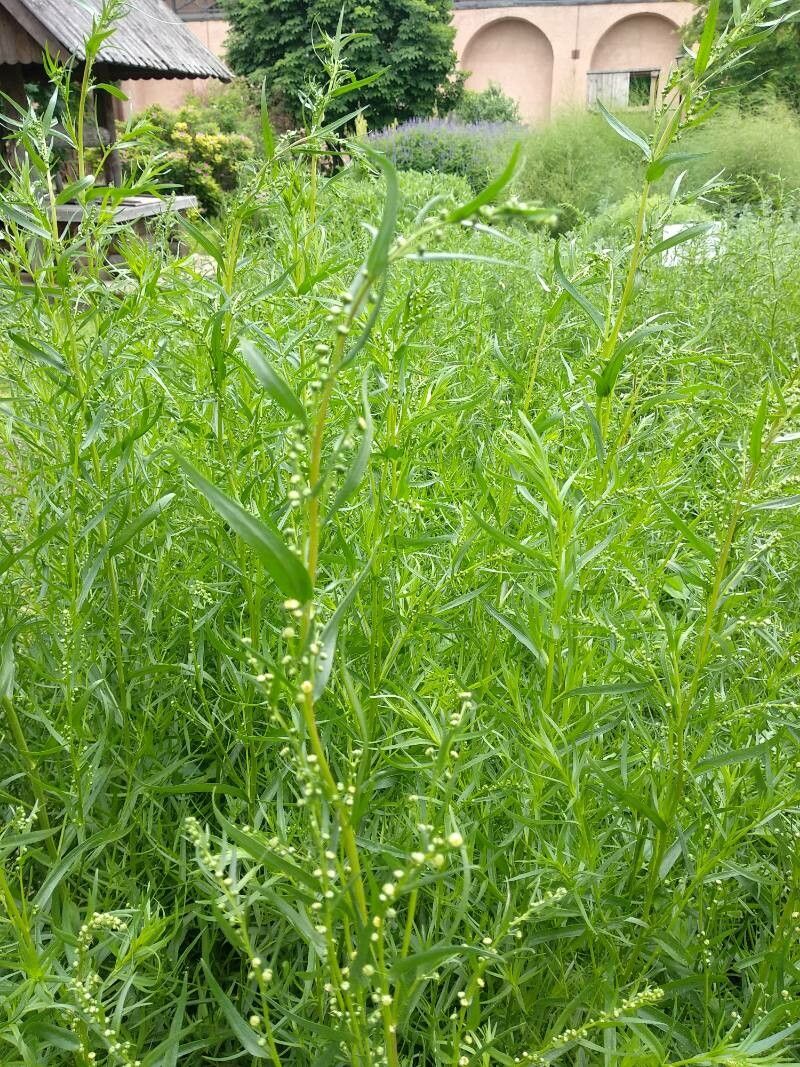
A bushy, upright clump of 60 cm to 1.5 m (2–5 ft) carries slender, much-branched stems. Unlike most mugworts, tarragon has undivided leaves: narrow, lance-shaped, 2–8 cm (0.8–3.1 in) long, hairless and glossy dark green. They lack the whitish down of Artemisia vulgaris or Artemisia absinthium. 7 6
Crushing a leaf releases the characteristic anise scent, due to estragole. Small greenish-yellow flower heads, 2–4 mm (0.08–0.16 in) across, are inconspicuous and often sterile in French tarragon. Russian tarragon flowers much more abundantly and produces fertile seed. 7 6
Useful taxonomy
For Kew, Artemisia dracunculus L. is the accepted name in Asteraceae, tribe Anthemideae. The main synonyms, Oligosporus dracunculus (L.) Poljakov and Draconia dracunculus (L.) Soják, refer to the same species under earlier generic names. 1 2
Horticultural naming presents the more practical difficulty: var. sativa (French tarragon) and var. inodora, also called dracunculoides (Russian tarragon), are not treated consistently across catalogs. How a plant was propagated is a better guide than its variety name alone. A seed-grown plant cannot be true French tarragon, because that form does not produce viable seed. 4 3
Habitat and range
Temperate Asia through North America forms the native range recognized by POWO. A narrower French-language historical account places the origin in Central Asia and southern Russia, recording introduction to western Europe around 1548 and a mention by the herbalist Gerard in 1597. 6
Wild tarragon occupies dry, open places. NC State Extension describes roadsides, grasslands, desert-steppe habitats and disturbed soils across North America and Eurasia. That broad wild distribution contrasts with culinary cultivation, which focuses on the French form. 3
Garden cultivation has carried tarragon far beyond its native range. Missouri Botanical Garden describes it as a sun-loving perennial suited to poor, well-drained soils in temperate gardens, a use chiefly associated with French tarragon grown for its leaves. 9
Life cycle and reproduction
The perennial rootstock survives while the aboveground growth dies back in winter, sending up new shoots each spring in temperate climates. NC State Extension recommends cutting stems to ground level early in the season, removing flower buds and pruning in late summer to encourage more vigorous growth. 3
Propagation clearly separates the two forms. Russian tarragon grows from fertile seed and readily self-seeds; virtually sterile French tarragon reproduces only through clump division or stem cuttings. NC State Extension advises division every 2–4 years to maintain vigor and fragrance. 3 7
Harvesting works best before flowering, when the leaves hold the strongest aroma. After that stage the foliage toughens and loses some fragrance, providing a simple clue to the best cutting time. 6
Uses and risks
French fines herbes combine tarragon with parsley, chives and chervil. Tarragon flavors béarnaise sauce, tartar sauce and herb vinegar. In Iran and Armenia it accompanies fresh table herbs and some pickles. Tarkhun, a green carbonated drink popular in the Caucasus, is also flavored with tarragon. 6 7
The ASPCA lists tarragon as toxic to cats, dogs and horses, identifying essential oils as the toxic principle. Reported clinical signs are mild vomiting and diarrhea. NC State Extension confirms the animal risk and notes possible contact dermatitis in people, particularly from the root. 5 3
Concentrated essential oil requires particular caution because it contains estragole. A European assessment described minimal risk at ordinary culinary doses, while prolonged use or use during pregnancy remains discouraged. 6 7
Varieties, look-alikes and related plants
Several plants are commonly confused with culinary tarragon:
- Russian tarragon has duller, grayish, hairy foliage with a much weaker scent than the French form;
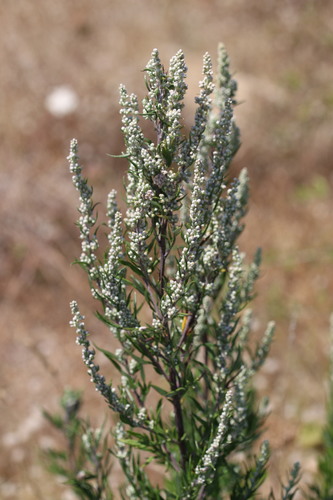
- Artemisia vulgaris, common mugwort, has deeply divided leaves with woolly undersides;
- Artemisia absinthium, common wormwood, has gray foliage on both sides and a more bitter taste;
- Tagetes lucida, Mexican mint marigold, is often sold as a substitute called Mexican tarragon but belongs to a different genus.
At purchase, the reliable clue is how the plant was propagated rather than the variety name on its label. A seed-grown plant cannot be French tarragon, since that form does not produce viable seed. 4 3
Main sources
- Plants of the World Online / Kew, Artemisia dracunculus L.
- International Plant Names Index, Artemisia dracunculus L.
- NC State Extension Gardener Plant Toolbox, Artemisia dracunculus
- Royal Horticultural Society, Artemisia dracunculus var. inodora - Russian tarragon
- ASPCA, Tarragon (Artemisia dracunculus) toxicity entry
- Wikipedia FR, Tarragon
- Wikipedia EN, Tarragon
- Tela Botanica eFlore, Artemisia dracunculus L.
- Missouri Botanical Garden Plant Finder, Artemisia dracunculus
Frequently asked questions
How can I tell French and Russian tarragon apart?
French tarragon has smooth, glossy dark green leaves, a strong anise scent and rarely flowers. Russian tarragon has duller, hairier foliage, flowers freely and produces fertile seeds, but its aroma is weak or bitter.
Can I grow French tarragon from seed?
Commercially sold seeds almost always produce Russian tarragon, because true French tarragon is sterile. To obtain the prized culinary form, start with a division or cutting.
Is tarragon toxic to pets?
The ASPCA lists tarragon as toxic to cats, dogs and horses. Essential oils are the toxic principle, and signs are generally mild vomiting and diarrhea. Significant ingestion warrants veterinary advice.
Where does the name tarragon come from?
The name traces back to Arabic ṭarẖūn and Greek drakon, meaning dragon, in reference to its twisting roots. Under the medieval doctrine of signatures, that shape was taken to suggest protection against venomous bites.
Why does my tarragon lose its flavor over time?
A clump left undivided for several years often loses vigor and aroma. Dividing it every 2–4 years and providing well-drained soil in full sun helps restore more fragrant foliage.
Is tarragon safe to eat?
Fresh tarragon is considered safe in ordinary culinary use. Its concentrated essential oil, rich in estragole, is not recommended for prolonged use or during pregnancy.
Similar plants
If you are unsure about a plant’s toxicity, ask a botanist or veterinarian for advice.